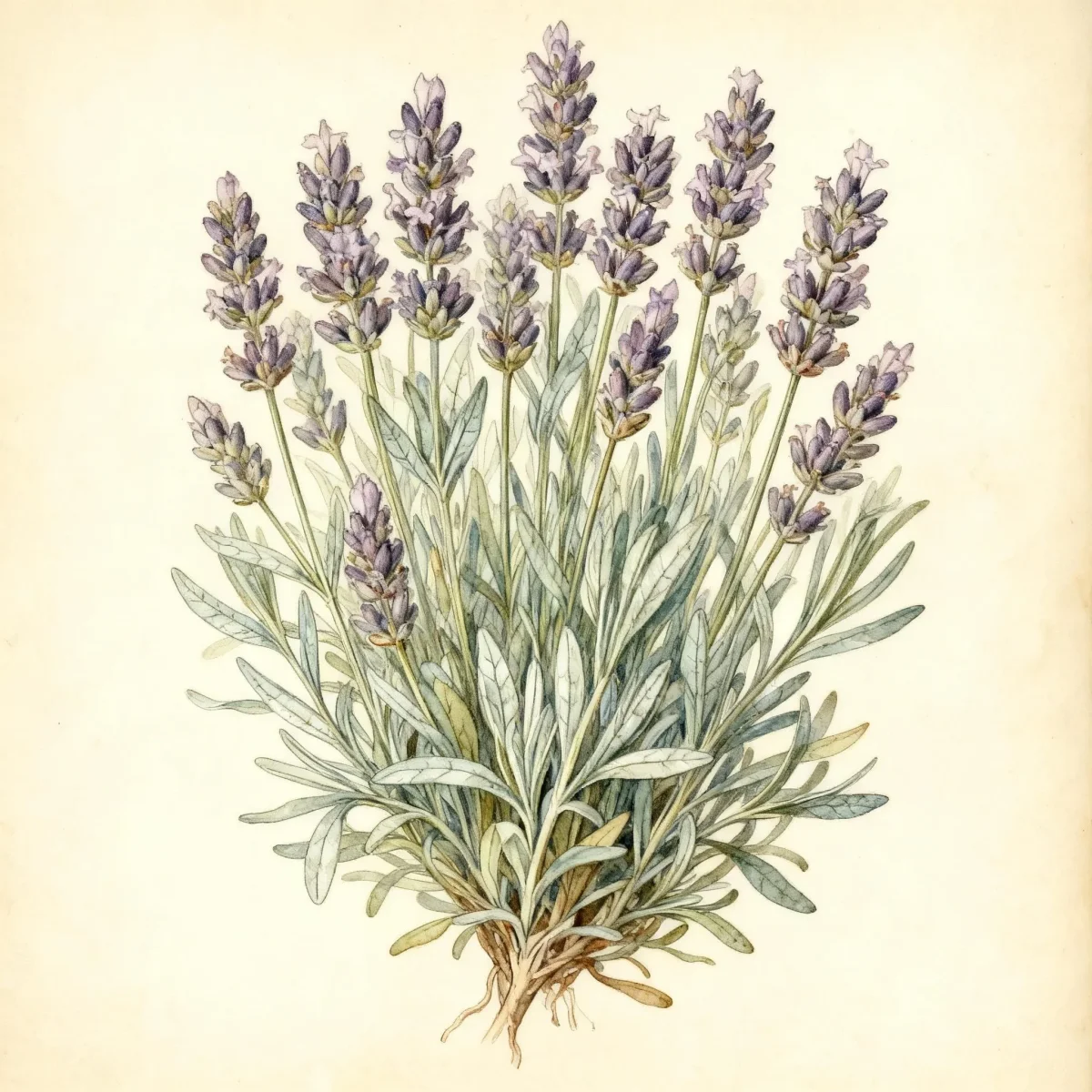
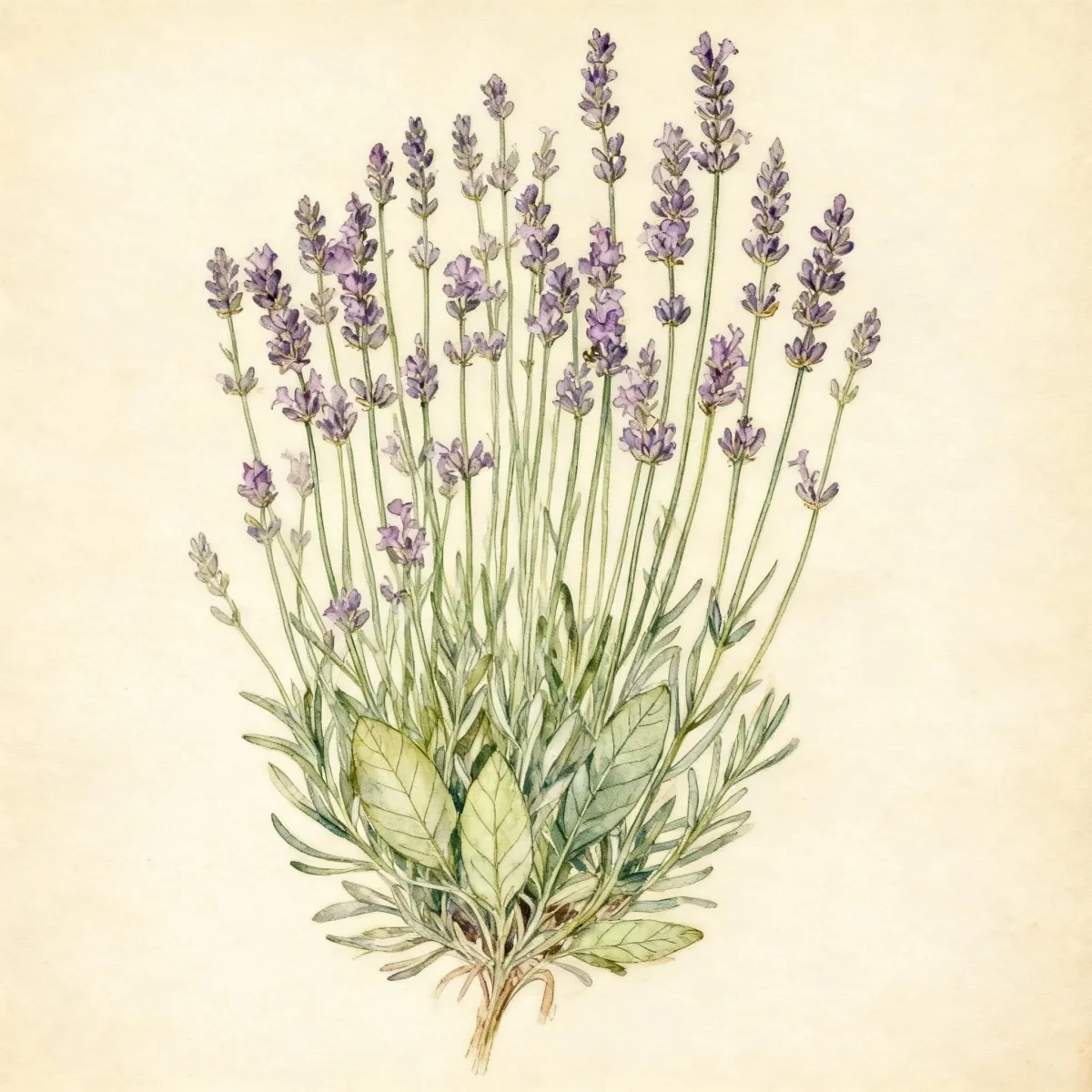
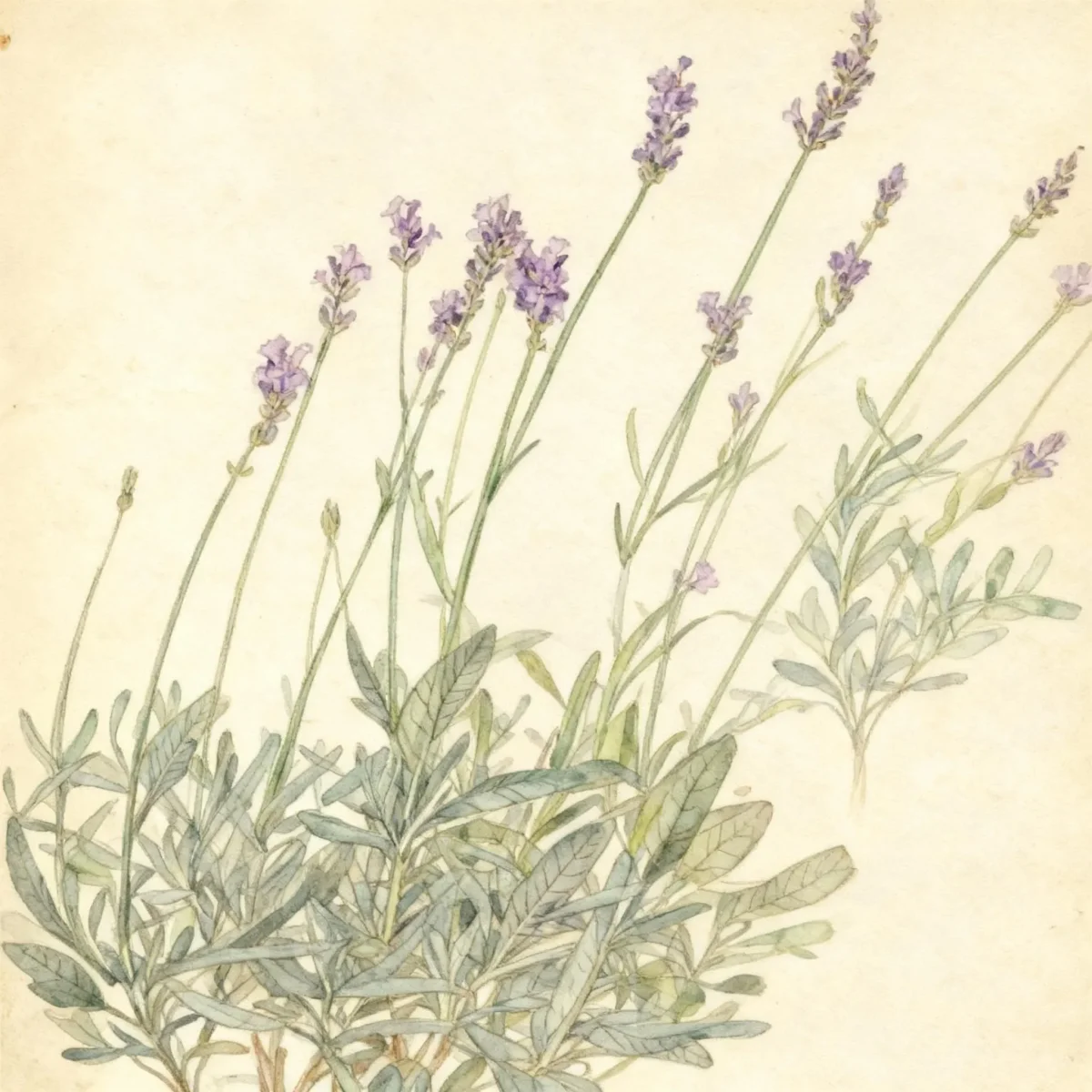
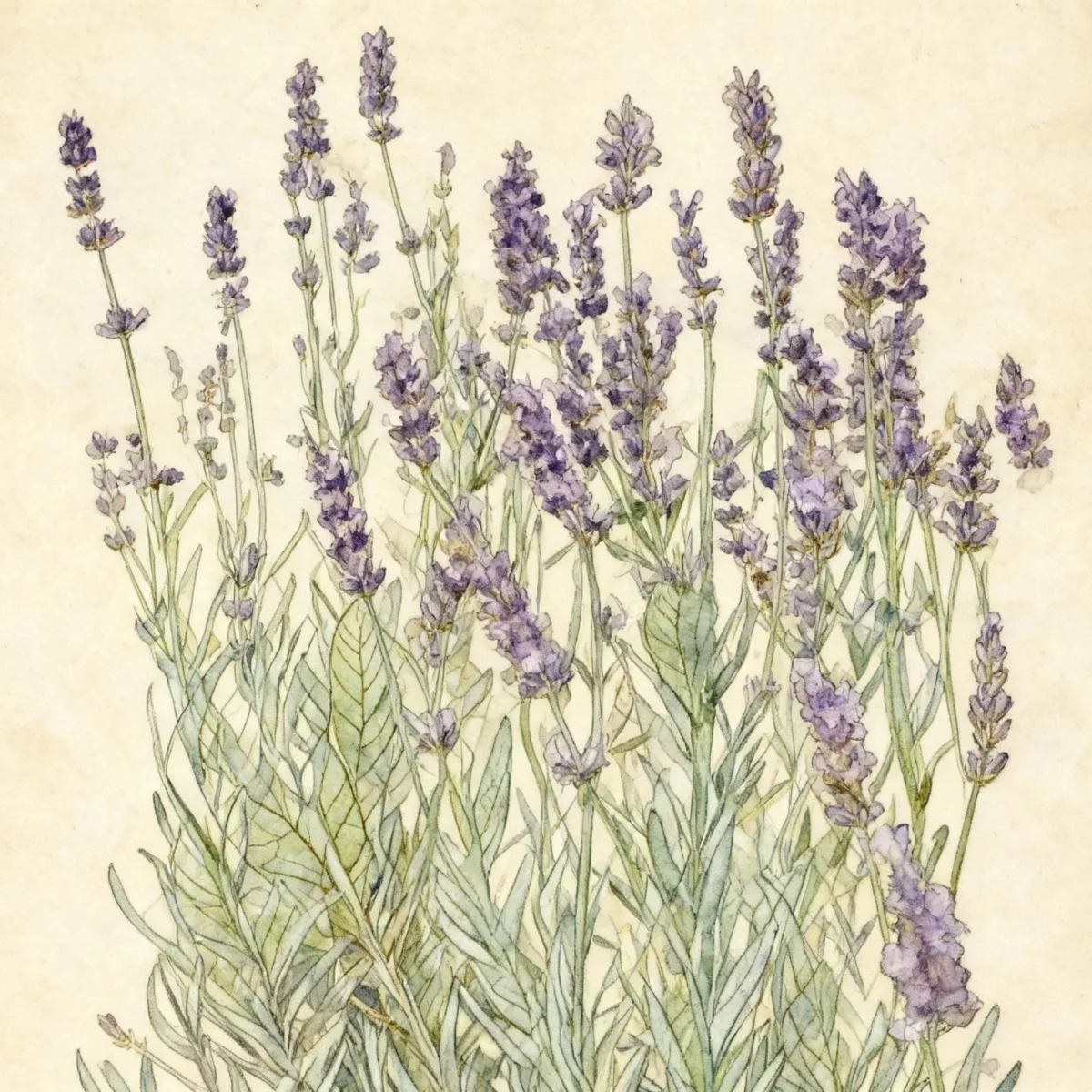
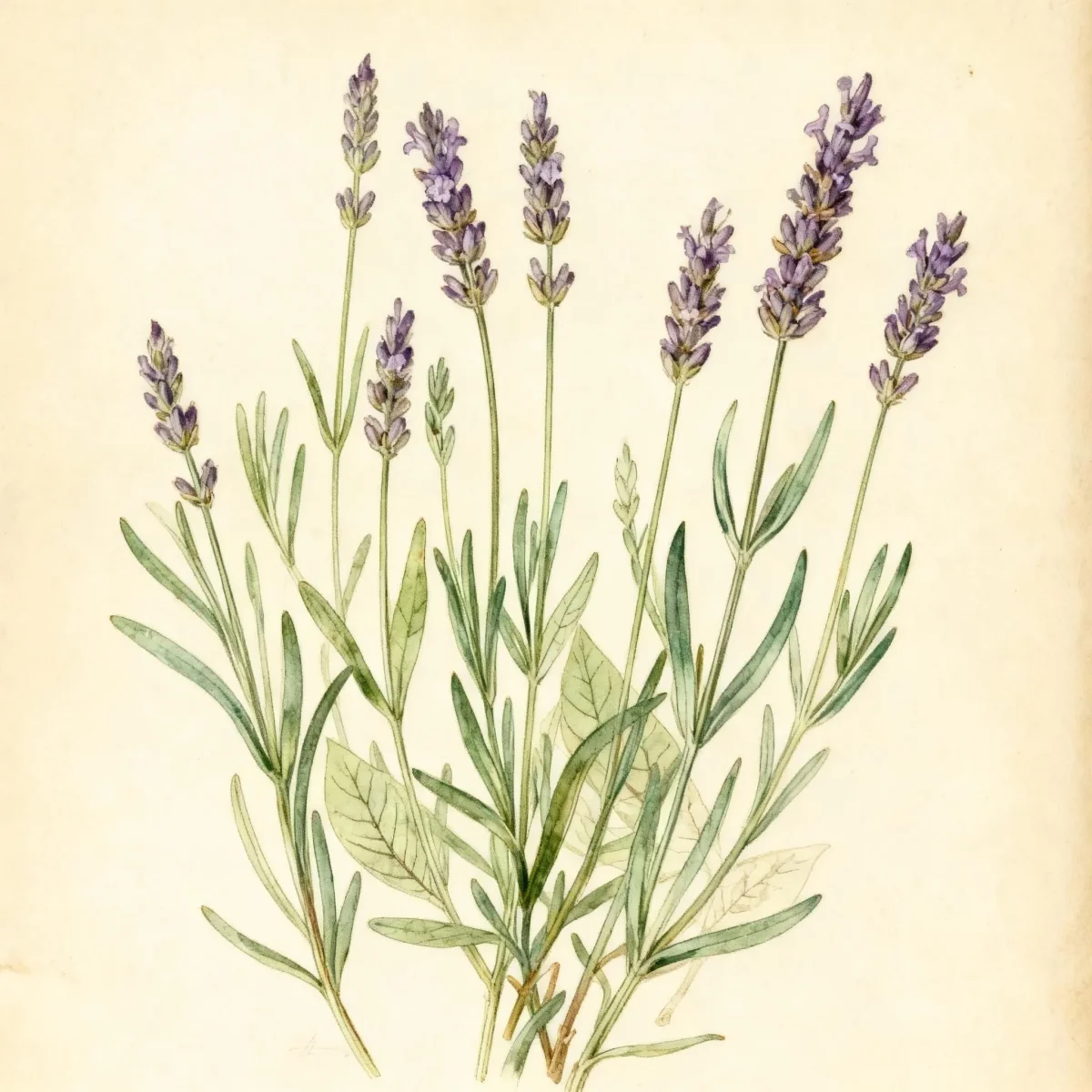
Lavandin (Lavandula × intermedia 'Provence')
Lavandula × intermedia 'Provence' (Lavandin) is a showy, fragrant perennial, perfect for sun-drenched, dry gardens in Zones 5-8.
Scroll down to discover growing tips, care requirements, companion plants, and more
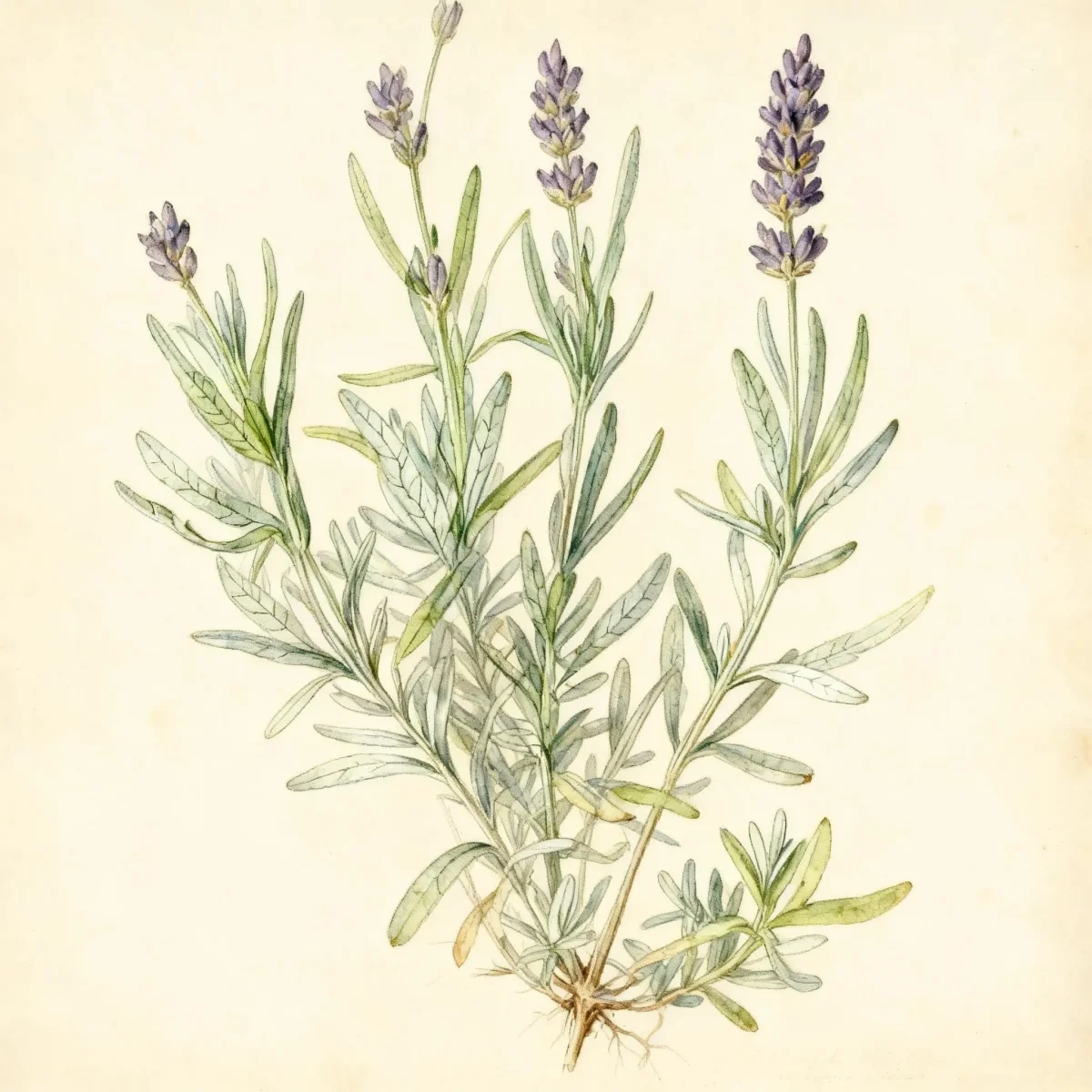
Complete Plant Information
Overview
Lavandin, specifically the cultivar Lavandula × intermedia ‘Provence’, is a highly valued hybrid lavender celebrated for its intense aromatic qualities and summer floral display. This semi-woody, mounded perennial offers silver-gray foliage topped with upright spikes of light lavender flowers, making it invaluable for seasoned gardeners seeking texture and scent. Lavandula × intermedia ‘Provence’ is a taller variety of Lavandin, reaching up to 3 feet, and is frequently harvested commercially for its heavily scented flowers used in perfumes, sachets, and potpourri.
While it demonstrates excellent drought tolerance once established, successful cultivation of Lavandin requires diligent attention to drainage, particularly in humid or wet winter climates. Its vigorous nature and pronounced fragrance cement its standing as a premier choice for scented gardens, borders, and substantial herb plantings where full sun exposure is guaranteed. Gardeners relying on this tough hybrid will find Lavandula × intermedia ‘Provence’ a dramatic and rewarding addition.
Fast Facts
- Plant Family: Lamiaceae
- Plant Type: Herbaceous perennial
- Hardiness Zones: USDA Zones 5-8
- Size at Maturity:
- Height: 2-3 ft
- Spread: 2-3 ft
- Bloom Time: June to August
- Bloom Description: Light lavender
- Sun Exposure: Full sun
- Water Needs: Dry to medium
- Maintenance Level: Medium
How to Grow
To establish healthy Lavandin, plant in average, well-drained, alkaline soil, ensuring placement receives full sun exposure throughout the day. Well-drained soils are paramount, especially heading into winter, as poorly drained areas invite root rot, a common affliction for these plants. Lavandula × intermedia ‘Provence’ prefers light, sandy soil with somewhat low fertility; avoid overly rich conditions that promote excessive foliage at the expense of bloom.
Watering should be scaled back significantly once the plant is established, favoring dry to medium conditions—it excels in drought situations. Ongoing maintenance involves removing faded flowers to encourage repeated blooming. For structural health and to maintain an effective size, prune to shape in the spring just as new leaves emerge. Every three years, a harder prune back to about 8 inches in spring is recommended to stimulate robust, new growth and control overall plant habit.
A critical consideration for growing Lavandin, particularly in areas like the St. Louis region, is high summer humidity. This environment is not well-appreciated by the plant. To mitigate humidity issues and maintain sharp drainage, consider using rock mulch instead of traditional organic mulch. In Zone 5, where winter hardiness is less reliable, Lavandula × intermedia ‘Provence’ benefits significantly from a sheltered location and winter protection.
Landscape Uses
Lavandin is far more versatile than just an herb garden staple, offering textural contrast and mid-summer color that brightens up borders and focal points. The combination of gray-green foliage and light lavender flowers provides excellent contrast against darker green or brightly colored perennials near the front of a perennial border or within a rock garden setting. Lavandula × intermedia ‘Provence’ looks especially effective when planted in broad sweeps or mass plantings to create a strong, fragrant visual impact across the landscape.
Due to its defined, shrubby mound shape, this hybrid lavender establishes well as a formal or informal edging material along pathways. Furthermore, the high quantity of fragrant blooms makes it an excellent component for a dedicated cutting garden, providing material for bouquets or dried arrangements. Its resilience to dry soil also makes it suitable for xeriscaping where water conservation is a priority.
Standout Features
Flower Qualities
- Showy
- Fragrant
Noteworthy Characteristics
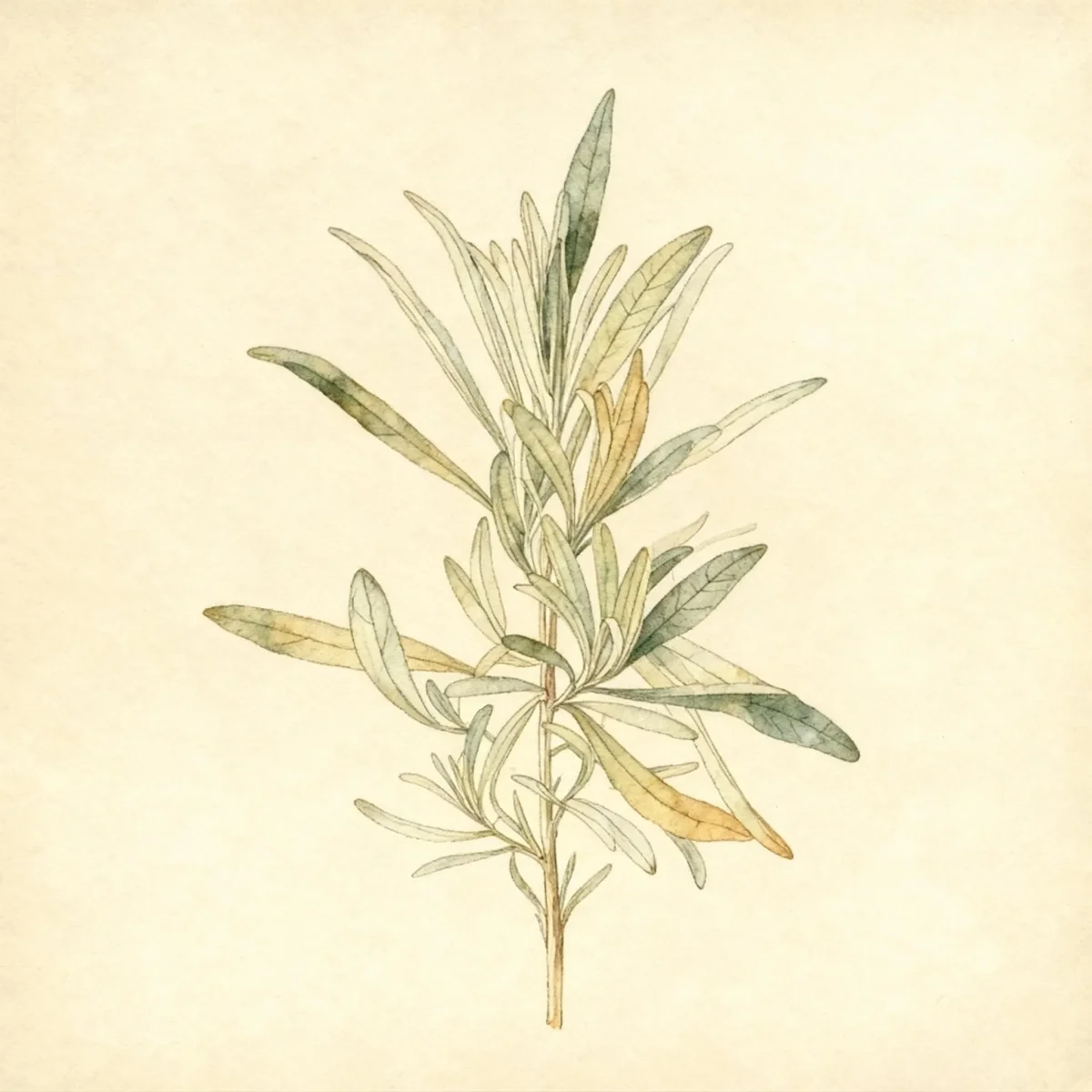
Lavandin (L. Angustifolia × L. Latifolia) is a popular hybrid lavender known for its heavily scented foliage and flowers, making it excellent for potpourri and sachets. ‘Provence’ is notable among the lavandins for its stature, typically growing to 30-36 inches tall with silver-gray, aromatic leaves. The plant forms an attractive, mounded, shrubby habit, displaying fragrant light lavender flowers throughout the summer season on upright stems.
Tolerances
- Rabbit
- Deer
- Drought
- Dry Soil
- Shallow-Rocky Soil
- Air Pollution
Potential Problems
The main threats to Lavandin health revolve around moisture management, leading to susceptibility to leaf spot and root rot. Plants may fail to survive winter, particularly in colder parts of its range, if the soil remains excessively wet or if prolonged deep freezes occur without protective snow cover. While deer and rabbits generally avoid this aromatic plant, diligent attention to soil drainage is the best defense against fatal fungal issues.
If root rot is suspected, immediately improve soil aeration and drainage, and prune back affected woody stems carefully. For winter protection in borderline zones, ensure soil is dry heading into dormancy and apply a protective layer of coarse, non-organic material like gravel around the crown after the ground freezes lightly.
Frequently Asked Questions
What hardiness zones is Lavandin suitable for?
Lavandula × intermedia ‘Provence’ is resilient across USDA Zones 5 through 8, though plants in Zone 5 may require winter protection to ensure reliability.
How large does Lavandin grow?
This cultivar typically matures to a height between 2 and 3 feet, with a comparable spread of 2 to 3 feet, forming a woody, mounded shrub.
What sun exposure does Lavandula × intermedia ‘Provence’ need?
This lavender variety demands full sun exposure to thrive, flower prolifically, and develop the best concentration of aromatic oils in its foliage.
When does Lavandin bloom?
Lavandin blooms profusely from June straight through August, displaying spikes of attractive light lavender flowers.
Conclusion
Lavandula × intermedia ‘Provence’ offers gardeners a robust, fragrant specimen that excels in full sun and tolerates challenging, dry conditions once established. Its significant aromatic contribution and attractive mid-summer blooms make this Lavandin cultivar a worthwhile investment. Always prioritizing excellent drainage will ensure the longevity and health of your Lavandula × intermedia ‘Provence’ for years of fragrant enjoyment.
Companion Planting
When designing a sun-drenched, dry border that matches the needs of Lavandin, consider pairing it with other Mediterranean or tough, drought-tolerant perennials. Plants with contrasting foliage textures, such as ornamental grasses (like Blue Fescue, Festuca glauca) or silvery-leaved Yarrow (Achillea), create pleasing design synergy. Companion planting with plants that have similar low fertility requirements prevents one species from dominating the growth of the aromatic Lavandin.
Seasonal Care Calendar
Early spring marks the essential revival period for your Lavandin. Wait until new leaf growth is clearly visible, then perform your structural pruning, cutting back old wood by about a third or shearing lightly to maintain habit and encourage flowering stems. Avoid pruning too early, as latent winter damage may not be apparent until growth begins. During the peak summer bloom season, deadheading faded flower spikes will direct the plant’s energy back into producing more blooms before the heat subsides.