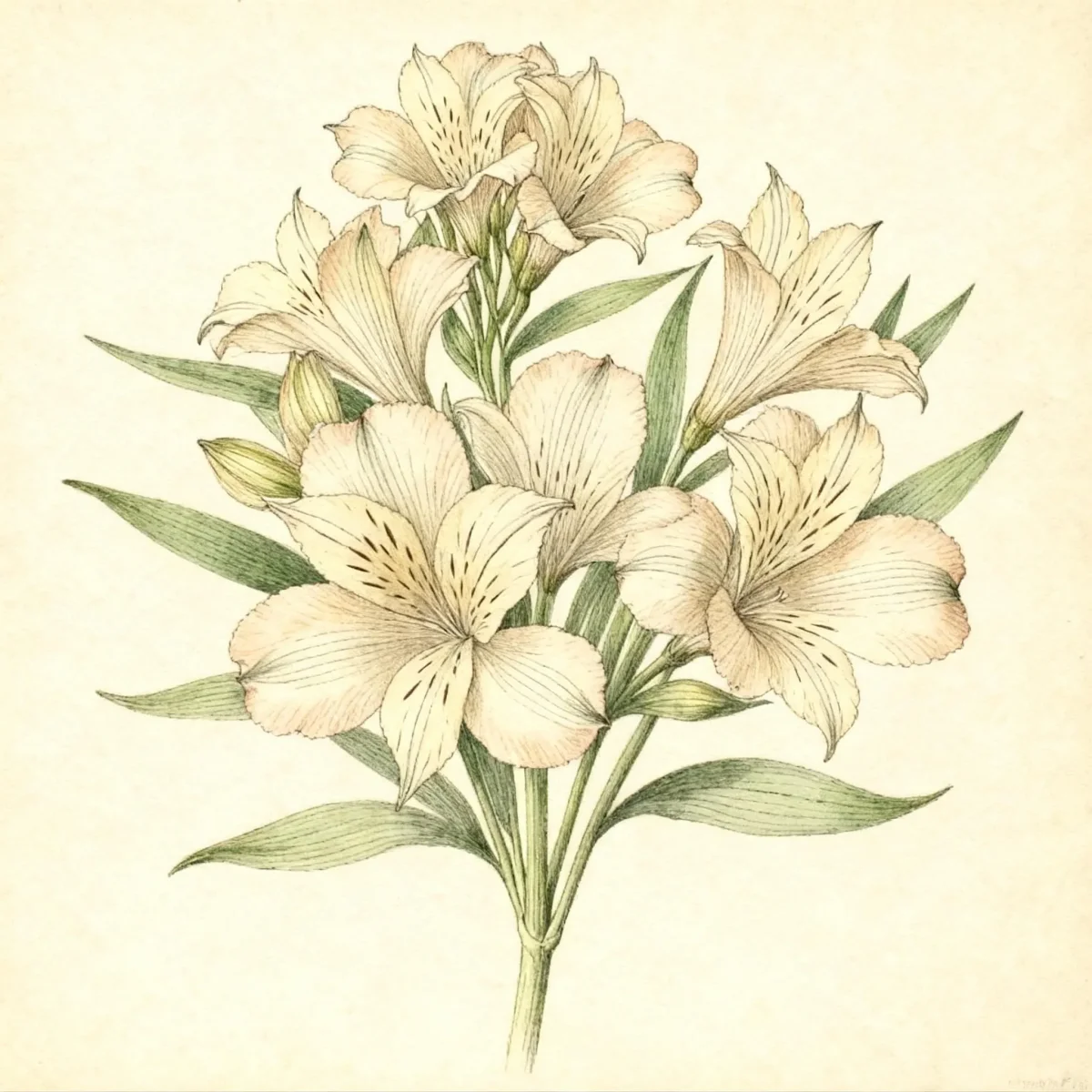
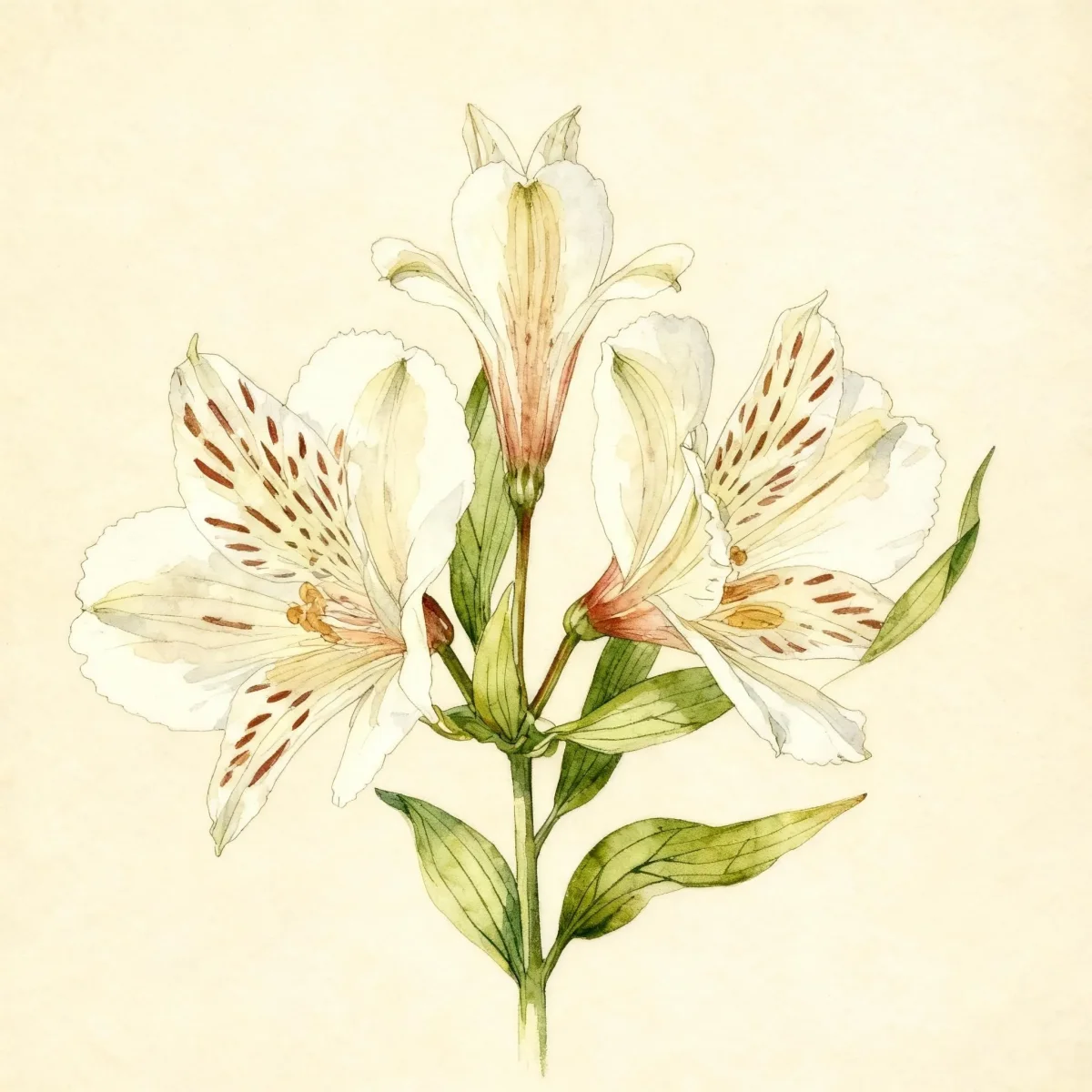
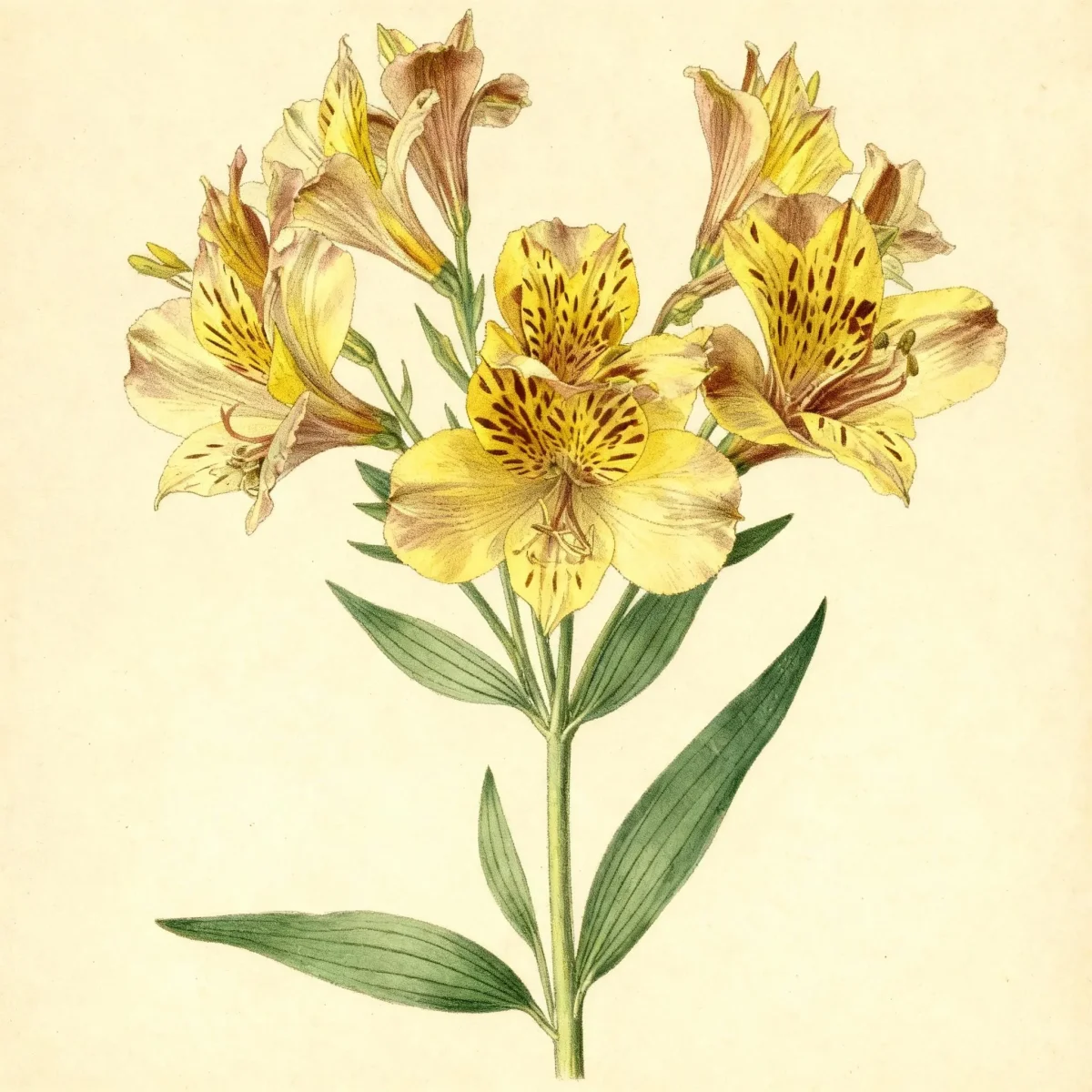
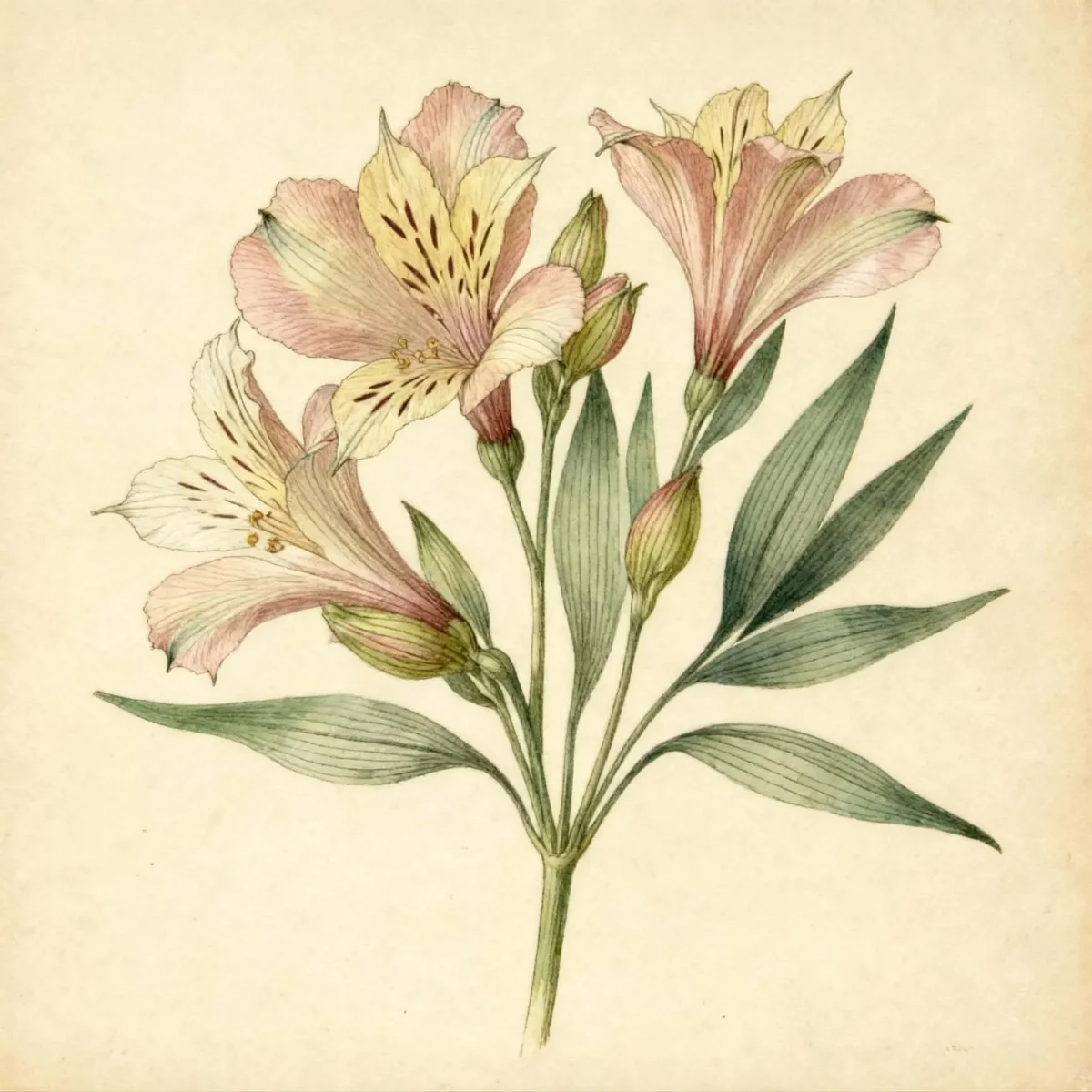
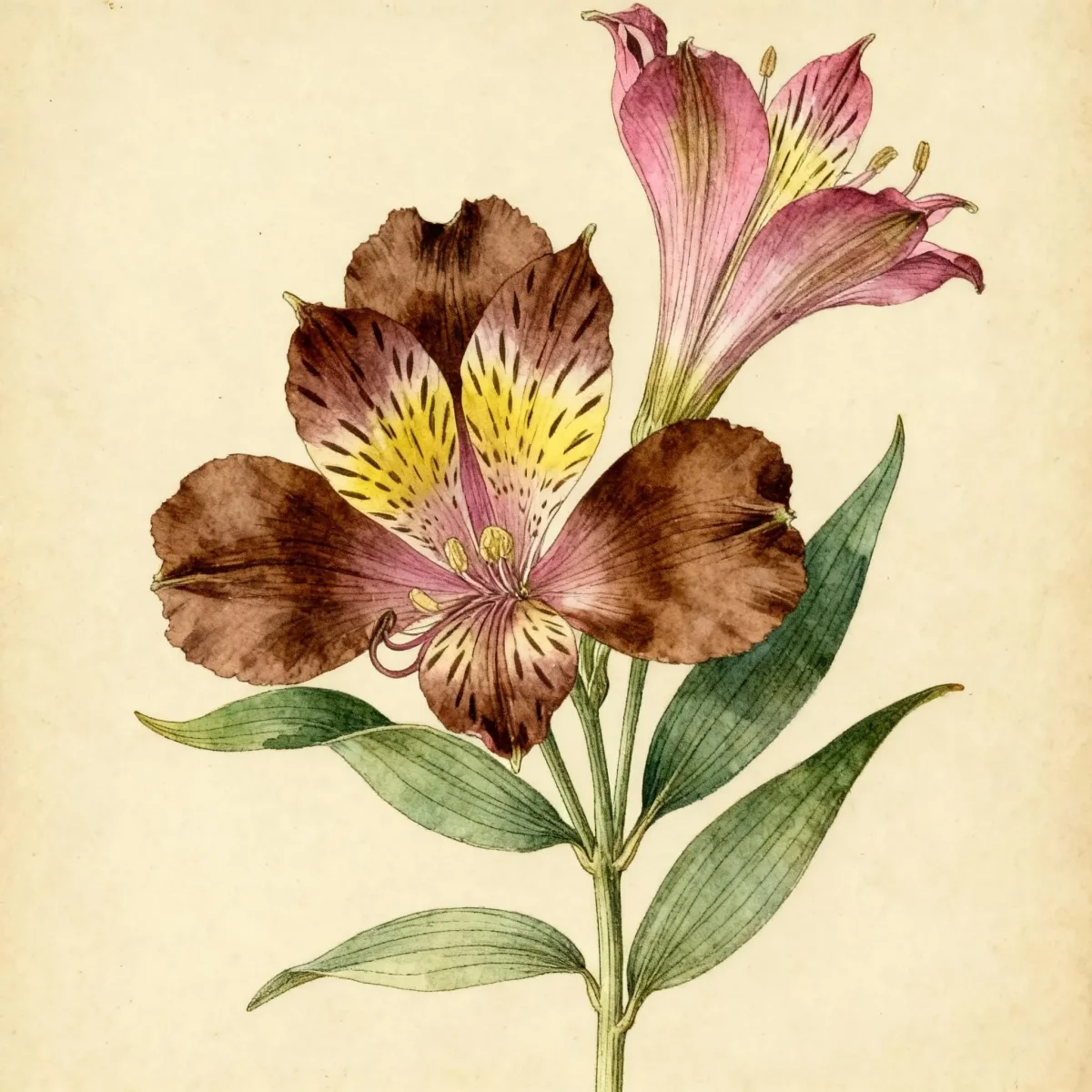
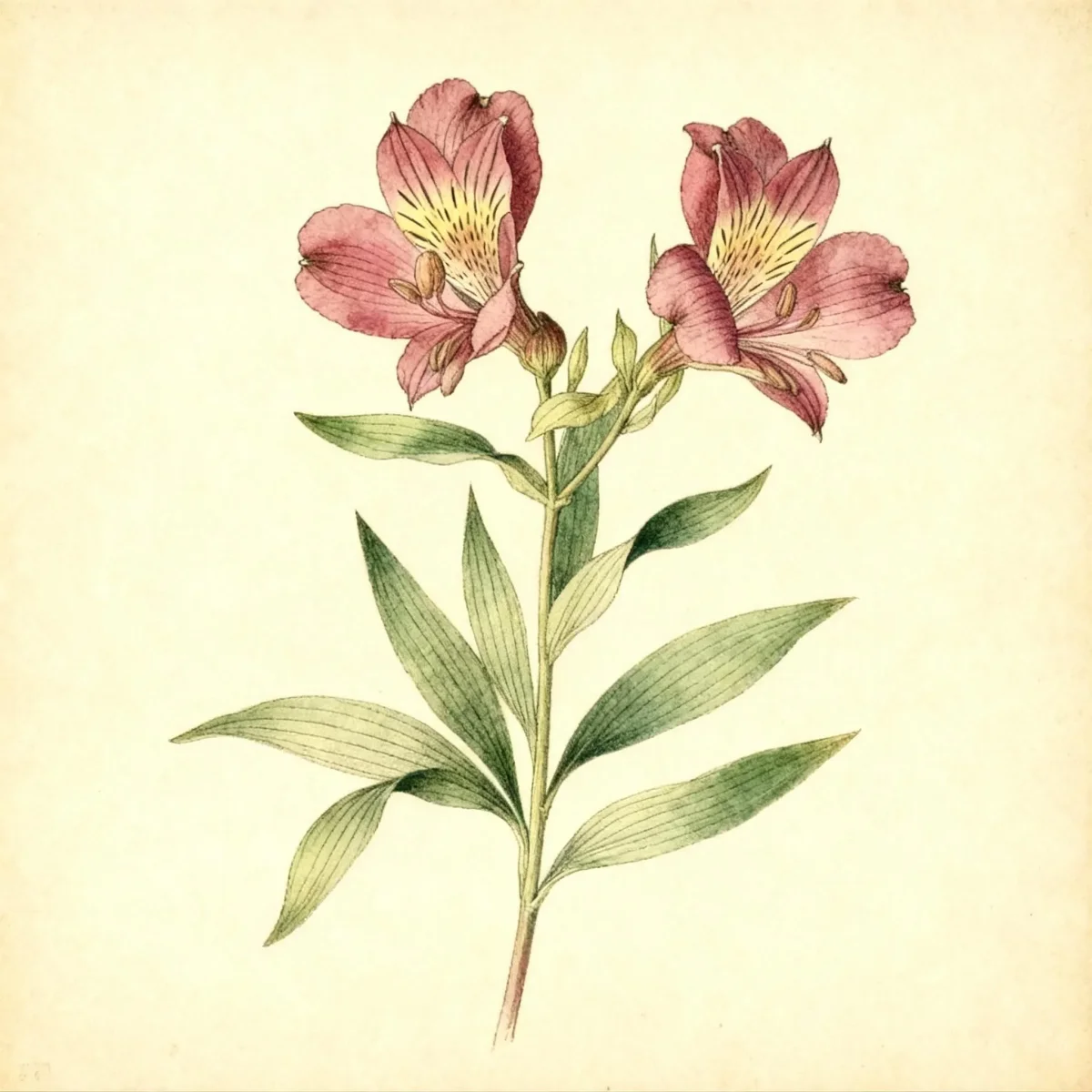
Lily of the Incas (Alstroemeria 'Sweet Laura')
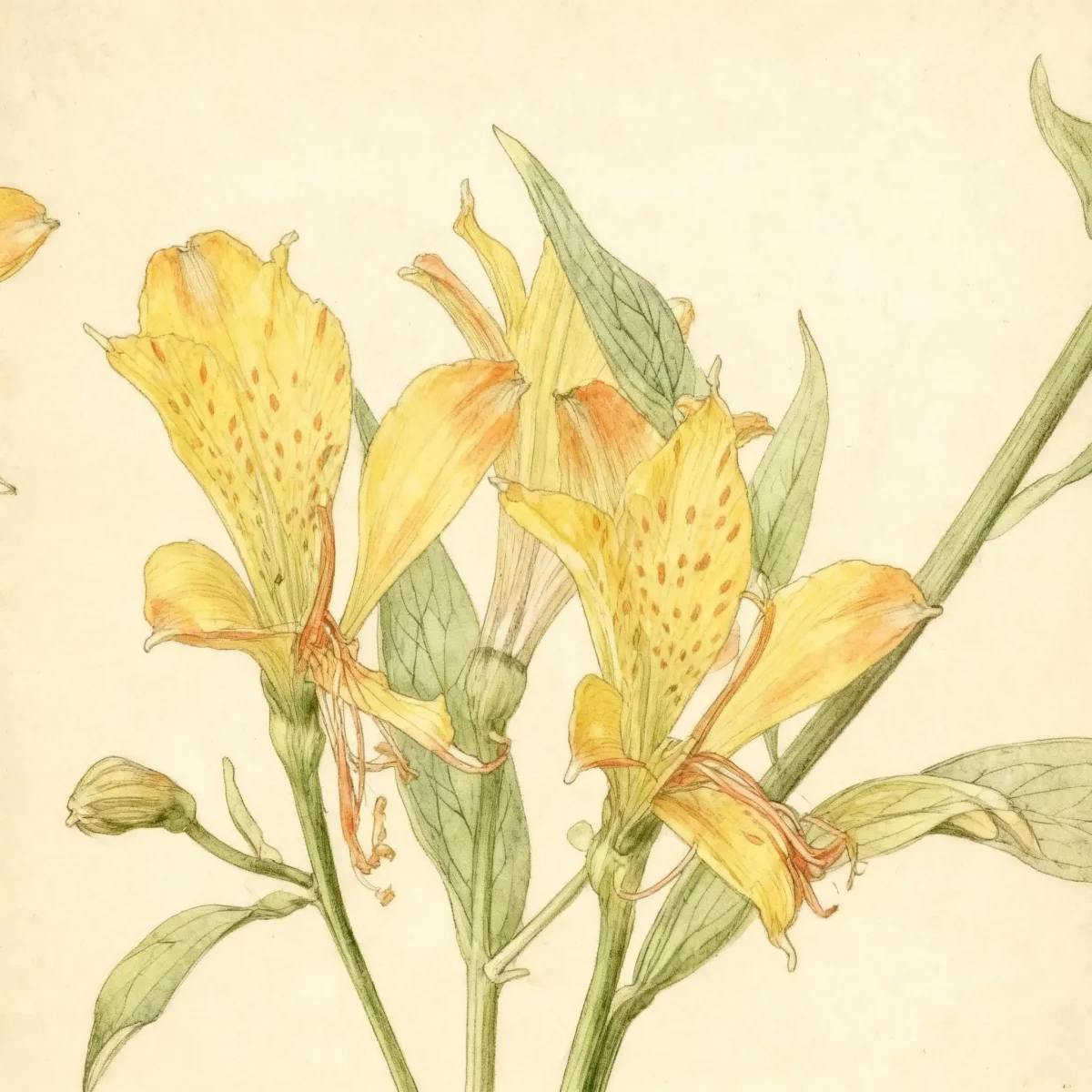
Alstroemeria 'Sweet Laura' is a Lily of the Incas prized for showy, fragrant yellow and orange-red blooms from June to September.
Scroll down to discover growing tips, care requirements, companion plants, and more
Complete Plant Information
Overview
Alstroemeria ‘Sweet Laura’, commonly known as Lily of the Incas, is a fantastic perennial bulb known for delivering continuous, vibrant color throughout the summer months. Esteemed for its strong upright stems and inherently fragrant flowers, this specific cultivar offers brilliant yellow blooms accented with delicate orange-red brushing, making it a standout selection for borders and bouquets. Developed through careful hybridization, Alstroemeria ‘Sweet Laura’ combines the commercial appeal of hybrid strains with reliable cold hardiness, reaching heights generally between 2 to 2.5 feet. Gardeners appreciate this Lily of the Incas for its vigorous growth habit and its ability to provide long-lasting floral impact when provided with consistent care.
Fast Facts
- Plant Family: Alstroemeriaceae
- Plant Type: Bulb
- Hardiness Zones: USDA Zones 5-9
- Size at Maturity:
- Height: 2-2.5 ft
- Spread: 2-2.5 ft
- Bloom Time: June to September
- Bloom Description: Yellow brushed with orange-red
- Sun Exposure: Full sun to part shade
- Water Needs: Medium
- Maintenance Level: Medium
How to Grow
For the best performance, plant Alstroemeria ‘Sweet Laura’ tubers in spring into organically rich, loose, and well-drained soil. While it prefers full sun, gardeners in very hot summer climates should site the plant where it receives some relief from intense early afternoon sun, appreciating the light shade. Consistent and even moisture is crucial, especially if you expect the plant to produce flowers throughout the entire season spanning from June to September.
Maintenance for this Lily of the Incas is categorized as medium. Taller flowering stems may occasionally require staking to maintain a neat appearance, especially when heavy blooms form. In colder winter regions (below Zone 8), adequate mulching can help protect the delicate roots, as plants might survive temperatures down to 15-20°F in protected spots.
If you are gardening in significantly colder areas, the common practice is to lift the tubers in the fall before the first hard frost. Store them cool, dark, and in slightly damp potting soil, taking care as the roots of Alstroemeria ‘Sweet Laura’ are notoriously brittle. Container-grown specimens should be brought indoors to a sunny window until spring planting time resumes.
Landscape Uses
The striking presence and extended bloom time of Alstroemeria ‘Sweet Laura’ make it highly adaptable in the garden. Its stature of 2 to 2.5 feet positions it perfectly for the mid-to-back of a perennial border, creating a colorful screen. Furthermore, because hybrid Alstroemeria are highly prized as commercial cut flowers, growing this variety ensures a personal supply of long-lasting, fragrant blossoms ideal for cottage gardens or dedicated cutting patches.
When planning companions, select other sun-loving perennials that appreciate medium moisture and rich soil, such as Salvias or Coreopsis. Using them in borders allows the bright yellow and orange-red tones of the Lily of the Incas to pop against darker green foliage neighbors.
Standout Features
Flower Qualities
- Showy
- Fragrant
Noteworthy Characteristics
The genus Alstroemeria originates entirely from South America, with species native to both Brazil and Chile. While many hybrids serve the cut flower industry, ‘Sweet Laura’ is notable for its desirable cold hardiness (down to Zone 5) and its specific fragrance. This patented cultivar results from a cross between Alstroemeria aurea and Alstroemeria caryophyllaea, producing flowers up to 2 inches across on sturdy stems reaching 30 inches tall.
Tolerances
No tolerances specified.
Potential Problems
Gardeners should remain vigilant for foliage damage caused by common pests such as slugs and snails, which are particularly fond of newly emerging growth. Additionally, watch carefully for infestations of spider mites, especially during periods of hot, dry weather, as these pests can quickly weaken the plant’s vigor. Proactive monitoring and quick treatment with appropriate horticultural soaps or slug baits are the best defense for keeping your Alstroemeria ‘Sweet Laura’ healthy.
Frequently Asked Questions
What hardiness zones is Lily of the Incas suitable for?
Alstroemeria ‘Sweet Laura’ is hardy in USDA Zones 5 through 9, offering excellent cold tolerance for a summer-blooming bulb.
How large does Alstroemeria ‘Sweet Laura’ grow?
This variety typically matures to a height between 2 and 2.5 feet and spreads approximately 2 to 2.5 feet wide.
When does Lily of the Incas bloom?
The beautiful yellow brushed with orange-red flowers appear robustly throughout the season, specifically from June extending into September.
What sun exposure does Alstroemeria ‘Sweet Laura’ need?
This plant thrives best in locations receiving full sun to light part shade, though afternoon shade is recommended in the hottest climates.
Conclusion
The Alstroemeria ‘Sweet Laura’ is an exceptional choice for gardeners seeking reliable, fragrant summer color combined with notable cold hardiness down to Zone 5. Its long blooming period ensures that your cutting garden or landscape remains vibrant long after many other spring bloomers have faded. Before planting, confirm your local hardiness zone compatibility and prepare rich, well-drained soil to give this stunning Lily of the Incas the best possible start.
Companion Planting
Since Alstroemeria ‘Sweet Laura’ requires medium moisture and excellent drainage, pair it with other robust perennials like Daylilies (Hemerocallis) or hardy Geraniums that share similar cultural needs. Avoid planting directly beside species that require consistently dry conditions or those that spread aggressively via runners, as the brittle tubers of the Lily of the Incas do not appreciate being disturbed once established. A layer of mulch, while helpful for moisture retention, should be kept slightly away from the crown to prevent rot.
Seasonal Care Calendar
For Zone 5 growers, early spring is critical for marking the tuber locations before new growth emerges. Ensure soil is amended before planting takes place. Summer care centers entirely on consistent watering; if the soil feels dry an inch down, the plant needs irrigation to maintain continuous bloom performance of the Alstroemeria ‘Sweet Laura’. After the first hard frost signals the end of flowering, remove spent foliage if you plan to lift the tubers; if overwintering in the ground (Zones 7+), wait until late fall to cut back heavily.