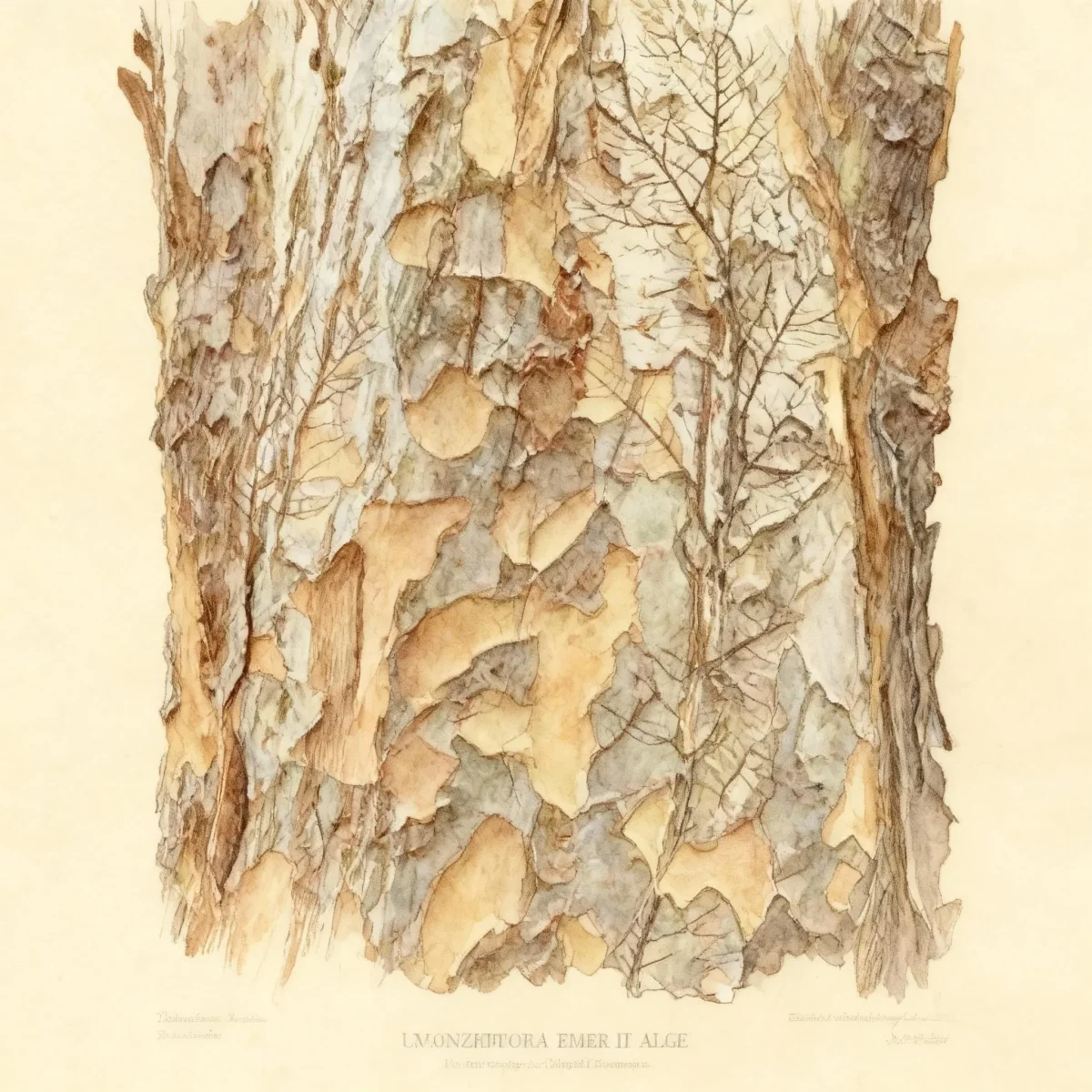
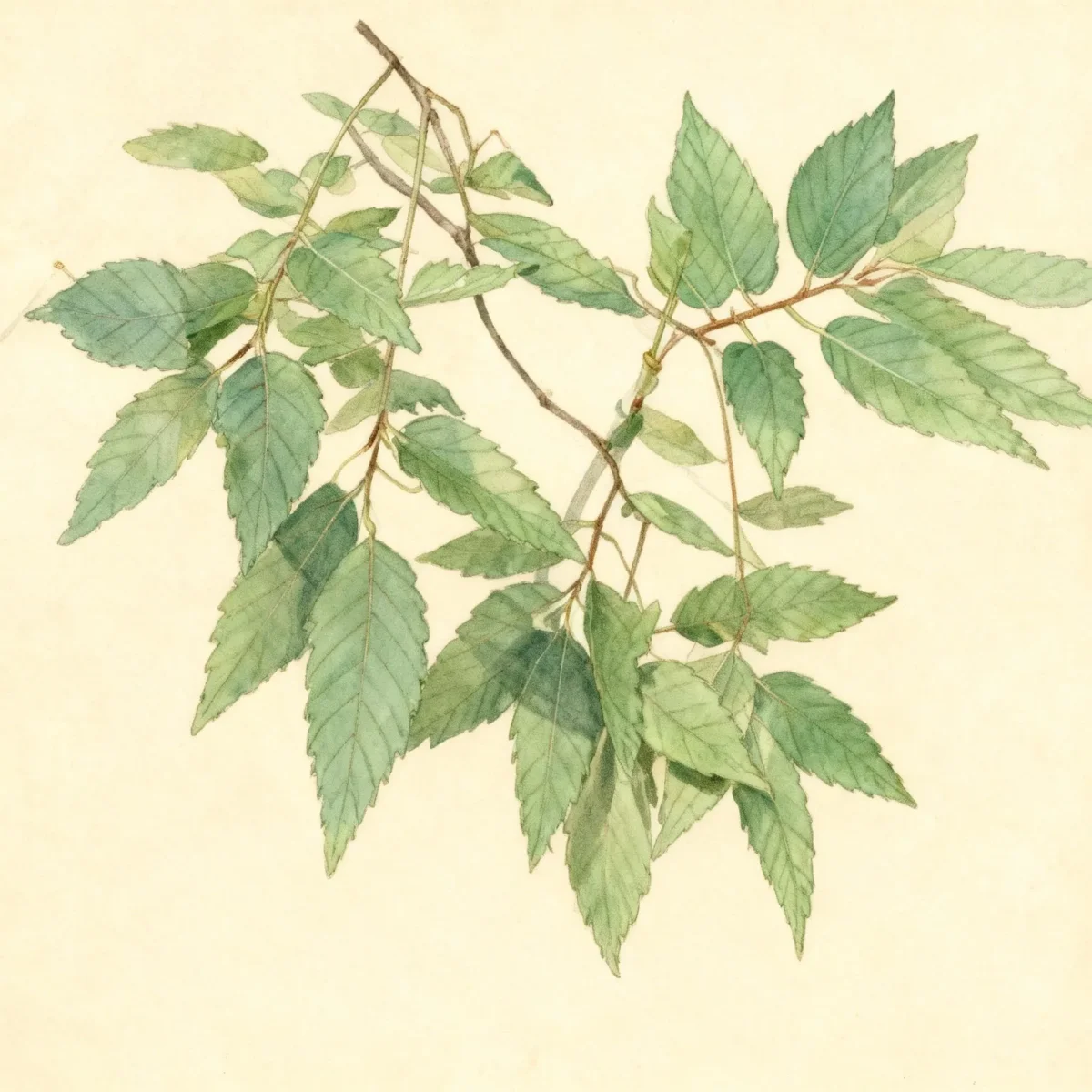
American elm (Ulmus americana 'Valley Forge')
Ulmus americana 'Valley Forge' is a highly disease-resistant American elm, reaching 60-70 ft tall, ideal for medium-water, full-sun urban landscapes.
Scroll down to discover growing tips, care requirements, companion plants, and more
Complete Plant Information
Overview
The selection Ulmus americana ‘Valley Forge’ represents a crucial resurgence for the iconic American elm, offering robust protection against the devastation of Dutch elm disease. This cultivar maintains the grand, vase-shaped silhouette that historically defined American streets and parks, providing substantial aesthetic value. Gardeners seeking a stately, medium to large deciduous tree with low maintenance requirements will find Ulmus americana ‘Valley Forge’ an excellent candidate for long-term landscape planning.
This particular variety is known for its vigor and adaptation, capable of developing into a large specimen reaching 60 to 70 feet high with a significant spread. While once beleaguered by disease, planting Ulmus americana ‘Valley Forge’ now allows for the reintroduction of this classic native form into urban environments where its tolerance for pollution is highly valued. It matures into a broad-rounded crown, making it a centerpiece for shade creation.
As a significant native tree, the American elm lineage, especially resistant cultivars like ‘Valley Forge’, is invaluable for restoring ecological balance and historical landscape integrity. It offers impressive visual mass and architectural form through the seasons, making it a premier choice when selecting a large shade provider for open areas.
Fast Facts
- Plant Family: Ulmaceae
- Plant Type: Tree
- Hardiness Zones: USDA Zones 5-9
- Size at Maturity:
- Height: 60-70 ft
- Spread: 50-60 ft
- Bloom Time: March to April
- Bloom Description: Green
- Sun Exposure: Full sun to part shade
- Water Needs: Medium
- Maintenance Level: Low
How to Grow
Planting Ulmus americana ‘Valley Forge’ should occur during the dormant seasons—early spring or late fall—to allow the roots time to establish before summer heat or winter freezes. This tree thrives in average, medium moisture, well-drained soils, though it demonstrates commendable adaptability, preferring rich, moist loams but handling both wet and dry temporary conditions. Ensure a full sun location, although it can tolerate light shade, which might slightly affect overall density.
Routine care for this American elm centers on establishing a consistent moisture schedule, especially during the first few years post-planting. Once established, its medium water needs are easily met through regular irrigation during dry extended periods. While maintenance is generally low, regular pruning and vigilance against sanitation threats remain advisable, even with the excellent disease resistance of ‘Valley Forge’.
This tree is generally tolerant of urban stresses, making it a strong choice for street tree applications. Monitor for potential issues; though resistant to DED, it can be susceptible to phloem necrosis and wetwood. Early identification of any wilting or dieback is key to managing bacterial and fungal threats common to many elms.
Landscape Uses
The stature and form of Ulmus americana ‘Valley Forge’ render it indispensable as a magnificent shade tree, capable of covering expansive lawns or wide open spaces beautifully. Its upright, vase-shaped habit defined the American streetscape for centuries, and this cultivar allows modern planners to recreate that grandeur near streets, boulevards, and large residential properties. The tree adapts well to difficult urban sites, often surpassing other species in tolerance to smog and compacted soils.
Beyond its primary role as a shade specimen, this American elm selection is noted as suitable for rain gardens due to its adaptive moisture requirements. It pairs well visually with understory plantings that prefer dappled light or are resilient to root competition from a large canopy. Consider mass plantings in parks or large estates to create dramatic groves reminiscent of historic tree lines.
Selecting the proper scale is vital; ensure adequate space is allotted for the mature 50 to 60-foot spread of Ulmus americana ‘Valley Forge’. Avoid planting too closely to structures, allowing its broad canopy to develop unimpeded, maximizing its impact as a specimen tree or an allee planting along long driveways.
Standout Features
Flower Qualities
- Insignificant
Noteworthy Characteristics
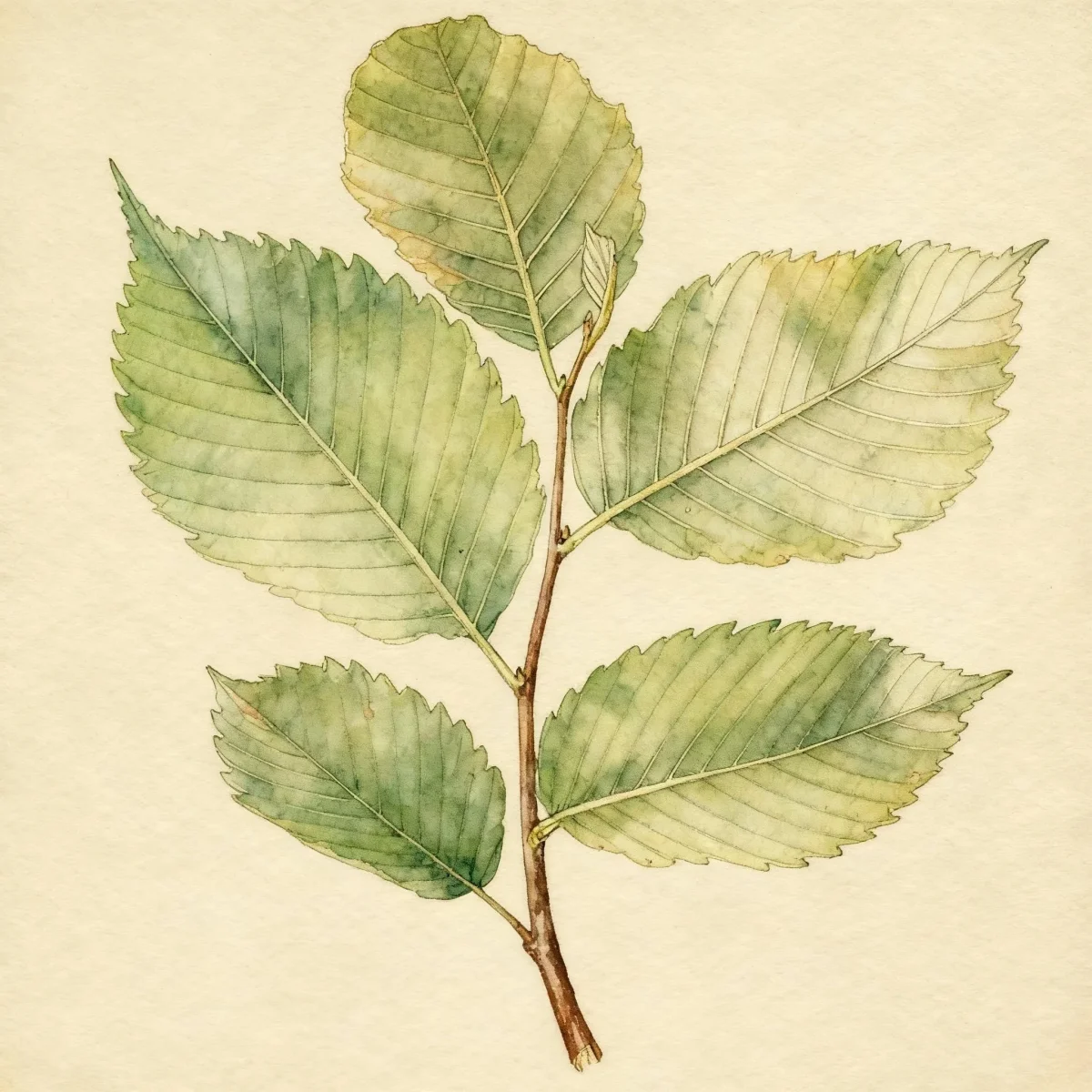
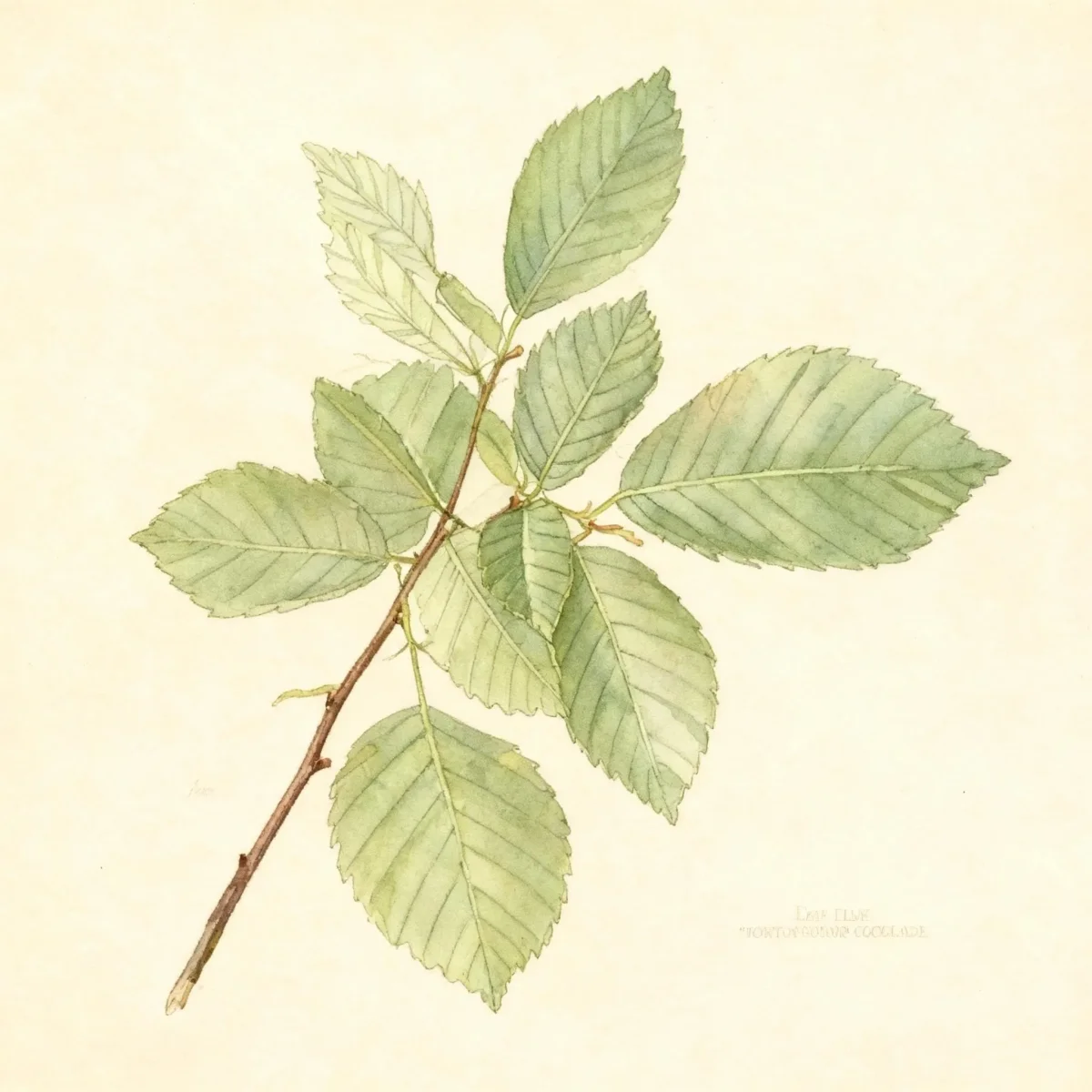
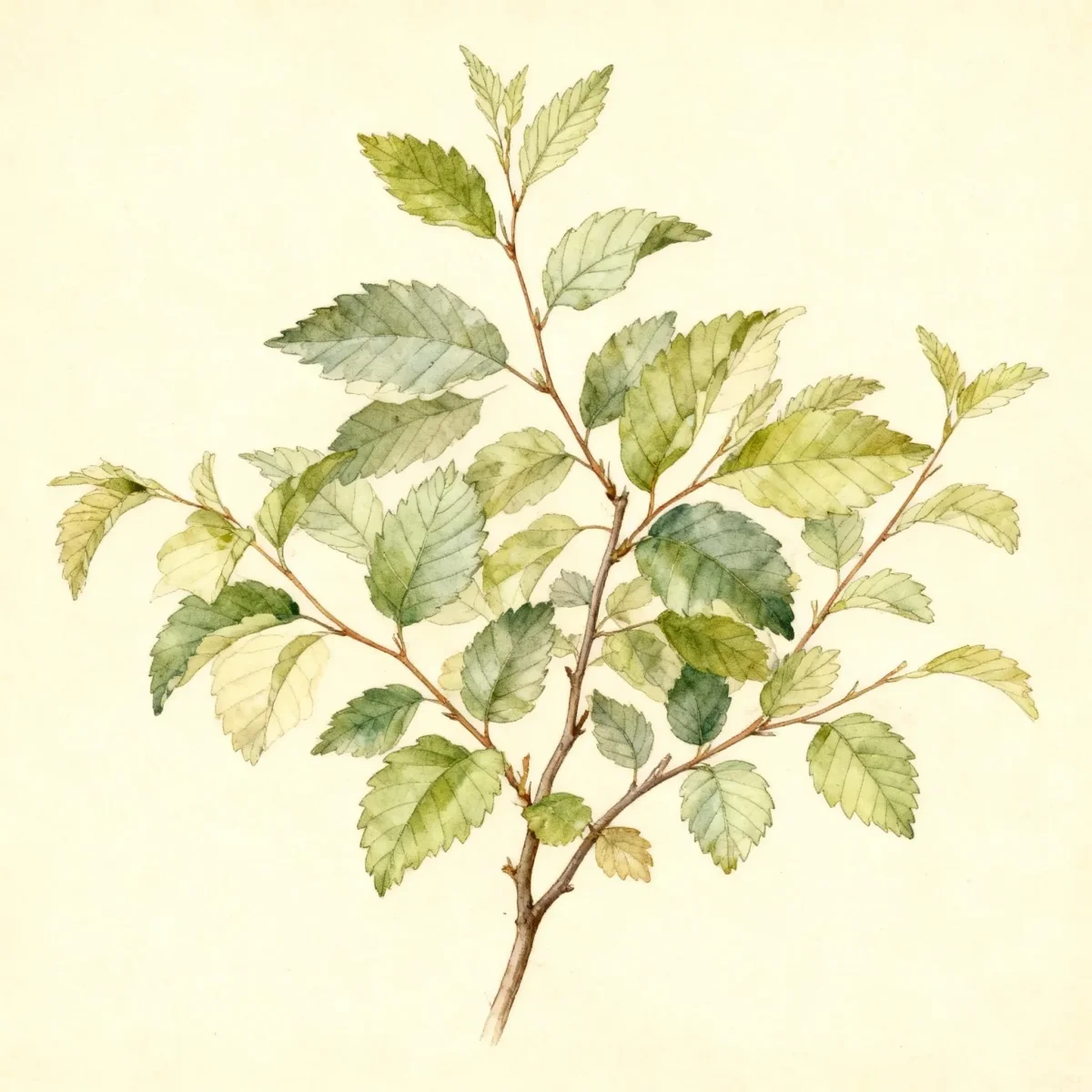
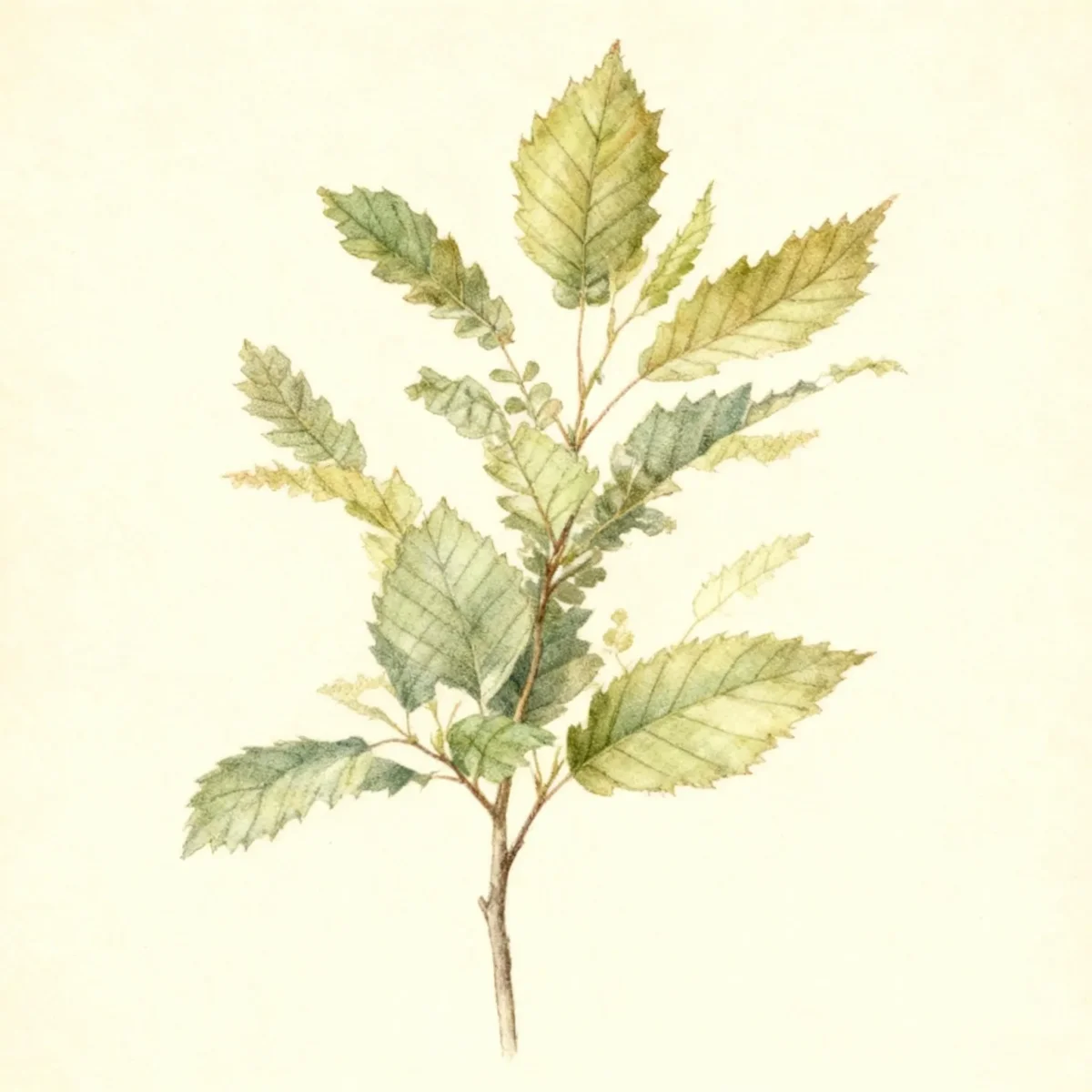
Ulmus americana, commonly called American elm, is a medium to large deciduous tree, typically growing to 60-80’ (less frequently to 130’) tall with a vase-shaped, broad-rounded crown. It is native to eastern and central North America. In Missouri, it typically occurs in low moist ground and along streams throughout the state (Steyermark). Although once widely planted as a street and lawn tree, American elm populations have been so decimated by Dutch elm disease that this tree is no longer considered to be a viable selection for landscape uses. Insignificant small green flowers appear in spring before the foliage emerges. Flowers give way to single-seeded wafer-like samaras (each tiny seed is surrounded by a flattened oval-rounded papery wing). Seeds mature in April-May as the leaves reach full size. Rough-textured, ovate-elliptic, dark green leaves (to 6” long) have toothed margins and asymetrical bases. Leaves typically turn an undistinguished yellow in fall.Genus name comes from the Latin name.Specific epithet means of North or South America.‘Valley Forge’ reportedly has excellent resistance to Dutch elm disease and is currently being planted. It typically grows to 60-70’ tall.
Tolerances
- Drought
- Black Walnut
- Air Pollution
Potential Problems
The primary advantage of the Ulmus americana ‘Valley Forge’ cultivar is its documented excellent resistance to Dutch elm disease (DED), allowing gardeners to confidently plant the classic American elm form. However, growers must remain aware of other significant threats that can still impact the tree’s health. It is susceptible to phloem necrosis, a serious bacterial-like disease that compromises the tree’s food-conducting tissues, leading quickly to bark loosening, defoliation, and eventual death.
Furthermore, the tree can suffer from wetwood, a bacterial issue that often manifests as wilting and localized dieback within the canopy. In addition to these major concerns, opportunistic fungal and pest issues might arise, including various wilts, cankers, leaf spots, and insect damage from borers, leaf miners, scale, and caterpillars.
Proactive management is crucial for long-term success. Maintain tree vigor through proper watering and fertilization, as healthy trees better withstand secondary stresses. Regularly inspect the trunk and canopy for any signs of unusual sap leakage or rapid leaf drop, which warrants immediate investigation and potential localized removal or treatment by a certified arborist.
Frequently Asked Questions
What hardiness zones is American elm (Ulmus americana ‘Valley Forge’) suitable for?
This cultivar is suitable for USDA Hardiness Zones 5 through 9, offering a wide range of adaptability across temperate climates.
How large does American elm (Ulmus americana ‘Valley Forge’) grow?
Ulmus americana ‘Valley Forge’ typically reaches a significant height between 60 and 70 feet, with a broad spread generally ranging from 50 to 60 feet at maturity.
When does American elm (Ulmus americana ‘Valley Forge’) bloom?
The tree produces small, green flowers during the early season, generally blooming from March through April, often before the foliage fully emerges.
What sun exposure does American elm (Ulmus americana ‘Valley Forge’) need?
For best growth, this magnificent tree prefers full sun exposure, although it demonstrates tolerance for partial or light shade conditions.
Conclusion
The Ulmus americana ‘Valley Forge’ offers a vital opportunity to reclaim the majestic presence of the classic American elm in modern settings, celebrated for its low maintenance and exceptional disease resistance. By reintroducing this iconic vase-shaped tree, homeowners and municipalities gain unparalleled vertical structure and summer shade. Always check your local hardiness zone compatibility before planting this beautiful, resilient selection.
Companion Planting Strategy
When planting a large shade tree like the American elm, selecting appropriate understory companions is essential for maintaining soil health and aesthetic appeal beneath the developing canopy. Since Ulmus americana ‘Valley Forge’ prefers rich, moist, well-drained soils, look toward native woodland edge plants that can handle seasonal dampness or competition, such as ferns (e.g., Ostrich Fern) or hardy Hosta varieties that tolerate part shade. Due to the significant root system that will eventually develop, avoid shallow-rooted perennials immediately surrounding the trunk flare.
Consider plants that share a similar appreciation for medium moisture levels but can adapt if the area becomes drier once the canopy closes overhead. In rain garden applications where this tree is recommended, groundcovers that tolerate temporary standing water, such as certain sedges or Cardinal Flower (Lobelia cardinalis), provide color interest without overly stressing the elm’s root zone. Keep mulch rings wide and deep during establishment.
Seasonal Care Calendar
Spring is the critical time for monitoring the recovering populations of the American elm. As soon as dormancy breaks, inspect the tree thoroughly for any overwintering insect eggs or early signs of canker or leaf spot activity, allowing for potential preventative treatments before full leaf-out occurs in late spring. Summer months require diligent observation of soil moisture; while the tree adapts to dryness, deep, infrequent watering when rainfall is lacking is essential for young trees.
Fall is the ideal time for nutrient application if needed, focusing on balanced fertilizers to support root development throughout winter dormancy. While the leaves turn an undistinguished yellow, the structural integrity of the tree is the focus as temperatures cool. Winter preparation for Ulmus americana ‘Valley Forge’ centers on protecting the trunk flare of young specimens from sunscald or rodent damage if deer pressure is high; apply physical protection if necessary.