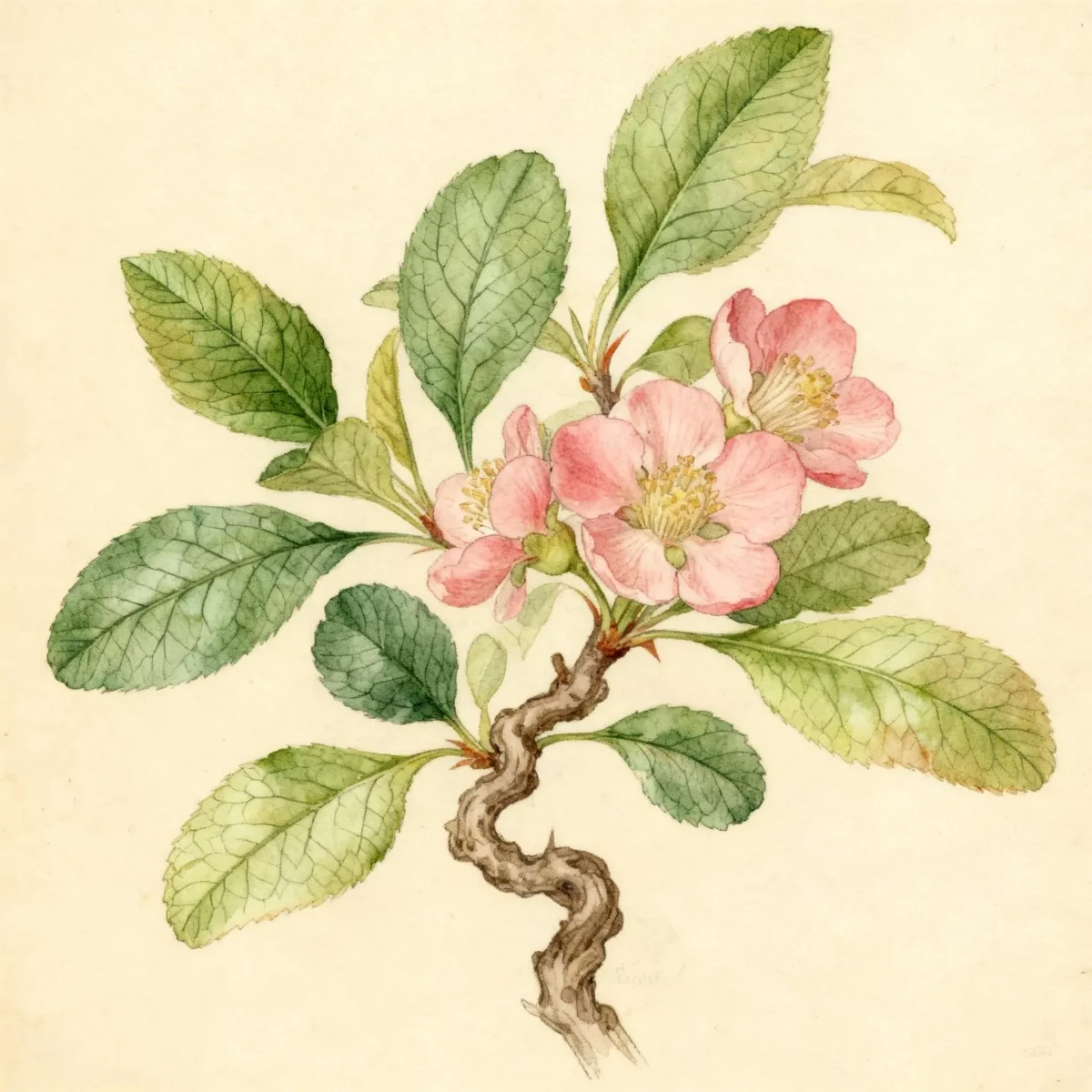
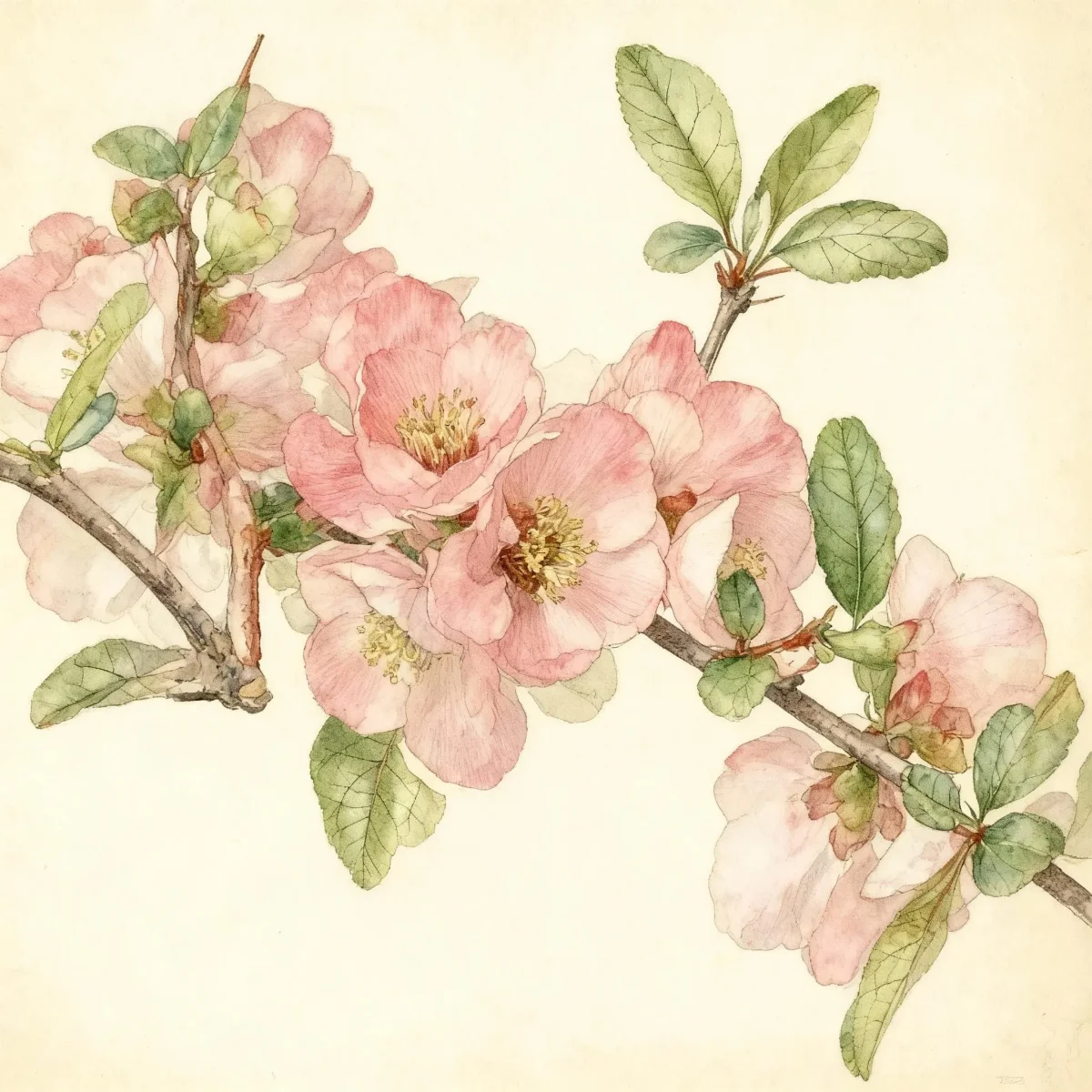
Rock cotoneaster (Cotoneaster horizontalis 'Robusta')
Rock cotoneaster, Cotoneaster horizontalis 'Robusta', is a tough, low-maintenance shrub ideal for sloping ground in USDA Zones 5-7.
Scroll down to discover growing tips, care requirements, companion plants, and more
Complete Plant Information
Overview
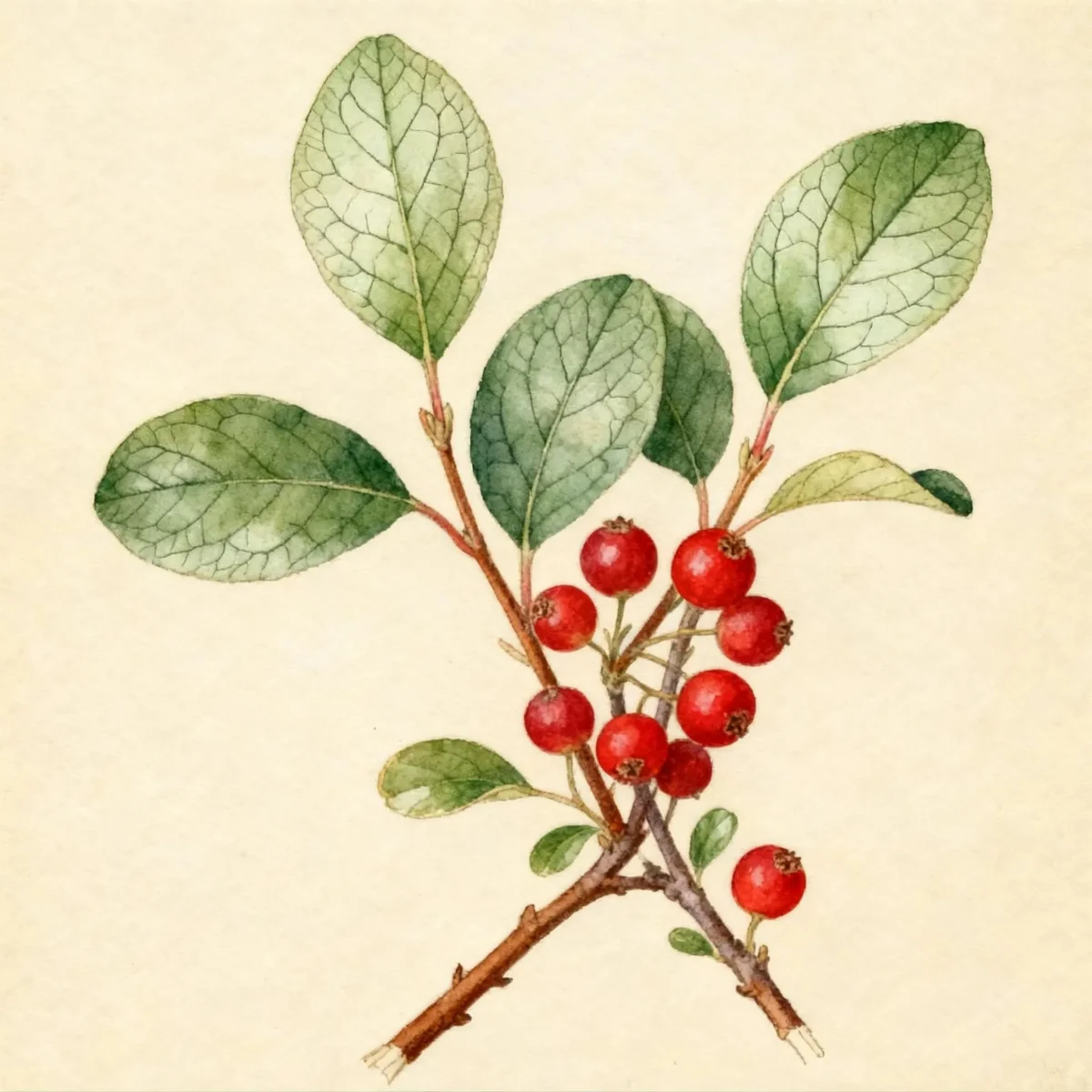
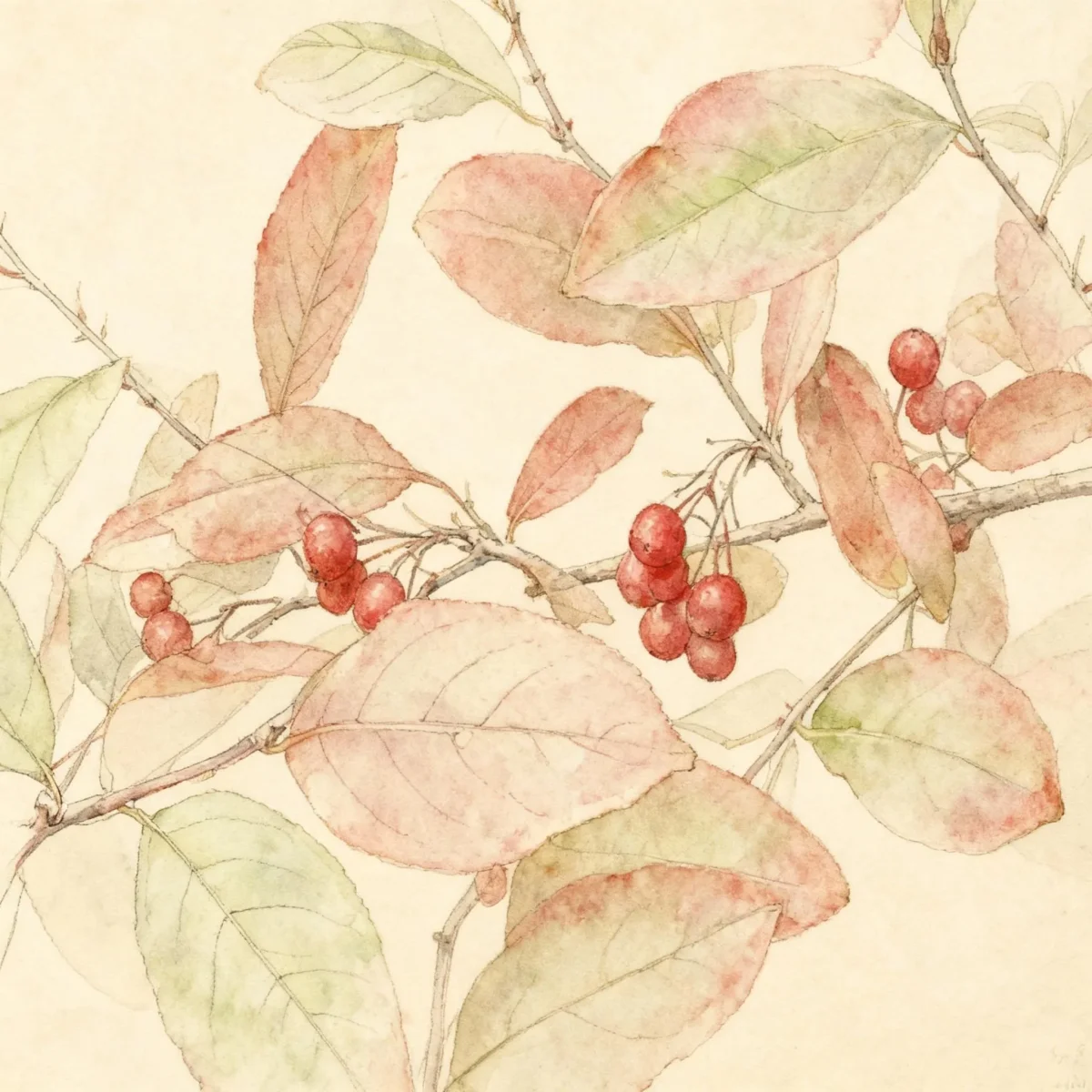
The Rock cotoneaster, scientifically known as Cotoneaster horizontalis ‘Robusta’, is an invaluable, tough, deciduous shrub celebrated for its unique, tiered, flattened branching pattern that spreads horizontally into appealing planes. This cultivar offers excellent texture, featuring glossy dark green leaves that transform to rich reddish-purple hues in the fall if grown in colder regions. Beyond its appeal in spring and fall, the plant provides vibrant interest from its abundant scarlet fruits, making Cotoneaster horizontalis ‘Robusta’ a functional yet beautiful choice for landscapes needing reliable, low-profile coverage.
As a vigorous cultivar, this variety typically achieves a height of around 3 feet while spreading 6 to 8 feet wide, effectively acting as a rugged ground cover. It handles poor soils well, provided drainage is excellent, earning its reputation as an adaptable and exceptionally tough specimen. Gardeners appreciate the near-effortless care requirements associated with maintaining Cotoneaster horizontalis ‘Robusta’, especially in areas requiring erosion control or mass plantings on slopes.
The tiny pink flowers blooming in late spring attract bees, setting the stage for the bright fruit display later in the season, which adds significant visual appeal for fall and early winter staging. For those seeking a spreading shrub with architectural form and high tolerance for urban conditions, the Rock cotoneaster delivers consistent performance across USDA Zones 5 through 7.
Fast Facts
- Plant Family: Rosaceae
- Plant Type: Deciduous shrub
- Hardiness Zones: USDA Zones 5-7
- Size at Maturity:
- Height: 2-3 ft
- Spread: 6-8 ft
- Bloom Time: May to June
- Bloom Description: Pink
- Sun Exposure: Full sun to part shade
- Water Needs: Medium
- Maintenance Level: Low
How to Grow
Planting your Rock cotoneaster is best done in spring or fall, aiming for a location that receives full sun to light partial shade. The most critical aspect of successful cultivation is ensuring excellent soil drainage; Cotoneaster horizontalis ‘Robusta’ thrives best in moist, loamy soils but is forgiving of considerable soil deficiencies otherwise. When planting large masses, space container-grown specimens about 4 to 5 feet apart to allow for full mature spread.
Watering should be consistent until the plant is fully established, meeting its medium water needs. Established plants are notably drought-tolerant, requiring supplemental water only during severe dry spells. This is a low-maintenance shrub; pruning should be minimal and confined primarily to removing errant or damaged branches. Note that these plants dislike intense, prolonged summer heat and often struggle when sited south of their preferred USDA Zone 7 range.
Propagation is easily achieved through stem cuttings, which is the preferred method for maintaining the cultivar’s characteristics. Avoid planting in areas known for poor airflow, as dense interior foliage can trap moisture, potentially fostering disease issues or making debris cleanup challenging later in the season.
Landscape Uses
Cotoneaster horizontalis ‘Robusta’ excels where a robust, low-spreading woody ground cover is necessary. Its dense, horizontal structure makes it perfect for stabilizing sunny banks and slopes, providing invaluable erosion control while softening hard lines in the landscape. The way the branches sprawl naturally makes the Rock cotoneaster an ideal choice to cascade gracefully over retaining walls or large boulders in rock gardens.
Mass planting of this cultivar creates a uniform carpet of seasonal interest, moving from spring growth to colorful fall foliage and bright summer fruit. While it functions perfectly as a low, broad accent, this shrub can also be carefully trained using the espalier technique against a flat sunny wall, adding architectural formality despite its naturally spreading habit. Consider pairing mature Cotoneaster horizontalis ‘Robusta’ with taller, contrasting upright evergreens to emphasize its unique flat profile.
Standout Features
Noteworthy Characteristics
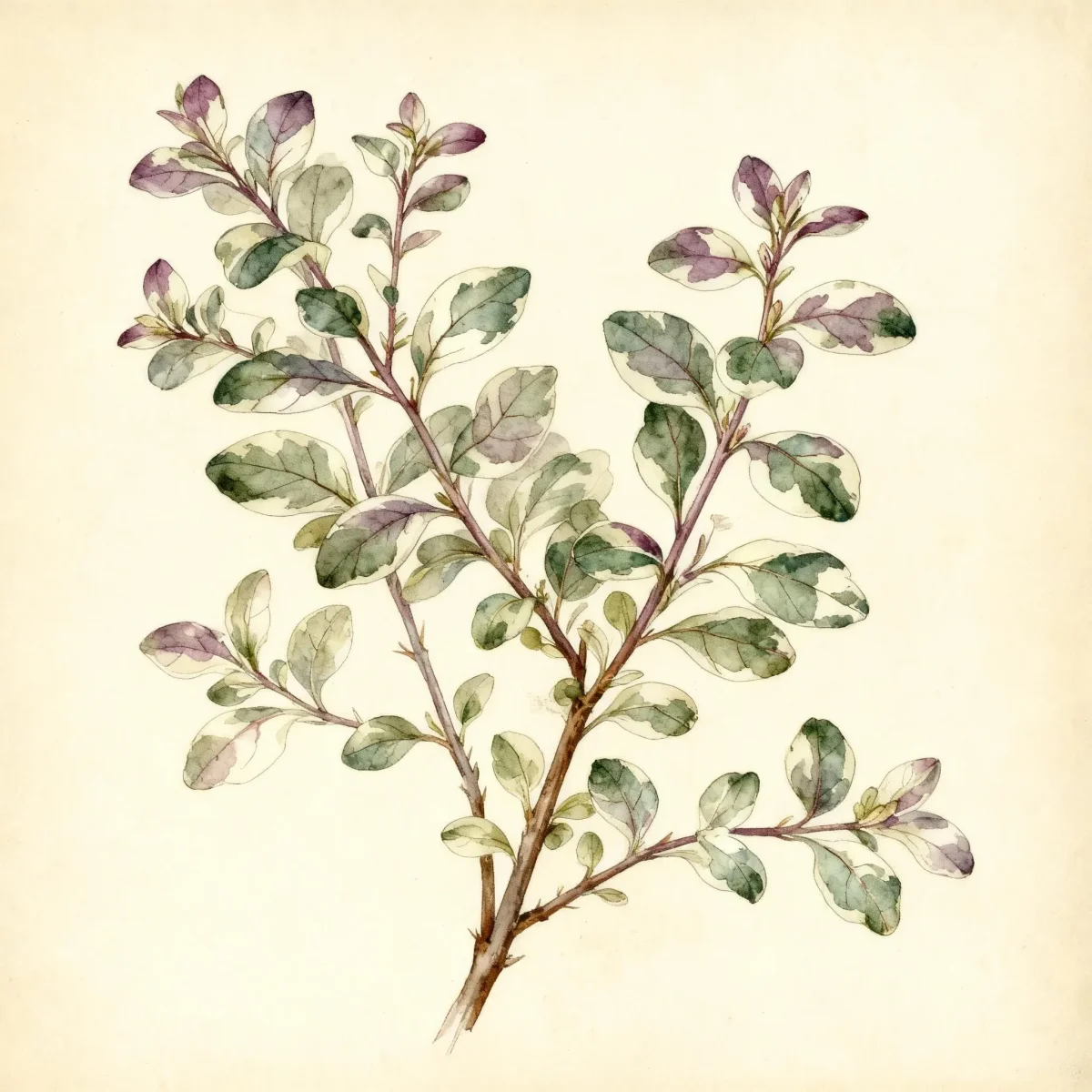
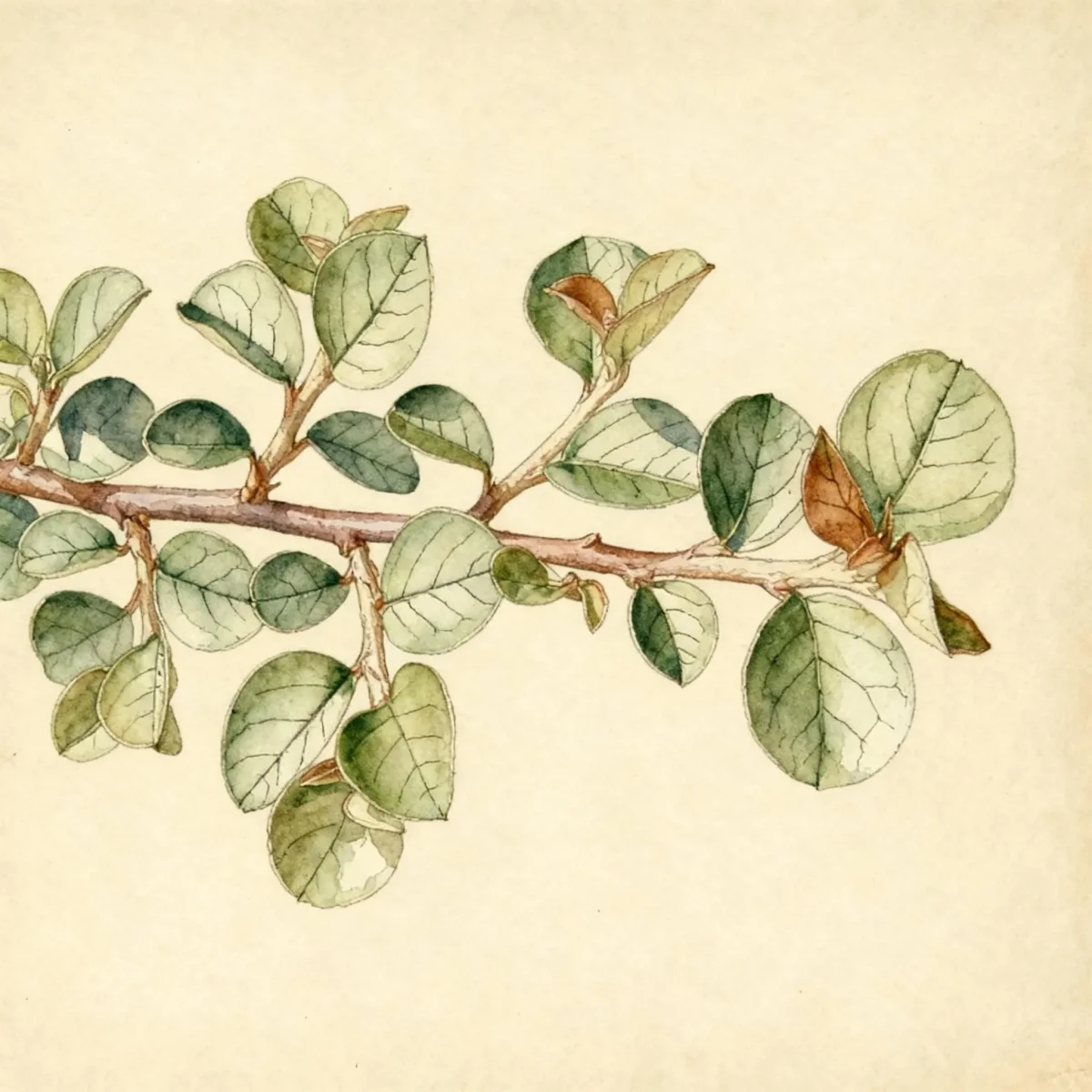
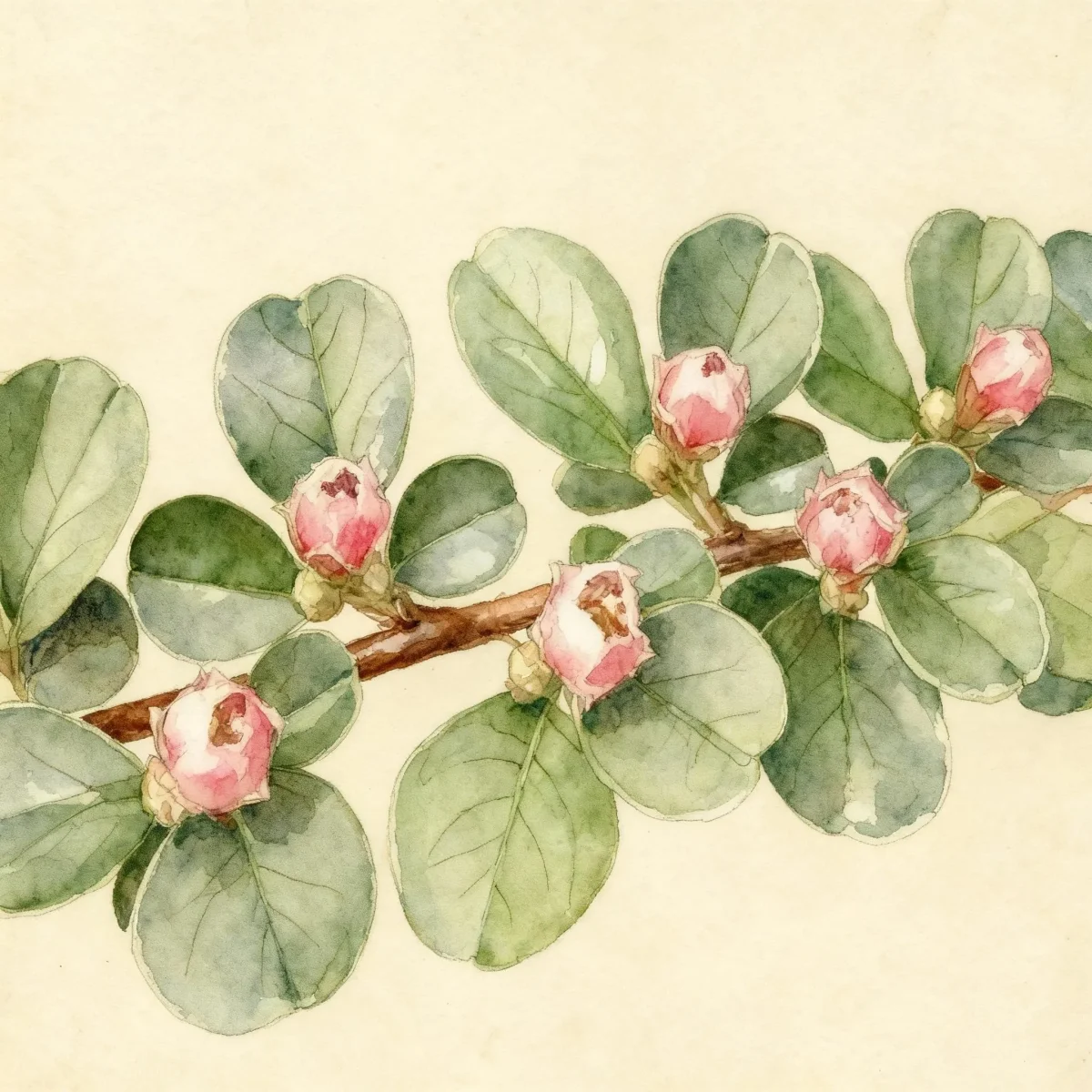
Cotoneaster horizontalis, commonly called rockspray cotoneaster, is a coarse, dense, slow-growing, semi-prostrate shrub that grows to 2-3’ tall and spreads over time to 6-8’ wide on stiff, flattened, horizontal branching that features branchlets arranged in fishbone patterns. Branching becomes somewhat tiered over time. Plants are deciduous in the northern parts of their growing range, but semi-evergreen in the far southern locations. Round to elliptic, glossy dark green leaves (to 1/2” long) are attractive throughout the growing season. Leaves on deciduous plants turn reddish-purple in fall. Five-petaled, tiny pink flowers appear singly or in pairs in late spring. Bees are attracted to the flowers. Flowers are followed by bright scarlet fruits (1/4” wide) that mature in late summer to fall.Genus name comes from the Latin cotonea meaning “quince” and aster meaning “resembling” or “similar to”.Specific epithet means flat to the ground.‘Robusta’ is a vigorous cultivar with a more upright growing habit. It typically grows to 3’ tall. Round to elliptic, glossy dark green leaves (to 1/2” long) are attractive throughout the growing season. ‘Robusta’ is noted for bearing heavy amounts of fruit.
Tolerances
- Rabbit
- Drought
- Erosion
- Air Pollution
Potential Problems
The dense structure that makes Cotoneaster horizontalis ‘Robusta’ an effective ground cover also requires awareness regarding potential maintenance and pests. This shrub is susceptible to serious diseases such as fireblight, leaf spots, and canker, which require vigilance, especially in humid conditions. Pest issues often center around sucking insects like cotoneaster webworm and lacebug, and mites can become problematic if the established plant experiences prolonged, hot, dry conditions, exacerbated by poor air circulation.
Because the foliage is so tightly packed, cleaning dead leaves and debris from the interior of the planting can become physically challenging over the years. Proactive spacing during initial planting and ensuring good air circulation can mitigate some humidity-related problems, reducing the environment that encourages fungal issues.
Frequently Asked Questions
What hardiness zones is Rock cotoneaster suitable for?
The Rock cotoneaster is suitable for USDA Hardiness Zones 5 through 7. Due to heat sensitivity, performance may decline south of Zone 7.
How large does Cotoneaster horizontalis ‘Robusta’ grow?
This cultivar generally matures to a height between 2 and 3 feet, spreading widely across the landscape to 6 to 8 feet in width due to its characteristic horizontal growth habit.
What sun exposure does Cotoneaster horizontalis ‘Robusta’ need?
This plant performs best when given a location providing full sun, though it tolerates partial shade environments well.
When does Rock cotoneaster bloom?
Cotoneaster horizontalis ‘Robusta’ produces small, pink flowers singly or in pairs typically between May and June.
Conclusion
For gardeners needing a low-profile, durable shrub capable of handling slopes, poor soils, and modest drought, the Rock cotoneaster stands out as a premiere solution. Its unique, fishbone branching pattern, coupled with dense foliage and bright fruit, ensures year-round visual interest while requiring minimal maintenance—a hallmark of Cotoneaster horizontalis ‘Robusta’. Confirm that your site falls within USDA Zones 5-7 and prioritize well-drained soil before integrating this highly valuable plant into your erosion control or mass planting plans.
Propagation Tips
Propagation of Cotoneaster horizontalis ‘Robusta’ is most straightforward when utilizing stem cuttings, particularly semi-hardwood cuttings taken during mid-summer. Select firm, healthy shoots that are not actively growing too vigorously, cutting them just below a leaf node about 4 to 6 inches long. Treating the base with root hormone significantly increases the success rate, and planting them in a controlled medium in a protected, humid environment will encourage root development over the subsequent weeks or months.
Since this cultivar is noted for being vigorous, establishing new plants from cuttings is an excellent way to expand ground cover quickly or replace older, thinning sections of an existing planting. This method ensures that the new plants retain the exact desirable characteristics, such as the heavy fruiting habit, of the parent Rock cotoneaster.
Companion Planting
When designing around Cotoneaster horizontalis ‘Robusta’, select companions that share its love for excellent drainage and full sun exposure. Low-growing ornamental grasses or creeping sedums (Sedum species) work beautifully as foreground accents, respecting the cotoneaster’s 2-3 foot mature height and allowing its horizontal spread to dominate the middle ground. Consider spring-blooming perennials like low-growing Alliums or creeping Thyme, which will bloom before and after the cotoneaster’s spring flowers, extending textural interest across the growing season.
Ensure companions are also tolerant of the conditions that Cotoneaster horizontalis ‘Robusta’ handles well, like drought tolerance once established and resistance to urban pollution. Avoid planting moisture-loving species directly adjacent, as overwatering a companion could compromise the necessary dry-foot conditions the Rock cotoneaster requires for optimal health and longevity.