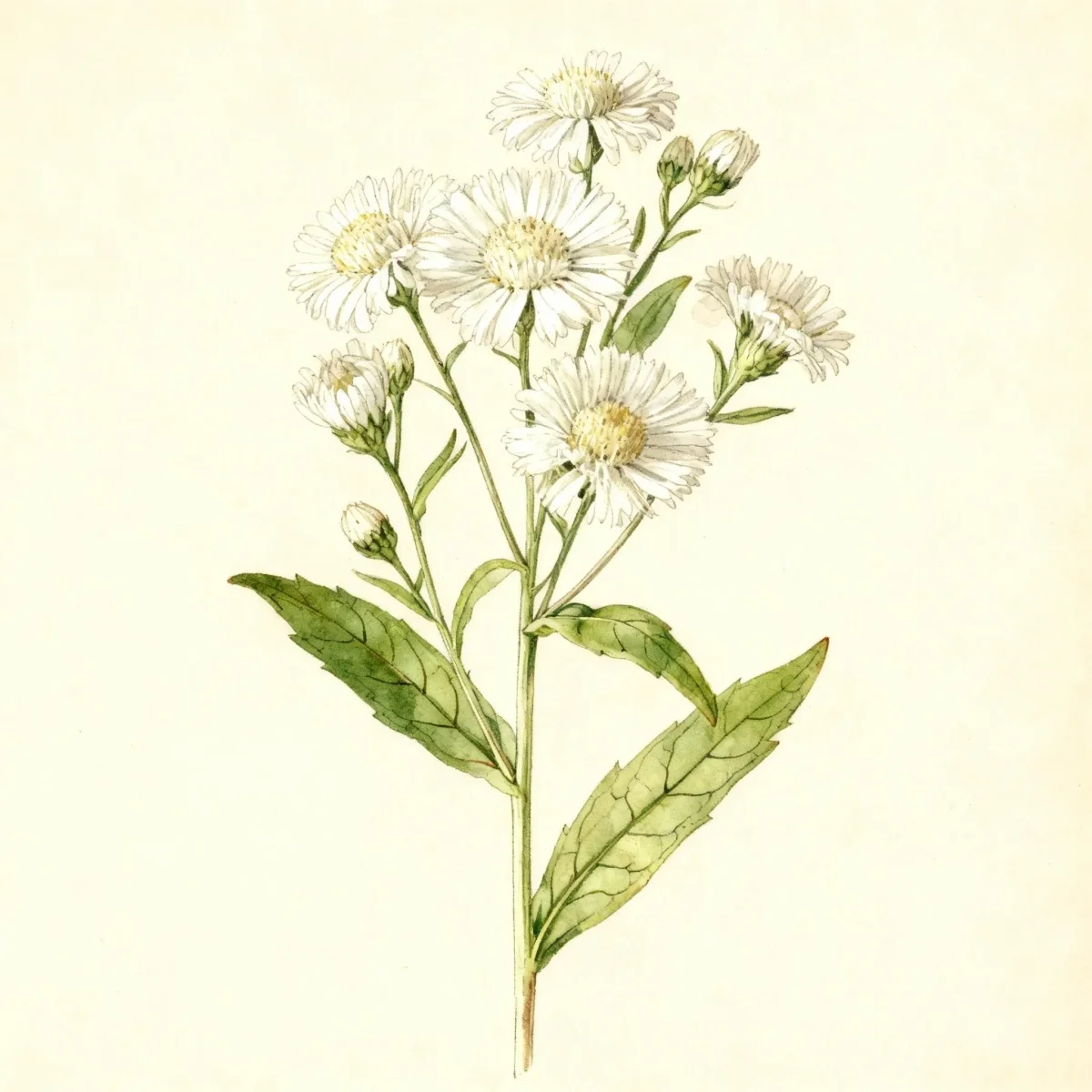
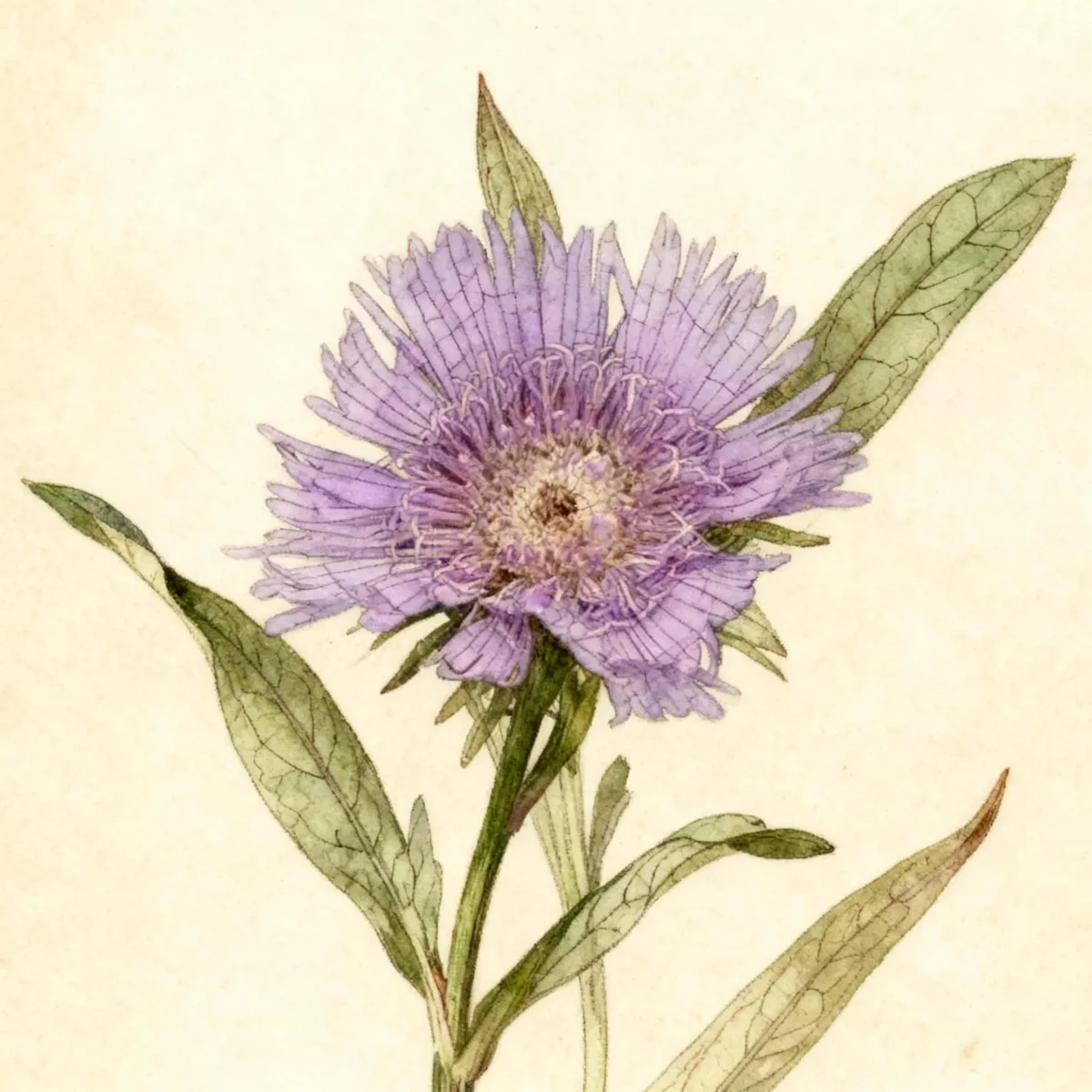
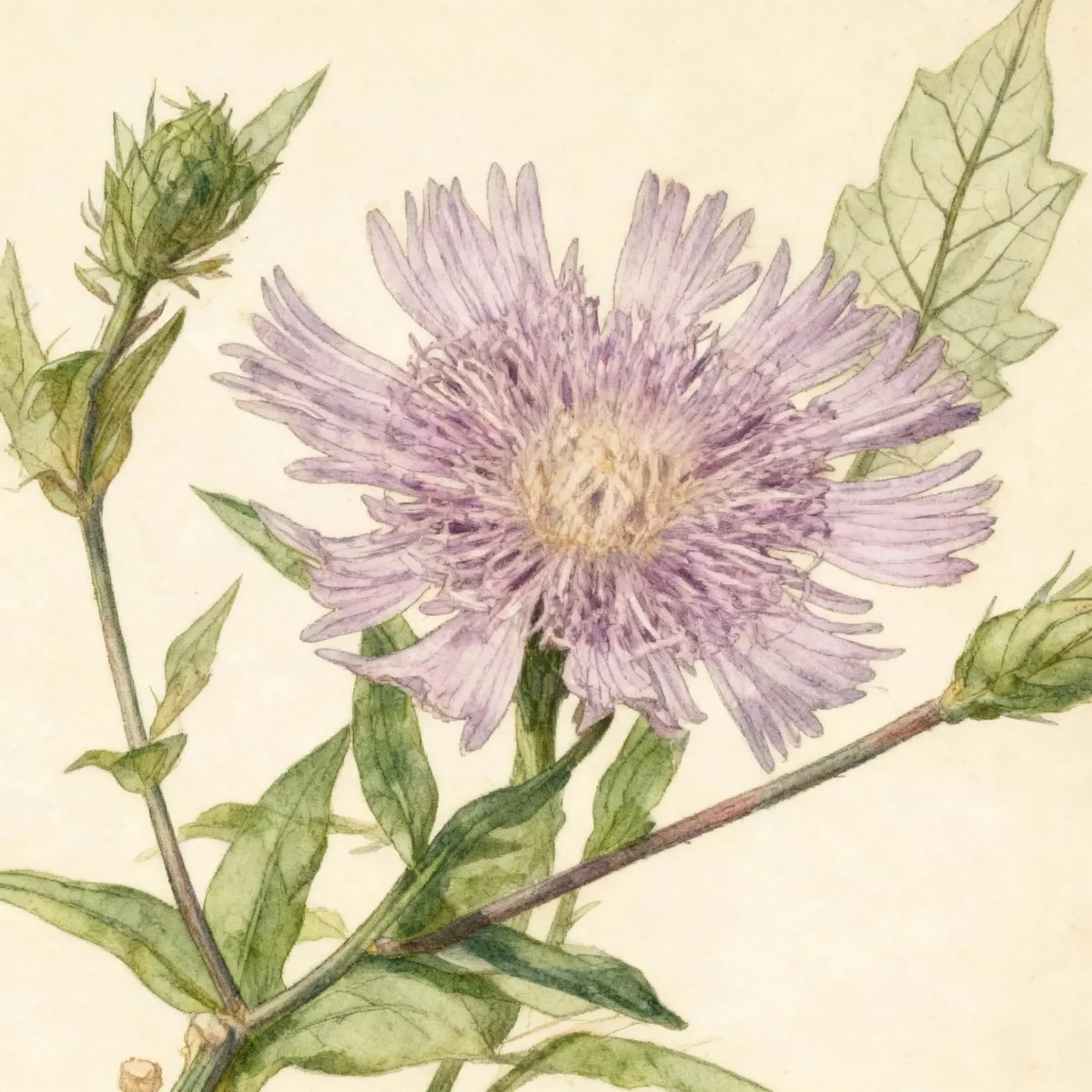
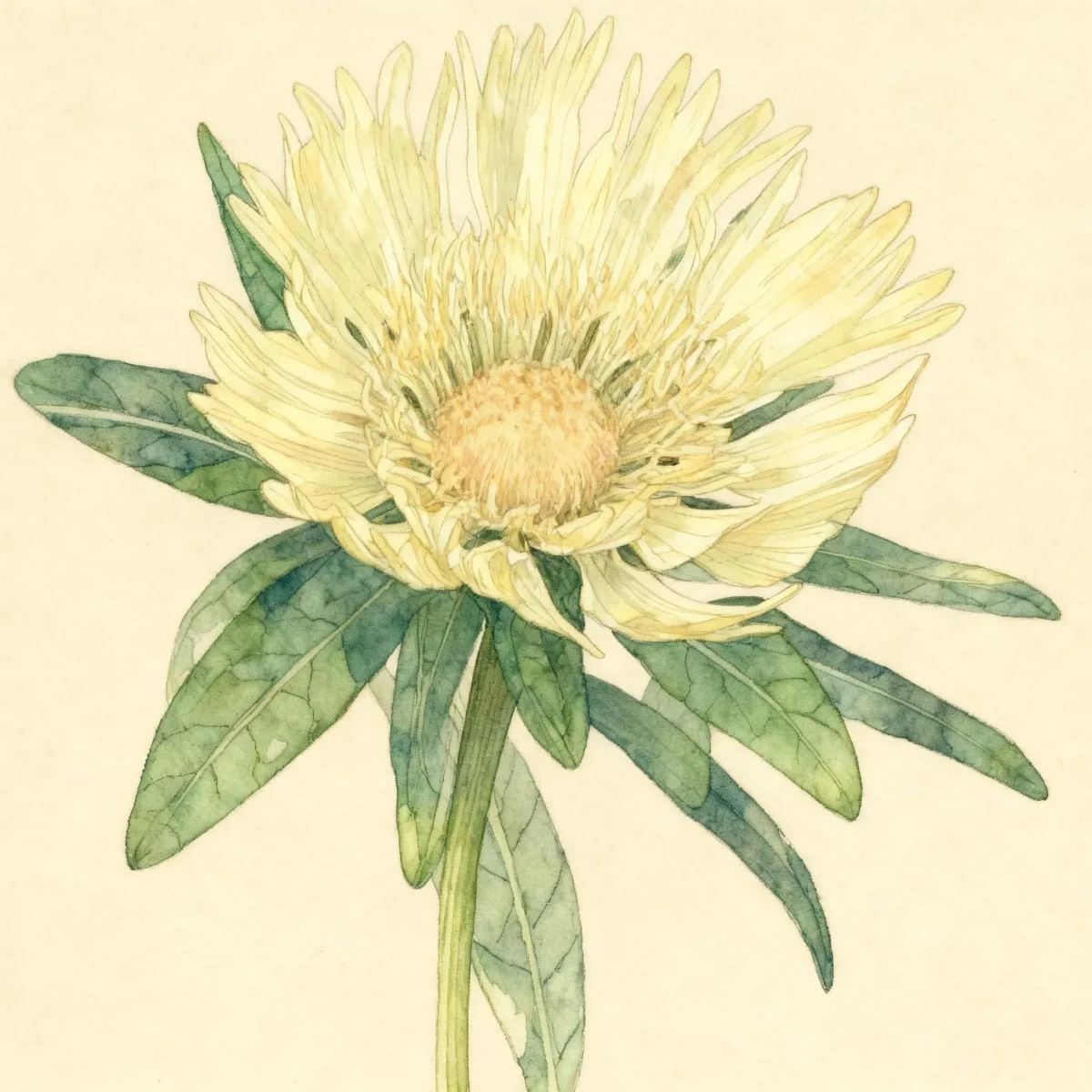
Stokes' aster (Stokesia laevis 'Colorwheel')
Stokesia laevis 'Colorwheel' (Stokes' aster) offers unique, changing white to purple blooms on a low-maintenance, drought-tolerant perennial.
Scroll down to discover growing tips, care requirements, companion plants, and more
Complete Plant Information
Overview
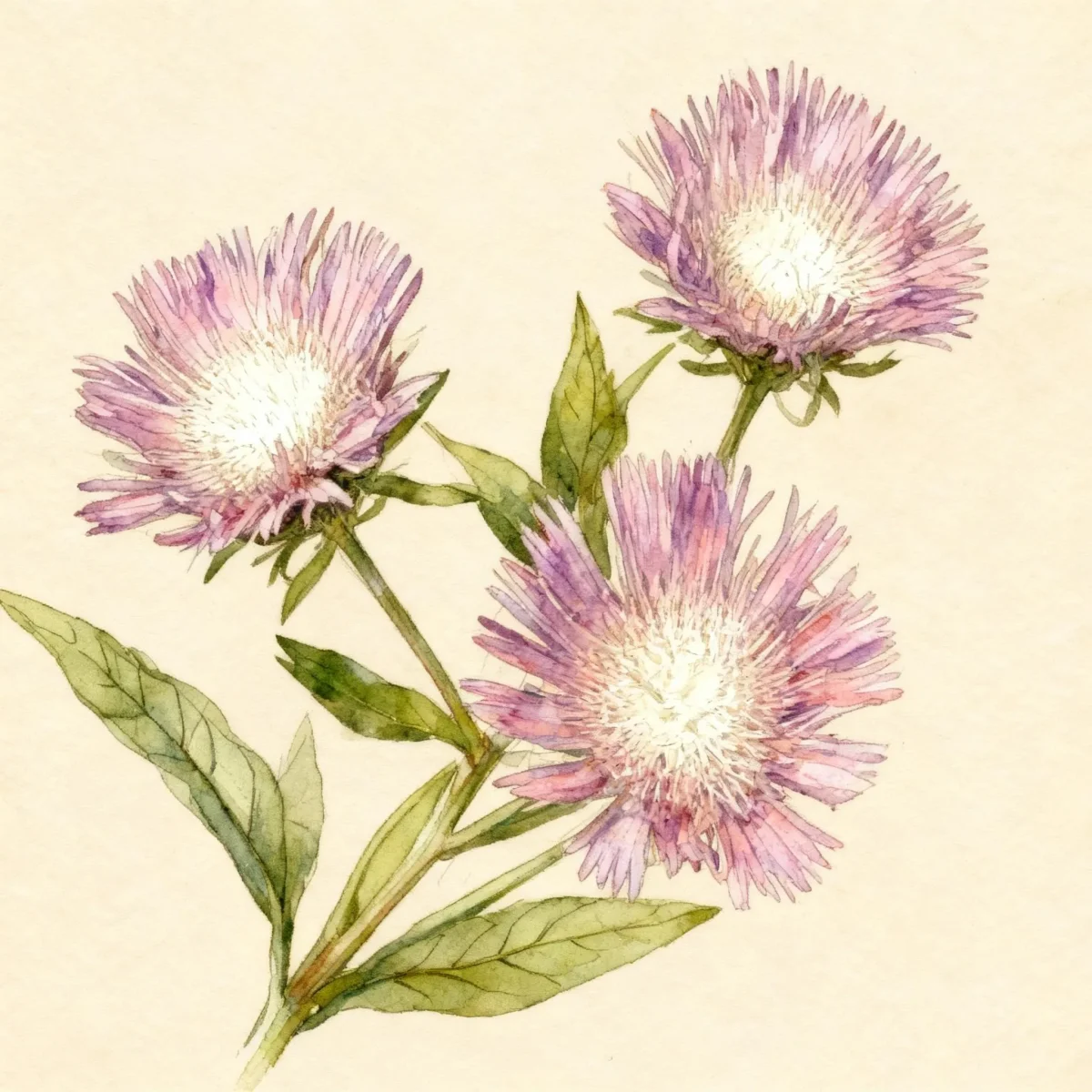
Stokesia laevis ‘Colorwheel’ offers a unique succession of color unmatched by many summer bloomers, making the Stokes’ aster a valuable addition to any sunny garden space. This herbaceous perennial features fluffy, cornflower-like blooms that start pure white and gradually age through shades of lavender to deep purple on the same plant at the same time. Growing robustly between 1.5 and 2 feet tall, Stokesia laevis ‘Colorwheel’ maintains an attractive, often evergreen foliage base.
This cultivar is celebrated for its low-maintenance nature once established, tolerating heat and drought surprisingly well, provided its primary need—excellent drainage—is met. Its long blooming window, stretching from early summer well into September, ensures continuous visual interest. Gardeners appreciate the striking contrast created when the fresh white flowers appear alongside the mature purple blooms of the Stokes’ aster.
The reliable performance and relatively pest-free habit solidify the appeal of Stokesia laevis ‘Colorwheel’ for sunny borders and cottage gardens. It thrives in full sun and rewards diligent deadheading with extended flower production throughout the heat of the season.
Fast Facts
- Plant Family: Asteraceae
- Plant Type: Herbaceous perennial
- Hardiness Zones: USDA Zones 5-9
- Size at Maturity:
- Height: 1.5-2 ft
- Spread: 1-1.5 ft
- Bloom Time: June to September
- Bloom Description: White aging to lavender and purple
- Sun Exposure: Full sun
- Water Needs: Medium
- Maintenance Level: Low
How to Grow
Plant Stokes’ aster in the spring or fall once frost danger has passed, ensuring the location offers full sun exposure for the best bloom density. The most critical factor for success, particularly overwintering in northern zones, is soil drainage. Stokesia laevis ‘Colorwheel’ demands an average, well-drained soil, preferably sandy, as winter wetness in heavy soil is frequently fatal.
Water requirements are medium; while established plants handle drought periods well, regular moisture helps sustain the prolific summer blooming. Fertilizing is rarely necessary if the native soil is moderately fertile; avoid high-nitrogen fertilizers which encourage excessive foliage growth at the expense of flowers.
Keep the cutting stems of Stokesia laevis ‘Colorwheel’ tidy by deadheading individual spent flowers promptly. Removing the entire spent flowering stem encourages the plant to produce more blooms throughout the season. After the main flush of bloom concludes, the entire plant can be cut back to the basal foliage line to neaten its appearance. For gardeners in colder regions (USDA Zone 5), applying a protective winter mulch after the ground freezes will help insulate the roots.
Landscape Uses
Stokes’ aster, especially the multi-hued ‘Colorwheel’ variety, excels along border fronts where its 2-foot height doesn’t obstruct views of taller specimens. It integrates seamlessly into cottage gardens, providing bright bursts of color from June through September. Its adaptability also makes it suitable for mass plantings along moist areas, such as the edges of ponds or streams, provided the soil remains well-drained even when saturated.
Consider pairing Stokesia laevis ‘Colorwheel’ with contrasting textures like fine-bladed ornamental grasses or silver-leaved companions. Its ability to transition through the color spectrum makes it an excellent bridge plant between pink and blue summer perennials. For smaller spaces, these plants work well in small groupings, creating dynamic islands of shifting color.
Standout Features
Flower Qualities
- Showy
Noteworthy Characteristics
Stokesia laevis, commonly known as Stokes’ aster, is native to wetlands, bottomlands, wet pinewoods, savannas and ditches mostly along the coastal plain from North Carolina to Florida to Louisiana. It is an evergreen perennial that typically grows to 1-2’ tall. It features fluffy, cornflower-like, violet blue flowers (to 2 1/2” across), each with notched rays surrounding a pincushion center of feathery disk florets. Flowers bloom from early to mid-summer (sometimes with a fall rebloom) atop generally erect, leafy stems that rise from a basal rosette of lanceolate to elliptic, medium green leaves (to 6” long). ‘Colorwheel’ features multi-colored flowers blooming on the same plant at the same time. The fluffy, cornflower-like flowers (to 3” across) generally bloom from June to September, opening pure white and gradually darkening over time to various shades of lavender and finally dark purple with retained white centers.
Tolerances
- Rabbit
- Drought
Potential Problems
Stokes’ aster generally exhibits good resistance to most serious insect or disease issues, making maintenance low. The primary concern is the potential for caterpillars, which should be handpicked or managed with targeted organic controls if populations become noticeable. The most common cultural issue involves stem structure; flower stems on Stokesia laevis ‘Colorwheel’ are known to flop, especially after heavy rain or strong thunderstorms common in Midwestern summers. Ensure plants are situated where they receive good air circulation and avoid over-fertilizing nitrogen-heavy feeds to promote stronger stems.
Frequently Asked Questions
What hardiness zones is Stokes’ aster suitable for?
Stokesia laevis ‘Colorwheel’ is reliably hardy in USDA Zones 5 through 9, making it adaptable across a wide range of climates.
How large does Stokesia laevis ‘Colorwheel’ grow?
This herbaceous perennial typically reaches a height between 1.5 and 2 feet, with a spread of 1 to 1.5 feet, forming a relatively compact clump.
When does Stokes’ aster bloom?
You can expect continuous blooming for Stokes’ aster from June straight through to September, offering flowers that change color from white aging to lavender and purple.
What sun exposure does Stokesia laevis ‘Colorwheel’ need?
For optimal performance and abundant flowers, Stokesia laevis ‘Colorwheel’ requires a location that receives full sun daily.
Conclusion
Stokesia laevis ‘Colorwheel’ is a fantastic choice for gardeners seeking high-impact color with minimal ongoing effort, distinguished by its unique, color-shifting flowers. The reliability and drought tolerance of this Stokes’ aster secure its place in sunny perennial borders. Before planting, confirm your site offers outstanding drainage, and then enjoy its long season of unique, fluffy blooms.
Companion Planting
Since drainage is the paramount requirement for Stokes’ aster, pair it with other Mediterranean or prairie-style plants that enjoy similar conditions. Consider combining Stokesia laevis ‘Colorwheel’ with drought-tolerant Lavender (Lavandula) or hardy Russian Sage (Perovskia atriplicifolia). These companions share a preference for full sun and medium moisture when young, thriving alongside the Stokes’ aster as the summer progresses without demanding excessive supplemental watering.
For cottage garden aesthetics, use low-growing, ground-hugging Sedums or Thymes near the base. This positioning helps suppress competing weeds while emphasizing the upright, architectural nature of the cornflower-like blooms of Stokesia laevis ‘Colorwheel’.
Design Ideas
The gradual color shift in Stokesia laevis ‘Colorwheel’ lends itself well to monochromatic or analogous color schemes where subtle changes are appreciated over time. Plant them in groups of odd numbers (threes or fives) to give the best view of the white-to-purple transition across the grouping. Since the blooms can occasionally flop, integrating them immediately behind sturdier, shorter structural plants like ornamental grasses or low-mounding Coreopsis helps provide internal support.
Use mass plantings of Stokes’ aster along large pathways; as visitors walk past, they will notice the difference in age and color in each individual flower head. In small groupings near patios, the low maintenance and extended bloom time mean fewer tedious post-bloom cleanups are required near seating areas.