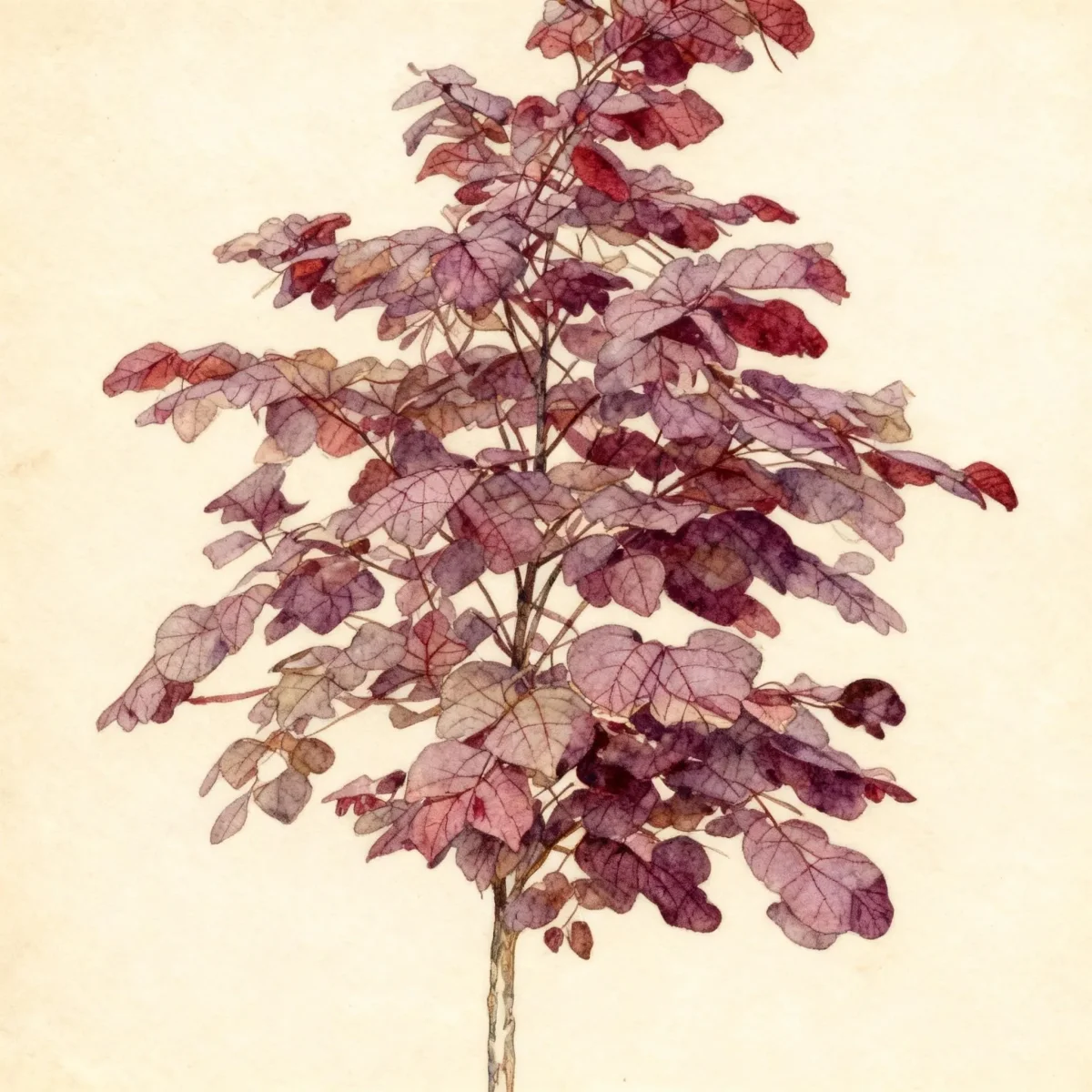
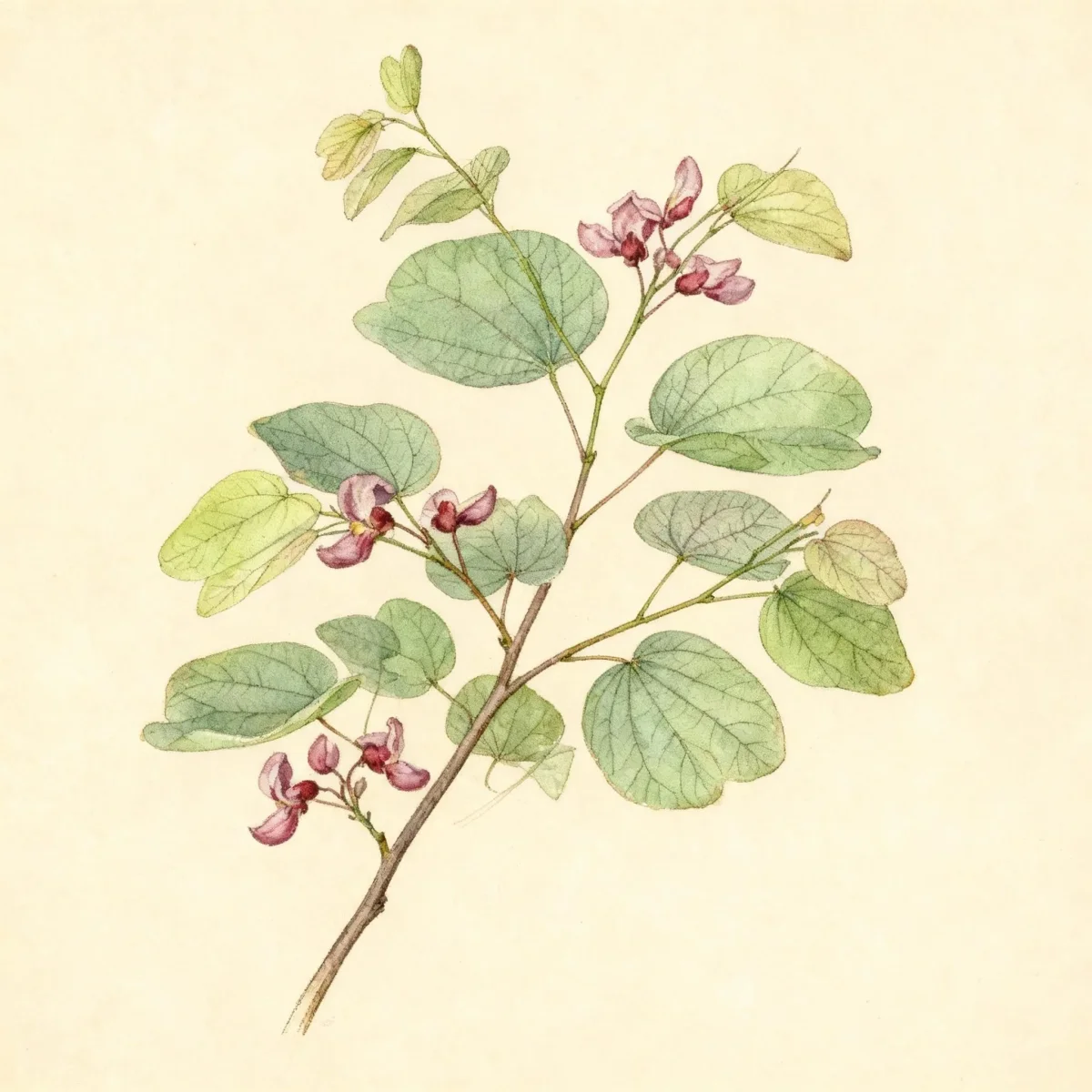
Chinese redbud (Cercis chinensis 'Don Egolf')
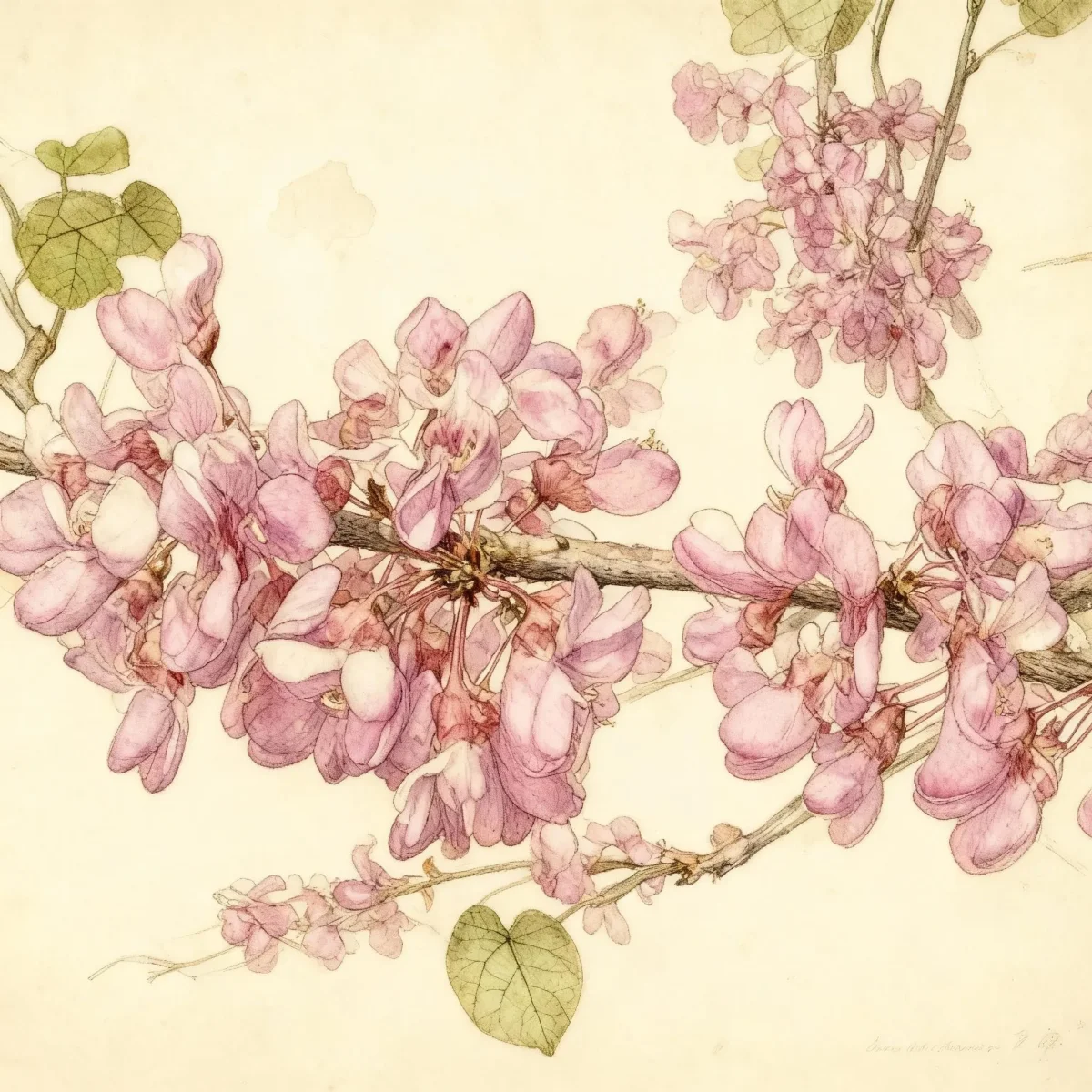
The sterile Cercis chinensis 'Don Egolf' Chinese redbud offers stunning rosy-mauve blooms from March to April on a compact, low-maintenance shrub suitable for Z6-9.
Scroll down to discover growing tips, care requirements, companion plants, and more
Complete Plant Information
Overview
Cercis chinensis ‘Don Egolf’, known commonly as Chinese redbud, is an outstanding ornamental cultivar valued for its dense, upright, multi-stemmed structure and spectacular early spring color. Unlike many other redbuds, this sterile cultivar produces masses of rosy-mauve flowers profusely covering the stems before the foliage emerges, creating a truly show-stopping display. Gardeners appreciate the low maintenance needs of this Chinese redbud, which thrives in a variety of settings, offering beauty without the fuss of constant deadheading or dealing with seed pods.
This deciduous shrub typically matures to a height and spread of 10 to 12 feet, making it an excellent mid-sized specimen or screen plant where larger trees are unsuitable. Its slightly smaller stature and slightly better cold tolerance compared to some relatives make Cercis chinensis ‘Don Egolf’ a reliable choice for zones 6 through 9. The glossy, heart-shaped foliage provides attractive texture throughout the summer, complementing the early spring floral show of the Chinese redbud.
A key feature of the ‘Don Egolf’ cultivar is its sterility; while it provides abundant, shrub-covering blooms in early spring, it produces no bothersome seed pods later in the season. Furthermore, this cultivar exhibits good resistance to Botryosphaeria canker, significantly boosting its long-term appeal for landscape professionals and home gardeners alike.
Fast Facts
- Plant Family: Fabaceae
- Plant Type: Deciduous shrub
- Hardiness Zones: USDA Zones 6-9
- Size at Maturity:
- Height: 10-12 ft
- Spread: 10-12 ft
- Bloom Time: March to April
- Bloom Description: Rosy-mauve
- Sun Exposure: Full sun to part shade
- Water Needs: Medium
- Maintenance Level: Low
How to Grow
Planting Cercis chinensis ‘Don Egolf’ should occur when the soil is workable, typically in spring or fall, ensuring high success rates. This shrub prefers average, medium moisture, well-drained soils. While it tolerates full sun, providing part shade is highly recommended in hot summer climates to prevent leaf scorch and reduce water stress.
Watering needs for the Chinese redbud are medium; ensure consistent moisture, especially during the first few growing seasons to allow the long tap root to establish. Once established, it tolerates moderate drought, though it absolutely dislikes consistently dry soils or heavy, poorly draining clay situations. Avoid heavy fertilization; the plant performs best when soil fertility is moderate.
Pruning is minimal due to the desirable shrub form of this cultivar. If shaping is necessary, light pruning should be done immediately after the bloom period ends. Be aware that this species develops a significant tap root over time, making transplanting established specimens extremely difficult and often unsuccessful.
Landscape Uses
The versatile size and striking bloom time establish the Chinese redbud cultivar, Cercis chinensis ‘Don Egolf’, as an excellent focal point. It functions beautifully as a specimen planting, drawing the eye with its dense carpet of flowers in early spring before most other woody plants have fully awakened. Given its upright, multi-stemmed habit, it excels in shrub borders or naturalized areas, softening the edge between lawn and woodland.
This cultivar is frequently employed in residential areas as an understory tree or street planting due to its manageable size (10-12 feet) and low maintenance profile. It also adapts well to large containers or tubs on patios, provided drainage is impeccable. Groupings of Chinese redbud create a powerful mass of color that rivals formal spring displays.
For companion plantings, consider pairing the rich rosy-mauve flowers with early spring bulbs like tulips or daffodils, or use evergreen foundation shrubs behind it to allow the late winter structure of the Chinese redbud to stand out. Look for understory plants that share its preference for sun to part shade conditions.
Standout Features
Flower Qualities
- Showy
- Good Cut
Noteworthy Characteristics
Cercis chinensis, commonly called Chinese redbud, is native to woodlands, thickets and slopes in central to southern China. This tree will grow to as much as 50’ tall in its native habitat, but in cultivation in the U.S. It usually grows much smaller as an open, densely branched, multi-stemmed shrub or small tree to 8-15’ tall. ‘Don Egolf’ is an upright, multi-stemmed shrub with a compact growth habit that matures over time to 10-12’ tall and as wide. It is a sterile cultivar noted for producing abundant, shrub-covering, rosy-mauve flowers in early spring but no seed pods, alongside displaying good resistance to Botryosphaeria canker.
Tolerances
- Deer
- Black Walnut
Potential Problems
Chinese redbud seems to be less affected by the common diseases and pests of eastern redbud (Cercis canadensis). The ‘Don Egolf’ cultivar, in particular, benefits from resistance to Botryosphaeria canker, a common issue in related species. Gardeners should remain vigilant for signs of scale insects or fungal leaf spots, although these infestations are usually cosmetic rather than life-threatening for this robust plant.
The primary cultural problem to avoid is improper siting, particularly planting in heavy, wet clay or areas prone to summer drought. Because Cercis chinensis ‘Don Egolf’ develops a long tap root, avoid disturbing the soil around the base once established to prevent root damage, which leads to transplant shock.
Frequently Asked Questions
What hardiness zones is Chinese redbud suitable for?
The Chinese redbud, specifically the ‘Don Egolf’ cultivar, is suitable for planting in USDA Hardiness Zones 6 through 9. Always verify your local zone before planting.
How large does Cercis chinensis ‘Don Egolf’ grow?
This cultivar typically matures into a compact, multi-stemmed shrub reaching 10 to 12 feet tall and maintaining a spread of 10 to 12 feet wide.
What sun exposure does Chinese redbud need?
Cercis chinensis ‘Don Egolf’ thrives in full sun but benefits significantly from part shade, especially where summer heat is intense, reducing stress on the medium water requirements.
When does Cercis chinensis ‘Don Egolf’ bloom?
This beautiful shrub puts on its main floral show early in the season, typically blooming profusely with rosy-mauve flowers from March through April before the leaves fully emerge.
Conclusion
The sterile Cercis chinensis ‘Don Egolf’ offers exceptional value, combining low maintenance with an early, abundant display of rosy-mauve color, making it a standout choice for spring landscapes. By respecting its need for well-drained soil and avoiding transplanting once mature, gardeners can reliably enjoy this robust Chinese redbud for decades. Plan your location carefully now to ensure this magnificent specimen thrives for years to come.
Companion Planting
When designing a spring garden around your Chinese redbud, consider plants that establish well in average soil moisture and appreciate dappled shade beneath the canopy. Low-growing spring ephemerals, such as woodland phlox or bleeding hearts, emerge just as the redbud begins leafing out, creating lovely layered interest. Contrast the finer texture of early spring foliage with the bolder structure of Hosta cultivars that prefer part shade, utilizing their varied greens and blues as a backdrop to the rosy-mauve flowers.
For year-round structure, site the Chinese redbud near broadleaf evergreens like dwarf rhododendrons or azaleas, ensuring the soil pH requirements are compatible, as both appreciate slightly acidic conditions. Remember to avoid planting too closely, respecting that the developing tap root of Cercis chinensis ‘Don Egolf’ needs space to develop unimpeded.
Seasonal Care Calendar
Spring preparation involves minimal effort for this low-maintenance shrub. After the last hard frost but before leaves fully expand, inspect the plant for any crossing or dead branches that were damaged over winter and prune them lightly. Apply a thin layer of compost or mulch around the base, keeping the mulch several inches away from the main stems to prevent rot.
Summer care centers almost entirely on water management. While established plants are somewhat tolerant, a consistent, deep watering schedule is crucial during dry spells to support the medium water needs and the developing tap root; avoid shallow, frequent sprinkling. If transplanting must occur, aim for early fall when temperatures cool, allowing the root system to settle before winter stress arrives.
Design Ideas for the Compact Form
The 10-12 foot size of Cercis chinensis ‘Don Egolf’ makes it perfect for areas where traditional redbuds might overwhelm the space. Utilize its native tendency toward a multi-stemmed, dense habit by planting it near property lines where it can function as an informal, dense screen during the growing season. In small urban gardens, allow it to be the dominant multi-season feature, showcasing its bloom, then its glossy green summer foliage, and finally its respectable yellow fall color.
Consider planting groupings of three to create an effective mass planting that amplifies the early spring rosy-mauve color impact. Because it is sterile, this Chinese redbud is excellent for contemporary, tidy landscape designs where flower litter or seed debris is undesirable. Its texture also presents a nice foreground contrast to columnar evergreens or taller, finer-textured deciduous trees planted farther back.
Addressing Tap Root Establishment
One crucial aspect of growing Cercis chinensis ‘Don Egolf’ successfully is understanding its root system. This species naturally develops a long, deep tap root, which is essential for anchoring the plant but makes relocation challenging. Gardeners aiming for long-term success must select the final location carefully, treating the planting process as highly permanent.
To mitigate future disruption to the roots, maintain a wide, weed-free mulch ring around the plant base, but never cultivate or dig deeply within that zone once the shrub is established (after its first year). This gentle approach protects the extensive root structure vital for water and nutrient uptake, ensuring the plant remains healthy and resilient enough to resist potential site stress.