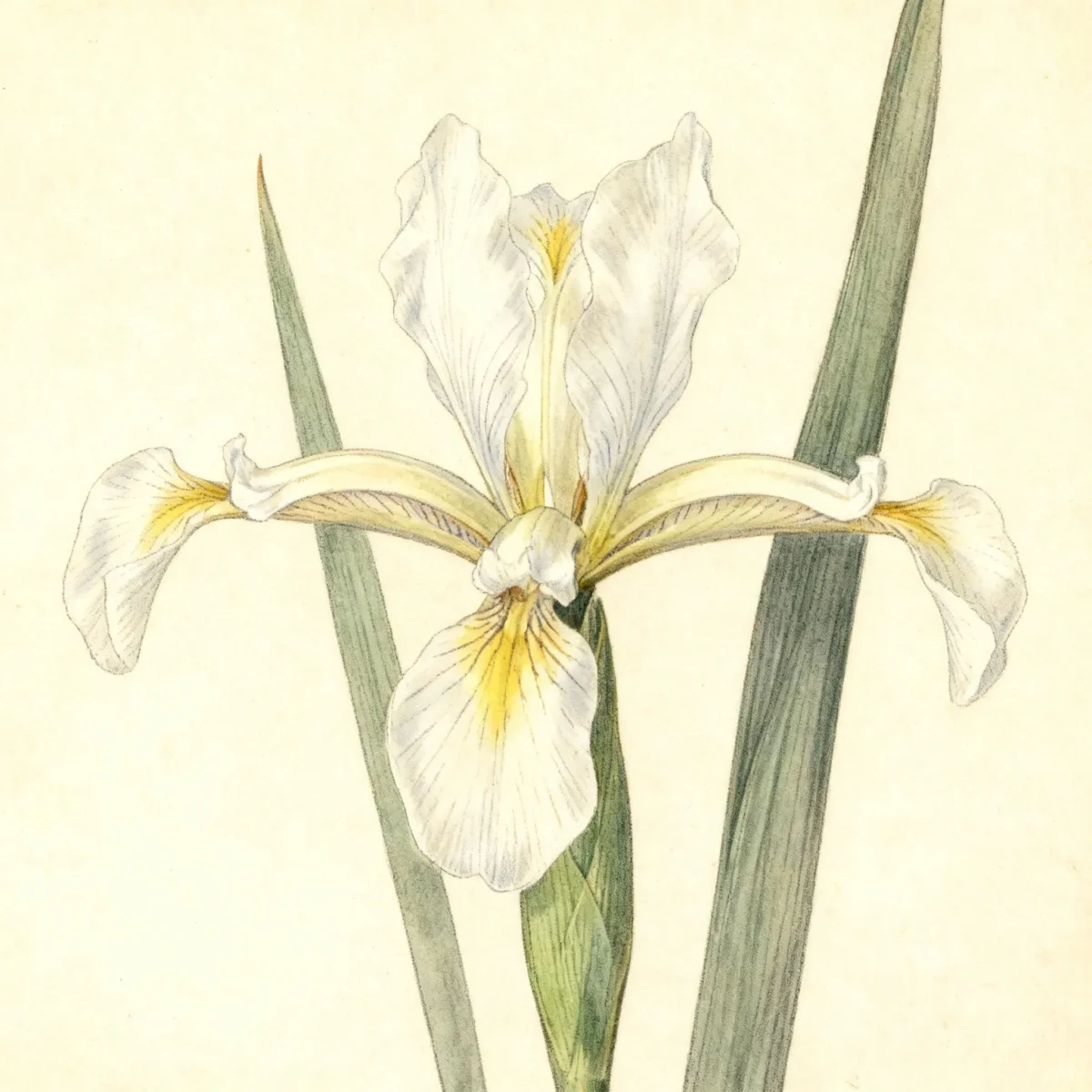
Spuria iris (Iris 'Adriatic Blue')
Iris 'Adriatic Blue' is a striking Spuria iris hybrid, valued for its tall stature and deep blue/gold blooms from May to July.
Scroll down to discover growing tips, care requirements, companion plants, and more
Complete Plant Information
Overview
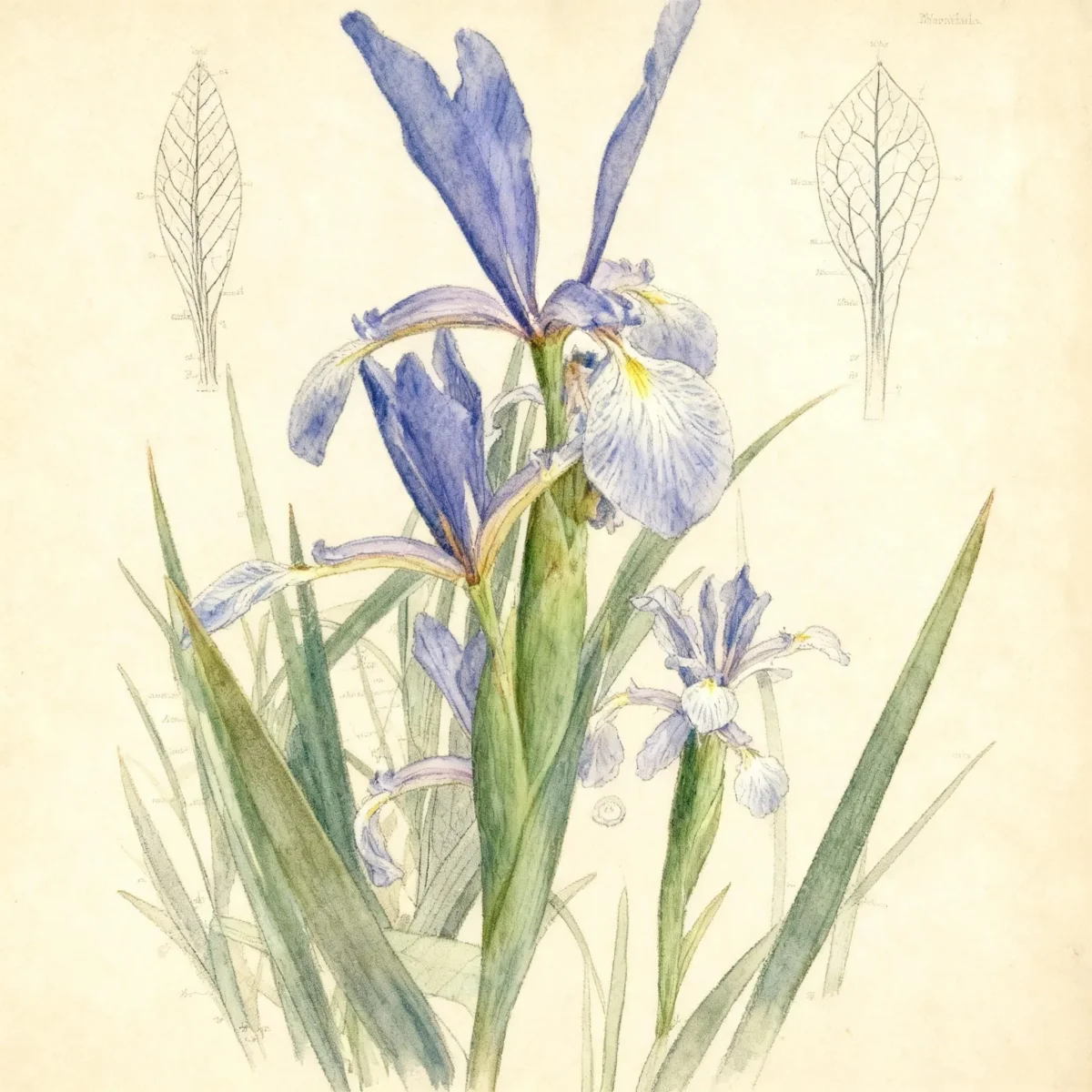
The Iris ‘Adriatic Blue’ is a highly desirable hybrid within the group known as Spuria iris, often called butterfly iris due to its elegant form. This plant offers considerable vertical interest in the garden, reaching heights up to 4 feet with bold, richly colored flowers appearing mid to late season. Gardeners prize the Spuria iris for its combination of striking midsummer color and relative resilience once established.
As a rhizomatous, beardless iris, Iris ‘Adriatic Blue’ thrives in sunny conditions, provided the soil is rich, well-drained, and consistently moist during active growth phases. Although it demands good drainage to prevent soft rot, it handles varying conditions better than many other iris types once the heat of summer sets in and dormancy begins.
Cultivating Iris ‘Adriatic Blue’ introduces a sophisticated, tall element to sunny borders, providing color when earlier spring bloomers have faded. Its structural foliage remains attractive throughout the season, making it a valuable architectural plant even outside of flowering periods.
Fast Facts
- Plant Family: Iridaceae
- Plant Type: Herbaceous perennial
- Hardiness Zones: USDA Zones 5-9
- Size at Maturity:
- Height: 2-4 ft
- Spread: 1-3 ft
- Bloom Time: May to July
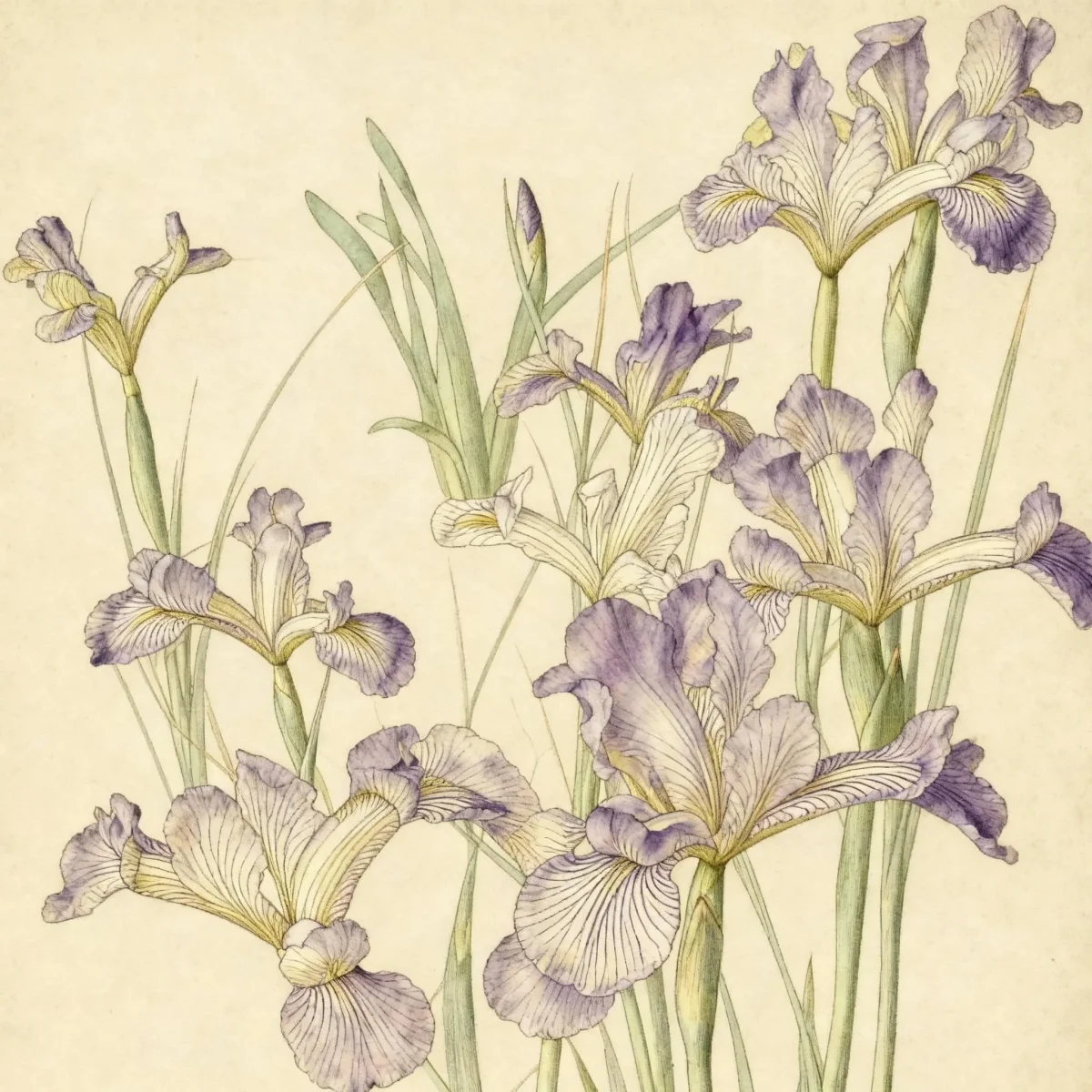
- Bloom Description: Deep blue standards & gold falls rimmed with blue
- Sun Exposure: Full sun
- Water Needs: Medium
- Maintenance Level: Medium
How to Grow
To ensure success with Iris ‘Adriatic Blue’, focus on site preparation and proper planting depth. These Spuria iris varieties perform best in rich, well-composted, humusy soils that are neutral to slightly alkaline and extremely well-drained. Plant rhizomes shallowly, about 2 inches deep, spacing them approximately 24 inches apart during the mid to late summer period, typically July through early September. Full sun is critical for both the best flowering performance and robust disease resistance, though light shade is tolerated.
Consistent moisture is appreciated throughout the spring growth period leading up to bloom. However, remember that many spurias become summer dormant; in this phase, water needs decrease significantly, and allowing the soil to dry out slightly helps prevent issues. Crucially, excellent drainage is essential to combat potential bacterial soft rot; avoid using mulch and amend heavy clay soils significantly with gypsum, sand, or organic matter, or consider raised beds.
Routine care involves fertilizing regularly in the spring before the plant flowers. Deadhead individual spent blooms promptly, and remove the entire flowering stem down to the ground once blooming concludes. Division is required only when clumps become overcrowded, typically every three to four years, and should be performed immediately after flowering. Never water overhead to keep the rhizomes dry.
Landscape Uses
The dramatic height and vivid coloration of Iris ‘Adriatic Blue’ make it an excellent choice for sunny beds and borders where it can add mid-season vertical structure. It naturally forms substantial clumps and can naturalize gently over time, making it perfect for developing established drifts of color in perennial settings.
Pairing Spuria iris with other mid to late-season bloomers that share similar sun and moisture requirements will create continuous garden interest. Consider using them toward the back of a mixed border, allowing shorter perennials to fill in the foreground, or feature them individually as specimen plants within a sunny meadow planting scheme.
Standout Features
Flower Qualities
- Showy
Noteworthy Characteristics
Iris spuria, commonly called salt marsh iris or butterfly iris, is a tall, rhizomatous, beardless iris native to central and southern Europe and extending to Iran. Specific to this cultivar, ‘Adriatic Blue’ is a spuria hybrid that typically grows to 42 inches tall and features deep blue standards and styles contrasted by falls of brilliant gold rimmed with the same deep blue. This impressive specimen was hybridized by O. D. Niswonger and introduced to gardeners in 1996.
Tolerances
Potential Problems
A primary concern for Spuria iris cultivation is pests like the iris borer, though iris weevil, slugs, snails, and thrips can also appear. Diseases pose a significant threat, particularly bacterial soft rot, crown rot fungus, and rhizome rot, all exacerbated by poor drainage or excessive moisture near the rhizomes. Sanitation is your best defense; promptly remove and destroy any diseased or borer-infected foliage or debris in the fall after the first frost.
To maintain vigor and ensure consistent blooming of Iris ‘Adriatic Blue’, gardeners must avoid common pitfalls. The most frequent reasons for sparse flowering include planting the rhizomes too deeply, insufficient light exposure, over-fertilization, or overcrowding that necessitates division. Always check rhizome placement during planting to ensure shallow depth.
Frequently Asked Questions
What hardiness zones is Spuria iris suitable for?
Iris ‘Adriatic Blue’ is adapted for cultivation in USDA Hardiness Zones 5 through 9.
How large does Iris ‘Adriatic Blue’ grow?
This variety typically achieves a height between 2 and 4 feet and spreads 1 to 3 feet wide at maturity.
When does Iris ‘Adriatic Blue’ bloom?
The peak bloom time for this Spuria iris variety is from May through July, producing its signature deep blue standards and gold-rimmed falls.
What sun exposure does Iris ‘Adriatic Blue’ need?
For optimal flowering and disease resistance, Iris ‘Adriatic Blue’ requires full sun exposure.
Conclusion
The bold structure and stunning coloration of Iris ‘Adriatic Blue’ make it an indispensable component for vibrant, midseason garden displays. By adhering to the requirements for excellent drainage and full sun, this beautiful Spuria iris will provide years of reliable performance. Always confirm your local hardiness zone compatibility before planting your rhizomes this summer.
Seasonal Care Calendar
For gardeners growing Iris ‘Adriatic Blue’, following a schedule attuned to the plant’s growth cycle ensures peak health. Springtime is the critical period for fertilization; apply a balanced fertilizer before bloom initiation, avoiding high nitrogen formulations that can encourage soft growth susceptible to pests or rot.
Throughout late spring and early summer, maintain even moisture, but be prepared to reduce or cease irrigation once the flowers fade and the foliage begins to show signs of summer dormancy. This reduction in water input, combined with ensuring good soil aeration (avoiding heavy mulch), strengthens the rhizomes against fungal diseases prevalent in warmer weather.
Perform essential cleanup in the late fall after the first frost. Removing all dead foliage and debris minimizes hiding places for pests and overwintering fungal spores. This annual tidiness is the cornerstone of managing potential problems plaguing the Spuria iris family, protecting your investment in the next season’s display.
Companion Planting
The cultural needs of Iris ‘Adriatic Blue’—full sun, well-drained soil, and medium water—allow it to synergize well with other robust, drought-tolerant perennials once established. Pair it with plants that appreciate sharp drainage, such as ornamental grasses like various Panicum varieties or Calamagrostis, which echo its vertical lines.
Consider companion plants that bloom earlier or later to maintain border interest, keeping in mind that companion plants should not aggressively compete for space around the rhizomes. Low-growing plants like Sedum or sturdy, sun-loving herbs can be tucked in around the perimeter, provided they do not shade the base of the iris during the critical growing season.
Conclusion
The bold structure and stunning coloration of Iris ‘Adriatic Blue’ make it an indispensable component for vibrant, midseason garden displays. By adhering to the requirements for excellent drainage and full sun, this beautiful Spuria iris will provide years of reliable performance. Always confirm your local hardiness zone compatibility before planting your rhizomes this summer.