Wild thyme (Thymus serpyllum 'Elfin')
Thymus serpyllum 'Elfin' is a dwarf, creeping perennial, perfect for groundcover. Enjoy its low care and lavender-pink blooms.
Scroll down to discover growing tips, care requirements, companion plants, and more
Complete Plant Information
Overview
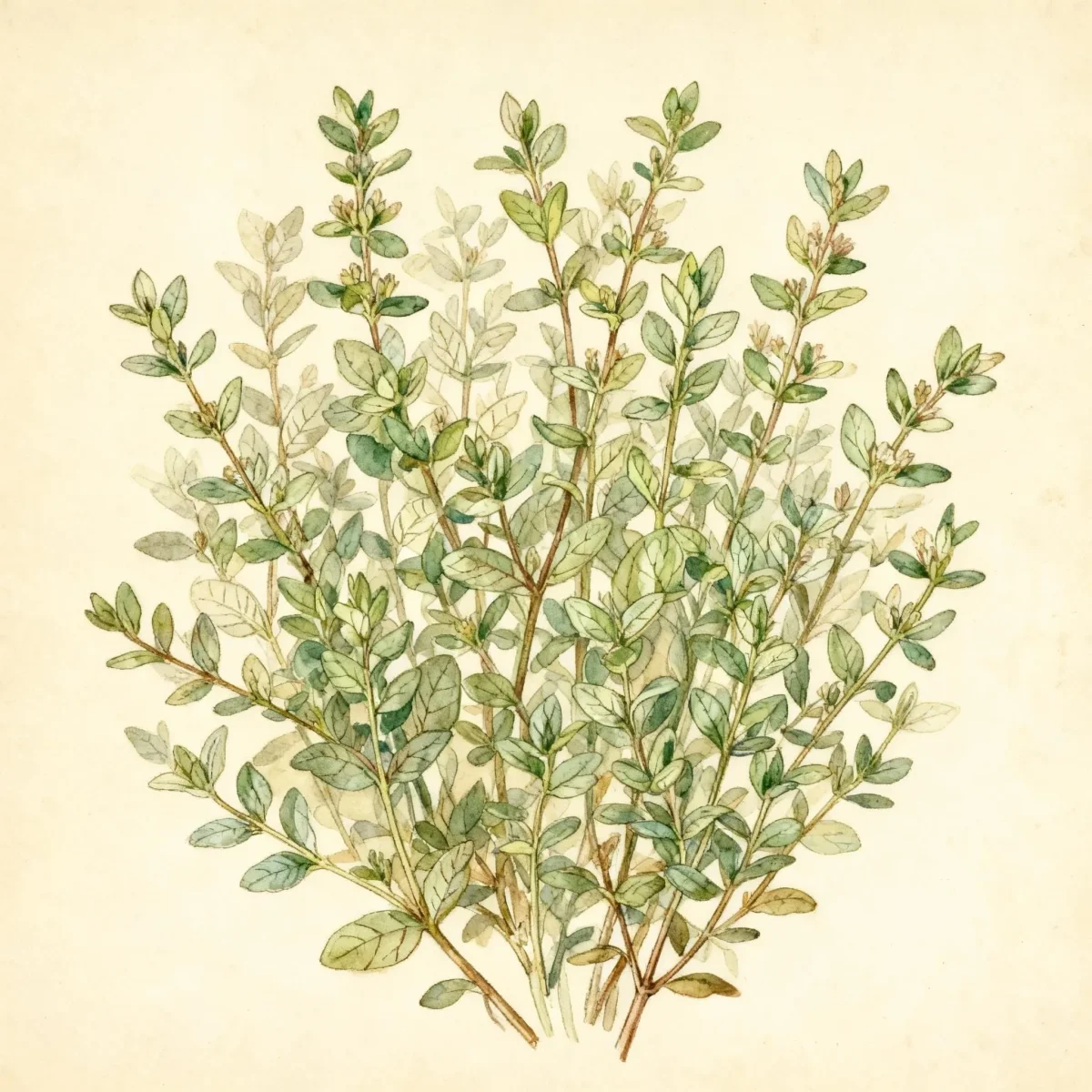
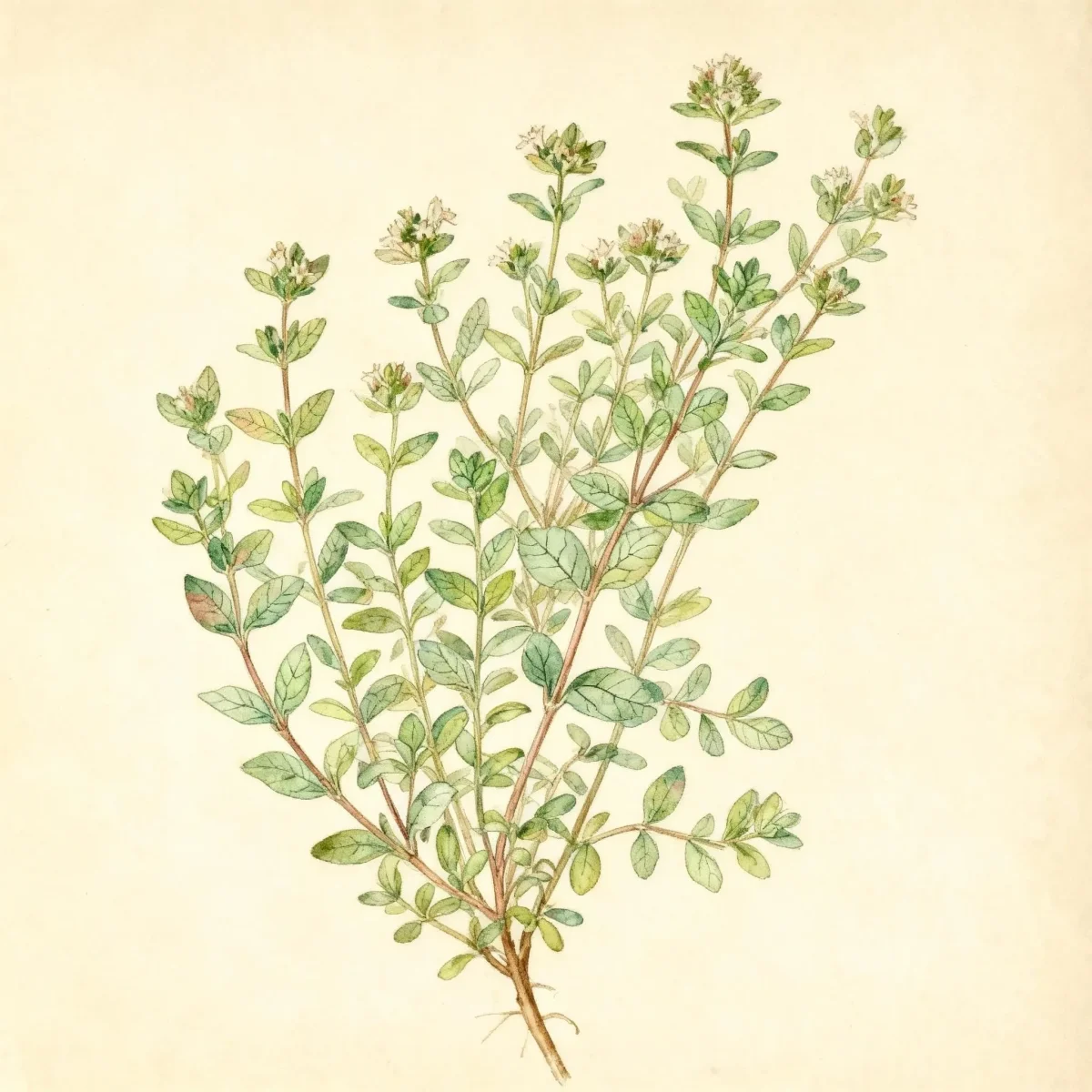
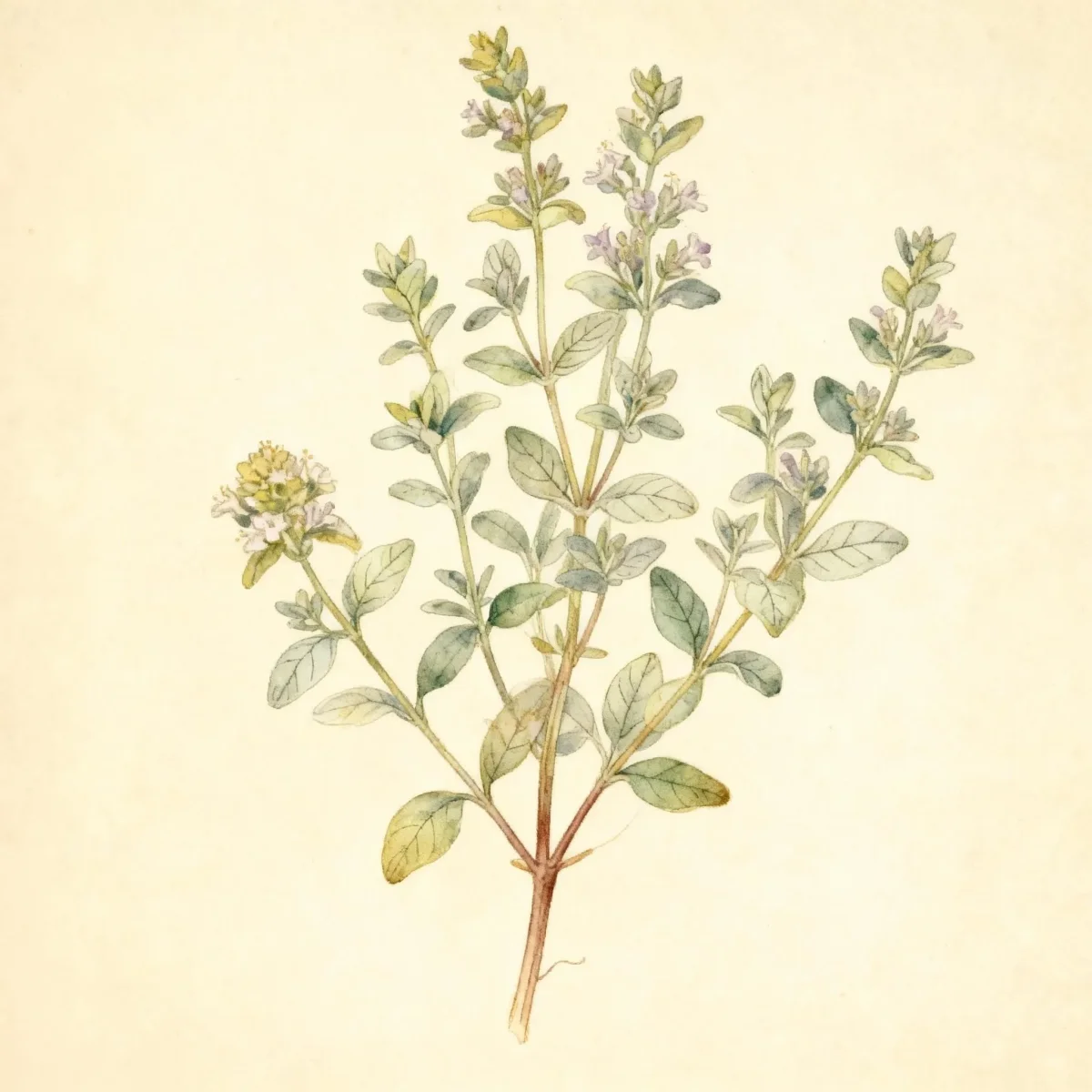
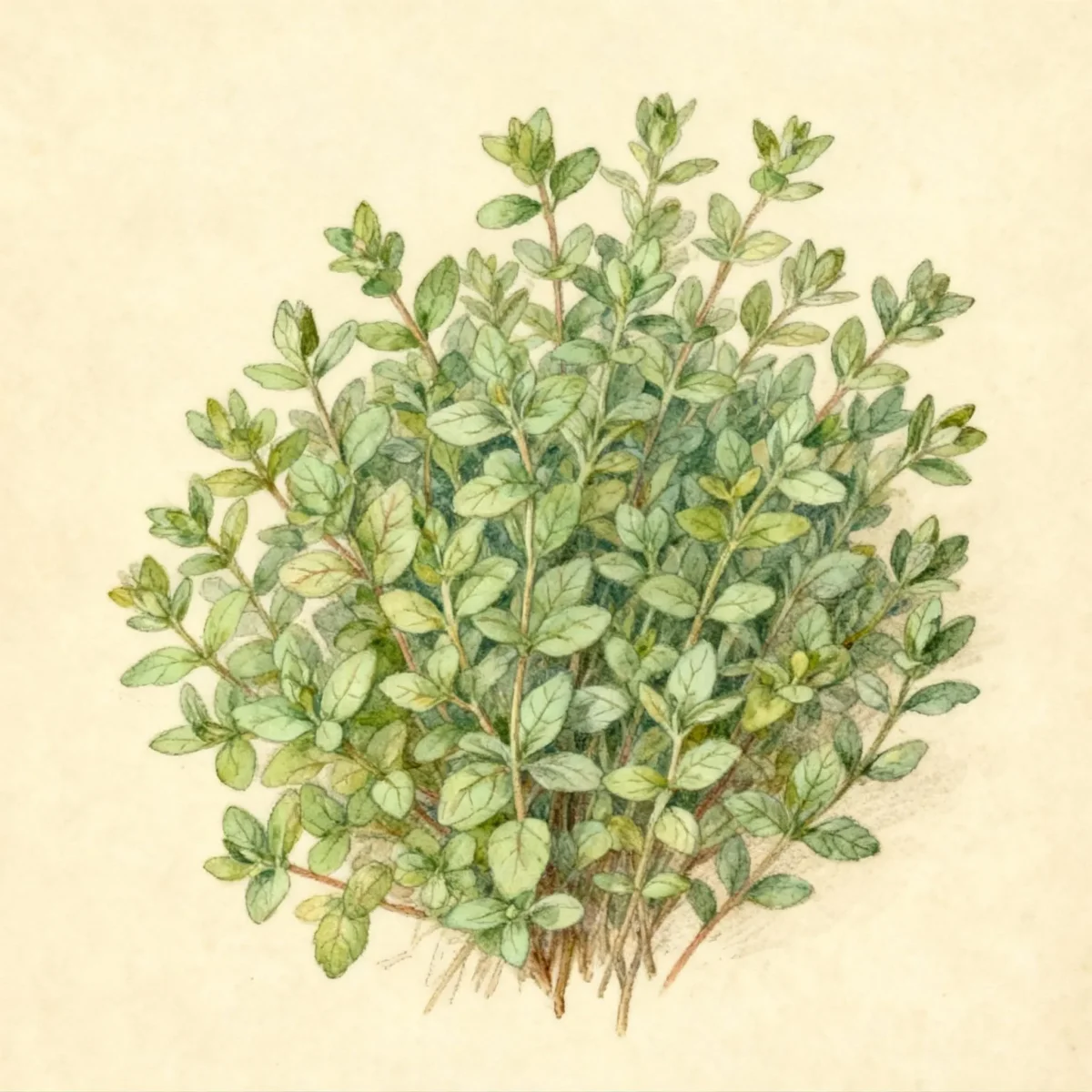
Thymus serpyllum ‘Elfin’ is highly valued by gardeners for its extremely low-growing, dense, mat-forming habit, making it one of the finest creeping ground covers available. This cultivar of Wild thyme creates a carpet of tiny, glossy blue-green foliage that is ideal for softening hardscape edges. Its value extends beyond texture, as it produces masses of lavender-pink flowers in early summer, attracting bees to the full sun area it occupies.
This herbaceous perennial thrives in challenging spots where other plants struggle. It demands well-drained soil and full sun, tolerating drought conditions once established, which aligns perfectly with xeriscaping goals. Cultivating Thymus serpyllum ‘Elfin’ successfully means providing sharp drainage and avoiding overly rich or wet conditions.
The resulting effect is a tough, durable, and aromatic ground layer that brightens borders, paths, and rockeries. Gardeners seeking a miniature, hard-wearing alternative to turf will find Thymus serpyllum ‘Elfin’ to be an excellent, low-maintenance choice.
Fast Facts
- Plant Family: Lamiaceae
- Plant Type: Herbaceous perennial
- Hardiness Zones: USDA Zones 4-8
- Size at Maturity:
- Height: 0.25 ft
- Spread: 1-1.5 ft
- Bloom Time: June to July
- Bloom Description: Lavender-pink
- Sun Exposure: Full sun
- Water Needs: Dry to medium
- Maintenance Level: Low
How to Grow
Plant this creeping thyme in spring or fall, ensuring the location receives consistent full sun exposure throughout the day for the best foliage color and flowering. The most crucial requirement for successfully growing Wild thyme is sharp drainage; it prefers loose, sandy, gritty, or rocky, nutrient-poor soils. It actively dislikes moist or wet soils where root rot is a significant threat, so amend heavy clay heavily with grit or plant only in naturally dry, sloped areas.
Water only sparingly, especially once established. Since Thymus serpyllum ‘Elfin’ tolerates drought well, only supplement water during extended dry spells. Fertilizing is generally unnecessary; this plant performs best when lean. If necessary, apply a minimal amount of low-nitrogen fertilizer sparingly in spring.
Maintenance is generally low. To prevent the plant from becoming unacceptably woody and to encourage dense fresh growth, shear the stems back lightly, perhaps after flowering or in early spring. If the mat becomes too large, divide older, established clumps, which is the preferred method of propagation for the ‘Elfin’ cultivar. In mild climates, the mat remains evergreen, offering winter visual appeal.
Landscape Uses
The primary strength of Wild thyme, particularly the Thymus serpyllum ‘Elfin’ variety, lies in its use as an ornamental ground cover. Its creeping habit makes it exceptional for filling in small areas, serving as a delightful filler between functional stepping stones where foot traffic helps keep growth tight. It excels in rock gardens, where it can sprawl gracefully over small boulders or cascade lightly over the edges of retaining walls.
Use this low-growing perennial effectively along sunny paths, patios, or in border frontages where its texture contrasts well with heavier, taller plantings. It also functions beautifully as an edging plant or in sunny container arrangements, providing year-round structure. Since the spread is rapid yet low, it is an excellent choice for bank cover in dry, sunny exposures.
Standout Features
Flower Qualities
- Showy
Noteworthy Characteristics
Thymus serpyllum ‘Elfin’ presents a miniature form characterized by charming lavender-pink flowers and extremely tiny, rounded gray-green leaves. This hairy, prostrate perennial is primarily utilized as an ornamental ground cover, forming a flat foliage mat that spreads slowly by rooting stems. While the leaves are aromatic, this specific variety is rarely used for culinary purposes compared to Thymus vulgaris.
Tolerances
- Deer
- Drought
- Dry Soil
- Shallow-Rocky Soil
- Air Pollution
Potential Problems
This plant is generally robust, showing no serious, persistent insect or disease problems under proper conditions. The most significant threat to Thymus serpyllum ‘Elfin’ is root rot, which occurs exclusively when the soil is consistently moist or poorly drained; excellent drainage is the best prevention. During intensely hot and dry summer periods, always monitor for occasional outbreaks of spider mites.
Frequently Asked Questions
What hardiness zones is Wild thyme suitable for?
Thymus serpyllum ‘Elfin’ is reliably hardy in USDA Zones 4 through 8.
How large does Thymus serpyllum ‘Elfin’ grow?
This cultivar forms a notably flat mat, reaching only about 0.25 foot in height, but it will spread horizontally between 1 and 1.5 feet wide over time.
What sun exposure does Wild thyme need?
For optimal performance, including the best dense matting and prolific blooms, Thymus serpyllum ‘Elfin’ absolutely requires full sun exposure.
When does Thymus serpyllum ‘Elfin’ bloom?
The bloom time for this creeping thyme selection is typically from June into July, featuring masses of lavender-pink flowers.
Conclusion
Thymus serpyllum ‘Elfin’ offers unparalleled utility as a tough, slow-growing, carpet-forming perennial, perfect for sunny, dry locations. Given its minimal needs and stunning visual texture, Wild thyme deserves a place in rock gardens or pathways. Before planting, confirm your soil composition provides the sharp drainage required for this miniature superstar to thrive across its hardy zones.
Propagation Tips
As Thymus serpyllum ‘Elfin’ is a named cultivar, maintaining its specific characteristics is important. Unlike the species which can be grown from seed, using division or cuttings is the recommended method for propagating this specific miniature form. Divide densely woody clumps in the spring or early summer, ensuring each new section has healthy roots and stems. Cuttings taken from soft, non-woody tips root readily when placed in gritty, moist soil under light conditions.
Companion Planting
Due to its specific requirement for dry, lean, and well-drained soil in full sun, companion plants for Thymus serpyllum ‘Elfin’ should share these xeriscape preferences. Pair it with other drought-tolerant, sun-loving herbs and ornamentals such as Sedum, Creeping Thyme varieties (like Thymus serpyllum itself), or low-mounding Artemisia. Avoid planting near moisture-loving species like Hosta or Astilbe, as their differing water needs will stress the thyme or cause its decline.