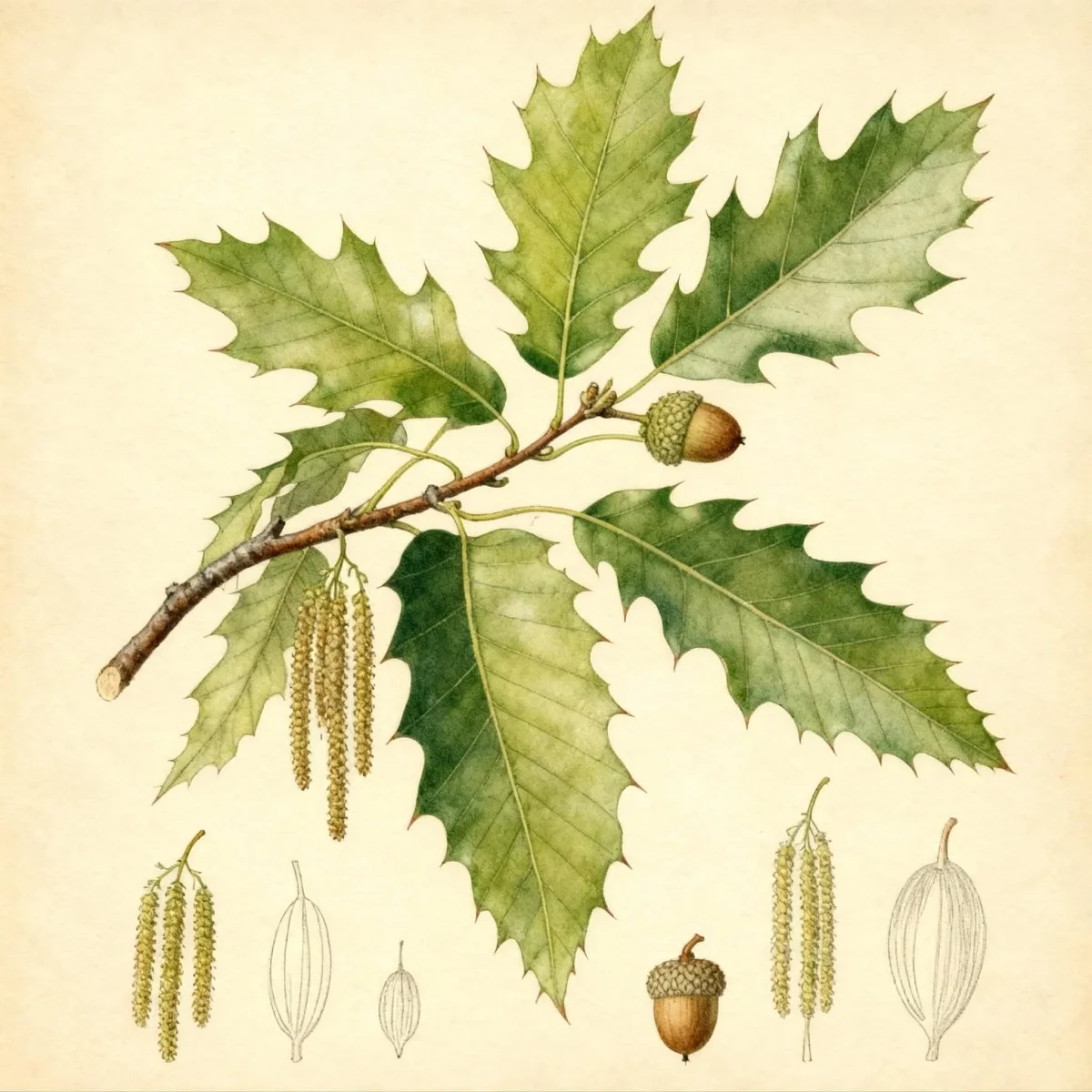
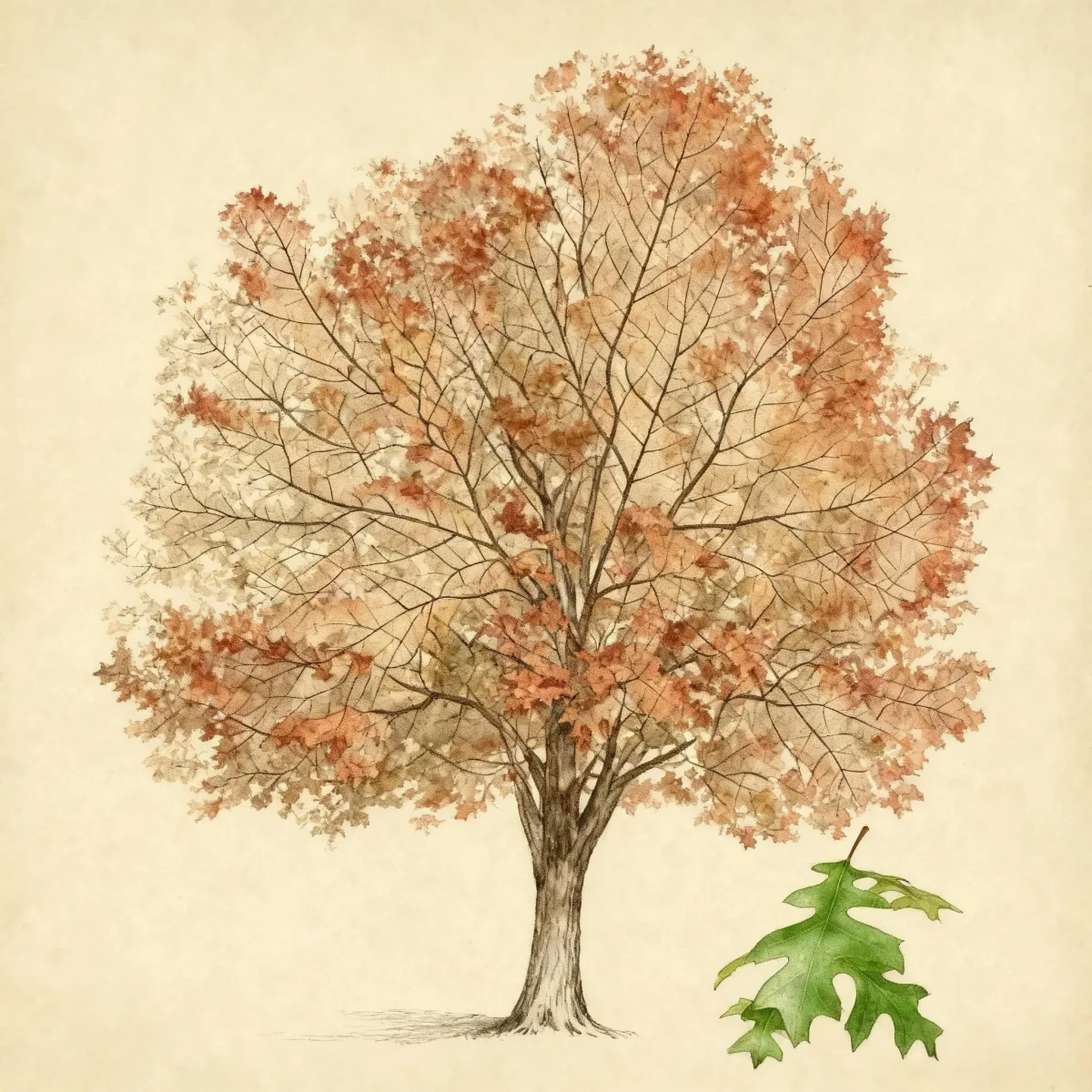
Hungarian oak (Quercus frainetto 'Schmidt' FOREST GREEN)
Quercus frainetto 'Schmidt' FOREST GREEN, known as Hungarian oak, is a large, vigorous deciduous tree offering excellent shade and distinctive foliage.
Scroll down to discover growing tips, care requirements, companion plants, and more
Complete Plant Information
Overview
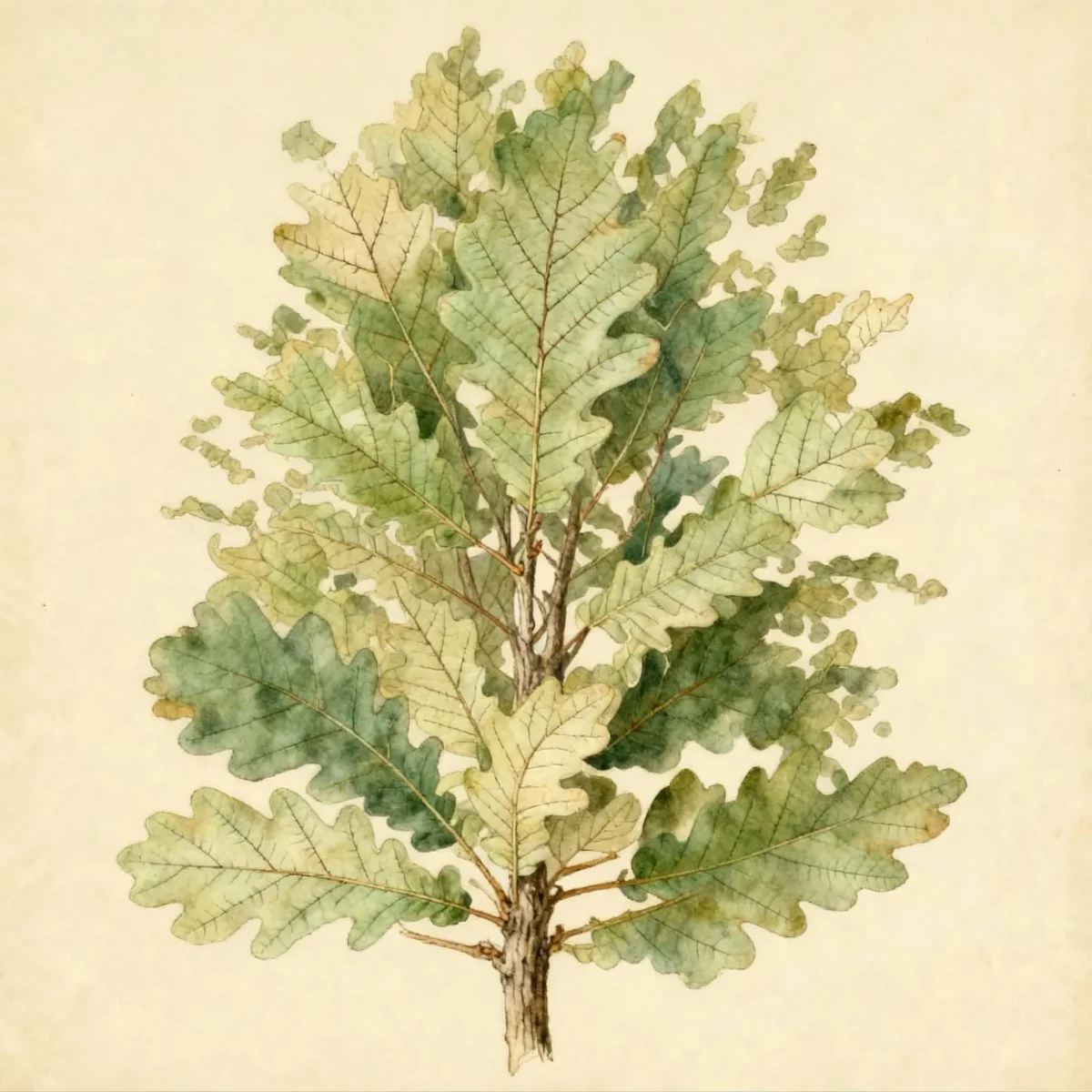
The Hungarian oak, specifically the cultivar Quercus frainetto ‘Schmidt’ FOREST GREEN, is an imposing and highly valuable specimen tree for large landscape applications. This cultivar is prized for its vigor, broad-rounded crown, and large, attractive lobed leaves, making it an excellent focal point throughout the growing season. As a deciduous oak, it offers substantial shade during summer months, gradually maturing into a magnificent architectural element in the landscape.
Native to Southern Europe and the Balkans, the Quercus frainetto ‘Schmidt’ FOREST GREEN adapts well to various conditions once established, proving itself a robust choice for public spaces or expansive private properties. Its low maintenance requirements further enhance its appeal for gardeners seeking long-term structural interest without intensive care. Expect this tree to anchor your landscape for generations.
Fast Facts
- Plant Family: Fagaceae
- Plant Type: Tree
- Hardiness Zones: USDA Zones 6-8
- Size at Maturity:
- Height: 50-80 ft
- Spread: 35-60 ft
- Bloom Time: April to May
- Bloom Description: Yellowish-green
- Sun Exposure: Full sun
- Water Needs: Medium
- Maintenance Level: Low
How to Grow
Planting the Hungarian oak should ideally occur in spring or fall when temperatures are moderate, ensuring the tree establishes a strong root system before heat or deep frost hits. This tree thrives in rich, moist, well-drained loams, but it is noted for growing well even in sandy loams. Ensure the planting site offers full sun exposure to maximize density and health.
Once established, Quercus frainetto ‘Schmidt’ FOREST GREEN exhibits good drought tolerance, though consistent medium watering is necessary during initial establishment phases. Fertilization is rarely needed if the native soil is adequate; focus instead on maintaining soil moisture levels, especially during dry summers. Pruning should be minimal, limited mostly to removing crossing or damaged branches while the tree is young to ensure a strong, symmetrical structure.
A key benefit of this specific cultivar is its reported resistance to leaf spot issues common to the straight species. Take advantage of its hardiness by ensuring it receives adequate space to develop its impressive 50 to 80-foot mature height without obstruction.
Landscape Uses
The primary recommendation for the Hungarian oak is as a substantial shade tree, perfect for large lawns or open areas needing significant overhead canopy. Its broad, symmetrical shape lends itself well to formal plantings or as a magnificent specimen tree in woodland garden settings where space allows it to spread naturally.
Because the Quercus frainetto ‘Schmidt’ FOREST GREEN is listed as suitable for street tree use, it demonstrates adequate resilience to urban challenges, though care must be taken regarding soil compaction near the root zone. Avoid placing it near foundations due to its eventual spread of 35 to 60 feet. Instead, utilize its majestic scale to define the boundaries of expansive garden rooms or avenues.
Standout Features
Flower Qualities
- Insignificant
Fruit Qualities
- Showy
Noteworthy Characteristics
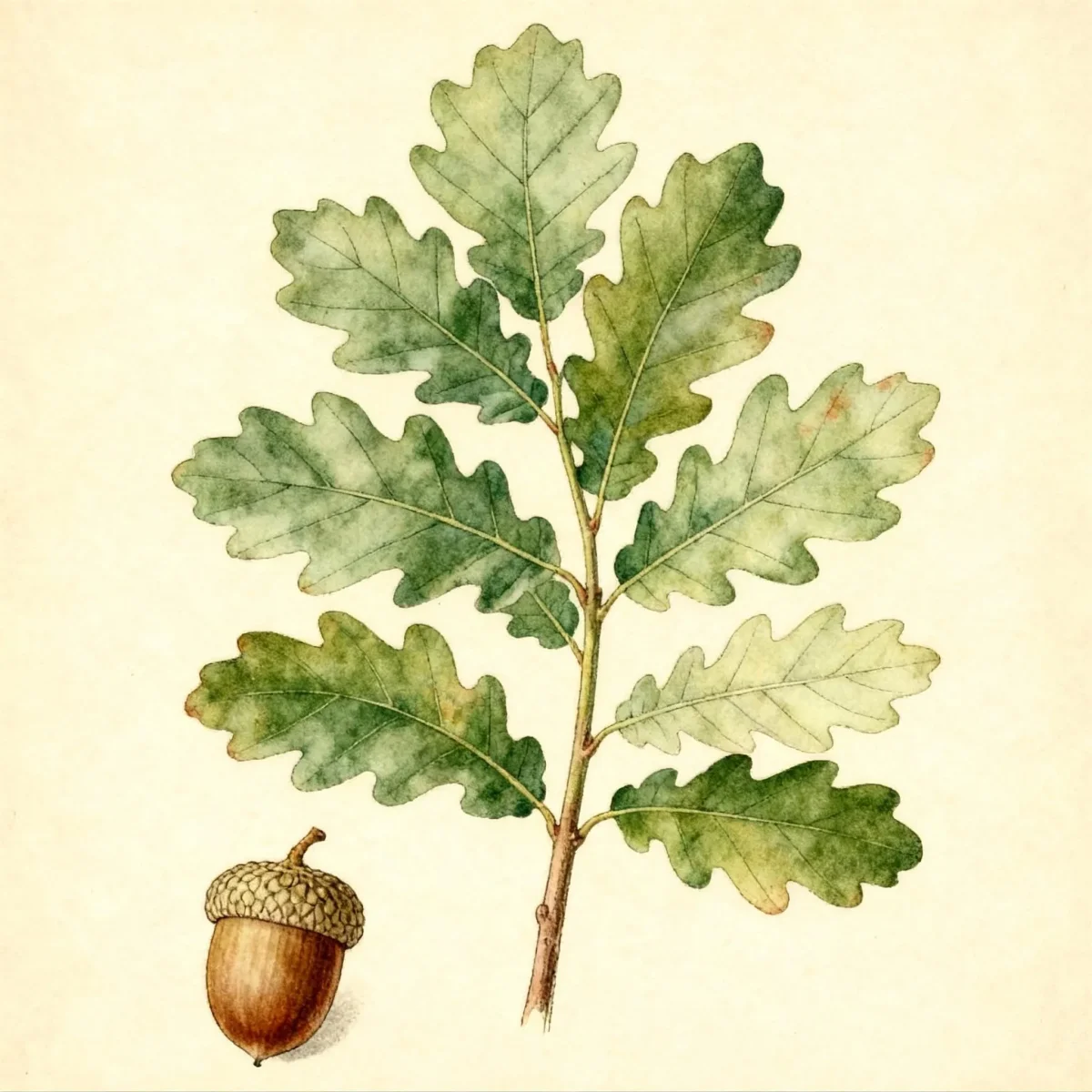
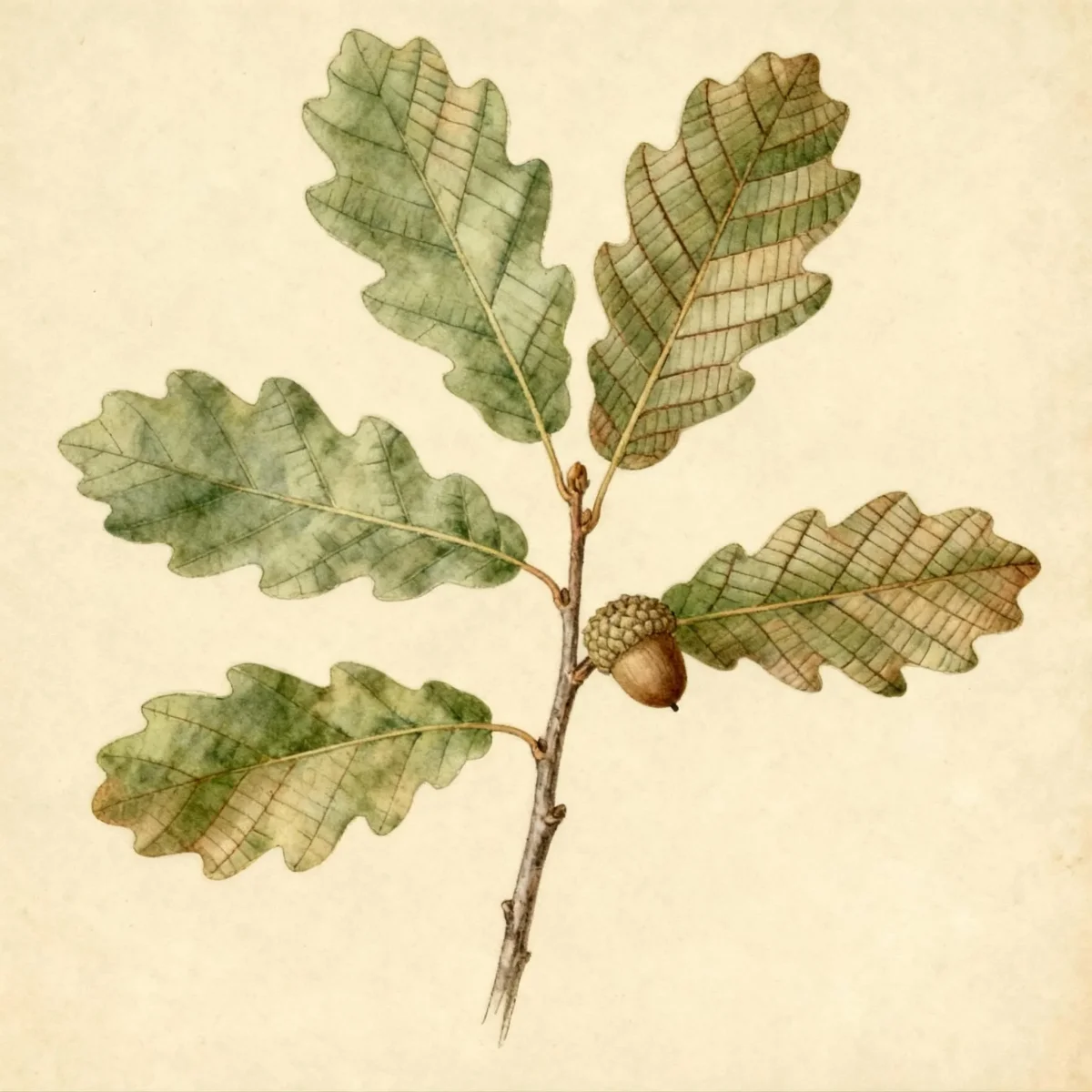
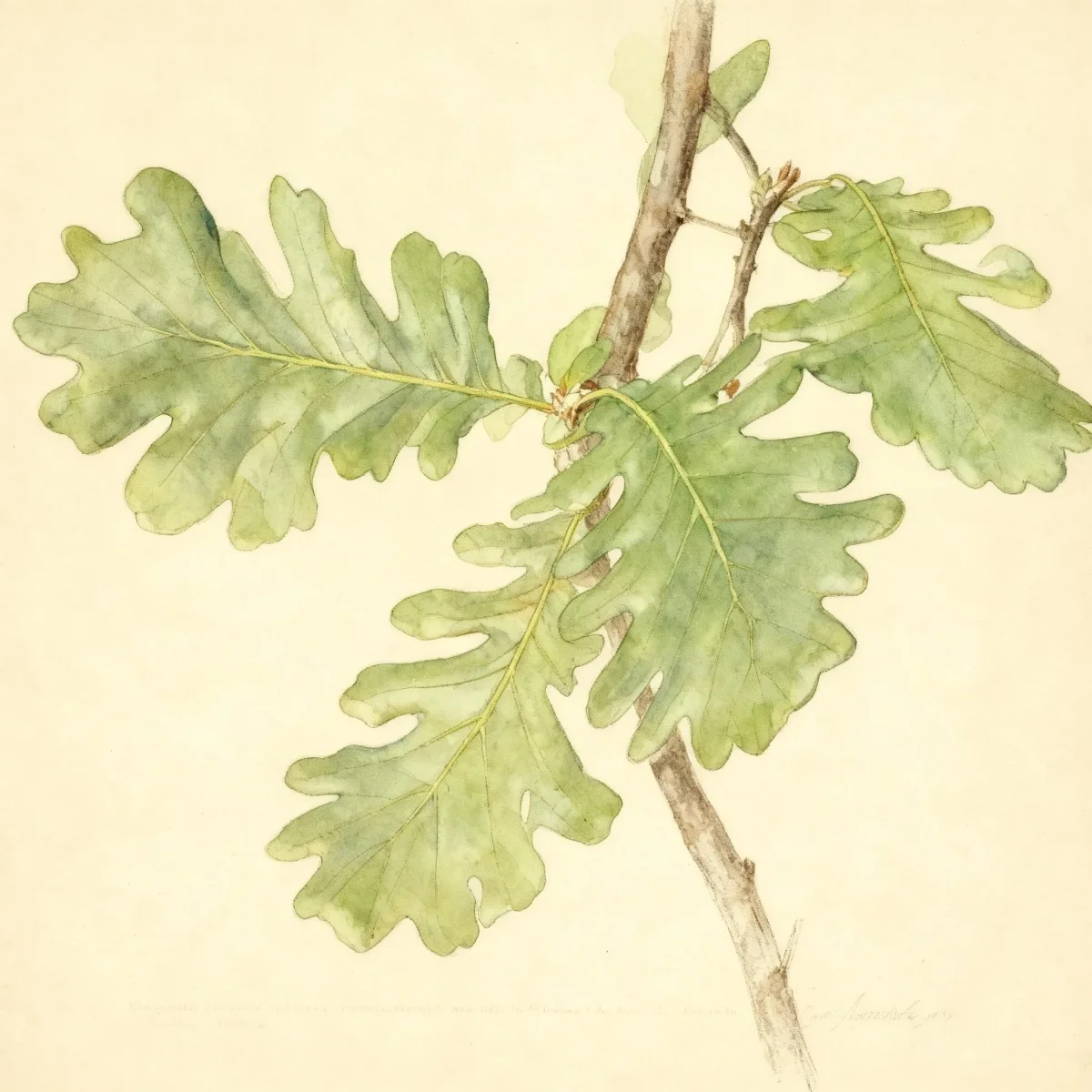
Quercus frainetto, commonly called Hungarian oak, is a large deciduous oak featuring a broad-rounded crown, typically reaching 50-80’ tall in cultivation. It is noted for its attractive symmetrical shape and very large, dark green lobed leaves that measure up to 10 inches long. The cultivar ‘Schmidt,’ sold as FOREST GREEN, was introduced commercially in 1987 and is recognized for having foliage that exhibits better resistance to common leaf spot diseases than the standard species.
Tolerances
- Drought
- Clay Soil
Potential Problems
While the Hungarian oak enjoys a generally low maintenance profile regarding serious insect or disease issues, general oak vulnerabilities must always be considered by the gardener. These potential issues include oak wilt, anthracnose, and powdery mildew. Proactive measures, such as maintaining good air circulation around the canopy and ensuring soil drainage, are the best preventative steps. Monitor regularly for common pests like borers or scale, treating any infestations early according to current best horticultural practices.
Frequently Asked Questions
What hardiness zones is Hungarian oak suitable for?
This specific cultivar, Quercus frainetto ‘Schmidt’ FOREST GREEN, is hardy and best grown in USDA Zones 6 through 8.
How large does Quercus frainetto ‘Schmidt’ FOREST GREEN grow?
When fully mature, this tree typically reaches a significant height between 50 and 80 feet, with a comparable spread ranging from 35 to 60 feet wide.
What sun exposure does Hungarian oak need?
This species requires full sun exposure to achieve optimal growth, dense foliage, and the best overall form.
When does Quercus frainetto ‘Schmidt’ FOREST GREEN bloom?
Bloom time occurs from early spring into late spring, specifically spanning April to May, with inconspicuous yellowish-green flowers appearing.
Conclusion
The Quercus frainetto ‘Schmidt’ FOREST GREEN offers unparalleled stature and reliable performance, establishing itself as a premier choice for long-term shade and structure in the landscape. Its low maintenance needs, combined with superior disease resistance in this cultivar, make the Hungarian oak a straightforward investment for large properties. Before planting, confirm that your site falls within USDA Zones 6-8 and provides the required full sun exposure.
Companion Planting
When placing Quercus frainetto ‘Schmidt’ FOREST GREEN in a woodland garden setting, select understory companions that appreciate dappled shade or tolerate the eventual root competition from a large oak. Consider planting acid-loving shrubs such as Rhododendrons or Azaleas toward the drip line where moisture is higher. For groundcover, ferns like Japanese Painted Fern or Hosta varieties provide excellent textural contrast beneath the massive canopy of the Hungarian oak.
Seasonal Care Calendar
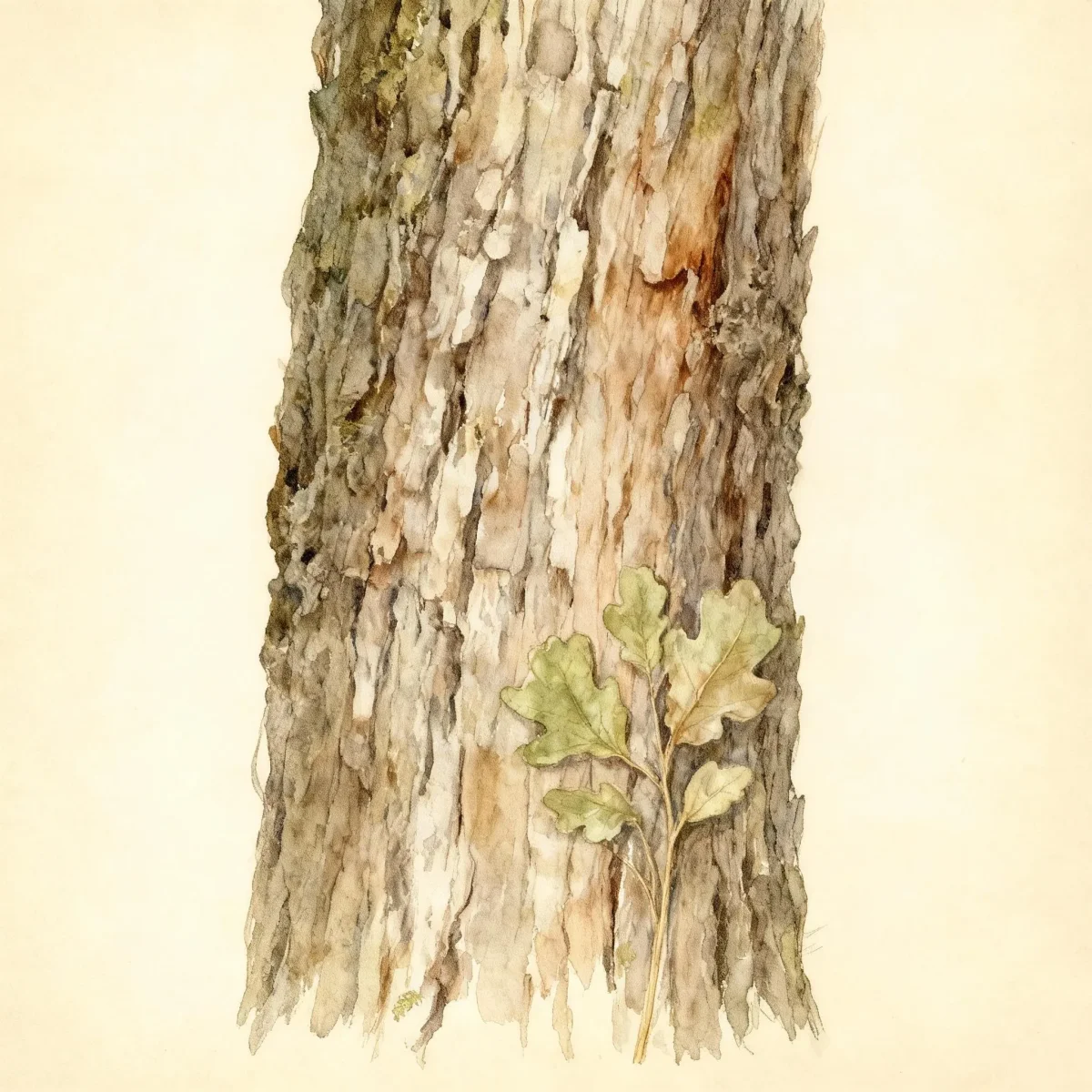
Spring cleanup should focus on removing any lingering leaf debris from deciduous neighbors and checking the base of the young Hungarian oak for overwintering pests or physical damage. During the dry summer months, ensure supplemental, deep watering occurs during prolonged droughts, especially for trees under ten years old. Fall maintenance involves appreciating the russet leaf color before the leaves drop; raking may be necessary due to the sheer volume of foliage produced by these large trees. Winter care mainly involves checking young bark for signs of sun scald or animal damage, although mature specimens require very little seasonal intervention.