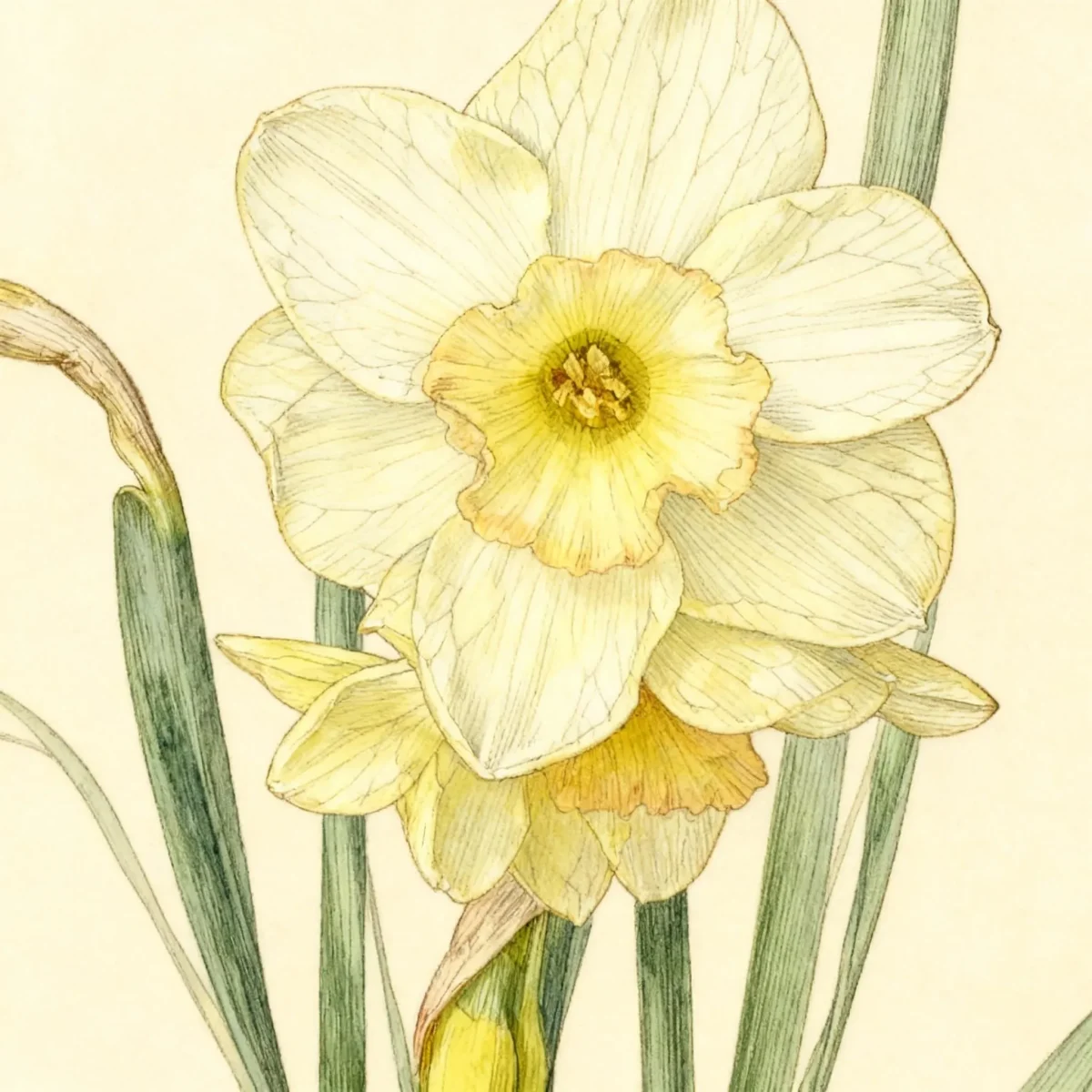
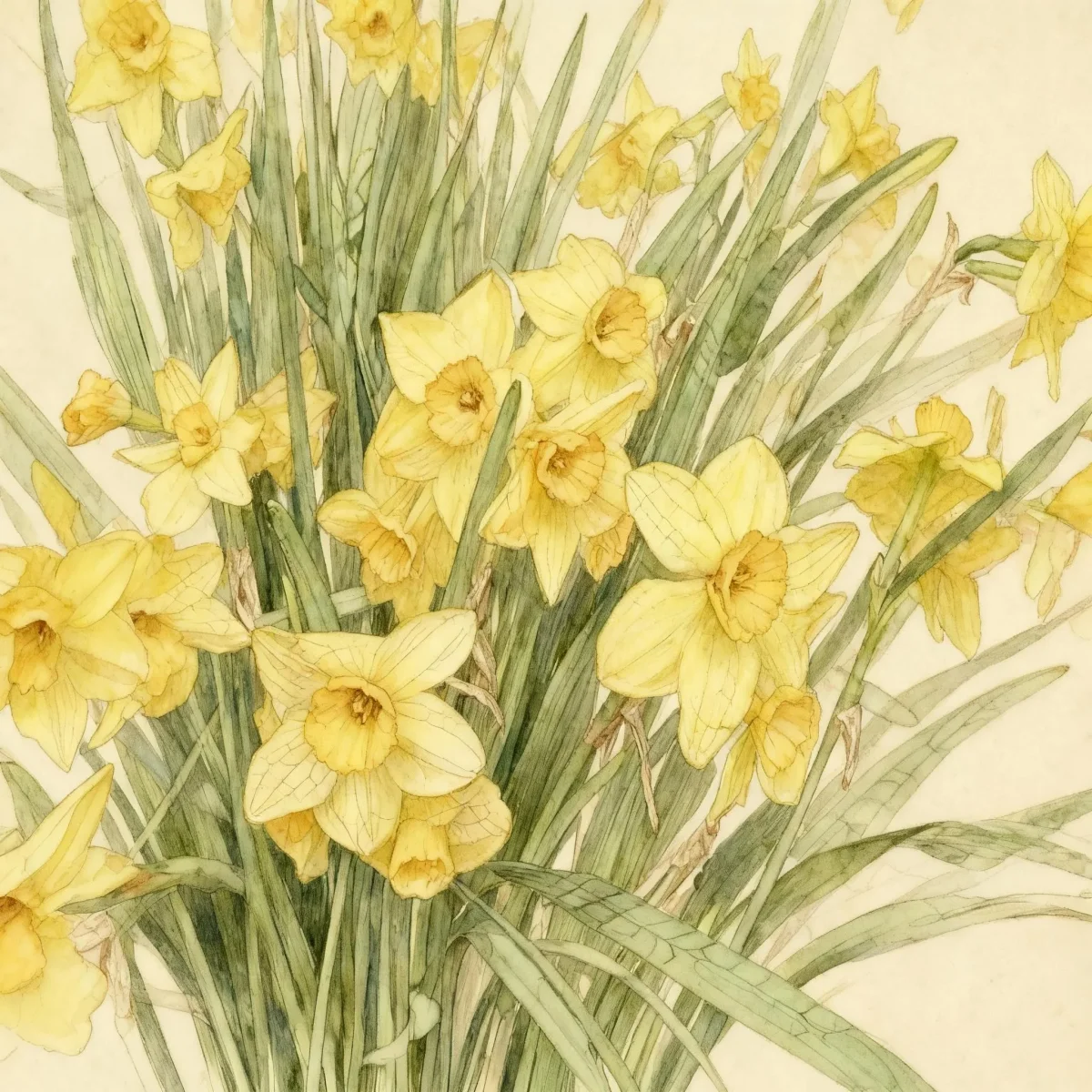
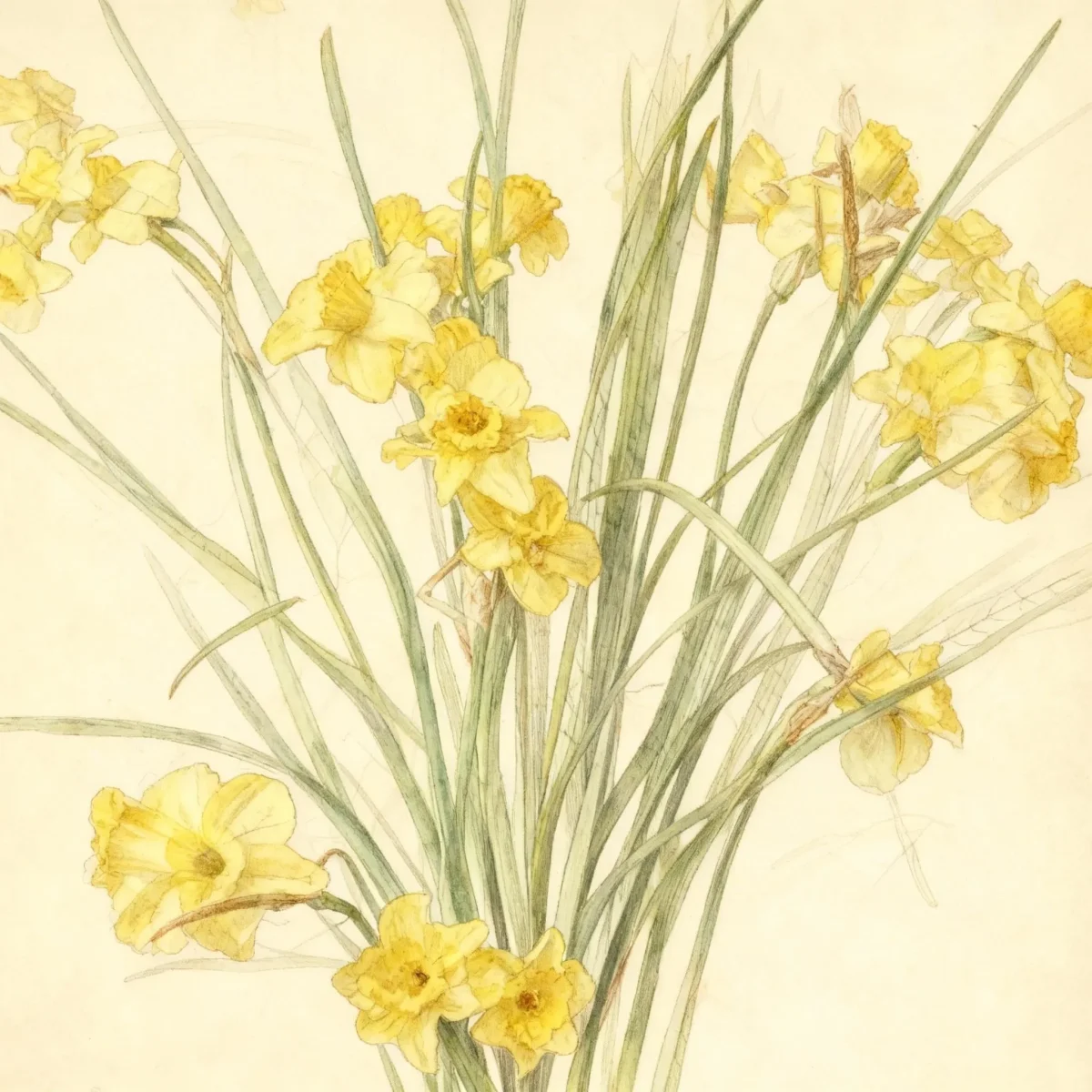
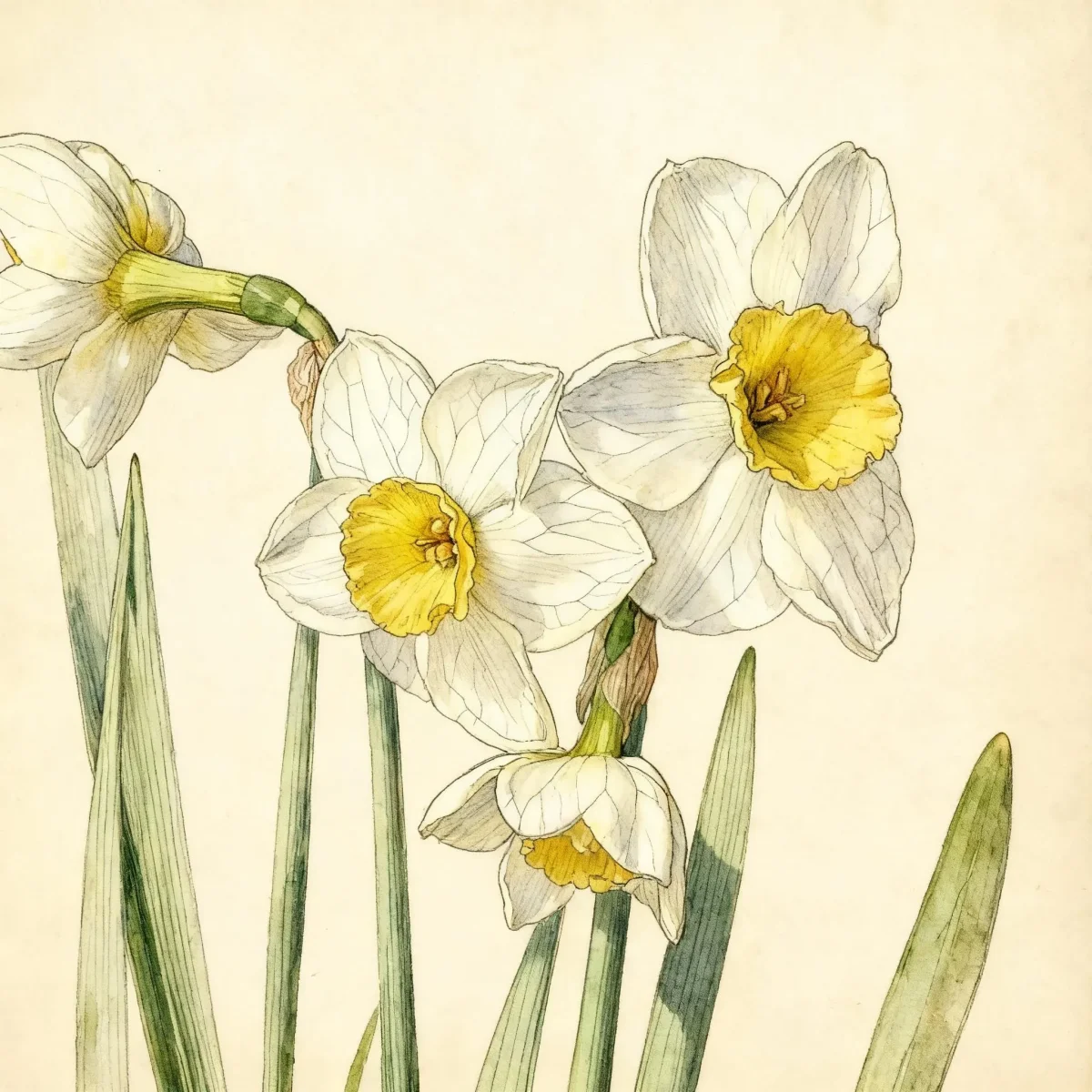
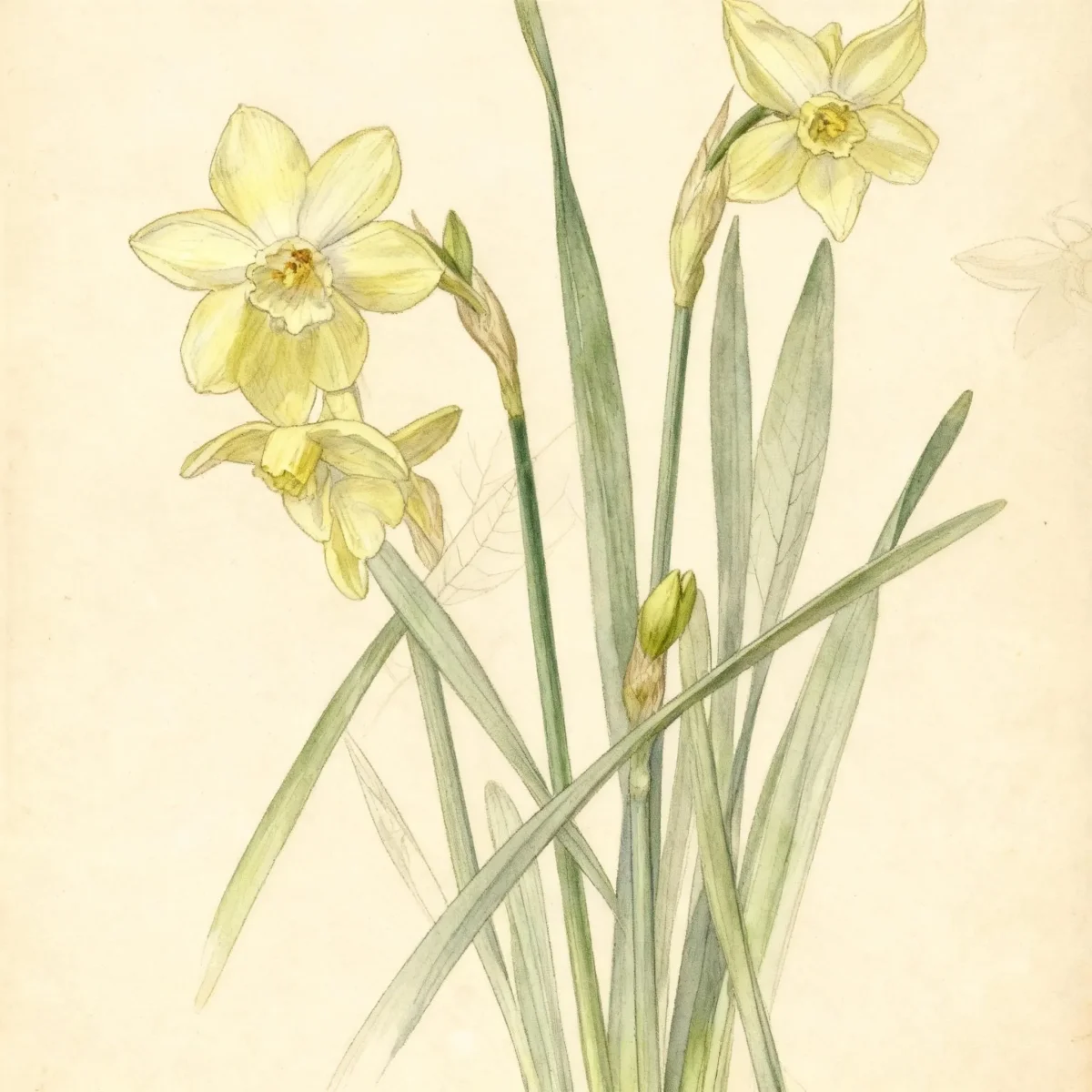
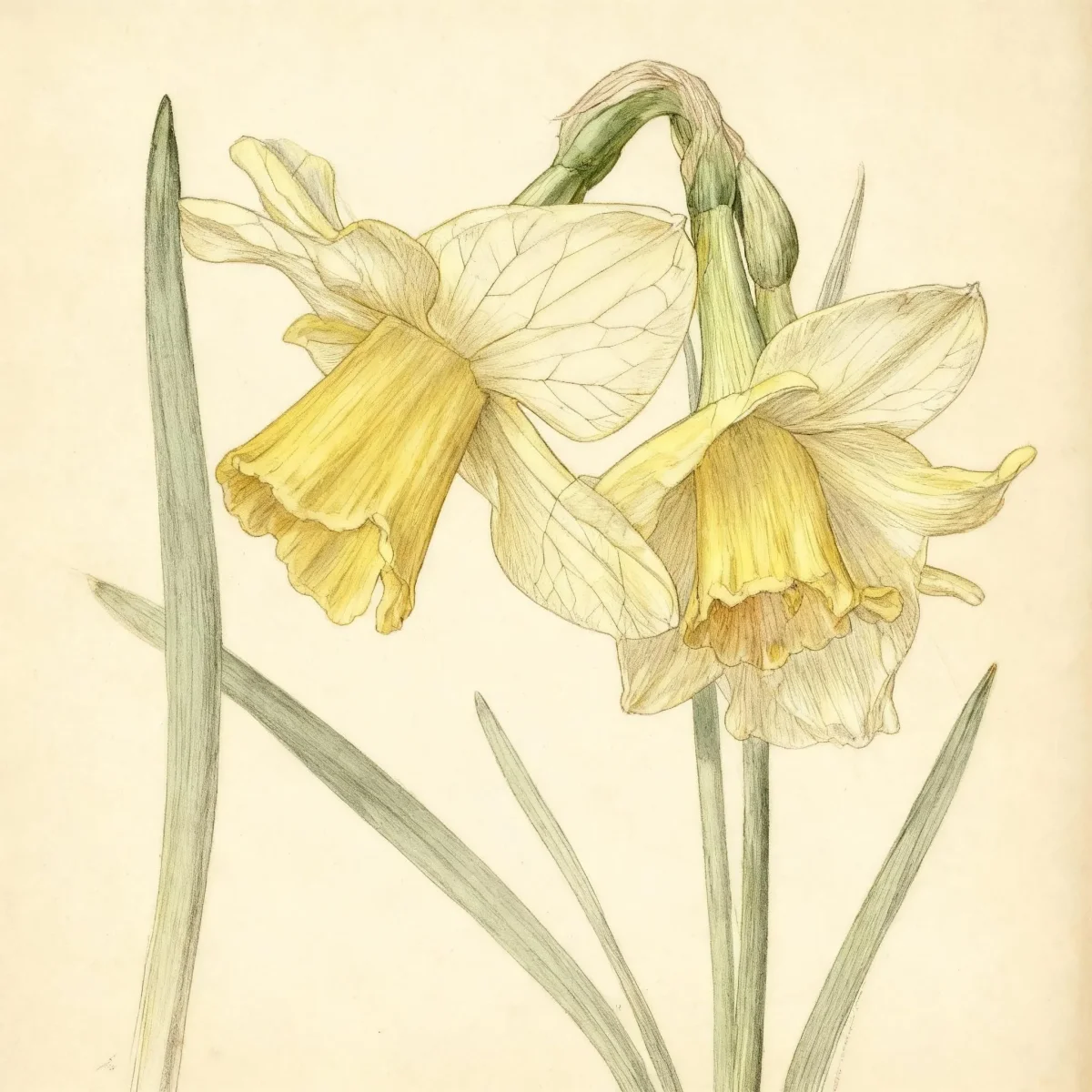
Jonquilla daffodil (Narcissus 'Intrigue')
Narcissus 'Intrigue' is a low-maintenance Jonquilla daffodil, offering fragrant, showy yellow-to-white blooms in April.
Scroll down to discover growing tips, care requirements, companion plants, and more
Complete Plant Information
Overview
Narcissus ‘Intrigue’ is a superb choice for gardeners seeking reliable, multi-stemmed spring color from a Jonquilla daffodil. Known for its easygoing nature and pest resistance, this variety brings fragrance and visual interest as one of the dependable mainstays of the early spring garden. Growing to about one foot tall, Narcissus ‘Intrigue’ establishes itself quickly, providing a delightful display when many other plants are just beginning to stir.
This variety is cherished for its specific bloom characteristics: broadly ovate, greenish-yellow petals surround a shallow, funnel-shaped cup that transitions from yellow to white, often carrying a pleasant fragrance. As a Division VII daffodil, the Jonquilla daffodil group to which ‘Intrigue’ belongs typically features multiple flowers per stem and narrow, reed-like foliage atop upright clumps, making it feel distinctly different from trumpet types.
The low maintenance requirement of Narcissus ‘Intrigue’ means gardeners can plant and largely forget them, allowing them to naturalize over time. They are highly valuable for bringing reliable color to woodland edges or spring bulb displays, enduring moderate drought once dormant, and deterring common garden pests like rabbits and deer.
Fast Facts
- Plant Family: Amaryllidaceae
- Plant Type: Bulb
- Hardiness Zones: USDA Zones 3-8
- Size at Maturity:
- Height: 0.75-1 ft
- Spread: 0.5-0.75 ft
- Bloom Time: April
- Bloom Description: Yellow petals and white cup
- Sun Exposure: Full sun to part shade
- Water Needs: Medium
- Maintenance Level: Low
How to Grow
Planting Narcissus ‘Intrigue’ bulbs should occur in early to mid-fall before the ground freezes hard. They thrive in average, medium-moisture, well-drained soils, favoring organically rich loams. Proper drainage is critical to prevent bulb rot. Plant bulbs two to three times as deep as the bulb is tall; generally, this means 3-6 inches deep, spaced 4 to 8 inches apart.
Keep the soil uniformly moist throughout the active growing season. While the foliage is emerging and blooming, maintain consistent moisture, though the bulbs tolerate drought once they go dormant later in the season. After the flowers fade in spring, resist the urge to cut back the foliage immediately. This grassy material must remain intact until it yellows completely, allowing the leaves to naturally recharge the bulb for next year’s display.
Deadhead the fading flower stems shortly after blooming to prevent unwanted seed production, but never cut the actual leaf blades before they senesce. Narcissus ‘Intrigue’ is best sited where the afternoon sun won’t scorch the flowers, as they naturally turn toward available light sources. Over many years, if vigor declines, divide the clumps immediately after the foliage dies back completely.
Landscape Uses
Daffodils, including the wonderful Jonquilla daffodil like ‘Intrigue,’ are unparalleled for their ability to return unfailingly year after year, unlike many popular tulips. They are highly effective when planted en masse, creating sweeping drifts that maximize their visual impact as bulbs naturalize over time. Consider planting them liberally amongst evergreen shrubs or under deciduous trees where they receive sun during the early spring but afternoon shade during summer heat.
For formal or semi-formal settings, incorporate Narcissus ‘Intrigue’ into structured beds and borders where their height (up to 1 foot) provides a nice low layer. They mix exceptionally well with other spring bloomers such as grape hyacinths (Muscari) or early tulips, providing sequential blooms as the season progresses. Since they possess narrow foliage, they look balanced planted near plants with broader leaves that emerge later.
These bulbs are excellent for naturalizing in wilder garden areas or along pathways. Planting in groupings of at least six bulbs creates a much more substantial and pleasing effect than single, isolated plantings. Allow the foliage to melt away naturally, ensuring the area remains undisturbed during the late spring transformation period.
Standout Features
Flower Qualities
- Showy
- Fragrant
Noteworthy Characteristics
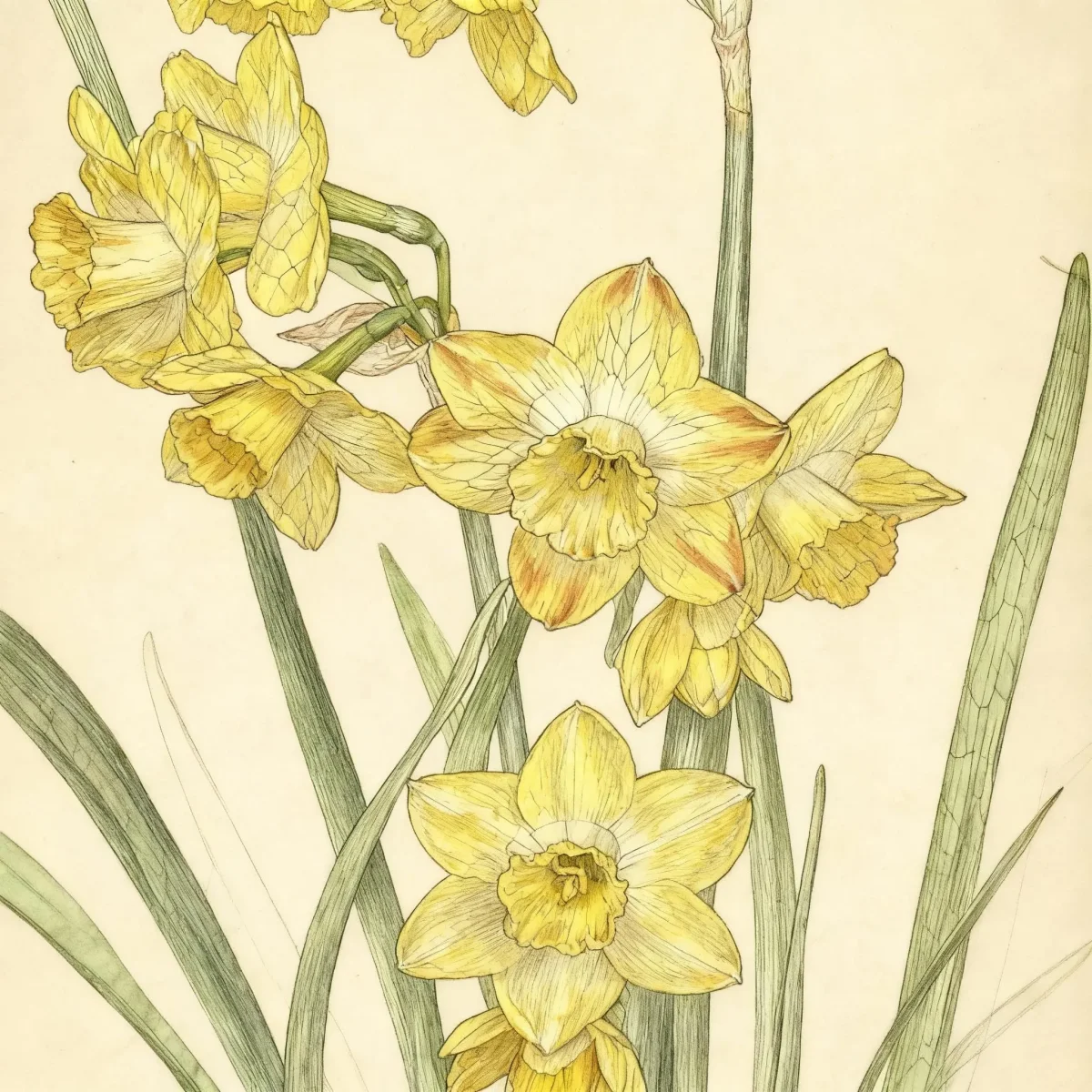
Narcissus is a genus of about 50 species of bulbous perennials native to Europe and North Africa, serving as a cornerstone of the spring garden. ‘Intrigue’ is classified as a jonquilla daffodil (Division VII), characterized by features like having 1–5 usually fragrant flowers per stem with small cups and spreading petals. This specific cultivar rises 10–12 inches in spring, offering up to three blooms per stem, each featuring greenish-yellow petals and a shallow, yellow cup that matures to white.
Tolerances
- Rabbit
- Deer
- Drought
Potential Problems
With the correct cultural practices, daffodils are robust and generally pest-free, making Narcissus ‘Intrigue’ a low-risk addition. The primary cultural threat is bulb rot, which occurs exclusively in saturated, poorly-drained soils; ensuring sharp drainage during planting is the best preventative measure.
Infrequent insect pests can include the narcissus bulb fly or narcissus nematode, thankfully rare in well-maintained garden settings. While rabbits and deer usually avoid these bulbs due to mild toxins, young emerging shoots might occasionally be bothered by slugs or snails early in the season. Monitor for signs of Narcissus yellow stripe virus, though it is infrequent.
Frequently Asked Questions
What hardiness zones is Jonquilla daffodil suitable for?
Narcissus ‘Intrigue’ performs reliably across USDA Hardiness Zones 3 through 8.
How large does Jonquilla daffodil grow?
This plant typically reaches a mature height between 0.75 and 1 foot tall, with a spread of about 0.5 to 0.75 feet.
When does Jonquilla daffodil bloom?
Narcissus ‘Intrigue’ blooms during the month of April, showcasing flowers described by their yellow petals and white cup.
What sun exposure does Jonquilla daffodil need?
This variety establishes best when provided with full sun to part shade conditions.
Conclusion
Narcissus ‘Intrigue’ provides phenomenal value for the low effort required, delivering fragrant, showy blooms consistently every spring. As a tough, reliable Jonquilla daffodil, it is perfectly suited for naturalizing or adding dependable color to borders. Before the fall planting season arrives, confirm your planting site receives adequate sun and offers excellent soil drainage to guarantee the best performance from your new bulbs.
Companion Planting
Selecting appropriate partners ensures your garden thrives aesthetically and culturally alongside your Narcissus ‘Intrigue’. Because daffodils require consistently moist soil during their spring growth phase but need dry conditions during summer dormancy, pair them with plants that emerge later or prefer similar conditions early on. Excellent companions include early spring ephemerals like snowdrops (Galanthus) which bloom earlier, or late-blooming perennials like late-season Alliums.
For a layered look, consider planting low-growing Brunnera or Helleborus at the base of the daffodil clumps. These plants offer ground cover once the daffodil foliage begins to yellow, providing visual interest through the summer without competing for root space during the critical spring growth period. The grassy foliage of this Jonquilla daffodil contrasts nicely with broadleaf groundcovers.
Design Ideas for Drifts
Mass planting is the secret to maximizing the impact of daffodils, transforming small clusters into sweeping drifts of color. When planting Narcissus ‘Intrigue’, aim for groupings of at least 10 to 15 bulbs per area. Rather than planting in perfect geometric shapes, toss the bulbs onto the soil surface and plant them where they fall; this technique naturally mimics how bulbs establish themselves in meadows, resulting in a more organic and pleasing appearance.
Utilize this one-foot-tall splash of late-spring color near primary walkways or patio areas where the subtle fragrance of the Jonquilla daffodil can be easily appreciated. Because the foliage fades later than tulips, position them near shrubs or taller perennials that will emerge to obscure the fading leaves, ensuring continuous garden appeal from April through June without messy cleanup.