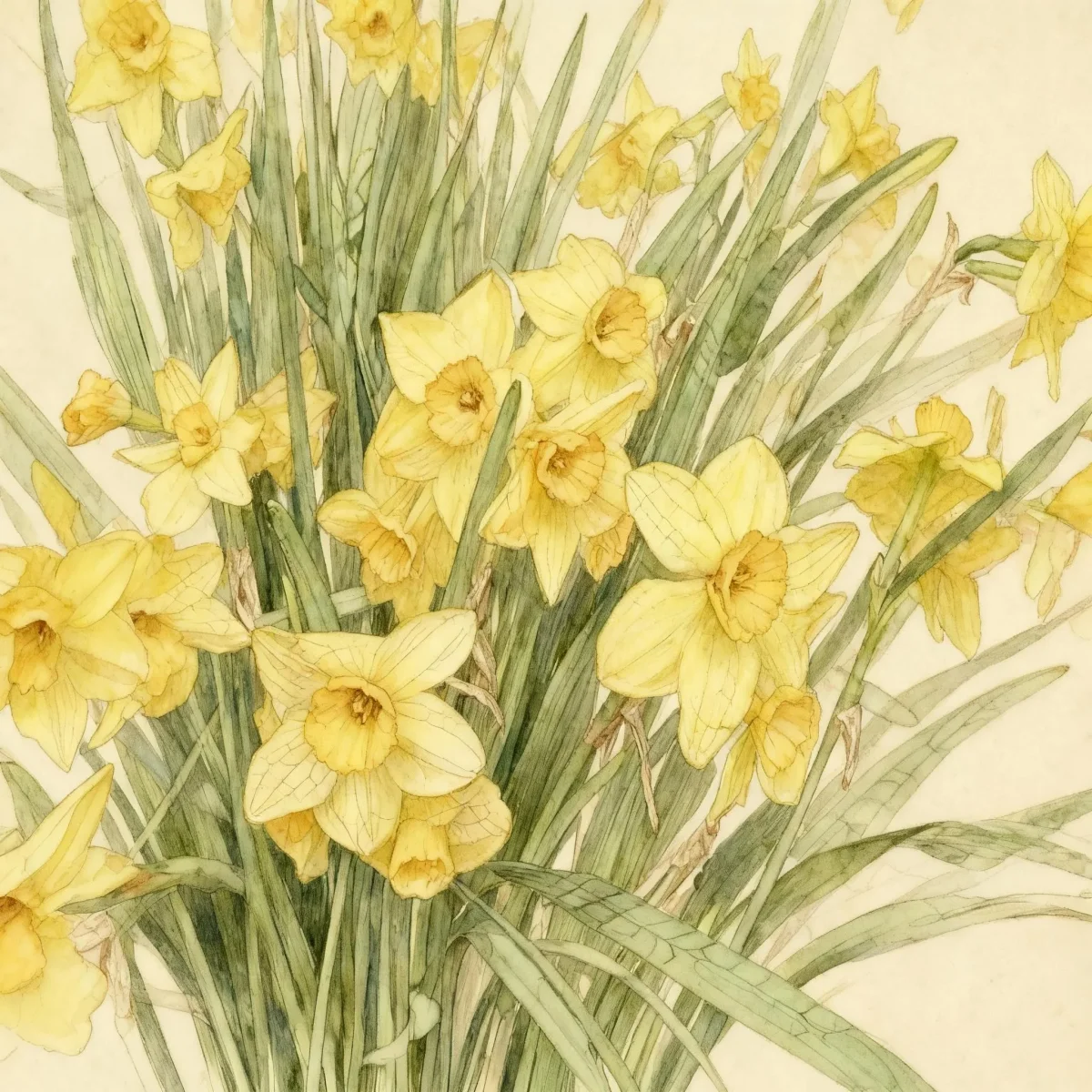
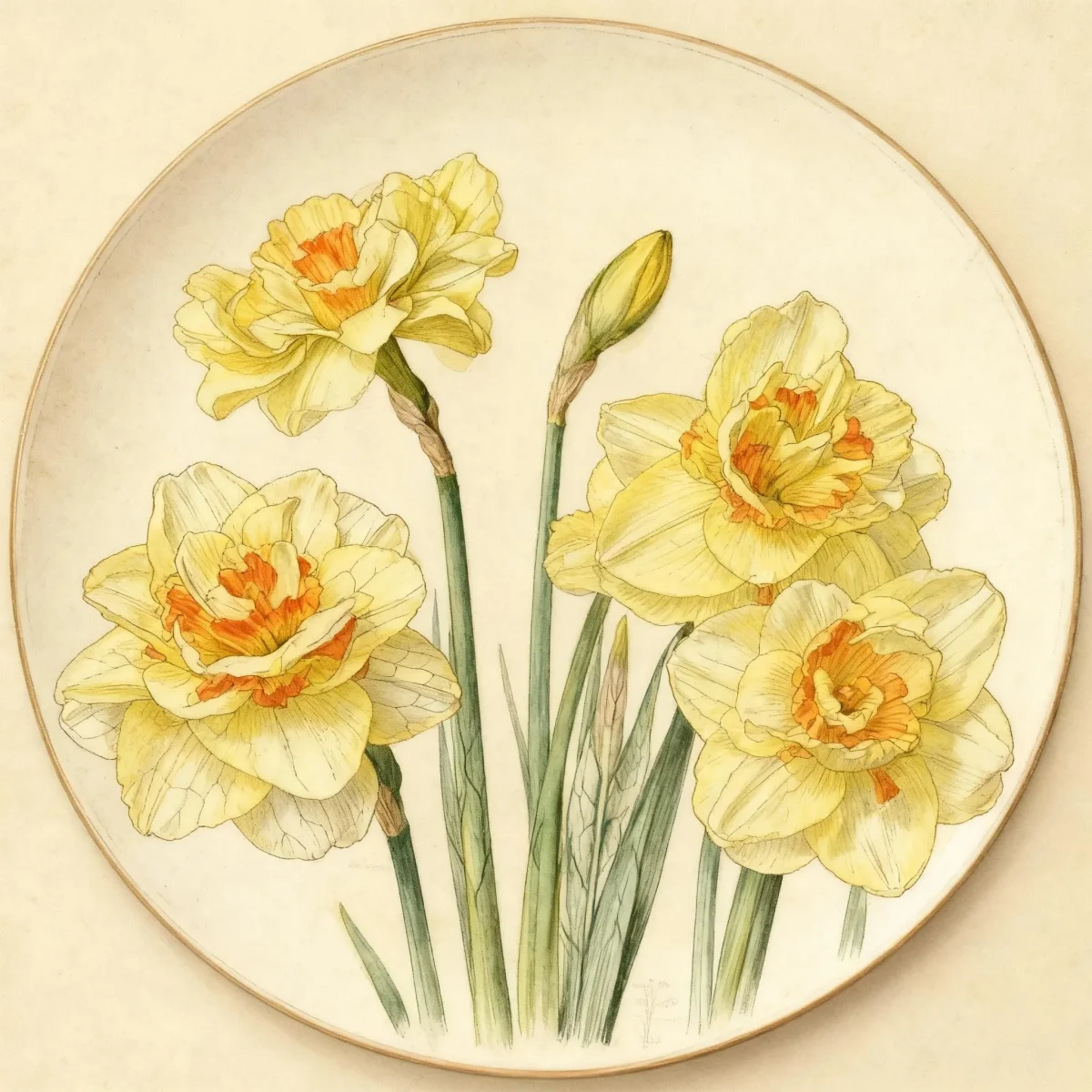
Poeticus daffodil (Narcissus 'Milan')
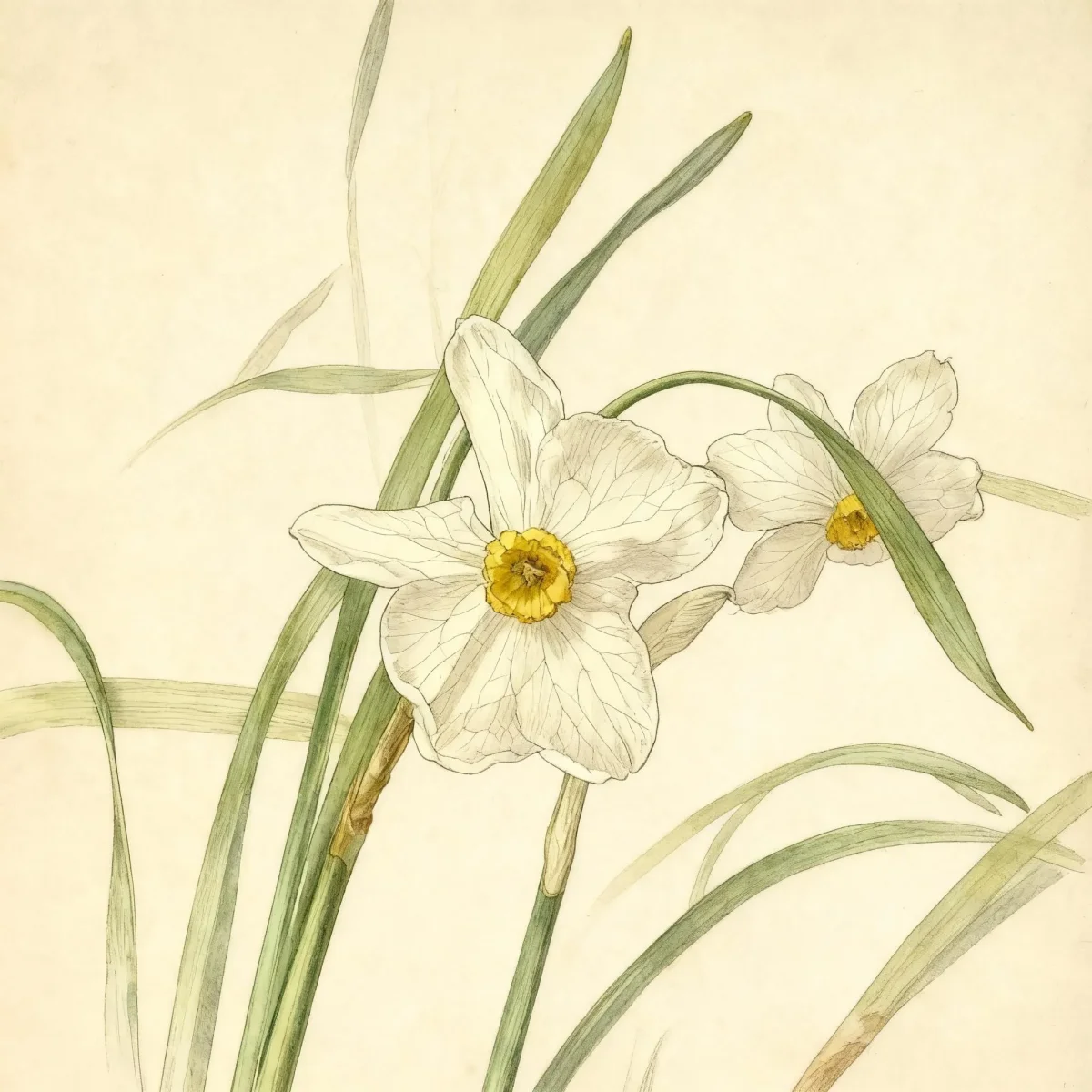
Narcissus 'Milan' is a historic Poeticus daffodil prized for its showy white petals and red-rimmed cup. Low maintenance and deer resistant.
Scroll down to discover growing tips, care requirements, companion plants, and more
Complete Plant Information
Overview
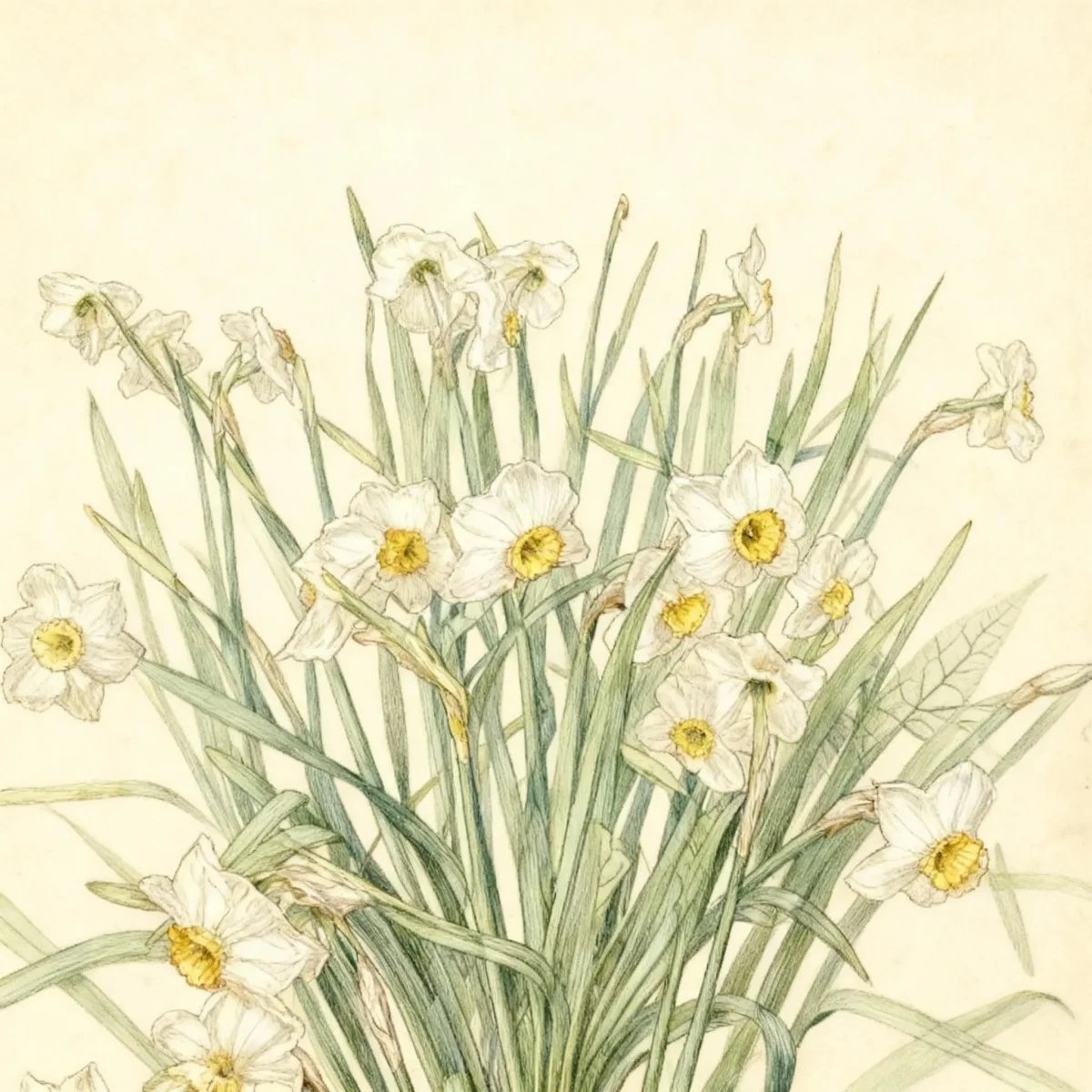
The Poeticus daffodil, specifically the elegant Narcissus ‘Milan’, offers gardeners a classic, highly desirable spring display. This historic cultivar is celebrated for its pristine white perianth segments contrasting beautifully with a relatively small, disc-shaped cup featuring a brilliant yellow center rimmed dramatically in red. As a low-maintenance bulb, Narcissus ‘Milan’ integrates seamlessly into established perennial beds, providing reliable cheer as winter recedes.
Growing reliably in USDA Zones 3 through 7, this variety thrives in average, well-drained soils, preferring locations that receive full sun to light afternoon shade. The structure of the bloom—white petals surrounding a uniquely colored cup—makes every stem a focal point in early to mid-spring plantings. Gardeners benefit from the resilience of Narcissus ‘Milan’, which is naturally avoided by deer and rabbits and shows good tolerance to mid-season drought once established.
This exceptional Poeticus daffodil is easy to naturalize, meaning it will return and multiply year after year with minimal intervention. Plant Narcissus ‘Milan’ in drifts to truly capture the visual sweep that characterizes these timeless spring bloomers, ensuring you have outstanding cut flowers available right when the garden needs its first major color contribution.
Fast Facts
- Plant Family: Amaryllidaceae
- Plant Type: Bulb
- Hardiness Zones: USDA Zones 3-7
- Size at Maturity:
- Height: 1-2 ft
- Spread: 0.5-0.75 ft
- Bloom Time: April
- Bloom Description: White petals with a red-rimmed yellow cup
- Sun Exposure: Full sun to part shade
- Water Needs: Medium
- Maintenance Level: Low
How to Grow
Planting Narcissus ‘Milan’ bulbs should occur in early to mid-fall before the ground freezes hard. Site them where they will receive full sun to light partial shade, ensuring good soil drainage is paramount, as poorly drained soils can lead to bulb rot. Incorporating organic matter into organically rich loams is ideal for long-term success.
Determine planting depth based on the bulb size; the rule of thumb is to plant the bulb two to three times as deep as the bulb is tall, ensuring at least three inches of soil cover the top. Space the bulbs, generally 4 to 10 inches apart, depending on your preference for immediate impact versus long-term self-propagation. Keep the soil uniformly moist through the growing season, though the bulbs tolerate drought once they enter dormancy.
After the striking blooms fade in April, resist the urge to cut back the foliage; remove only the spent flower stem if desired to prevent seed formation. The foliage must remain intact until it yellows, allowing the leaves to gather and store necessary energy for the following year’s display. Narcissus ‘Milan’ bulbs can be left undisturbed for several years, but if vigor wanes, divide the clumps shortly after the foliage dies back. Remember that flowers naturally orient toward available light, so place taller shrubs or areas of deep shade behind your plantings.
Landscape Uses
Daffodils, including the historical division 9 Poeticus daffodil like ‘Milan’, excel when planted in substantial quantities rather than isolated spots. They are perfect for large sweeping drifts in beds, borders, or naturalized under deciduous trees where they receive sun before the canopy leafs out. Because they are perennial bloomers, unlike many annuals or tulips, they provide reliable year-after-year structure.
These bulbs integrate beautifully with other spring-flowering companions, such as early tulips, grape hyacinths (Muscari), or scilla, creating layered bands of color that emerge sequentially. Consider massing Narcissus ‘Milan’ in front of evergreen shrubs; the dark green backdrop allows their white and red-rimmed cups to stand out dramatically. Allowing them to naturalize in woodland margins offers a charming, informal look that requires almost no annual upkeep.
Standout Features
Flower Qualities
- Showy
- Good Cut
Noteworthy Characteristics
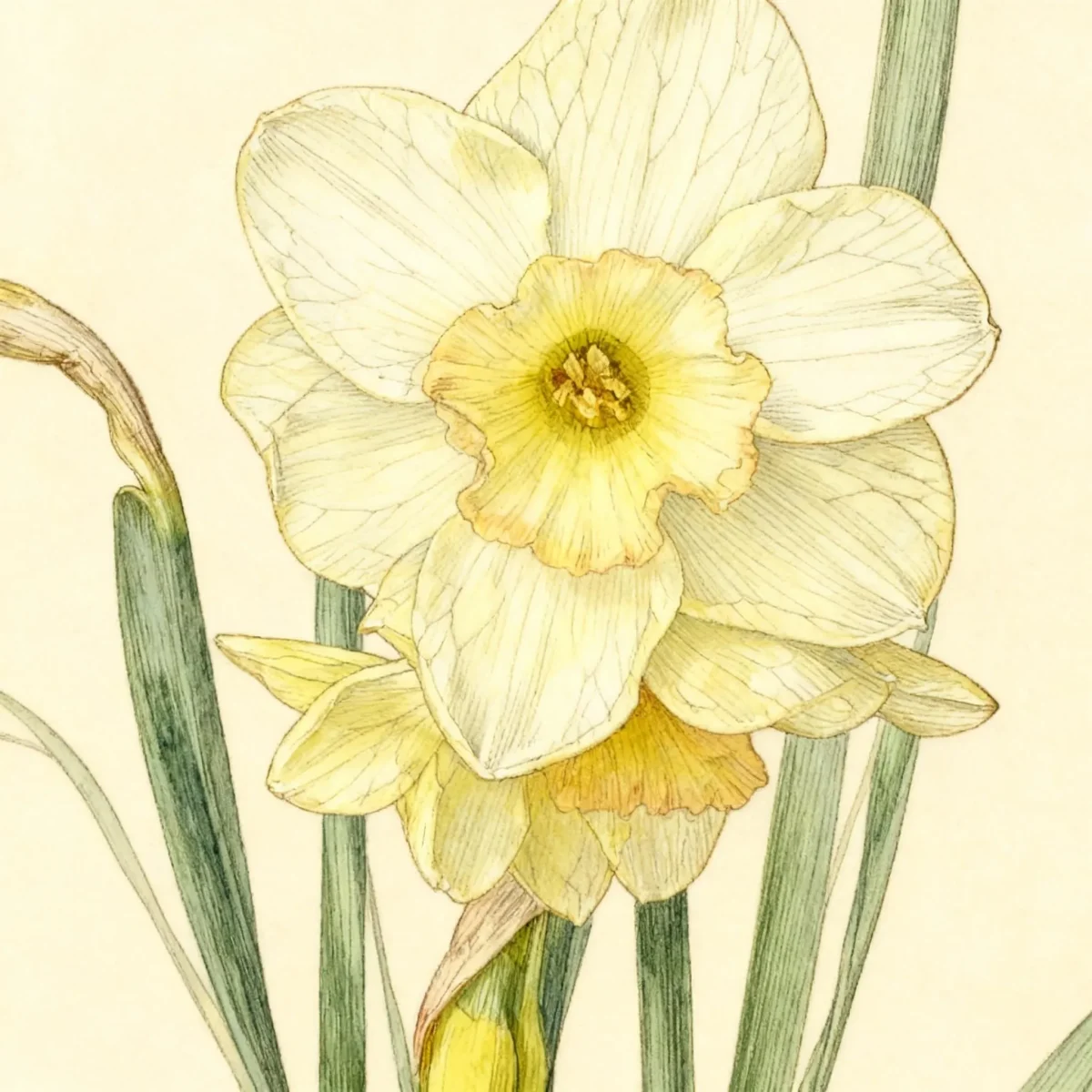
Narcissus is a genus of about 50 species of bulbous perennials, and daffodils remain a springtime garden staple. Generally, the flowers feature a central cup (corona) surrounded by six petals (perianth segments), offering colors from white to yellow to orange or pink. ‘Milan’ is specifically a Division 9 Poeticus type, characterized by extremely white petals and a small, wrinkled cup, typically bearing one fragrant bloom atop the stem. This specific hybrid earned the Royal Horticultural Society Award of Merit in 1953 and features a brilliant yellow, red-rimmed cup that distinguishes it from other white daffodils.
Tolerances
- Rabbit
- Deer
- Drought
Potential Problems
Daffodils are generally robust performers known for being virtually pest-free when grown in suitable conditions. The primary threat to Narcissus ‘Milan’ involves excess moisture; bulb rot is a common issue if the soil drainage is inadequate. Ensure your planting site avoids low spots where water pools after rain.
While less common, occasional pests like slugs, snails, or the narcissus bulb fly can cause localized damage. If bulb line decline is observed, inspect for nematodes or the narcissus yellow stripe virus, although these are infrequent issues. Fortunately, deer and rabbits almost universally avoid eating the foliage or bulbs of the Poeticus daffodil.
Frequently Asked Questions
What hardiness zones is Poeticus daffodil suitable for?
Narcissus ‘Milan’ is highly adaptable, thriving reliably across USDA Hardiness Zones 3 through 7.
How large does Narcissus ‘Milan’ grow?
This daffodil reaches a modest height between 1 and 2 feet tall, with a spread generally ranging from 0.5 to 0.75 feet wide.
What sun exposure does Poeticus daffodil need?
For optimal bloom production, plant Narcissus ‘Milan’ where it receives full sun exposure, though it tolerates light afternoon shade well.
When does Narcissus ‘Milan’ bloom?
This variety typically blooms in April, offering its distinctive white petals surrounding a yellow cup tipped with red.
Conclusion
Narcissus ‘Milan’ stands out as a superb, historic choice for early spring color, rewarding gardeners with its showy, exquisitely marked blooms and remarkably low maintenance needs. Its deer and rabbit resistance, combined with its ability to naturalize, makes the Poeticus daffodil a long-term staple in any garden design. Plan your planting this fall, ensure excellent drainage, and enjoy the elegant return of Narcissus ‘Milan’ year after year.
Companion Planting
Companion planting around daffodils helps enhance the overall spring tapestry and address aesthetic issues that arise after flowering concludes. Because the foliage of Narcissus ‘Milan’ needs time to yellow before being cut back, interplanting with shorter summer bloomers helps screen the dying daffodil leaves. Consider pairing these bulbs with low-growing perennials like Geraniums or creeping Phlox, which fill in the gaps as the daffodil season ends.
When choosing companions, always prioritize plants that share the preference for full sun to part shade and medium moisture. Early emerging groundcovers that don’t spread aggressively work best, allowing the bulbs ample space to develop their root systems during dormancy. This pairing ensures continuous visual interest from early spring through summer in your established borders.
Seasonal Care Calendar
Spring is the peak season for Narcissus ‘Milan’, requiring minimal intervention once the sprouts emerge. Remove faded flower heads as soon as bloom concludes to focus the plant’s energy back into the bulb rather than seed production. Do not, under any circumstances, cut the green strap-like foliage while it remains green, as this is crucial for photosynthesis that fuels next year’s flowers.
Summer is the dormant period where drought tolerance is beneficial; allow the area to dry out naturally. Avoid disturbing the planting area during the heat of the summer. In early fall, if divisions are necessary (usually every few years when clumping becomes too dense), this is the best time to gently dig and separate the bulbs before replanting them immediately at the correct depth.