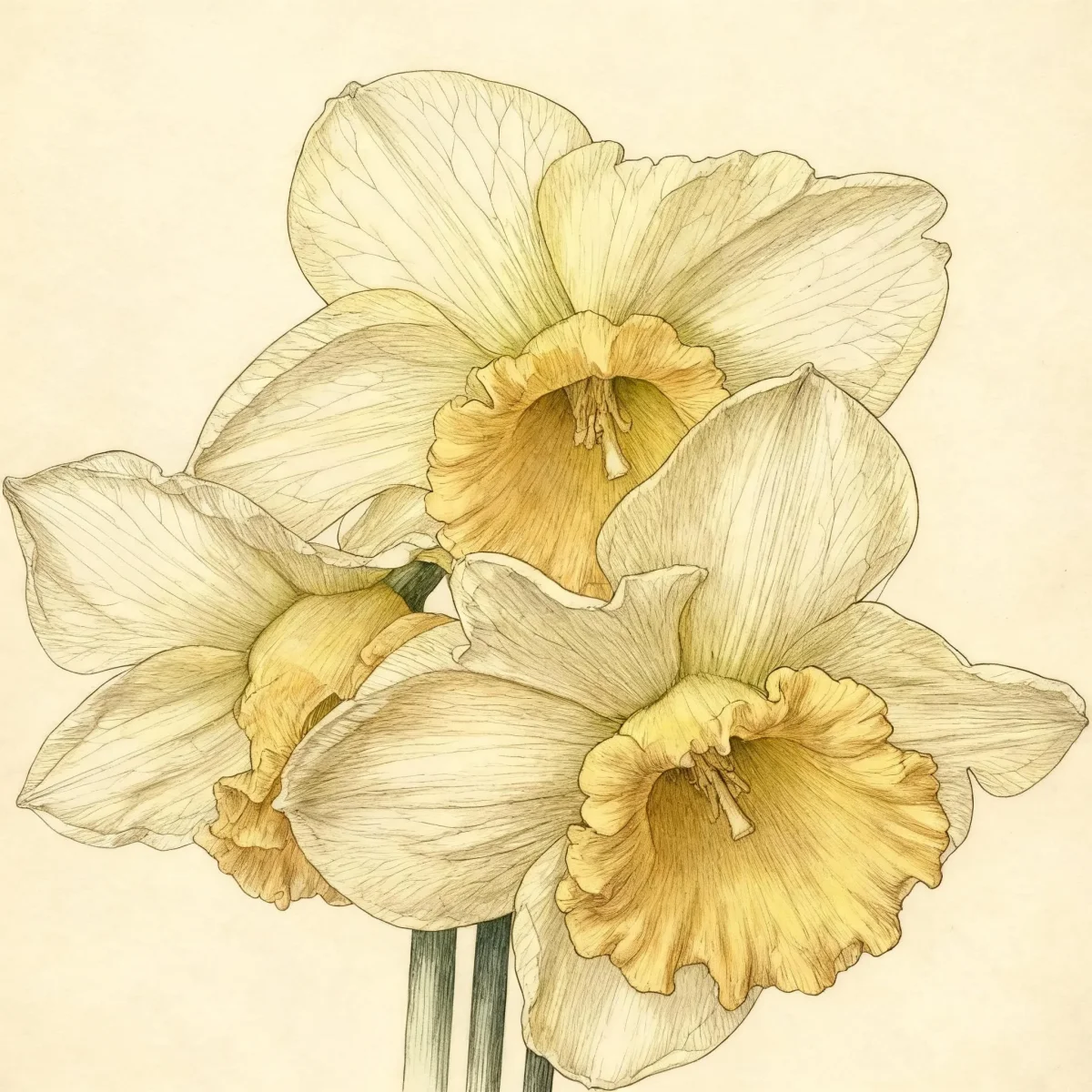
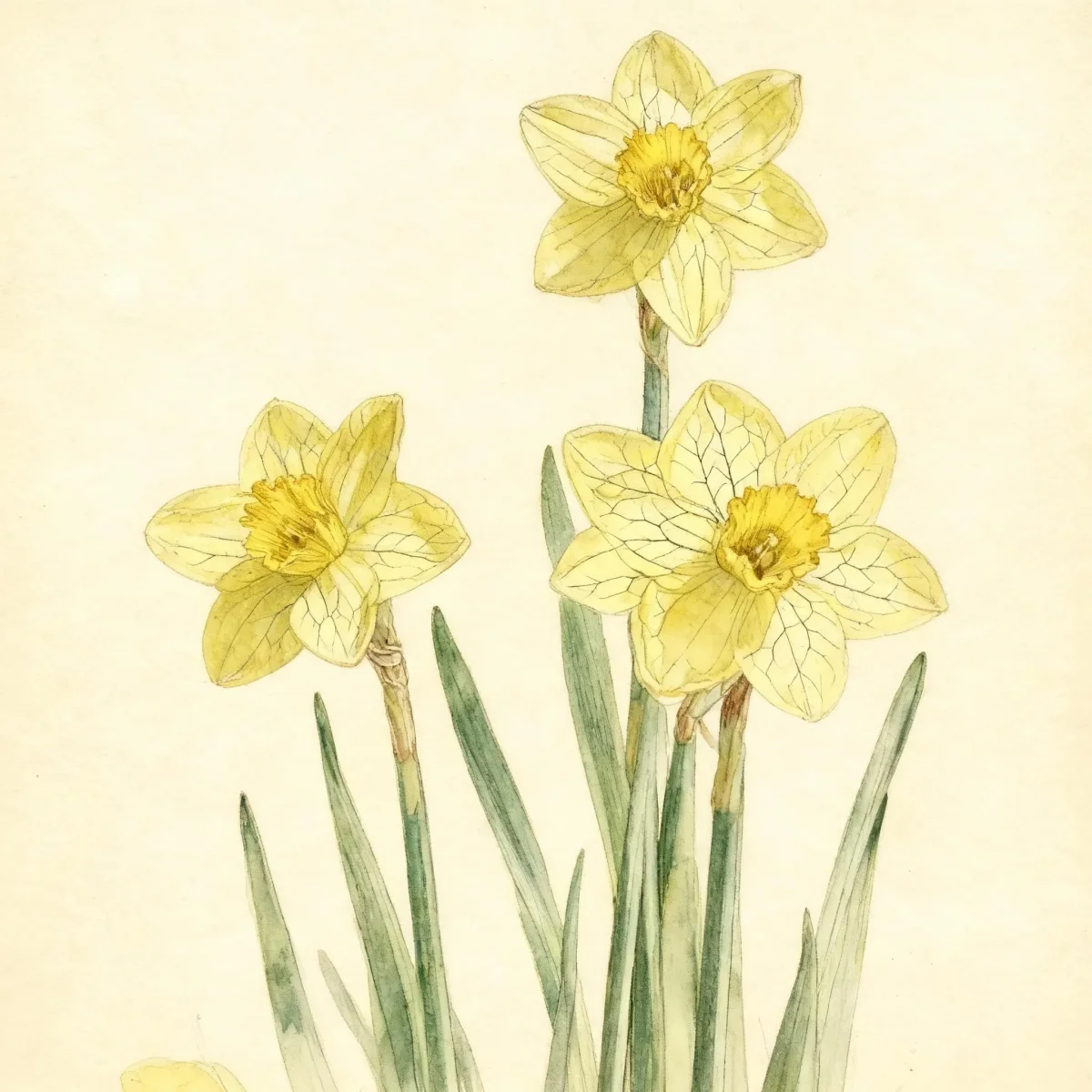
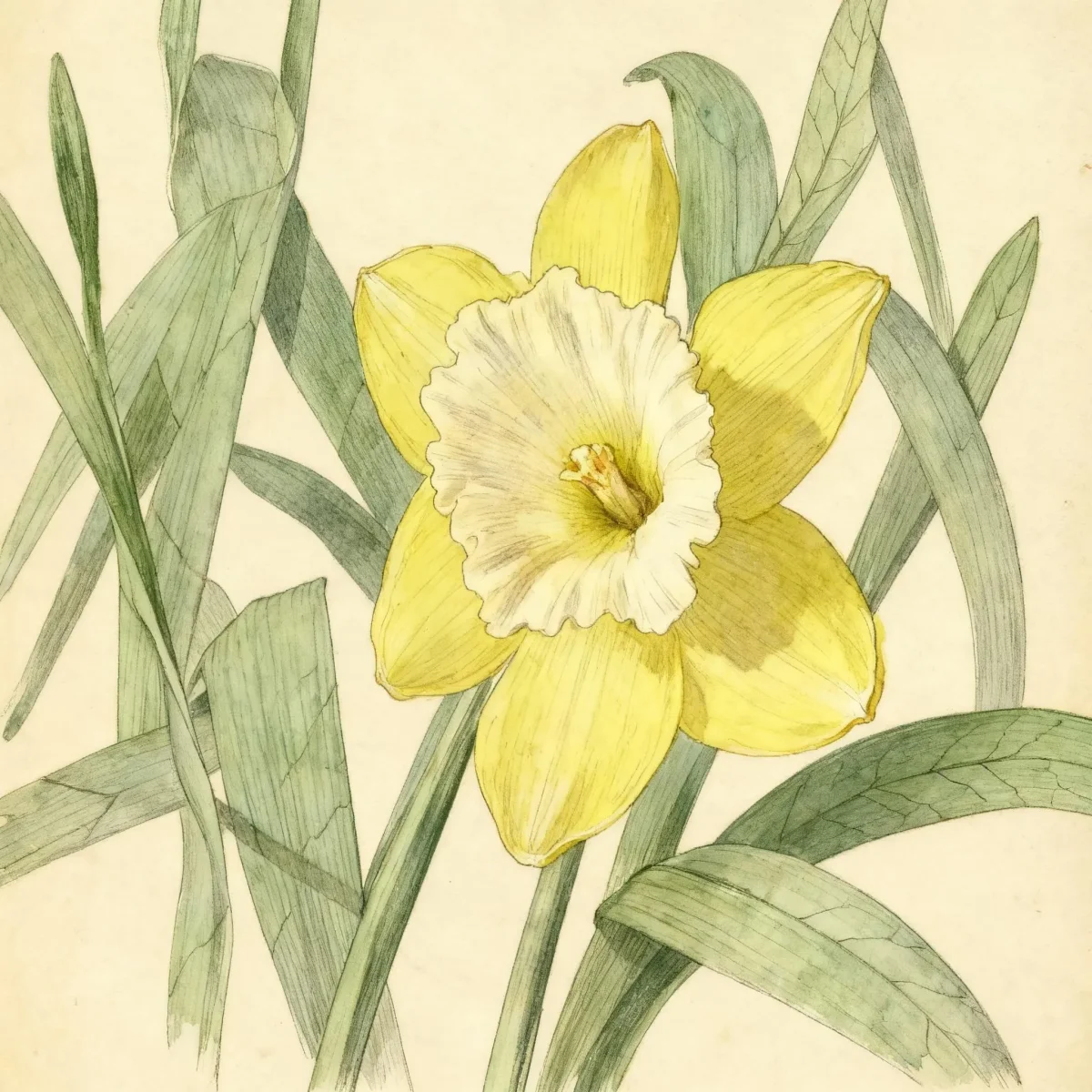
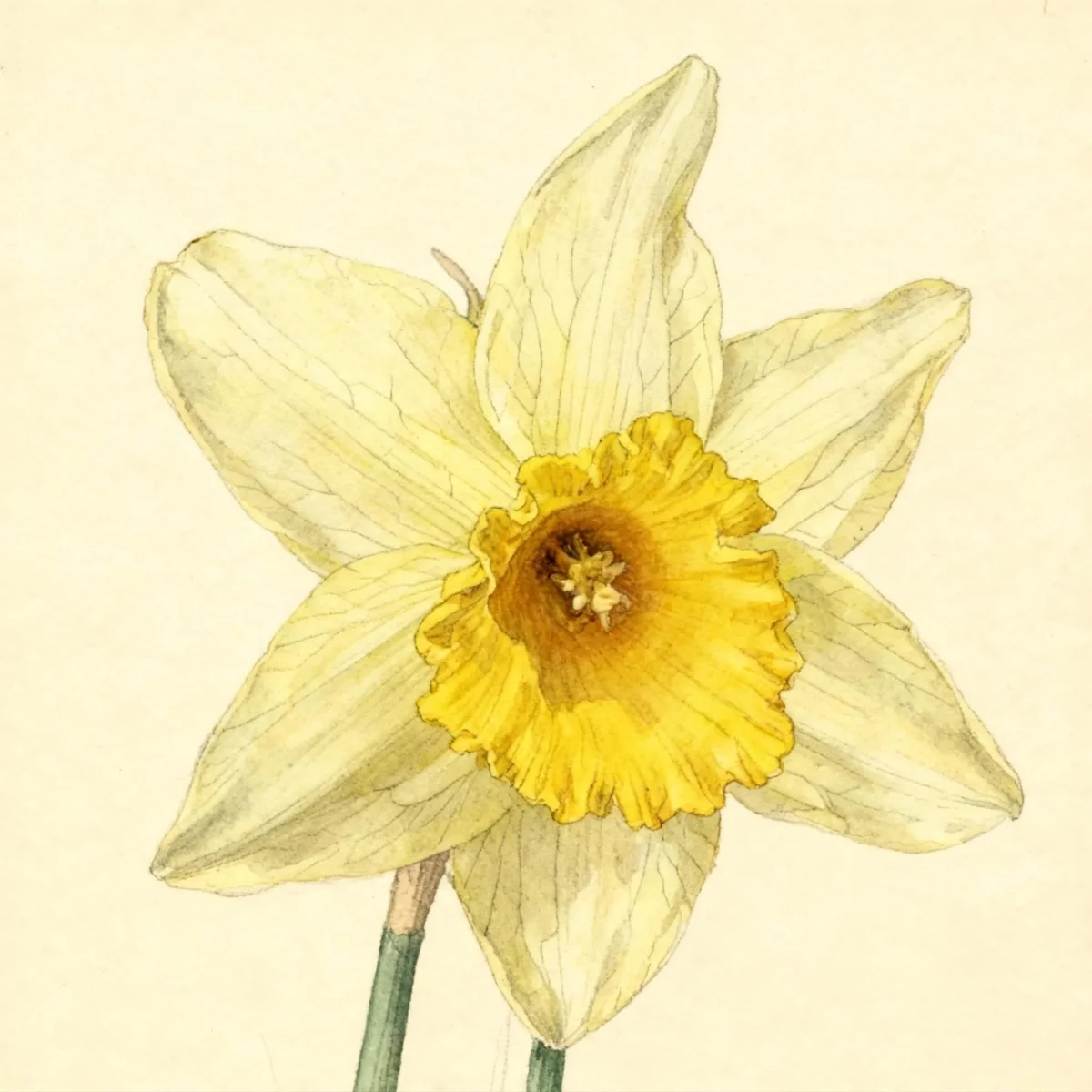
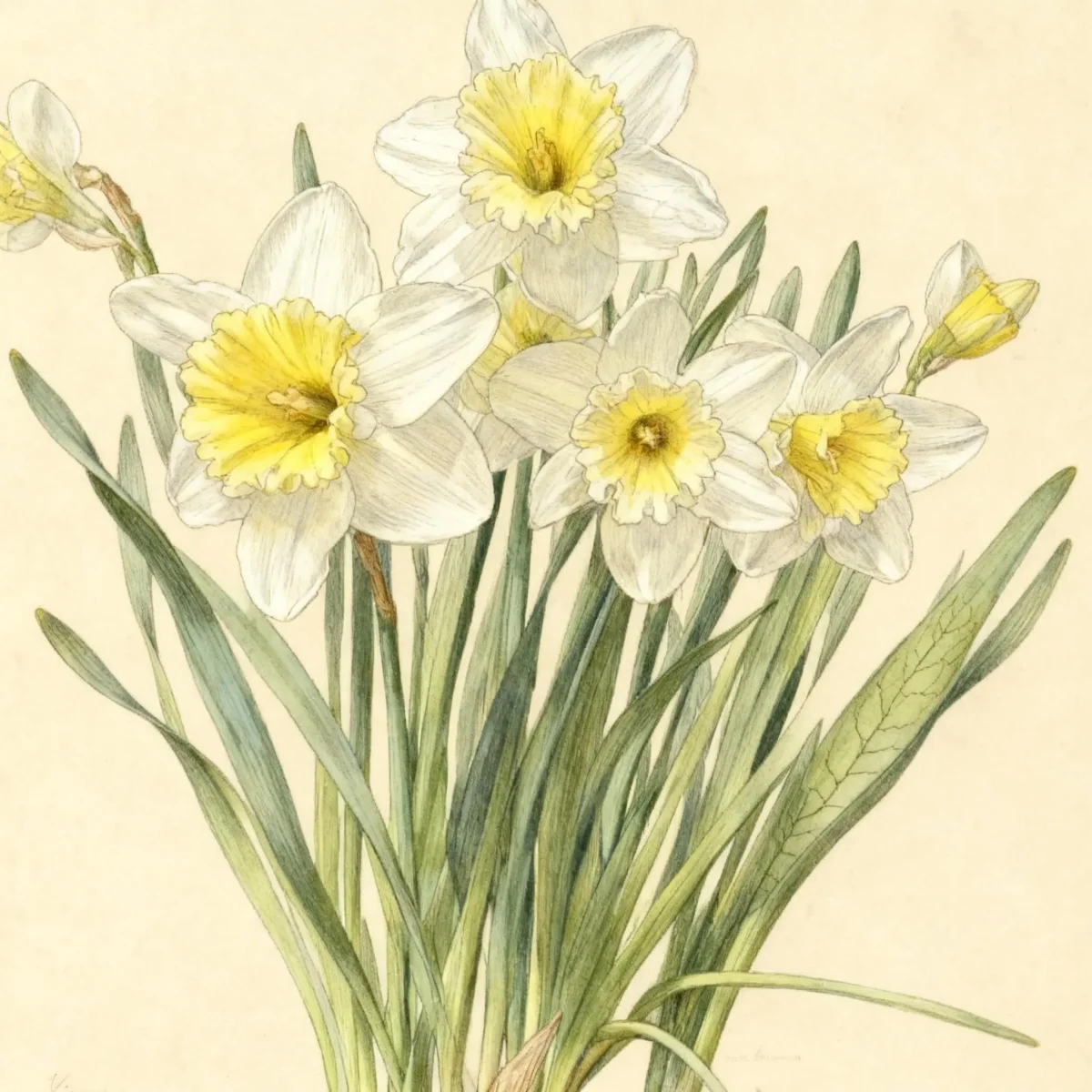
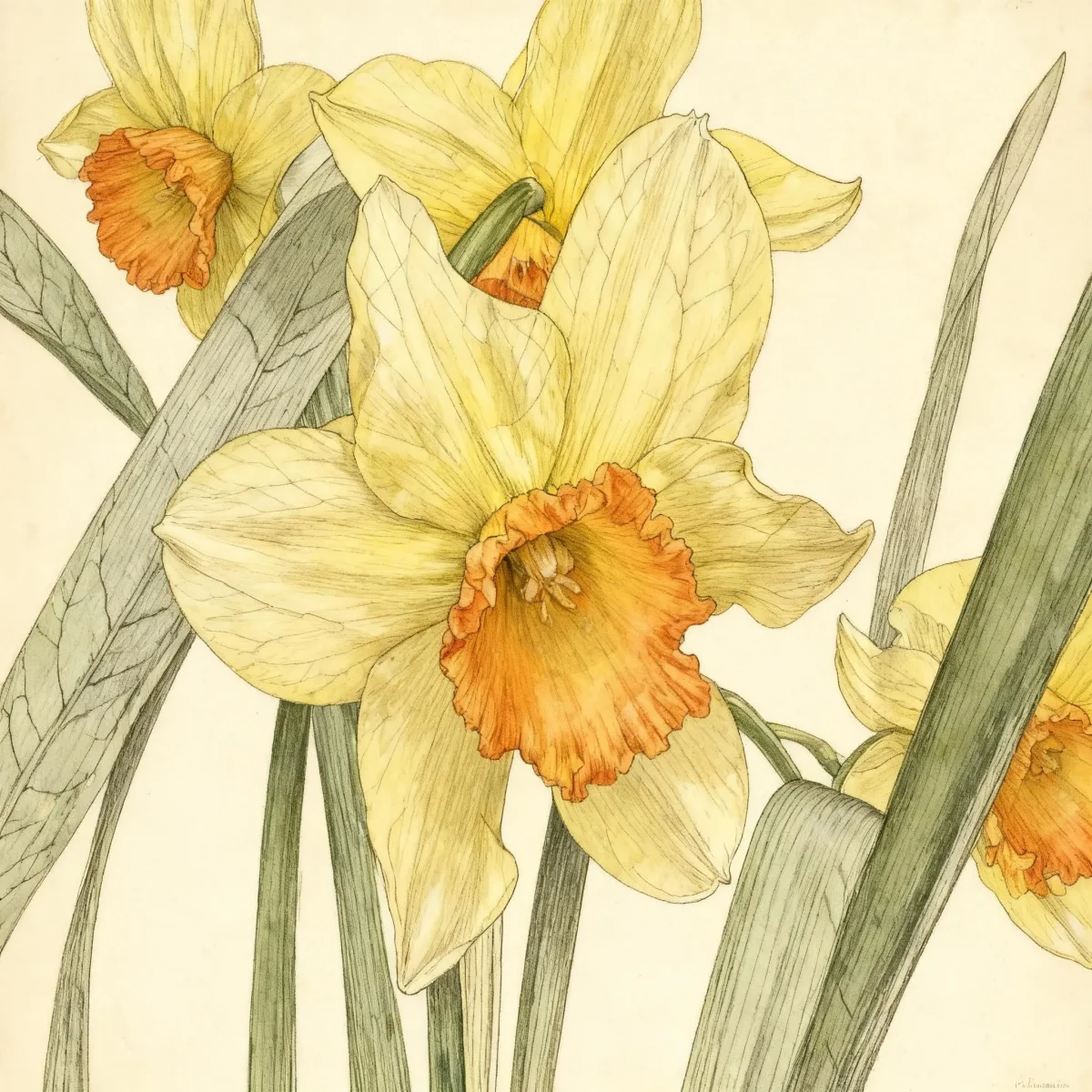
Large-cupped daffodil (Narcissus 'Premiere')
Narcissus 'Premiere' is a showy Large-cupped daffodil blooming in April with greenish-yellow petals and an orange cup, perfect for low-maintenance spring gardens.
Scroll down to discover growing tips, care requirements, companion plants, and more
Complete Plant Information
Overview
Narcissus ‘Premiere’ stands out as a highly popular selection within the Large-cupped daffodil group, prized for its striking bi-color presentation. This bulbous perennial reliably heralds spring with flowers featuring greenish-yellow petals set against a contrasting, vivid orange cup. As a low-maintenance choice, Narcissus ‘Premiere’ establishes easily and returns year after year, making garden planning simple.
This variety flourishes when planted in early to mid-fall, providing essential structure and early color to beds and borders. Gardeners appreciate its resilience; the bulbs tolerate drought once dormant and are largely ignored by common pests like deer and rabbits. Planting generously allows the visual impact of this Large-cupped daffodil to truly shine, creating sweeping drifts of reliable spring color.
Its cultural requirements are straightforward, favoring well-drained soil and adequate sunlight. Once established, minimal intervention is needed, allowing the green, strap-like foliage to mature naturally throughout the growing season. Investing in Narcissus ‘Premiere’ guarantees a dependable mid-season display within the hardiness range of Zones 3 through 8.
Fast Facts
- Plant Family: Amaryllidaceae
- Plant Type: Bulb
- Hardiness Zones: USDA Zones 3-8
- Size at Maturity:
- Height: 1-1.5 ft
- Spread: 0.5-0.75 ft
- Bloom Time: April
- Bloom Description: Greenish-yellow petals with orange cup
- Sun Exposure: Full sun to part shade
- Water Needs: Medium
- Maintenance Level: Low
How to Grow
Planting of Narcissus ‘Premiere’ should occur in the early to mid-fall to allow sufficient root development before winter freezing. Select a site offering full sun to light afternoon shade in average, medium-moisture, well-drained soils. Drainage is paramount; avoid soggy spots which encourage bulb rot. Planting depth is crucial: place bulbs 2 to 3 times deeper than the bulb’s height, ensuring at least three inches of soil cover. Space bulbs generally 4 to 8 inches apart, depending on the bulb size for a naturalizing effect.
Care throughout the growing season involves keeping the soil uniformly moist, though the bulbs tolerate drought once they enter dormancy. After the flowers fade in the spring, resist the urge to cut back the foliage. Allowing leaves to yellow naturally (until they begin turning yellow) is essential, as this process replenishes the energy stores within the bulb for next year’s blooming cycle.
Once flowering is finished, you may deadhead the spent flower stems to prevent unwanted seed production, though this is optional. Narcissus ‘Premiere’ bulbs can be left undisturbed for many years, adding increasing value as they multiply. If bloom quality decreases noticeably, divide the clumps carefully shortly after the foliage has completely died back.
Landscape Uses
Daffodils, including this striking Large-cupped daffodil variety, are fundamental to early spring garden designs because they thrive when massed. Unlike annuals or even tulips, the clumps of Narcissus ‘Premiere’ reliably return, making them ideal for permanent borders, beds, and naturalized areas like open woodlands or beneath deciduous trees. For the best visual impact, plant in substantial groups of six or more bulbs to create sweeping drifts of color.
Because of their reliable upward growth habit, these bulbs pair exceptionally well when positioned in front of later-blooming shrubs or taller perennial borders, providing the first layer of color as the garden wakes up. They mix seamlessly with other spring bloomers like Scilla, Muscari, or early tulips. Ensure that any surrounding plants do not completely shade the foliage of the daffodil before the spring bloom is complete.
Standout Features
Flower Qualities
- Showy
Noteworthy Characteristics
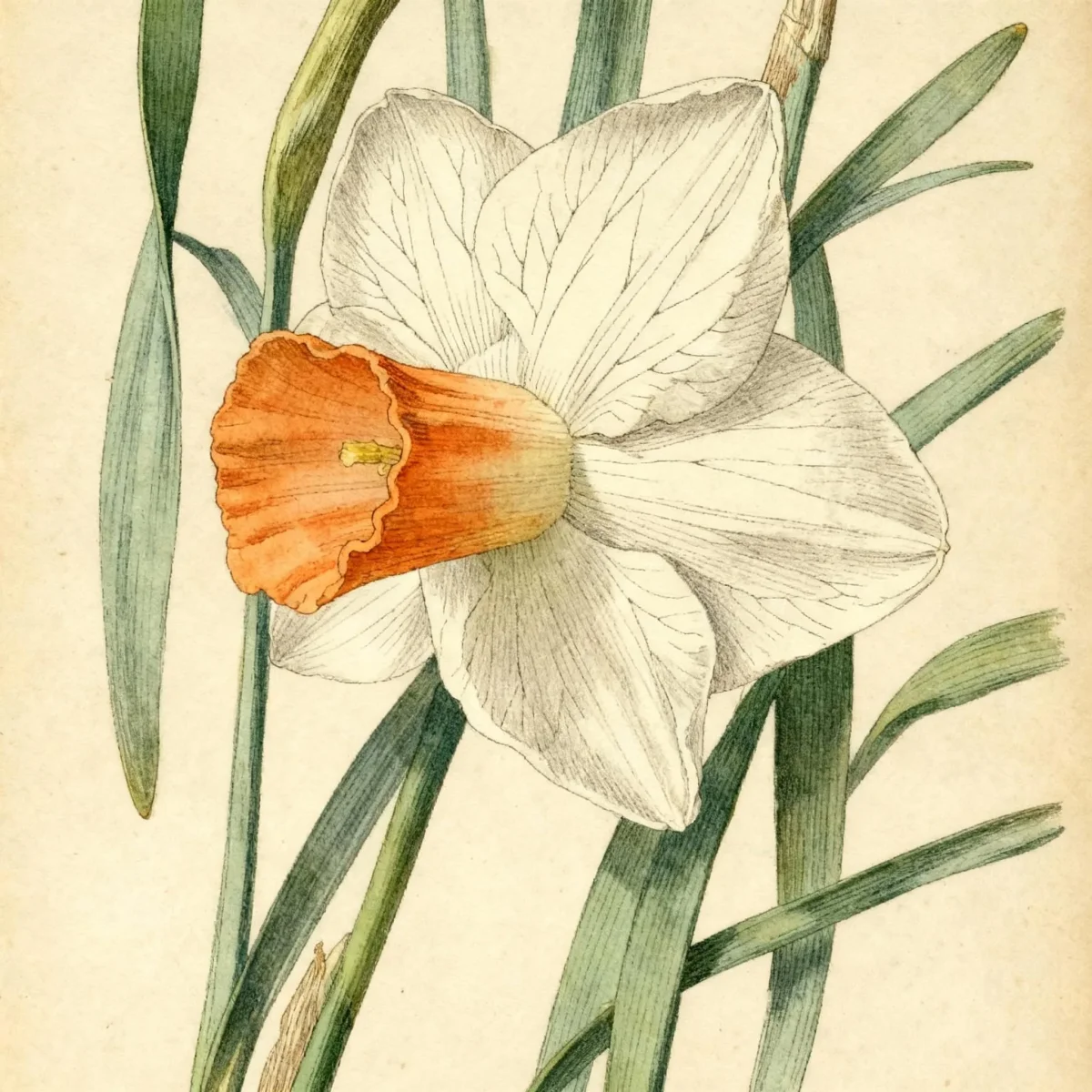
Narcissus is a genus of about 50 species of bulbous perennials from Europe and North Africa. They are a mainstay of the spring garden. Flowers generally feature a trumpet or cup (the corona) surrounded by six petals (perianth segments), in colors ranging from white to yellow to orange to pink to bicolors. ‘Premiere’ is a large-cupped daffodil (Division II), meaning its orange cup length is more than 1/3 but less than the length of the petals. Its distinctive flowers feature ovate, greenish yellow petals and a short, cylindrical, vivid orange cup with a frilled mouth, typically producing one flower per stem.
Tolerances
- Rabbit
- Deer
- Drought
Potential Problems
Daffodils like Narcissus ‘Premiere’ generally resist major insect or disease issues, especially when planted in well-drained soil where they thrive. The most significant cultural problem is bulb rot, which occurs when soil remains waterlogged, especially during the dormant season. While infrequent, potential pests include slugs, snails, narcissus bulb fly, or nematodes. If viral issues like Narcissus yellow stripe virus occur, infected plants should be removed immediately.
Prevention centers on proper planting: ensure excellent soil drainage and avoid planting bulbs too deep or too shallowly. Deer and rabbits find these bulbs unappetizing, which is a significant benefit when planning early spring displays near vulnerable plantings.
Frequently Asked Questions
What hardiness zones is Large-cupped daffodil suitable for?
Narcissus ‘Premiere’ is hardy and suitable for planting across USDA Zones 3 through 8.
How large does Large-cupped daffodil grow?
This variety typically reaches a height of 1 to 1.5 feet, with a spread between 0.5 and 0.75 feet at maturity.
What sun exposure does Large-cupped daffodil need?
This plant performs best when situated in locations receiving full sun to part shade throughout the day.
When does Large-cupped daffodil bloom?
The bloom time for Narcissus ‘Premiere’ is April, featuring distinctive greenish-yellow petals with an orange cup.
Conclusion
Narcissus ‘Premiere’ remains an essential component for any gardener seeking low-effort, high-impact color to signal the start of spring. Its elegance as a Large-cupped daffodil, combined with its pest resistance and long-term reliability, cements its value. Be sure to select a planting location with excellent drainage and plan your purchase for early to mid-fall planting to enjoy this beautiful showy bloom next April.
Companion Planting with Spring Bulbs
While Narcissus ‘Premiere’ is robust, thoughtful companion planting enhances garden aesthetics. Because daffodils naturally naturalize and their foliage matures slowly, they pair excellently with later-blooming perennials whose emerging leaves can screen the daffodil foliage as it fades. Consider planting them alongside late-spring blooming Siberian Iris or Oriental Poppies. They also create a beautiful first layer when grouped with later-blooming tulips, as daffodils are generally deer and rabbit resistant, often deterring pests from sampling the neighboring tulip bulbs early in the season.
Seasonal Care Calendar for Narcissus ‘Premiere’
For optimal performance, follow this simple seasonal guide specific to your Large-cupped daffodil. In early spring, as soon as growth appears, ensure plants receive medium moisture, especially if rainfall has been scarce. Once flowering concludes in mid to late spring, resist pruning the foliage; this leafy window is crucial for energy storage, so leave it intact until it yellows completely, usually by early summer. Summer is the dormant period where drought tolerance kicks in, requiring no supplemental water unless you are in the driest climates. Finally, in early to mid-fall, this is the best time to divide any crowded clumps or plant new bulbs to ensure vibrant displays for years to come.