Trumpet daffodil (Narcissus 'Aunt Betty')
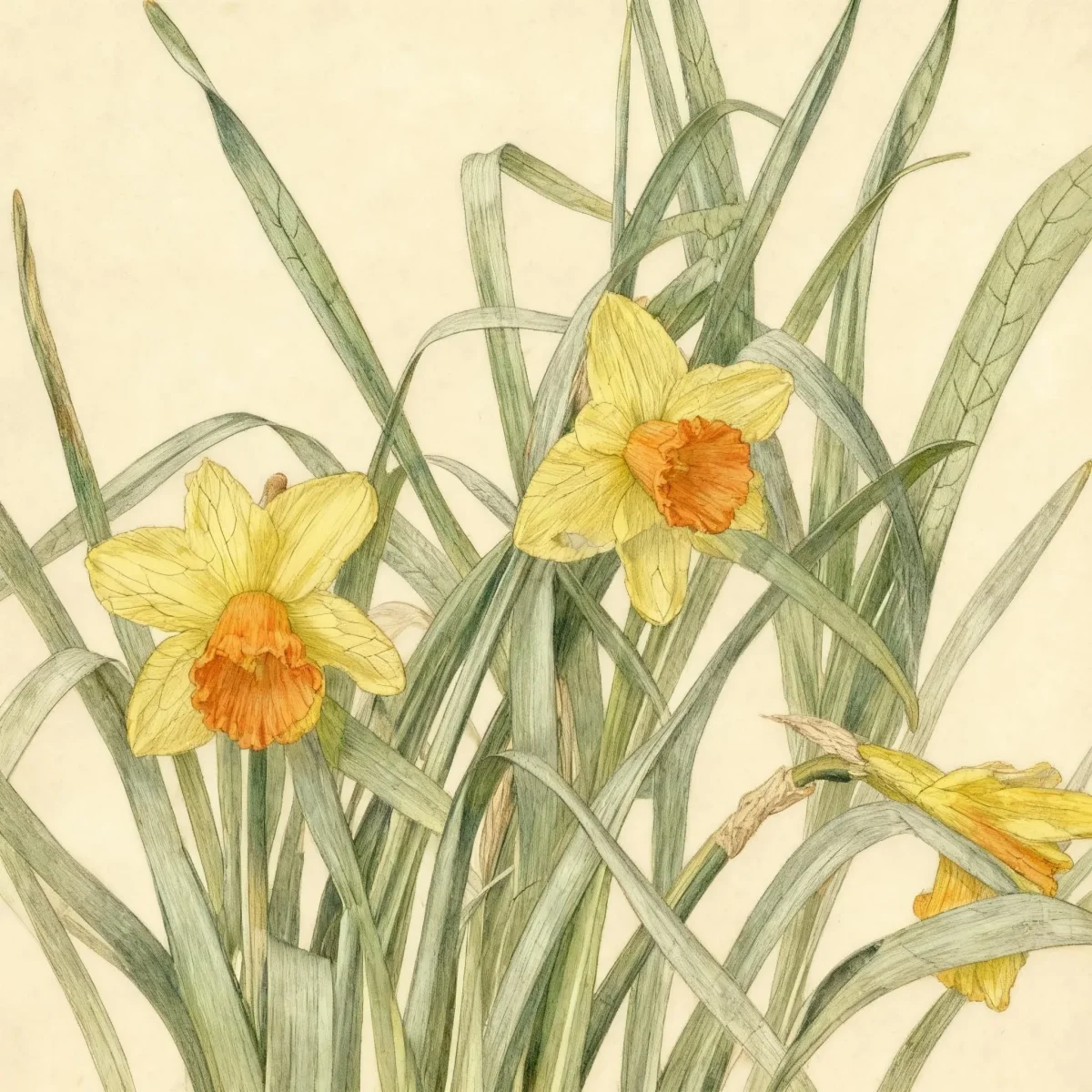
Narcissus 'Aunt Betty' is a showy, fragrant Trumpet daffodil blooming yellow with an orange trumpet. Low maintenance for zones 3-8.
Scroll down to discover growing tips, care requirements, companion plants, and more

Complete Plant Information
Overview
Narcissus ‘Aunt Betty’ is a classic and vibrant addition to the spring garden, belonging to the esteemed Trumpet daffodil division. This cultivar captivates with its striking coloration—yellow petals framing a rich orange, cylindrical trumpet—making it an instant focal point after the winter thaw. As a bulb, it requires minimal annual attention, offering reliable, low-maintenance performance year after year once established. Cultivating Narcissus ‘Aunt Betty’ promises excellent visual returns, as these blooms are attractive in the landscape and resistant to common pests like deer and rabbits.
This robust perennial thrives in average soils provided they drain well, making good drainage essential for long-term success. It combines the cheerful spectacle of traditional daffodils with the ease of a naturalizing perennial. Gardeners rely on the Trumpet daffodil group for early season color, and Narcissus ‘Aunt Betty’ delivers fragrance alongside its visual impact.
For established beds or naturalized drifts, planting Narcissus ‘Aunt Betty’ in quantity ensures a sweeping display of its cheerful yellow and orange flowers, providing that quintessential burst of spring cheer.
Fast Facts
- Plant Family: Amaryllidaceae
- Plant Type: Bulb
- Hardiness Zones: USDA Zones 3-8
- Size at Maturity:
- Height: 1-1.5 ft
- Spread: 0.5-0.75 ft
- Bloom Time: April
- Bloom Description: Yellow with orange trumpet
- Sun Exposure: Full sun to part shade
- Water Needs: Medium
- Maintenance Level: Low
How to Grow
Planting Narcissus ‘Aunt Betty’ bulbs should occur in the early to mid-fall, allowing roots to establish before the ground freezes. Choose a site receiving full sun to partial shade, positioning them so that any surrounding afternoon shade falls behind the planting area, as the flowers tend to face the sun. The culture demands average, well-drained, organically rich loams; standing water must be avoided to prevent bulb rot. Plant each bulb 2 to 3 times as deep as the bulb is tall, aiming for about 3 inches of soil covering the top, spacing them 4 to 8 inches apart initially.
Water moderately throughout the growing season to keep soil uniformly moist, though the dormant bulbs tolerate drought well. After the spectacular bloom finishes in April, resist the urge to tidy up; only remove the top portion of the flower stem to halt seed production. The foliage must be left intact to yellow naturally, which allows the bulb to store energy for next year’s performance.
Narcissus ‘Aunt Betty’ bulbs can safely remain undisturbed for many years. If the number or quality of blooms begins to decrease, divide the clumps immediately after the foliage has completely died back. This ensures the longevity and consistent beauty of your Trumpet daffodil display.
Landscape Uses
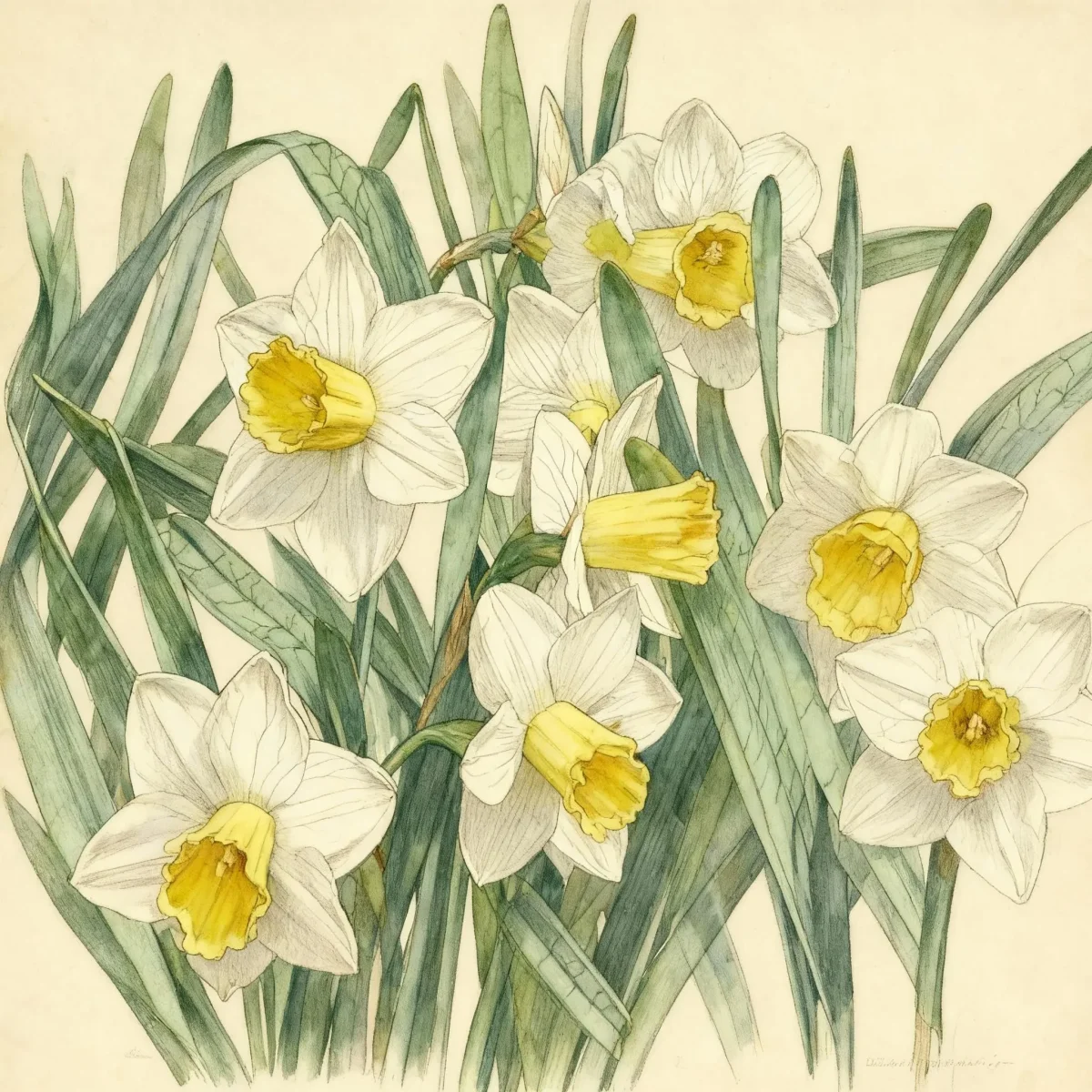
Daffodils, including the stunning Narcissus ‘Aunt Betty’, are prized because they reliably return year after year, unlike many other spring bulbs like tulips. They are ideally suited for mass plantings, creating large, sweeping drifts rather than small, isolated groupings. This technique best showcases the bright yellow and orange flowers of this Trumpet daffodil.
Planting them along borders, beneath deciduous shrubs, or within wild garden settings allows their foliage to be hidden by later-emerging perennials. They blend beautifully with other spring bloomers, such as early irises or grape hyacinths, creating a continuous layered display. For the most impact, plant groups of at least six bulbs, allowing them to naturalize and colonize the area over time.
Standout Features
Flower Qualities
- Showy
- Fragrant
Noteworthy Characteristics
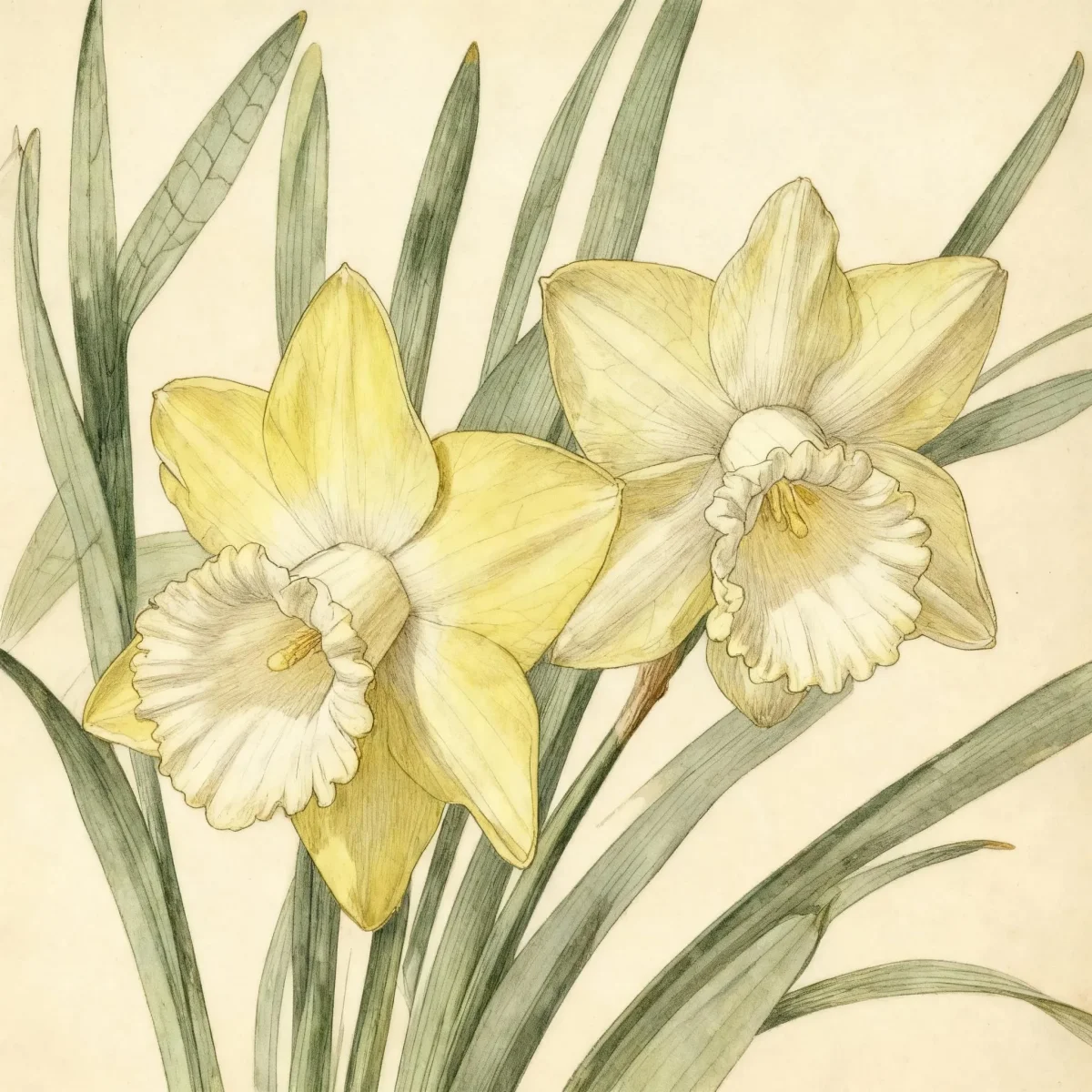
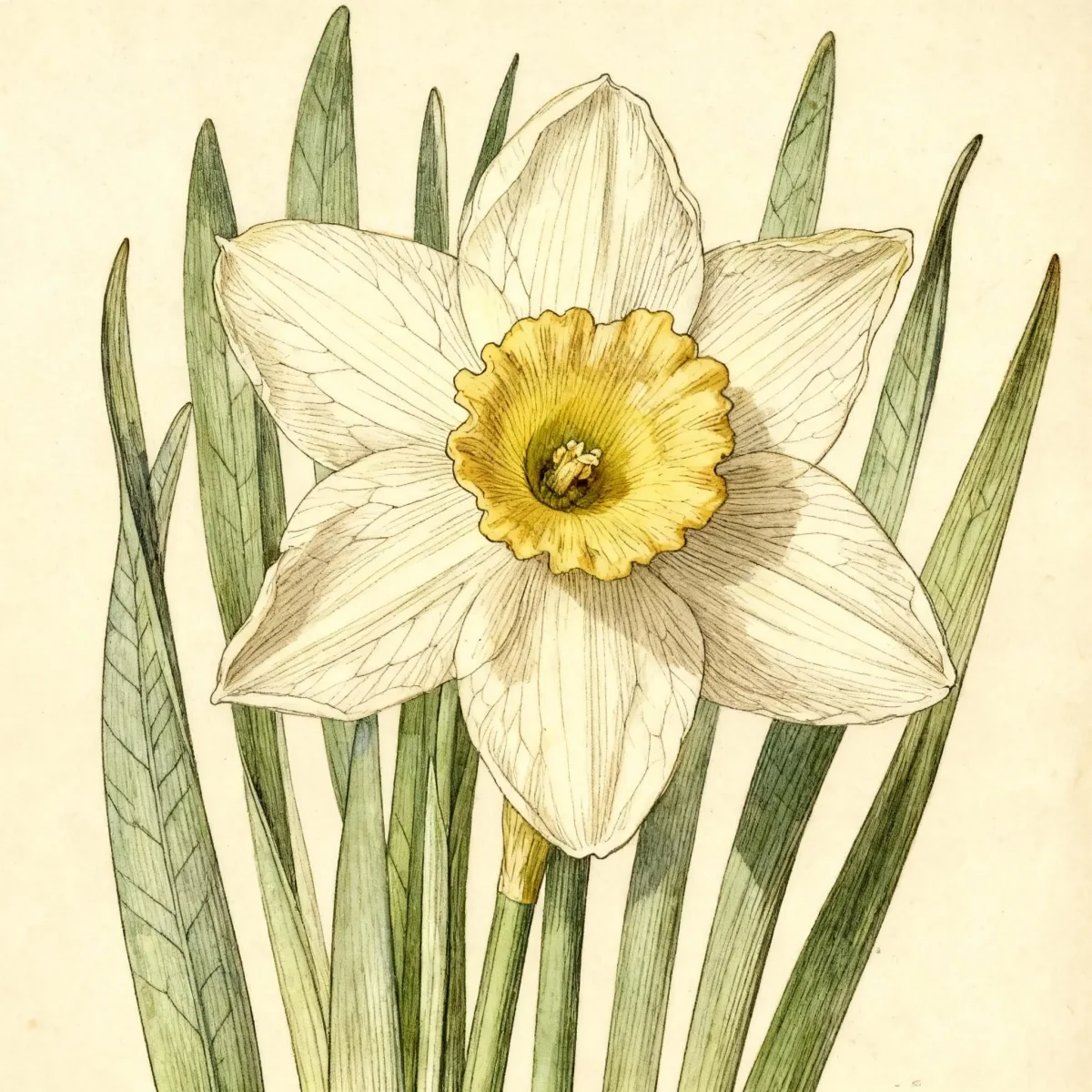
Narcissus is a genus featuring about 50 species of bulbous perennials originating from Europe and North Africa, serving as a foundation for the spring garden. Flowers typically display a central cup or trumpet (corona) surrounded by six petals, available in white, yellow, orange, or bicolored combinations. Narcissus ‘Aunt Betty’ is specifically classified as a trumpet daffodil, meaning its central trumpet is as long as or longer than its surrounding yellow petals. These early season flowers, blooming late March through April, rise above erect clumps of narrow, strap-shaped green leaves.
Tolerances
- Rabbit
- Deer
- Drought
Potential Problems
Daffodils are generally pest-free when provided with proper culture and suitable, well-drained soil. The most common issue arises from poor soil—bulb rot occurs swiftly in heavy, waterlogged conditions. Infrequent pests can include slugs, snails, and the narcissus bulb fly.
Minor viral threats like Narcissus yellow stripe virus occasionally appear but are less common than cultural problems. Since deer and rabbits tend to avoid the foliage and bulbs, pest management often focuses on soil health. Ensure your planting site offers excellent drainage to keep these desirable Trumpet daffodils thriving year after year.
Frequently Asked Questions
What hardiness zones is Narcissus ‘Aunt Betty’ suitable for?
Narcissus ‘Aunt Betty’ is reliably hardy across USDA Zones 3 through 8.
How large does Trumpet daffodil grow?
This cultivar typically reaches a height between 1 and 1.5 feet, with a moderate spread of 0.5 to 0.75 feet.
When does Narcissus ‘Aunt Betty’ bloom?
This daffodil variety blooms in April, offering the classic combination of yellow petals and an orange trumpet.
What sun exposure does Trumpet daffodil need?
For optimal flowering, plant Narcissus ‘Aunt Betty’ where it can receive full sun to part shade exposure.
Conclusion
Narcissus ‘Aunt Betty’ is an exceptionally valuable addition for any gardener seeking reliable, low-effort perennial color early in the season. Its fragrant, showy, yellow and orange Trumpet daffodil blooms define the essence of spring gardens nationwide. Ensure excellent drainage and plan your fall planting schedule now to enjoy this robust beauty.
Companion Planting
Selecting successful companions for Narcissus ‘Aunt Betty’ relies on matching their cultural needs—full sun to part shade and medium moisture—while ensuring they visually complement the early bloom time. Pair it with other early bulbs like Scilla or Muscari, which offer contrasting blues and purples beneath the yellow trumpet.
Once the daffodil foliage begins to fade, late-season perennials such as Hostas or Peonies can be planted nearby. These larger, lush plants will effectively obscure the dying daffodil leaves, keeping borders looking tidy through the summer months. This strategic placement ensures continuous visual interest throughout the entire gardening year.
Seasonal Care Calendar
Autumn (Planting Time): This is the critical phase for establishing your Narcissus ‘Aunt Betty’. Plant bulbs in early to mid-fall at the recommended depth (generally 3-6 inches deep) in well-drained soil. Avoid crowding bulbs to allow room for natural division over time.
Spring (Growth and Bloom): Monitor soil moisture, ensuring it remains medium during active growth. As flowers fade in April, deadhead the spent blooms to prevent seed formation, but strictly leave the green foliage untouched until it yellows naturally later in the season.
Summer (Dormancy): The bulbs are relatively drought-tolerant during dormancy. Avoid digging or disturbing the area near the bulbs during this time to prevent damage. If division is necessary, wait until late summer or early fall, just after the foliage dies back.