Flowering crabapple (Malus 'Purple Prince')
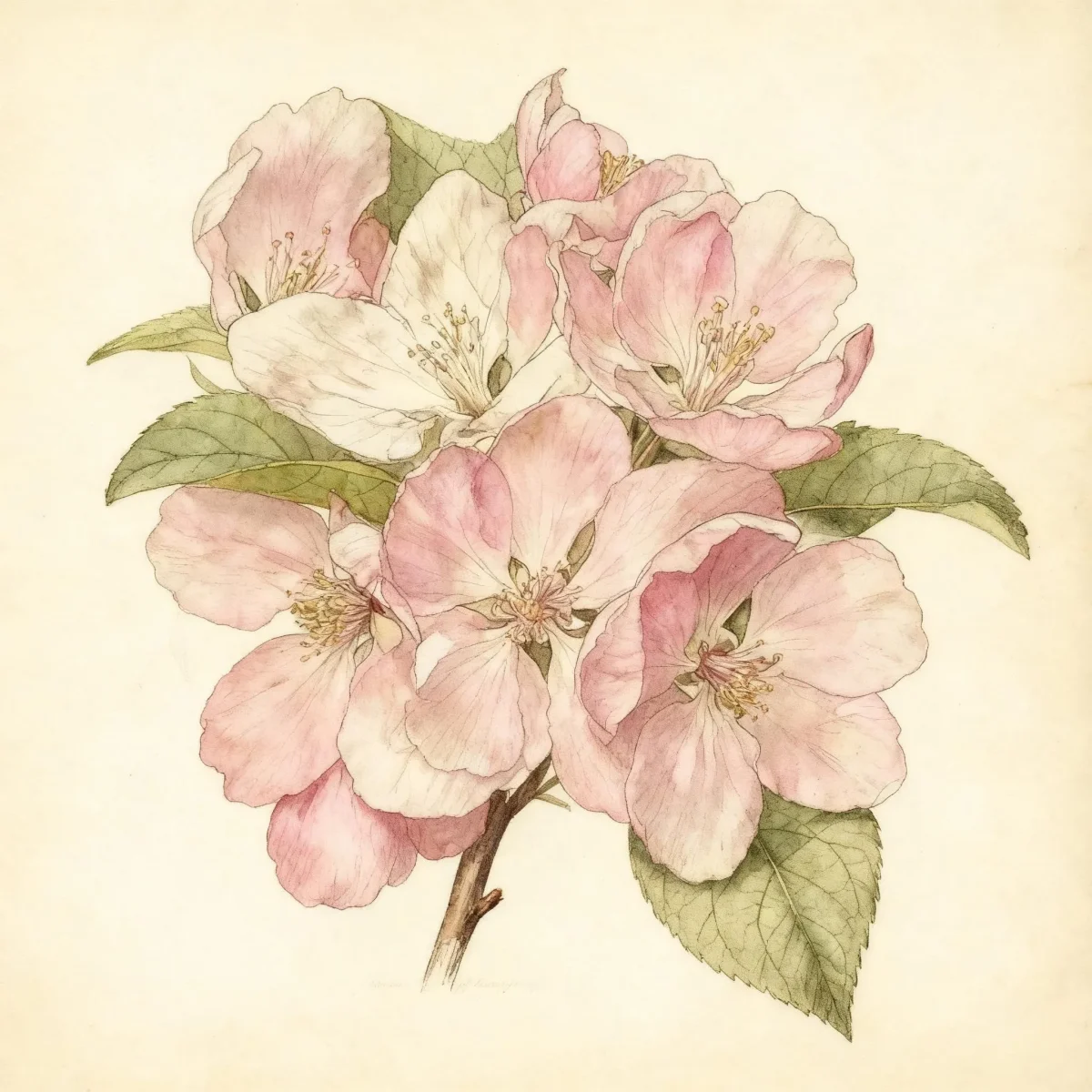
Malus 'Purple Prince' is a robust, low-maintenance Flowering crabapple known for showy rose-red blooms and persistent purple fruit.
Scroll down to discover growing tips, care requirements, companion plants, and more
Complete Plant Information
Overview
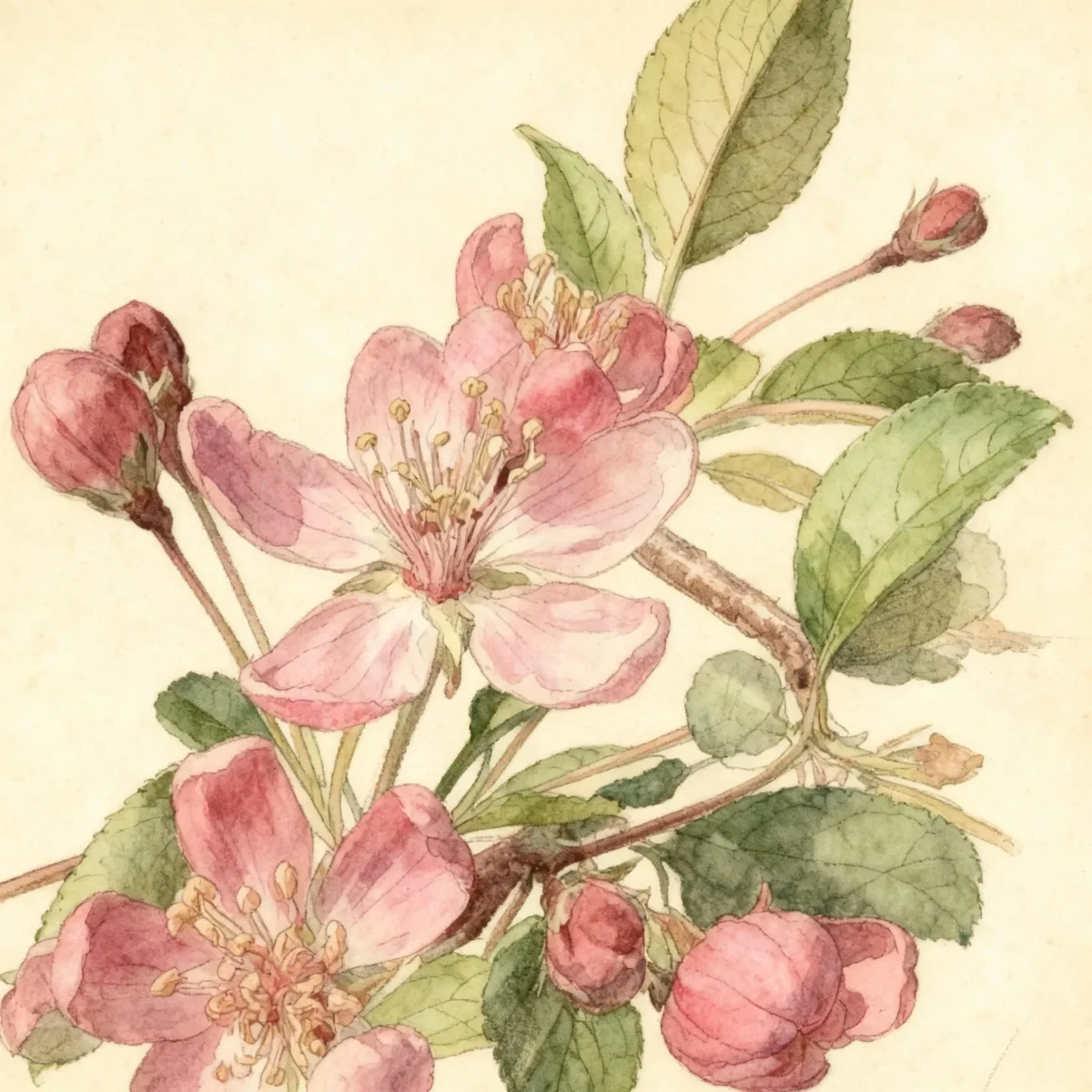
The Flowering crabapple, specifically Malus ‘Purple Prince’, offers dynamic color throughout the seasons, making it a standout specimen tree. Valued by gardeners for its low maintenance needs and high disease resistance, this cultivar provides substantial ornamental value without significant upkeep. Its springtime display features beautiful, fragrant, rose-red single flowers that give way to persistent purple fruit.
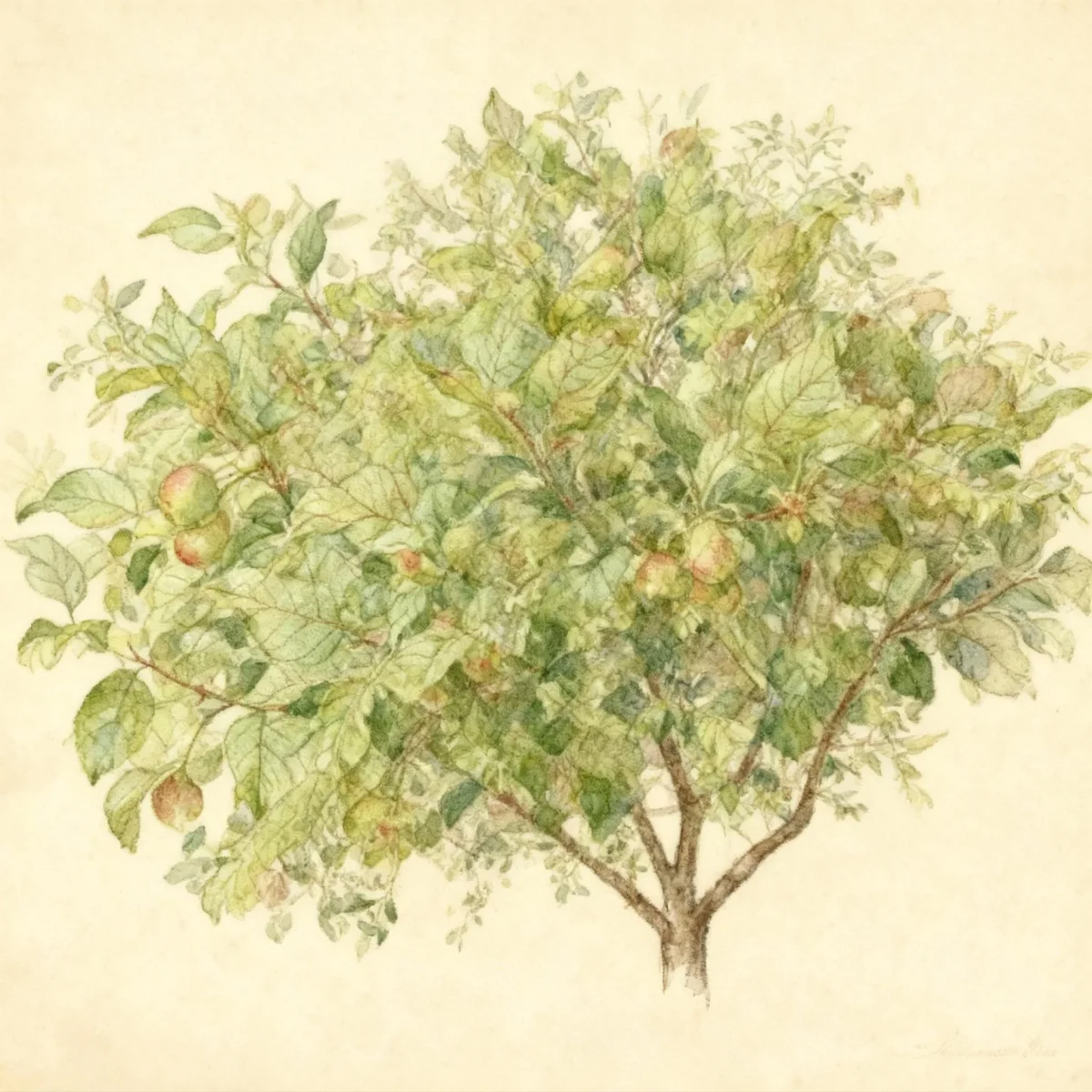
Malus ‘Purple Prince’ matures into a small, rounded tree, perfectly sized for residential landscapes where larger shade trees might overwhelm the space. Beyond the flowers, the foliage provides year-round interest, emerging as purple-bronze, hardening to green, and finally turning golden before dropping. This reliable performance cements its status as a premier choice among flowering ornamentals.
Gardeners appreciate the Flowering crabapple for its hardiness and adaptability. It handles urban conditions well, including some pollution tolerance, and offers excellent resistance ratings against common crabapple diseases like scab and rust. Planting Malus ‘Purple Prince’ ensures a vibrant focal point that requires little more than appropriate siting and occasional pruning.
Fast Facts
- Plant Family: Rosaceae
- Plant Type: Tree
- Hardiness Zones: USDA Zones 4-8
- Size at Maturity:
- Height: 18-20 ft
- Spread: 18-20 ft
- Bloom Time: April
- Bloom Description: Rose red
- Sun Exposure: Full sun
- Water Needs: Medium
- Maintenance Level: Low
How to Grow
The Flowering crabapple thrives when planted in locations receiving full sun, which promotes the best flowering and helps keep foliage healthy. It performs excellently in medium moisture, well-drained, acidic loams, although it shows adaptability to a variety of soil types once established. Ensure your planting site allows for its mature size, as Malus ‘Purple Prince’ typically reaches 18 to 20 feet wide and tall.
Watering should be kept consistent, aiming for medium moisture levels, particularly during the first few growing seasons while the root system develops fully. Established trees of Malus ‘Purple Prince’ exhibit good drought tolerance, reducing reliance on supplemental summer irrigation. Fertilization is rarely required if the tree is sited in quality soil.
When pruning is necessary, timing is critical to maintain the health of your Malus ‘Purple Prince’. Pruning should be done as needed in late winter when the plant is dormant. Avoid spring pruning entirely; opening fresh cuts just as seasonal diseases like fireblight become active creates ideal entry points for the bacterium.
Landscape Uses
As a beautiful Flowering Tree, Malus ‘Purple Prince’ excels when used as a specimen or accent piece where its structure and spring color can be fully appreciated. Its rounded canopy makes it an excellent vertical element within smaller gardens or near entryways. This Flowering crabapple also performs admirably in small groups, creating a striking color corridor in a larger landscape design.
Due to its manageable size and adaptability, this cultivar is often recommended for general landscape applications, including use as a street tree where it can withstand some urban rigors. Consider pairing the fine texture of the Malus ‘Purple Prince’ with broad-leaved, foundational shrubs that provide a contrasting backdrop for its spring blossoms and persistent purple fruit.
Standout Features
Flower Qualities
- Showy
- Fragrant
Fruit Qualities
- Showy
- Edible
Noteworthy Characteristics
Malus is a genus of about 35 species of deciduous trees and shrubs from Europe, Asia and North America. Genus name from Latin is an ancient name for apple. ‘Purple Prince’ is a cross of (Malus ‘Bluebeard’ by Malus ‘Liset’) by Malus ‘Garnet’ that was developed by John L. Fiala of Medina, Ohio. This small, rounded tree features rosy red single flowers that mature into small purple fruits persisting into winter, attracting birds. Notably, ‘Purple Prince’ boasts excellent resistance to scab and cedar apple rust and is considered a rapid grower.
Tolerances
- Air Pollution
Potential Problems
The Flowering crabapple genus faces identifiable risks, primarily fungal issues like scab, rusts, leaf spot, and powdery mildew, alongside bacterial problems such as fire blight. While insect pests like aphids or scale can occur, the Malus ‘Purple Prince’ cultivar is specifically noted for having good disease resistance against the major crabapple ailments. Maintaining good air circulation through proper pruning helps mitigate humidity-related fungal concerns. If fire blight is a known issue in your area, always prune during dormancy and sterilize tools between cuts.
Frequently Asked Questions
What hardiness zones is Flowering crabapple suitable for?
This specific variety, Malus ‘Purple Prince’, is suitable for USDA Zones 4 through 8. Ensure your planting location falls within this range for optimum survival.
How large does Malus ‘Purple Prince’ grow?
This Flowering crabapple reaches a mature height between 18 and 20 feet, with a comparable spread of 18 to 20 feet, forming a neat, rounded shape.
What sun exposure does Flowering crabapple need?
Malus ‘Purple Prince’ requires full sun to produce the most abundant and healthy bloom display annually.
When does Malus ‘Purple Prince’ bloom?
It blooms reliably in April, offering showy flowers described as rose red.
Conclusion
The Flowering crabapple, Malus ‘Purple Prince’, provides exceptional landscape value through its durable structure and multi-season color interest, accented by its low-maintenance profile and strong disease resistance. Incorporating this beautiful tree into your yard ensures fragrant spring blossoms and persistent winter fruit interest. Before purchasing, confirm your site meets the full sun requirement and verify that you fall within USDA Zones 4-8.
Companion Planting
Selecting companions for Malus ‘Purple Prince’ should focus on plants that share its preference for full sun and well-drained, slightly acidic soil. Consider pairing it with low-growing perennials that have contrasting foliage, such as Hostas relegated to dappled shade near the drip line, or vibrant spring bulbs like Daffodils (Narcissus) that emerge before the tree’s leaves fully develop. Avoid planting very susceptible crabapple varieties nearby, as diseases can spread between cultivars.
Wildlife Benefits
The fruit produced by the Malus ‘Purple Prince’ is a significant draw for local bird populations, especially as winter deepens and other food sources become scarce. The small, persistent purple fruits offer a valuable late-season forage option. Furthermore, the fragrant flowers of this Flowering crabapple are attractive to early spring pollinators, including native bees emerging from dormancy, making it beneficial for supporting local biodiversity early in the growing season.