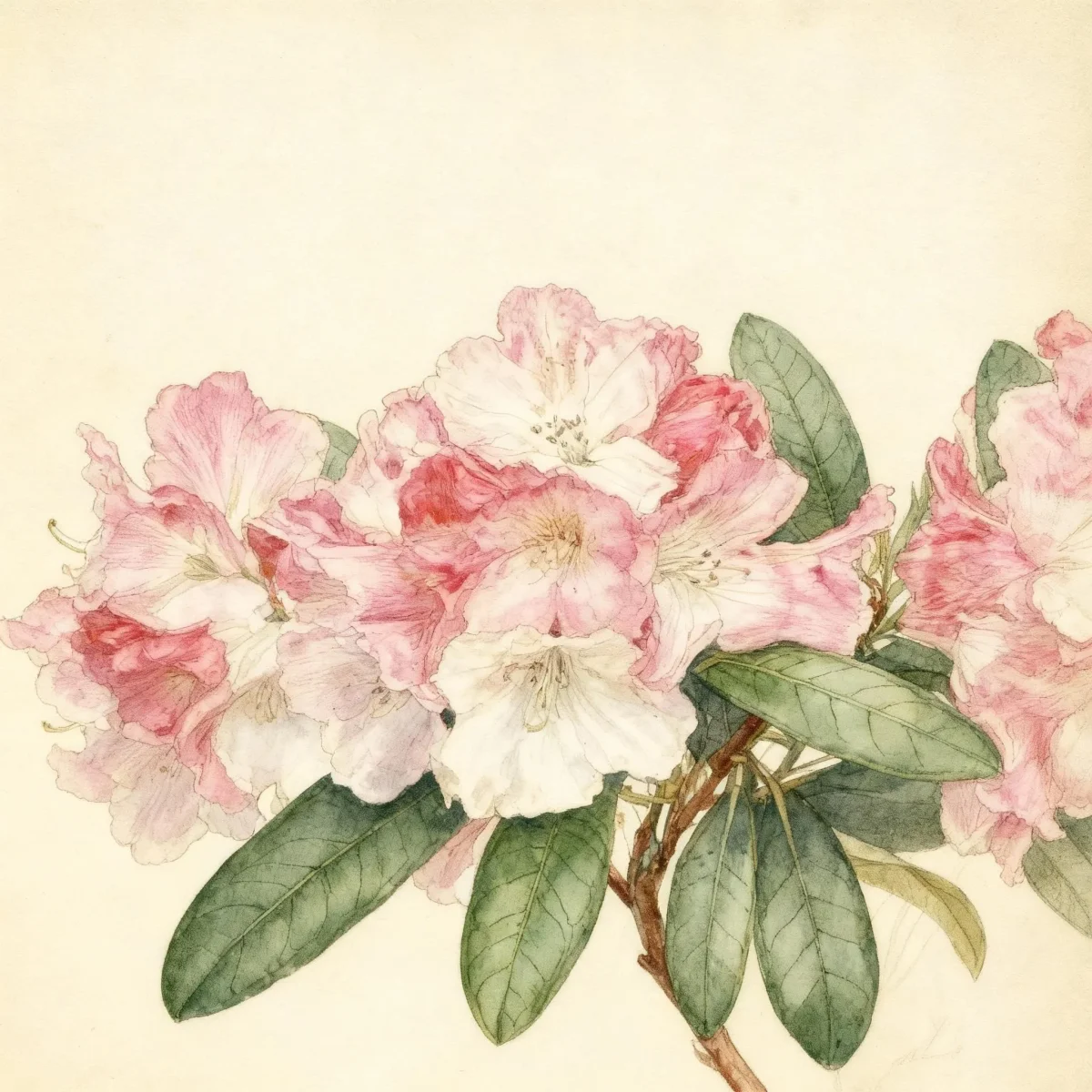
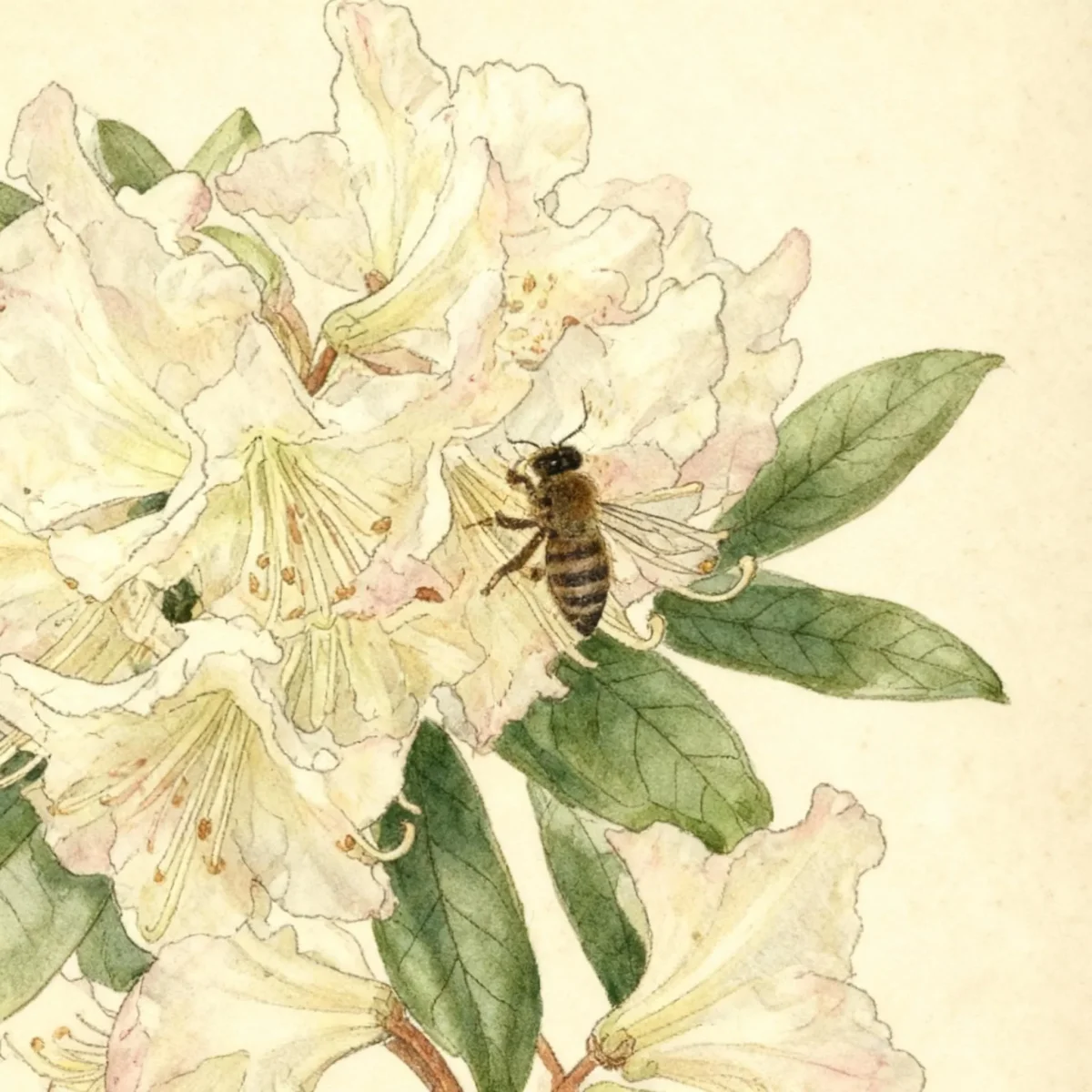
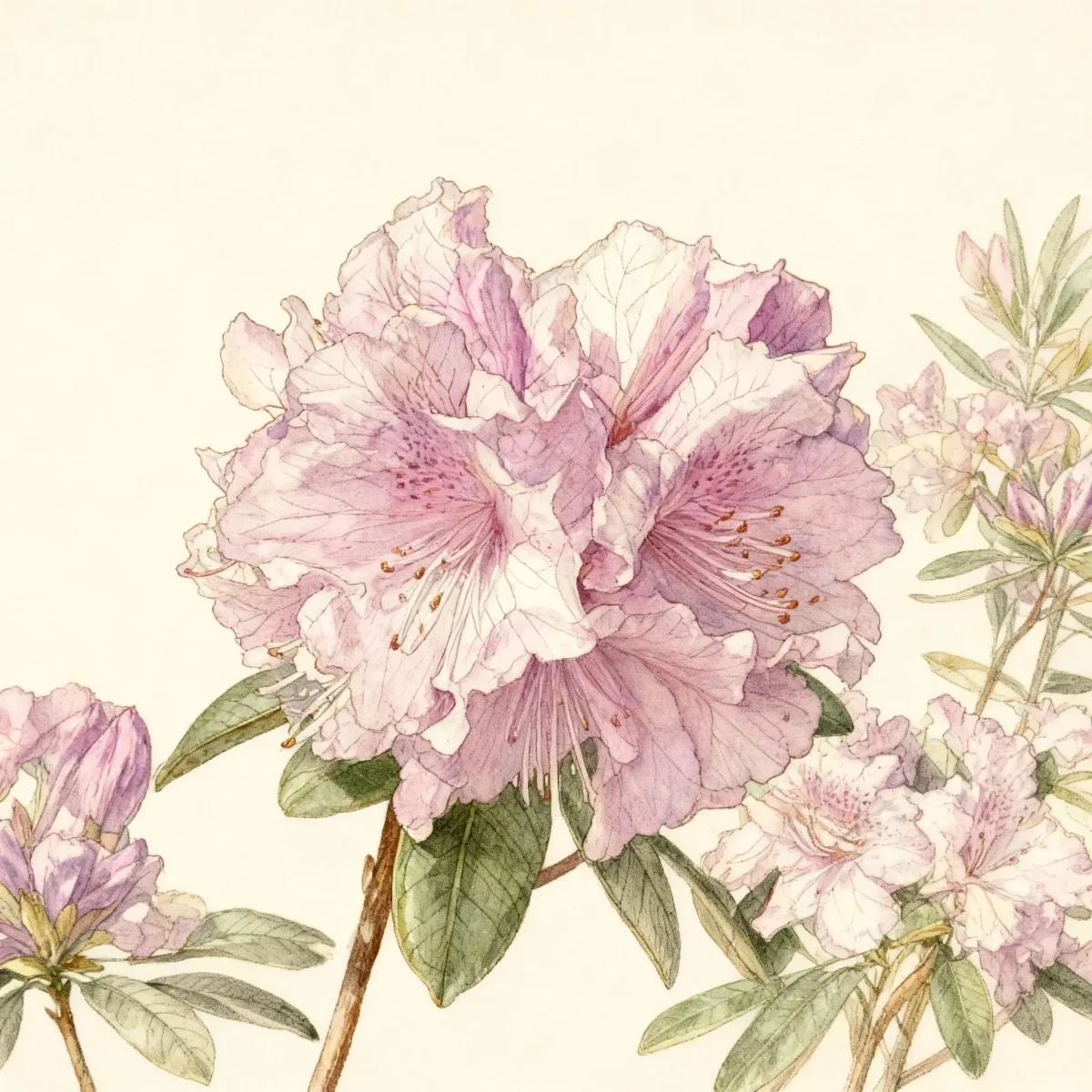
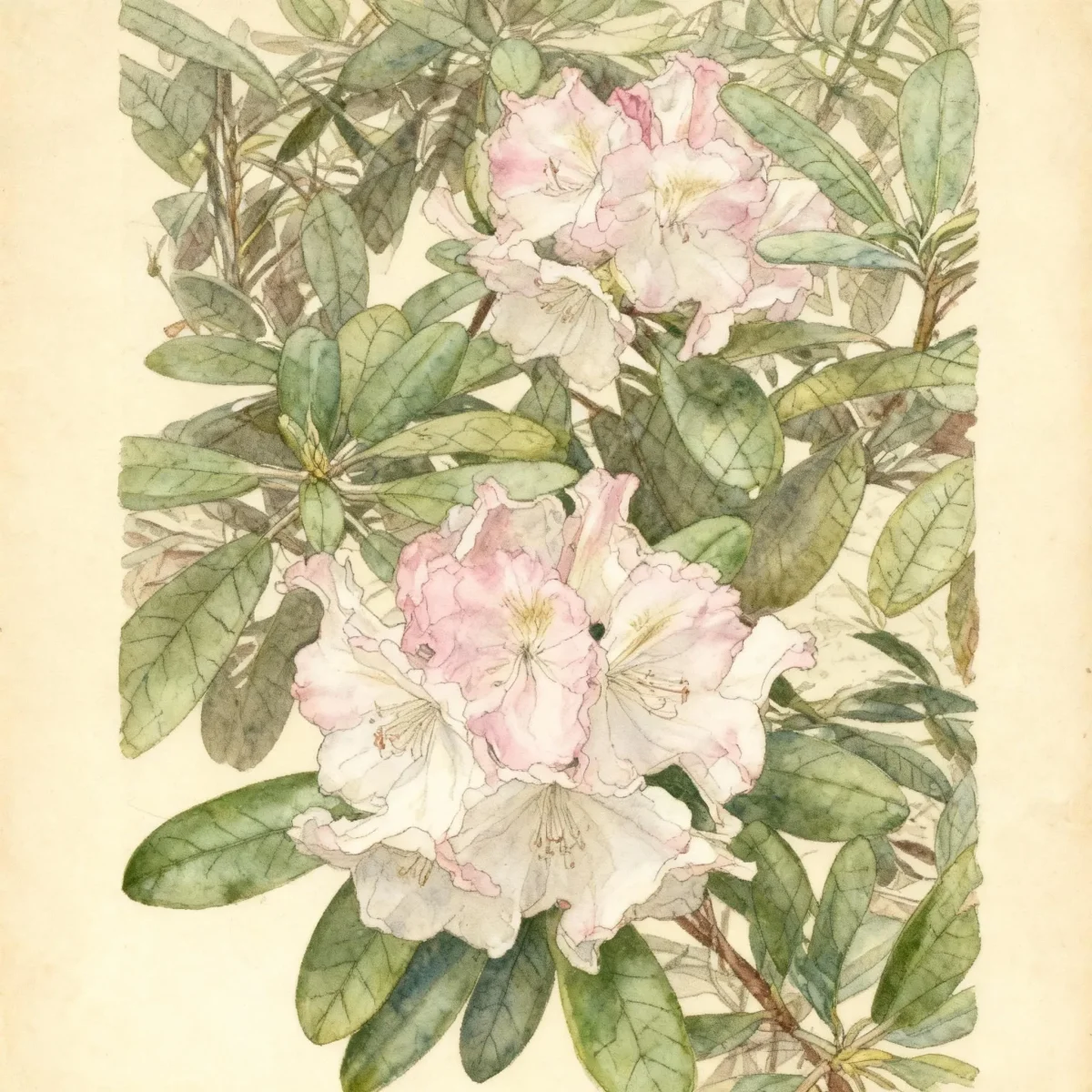
Rhododendron (Rhododendron 'Capistrano')
Rhododendron 'Capistrano' is a dense, low-maintenance broadleaf evergreen admired for its showy yellow blooms in April.
Scroll down to discover growing tips, care requirements, companion plants, and more
Complete Plant Information
Overview
Rhododendron ‘Capistrano’ is a standout David Leach hybrid, prized by gardeners for its dense, mounding habit and vibrant flowering display. As a broadleaf evergreen, it offers significant winter interest in addition to the large trusses of lemon-yellow flowers that typically appear mid-season in April. This cultivar provides excellent structure, fulfilling roles from specimen planting to low hedging.
Growing successfully across USDA Zones 5 through 8, Rhododendron ‘Capistrano’ thrives in conditions that mimic its native woodland environment. It requires acidic, consistently moist, yet well-drained soil, and protection from strong winds. The relatively low maintenance level makes this Rhododendron an accessible choice for adding sophisticated color and structure to shaded borders.
The appeal of this specific Rhododendron cultivar lies in its balanced size—reaching 3 to 5 feet tall and spreading 5 to 6 feet wide—making it manageable for typical landscape applications. Its evergreen foliage remains attractive year-round, ensuring the garden retains visual substance even after the spectacular spring bloom fades.
Fast Facts
- Plant Family: Ericaceae
- Plant Type: Broadleaf evergreen
- Hardiness Zones: USDA Zones 5-8
- Size at Maturity:
- Height: 3-5 ft
- Spread: 5-6 ft
- Bloom Time: April
- Bloom Description: Yellow
- Sun Exposure: Part shade to full shade
- Water Needs: Medium
- Maintenance Level: Low
How to Grow
Rhododendron ‘Capistrano’ should be planted during cooler times of the year, such as spring or fall, to minimize transplant shock. The most critical element for success is soil quality: aim for acidic soil (pH 5.0 to 5.5) that is organically rich, humusy, and retains moisture without becoming waterlogged. Good soil drainage is non-negotiable, as ‘wet feet’ leads swiftly to root rot; consider raised beds in heavy clay soils common in regions like the St. Louis area. Site the plant in dappled shade or high open shade, favoring morning sun exposure with afternoon shade to prevent leaf scorch during hot summers.
Watering for Rhododendron requires consistency; roots must never be allowed to dry out, requiring medium water uptake. Its shallow, fibrous root system benefits significantly from a deep, protective layer of mulch, such as pine needles or wood chips, to stabilize soil temperature and retain moisture. Avoid cultivating deeply near the plant base, as this can damage these sensitive roots.
Routine maintenance involves acidifying the soil periodically if the pH drifts too high, using sulfur or iron sulfate to lower it. Pruning is minimal, focusing primarily on the removal of spent flower clusters immediately after blooming, which is thought to encourage better flowering the following season. Be mindful when selecting a site; avoid planting near walnut family trees, as their roots release toxic juglones harmful to many Rhododendrons.
Landscape Uses
Rhododendron ‘Capistrano’ serves beautifully in layered or mixed borders due to its reliable evergreen structure and mid-season color. Its compact, dense form makes it particularly useful in shrub borders or as low screening along woodland margins where filtered light prevails. These plants are also effective when used formally as a low hedge or informally as specimen plantings to anchor shaded corners of the foundation.
When planning companion plantings, choose species that naturally share the need for acidic, moist, well-drained conditions. Consider pairing Rhododendron ‘Capistrano’ with acid-loving counterparts like Camellias, Azaleas, or woodland ferns. This creates a cohesive, lush understory effect typical of shade gardens, allowing the bright yellow blooms of the Rhododendron to contrast nicely with darker green foliage plants nearby.
For mass plantings or group settings, ensure enough space is given for the mature spread of 5 to 6 feet. Planting Rhododendron ‘Capistrano’ on north or east-facing slopes often provides the ideal shade and moisture profile, protecting the plant from harsh western sun exposure.
Standout Features
Flower Qualities
- Showy
Noteworthy Characteristics
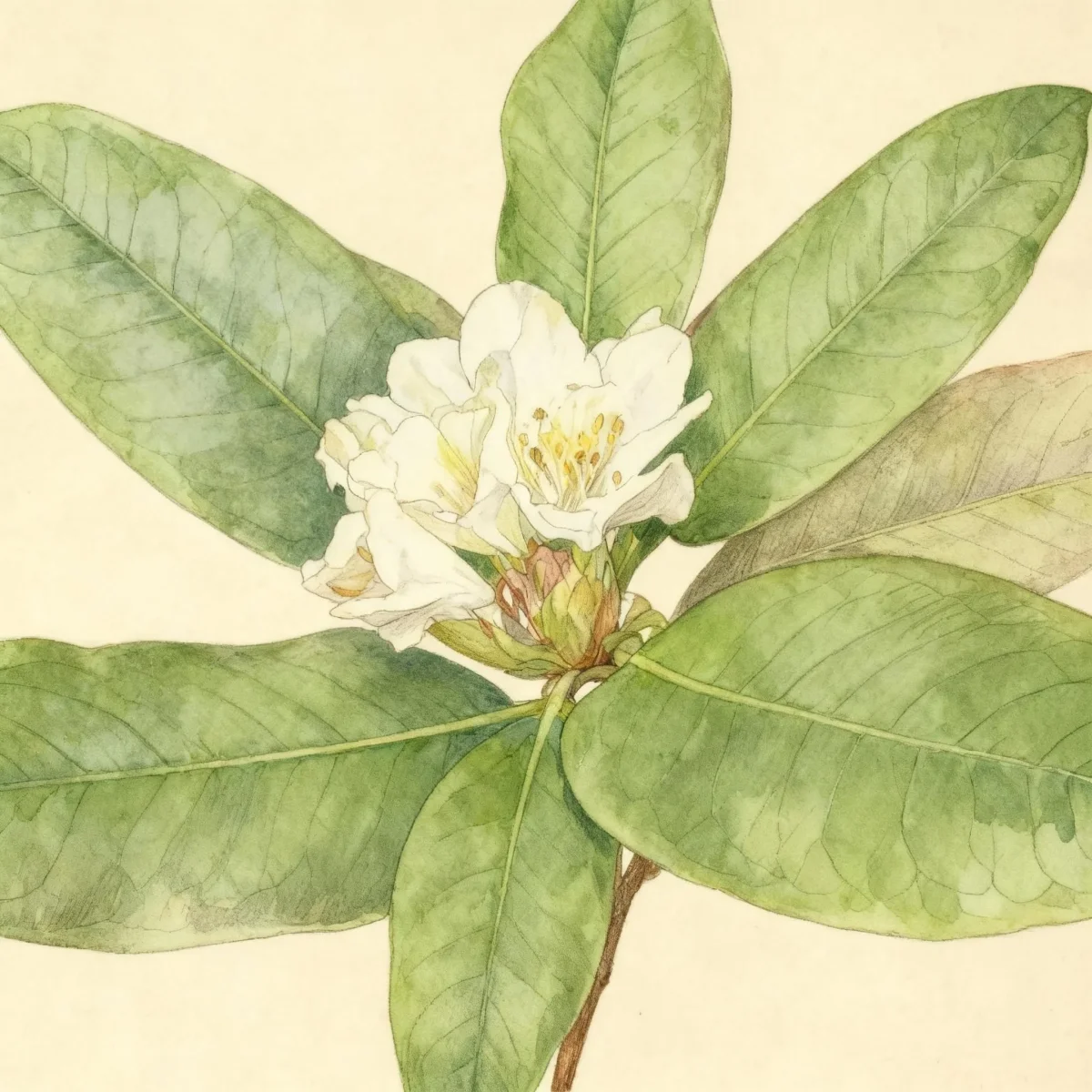
The genus Rhododendron encompasses hundreds of species, including both common rhododendrons and azaleas, primarily originating in the Northern Hemisphere. ‘Capistrano’ is specifically noted as a yellow-flowering hybrid known for being a dense, mound-forming evergreen shrub, reaching 3-5 feet tall. It produces large trusses of lemon yellow flowers in the spring, set against stiff, dark green, elliptic leaves that provide year-round appeal.
Tolerances
- Rabbit
Potential Problems
Rhododendrons, including Rhododendron ‘Capistrano’, face potential issues primarily related to environmental stress or specific pests and diseases. Common insect threats include aphids, lacebugs, and scale, while diseases might manifest as canker, leaf spot, or various rot issues where drainage is poor. Look out for chlorosis, which presents as yellowing leaves; this often signals an overly high soil pH preventing iron uptake.
The key to minimizing these problems is proactive cultural care. Ensure the soil pH remains acidic (5.0–5.5) and maintain consistent moisture without saturation, as this prevents root rot, the leading cause of decline in Rhododendrons. Since ‘Capistrano’ reputedly offers good disease resistance, focusing on proper siting—part shade, protected from winds, and away from walnut trees—will maximize plant health and vigor, limiting the need for chemical intervention.
Frequently Asked Questions
What hardiness zones is Rhododendron ‘Capistrano’ suitable for?
Rhododendron ‘Capistrano’ performs best in USDA Hardiness Zones 5 through 8.
How large does Rhododendron ‘Capistrano’ grow?
This cultivar typically reaches a mature height of 3 to 5 feet tall and spreads between 5 and 6 feet wide.
When does Rhododendron bloom?
Rhododendron ‘Capistrano’ blooms in April, famous for its clear yellow flower color.
What sun exposure does Rhododendron need?
This plant must be provided with part shade to full shade conditions for optimal growth and to prevent leaf scorch.
Conclusion
Rhododendron ‘Capistrano’ is an invaluable asset for the shaded garden, offering low maintenance and reliably stunning yellow blooms early in the season. Its dense, mound-forming habit ensures evergreen structure throughout the year, making it highly versatile for various landscape designs. Before planting, confirm your location falls within Zones 5-8 and that you can meet its stringent requirements for acidic, well-drained soil.
Companion Planting
Selecting appropriate companions is crucial for the success of Rhododendron ‘Capistrano’, as they share specialized needs. Look toward other acid-loving woodland natives that thrive in dappled light. Japanese Maples (Acer palmatum) offer fine texture and good fall color that contrasts beautifully with the broad leaves of the Rhododendron.
Groundcovers like Hosta varieties that prefer shade, or Lenten Rose (Helleborus), are excellent choices as they keep the shallow root zone of the Rhododendron cool and moist. Avoid shallow-rooted lawn grasses directly adjacent to the plant, as they compete aggressively for surface water and nutrients vital to the Rhododendron.
Seasonal Care Calendar
Early spring, as dormancy breaks, is the ideal time to apply slow-release fertilizer formulated specifically for acid-loving plants. Immediately following bloom cessation in late spring, deadhead spent flower trusses gently to direct energy toward root and foliage development rather than seed production.
Throughout the summer, monitor moisture levels closely, especially during dry spells, as water stress is highly detrimental to the fibrous roots of Rhododendron. Apply a fresh layer of organic mulch (2-3 inches deep) in the late fall to insulate the roots against winter cold and prevent freeze/thaw cycles that can heave the plant.