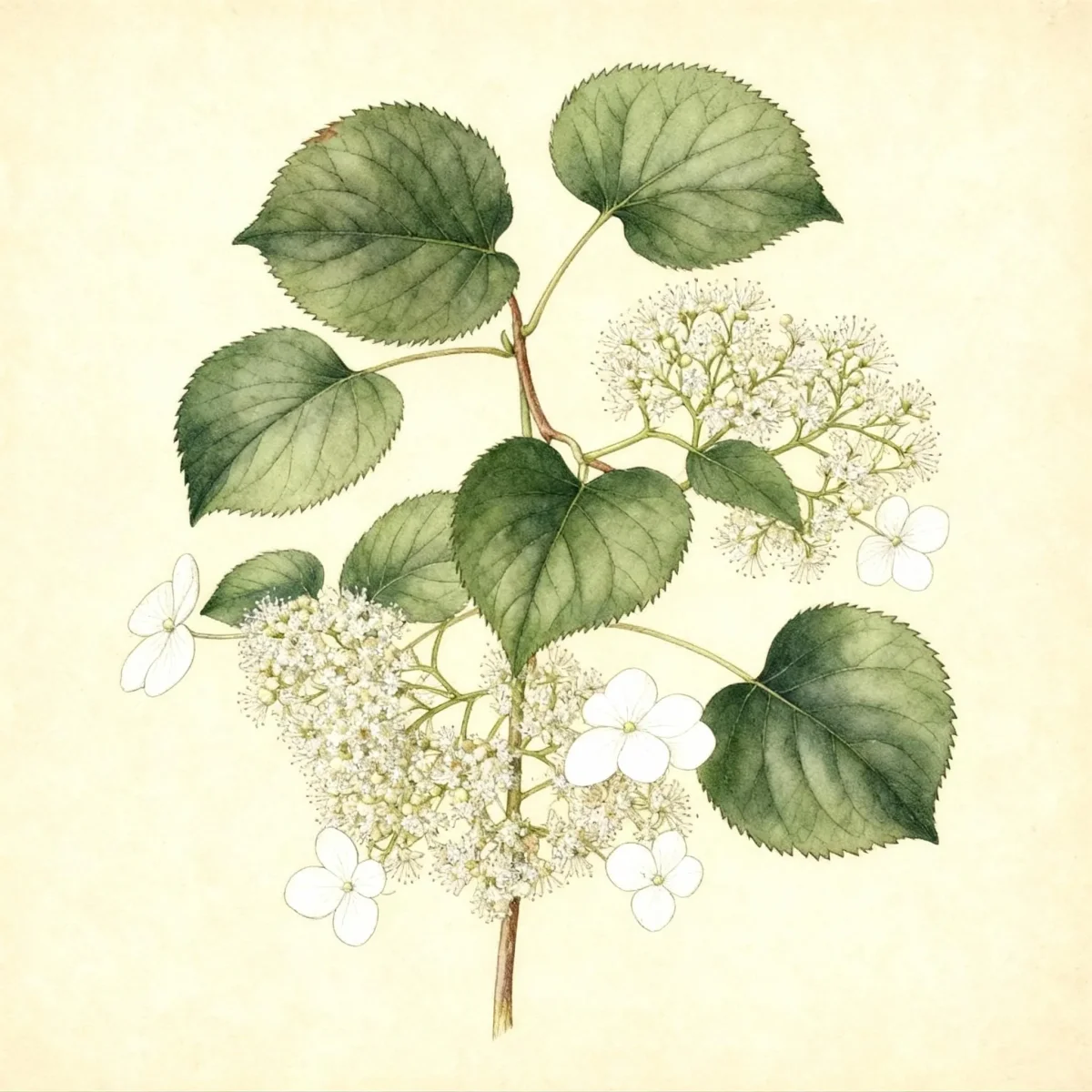
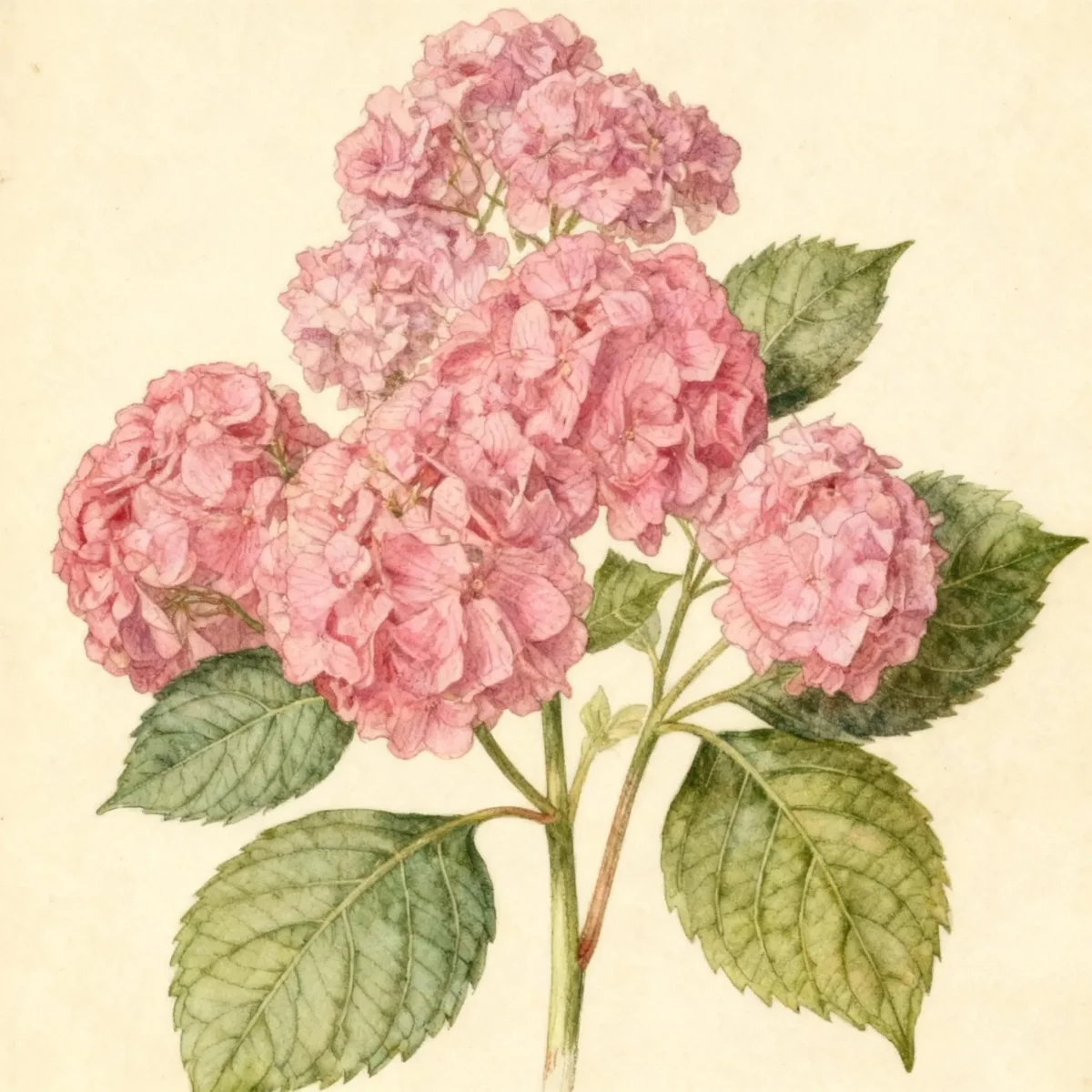
Japanese hydrangea vine (Schizophragma hydrangeoides 'Roseum')
Schizophragma hydrangeoides 'Roseum' is a vigorous, deciduous vine offering rare pink lace-cap blooms in summer shade gardens.
Scroll down to discover growing tips, care requirements, companion plants, and more
Complete Plant Information
Overview
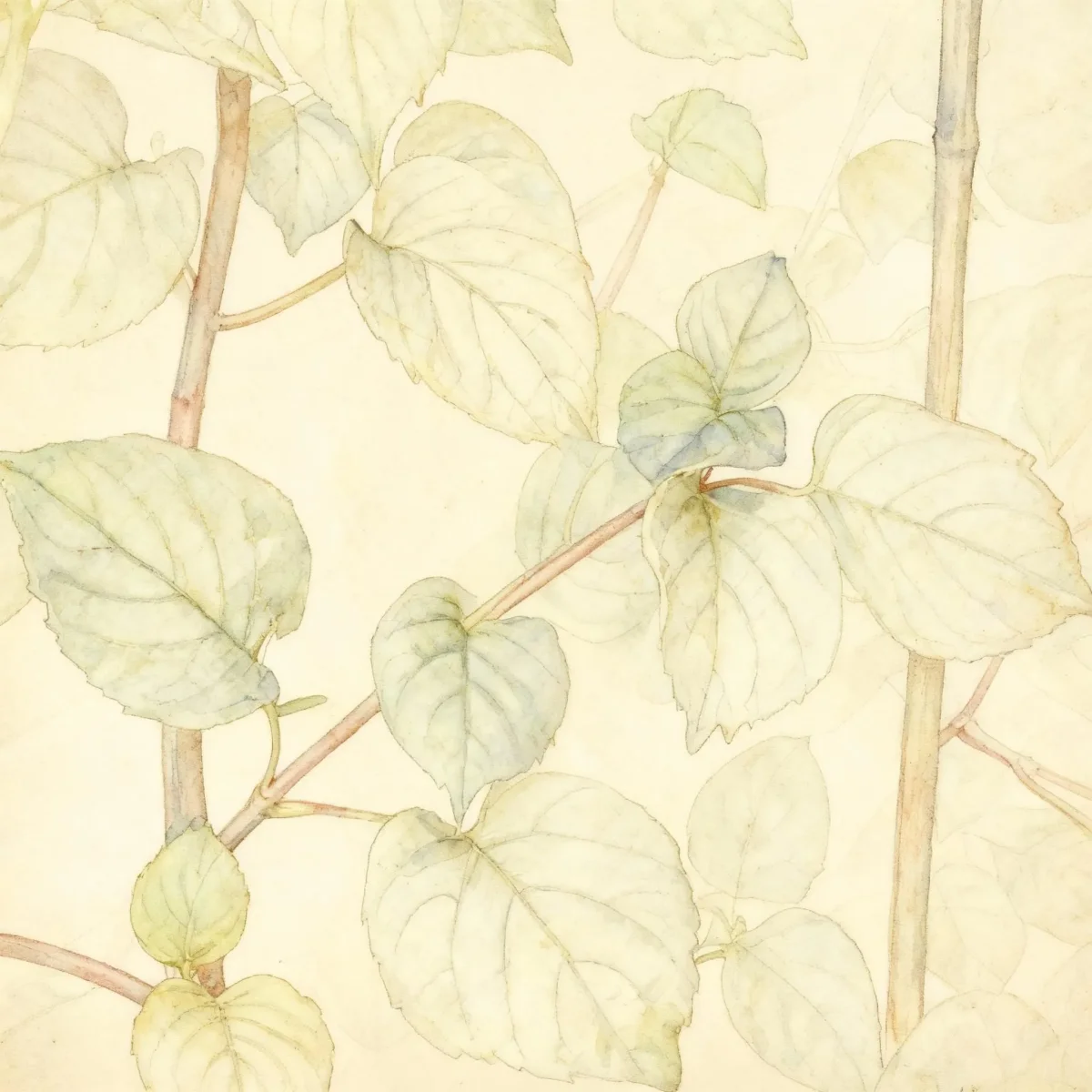
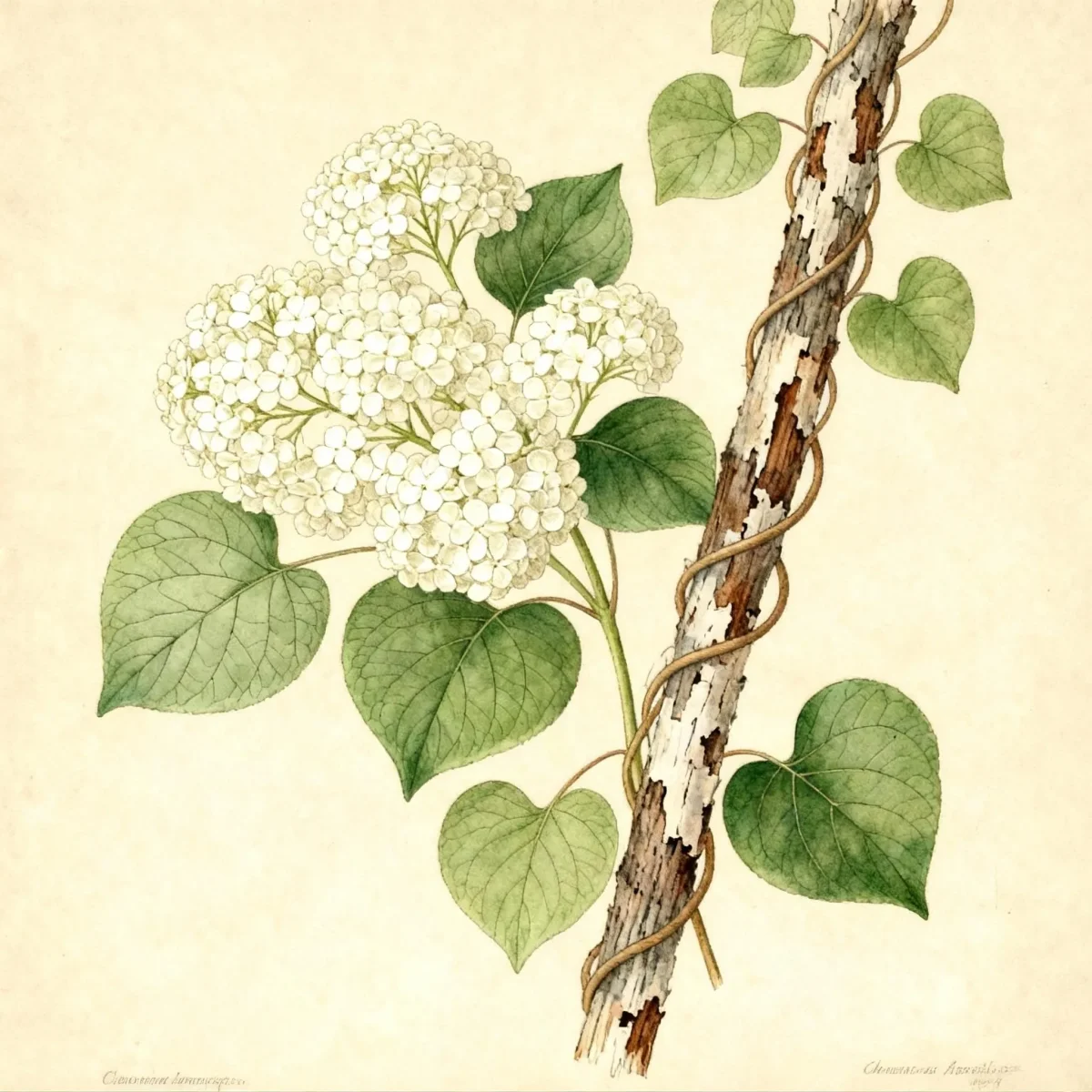
Schizophragma hydrangeoides ‘Roseum’, commonly known as the Japanese hydrangea vine, is a magnificent, deciduous woody climber perfect for vertical interest in shaded landscapes. This plant is highly valued for its lush, heart-shaped foliage and its striking summer flower displays, which provide color where few other large shrubs thrive. Reaching impressive heights, the Japanese hydrangea vine attaches securely to flat vertical surfaces using aerial rootlets, ideal for softening masonry walls or climbing mature trees.
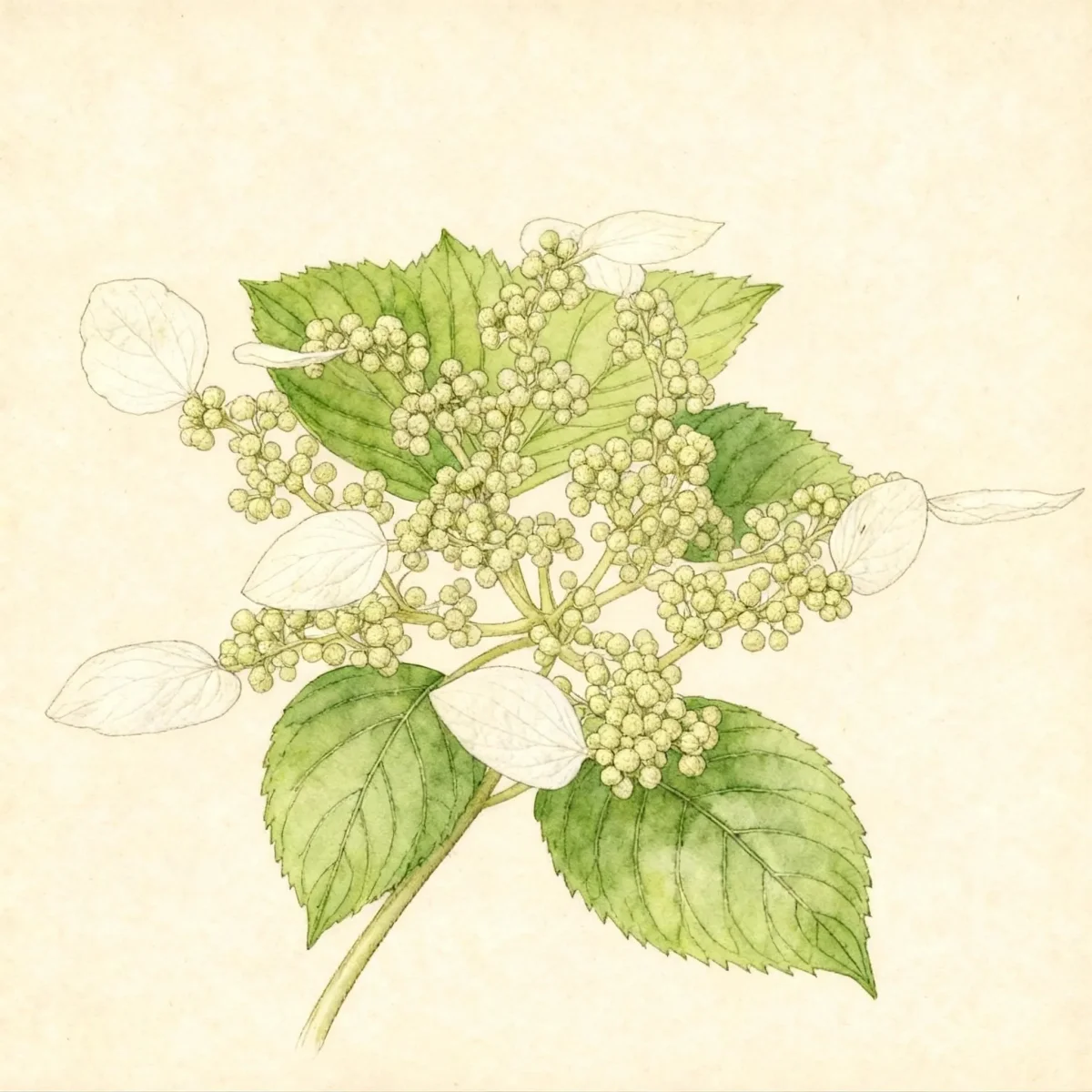
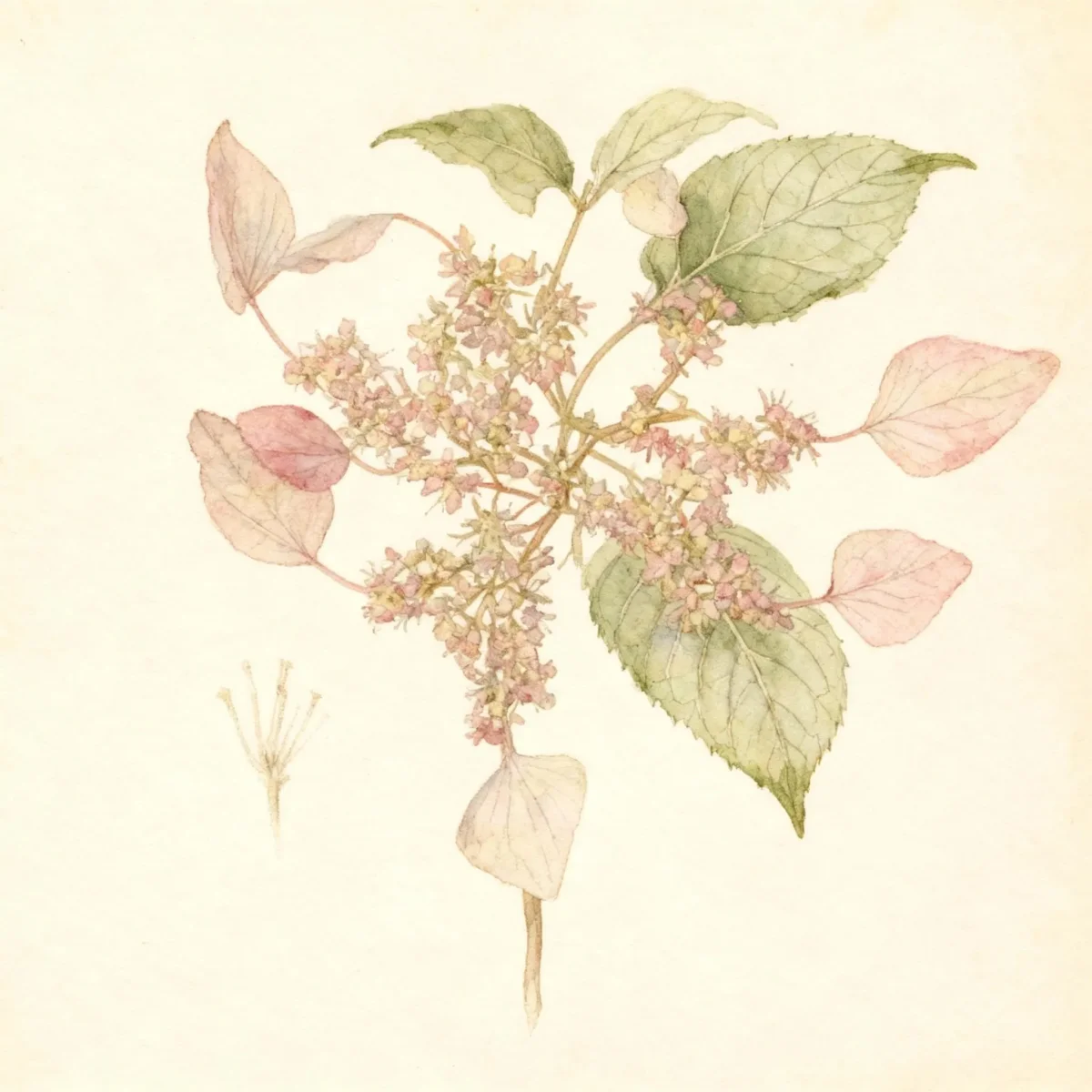
The cultivar ‘Roseum’ distinguishes itself by developing large, flat-topped flower clusters featuring showy florets highlighted by single, large, petal-like pink sepals, differing from the typical white varieties. While it establishes slowly, patience yields a spectacular tropical effect, transforming shaded walls with deeply textured leaves and delicate blooms between July and August. It demands rich soil and consistent moisture to reach its full potential as a stunning focal point.
Fast Facts
- Plant Family: Hydrangeaceae
- Plant Type: Vine
- Hardiness Zones: USDA Zones 5-9
- Size at Maturity:
- Height: 20-30 ft
- Spread: 6-9 ft
- Bloom Time: July to August
- Bloom Description: Pink
- Sun Exposure: Part shade to full shade
- Water Needs: Medium
- Maintenance Level: Medium
How to Grow
Plant Schizophragma hydrangeoides ‘Roseum’ in the spring or fall, allowing the plant time to establish before facing extreme summer heat or winter cold. Success relies heavily on site selection: the vine performs best in rich, medium moisture, well-drained soil. Incorporate compost into the planting area to ensure fertility and adequate drainage, especially important since this plant dislikes wet feet but needs consistent moisture.
Water the Japanese hydrangea vine regularly, especially during the first few years as establishment occurs. Once mature, it prefers medium water input, thriving in the consistent dampness often found under a dense tree canopy or against a shady wall. Fertilization is usually unnecessary if the soil is rich, but a spring application of balanced, slow-release fertilizer can support vigorous growth of Schizophragma hydrangeoides ‘Roseum’.
Routine maintenance involves structural pruning conducted in late winter or early spring before new growth begins. Systematically remove any dead, crowded, or errant stems to maintain the desired shape and prevent overcrowding. Remember that a mature specimen can spread 30 feet wide; when training it up a support structure like a wall or arbor, space new plants about 6 to 9 feet apart initially to allow for full development.
Landscape Uses
The primary aesthetic function of this climbing vine is to clothe imposing vertical surfaces. Utilize Schizophragma hydrangeoides ‘Roseum’ to scale tall masonry walls, rough tree trunks, or sturdy arbors where its adhesive rootlets can grip securely. This attachment method allows it to climb without heavy wire support, creating a seamless, living tapestry of pink blooms and dark green foliage through the summer months.
Beyond vertical applications, the Japanese hydrangea vine can be allowed to sprawl gracefully over low stone walls or large rock features in deeply shaded garden areas. This softens hardscaping elements dramatically. For companion planting, pair it with other shade-tolerant woodland beauties such as Hosta, Astilbe, or large, shade-loving ferns that share similar medium water requirements and benefit from the filtered light this vine appreciates.
Standout Features
Flower Qualities
- Showy
Noteworthy Characteristics
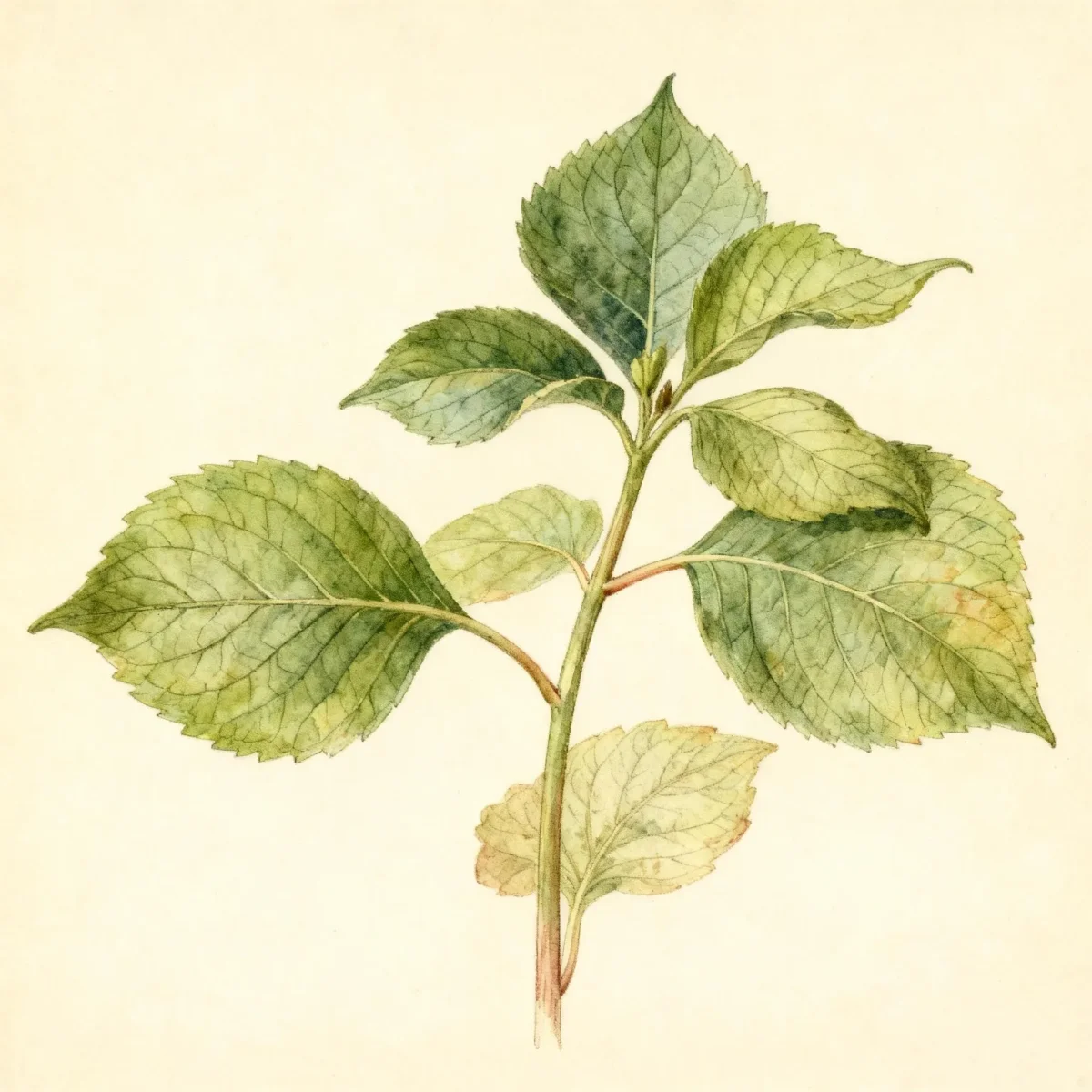
Schizophragma hydrangeoides, commonly called Japanese hydrangea vine, is a deciduous, woody-stemmed, climbing vine valued for its toothed, heart-shaped, deep green leaves and large, flat-topped, lace cap hydrangea-like clusters of pink flowers which bloom in early summer. Its reddish-brown stems offer visible structure during the winter season. The cultivar ‘Roseum’ specifically boasts pink sepals, contrasting beautifully with the serrate, deep green foliage.
Tolerances
- Heavy Shade
Potential Problems
This plant is generally admired for its lack of serious insect or disease problems, making it a relatively low-risk addition to the shaded garden. The most significant challenge reported for the Japanese hydrangea vine is often establishment time. Potential gardeners should note that it can be notably slow to establish roots and begin vigorous climbing compared to faster-growing vines.
To encourage establishment, ensure the soil remains consistently moist but never waterlogged during the first two to three growing seasons. Avoid disturbing the base of the plant once planted, as the delicate root structure must settle. Consistent medium moisture management is key to overcoming this initial slowness.
Frequently Asked Questions
What hardiness zones is Japanese hydrangea vine suitable for?
The Japanese hydrangea vine, Schizophragma hydrangeoides ‘Roseum’, is hardy and suitable for cultivation in USDA Zones 5 through 9.
How large does Schizophragma hydrangeoides ‘Roseum’ grow?
This vigorous vine typically achieves mature heights between 20 and 30 feet tall, with a spread ranging from 6 to 9 feet wide.
When does Japanese hydrangea vine bloom?
This plant produces its distinctive pink blooms during mid to late summer, generally flowering from July through August.
What sun exposure does Schizophragma hydrangeoides ‘Roseum’ need?
This vine flourishes best when sited in areas receiving part shade to full shade, making it an excellent choice for brightening dark spots in the garden.
Conclusion
The Schizophragma hydrangeoides ‘Roseum’ offers incomparable charm through its dedication to shade gardening, rewarding patient cultivators with stunning pink summer flowers and enduring textural foliage. Successfully integrating the Japanese hydrangea vine into your landscape hinges on providing rich, well-drained soil and consistent moisture. Before planting, confirm that your site falls within USDA Zones 5-9, and prepare a sturdy vertical surface for this spectacular eastern Asian native.
Companion Planting
When selecting companions for the Japanese hydrangea vine, prioritize plants that share its preference for medium moisture and filtered light exposure. Hostas, particularly those with large, textured leaves, create a robust ground layer beneath climbing specimens without competing intensely for root space. Heuchera (Coral Bells) also blend well, adding contrasting foliage colors like lime green or deep purple that stand out against the deep green leaves of the vine.
Consider incorporating shade-loving woodland perennials that peak at different times than the vine. Ferns, such as Japanese Painted Fern or Autumn Fern, offer delicate textures that contrast nicely with the broad, heart-shaped leaves of Schizophragma hydrangeoides ‘Roseum’. These combinations ensure continuous aesthetic appeal throughout the growing season in deep shade gardens.
Seasonal Care Calendar
Spring preparation is crucial for waking up your Japanese hydrangea vine. In early spring, conduct your primary pruning to remove any crossing branches or winter damage before new growth begins. Simultaneously, apply a balanced, slow-release fertilizer if your soil is not exceptionally rich, fueling the season’s growth.
Summer is a period of maintenance focused primarily on water management. Because this vine demands medium water needs, check soil moisture regularly, especially during dry spells, ensuring the root zone stays consistently damp. Avoid overhead watering if possible, instead directing water to the base of the plant to minimize fungal issues on the prolific summer blooms.
In the fall, allow the foliage to senesce naturally; avoid aggressive cleanup, as the reddish stems offer winter interest. Winter protection is typically unnecessary in Zones 5-9, provided the vine is well-established, though very young plants may benefit from a thick layer of mulch applied after the ground freezes.