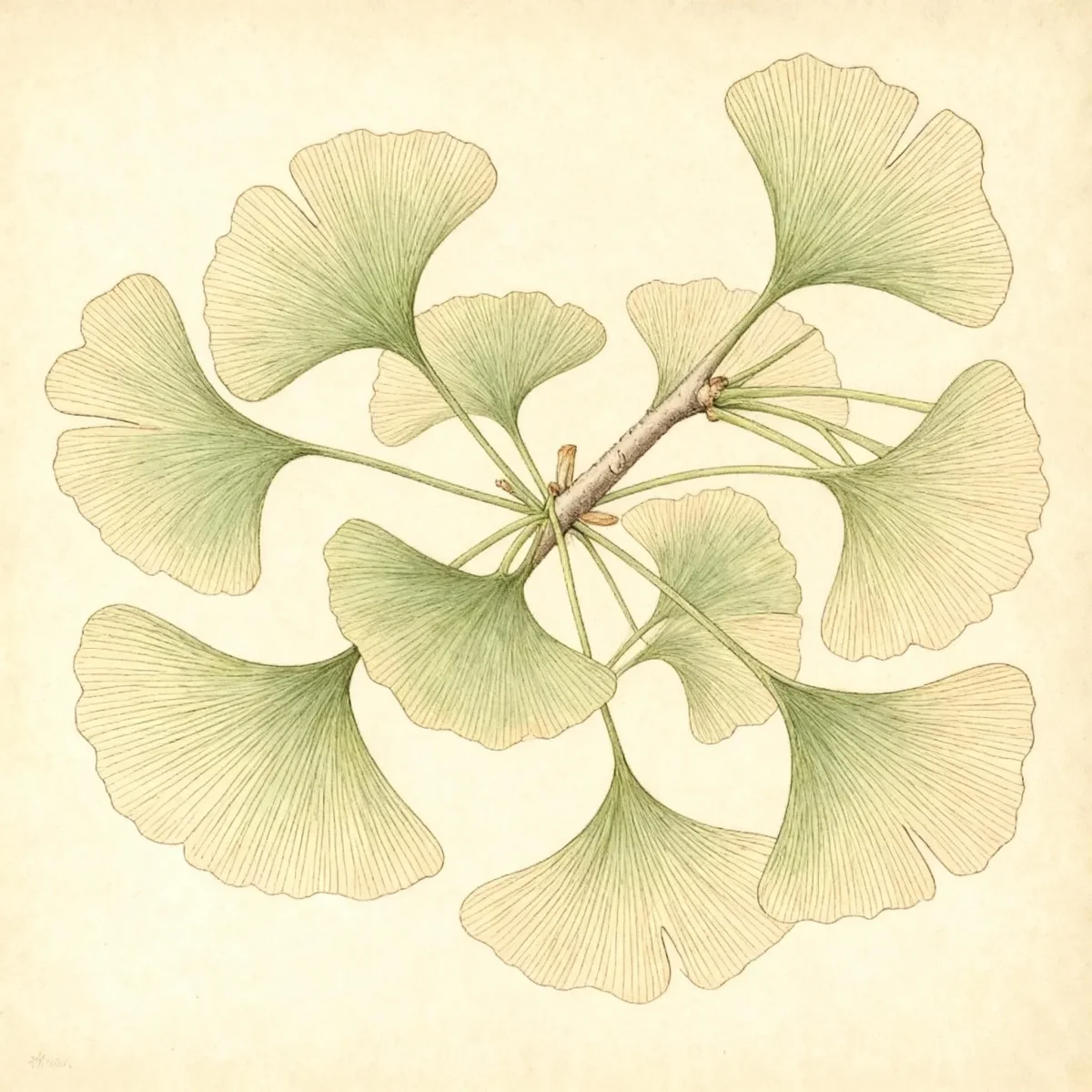
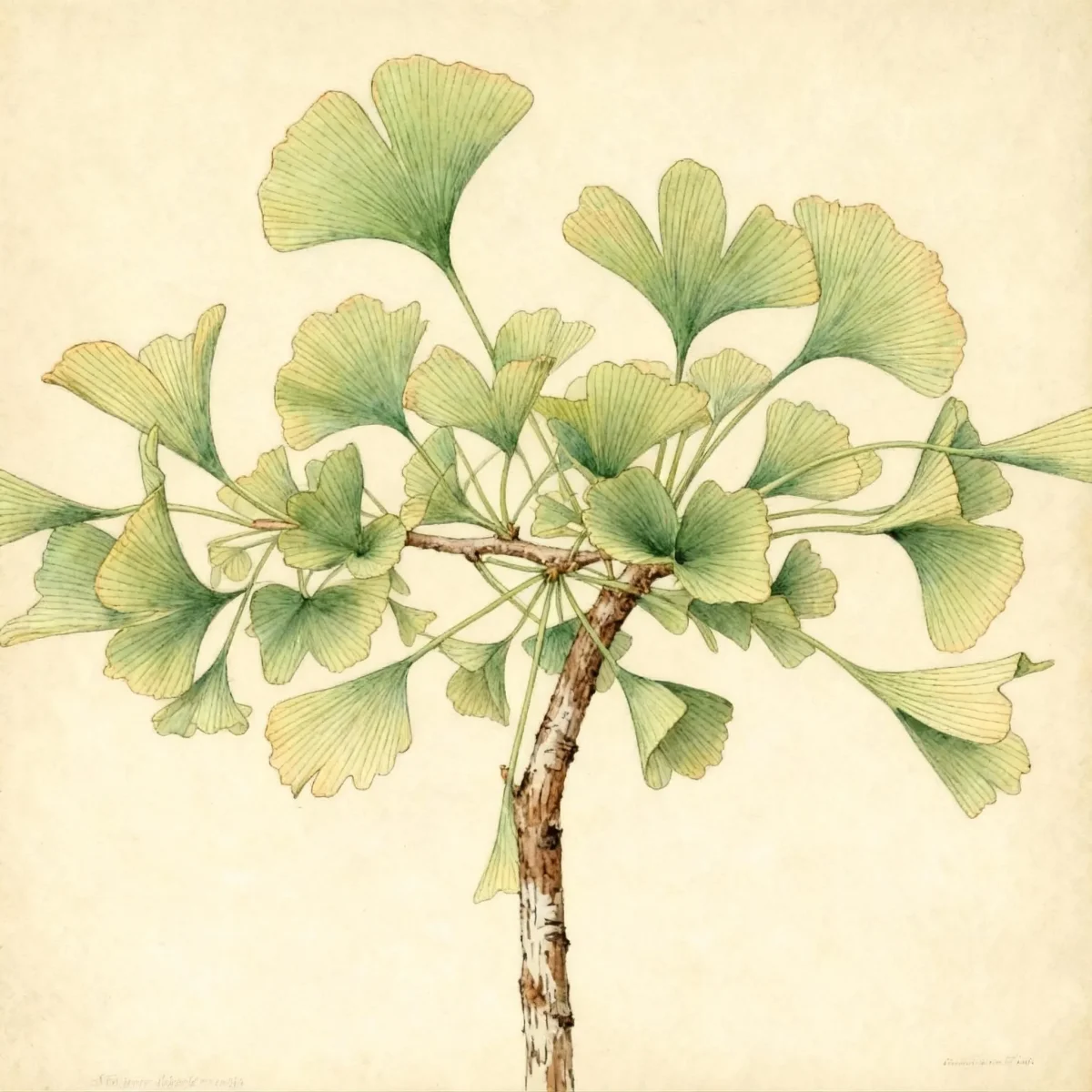
Maidenhair tree (Ginkgo biloba 'Chi-Chi')
Ginkgo biloba 'Chi-Chi' is a dwarf, dense Maidenhair tree forming a 4-5 ft mound perfect for foundations. Low maintenance.
Scroll down to discover growing tips, care requirements, companion plants, and more
Complete Plant Information
Overview
The Ginkgo biloba ‘Chi-Chi’ offers gardeners the ancient beauty of the Maidenhair tree in a manageable, dwarf shrub form. Unlike the towering standard Ginkgo, this cultivar remains compact, typically reaching only 4 to 5 feet tall and wide, making it highly desirable for smaller spaces. Its dense, mounded habit and slow growth rate ensure it maintains interest year-round without extensive pruning.
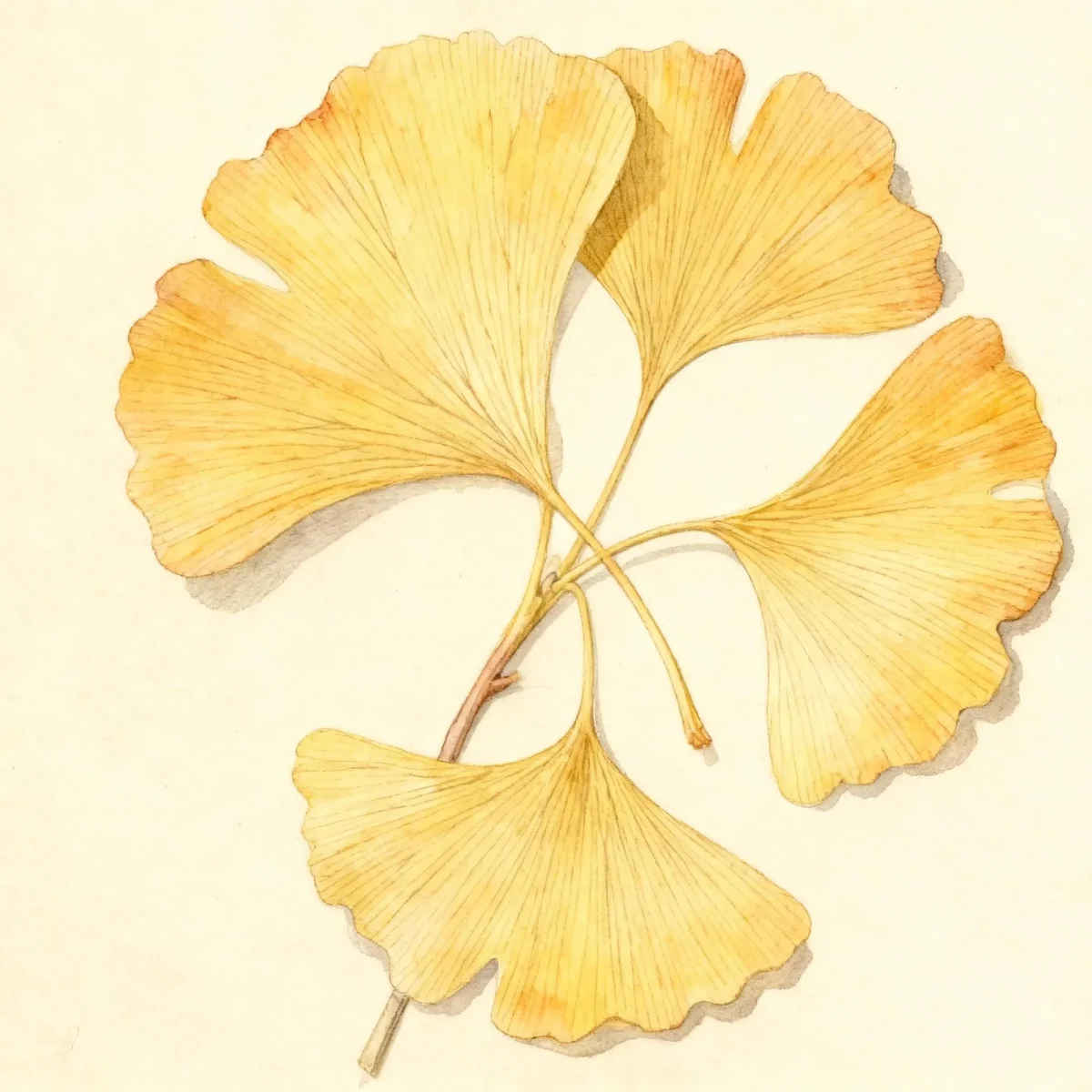
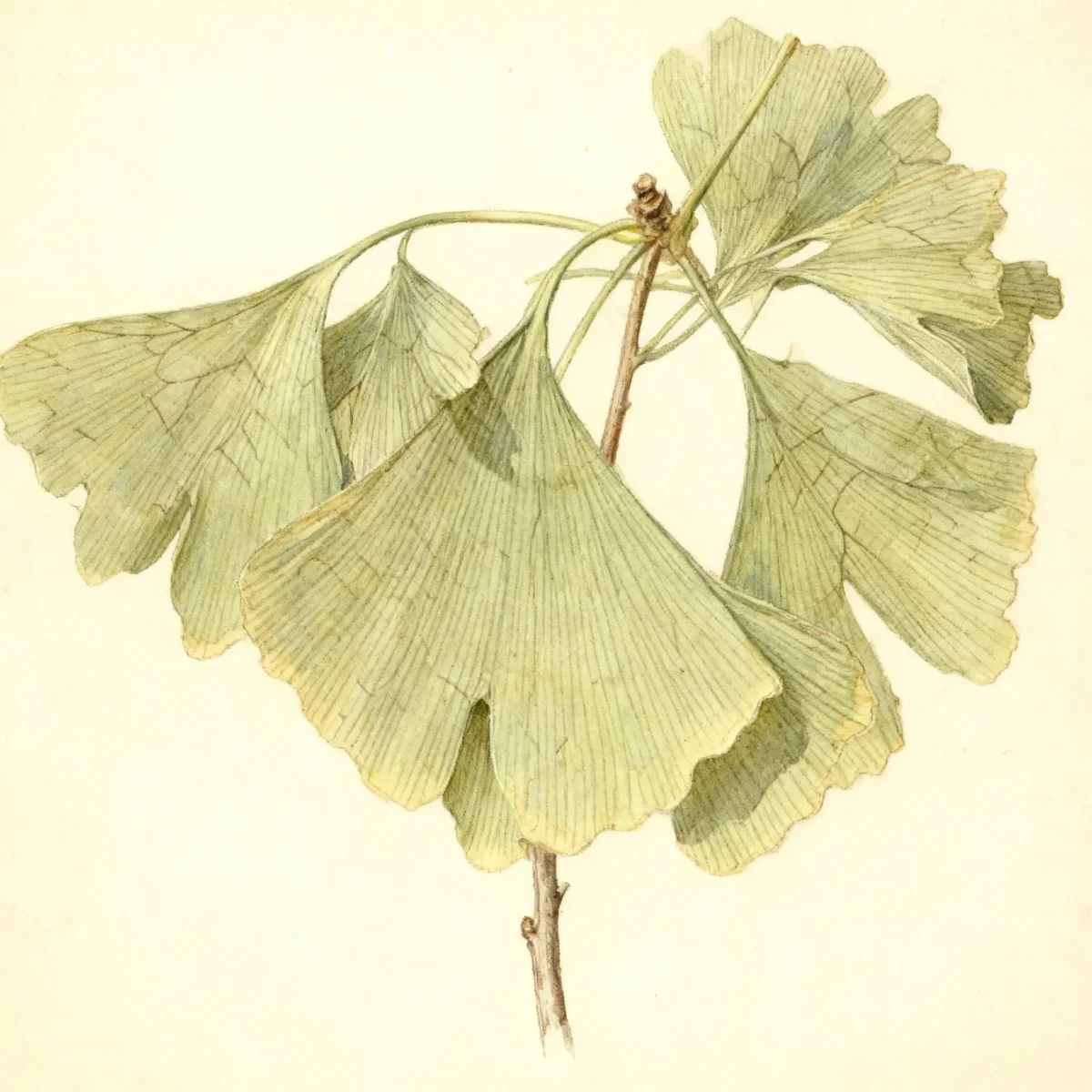
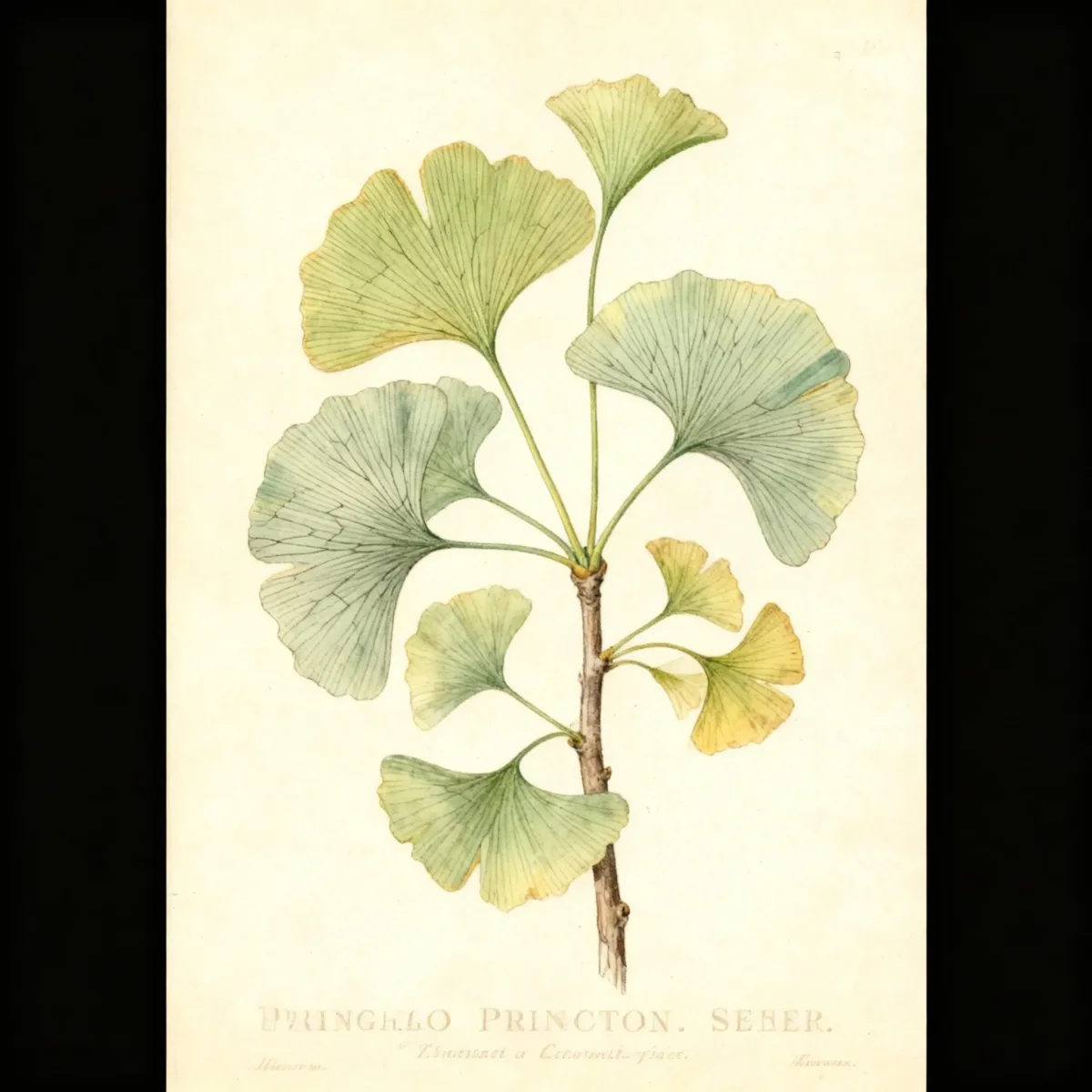
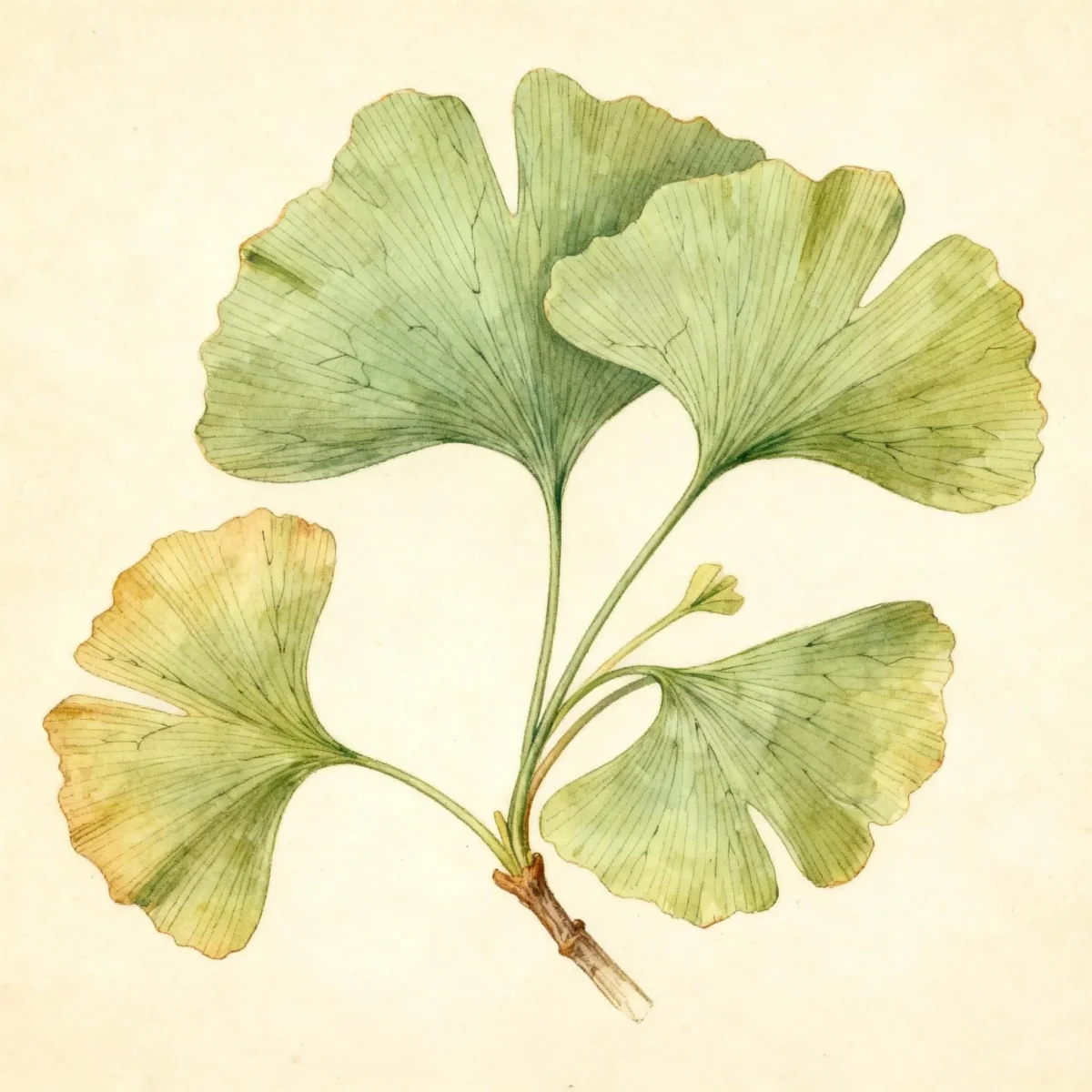
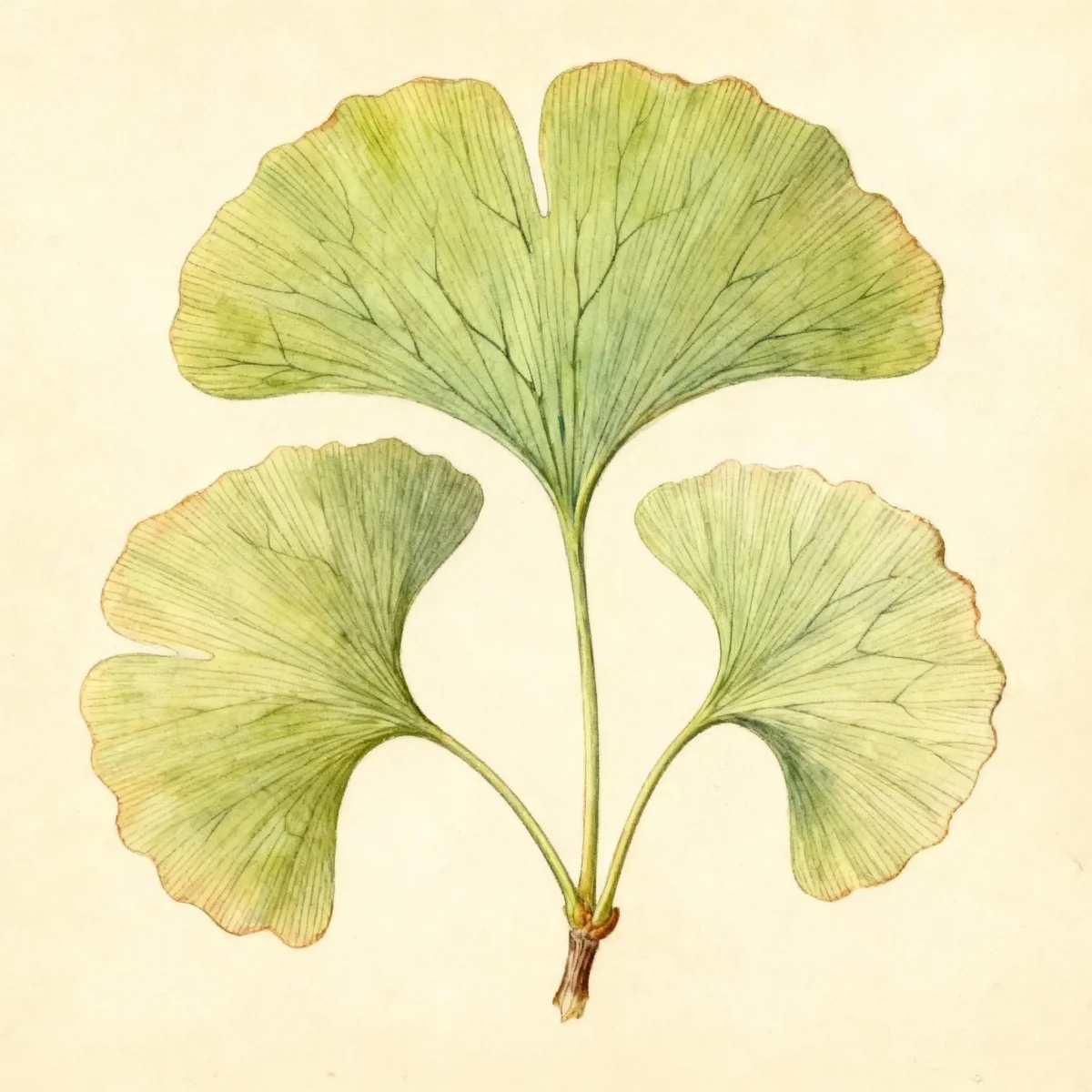
As a male clone, Ginkgo biloba ‘Chi-Chi’ avoids the messy fruit production associated with female Ginko trees, offering clean, seasonal interest. The fan-shaped, rich green leaves—reminiscent of maidenhair fern leaflets—provide excellent texture in the landscape. When autumn arrives, these leaves transition into a stunning, uniform golden yellow display.
This adaptable Maidenhair tree variety brings resilience to challenging sites. It tolerates poor soil, pollution, and saline conditions, establishing easily within USDA Zones 3 through 8. For gardeners seeking a hardy, urban-tolerant specimen that delivers prehistoric charm in a neat package, Ginkgo biloba ‘Chi-Chi’ is an outstanding choice.
Fast Facts
- Plant Family: Ginkgoaceae
- Plant Type: Deciduous shrub
- Hardiness Zones: USDA Zones 3-8
- Size at Maturity:
- Height: 4-5 ft
- Spread: 4-5 ft
- Bloom Time: April
- Sun Exposure: Full sun
- Water Needs: Medium
- Maintenance Level: Low
How to Grow
Planting the Ginkgo biloba ‘Chi-Chi’ is straightforward due to its robust nature. While it thrives in full sun, site location is crucial for establishing its slow growth habit. It adapts well to average, medium moisture soil but truly prefers moist, sandy, and well-drained conditions, though it tolerates compaction well. Proper spacing reflecting its mature 4 to 5-foot spread is important to maintain its desirable dense, rounded shape.
Routine care for this Maidenhair tree is minimal; it is a low-maintenance selection. Water consistently to maintain medium soil moisture, especially during the first few growing seasons while establishing roots. Fertilizing is rarely necessary unless the soil is extremely poor, as this ginkgo is highly adaptive. Pruning should be light and only done to shape the shrub, as its natural form is compact and mounded.
One impressive aspect of this cultivar is its environmental hardiness. It exhibits tolerance for saline conditions, heat, and significant air pollution, making it exceptionally well-suited for difficult urban environments where other ornamentals might struggle. Due to its slow development, gardeners should be patient; initial growth can sometimes appear sparse before the specimen fills out over several years.
Landscape Uses
The Ginkgo biloba ‘Chi-Chi’ excels where structure and year-round texture are needed without consuming vast amounts of space. Its defined, dense, rounded habit makes it perfect for use as a formal foundation planting immediately adjacent to structures, softening hard lines effectively. Consider planting several together to form a sophisticated, uniform low hedge that requires minimal shearing.
Beyond foundation borders, this dwarf ginkgo serves as an excellent architectural element in mixed shrub borders, providing reliable texture contrast against finer-leaved evergreens. Furthermore, due to its slow growth and manageable scale, Ginkgo biloba ‘Chi-Chi’ is highly regarded by enthusiasts for training as an interesting and long-lived bonsai specimen.
Standout Features
Flower Qualities
- Insignificant
Noteworthy Characteristics
The ancestor of this shrub, Ginkgo biloba, is famous as the only surviving member of an ancient plant group, often termed a “living fossil.” The cultivar Ginkgo biloba ‘Chi-Chi’ retains the species’ famous fan-shaped, two-lobed leaves which turn a brilliantly uniform golden yellow in the fall. Mature specimens of this dwarf form, usually after a decade, may develop unusual swellings or dormant bud clusters on the bark, which is referenced by its cultivar name.
Tolerances
- Deer
- Clay Soil
- Air Pollution
Potential Problems
This Maidenhair tree cultivar is highly resistant to major horticultural issues, boasting no serious insect or disease problems under normal conditions. The primary management concern is patience, as Ginkgo trees, including the ‘Chi-Chi’ dwarf, are typically slow-growing, meaning initial plantings may appear somewhat sparse. Avoid overwatering, especially in heavy clay, as while it tolerates clay soil, excessive moisture retention can lead to root issues in poorly drained spots.
Frequently Asked Questions
What hardiness zones is Maidenhair tree suitable for?
The Ginkgo biloba ‘Chi-Chi’ is adaptable across USDA Zones 3 to 8.
How large does Ginkgo biloba ‘Chi-Chi’ grow?
This dwarf shrub typically matures to a height and spread of 4 to 5 feet.
What sun exposure does Ginkgo biloba ‘Chi-Chi’ need?
This variety requires full sun exposure for the best health and dense growth habit.
When does Maidenhair tree bloom?
Flowering for the Maidenhair tree occurs seasonally in April.
Conclusion
The Ginkgo biloba ‘Chi-Chi’ offers unparalleled hardiness combined with a tidy, slow-growing form, making it an invaluable asset for low-maintenance landscapes and foundations. Its rich history as a living fossil, combined with brilliant yellow fall color, ensures that this Maidenhair tree provides year-round visual appeal. Before planting, confirm your site offers full sun and plan for its slow maturation speed to best integrate this exciting dwarf ginkgo into your garden design.
Companion Planting
When placing Ginkgo biloba ‘Chi-Chi’ in foundation plantings or borders, consider pairing it with plants that appreciate similar moisture and sun needs but offer contrasting textures. Coarse-textured evergreens, such as dwarf Mugo Pines or upright Junipers, placed behind the mounding Ginkgo can highlight its fan-shaped leaves. Alternatively, perennials that enjoy high pH or pollution tolerance, such as Russian Sage (Perovskia atriplicifolia) or certain ornamental grasses, fare well alongside its robust nature.
Seasonal Care Calendar
Spring is the optimal time to inspect your Maidenhair tree after winter protection, though extensive spring cleanup is usually unnecessary due to its low maintenance nature. Focus on initial watering if spring rains are scarce. Summer requires consistent monitoring of soil moisture; while established Ginkgo biloba ‘Chi-Chi’ is drought-tolerant, supplemental water during extended dry spells ensures continuous growth. In autumn, enjoy the fantastic golden foliage, but be aware that this cultivar will drop its leaves cleanly, unlike the messy female types. Winter preparation is minimal; ensure the roots are not waterlogged before a hard freeze, especially when young.