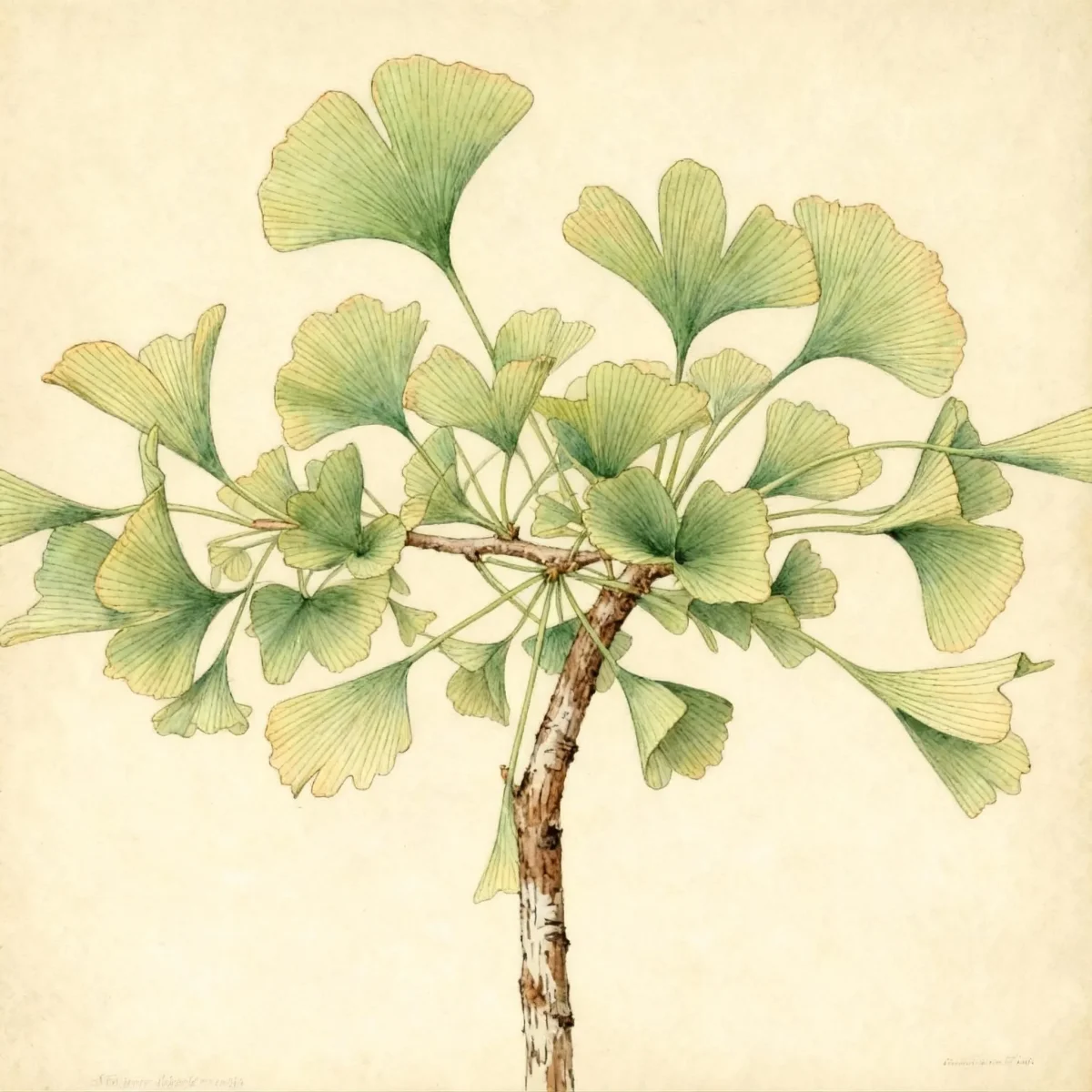
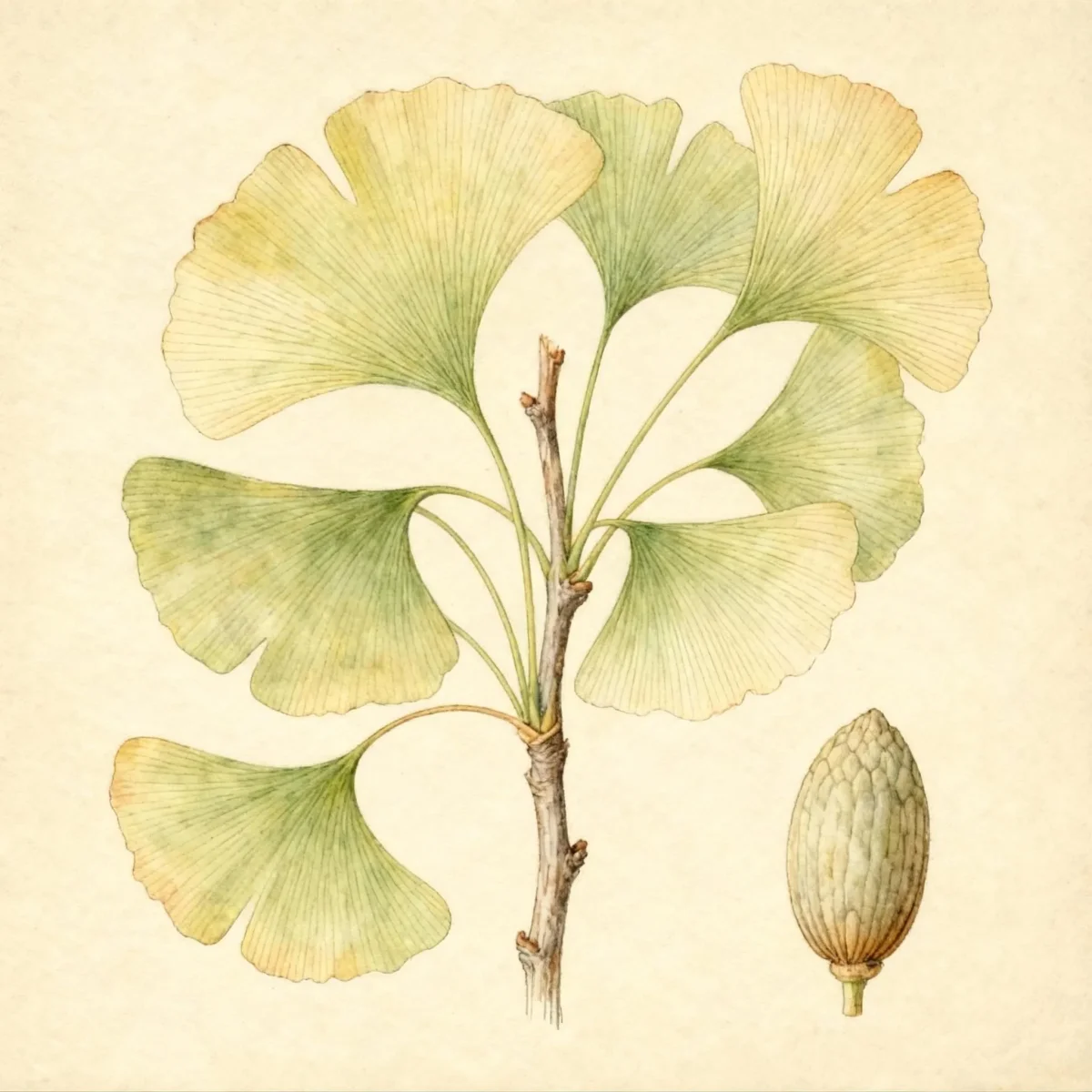
Maidenhair tree (Ginkgo biloba 'Fastigiata')
The columnar Ginkgo biloba 'Fastigiata' offers dramatic vertical accent, turning brilliant yellow in fall. Low maintenance and highly tolerant of urban pollution.
Scroll down to discover growing tips, care requirements, companion plants, and more
Complete Plant Information
Overview
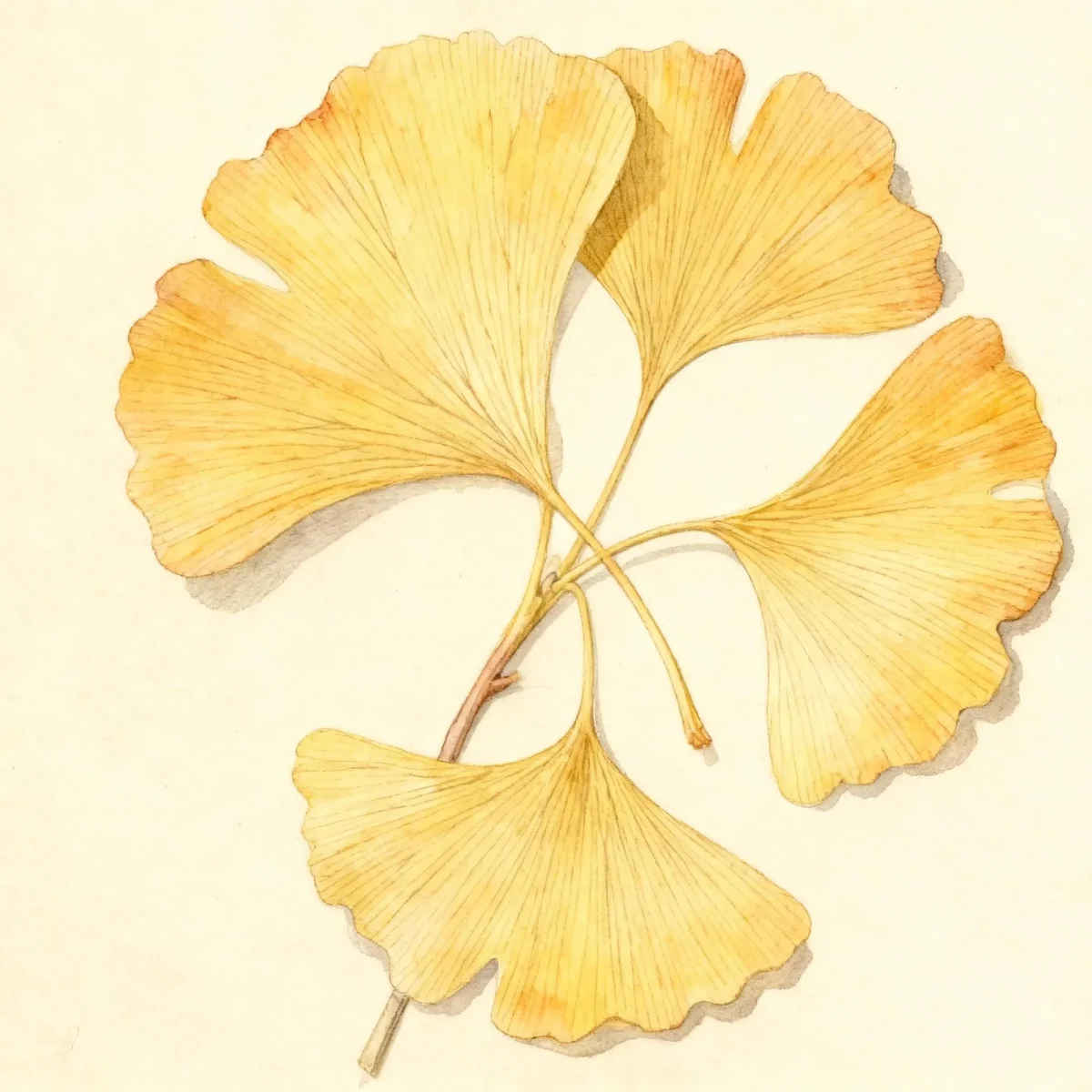
The Ginkgo biloba ‘Fastigiata’ cultivar provides a magnificent architectural element for landscapes needing strong vertical lines. This unique form of the ancient Maidenhair tree maintains a tight, upright, narrowly conical habit, allowing it to fit into smaller horizontal spaces where wider shade trees cannot thrive. As a celebrated deciduous specimen, it stands out due to its fan-shaped, rich green leaves that transform into a spectacular, uniform golden yellow display each autumn.
This specific cultivar is highly valued for its hardiness and minimal care requirements, making the Maidenhair tree an excellent choice for challenging environments. It readily adapts to various soil conditions, including clay, compacted substrates, and areas affected by air pollution, reinforcing its role as a reliable urban standard. Furthermore, nurseries predominantly sell all-male clones, ensuring gardeners enjoy the stunning fall foliage without the messy, noxious fruit associated with female Ginkgo trees.
Cultivating Ginkgo biloba ‘Fastigiata’ offers the benefit of planting a living fossil, offering a connection to prehistoric flora combined with modern landscape utility. Its slender profile ensures it serves effectively as a stately specimen tree, a formal accent, or even for creating tall, narrow screens.
Fast Facts
- Plant Family: Ginkgoaceae
- Plant Type: Tree
- Hardiness Zones: USDA Zones 3-8
- Size at Maturity:
- Height: 30-50 ft
- Spread: 10-15 ft
- Bloom Time: April
- Bloom Description: Green
- Sun Exposure: Full sun
- Water Needs: Medium
- Maintenance Level: Low
How to Grow
For optimal establishment, plant Ginkgo biloba ‘Fastigiata’ during the dormant season—either early spring before bud break or late fall after leaf drop. Choose a location that provides full sun exposure, as insufficient light will diminish the intensity of the famed autumn color. While easily grown in average soil, it particularly thrives in moist, sandy, well-drained conditions.
Establishment requires consistent watering, treating its needs as medium until the root system develops. Once mature, the tree exhibits moderate drought and heat tolerance, though supplemental water during prolonged dry spells is always beneficial. Low maintenance is a hallmark of this species; fertilization is rarely needed unless soil analysis indicates a severe deficiency. Avoid heavy pruning, as the fastigiate shape should be encouraged; only remove crossing or damaged limbs when absolutely necessary.
One of the greatest advantages of this Maidenhair tree is its exceptional resilience. It easily handles compacted soils, alkaline or acidic pH swings, and the high salinity and exhaust fumes typical of city environments. This wide range of tolerances means careful choice of planting site is less demanding than for many other specimen trees.
Landscape Uses
The upright, columnar habit of Ginkgo biloba ‘Fastigiata’ is its most significant feature for landscape architects and home gardeners alike. These fastigiate forms provide superb vertical accents, drawing the eye upward in formal plantings or narrow borders where lateral spread is restricted. Use them to flank gateways or line avenues where a living, narrow screen is desired, recalling the function historically filled by Lombardy Poplars but with superior evolutionary pedigree.
Because of its stately, narrow stature, this Ginkgo works exceptionally well in tighter urban settings, near property lines, or integrated into modern, minimalist designs where clean lines are prioritized. It makes an excellent singular specimen tree in smaller lawns or courtyards, reliably delivering dramatic fall color without dominating the breadth of the garden space. While it excels alone, pair it with low-growing, broadleaf shrubs that contrast its fine texture in the spring and summer.
This selection is specifically recommended for use as a street tree due to its proven ability to shrug off air pollution and heat stress. Its strong, upward branching structure resists wind damage and maintains its shape beautifully throughout the growing season, solidifying its role as a highly functional and beautiful addition to commercial or municipal landscapes.
Standout Features
Flower Qualities
- Insignificant
Noteworthy Characteristics
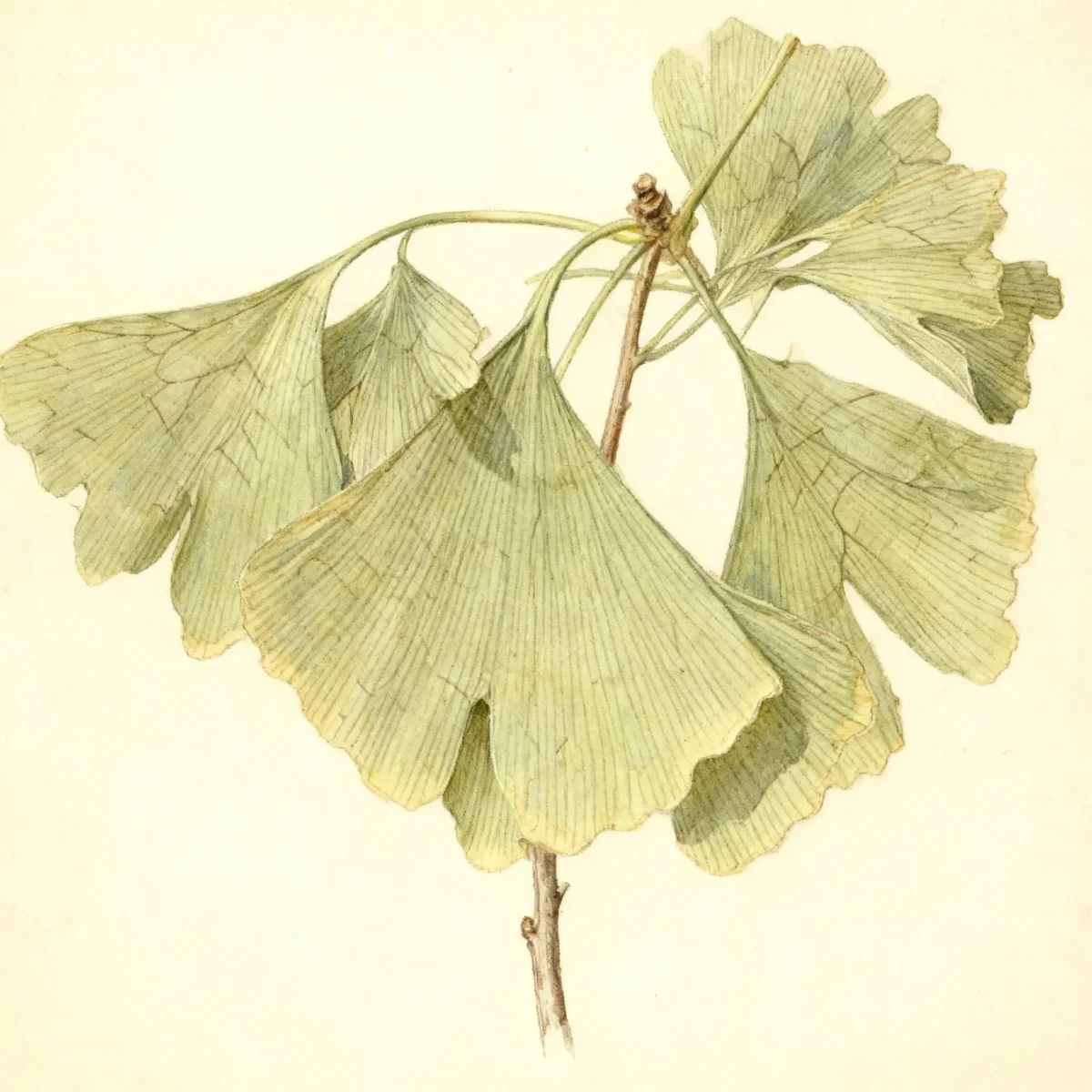
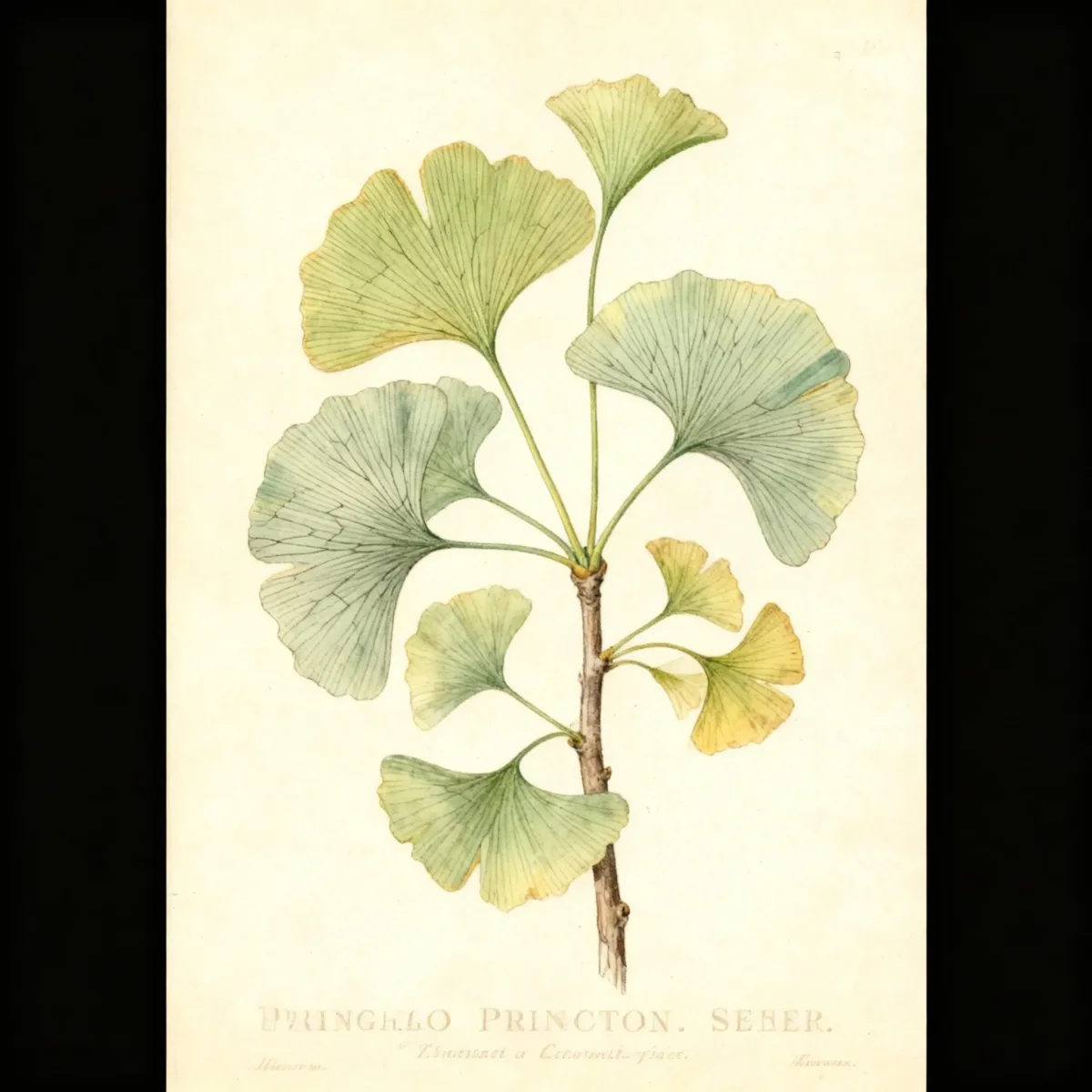
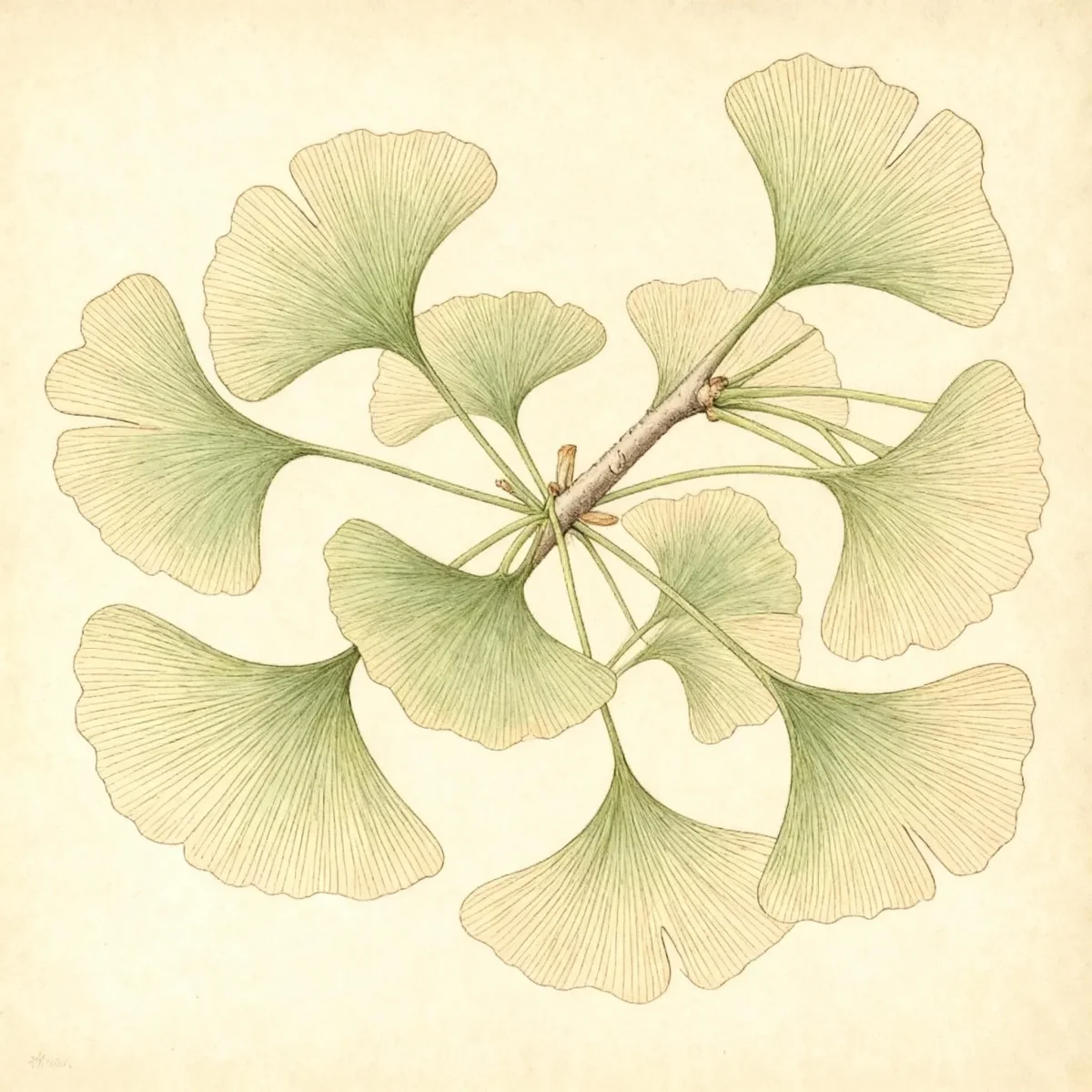
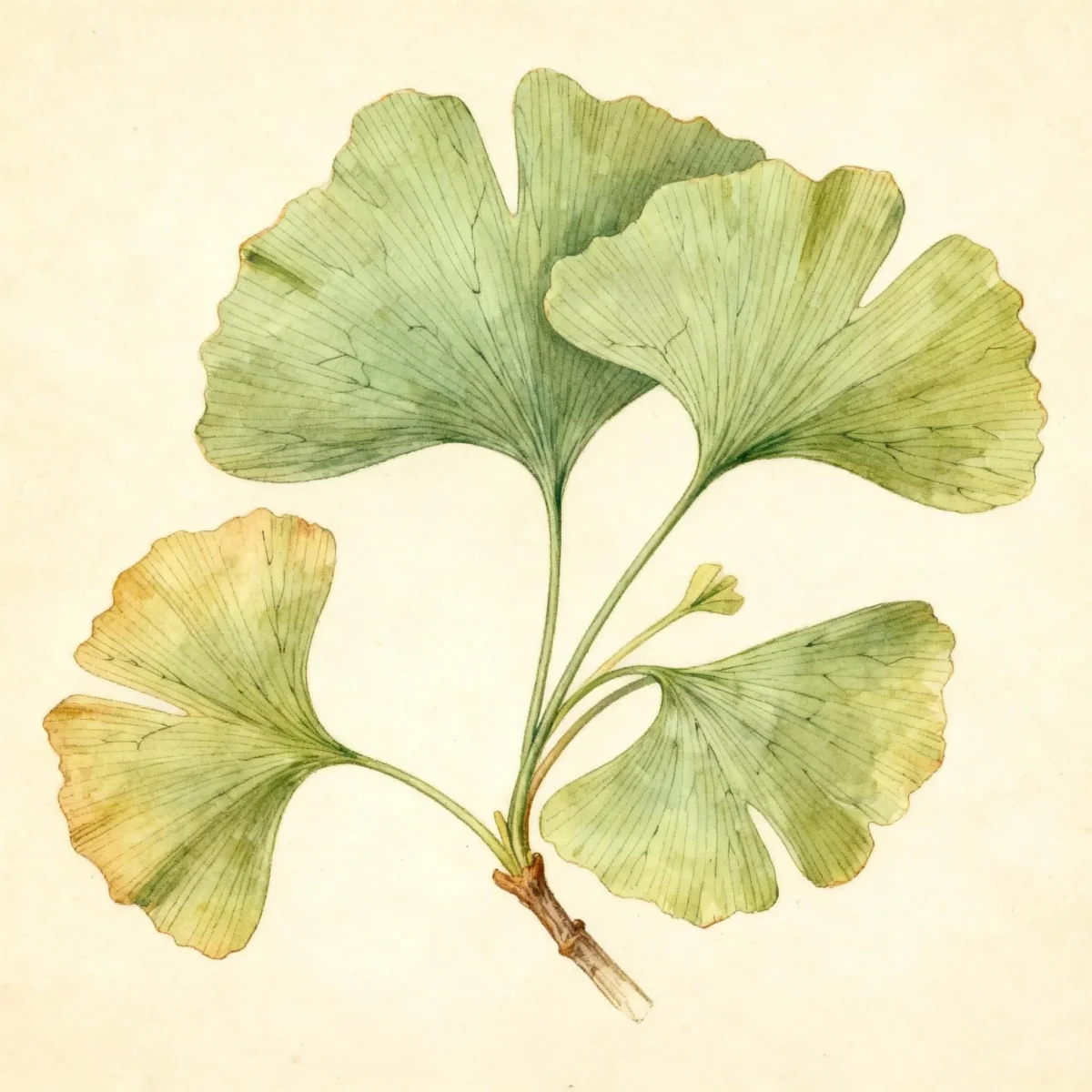
Ginkgo biloba is a large, deciduous tree that matures to 100’ tall and is considered to be a living fossil. It features distinctive two-lobed, somewhat leathery, fan-shaped, rich green leaves with diverging veins that turn bright yellow in fall. Fastigiate clones like ‘Fastigiata’ typically grow 30-50’ tall with upright, narrowly conical habits. When the leaves drop, they do so rapidly, creating a stunning, uniform golden carpet beneath the tree.
Tolerances
- Deer
- Clay Soil
- Air Pollution
Potential Problems
Serious insect or disease problems are rarely encountered with Ginkgo biloba ‘Fastigiata’, contributing significantly to its low maintenance profile. Occasionally, initial growth can appear sparse as the tree focuses energy on establishing its deep root system, which can lead observers to mistakenly believe the tree is unhealthy. Gardeners should practice patience during the first few years; established specimens display robust health and excellent longevity.
The primary concern related to Ginkgo involves cultivar selection—gardeners should always confirm they are purchasing a male selection, such as this one, to avoid the foul odor produced by decaying fruit from unseen female trees in the autumn. No routine pest monitoring beyond noting general tree health is usually required.
Frequently Asked Questions
What hardiness zones is Maidenhair tree suitable for?
The exceptionally adaptable Ginkgo biloba ‘Fastigiata’ is suitable for USDA Hardiness Zones 3 through 8.
How large does Ginkgo biloba ‘Fastigiata’ grow?
This columnar Maidenhair tree typically achieves a mature height between 30 and 50 feet, with a relatively narrow spread of only 10 to 15 feet.
What sun exposure does Ginkgo biloba ‘Fastigiata’ need?
This tree requires full sun exposure to develop its best form and most brilliant golden fall color.
When does Maidenhair tree bloom?
Flowering occurs in April, producing inconspicuous green blooms.
Conclusion
The Ginkgo biloba ‘Fastigiata’ stands out in the landscape palette for combining unique evolutionary history with unmatched urban tolerance and striking formal architecture. Its low-maintenance needs, combined with the spectacular golden autumn display, secure its status as a garden champion. Before planting, ensure your site receives ample sunlight and confirm that zonal compatibility falls between USDA Zones 3 and 8 for success with this magnificent, columnar Maidenhair tree.
Companion Planting
When planning a site around the columnar Ginkgo, complement its early summer texture with plants that share its tolerance for urban stresses. Consider pairing lower-growing, tough shrubs like certain Juniper cultivars or Mugo Pine near the base to maintain year-round structure. Since the Ginkgo leafs out relatively late in spring, early-flowering bulbs, such as high-performing Daffodils or species Tulips, can provide seasonal interest before the rich green fans of the Ginkgo biloba ‘Fastigiata’ fully emerge.
Design Ideas for Verticality
The primary design function of Ginkgo biloba ‘Fastigiata’ is providing vertical relief. Use single specimens near entryways to create focal points that don’t protrude into pedestrian traffic areas. Planting them in a tight row creates an excellent architectural screen or allee; these trees offer a stately alternative to traditional, faster-growing columnar evergreens. Ensure clear sightlines are maintained when planting the Maidenhair tree, celebrating its strong central leader and slender profile.