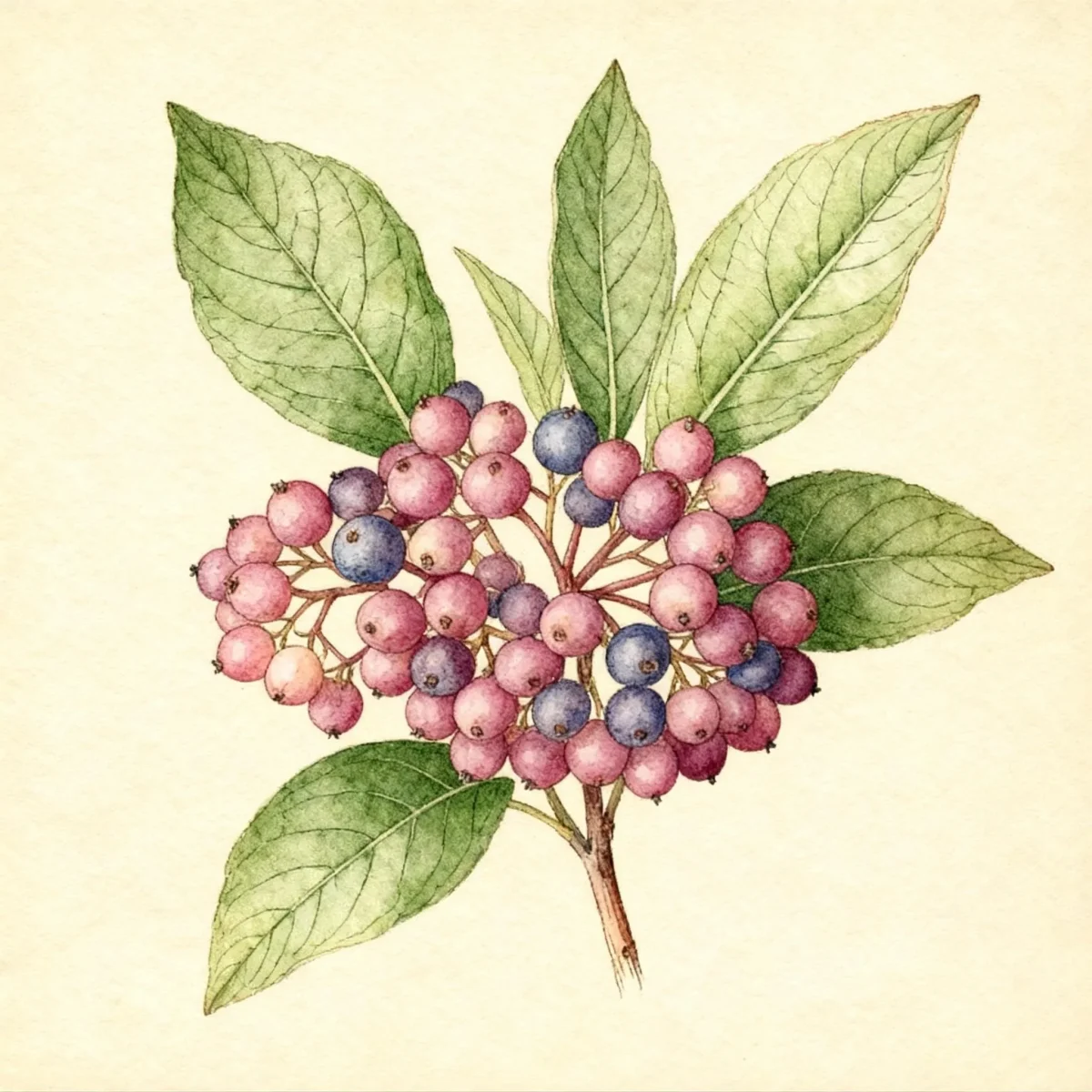
Black elder (Sambucus nigra 'Guincho Purple')
Sambucus nigra 'Guincho Purple' (Black elder) is a striking deciduous shrub offering purple foliage, fragrant blooms, and edible fruit clusters.
Scroll down to discover growing tips, care requirements, companion plants, and more
Complete Plant Information
Overview
Sambucus nigra ‘Guincho Purple’, commonly known as Black elder, is a magnificent cultivar prized for its ornamental foliage that emerges purple in spring before maturing through summer. This large, upright, deciduous shrub provides significant structural interest in the landscape, reaching heights between 8 and 15 feet. Beyond its handsome leaves, this variety offers fragrant summer blooms followed by clusters of attractive black-purple berries, making the Sambucus nigra ‘Guincho Purple’ highly functional.
This cultivar rewards attentive care, as it requires high maintenance to look its best, especially regarding pruning. While it readily spreads by root suckers, controlling this habit keeps the shrub dense and attractive. Gardeners seeking bold color, seasonal edibles, and wildlife appeal will find the Black elder to be a robust choice, provided its moisture requirements are met.
Fast Facts
- Plant Family: Adoxaceae
- Plant Type: Deciduous shrub
- Hardiness Zones: USDA Zones 5-8
- Size at Maturity:
- Height: 8-15 ft
- Spread: 8-15 ft
- Bloom Time: June to July
- Bloom Description: White with pink tinge
- Sun Exposure: Full sun to part shade
- Water Needs: Medium to wet
- Maintenance Level: High
How to Grow
Plant Sambucus nigra ‘Guincho Purple’ in well-drained soils, situated where it receives full sun for the best coloration and growth, though it tolerates part shade. While this Black elder tolerates a wide range of soils, it thrives best in moist, humusy conditions, demanding medium to wet water availability year-round. This plant establishes well when planted in the spring or fall, avoiding the height of summer heat.
Maintenance for Sambucus nigra ‘Guincho Purple’ is considered high, primarily due to its vigorous spreading nature via root suckers. If you wish to prevent rapid colonization, consistently prune away suckers as soon as they appear. Pruning is also essential for aesthetics; plants left unpruned can quickly look weedy. Utilize late winter or early spring pruning to address dead stems, shorten one-year-old wood, or rejuvenate the entire plant by cutting it back to the ground. Regular pruning of the foliage specifically promotes the growth of fresh, deeper purple leaves.
Though the plant is self-pollinating, consider planting another elder cultivar nearby to increase the yield of edible fruits. Be proactive about maintaining proper soil moisture, especially during dry spells, to sustain the lush foliage and vigorous growth characteristic of this Black elder cultivar.
Landscape Uses
The dramatic purple foliage makes Sambucus nigra ‘Guincho Purple’ an excellent choice for using as an accent shrub in informal garden settings where its size can be accommodated. Due to its preference for moist soil, it naturally excels when sited in rain gardens or areas slightly wetter than average landscape spots. When used as a screen or hedge, regular pruning will be necessary to maintain a formal shape, though for a more naturalized look, allow the root suckers to form colonies in a background position.
Its bold texture and seasonal flowering also make it a wonderful specimen plant where its color can contrast sharply with fine-textured green or yellow foliage plants. If you desire the edible fruit, ensure the site is accessible for harvesting the attractive black-purple berries in late summer. The prolific flowers and subsequent fruit are highly attractive to local birds and beneficial wildlife.
Standout Features
Flower Qualities
- Showy
Fruit Qualities
- Showy
- Edible
Noteworthy Characteristics
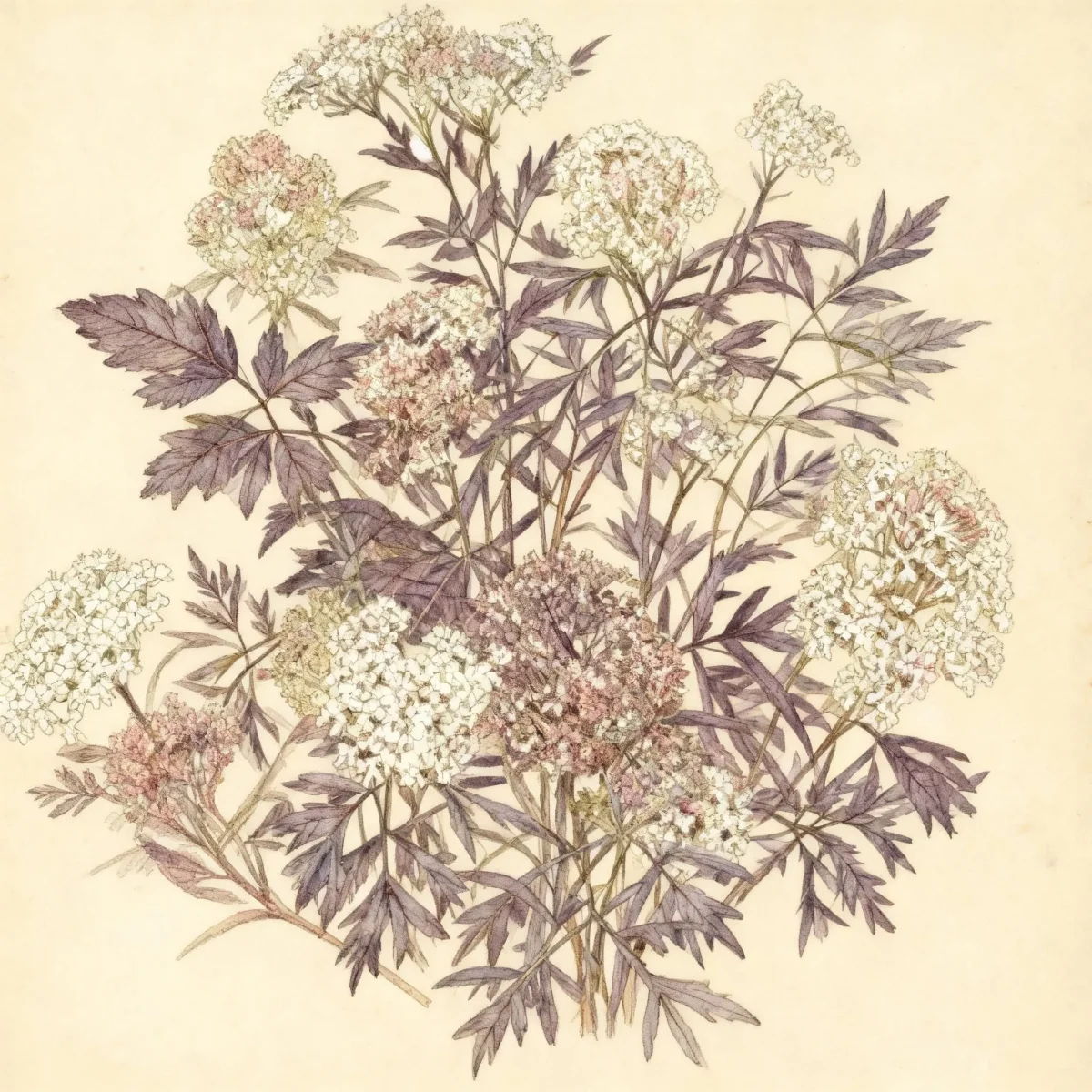
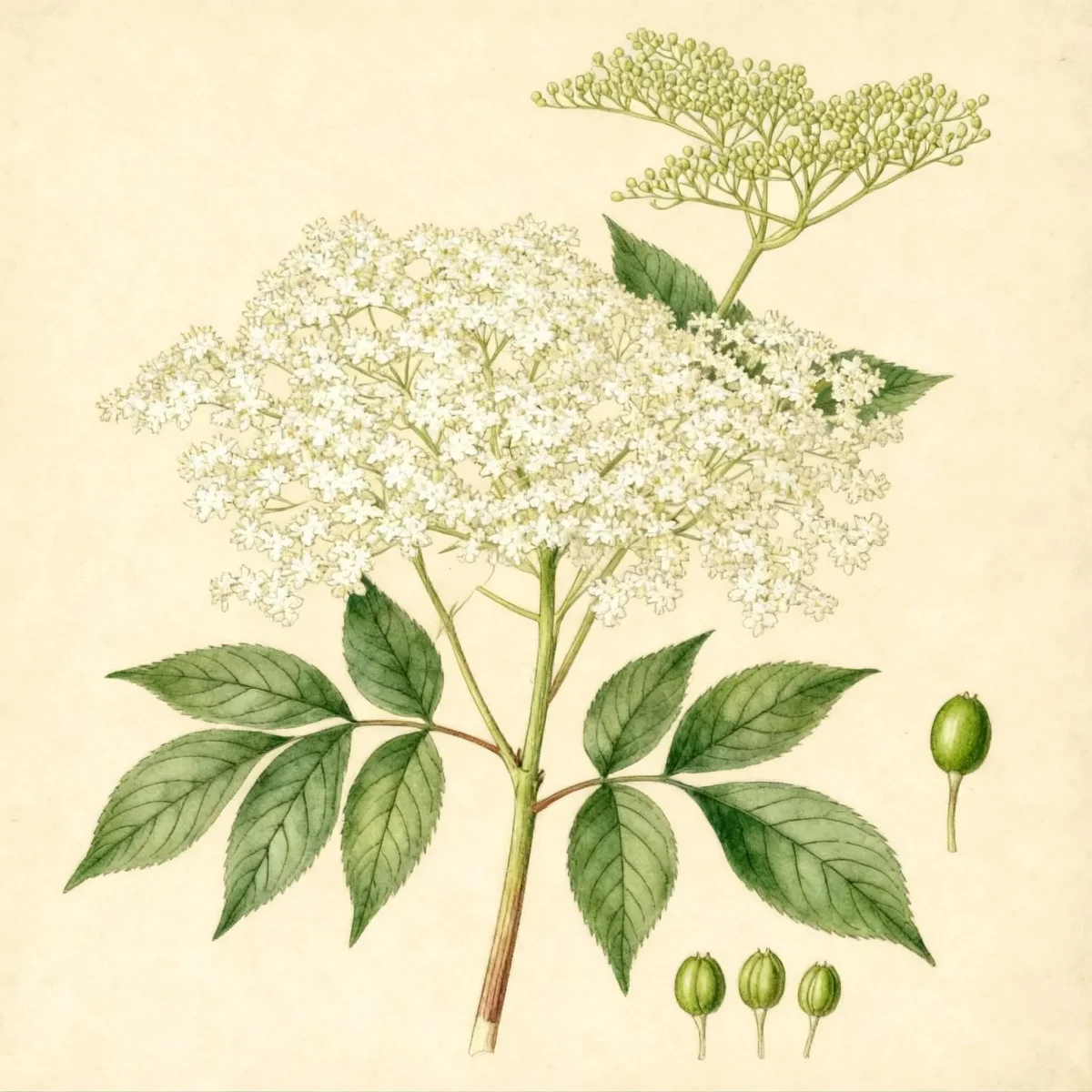
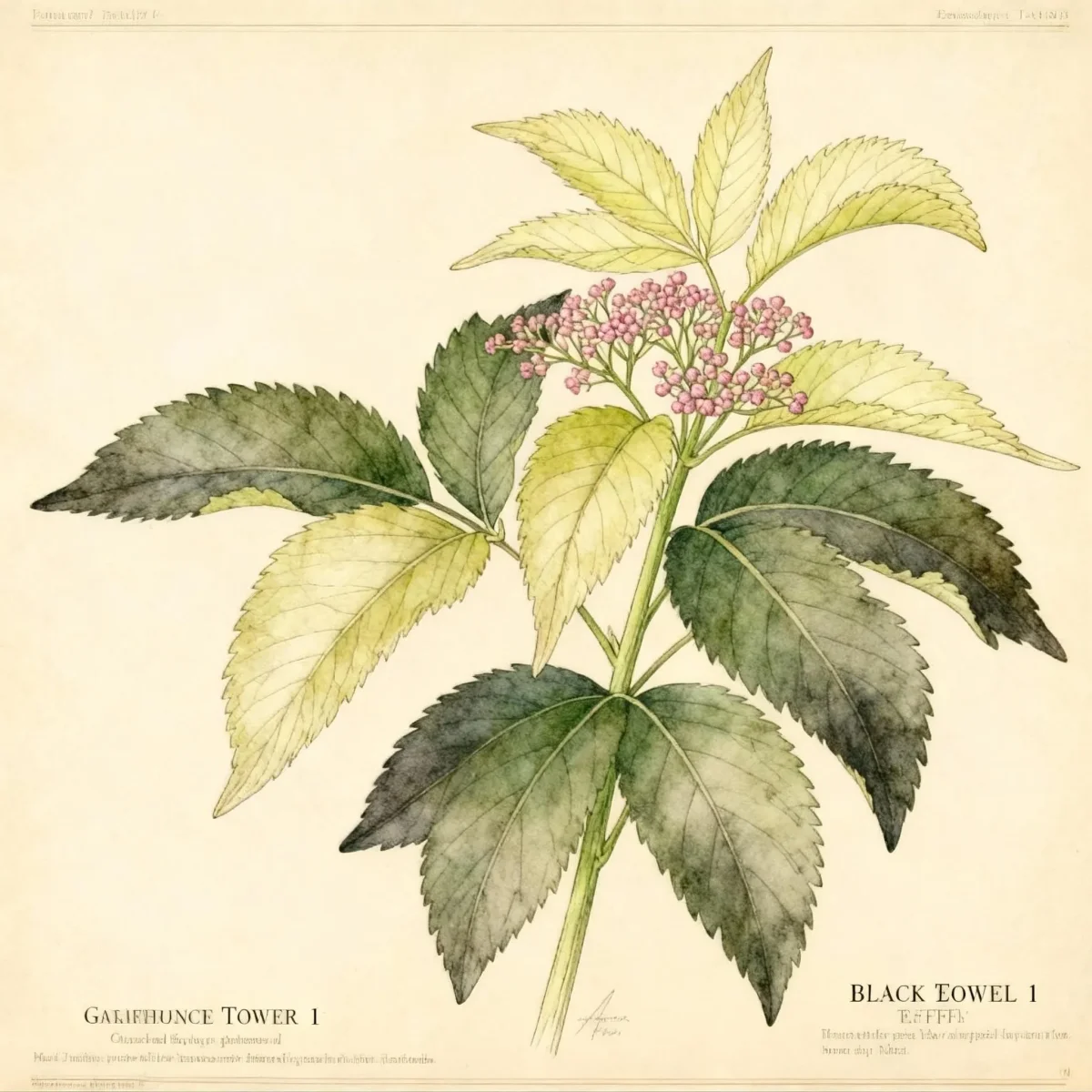
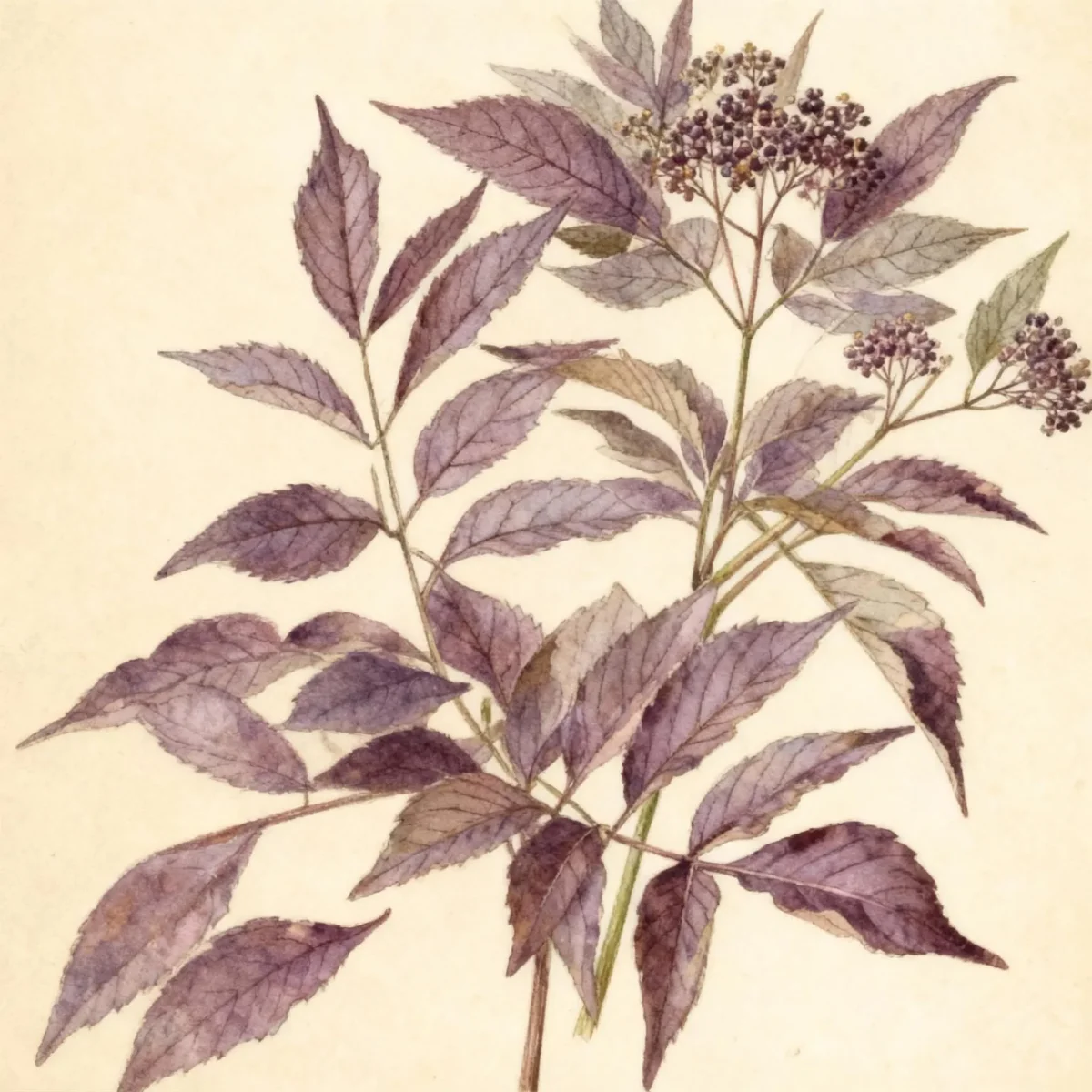
Sambucus nigra, commonly called European elder, is fundamentally noted for its aromatic late spring flowers and edible fruits. The specific cultivar, ‘Guincho Purple’, is distinguished by its large, upright habit and compound pinnate leaves that emerge purple, fade to green, and return to attractive purple and red tones in autumn. This Black elder produces tiny pink flowers that are followed by glossy black-purple berries, offering continuous seasonal interest across the growing season.
Tolerances
- Clay Soil
Potential Problems
This plant can spread somewhat aggressively in ideal growing conditions through root suckering, requiring consistent management to maintain boundaries. Susceptibility exists for common issues like canker, powdery mildew, and leaf spot, so ensure good air circulation, which is aided by proper pruning techniques. Inspect branches regularly for signs of borers, spider mites, or aphids, treating infestations promptly. Furthermore, the branches tend to be somewhat brittle and can suffer damage from high winds or heavy ice and snow loads in winter.
Frequently Asked Questions
What hardiness zones is Black elder suitable for?
Sambucus nigra ‘Guincho Purple’ is hardy and thrives best when grown in USDA Zones 5 through 8.
How large does Black elder grow?
This deciduous shrub typically reaches a height between 8 and 15 feet, with a corresponding spread of 8 to 15 feet at maturity.
When does Sambucus nigra ‘Guincho Purple’ bloom?
This cultivar flowers annually from June extending into July, producing small white flowers that often carry a delicate pink tinge.
What sun exposure does Black elder need?
For optimal health and best purple leaf coloration, Sambucus nigra ‘Guincho Purple’ requires full sun, though it will tolerate partial shade.
Conclusion
The Sambucus nigra ‘Guincho Purple’ delivers exceptional value, combining striking purple foliage with seasonal flowers and edible fruit clusters, making the Black elder a multifaceted garden asset. While its high maintenance needs centered around pruning and managing spread require commitment, the visual payoff is substantial. Before planting, always confirm that your site falls within USDA Hardiness Zones 5-8 and plan for regular seasonal pruning to maximize the beauty of your Sambucus nigra ‘Guincho Purple’.
Wildlife Benefits
The fruits produced by the Black elder are glossy black-purple and are highly attractive to numerous species of birds and wildlife, offering critical late-season foraging material. Planting this shrub supports local ecosystems, turning a visually stunning ornamental into a functional habitat provider. Although the primary focus for this cultivar may be foliage, the flowers are also fragrant and attract beneficial insects during their June to July bloom period.
Propagation Tips
Because Sambucus nigra ‘Guincho Purple’ spreads readily by forming colonies via root suckers, natural vegetative propagation is common. The easiest way to propagate this specific cultivar is by digging up and transplanting these suckers in early spring or fall, ensuring you capture a healthy piece of the root system. Alternatively, hardwood cuttings taken during the dormant season offer another method for increasing your stock, though success rates may vary compared to transplanting established suckers.