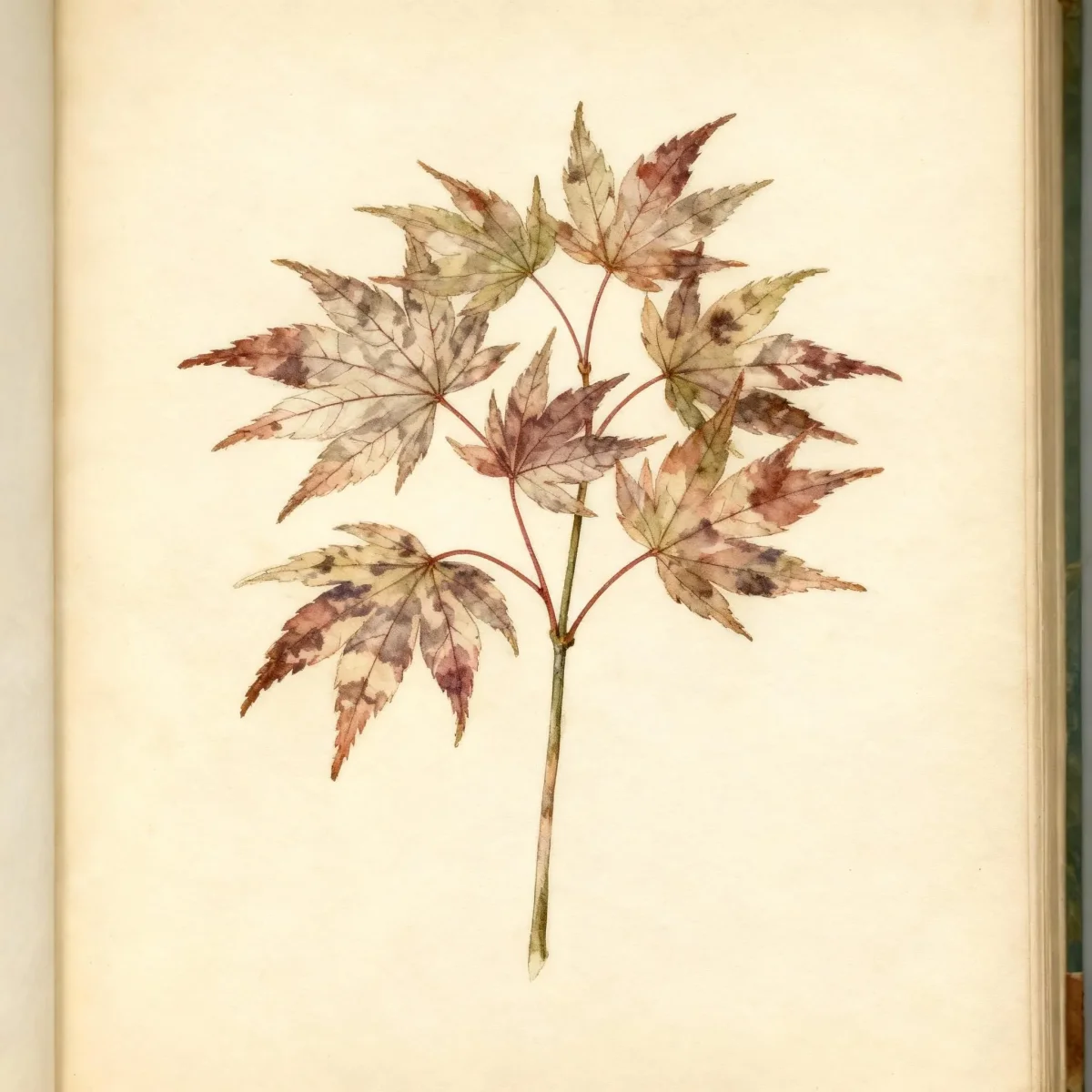
Buckeye (Aesculus × woerlitzensis)
The Buckeye, Aesculus × woerlitzensis, is a low-maintenance hybrid tree offering showy red-orange spring blooms. Ideal for zones 5-8.
Scroll down to discover growing tips, care requirements, companion plants, and more
Complete Plant Information
Overview
The Buckeye, formally known as Aesculus × woerlitzensis, is a delightful, garden-origin hybrid prized for its vibrant spring display. This deciduous tree earns its place in landscapes by delivering striking color when many other trees are just leafing out. It offers a manageable size profile, making it versatile for various settings.
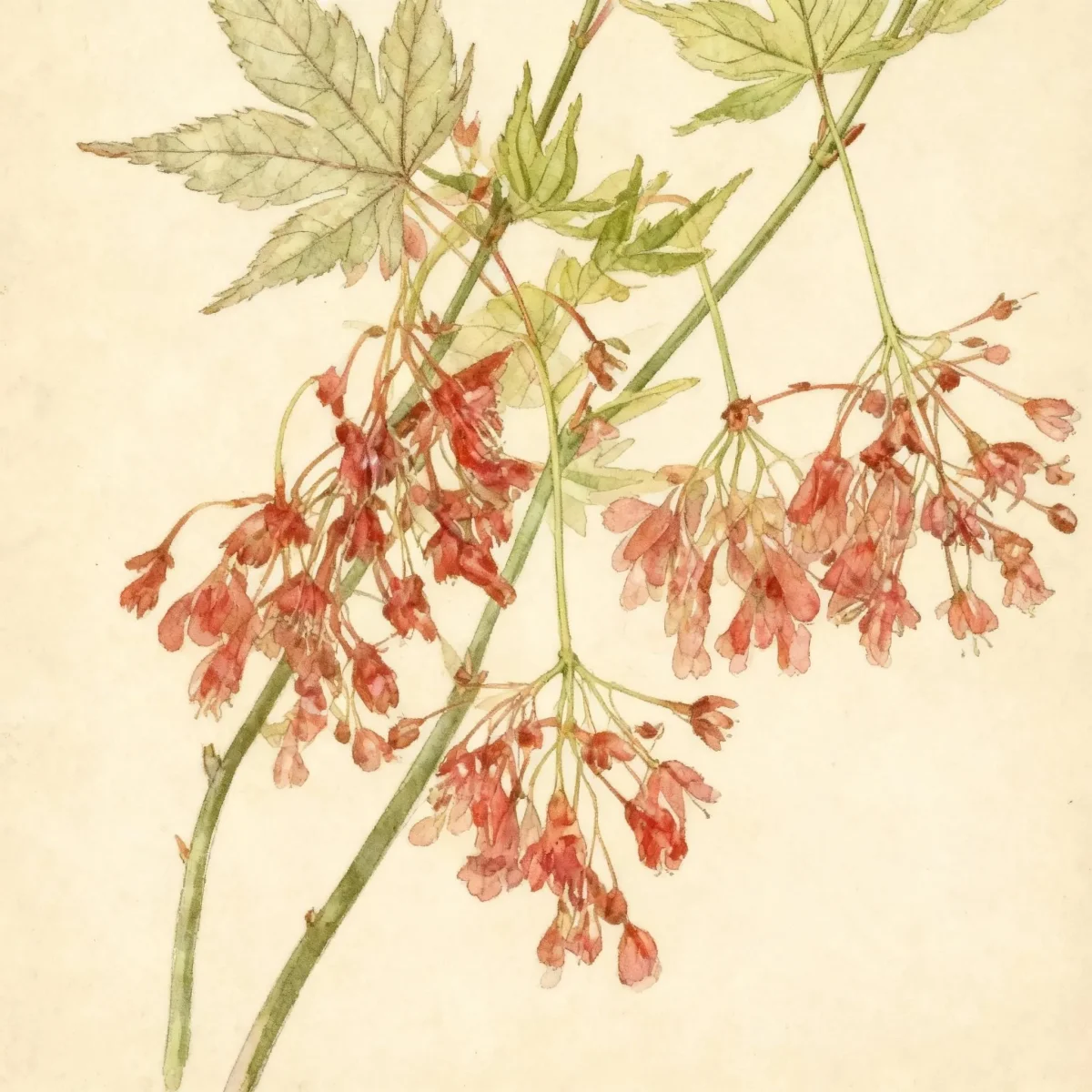
Aesculus × woerlitzensis is valued primarily for its structure and its spectacular terminal flower clusters. Its upright panicles of red to orange-red blooms are highly attractive, especially to wildlife like hummingbirds. This buckeye generally requires low maintenance, rewarding the gardener with dependable seasonal interest.
Growing readily in average conditions, this tree thrives in locations receiving full sun or partial afternoon shade. Its moderate height and spread make the Aesculus × woerlitzensis an excellent choice for smaller urban yards or as a specimen planting where its spring performance can be fully appreciated.
Fast Facts
- Plant Family: Sapindaceae
- Plant Type: Tree
- Native Range: Garden origin
- Hardiness Zones: USDA Zones 5-8
- Size at Maturity:
- Height: 10-20 ft
- Spread: 10-20 ft
- Bloom Time: April to May
- Bloom Description: Red to orange-red
- Sun Exposure: Full sun to part shade
- Water Needs: Medium
- Maintenance Level: Low
How to Grow
Planting your Aesculus × woerlitzensis should ideally occur in the spring or fall when weather stress is minimal. This buckeye performs best in average, medium, well-drained soils. Ensure the site offers fertile conditions, as moist, fertile soils lead to the healthiest growth. While it tolerates part shade, maximizing bloom density requires placement in a position where it receives ample sunlight.
Watering should be consistent, especially while the tree is establishing its root system, as it prefers medium water needs. Once established, routine deep watering during prolonged dry spells will keep the foliage healthy. Fertilization is generally unnecessary if the soil is already fertile; focus on improving soil structure rather than heavy feeding.
Pruning should be minimal, focusing on removing dead, damaged, or crossing branches during late winter dormancy. Be alert for potential disease issues, particularly leaf blotch, which can mar the summer foliage. Good air circulation, achieved through proper spacing, helps mitigate fungal problems common to many horse chestnuts.
Landscape Uses
The adaptability of this Buckeye makes it suitable for several landscape roles. Its status as a flowering tree shines when planted as a specimen where its spring flowers are the focal point. Furthermore, it adapts well for use as an understory tree, provided it receives dappled light beneath taller canopy trees, offering year-round textural interest.
It also serves effectively as a street tree in appropriate settings where overhead utility lines are not an issue due to its moderate mature height. Planting in small groups can create a dramatic mass effect when the April to May bloom period arrives, offering consistent structure and seasonal color against lawns or hardscaping elements.
Standout Features
Flower Qualities
- Showy
Fruit Qualities
- Showy
Noteworthy Characteristics
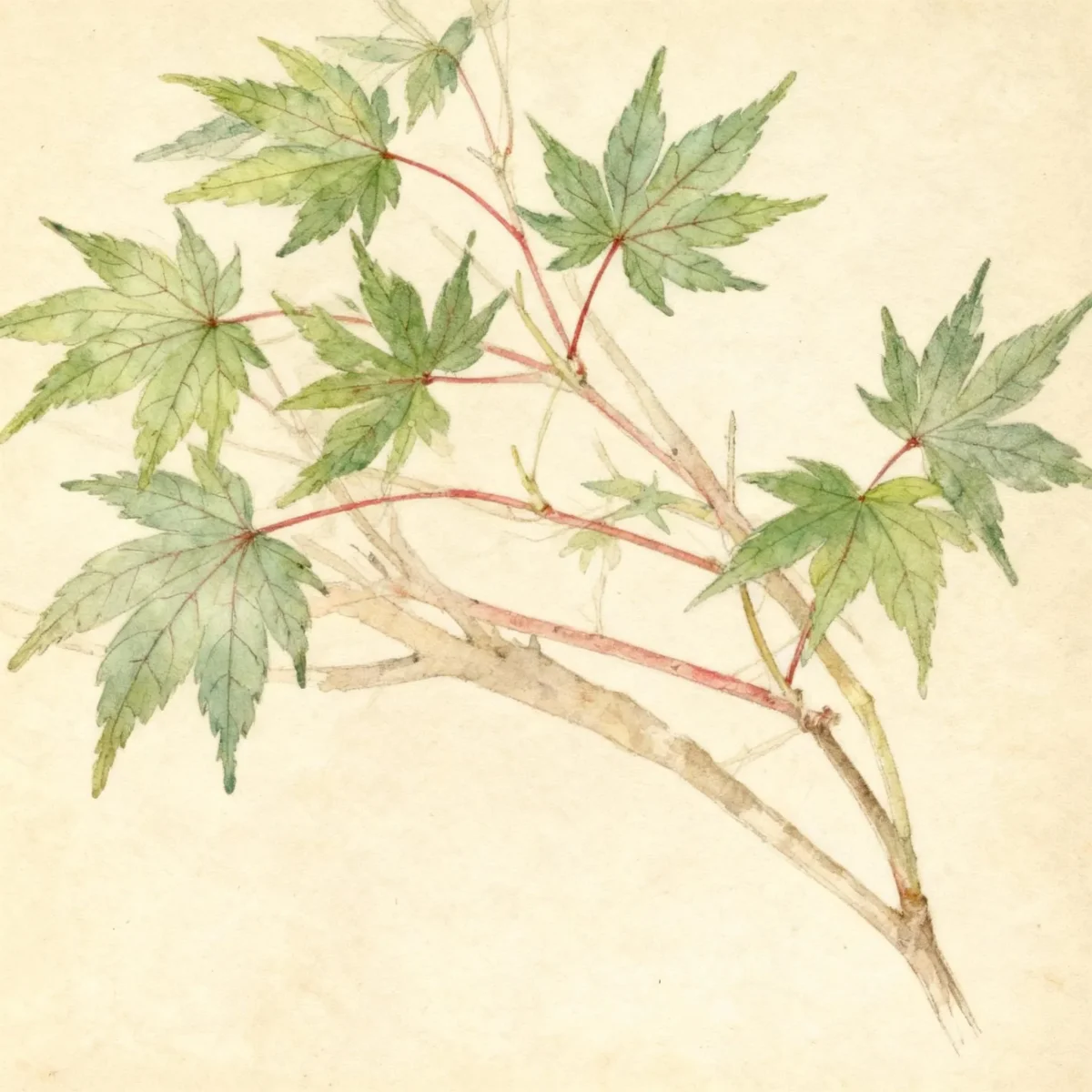
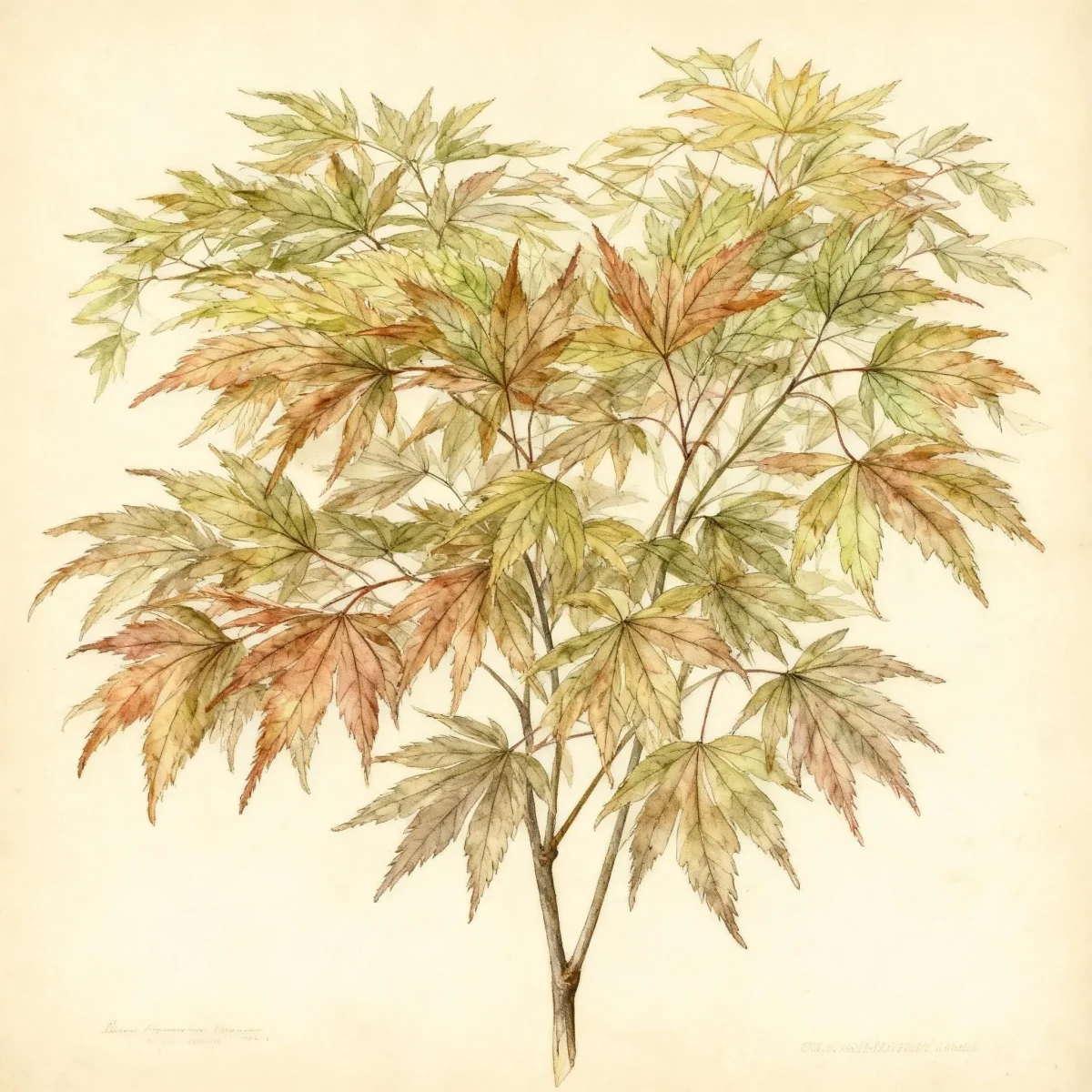
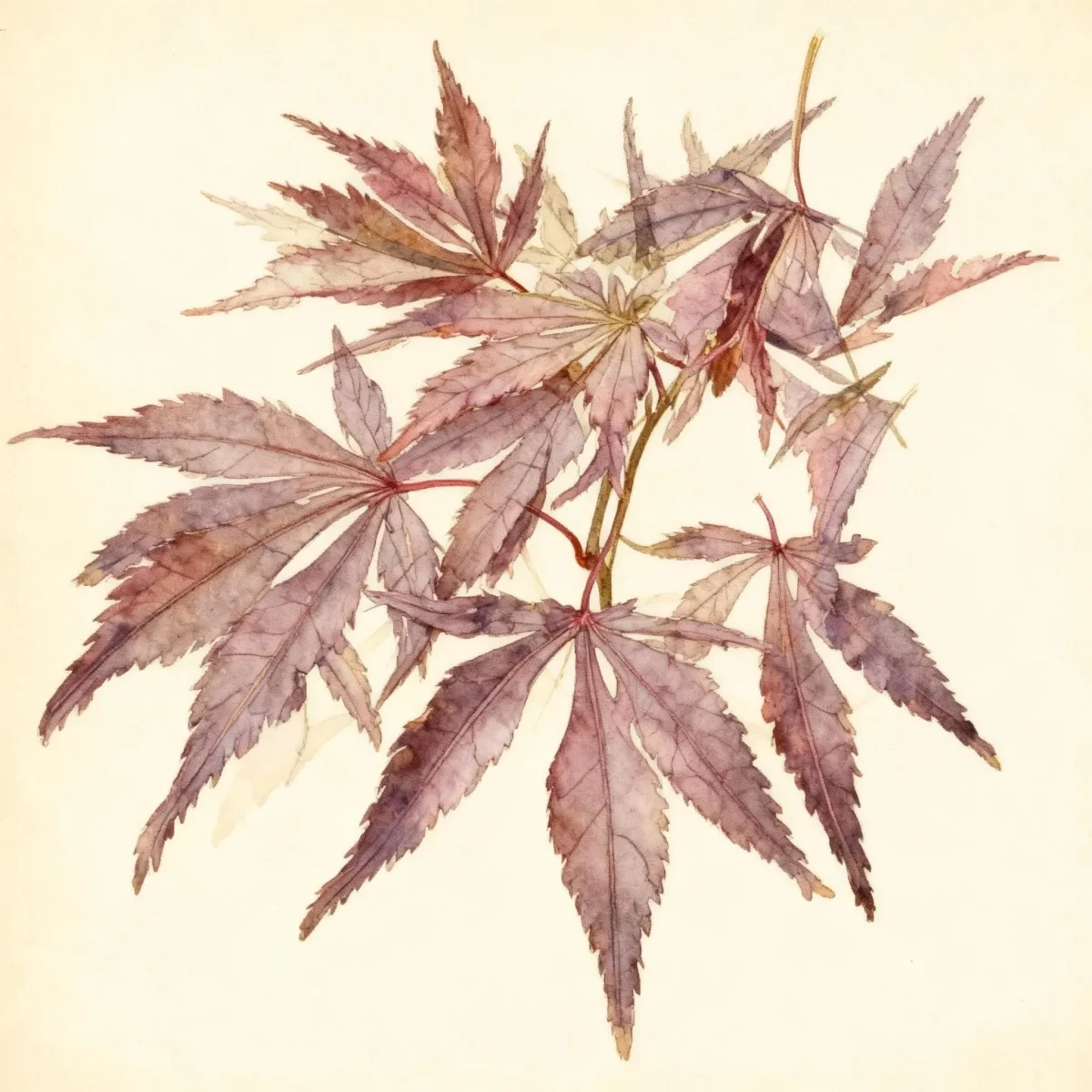
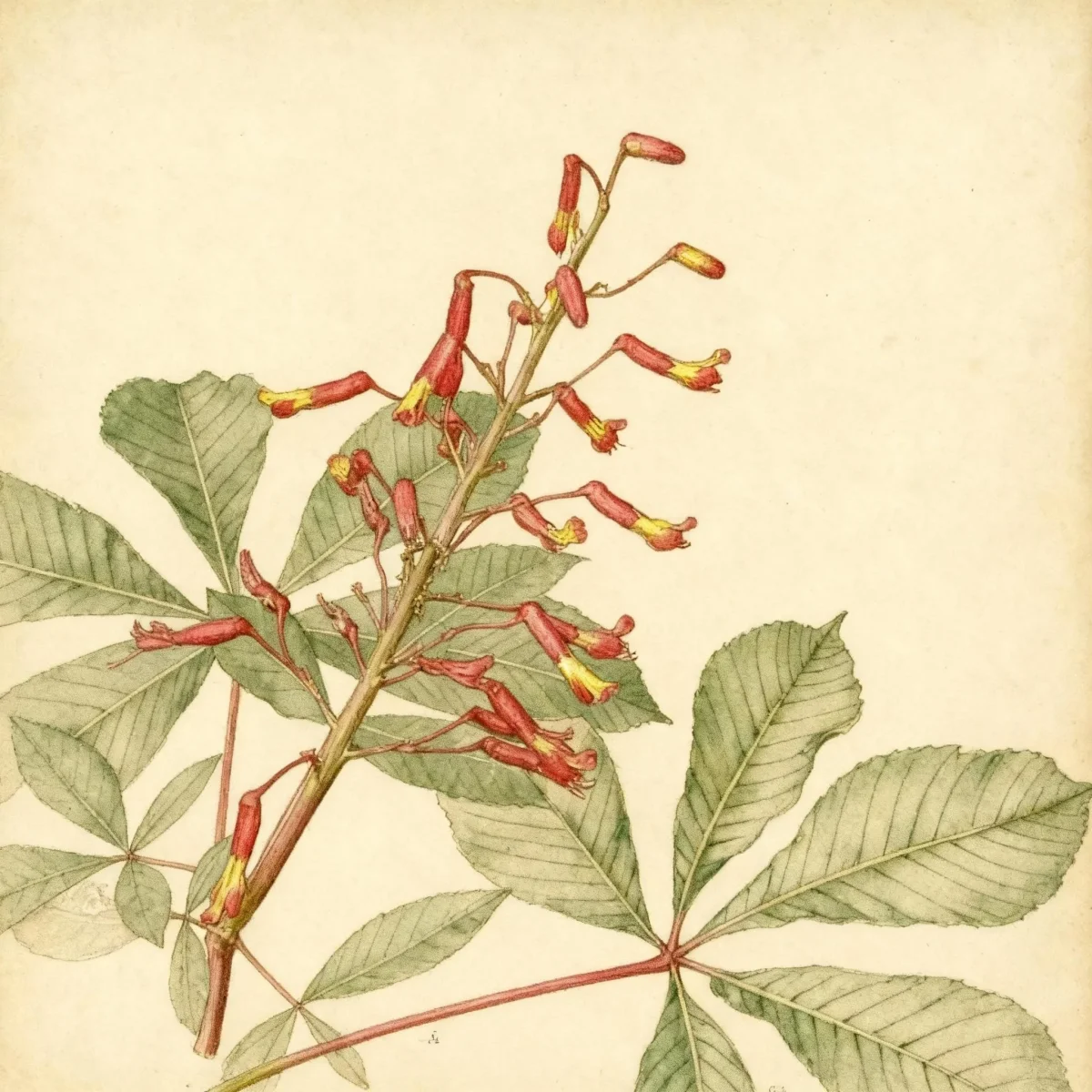
Aesculus × woerlitzensis is a hybrid horse chestnut of garden origin, notably similar to red buckeye (Aesculus pavia), differing in that its flower petals possess fine hairs. This deciduous tree typically reaches 10 to 20 feet tall and features showy, erect, 5-inch-long panicles of red to orange-red flowers appearing in spring, accompanied by dark green, palmately compound leaves. In autumn, smooth, light brown, globular seed capsules containing one or two shiny seeds ripen, providing late-season interest, and its flowers attract ruby-throated hummingbirds.
Tolerances
No specific tolerances were listed for this species.
Potential Problems
Leaf blotch can be a significant aesthetic problem for this buckeye. This common fungal issue typically appears mid to late summer, causing dark spots on the leaves, leading to premature yellowing and leaf drop. While generally not fatal, controlling leaf blotch improves the appearance of the Aesculus × woerlitzensis throughout the growing season. Improving air circulation through proper spacing and maintaining consistent soil moisture without overhead watering can help reduce the severity of these fungal outbreaks.
Frequently Asked Questions
What hardiness zones is Buckeye suitable for?
This versatile Buckeye, Aesculus × woerlitzensis, is reliably hardy in USDA Zones 5 through 8.
How large does Aesculus × woerlitzensis grow?
This hybrid typically matures between 10 and 20 feet tall with an equivalent spread, though it can occasionally reach 40 feet.
What sun exposure does Buckeye need?
For the best performance and heaviest spring bloom, the Buckeye requires full sun to partial shade conditions.
When does Aesculus × woerlitzensis bloom?
You can expect the showy, red to orange-red flowers of this tree to appear annually between April and May.
Conclusion
The Aesculus × woerlitzensis offers low maintenance coupled with high ornamental value, particularly due to its striking spring flower display and attractive fruit. As a robust hybrid Buckeye, it serves well as a specimen or street tree where its moderate size is an asset. Before planting, always confirm that your local climate falls within USDA Zones 5-8 to ensure this beautiful tree thrives.
Wildlife Benefits
The floral display of the Aesculus × woerlitzensis is a major draw for local fauna. The flowers are noted to be particularly attractive to ruby-throated hummingbirds. Gardeners focused on supporting migratory birds should consider planting this buckeye near corridors or feeders, as the bloom time coincides neatly with the return migration of these tiny aviators in many regions.
In addition to attracting hummingbirds during flowering season, the large, shiny seeds, or horsechestnuts, produced in the fall offer supplementary forage when they drop. While these seeds are not typically consumed by humans, they are an important element in the seasonal food cycle supporting various local wildlife populations that forage under the canopy of this tree.
Companion Planting
When selecting companions for your Aesculus × woerlitzensis, focus on plants that share similar moderate water and soil preferences. Since this tree prefers moist, fertile, well-drained soils, shade-tolerant perennials that thrive in rich garden soil make excellent understory partners. Think about plants that offer summer color to compensate for the fact that the tree’s primary show is in the spring.
Consider using hostas, astilbes, or ferns as groundcovers beneath the tree, provided the canopy is not too dense, as the Buckeye requires decent light. For areas receiving more sun where the tree is sited near the edge of its light tolerance, try pairing it with other low-maintenance, medium-water shrubs that offer seasonal interest without competing heavily for nutrients.