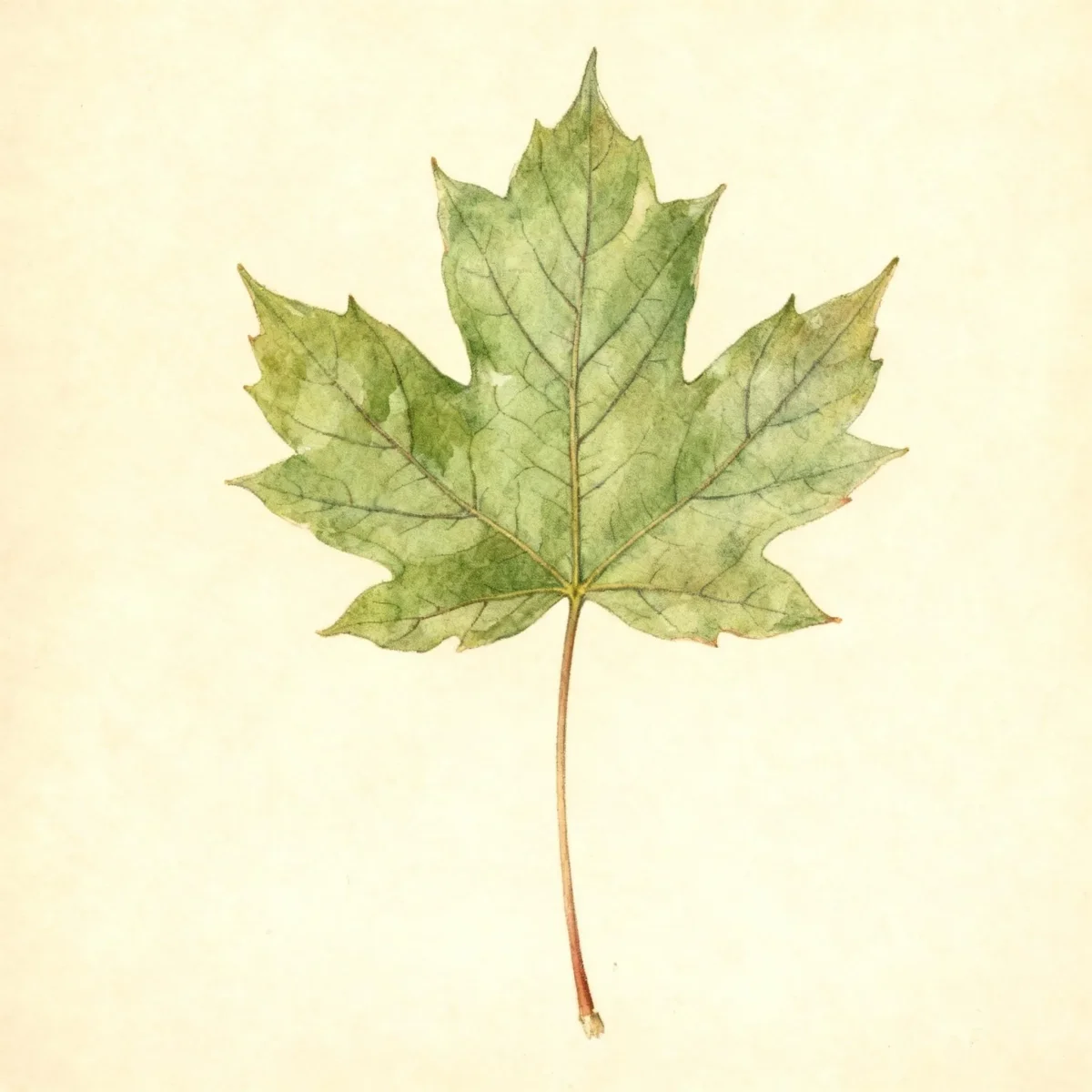
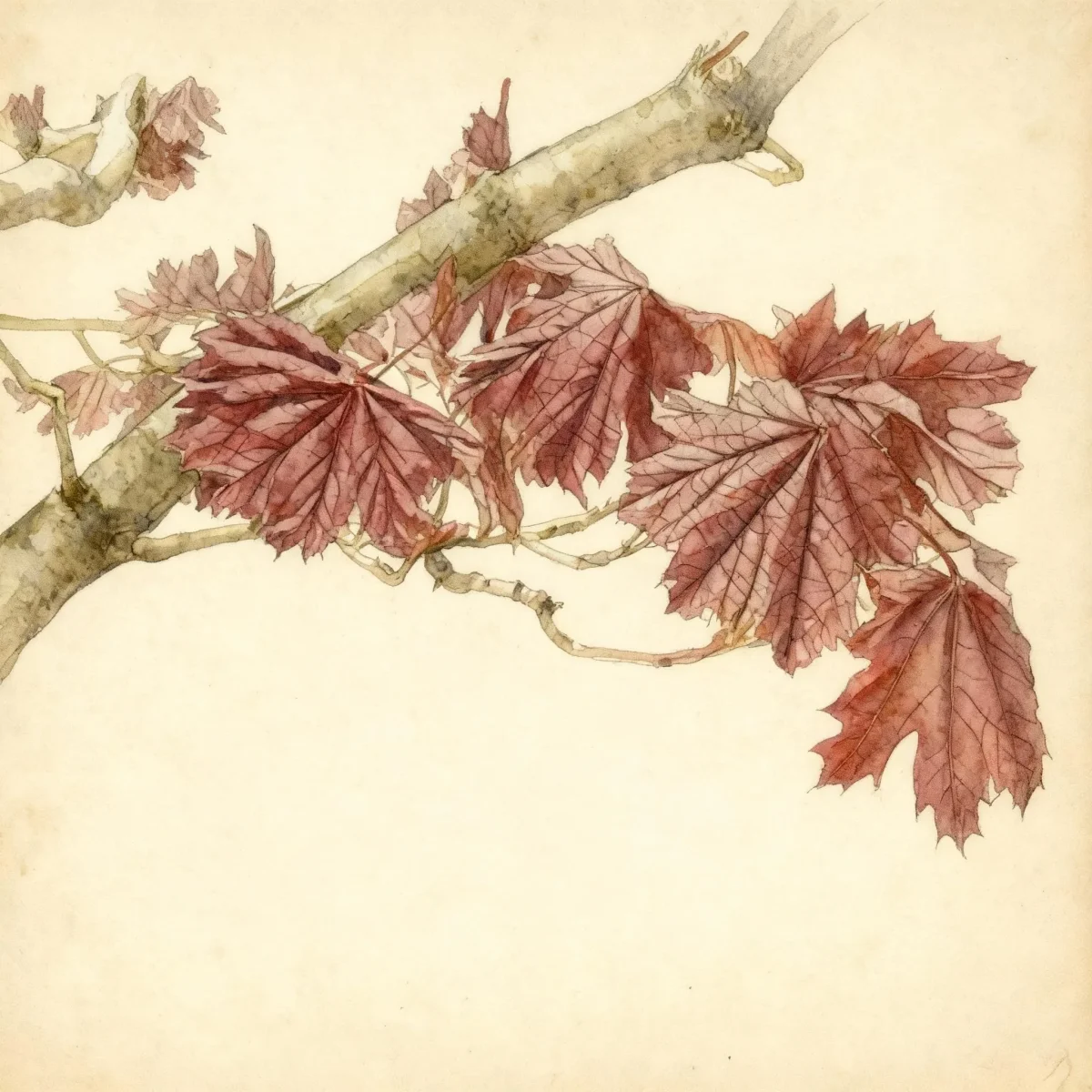
Amur maple (Acer tataricum subsp. ginnala 'Mandy' RED RHAPSODY)
Acer tataricum subsp. ginnala 'Mandy' RED RHAPSODY, or Amur maple, offers low-maintenance beauty with brilliant red fall color and drought tolerance.
Scroll down to discover growing tips, care requirements, companion plants, and more
Complete Plant Information
Overview
The Acer tataricum subsp. ginnala ‘Mandy’ RED RHAPSODY, commonly known as Amur maple, is a supremely adaptable small tree or large shrub valued for its dependable, vibrant autumn display and robust constitution. Gardeners appreciate this cultivar for its shiny green foliage that graduates to an excellent scarlet red under cooler conditions, truly living up to its ‘RED RHAPSODY’ designation. Often recognized as a more ornamental cousin to the standard Tatarian maple, Acer tataricum subsp. Ginnala ‘Mandy’ RED RHAPSODY provides reliable structure in the landscape with minimal fuss.
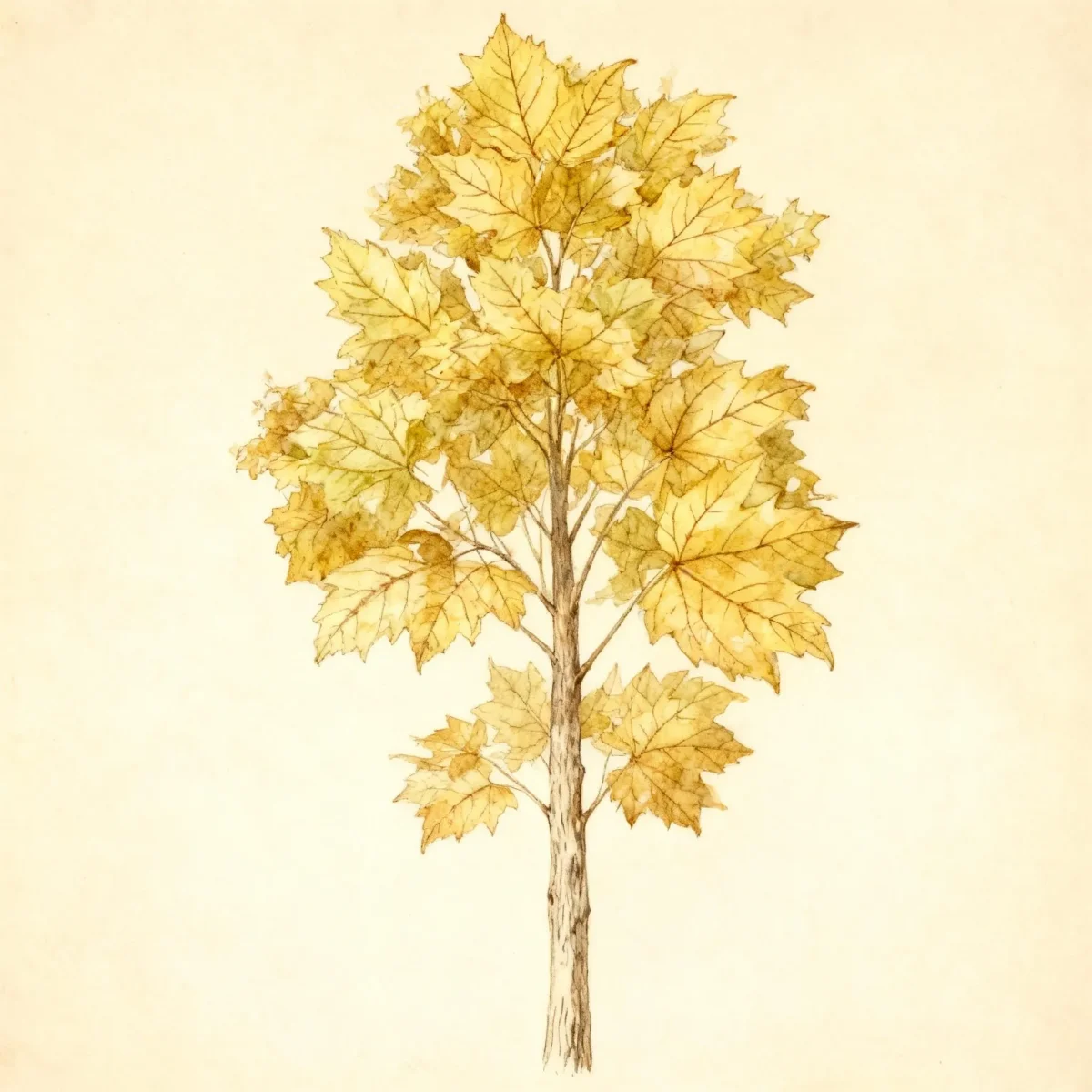
This cultivar matures into a dense, rounded specimen, typically reaching 15 to 20 feet tall and wide, making it an excellent mid-sized anchor plant. It handles various challenging conditions, including drought once established, which increases its utility across diverse yard settings. While it offers seasonal interest through its flowers and red-winged samaras, its primary appeal remains its strong architectural form and fantastic fall color performance, contrasting nicely with other landscape elements.
While remarkably resilient, it is important to note that this variety, like other subspecies of Amur maple, performs best in cooler summer climates. When sited appropriately, the low maintenance needs and impressive color make the Amur maple a staple selection for screening or specimen planting where adaptability is key.
Fast Facts
- Plant Family: Sapindaceae
- Plant Type: Tree
- Hardiness Zones: USDA Zones 3-8
- Size at Maturity:
- Height: 15-20 ft
- Spread: 15-20 ft
- Bloom Time: April to May
- Bloom Description: Greenish-yellow
- Sun Exposure: Full sun to part shade
- Water Needs: Medium
- Maintenance Level: Low
How to Grow
Planting the Acer tataricum subsp. ginnala ‘Mandy’ RED RHAPSODY is best done in spring or early fall when temperatures moderate, allowing the roots to establish before summer stress. This specimen thrives in moist, organically rich, well-drained soils but shows notable tolerance for clay soil. Ensure placement is in full sun or a location receiving bright, sun-dappled light for the best density and fall color development.
Water needs are medium; maintain consistent moisture while the tree is first establishing its root system. Once mature, the Amur maple exhibits good drought tolerance, though supplemental water during extended dry spells is beneficial, especially in hot regions. Fertilization is rarely required if the soil is reasonably fertile; excessive nitrogen can promote weak, fast growth. This plant transplants easily, making repositioning moderately simple if necessary.
Pruning, if desired, should focus on shaping the branching structure to promote its natural rounded habit or to remove any crossing limbs, ideally done immediately after flowering finishes. Gardeners should be mindful that the RED RHAPSODY cultivar often struggles with the intense heat and humidity prevalent in the deep South, preferring areas with reliably cooler summers for optimal performance.
Landscape Uses
The Amur maple serves excellently as an interesting specimen tree, drawing the eye with its dense canopy and eventual scarlet show in autumn. Due to its moderate size and multi-stem potential, it functions perfectly as a screen or backdrop plant, softening property lines or hiding less attractive views. Consider using Acer tataricum subsp. ginnala ‘Mandy’ RED RHAPSODY near borders where its low profile as a large shrub blends smoothly into mixed plantings.
When designing with this tree, select companions that contrast with its eventual red fall color—deep purples, silvers, or deep greens work well during the cooler seasons. While highly functional for screening, be aware that the species can be listed as invasive in certain locales, so responsible site selection and monitoring are crucial before establishing a maple shrub or small tree.
Standout Features
Flower Qualities
- Showy
Noteworthy Characteristics
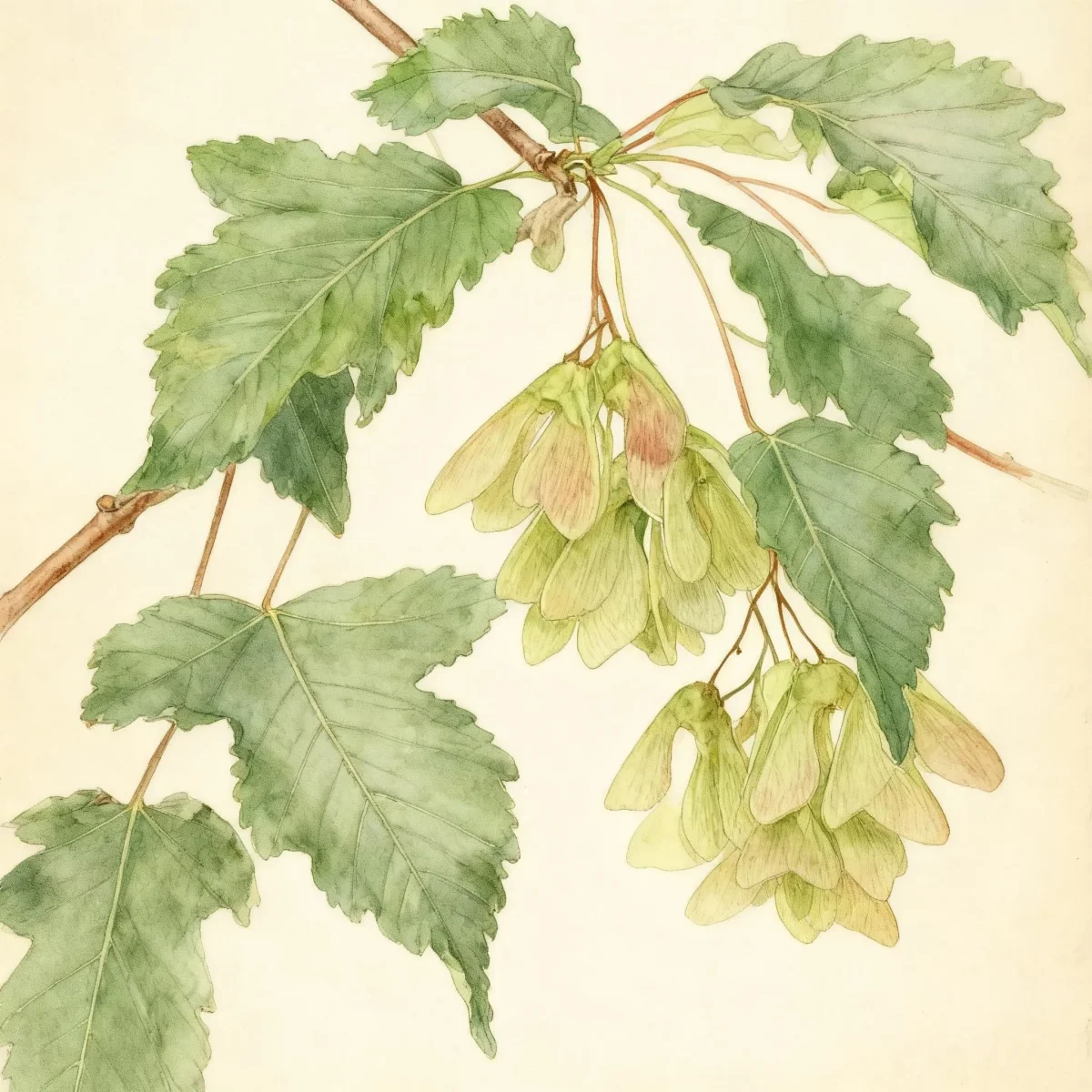
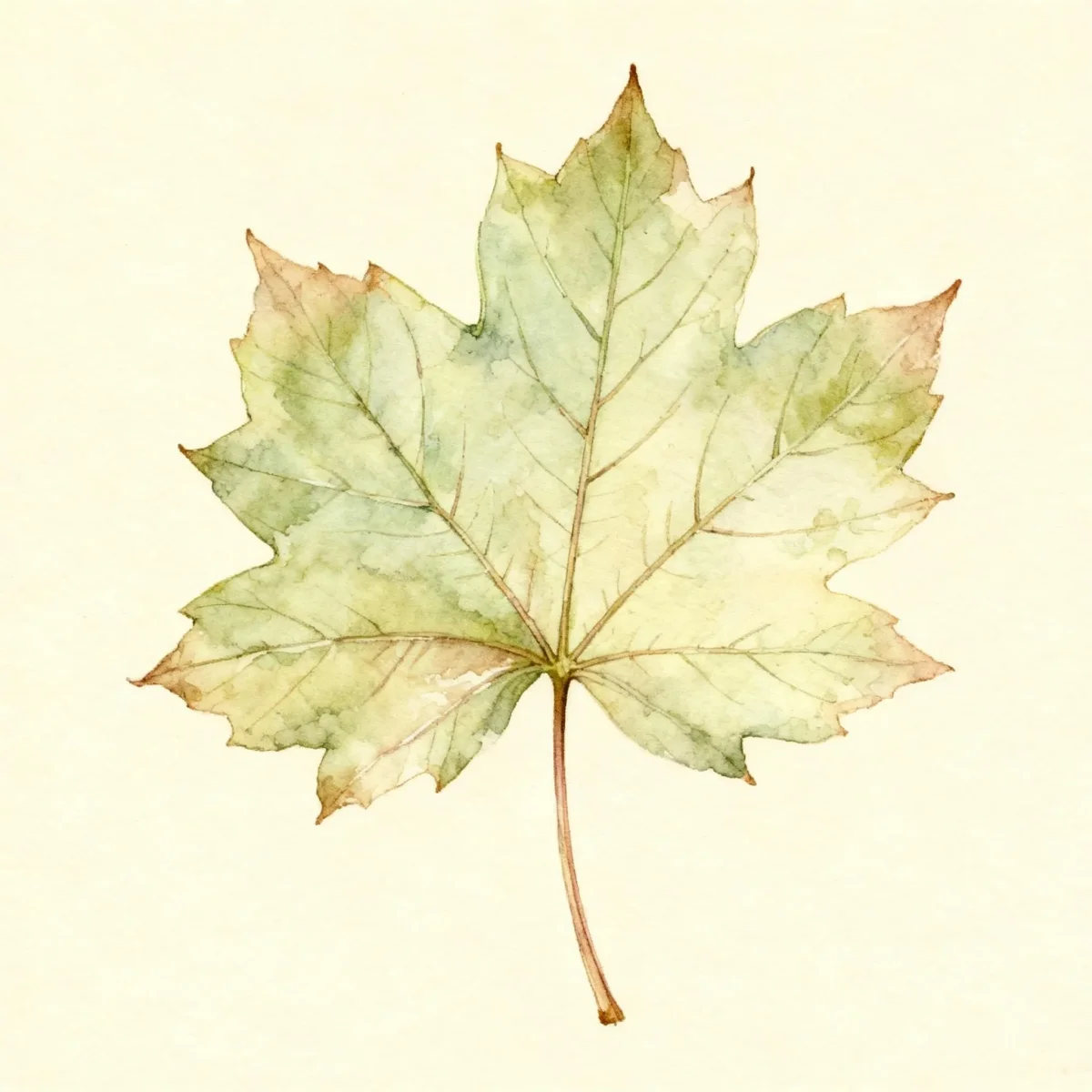
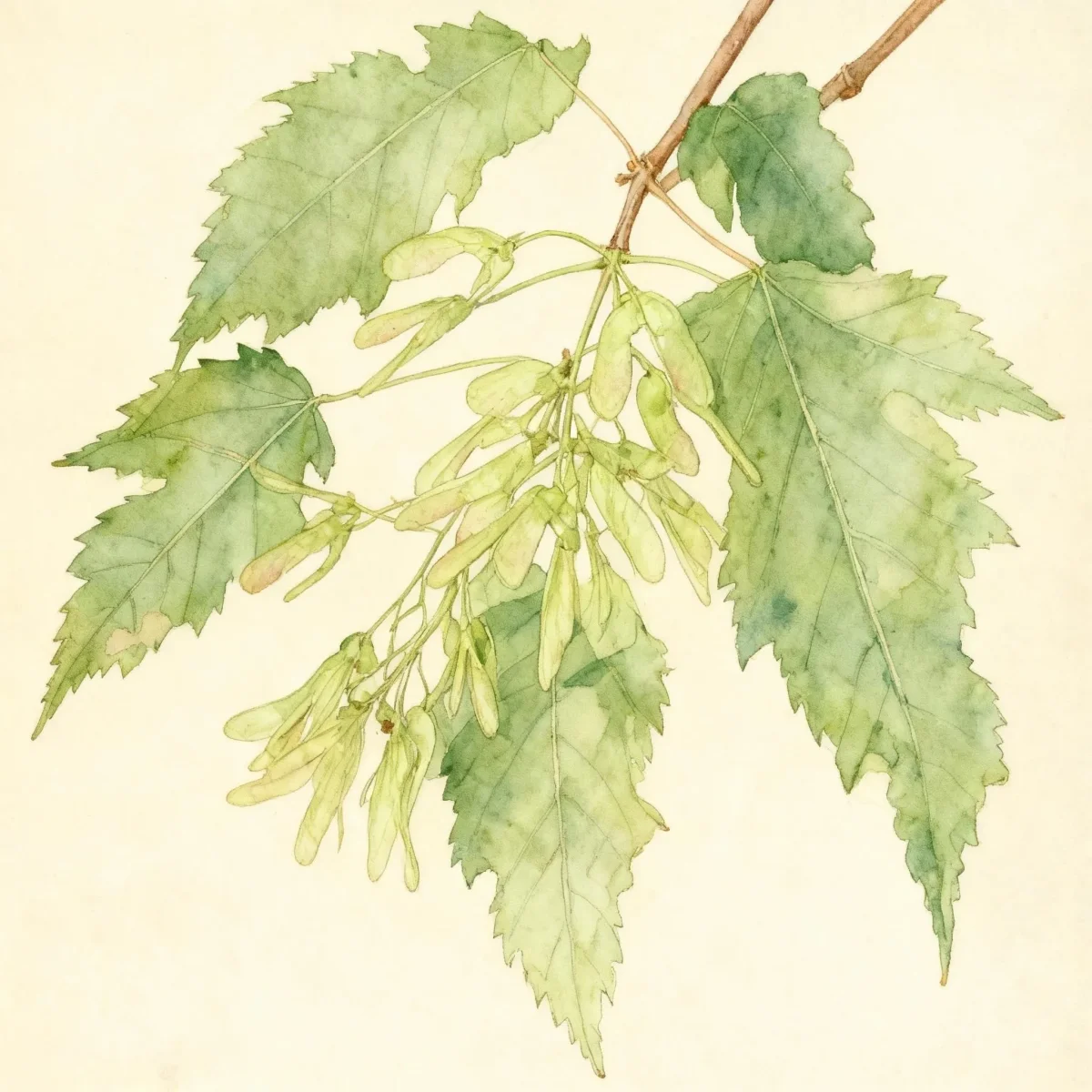
The Acer tataricum, often called Tatarian maple, matures into a small, rounded tree or large multi-stemmed shrub, usually measuring 15 to 20 feet high eventually. Its leaves are medium green and unlobed (though young leaves may be three-lobed), transitioning beautifully to yellow and red in the fall. The cultivar ‘Mandy’, marketed as RED RHAPSODY, is specifically noted for achieving a brilliant scarlet red fall hue, complemented by small, greenish-yellow flowers blooming in spring followed by showy red-winged samaras that mature through summer.
Tolerances
- Drought
- Clay Soil
Potential Problems
The Amur maple generally boasts a strong resistance profile, free from serious, recurring insect or disease issues under ideal growing conditions. However, gardeners should remain vigilant for occasional problems such as Verticillium wilt, which can impact vascular function, or various fungal spots like tar spot and anthracnose that may affect foliage appearance. Pest pressure is usually minor, but occasionally aphids, borers, scale, leafhoppers, caterpillars, or mites might be present. Good air circulation and proper site selection, avoiding overly stressed conditions, significantly reduce the likelihood of these issues appearing on your Acer tataricum subsp. ginnala ‘Mandy’ RED RHAPSODY.
Frequently Asked Questions
What hardiness zones is Amur maple suitable for?
The Acer tataricum subsp. ginnala ‘Mandy’ RED RHAPSODY is hardy and thrives across USDA Zones 3 through 8.
How large does Amur maple grow?
This cultivar typically achieves a mature height between 15 and 20 feet, with a spread that mirrors its height, ranging from 15 to 20 feet wide.
What sun exposure does Amur maple need?
For optimal health and the best fall color display, plant the Acer tataricum subsp. ginnala ‘Mandy’ RED RHAPSODY where it receives full sun to light part shade.
When does Amur maple bloom?
Fragrant, greenish-yellow flowers appear on the Amur maple during the spring, specifically between April and May.
Conclusion
The low-maintenance nature, combined with excellent drought tolerance and striking scarlet autumn foliage, makes Acer tataricum subsp. ginnala ‘Mandy’ RED RHAPSODY a versatile and rewarding choice. This robust Amur maple offers dependable seasonal structure for growers in zones 3 through 8. Before planting, confirm your local conditions are suited to its preference for cooler summers when planning your landscape additions.
Seasonal Care Calendar
The timing of specific care tasks heavily influences the performance of this resilient tree, though overall maintenance remains low. Focus primarily on establishing good soil conditions during planting and monitoring foliage during the hottest parts of the year.
In early spring, once the ground thaws, apply a light layer of compost or organic mulch, ensuring it does not touch the trunk flare. This helps conserve moisture needed through the summer drought cycles this species tolerates. Pruning, if necessary for shaping or removing winter damage, should be completed just as the leaves emerge or immediately following the spring bloom period.
Summer care centers on diligent watering until the tree is well-established, especially if planted in full sun exposure. Because the RED RHAPSODY cultivar can struggle in intense Southern heat, ensure it receives deep, periodic watering during extended dry spells to prevent heat stress. Avoid heavy fertilization during this time to encourage strong wood growth over purely leaf production.
Fall is when the Acer tataricum subsp. ginnala ‘Mandy’ RED RHAPSODY truly shines with its scarlet display. After leaf drop, clean up fallen leaves to minimize overwintering sites for any potential fungal spores like tar spot. Minimal winter protection is required for hardy zones 3-8, though newly planted specimens may benefit from a layer of mulch around the root zone before the ground freezes hard.
Companion Planting Ideas
Selecting companions that share the low water needs and adaptable soil requirements of the Amur maple will ensure a cohesive and healthy planting scheme. Pair this tree with plants that appreciate well-drained or even clay soils to avoid irrigation conflicts.
Consider using slow-growing, evergreen shrubs like Dwarf Mugo Pine (Pinus mugo ‘Mughus’) or hardy low-growing perennials such as Hosta varieties with blue or gold foliage. The blue tones provide an excellent color complement to the eventual red of the RED RHAPSODY cultivar, especially when they are both in their summer green phase. Groundcovers that tolerate dry shade, such as Creeping Jenny or Vinca minor, can also be effective under the canopy, provided they are kept well-watered during the maple’s establishment phase.