Daylily (Hemerocallis 'Tennyson')
Hemerocallis 'Tennyson' is a stunning Daylily, offering creamy-pink blooms with deep red eyes. Low maintenance, suitable for Zones 3-9.
Scroll down to discover growing tips, care requirements, companion plants, and more
Complete Plant Information
Overview
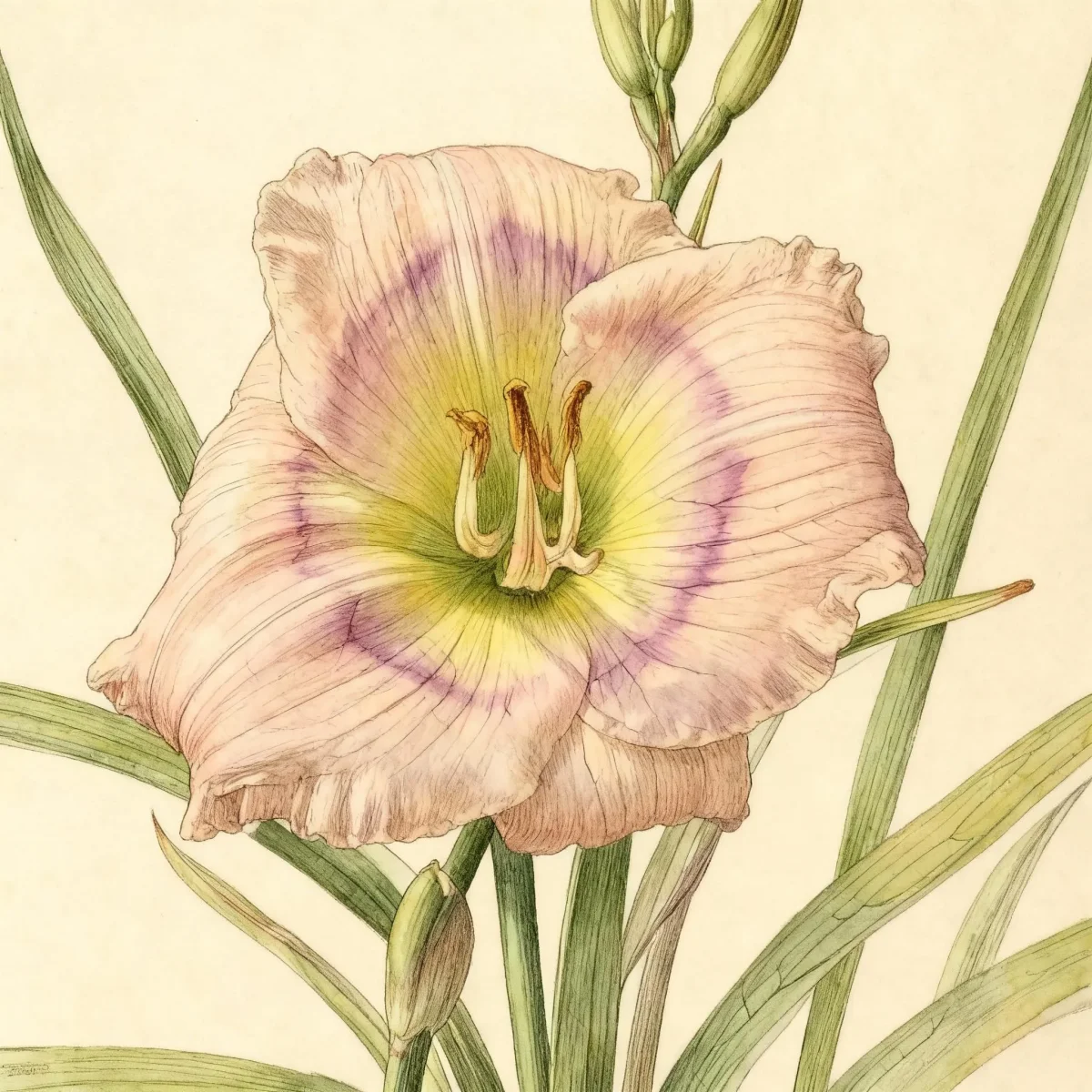
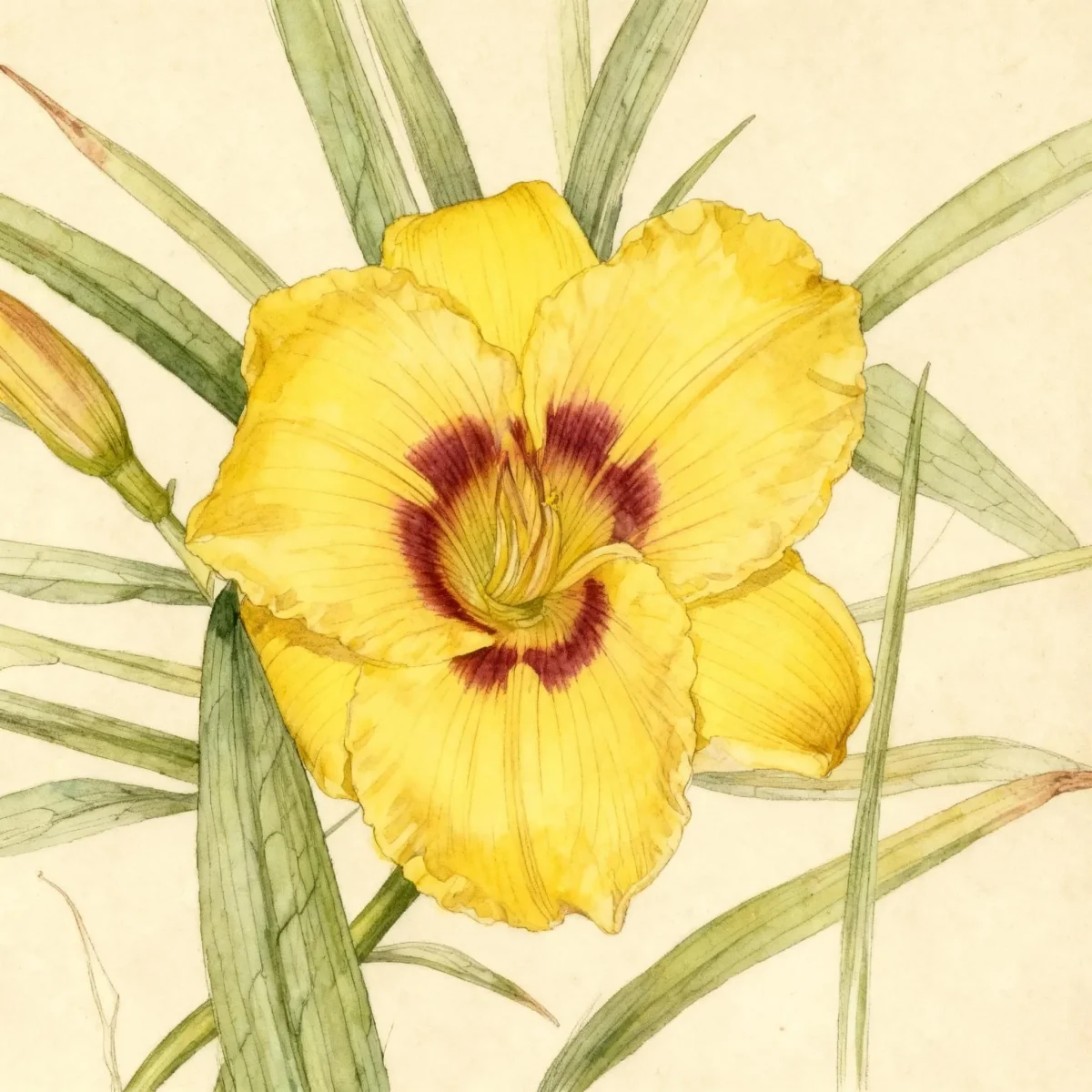
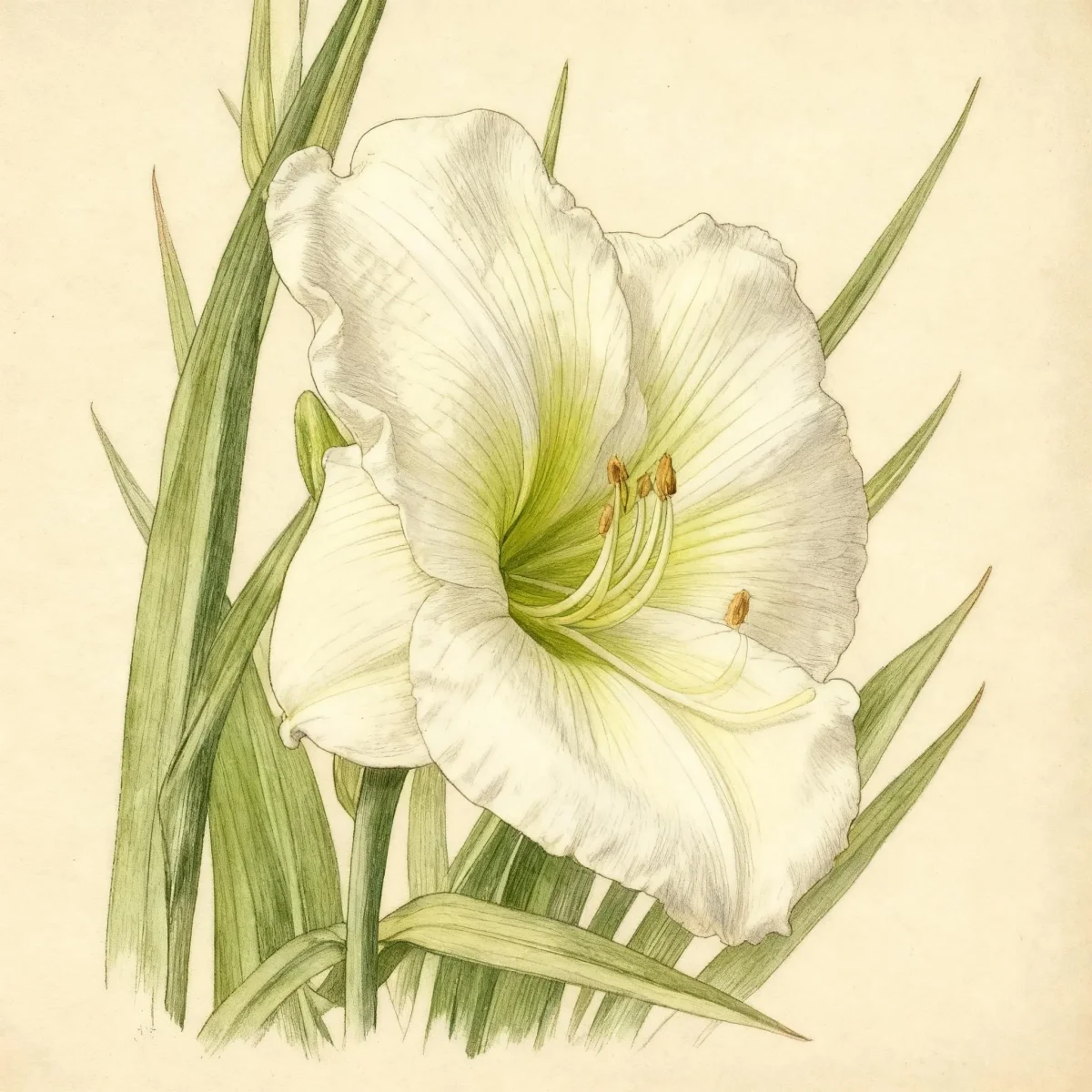
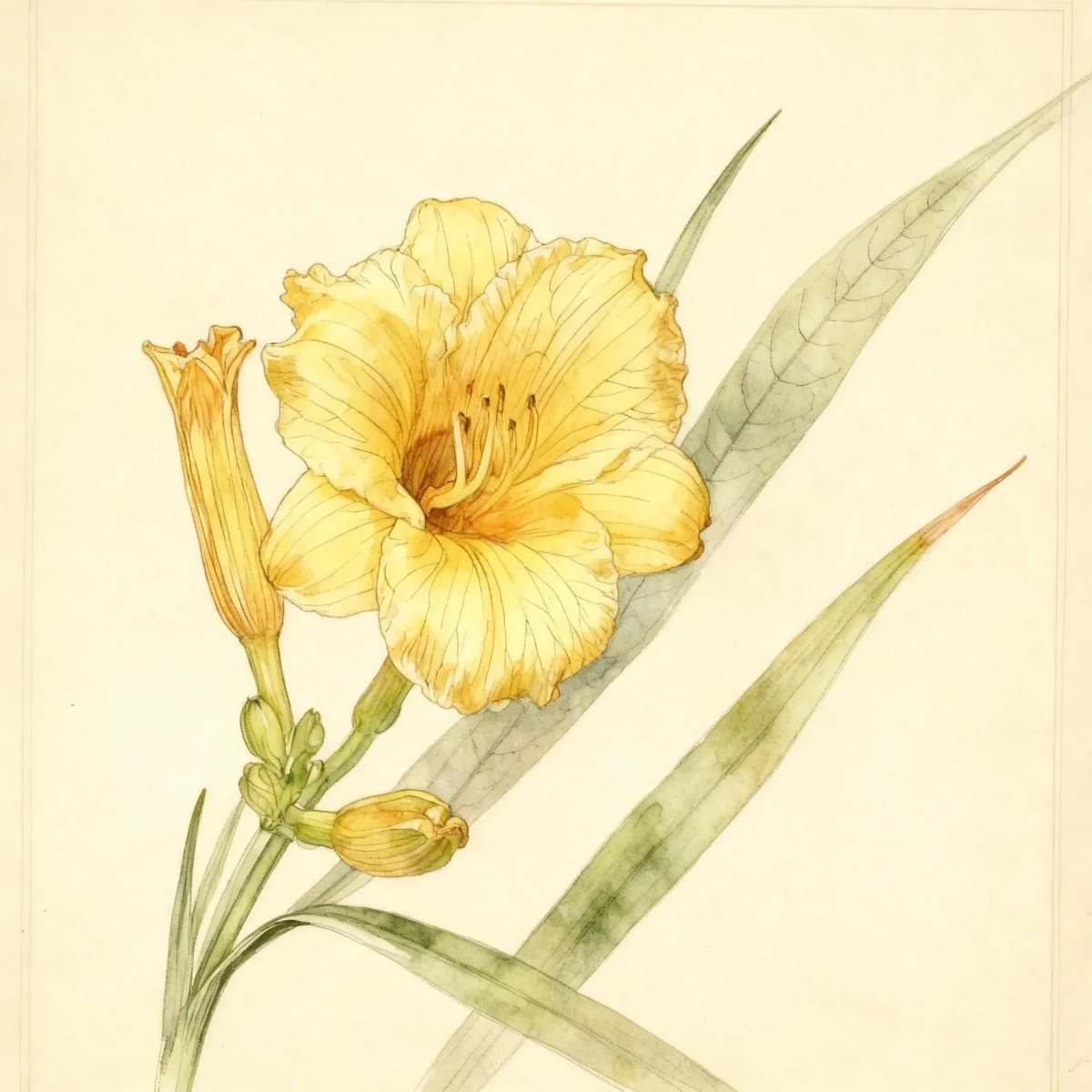
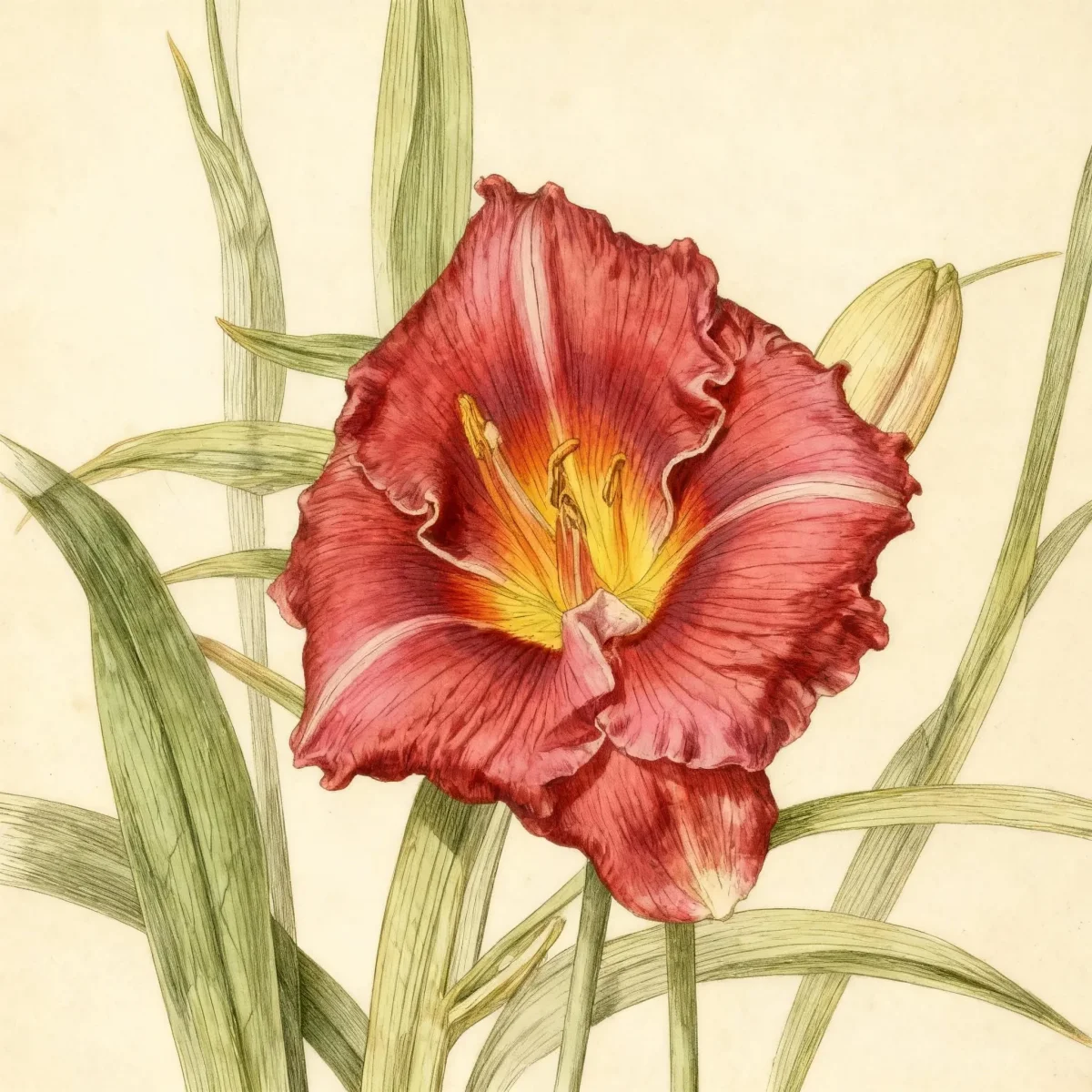
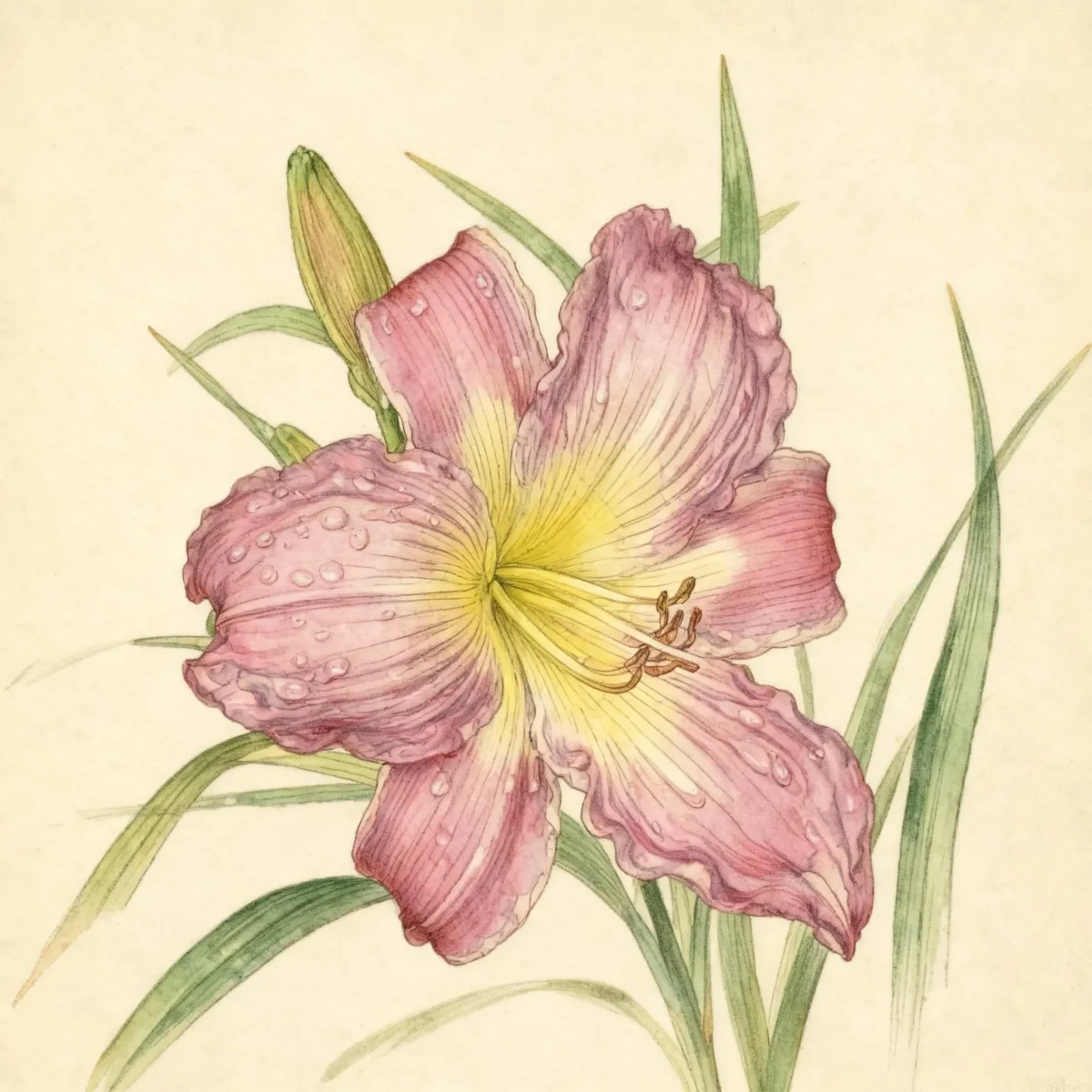
Hemerocallis ‘Tennyson’ is a prized tetraploid Daylily known for its consistently attractive, semi-dormant foliage and distinctive blooms. This cultivar stands out with its creamy-pink petals highlighted by thin, red-edged eye zones that beautifully frame a contrasting yellow throat. As an herbaceous perennial, it provides reliable color return year after year with minimal fuss.
This Daylily variant is valued for its adaptability, thriving across USDA Hardiness Zones 3 through 9. It easily integrates into most temperate gardens, reaching a modest height of up to 2.5 feet. Gardeners appreciate the low maintenance required for Hemerocallis ‘Tennyson’, letting them enjoy the prolific bloom display from late spring well into mid-summer.
The prolific flowering habit, where individual blooms last only one day but are produced in succession, keeps landscapes vibrant. Growing Hemerocallis ‘Tennyson’ ensures you incorporate a tough, beautiful specimen capable of handling heat and humidity while maintaining an appealing structure even when not in flower.
Fast Facts
- Plant Family: Asphodelaceae
- Plant Type: Herbaceous perennial
- Hardiness Zones: USDA Zones 3-9
- Size at Maturity:
- Height: 2-2.5 ft
- Spread: 1.5-2 ft
- Bloom Time: May to July
- Bloom Description: Creamy-pink with red-edged eye zones and yellow throat
- Sun Exposure: Full sun to part shade
- Water Needs: Medium
- Maintenance Level: Low
How to Grow
Planting Hemerocallis ‘Tennyson’ is best done in spring, allowing the root system to establish before summer heat. Ensure the planting location receives full sun to part shade; while adaptable, more sun generally encourages better flower production. These Daylilies perform best in average, medium moisture, well-drained soils, though they tolerate a wide range, preferring deep, fertile loams for optimal vigor.
Routine care for this Daylily is straightforward. Keep the soil evenly moist, especially during dry spells, as deep watering helps maintain attractive foliage through summer heat and humidity. For neatness and to prevent energy waste, deadhead spent flowers daily. Remove spent flower scapes entirely once the blooming period concludes for the season.
Division is recommended approximately every three to four years to maintain vigor and bloom quantity. Perform this task either in the fall or early spring, but spring division is preferable in colder winter growing regions. Remember that hybrid Daylilies like Hemerocallis ‘Tennyson’ will not reliably reproduce true to type from seed, making division the preferred propagation method.
Landscape Uses
Hemerocallis ‘Tennyson’ fits beautifully into numerous landscape designs due to its manageable size and robust constitution. As easy-to-grow herbaceous perennials, they are perfect for defining borders along walkways or property lines, providing consistent, medium-height structure. Their clumping nature makes them ideal for creating mass plantings that provide sweeping drifts of color throughout the early summer.
Their architectural, linear foliage adds textural contrast when planted alongside fine-textured shrubs or broad-leafed groundcovers. Because they are relatively low maintenance once established, these Daylilies serve well in mixed perennial beds where they won’t compete aggressively with more demanding neighbors. Even if you are designing a rock garden, the smaller cultivars integrate perfectly, while the standard size of this cultivar works well as an informal edging plant.
Standout Features
Flower Qualities
- Showy
Noteworthy Characteristics
Hemerocallis is a genus encompassing about 15 species of herbaceous perennials commonly known as daylilies, originating from Asia and central Europe. Hybridizers have created over 60,000 registered cultivars, including ‘Tennyson’, which features ruffle-edged, creamy pink flowers up to 4.5 inches wide, blooming on scapes rising to about 26 inches. The genus name derives from the Greek words for “day” and “beauty,” reflecting the ephemeral nature of each individual flower.
Tolerances
- Rabbit
- Erosion
- Air Pollution
Potential Problems
Daylilies are known for being exceptionally adaptable and generally pest-free perennials. However, gardeners should remain vigilant for occasional infestations of mites, aphids, or thrips, though these rarely cause permanent damage. In humid climates, Daylily rust can occasionally become a concern, manifesting as yellow spots on the foliage; managing this often involves improving air circulation around the plants and utilizing appropriate fungicides if severe. Fortunately, rabbits tend to avoid consuming this foliage.
Frequently Asked Questions
What hardiness zones is Daylily suitable for?
Hemerocallis ‘Tennyson’ is quite adaptable, thriving reliably in USDA Hardiness Zones 3 through 9.
How large does Hemerocallis ‘Tennyson’ grow?
This cultivar typically matures to a height between 2 and 2.5 feet, with a spread ranging from 1.5 to 2 feet wide.
When does Daylily bloom?
The bloom time for this Daylily is May to July, displaying creamy-pink flowers accented by red-edged eye zones and bright yellow throats.
What sun exposure does Hemerocallis ‘Tennyson’ need?
This perennial performs best when situated in an area receiving full sun to part shade conditions.
Conclusion
Hemerocallis ‘Tennyson’ remains a staple in temperate gardens due to its low maintenance requirements and reliable, showy display of unique creamy-pink flowers. This dependable Daylily offers excellent structure and textural contrast across the garden season. Before planting, confirm that your site matches the USDA Zones 3-9 recommendation and provides the necessary sun exposure for the best performance.
Companion Planting
Selecting appropriate companions enhances the appearance and health of your Daylily patch. Since Hemerocallis ‘Tennyson’ requires medium moisture and good drainage, pair it with other drought-tolerant perennials that appreciate similar conditions once established, such as Coneflowers (Echinacea) or Russian Sage (Perovskia atriplicifolia). Combining the upright, linear foliage of the Daylily with mounding plants like Lamb’s Ears (Stachys byzantina) provides excellent textural contrast that softens the clump’s edges during the heat of summer.
Seasonal Care Calendar
Spring care involves cutting back old, dead foliage that overwintered, preparing the crown for new green growth. This is the best time to apply a balanced, slow-release fertilizer if your soil is poor, though Daylilies often require little supplementation. Throughout the summer, deadhead finished blooms daily to encourage rebloom, as ‘Tennyson’ is registered as a rebloomer. In late fall or early winter, ensure the area is tidy; if you experience harsh freezes, evergreen types benefit from a light trimming to maintain a clean look before spring growth emerges.