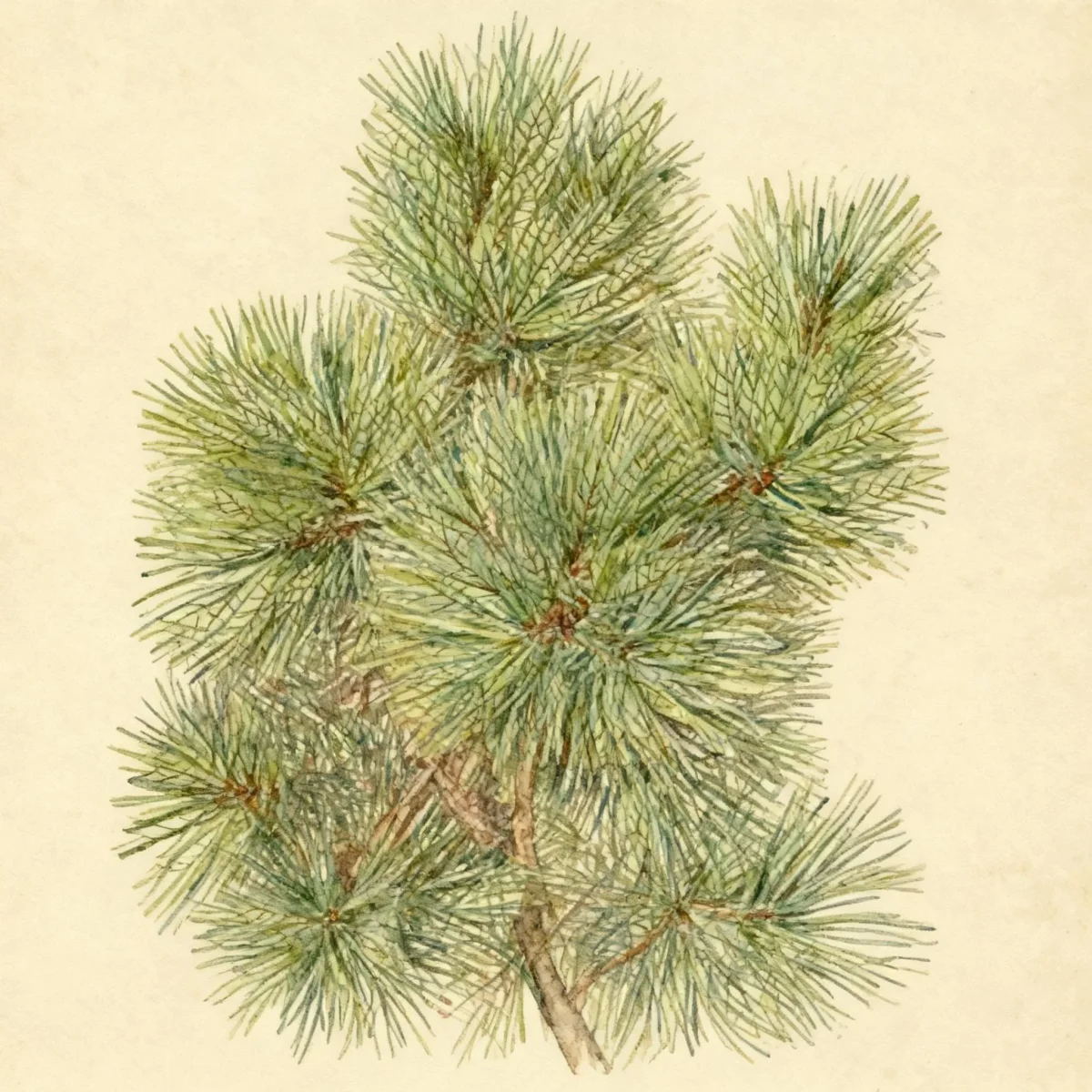
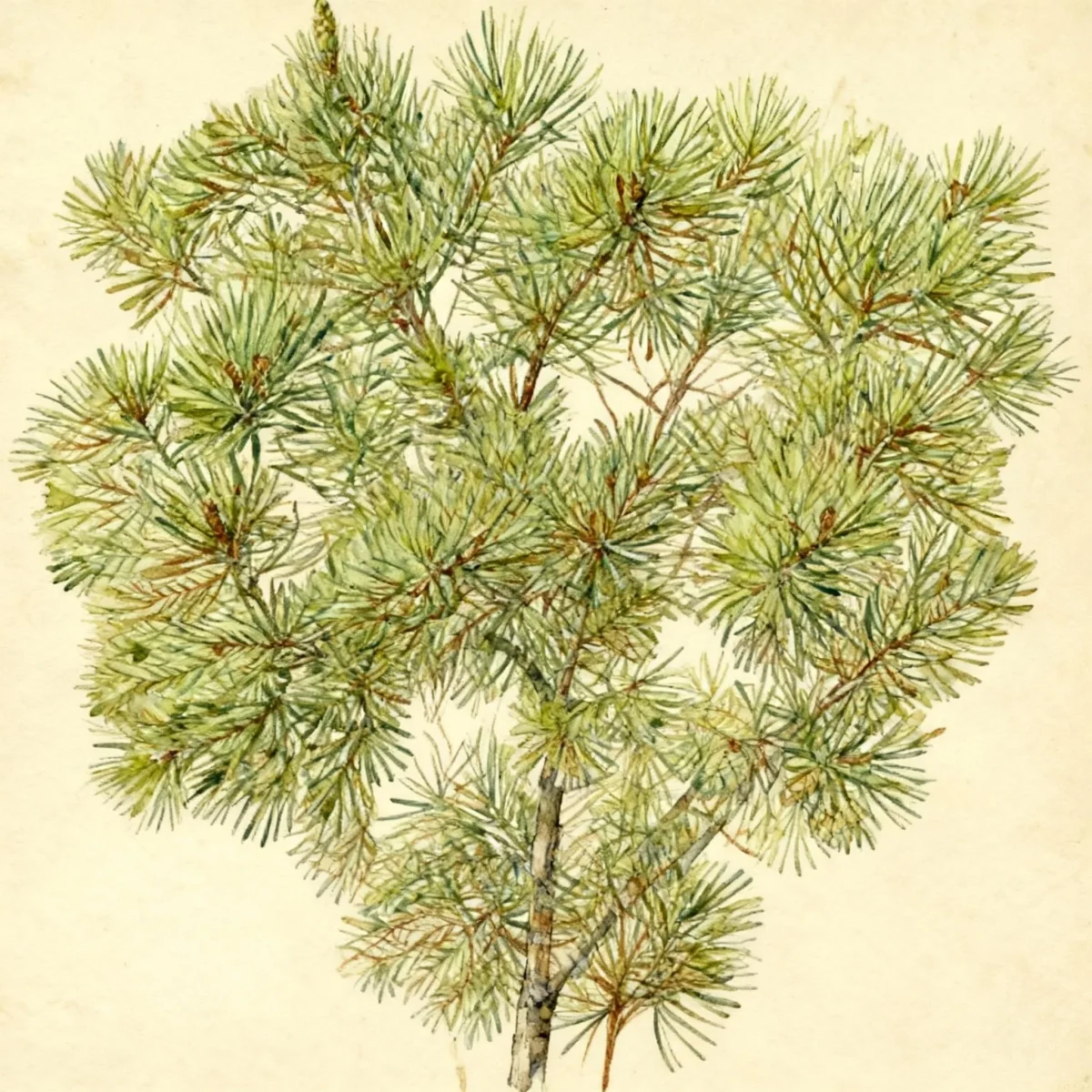
Dwarf mountain pine (Pinus mugo 'Teeny')
Pinus mugo 'Teeny' is an ultra-dwarf mountain pine, ideal for rock gardens, maturing slowly to just 1 foot tall.
Scroll down to discover growing tips, care requirements, companion plants, and more
Complete Plant Information
Overview
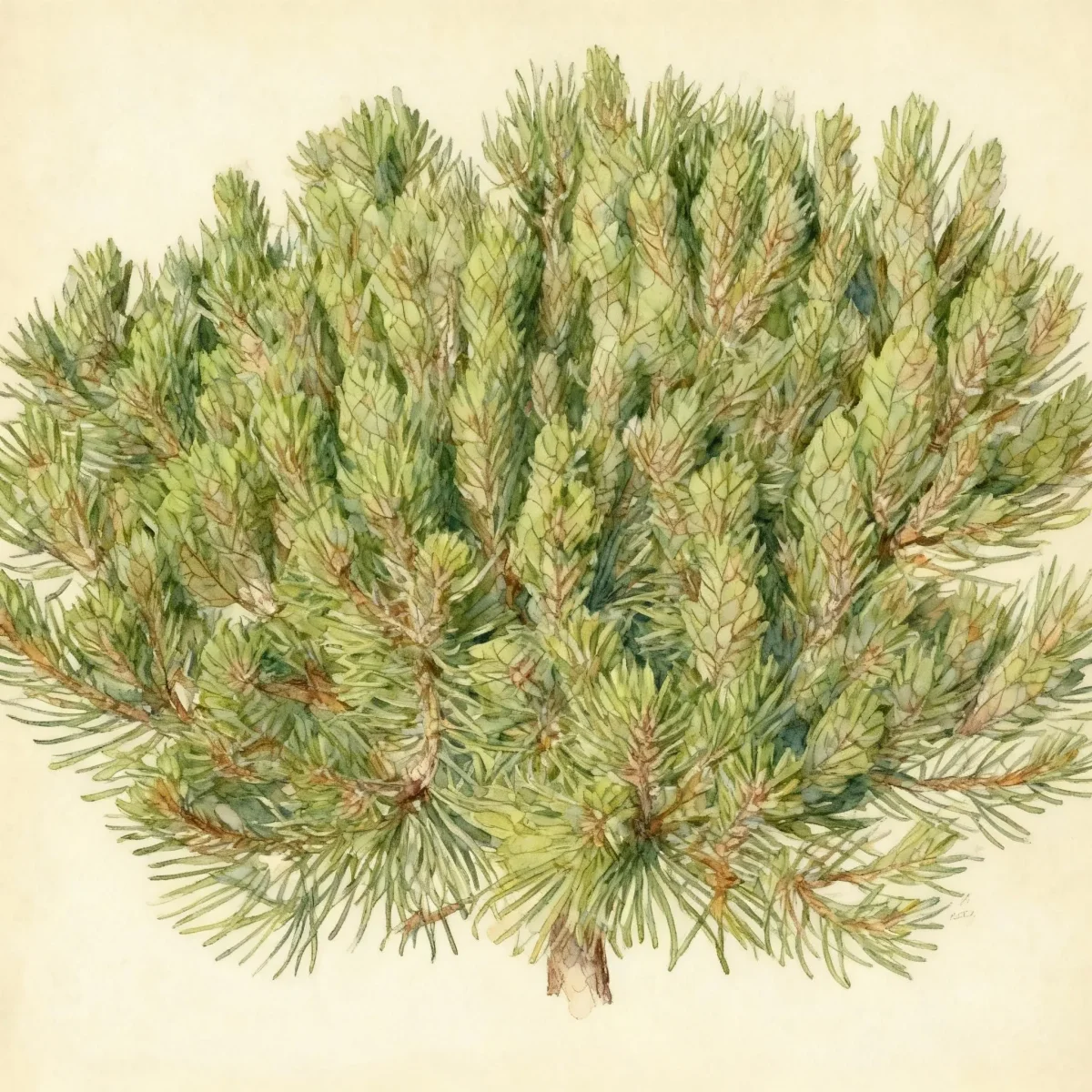
Pinus mugo ‘Teeny’, the Dwarf mountain pine, is frequently cited as one of the smallest commercially available cultivars of mugo pine, making it a jewel for diminutive landscapes. This specimen excels where space is limited, offering dense, globose evergreen structure year-round. Its slow growth rate ensures it remains manageable, perfectly suiting modern, low-maintenance gardening styles.
Unlike its larger relatives, this cultivar of Pinus mugo typically matures to less than 12 inches high and wide over a decade. Gardeners cherish its utility in tight spots, using the Dwarf mountain pine to provide rich textural contrast among stone or low-growing perennials. It thrives with minimal intervention, combining remarkable toughness with exceptional miniaturization.
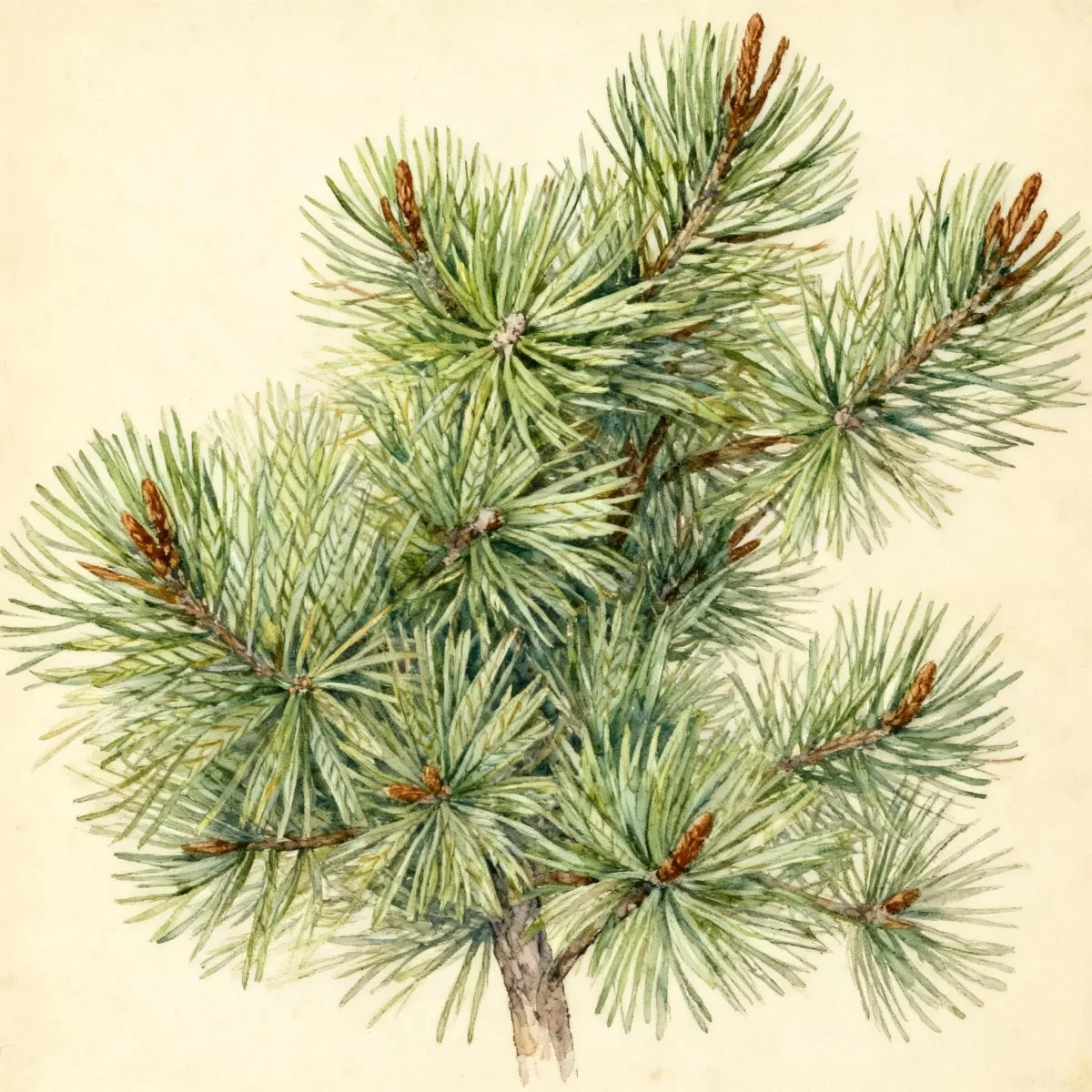
The foliage on Pinus mugo ‘Teeny’ consists of short, medium to dark green needles, tightly packed on the branchlets. Providing deep structure to rock gardens or foundation plantings, the Dwarf mountain pine requires standard pine cultivation but offers high reward for its minimal size commitment.
Fast Facts
- Plant Family: Pinaceae
- Plant Type: Needled evergreen
- Hardiness Zones: USDA Zones 3-7
- Size at Maturity:
- Height: 0.5-1 ft
- Spread: 0.5-1 ft
- Bloom Time: Non-flowering
- Bloom Description: Non-flowering
- Sun Exposure: Full sun to part shade
- Water Needs: Medium
- Maintenance Level: Low
How to Grow
The best time to plant your Pinus mugo ‘Teeny’ is typically in spring or early fall, allowing the roots to establish before periods of extreme heat or cold. Select a location that provides full sun, as adequate light promotes dense growth and color. Soil requirements lean toward moist, well-drained loams, though this Dwarf mountain pine shows flexibility by growing well in sandy soils and possessing some tolerance for clays. Crucially, ensure drainage is excellent, as wet, poorly-drained soils must be avoided to prevent root issues.
Watering should be consistent during the first few growing seasons to help establish the root system. Once established, the plants require medium water, thriving if the soil remains consistently moist but never soggy. Pinus mugo ‘Teeny’ prefers cooler summer climates, which may require monitoring water availability during hot spells. This cultivar is generally tolerant of urban conditions, including air pollution.
Pruning is minimal for this very slow-growing form. However, if you wish to strictly maintain the compact, globose shape of Pinus mugo ‘Teeny’, annual pruning in late winter is recommended. Focus on removing errant growth tips before new candles emerge to retain the dense habit. Unpruned specimens may eventually slightly surpass their designated small space over many years.
Landscape Uses
The supremely compact size of Pinus mugo ‘Teeny’ makes it an invaluable asset in tightly controlled garden designs. Its primary role is as a dwarf evergreen for rock gardens, where its dense, year-round structure complements both hardscape elements and flowering alpines. The slow growth ensures that once sited, it will not overwhelm neighboring plants.
Beyond rockeries, the Dwarf mountain pine is highly appropriate for foundation plantings near homes or walkways where height restrictions are necessary. It works well bordering miniature paths or in large, permanent containers. Because it establishes a dense, low mound, it serves effectively as year-round “filler” that requires virtually no yearly replacement, unlike herbaceous borders.
Consider pairing this stout evergreen with contrasting textures, such as spreading sedums or low-growing ornamental grasses that offer seasonal color. Its robust nature, evidenced by its tolerance to deer and urban pollution, means it can be successfully integrated into challenging areas of the mixed border.
Standout Features
Noteworthy Characteristics
Pinus mugo species, known widely as mugo pine or Swiss mountain pine, is a highly variable group ranging from bushy shrubs to small trees. The cultivar ‘Teeny’ is an extremely dwarf selection, often considered the smallest mugo pine available. It maintains a dense, globose habit, growing only about 1 inch per year, typically reaching only 10 to 12 inches in height and spread over a decade. It is defined by its unusually short needles, measuring up to 1 inch long, borne in bundles of two.
Tolerances
- Deer
- Air Pollution
Potential Problems
While generally tough, Pinus mugo can face specific challenges. Pines are often difficult in areas with high humidity and poor soil drainage, which encourages rot diseases. Susceptibility exists to tip blight, various rusts, and rots, particularly if air circulation is poor due to overcrowding.
Pest management requires vigilance; be aware of common threats like pine needle scale and sawflies, which can seriously disfigure the foliage if left unchecked, especially in established plantings of Dwarf mountain pine. Moths and borers may also occasionally target stressed specimens.
To manage health issues, ensure proper siting according to its needs for well-drained soil and full sun. Promptly remove any blighted or obviously diseased needles in the spring to reduce pathogen spread, and employ horticultural oil treatments if scale pressure is high.
Frequently Asked Questions
What hardiness zones is Dwarf mountain pine suitable for?
Pinus mugo ‘Teeny’ is exceptionally hardy, thriving across USDA Zones 3 through 7.
How large does Pinus mugo ‘Teeny’ grow?
This extremely dwarf cultivar grows very slowly, typically reaching only 0.5 to 1 foot in both height and spread at maturity.
What sun exposure does Dwarf mountain pine need?
This needled evergreen performs best when sited in full sun but can tolerate part shade conditions as well.
When does Dwarf mountain pine bloom?
Pinus mugo ‘Teeny’ is non-flowering, characteristic of pines, which produce cones rather than typical flowers.
Conclusion
The Pinus mugo ‘Teeny’ offers unparalleled value for gardeners seeking permanent, year-round structure in miniature form. Its low maintenance coupled with its high tolerance profile—including deer resistance—cements its place as a premier choice for small spaces and rockeries. Before planting, verify that your site offers full sun and excellent drainage to ensure the long-term success of your Dwarf mountain pine.
Companion Planting for Miniature Gardens
When integrating Pinus mugo ‘Teeny’ into a designed space, focus on companions that share its love for well-drained soil and cool preferences. Consider using spreading sedums or thyme varieties for ground cover that thrive in similar bright, slightly drier conditions. The dark needles of the Dwarf mountain pine provide an excellent backdrop for bright summer annuals or low-mounding Heucheras, providing textural contrast without overwhelming the pine’s slow stature. These combinations ensure the entire planting remains manageable size-wise year after year.
Seasonal Care Calendar for Pinus mugo ‘Teeny’
The care routine for Pinus mugo ‘Teeny’ is generally light, following the plant’s low maintenance requirements. In very early spring, before bud break, inspect the plant thoroughly for any signs of fungal issues or overwintered pests like scale; this is the best time for preventative treatment. Summer months require diligent monitoring of soil moisture, especially during periods of drought, ensuring the medium remains medium moist but never waterlogged. Late winter, before new growth begins, is the optimal time for any necessary shaping or pruning to maintain the tight, globose form of this Dwarf mountain pine.