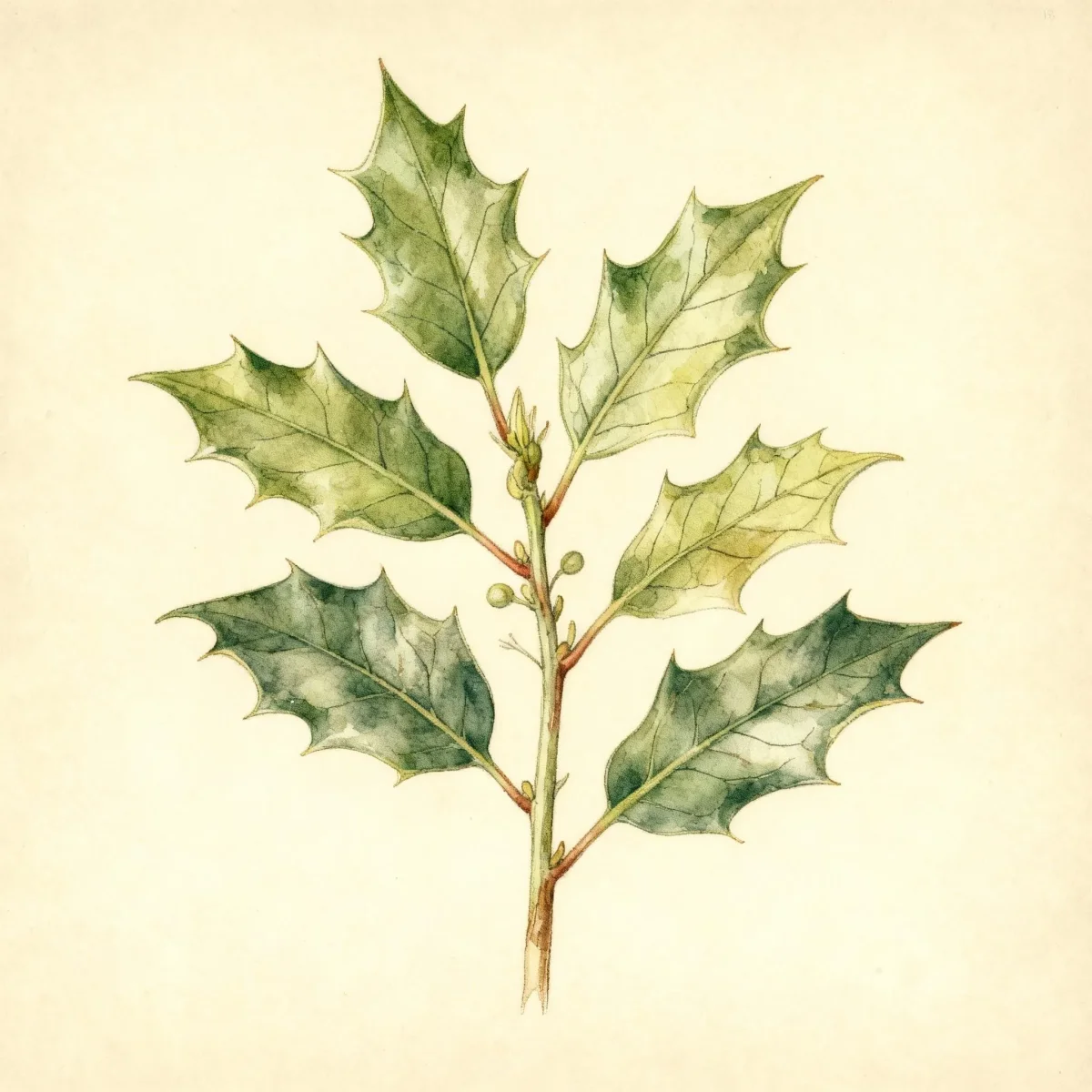
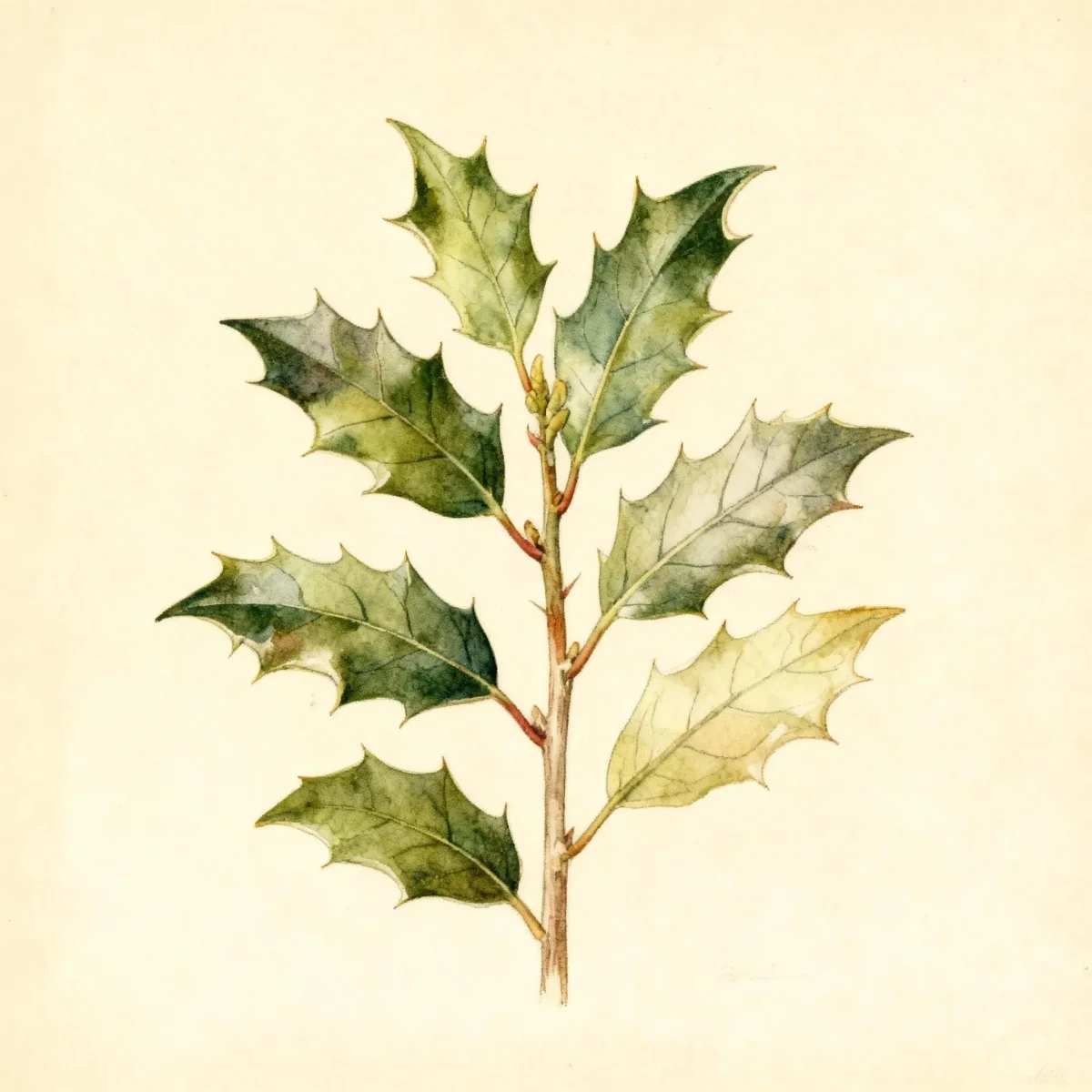
American holly (Ilex opaca 'W. M. Hawkins')
Ilex opaca 'W. M. Hawkins' is a desirable, low-maintenance dwarf American holly, offering year-round evergreen interest and tolerance.
Scroll down to discover growing tips, care requirements, companion plants, and more
Complete Plant Information
Overview
The Ilex opaca ‘W. M. Hawkins’ cultivar provides gardeners with the classic beauty of American holly in a compact, manageable footprint. This broadleaf evergreen is highly valued for its dense, spiny, deep green foliage that retains its color throughout the cold winter months, contrasting beautifully with its showy red fruits, if pollinated. A true low-maintenance specimen, this dwarf variety is ideal for smaller spaces where the upright, pyramidal shapes typical of mature American holly would overwhelm the landscape.
As a cultivar of native Ilex opaca, this plant offers excellent ecological value alongside its aesthetic appeal, often serving as a vital winter food source for birds. Its resistance to common urban stresses, including air pollution and deer browsing, makes Ilex opaca ‘W. M. Hawkins’ an exceptionally reliable choice for modern suburban gardens. Successful cultivation relies on providing average, consistently moist, and acidic soil conditions.
Growers appreciate the hardiness of this specific variety, which thrives across USDA Zones 5 through 9, making it versatile for many regions. Whether used as a low foundation planting accent or placed prominently in a rock garden, the ‘W. M. Hawkins’ maintains its dense structure with minimal intervention, cementing its status as a superb structural evergreen.
Fast Facts
- Plant Family: Aquifoliaceae
- Plant Type: Broadleaf evergreen
- Hardiness Zones: USDA Zones 5-9
- Size at Maturity:
- Height: 0.5-1 ft
- Spread: 0.25-0.75 ft
- Bloom Time: May
- Bloom Description: Creamy white
- Sun Exposure: Full sun to part shade
- Water Needs: Medium
- Maintenance Level: Low
How to Grow
Plant Ilex opaca ‘W. M. Hawkins’ during the cooler seasons—spring or fall—to allow the root system time to establish before summer heat or winter freezes arrive. It performs best when sited in locations protected from abrasive cold winter winds, which can cause leaf scorch. Ensure the site provides full sun to partial shade; while it tolerates shade, dense shade will cause the foliage to lose its desirable density.
This dwarf American holly requires consistently moist, acidic, well-drained soil. It tolerates clay soil well, but absolutely avoid areas prone to flooding or persistent moisture saturation, as saturated soils lead to root failure. If your soil pH is high, monitor leaves for chlorosis (yellowing), as this variety, like other Ilex opaca, performs poorly in alkaline conditions.
Maintenance is generally low. Water regularly, especially during dry periods, to maintain the medium water needs. Fertilizing is rarely essential if planted in rich, suitably acidic soil. Pruning is minimal due to its desired dwarf shape, requiring only occasional light shaping to maintain form or remove any damaged growth.
Landscape Uses
The diminutive stature of Ilex opaca ‘W. M. Hawkins’, only reaching about 1 foot tall and less than 1 foot wide, opens up unique landscape opportunities. This dwarf American holly is perfectly sized for use in rock gardens, where its evergreen texture provides year-round contrast against stone and seasonal bloomers. It excels as a precise edging plant along walkways or defining the front border of foundation plantings where taller shrubs would obscure windows.
Since the species is known for its suitability in creating Christmas decorations—and this cultivar retains that essential foliage—consider using it near entryways. When pollinated, the attractive berries provide necessary winter food for birds, adding dynamic interest to the dormant winter garden. The low-growing, dense habit makes this a superb specimen for formal or mixed evergreen borders.
Standout Features
Flower Qualities
- Insignificant
Fruit Qualities
- Showy
Noteworthy Characteristics
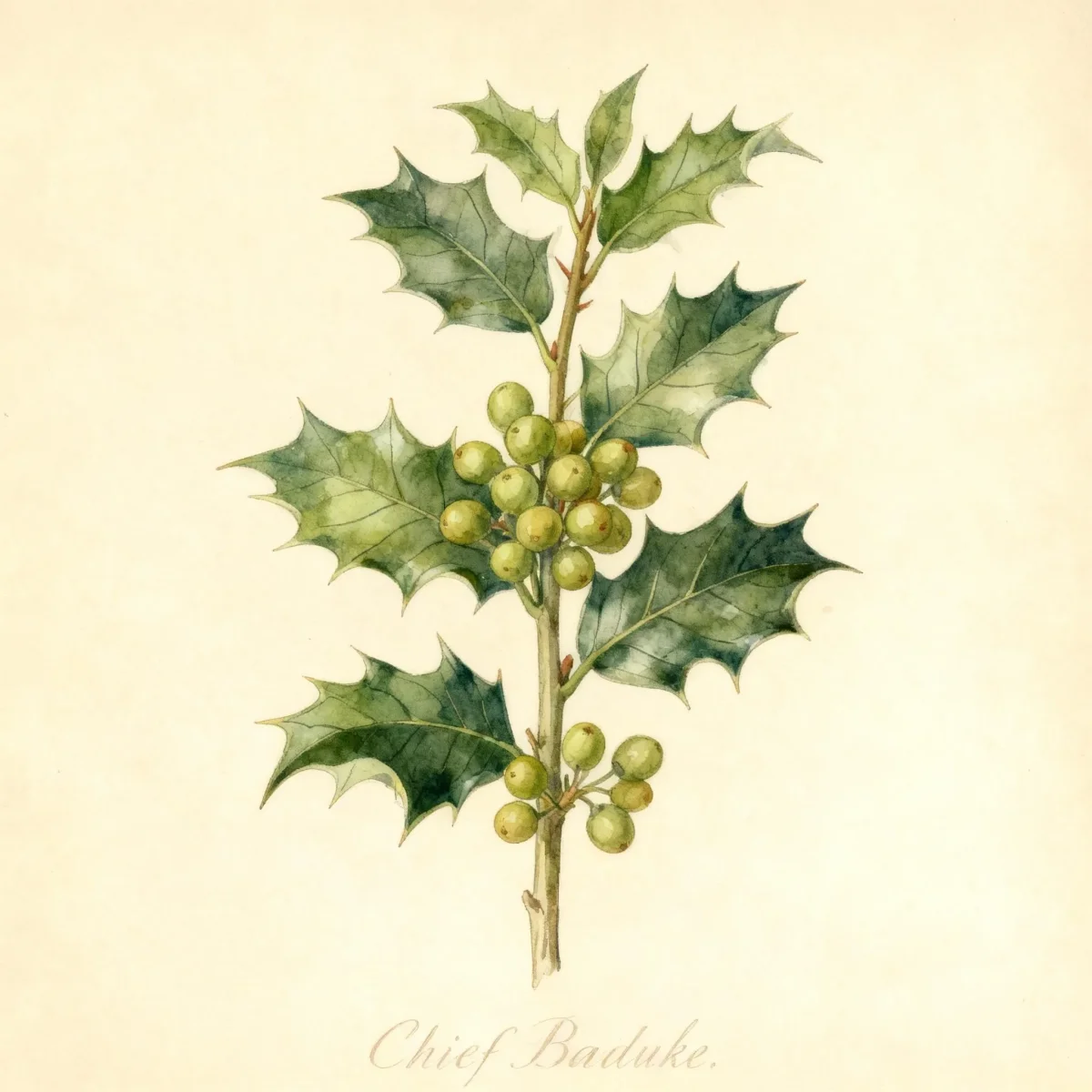
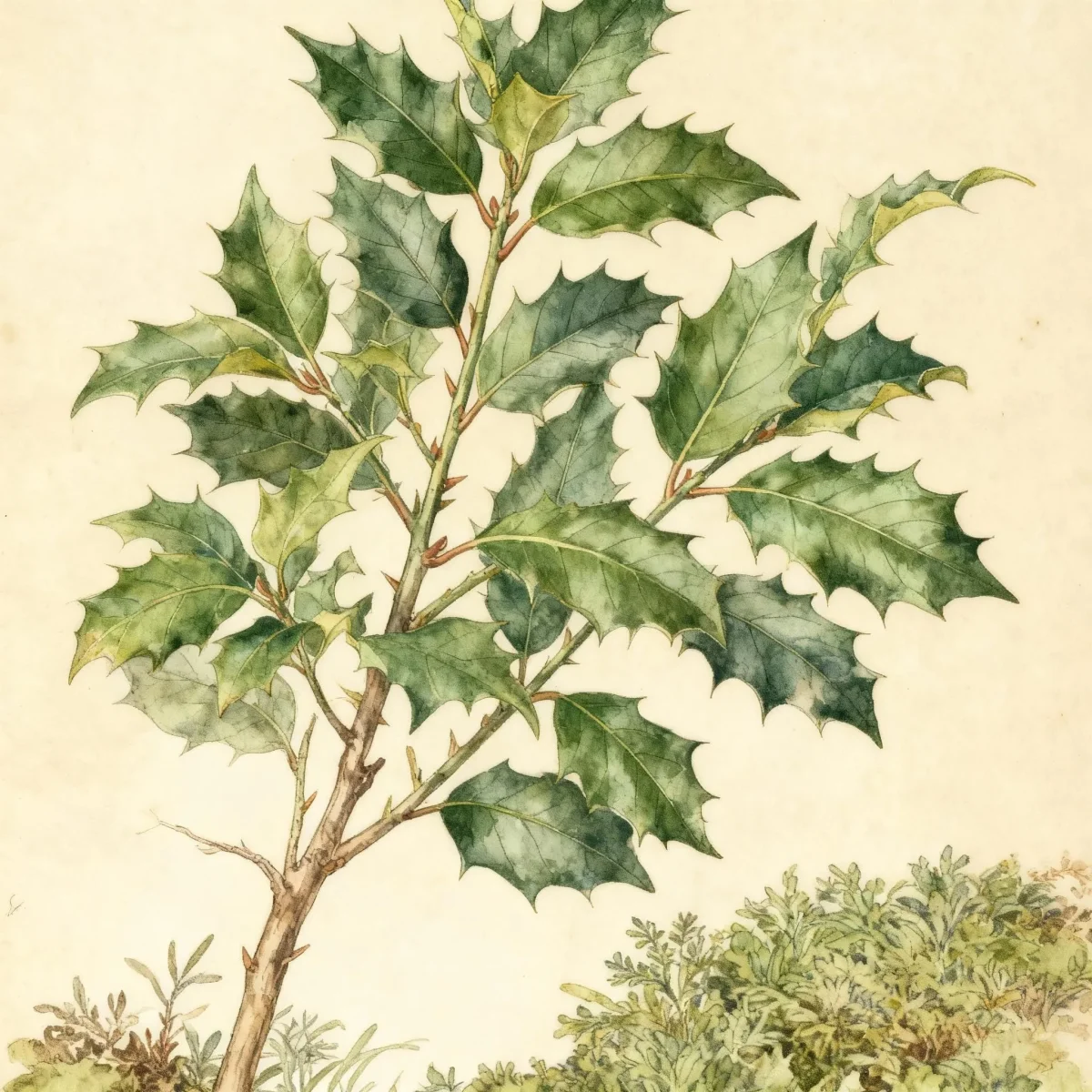
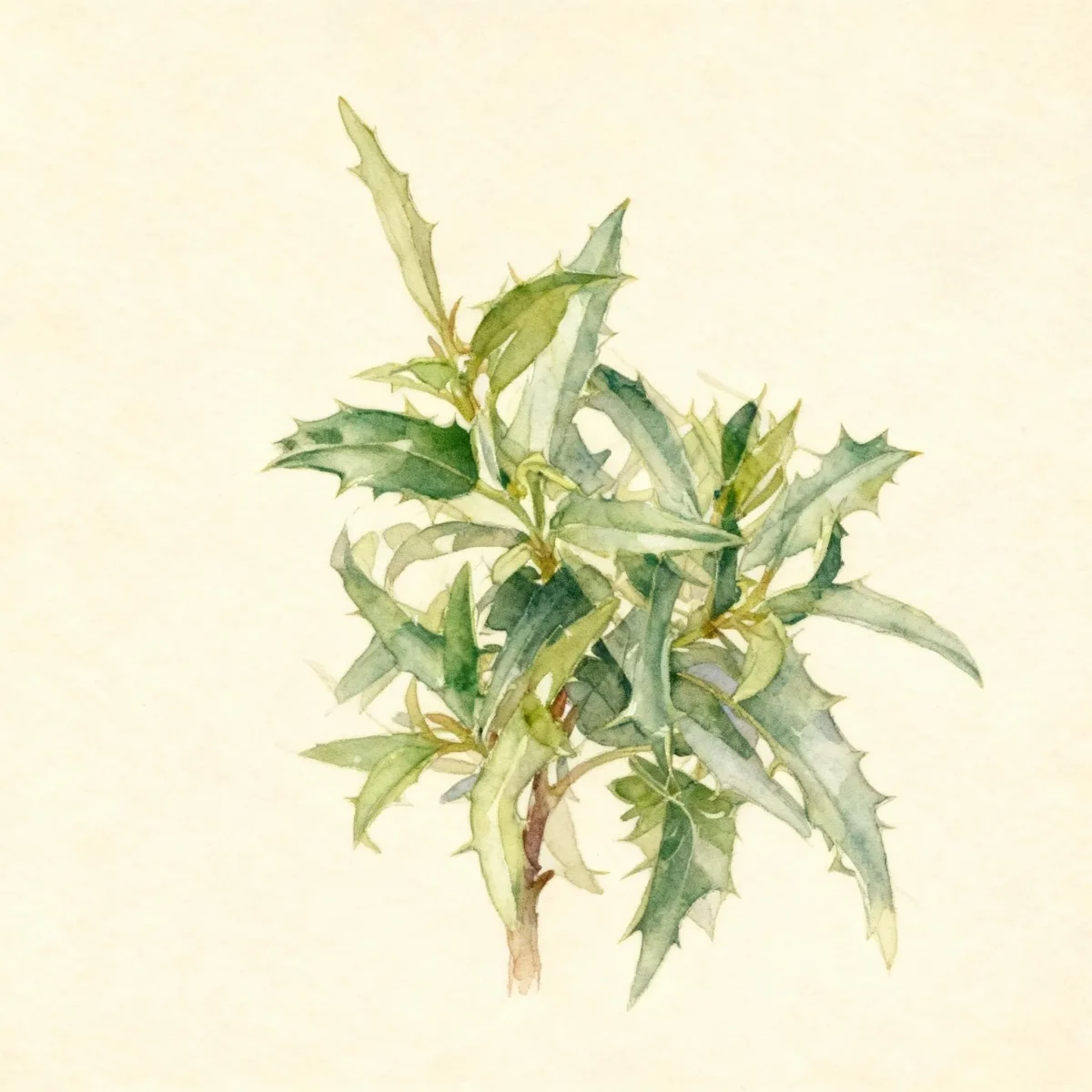
Ilex opaca, commonly called American holly, is readily identified by its spiny green leaves, though the ‘W. M. Hawkins’ cultivar is a distinct dwarf-miniature form growing in a vase shape up to 12 inches tall. This evergreen shrub possesses narrow, spiny-toothed, deep green leaves, offering the classic Christmas holly aesthetic in a highly compact form. As the species is dioecious, ensure a pollinator is present if you desire the bright red fruits to persist through winter.
Tolerances
- Deer
- Clay Soil
- Air Pollution
Potential Problems
Potential insect problems associated with American holly include damage from the holly leaf miner, spider mites, whitefly, and scale infestations. Control these pests promptly using appropriate horticultural oils or insecticides targeted to the specific pest life cycle. Disease issues encompass leaf spot, leaf rot, tar spot, and powdery mildew. Good air circulation and avoiding overhead watering can significantly reduce the incidence of fungal diseases.
Beyond pests and diseases, this plant is susceptible to environmental stress like leaf scorch, common in hot, exposed sites, and overall leaf drop if culturally stressed. Most importantly, planting in high pH soils will induce chlorosis, characterized by the yellowing of leaves, which signals the plant cannot uptake essential nutrients efficiently. Consistent care focusing on appropriate soil acidity is the best preventative measure.
Frequently Asked Questions
What hardiness zones is American holly (Ilex opaca ‘W. M. Hawkins’) suitable for?
This cultivar is reliably hardy in USDA Zones 5 through 9. Always ensure your planting location falls within this range for best results.
How large does Ilex opaca ‘W. M. Hawkins’ grow?
This dwarf variety is extremely contained, typically reaching only 0.5 to 1 foot tall with a spread between 0.25 and 0.75 feet wide.
What sun exposure does Ilex opaca ‘W. M. Hawkins’ need?
It requires full sun to part shade; however, in very hot summer climates, part afternoon shade is recommended to prevent leaf scorch.
When does American holly (Ilex opaca ‘W. M. Hawkins’) bloom?
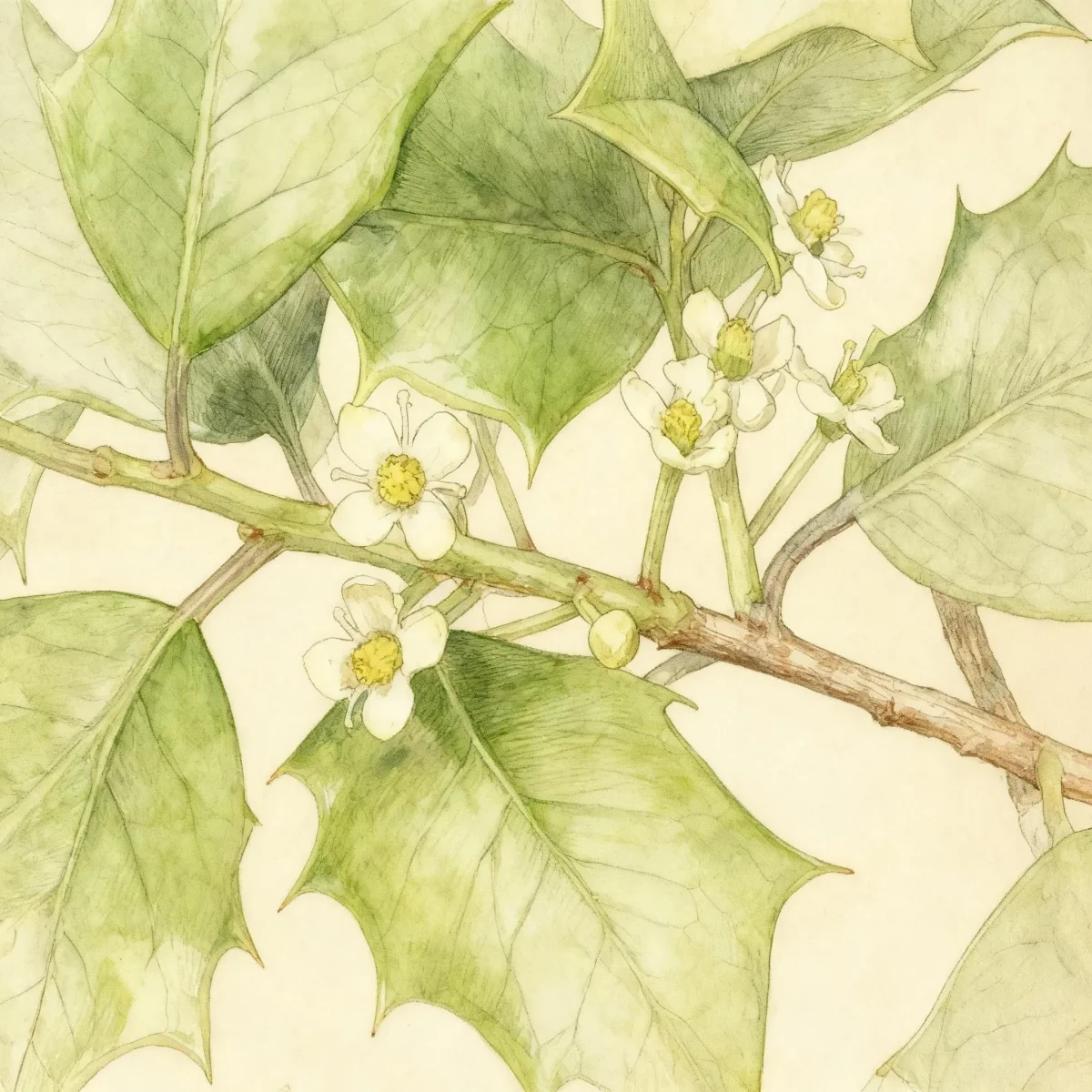
The creamy white flowers of this American holly bloom occur in May.
Conclusion
The Ilex opaca ‘W. M. Hawkins’ successfully translates the rugged, classic beauty of the American holly into a miniature shrub perfect for structured landscapes. Its low maintenance, year-round evergreen structure, and tolerance for difficult soils make it a powerhouse accent plant. Before planting, confirm your garden’s hardiness zone and ensure the soil conditions are acidic; once planted correctly, this handsome dwarf evergreen will thrive for years.
Companion Planting
Since this dwarf American holly excels in acidic, well-drained soil, pair it with other acid-loving evergreens and perennials for cohesive planting. Azaleas and Rhododendrons, which share similar soil pH requirements, make excellent neighbors, especially in semi-shaded woodland garden settings. For rock gardens featuring the compact Ilex opaca ‘W. M. Hawkins’, consider low-growing conifers or trailing Sedums that offer textural contrast without competing for root space.
Wildlife Benefits
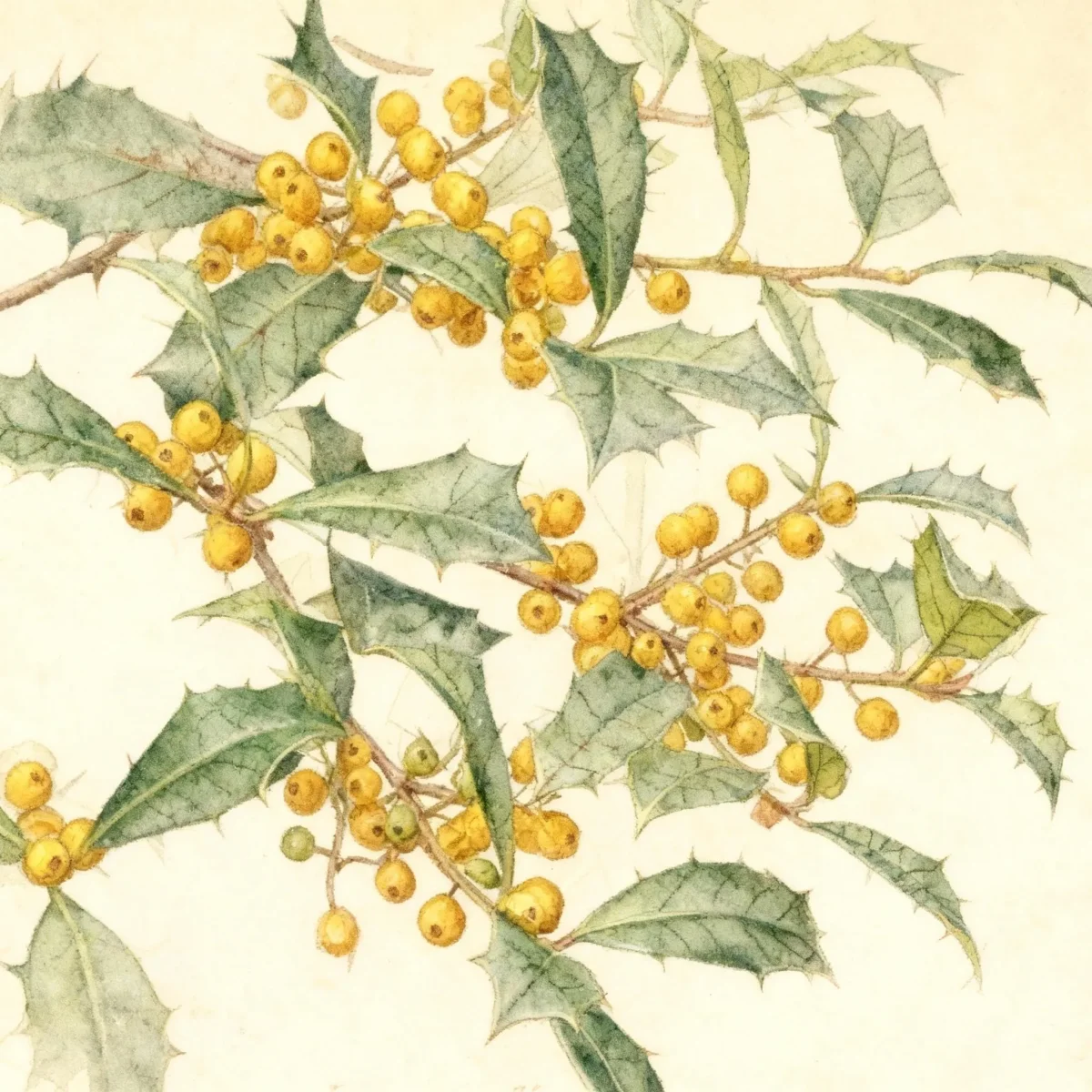
While the flowers are inconspicuous, the persistent, showy red drupes are highly attractive to numerous bird species throughout the winter, providing crucial sustenance when other food sources are scarce. The dense, spiny evergreen foliage of the American holly also provides excellent, safe overwintering cover and nesting protection for smaller birds against predators and harsh weather. Planting this cultivar supports local avian populations, adding significant ecological benefit to the landscape.