Pearlbush (Exochorda serratifolia 'Northern Pearls')
Exochorda serratifolia 'Northern Pearls' is a low-maintenance, deciduous Pearlbush known for stunning early spring white blooms in USDA Zones 4-7.
Scroll down to discover growing tips, care requirements, companion plants, and more
Complete Plant Information
Overview
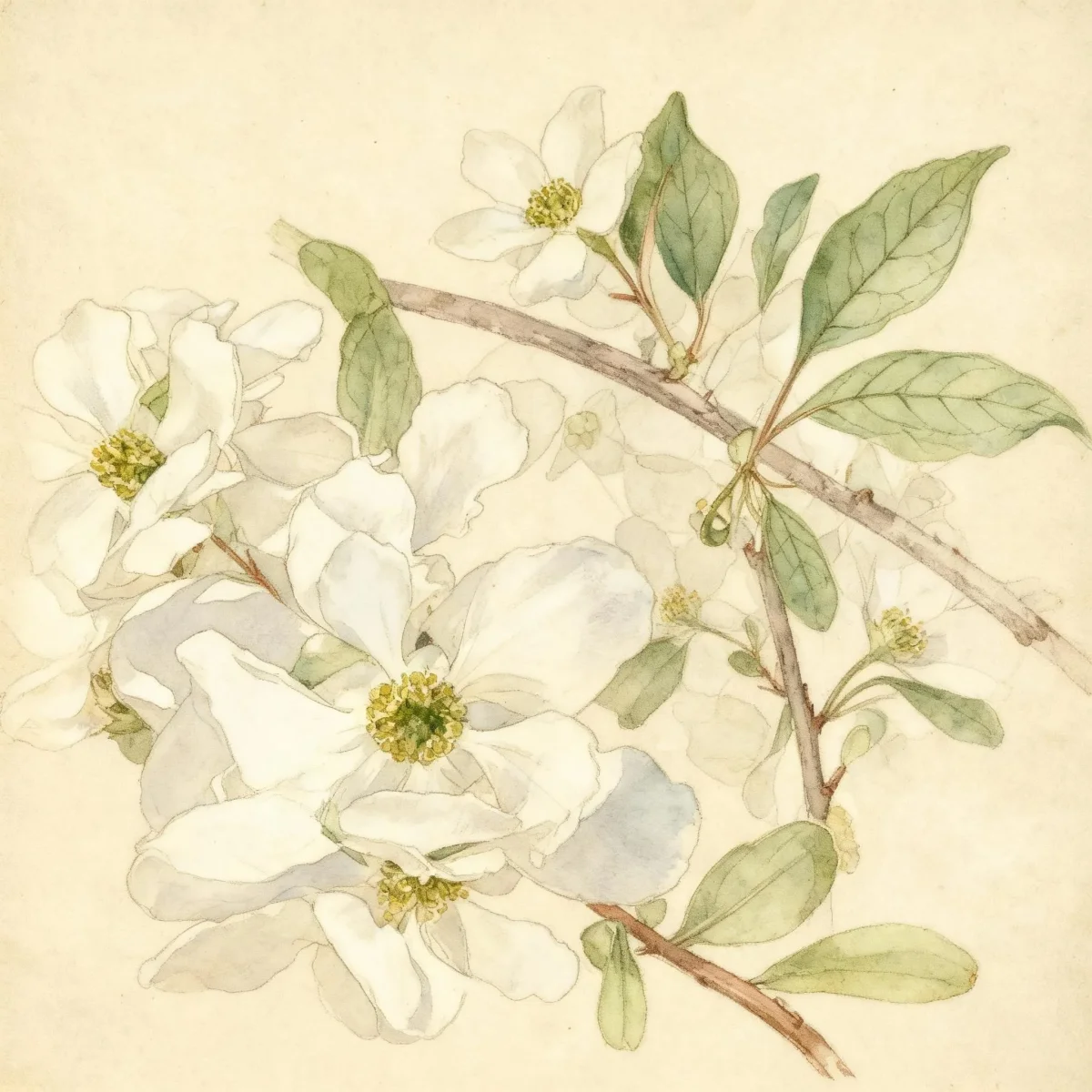
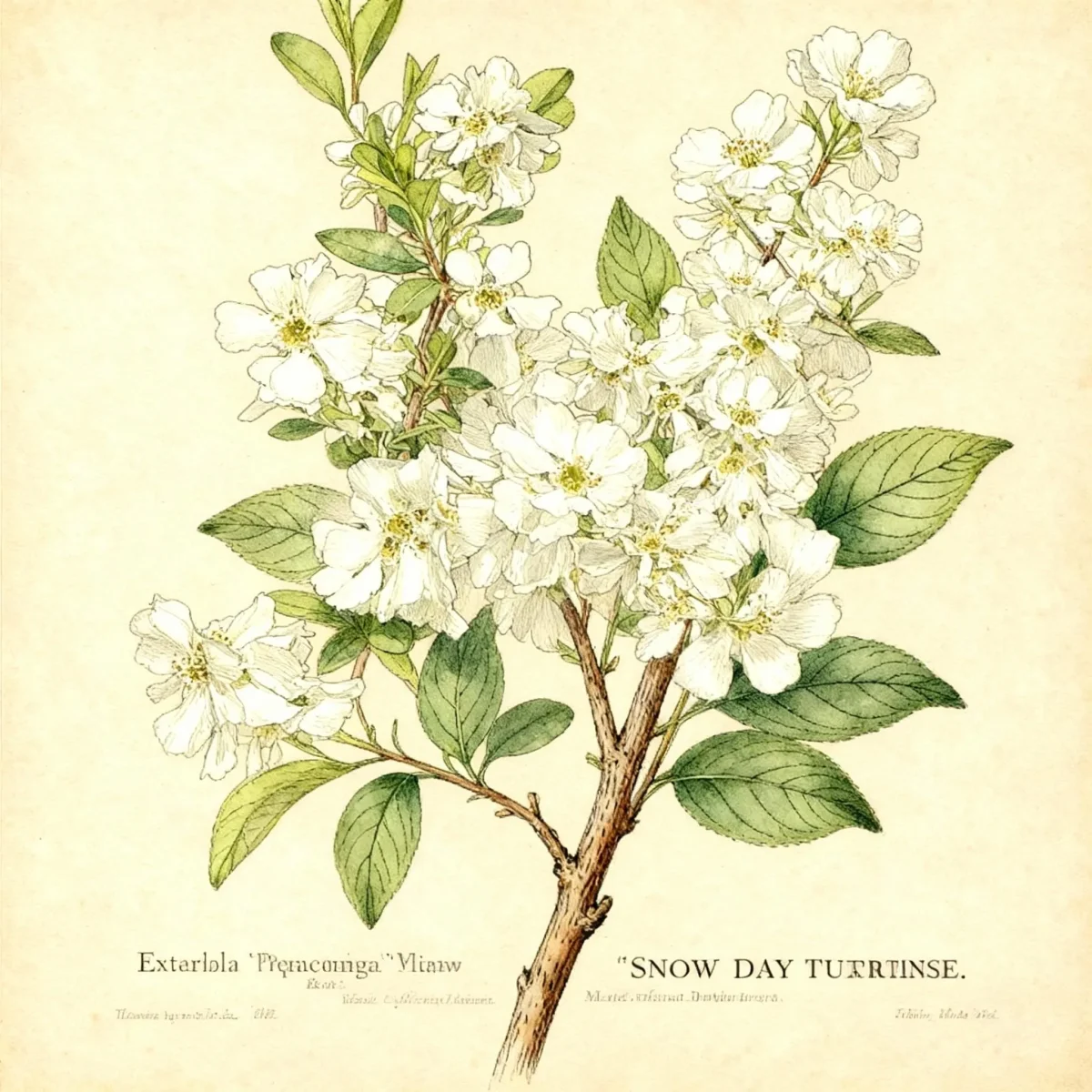
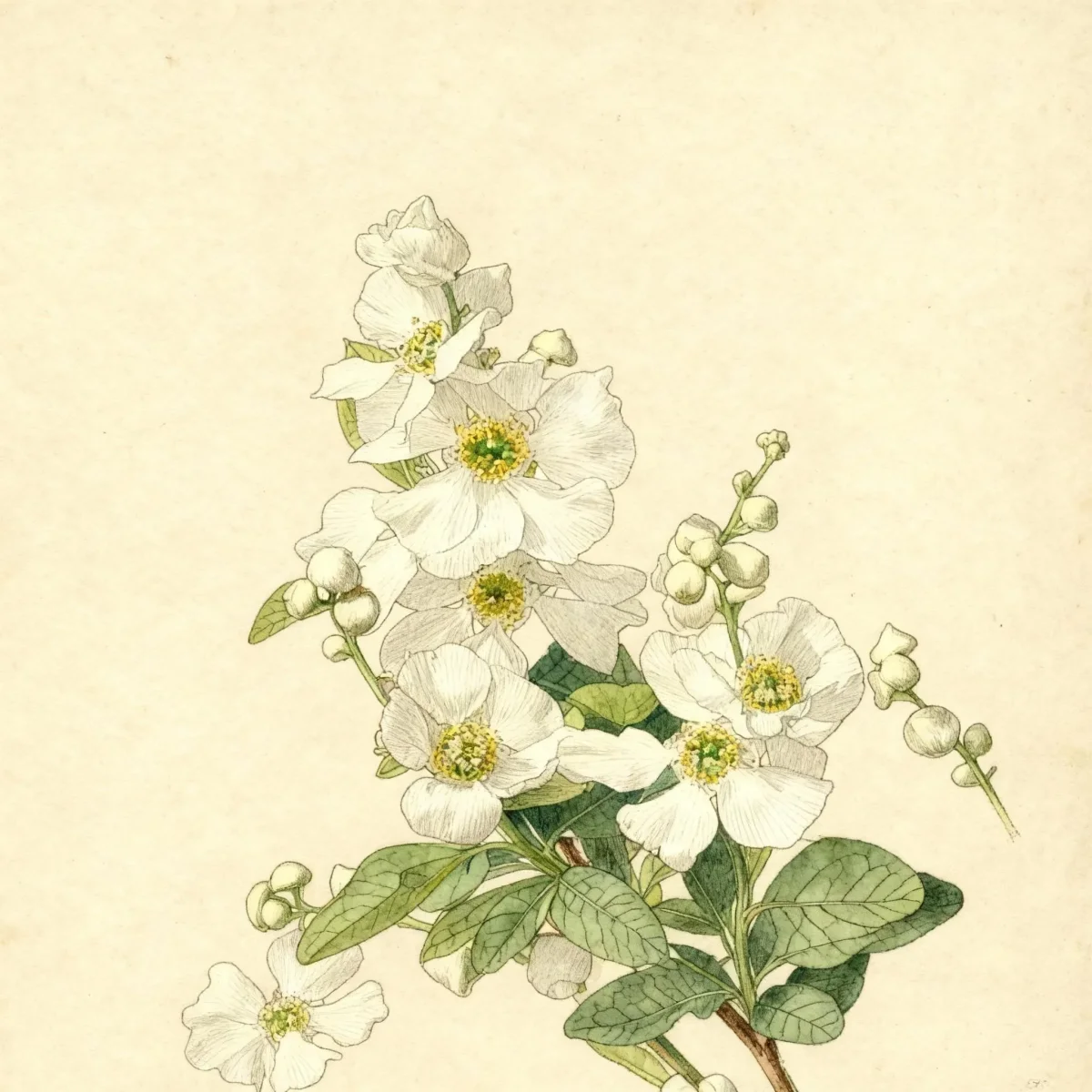
The Exochorda serratifolia ‘Northern Pearls’, commonly known as Pearlbush, is celebrated for its spectacular early spring display. This deciduous shrub produces an abundance of pristine white, star-shaped flowers that emerge from tight, pearl-like buds, providing excellent contrast before many other plants awaken. Its upright, outward-spreading habit makes it a reliable structural element in the landscape.
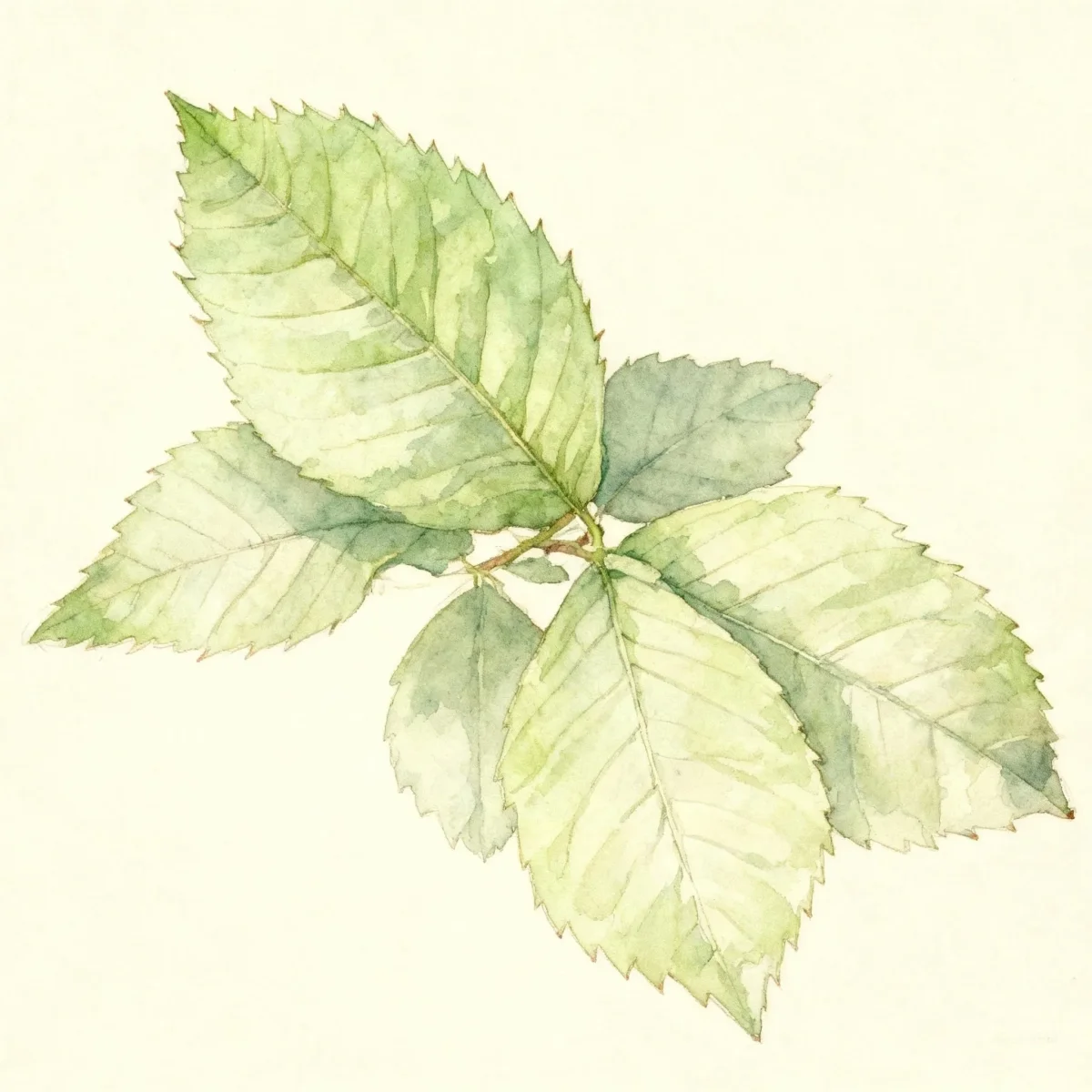
Gardeners highly value the Pearlbush for its relatively low maintenance needs combined with exceptional visual impact. It offers reliable performance across its specified hardiness range, typically maturing to a manageable 6 to 8 feet tall and wide. The foliage emerges elliptic and serrated, turning yellow in the fall, offering moderate seasonal interest.
‘Northern Pearls’ is a particularly compact cultivar, making it an ideal choice for hedges or specimen planting where a strong, early-season white floral accent is desired. Its hardiness and adaptability in average soils further cement its place as a dependable, attractive addition to cool temperate gardens.
Fast Facts
- Plant Family: Rosaceae
- Plant Type: Deciduous shrub
- Hardiness Zones: USDA Zones 4-7
- Size at Maturity:
- Height: 6-8 ft
- Spread: 6-8 ft
- Bloom Time: April
- Bloom Description: White
- Sun Exposure: Full sun to part shade
- Water Needs: Medium
- Maintenance Level: Low
How to Grow
Planting the Pearlbush is best done in the spring or fall when conditions are cooler, allowing the roots to establish before summer heat. Locate Exochorda serratifolia ‘Northern Pearls’ in full sun to partial shade. While it adapts to average, medium-moisture, well-drained soils, it truly thrives in moist, acidic, rich loams. Ensure the planting site is sheltered from harsh winds if possible.
Ongoing care for this low-maintenance shrub is straightforward. Maintain medium moisture levels, especially during dry periods, though established plants show good drought tolerance. Apply a slow-release fertilizer early in the spring to support vigorous seasonal growth and flowering.
Pruning should be approached carefully, as Exochorda serratifolia ‘Northern Pearls’ sets its impressive blooms on old wood. Prune only as needed—to control size or shape—and do so immediately after the flowers fade in spring. Further pruning flexibility allows experienced gardeners to train the shrub as a small, single-trunk tree structure.
Landscape Uses
The structure and seasonal flowering of the Pearlbush make it highly versatile. As suggested use indicates, it excels when planted to form a hedge, providing a dense, early-season screen that bursts into white bloom. For more layered effects, incorporate it into shrub borders where its height complements shorter spring ephemerals and later-blooming perennials.
In cottage garden settings, the clean white flowers of Exochorda serratifolia ‘Northern Pearls’ act as a perfect mid-layer specimen, softening hard lines and drawing the eye. Consider pairing it with early-blooming bulbs that emerge just before it, or mid-season plants that fill in once the blossoms have passed. Training this plant as a small tree can allow for underplanting beneath its canopy.
Standout Features
Flower Qualities
- Showy
Noteworthy Characteristics
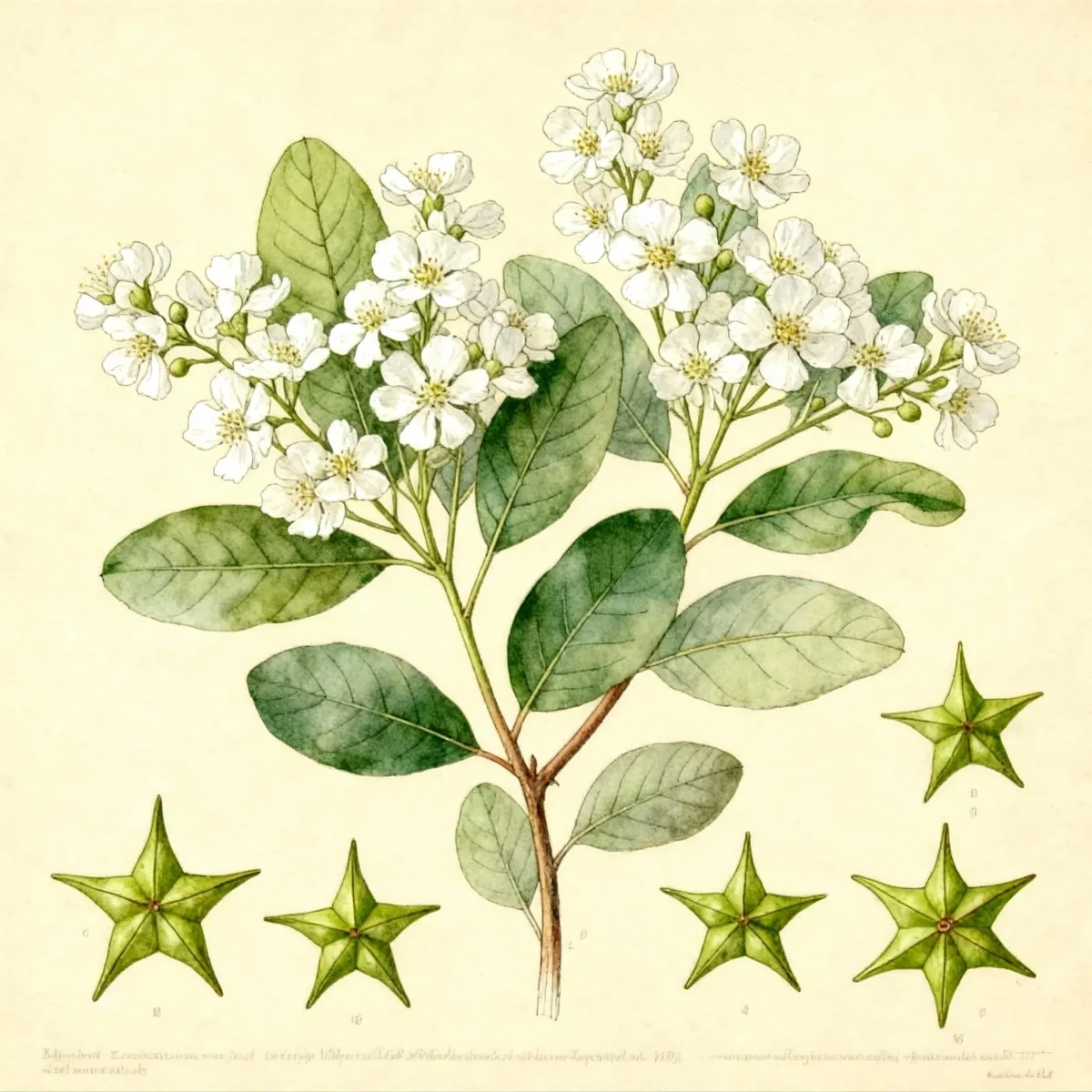
Exochorda serratifolia, commonly called pearlbush, is an upright, outward-spreading, thinly-branched, spirea-like deciduous shrub of the rose family that typically matures to 6-8’ tall with a slightly wider spread. It is native to open woodlands, slopes and stream banks in northeastern China and Korea. Pearl-like buds open in early spring (April-May) to an attractive bloom of star-shaped, 5-petaled, white flowers. ‘Northern Pearls’ is a compact cultivar that features racemes of 5-petaled white flowers (up to 2” diameter) which bloom in early spring. Flower buds purportedly resemble white pearls, hence the cultivar name.
Tolerances
- Drought
Potential Problems
The Pearlbush generally exhibits no serious insect or disease problems, making it an excellent choice for gardeners seeking robust performance with minimal intervention. Regular monitoring for common horticultural pests is wise, but severe infestations are rare for this species in ideal conditions. Maintaining good air circulation through proper pruning keeps the foliage healthy throughout the growing season.
Frequently Asked Questions
What hardiness zones is Pearlbush suitable for?
Exochorda serratifolia ‘Northern Pearls’ is successfully grown in USDA Hardiness Zones 4 through 7, benefiting greatly from the excellent winter hardiness noted in this cultivar.
How large does Exochorda serratifolia ‘Northern Pearls’ grow?
This shrub typically reaches a mature height between 6 and 8 feet, with a comparable spread of 6 to 8 feet, resulting in a somewhat rounded, spreading silhouette.
When does Pearlbush bloom?
The spectacular flowering time for this plant is generally in April, featuring masses of pure white flowers that emerge from distinctive pearl-like buds.
What sun exposure does Exochorda serratifolia ‘Northern Pearls’ need?
This plant performs best when situated where it receives full sun to part shade, though protection from intense afternoon heat in hotter parts of its range is beneficial.
Conclusion
The Exochorda serratifolia ‘Northern Pearls’ offers a powerful, low-effort reward early in the season with its signature white, pearl-budded flowers. Its reliable size, low maintenance, and excellent hardiness confirm its status as a premier spring-flowering shrub. Before planting, confirm that your site falls within USDA Zones 4-7 and plan your pruning schedule immediately after bloom to maximize next year’s floral display.
Companion Planting
When designing your spring borders alongside the Pearlbush, consider plants that share its preference for moist, well-drained, and slightly acidic soil conditions. Early bulbs like daffodils (Narcissus) and tulips offer low-growing color beneath the shrub before its leaves fully expand. For mid-season structure, hostas or bleeding hearts (Dicentra spectabilis) thrive in the dappled shade cast later in the year by a mature Exochorda serratifolia ‘Northern Pearls’.
Seasonal Care Calendar
Spring is the crucial time for the Pearlbush. In early spring, apply a slow-release granular fertilizer around the root zone to fuel robust flowering. Immediately after the white flowers have finished blooming in late spring, execute any needed shaping or thinning cuts. Summer care focuses primarily on ensuring medium moisture levels, especially if rainfall is sparse, taking advantage of its moderate drought tolerance once established. Minimal late-season work is required; avoid heavy pruning in late summer or fall, as this may encourage new growth susceptible to winter damage.