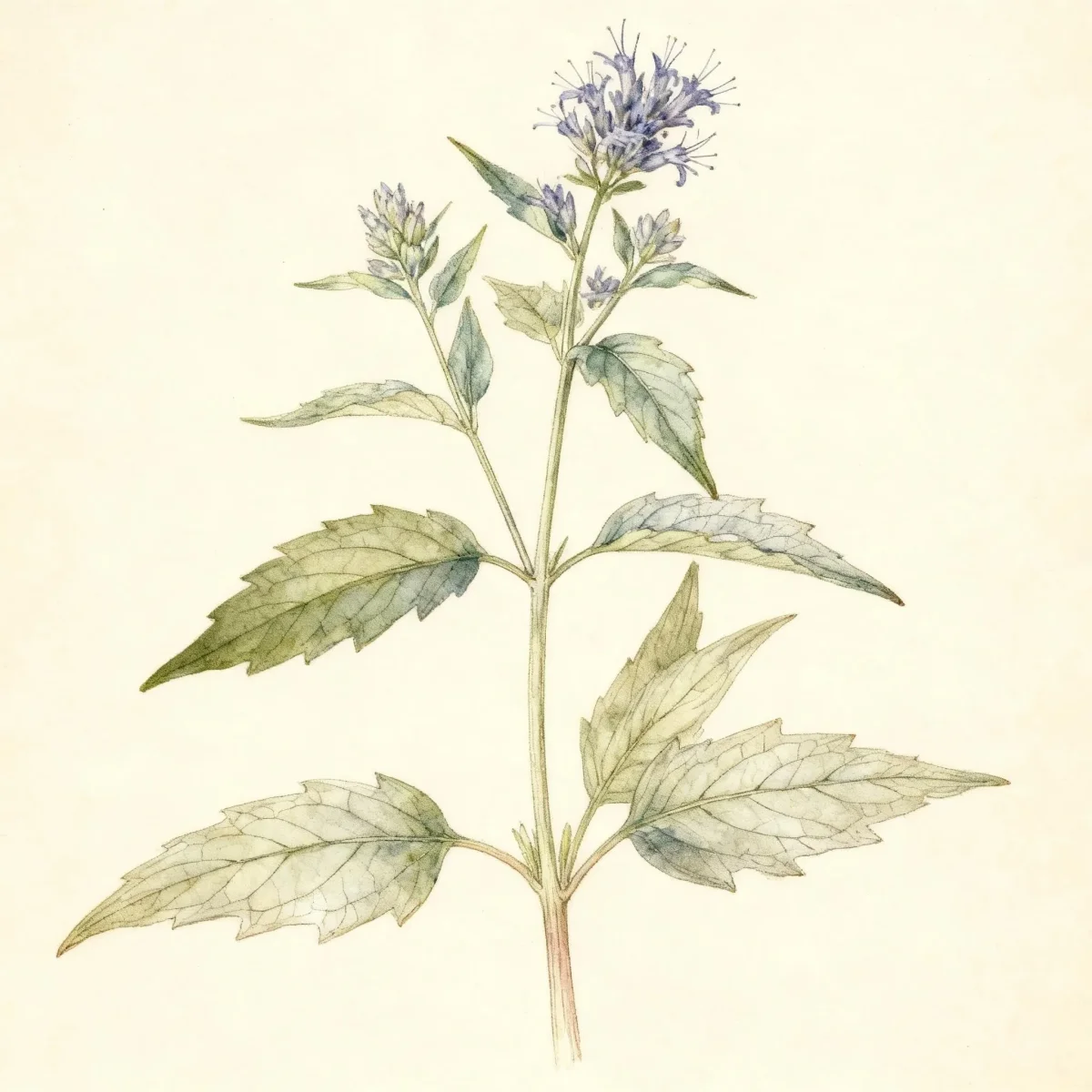
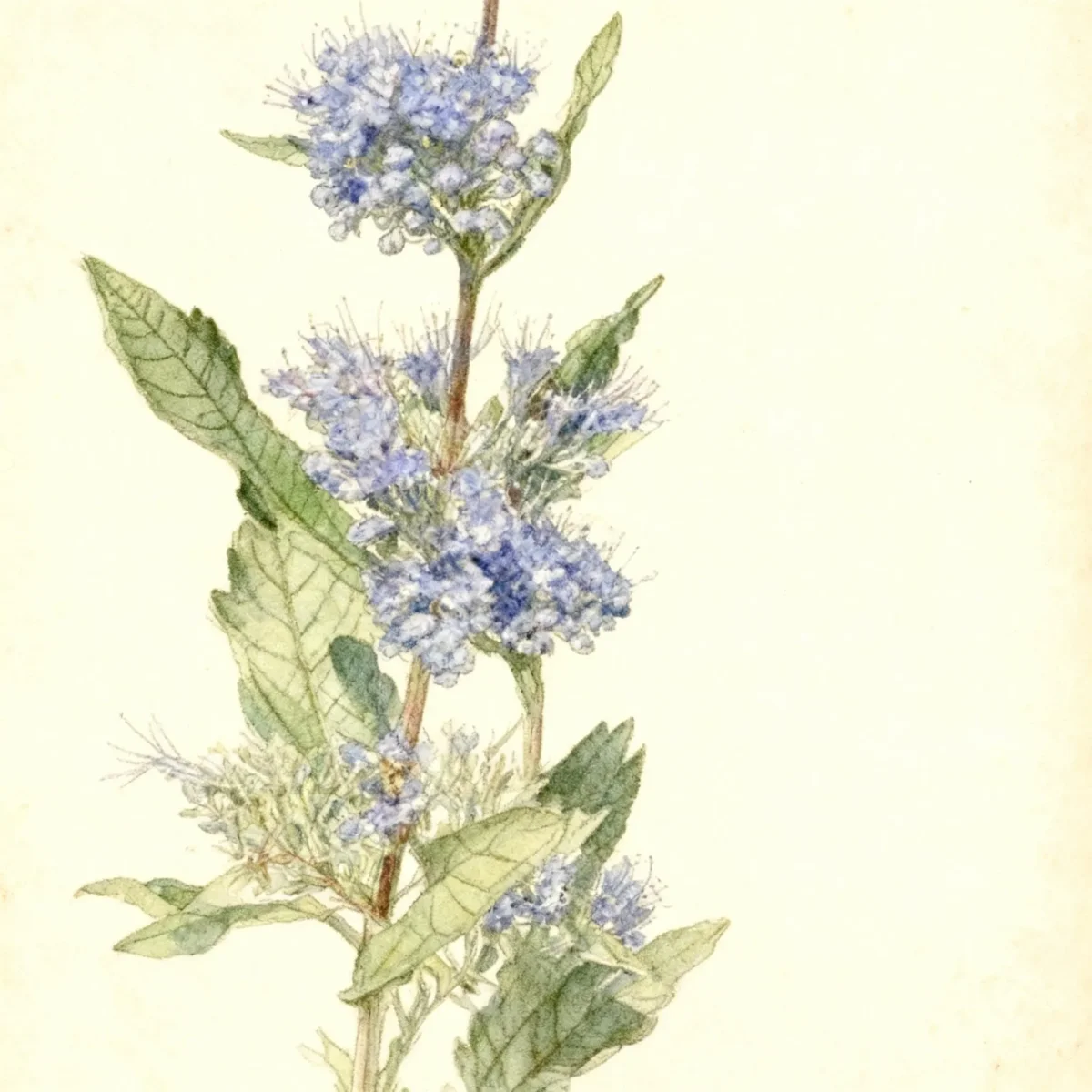
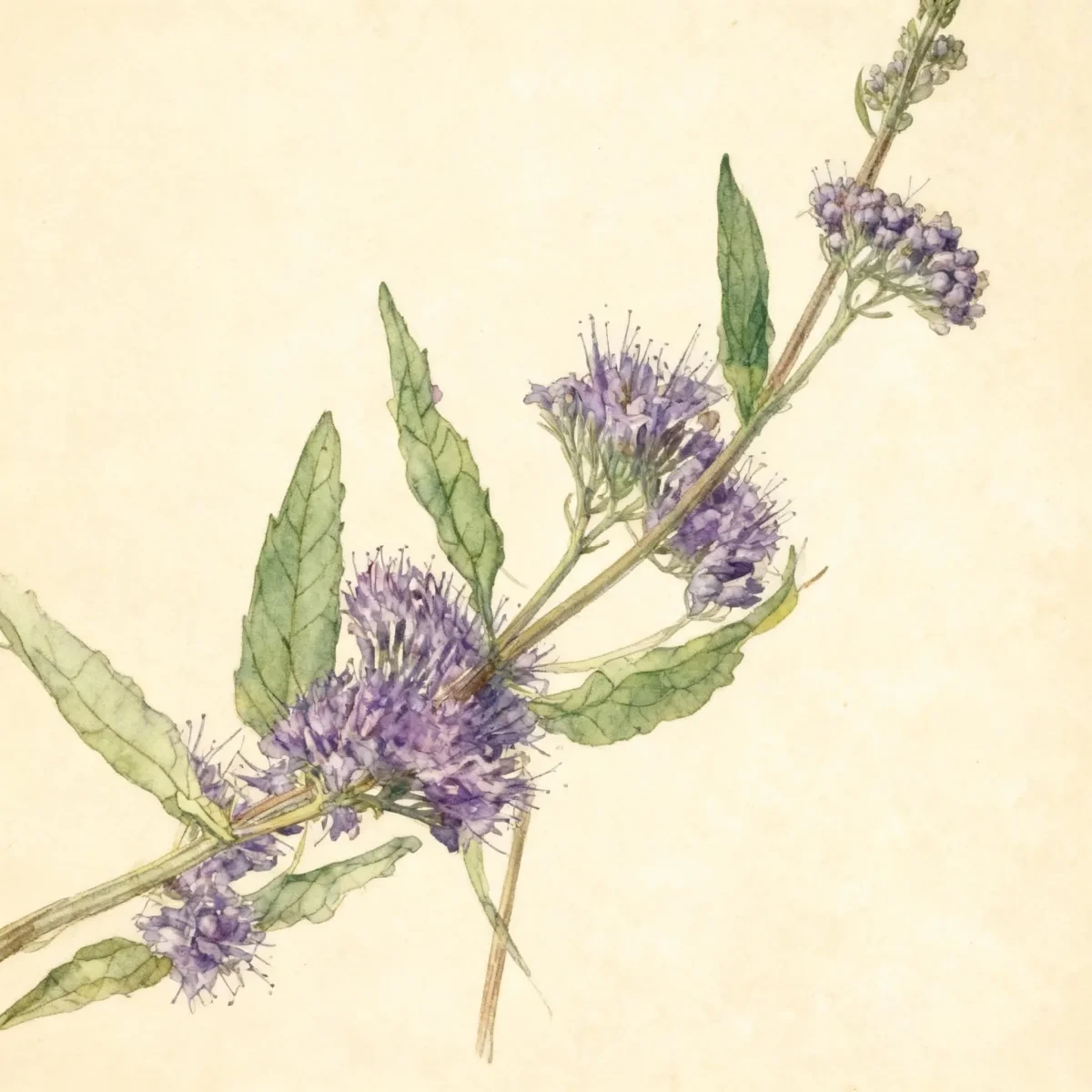
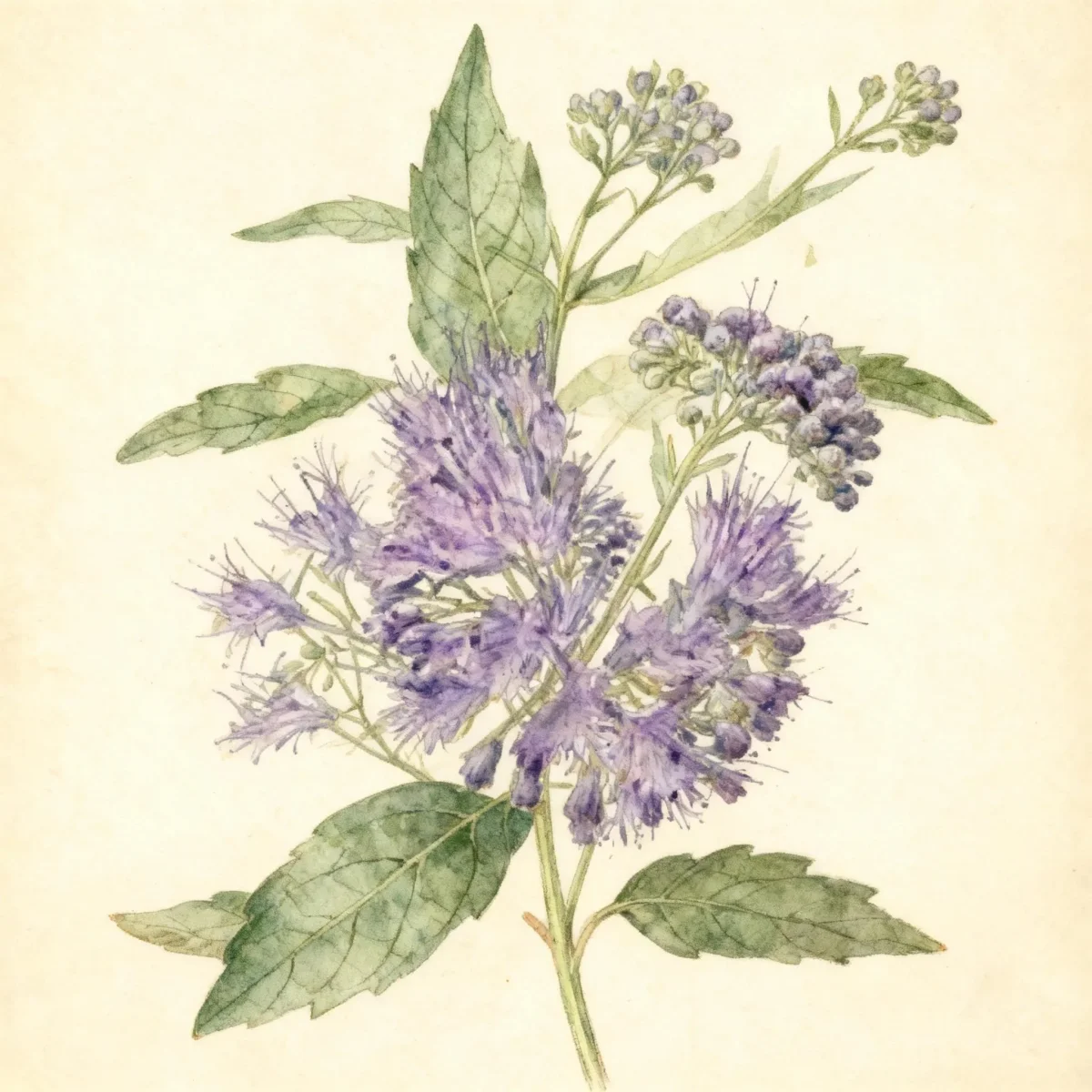
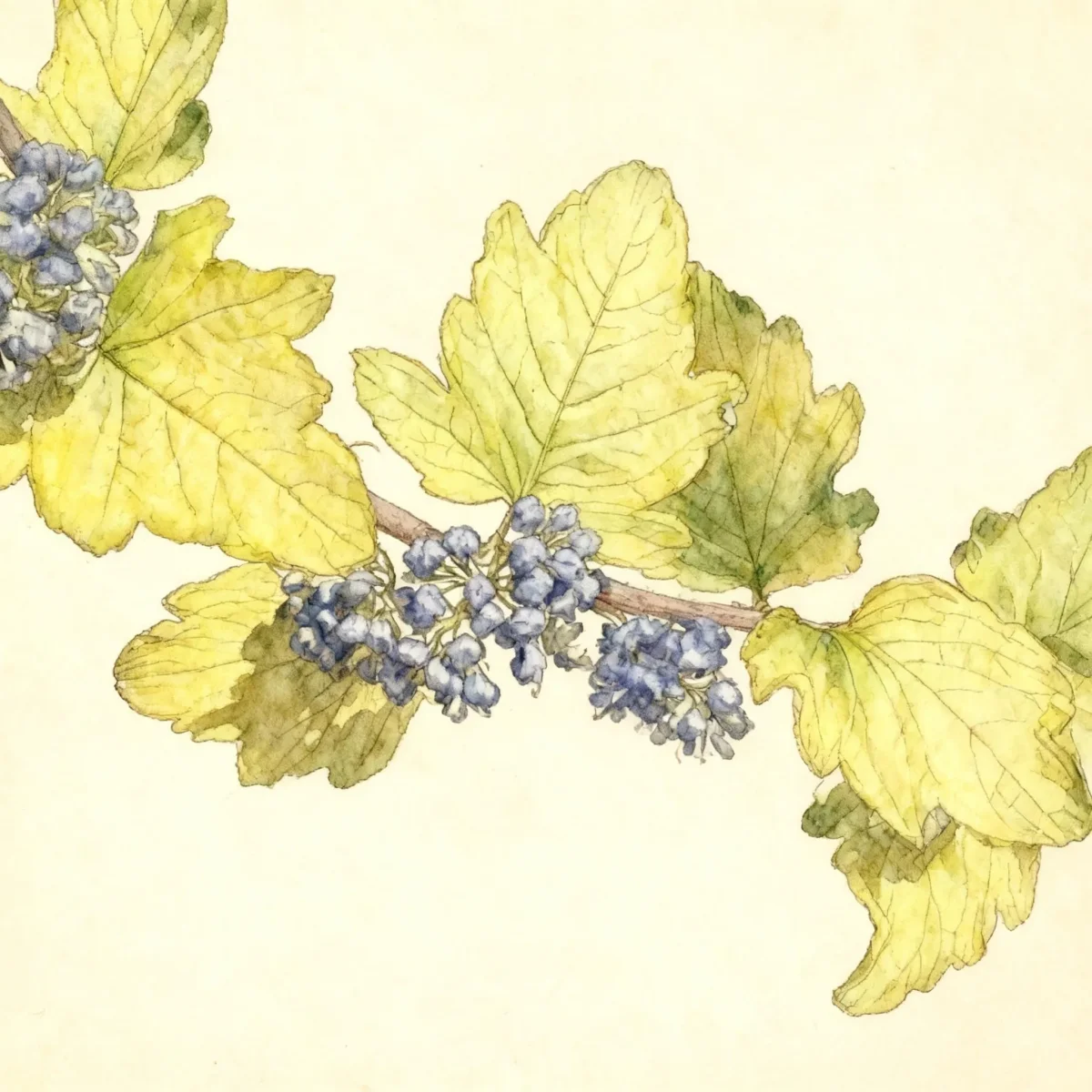
Bluebeard (Caryopteris × clandonensis 'Heavenly Blue')
Discover Caryopteris × clandonensis 'Heavenly Blue', the low-maintenance Bluebeard shrub, known for its fragrant foliage and stunning periwinkle blue late-summer blooms.
Scroll down to discover growing tips, care requirements, companion plants, and more
Complete Plant Information
Overview
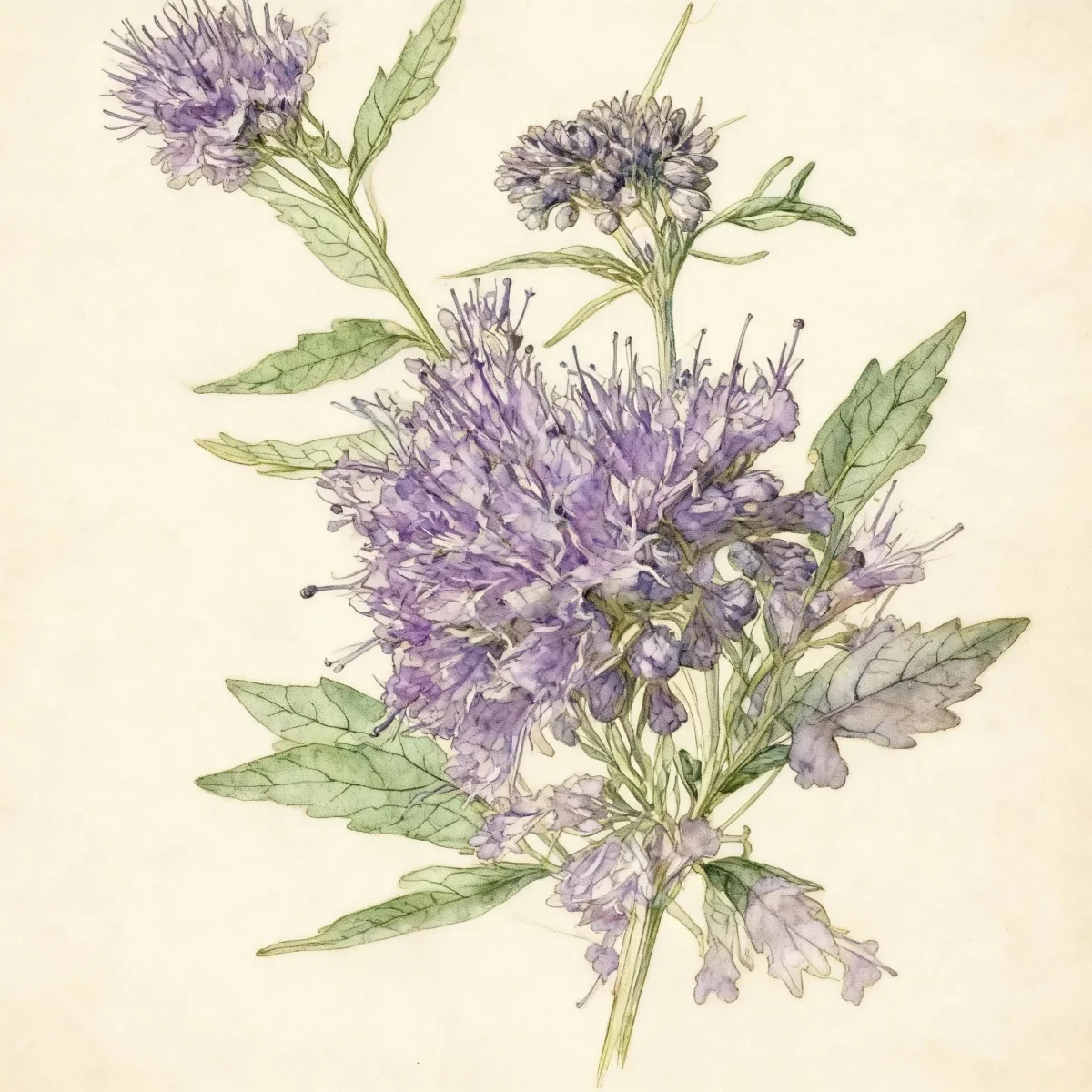
Caryopteris × clandonensis ‘Heavenly Blue’, commonly known as Bluebeard, is a highly valued deciduous shrub prized for injecting vibrant color into the garden late in the season when many other shrubs have finished blooming. This compact cultivar delights gardeners with masses of striking periwinkle blue flowers that appear from mid-summer well into the fall. Beyond its floral display, the foliage of Caryopteris × clandonensis ‘Heavenly Blue’ is aromatic when disturbed, adding textural and sensory interest to borders.
This shrub offers exceptional value due to its resilience and low maintenance needs once established. It thrives in full sun and successfully tolerates periods of drought, making it suitable for xeriscaping scenarios or hot, exposed locations. The resulting plant is a low-mounded specimen, typically reaching 2 to 3 feet high, which provides excellent structure in the perennial or shrub border.
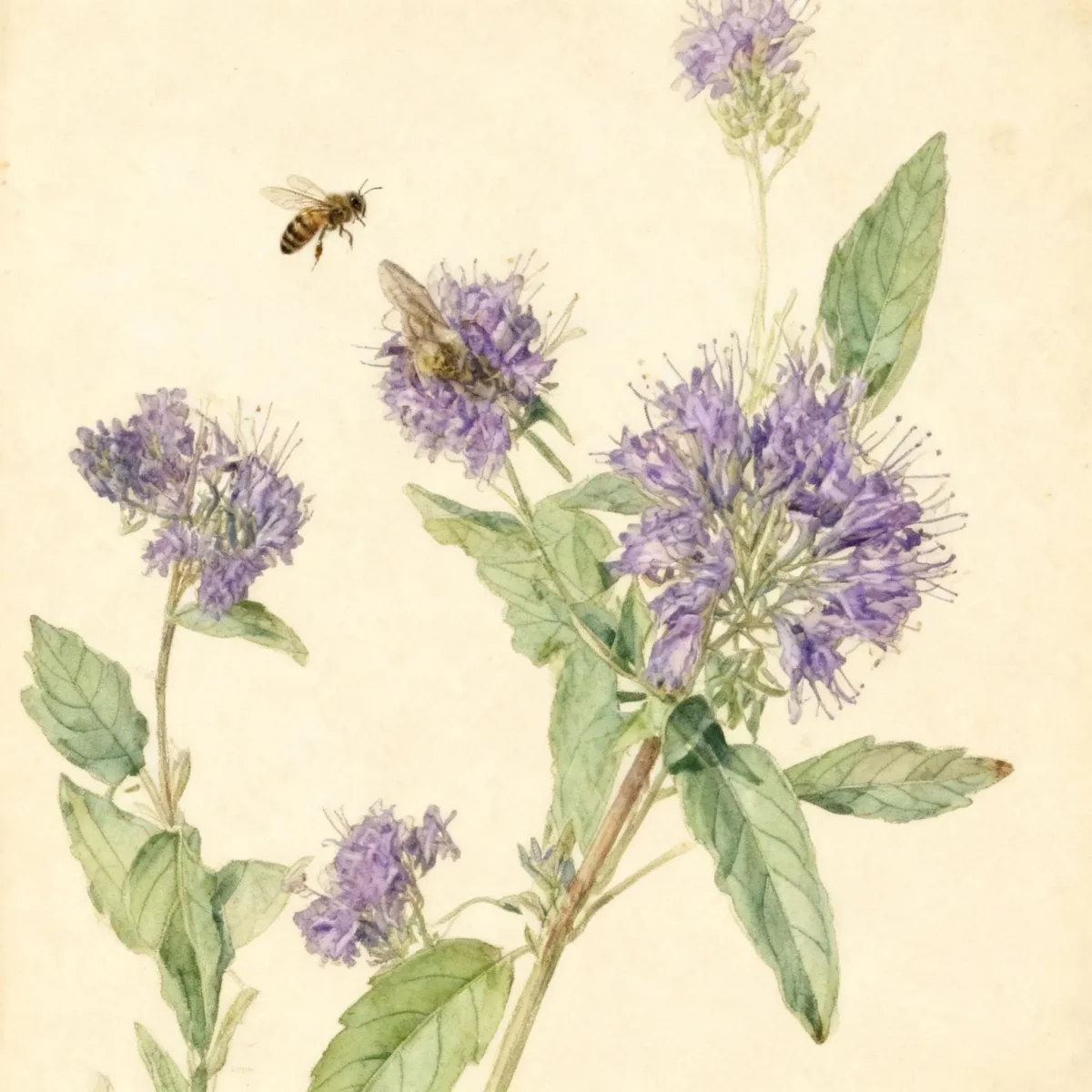
The appearance of clouds of blue mist makes this Bluebeard a magnet for pollinators. For gardeners focused on beneficial insect attraction and late-season performance, Caryopteris × clandonensis ‘Heavenly Blue’ is an indispensable addition. Ensure planting locations provide excellent drainage to support this easy-to-grow favorite.
Fast Facts
- Plant Family: Lamiaceae
- Plant Type: Deciduous shrub
- Hardiness Zones: USDA Zones 5-9
- Size at Maturity:
- Height: 2-3 ft
- Spread: 2-3 ft
- Bloom Time: July to September
- Bloom Description: Periwinkle blue
- Sun Exposure: Full sun
- Water Needs: Medium
- Maintenance Level: Low
How to Grow
The best time to establish Caryopteris × clandonensis ‘Heavenly Blue’ is typically spring or fall, ensuring the roots have time to settle before extreme weather. Site your Bluebeard where it receives full sun exposure—at least six hours daily—to encourage the best flowering. This plant requires average, well-drained soil, ideally a loose loam; it absolutely cannot tolerate wet or poorly-drained conditions, which can lead to crown rot.
Water needs are medium, requiring consistent moisture while establishing. While this plant tolerates drought once mature, deeply water during dry spells to maintain vigorous growth leading up to flowering. Fertilizing is rarely needed; over-fertilizing can lead to excessive leafy growth at the expense of those blue blooms.
Pruning is a key cultural consideration for this shrub. While roots are hardy to Zone 5, top growth is often only reliably winter-hardy to Zone 7. In colder zones (5-6), stems may die back to the ground, necessitating a hard pruning down to a few inches in early spring. Even in warmer regions, gardeners frequently prune hard in early spring to stimulate fresh, vigorous stems; flowering occurs reliably on this new growth, unaffected by early pruning.
Landscape Uses
The late-season flowers of Bluebeard make it an invaluable component of shrub borders and perennial groupings. Planting Caryopteris × clandonensis ‘Heavenly Blue’ toward the middle or back of a border ensures its 2-3 foot height provides structure between earlier blooming specimens. It is extremely effective when massed or planted in large groups, creating a sweeping cloud of blue color that contrasts beautifully with green or gold foliage companions.
For low visual barriers, this species serves effectively as a low hedge, requiring minimal shearing due to its natural mounding habit. Given its tolerance for drier conditions once established, group the Bluebeard with other sun-loving, moderately watered perennials and shrubs for cohesive garden design. Its aromatic foliage and butterfly attraction make it functional as well as ornamental.
Standout Features
Flower Qualities
- Showy
- Fragrant
Noteworthy Characteristics
Caryopteris × clandonensis, commonly known as bluebeard, is a low-mounded, deciduous shrub valued for aromatic foliage and late summer flowers resembling clouds of blue mist. This hybrid features profuse, fragrant, periwinkle blue flowers in terminal and axillary clusters from late summer into fall, alongside fragrant, silvery-gray leaves up to 1.5 inches long. Flowers are especially attractive to butterflies, bees, and other beneficial insects.
Tolerances
- Drought
Potential Problems
This shrub generally remains free from serious insect or disease issues, which contributes to its low maintenance rating. The primary concern involves improper soil conditions. Crowns are vulnerable and may rot quickly if the plant is situated in heavy, poorly-drained soils that retain too much moisture, particularly over winter. Always amend planting sites heavily with coarse grit or organic matter to ensure sharp drainage.
If winter dieback occurs in colder zones (5 or 6), do not panic; this is normal for top growth. Treat the plant as a herbaceous perennial in these areas and prune all stems back hard in early spring, allowing the resilient roots to push up fresh growth for summer flowering.
Frequently Asked Questions
What hardiness zones is Bluebeard suitable for?
Caryopteris × clandonensis ‘Heavenly Blue’ is reliably hardy in USDA Zones 5 through 9, though gardeners in Zones 5 and 6 should anticipate winter dieback of the stems.
How large does Bluebeard grow?
This compact cultivar typically matures to a height and spread between 2 and 3 feet, making it a manageable addition to most garden spaces.
What sun exposure does Caryopteris × clandonensis ‘Heavenly Blue’ need?
For the best performance, Bluebeard requires full sun exposure, meaning six or more hours of direct sunlight daily.
When does Caryopteris × clandonensis ‘Heavenly Blue’ bloom?
This shrub is celebrated for its late bloom time, flowering profusely from July into September with beautiful periwinkle blue blossoms.
Conclusion
The Caryopteris × clandonensis ‘Heavenly Blue’ offers tremendous late-season impact through its fragrant foliage and clouds of showy, periwinkle blue flowers. As a resilient, low-maintenance option that actively supports pollinators, Bluebeard is suitable for late summer excitement in most landscapes. Before planting, confirm your site offers the full sun and excellent drainage required, and be prepared for routine spring pruning in cooler climates.
Wildlife Benefits
The late bloom structure of Caryopteris × clandonensis ‘Heavenly Blue’ perfectly bridges the gap between mid-summer color lulls and the onset of fall foliage. The tiny, nectar-rich blossoms are highly attractive to late-season pollinators. Expect increased activity from butterflies, honeybees, and beneficial predatory insects visiting your Bluebeard throughout August and September.
Companion Planting
Because Bluebeard demands full sun and well-drained soil, look for companions that share these exacting requirements. Excellent partners include Sedum (Hylotelephium), which provides contrasting textural foliage and late blooms. Other successful pairings involve ornamental grasses, which offer movement and vertical contrast to the shrub’s mounding habit. Avoid moisture-loving plants like hostas or meadowsweet, as their needs conflict with this drought-tolerant shrub.