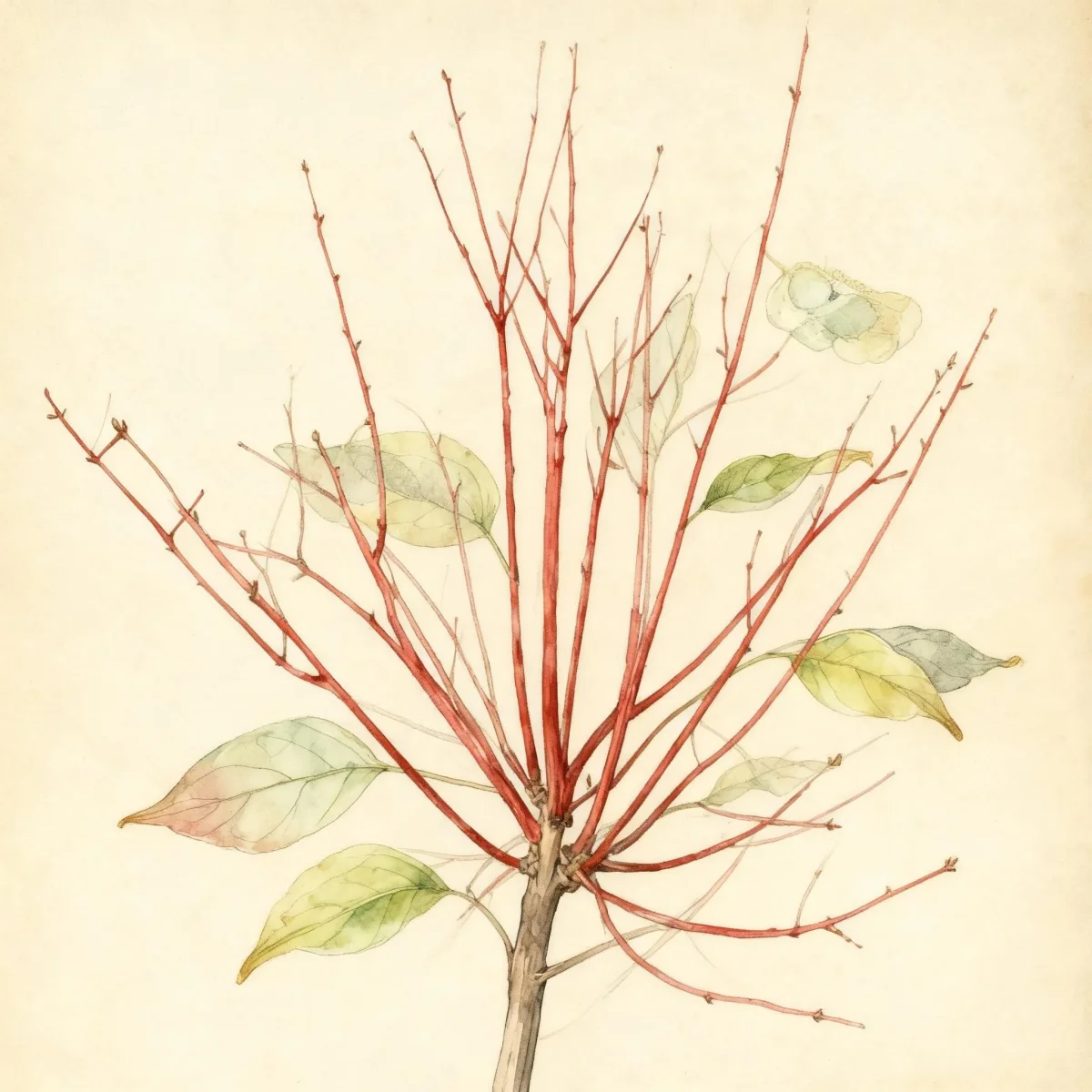
Dwarf red-tipped dogwood (Cornus pumila)
The Dwarf red-tipped dogwood (Cornus pumila) is a low-growing shrub offering crimson new foliage and white spring blooms. Low maintenance and deer-tolerant.
Scroll down to discover growing tips, care requirements, companion plants, and more
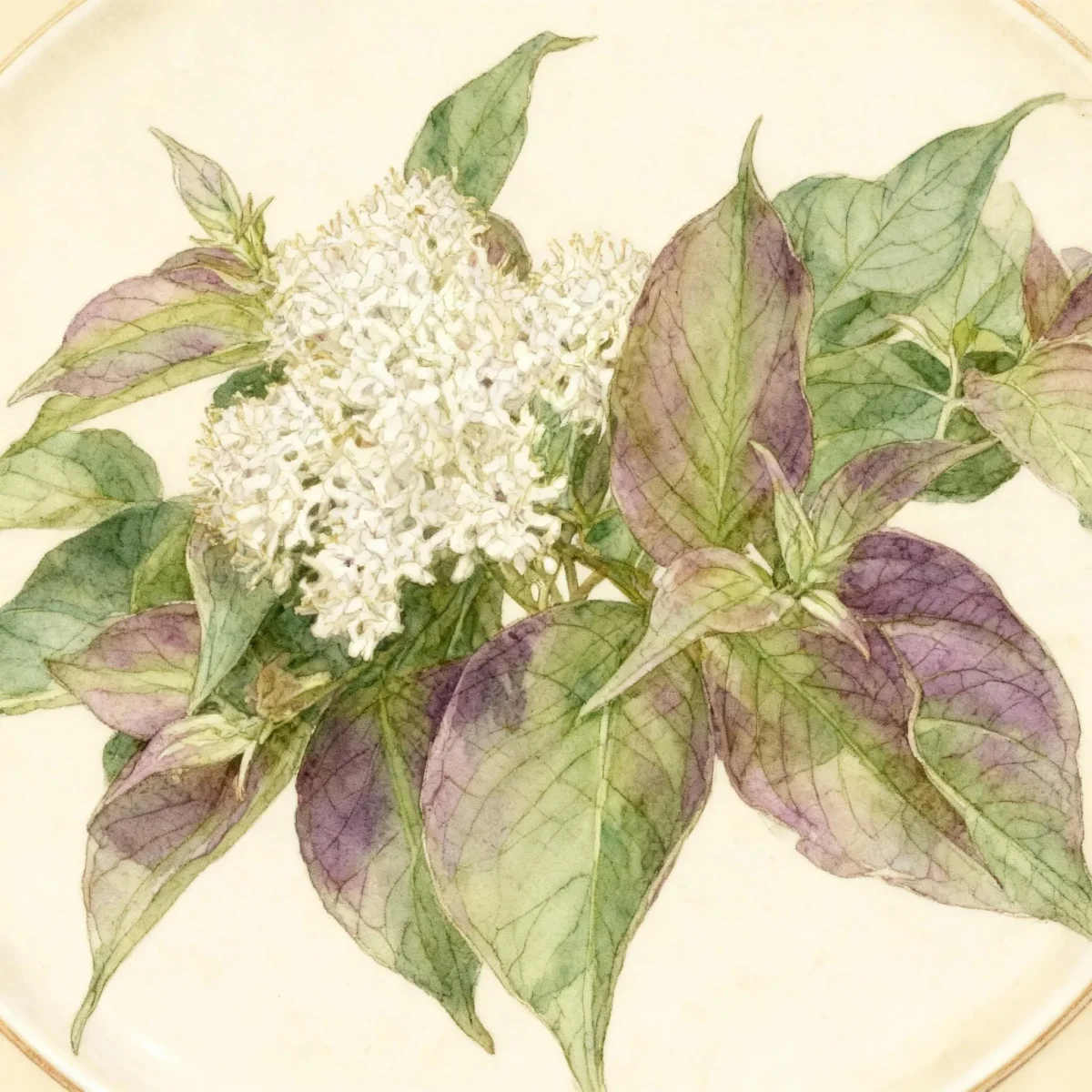
Complete Plant Information
Overview
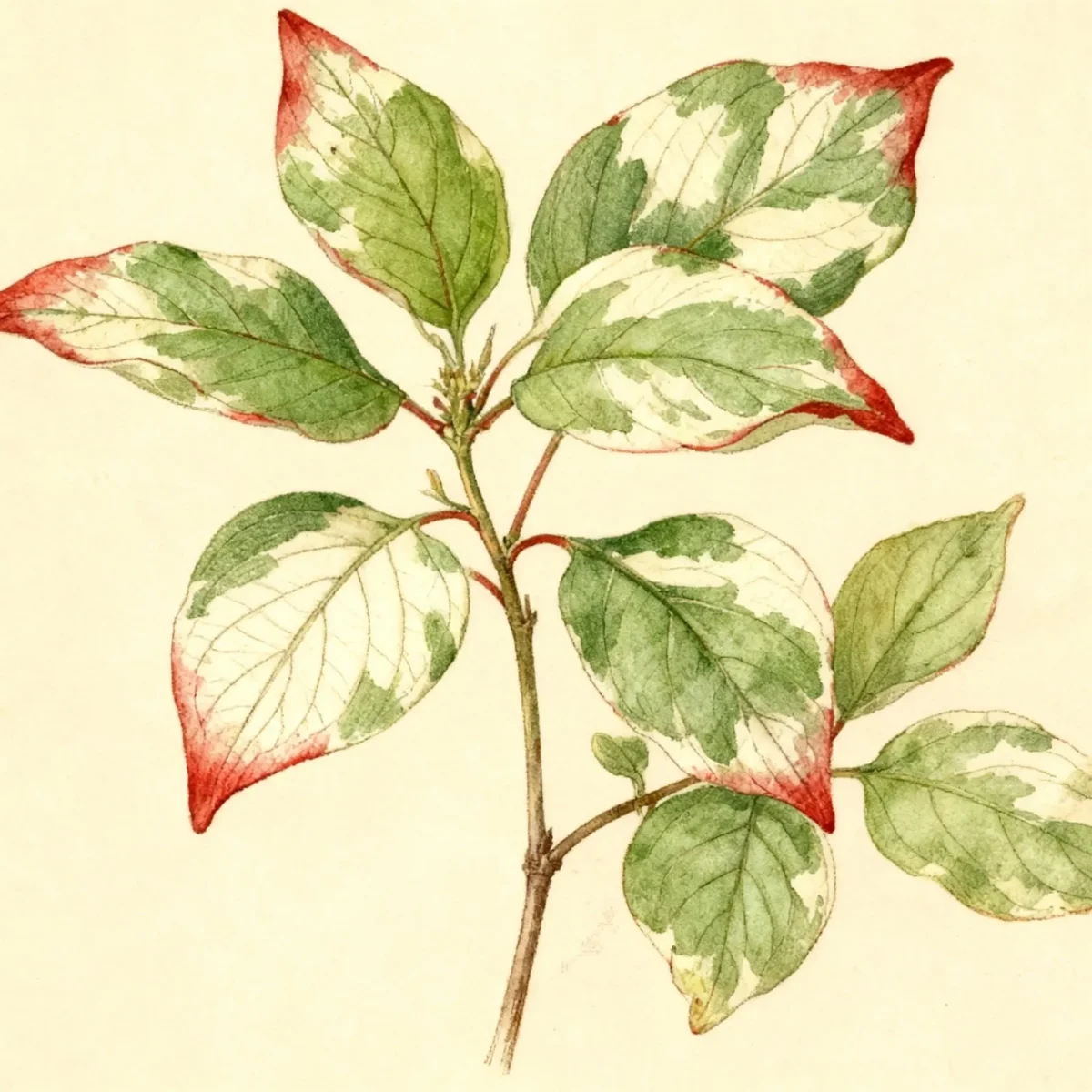
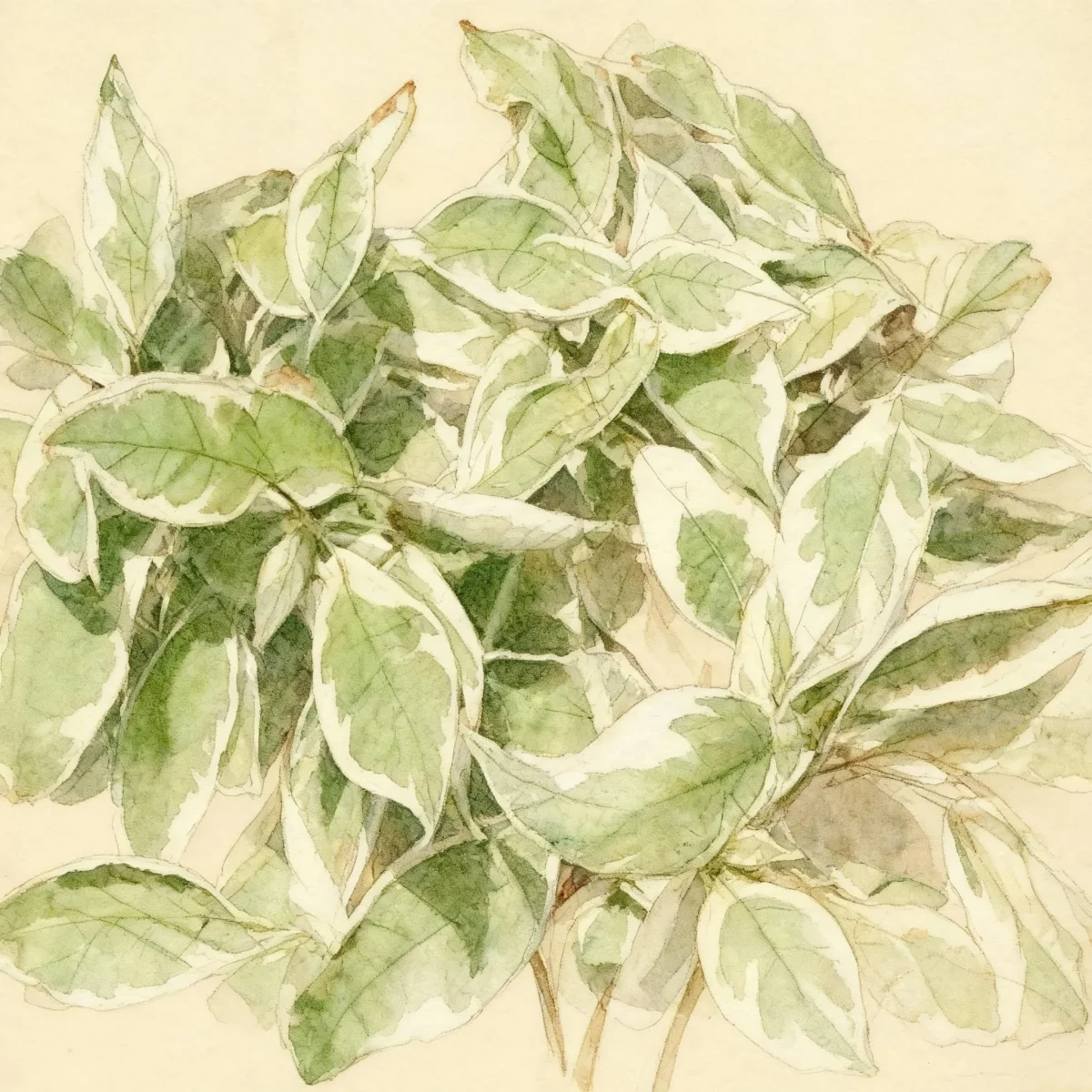
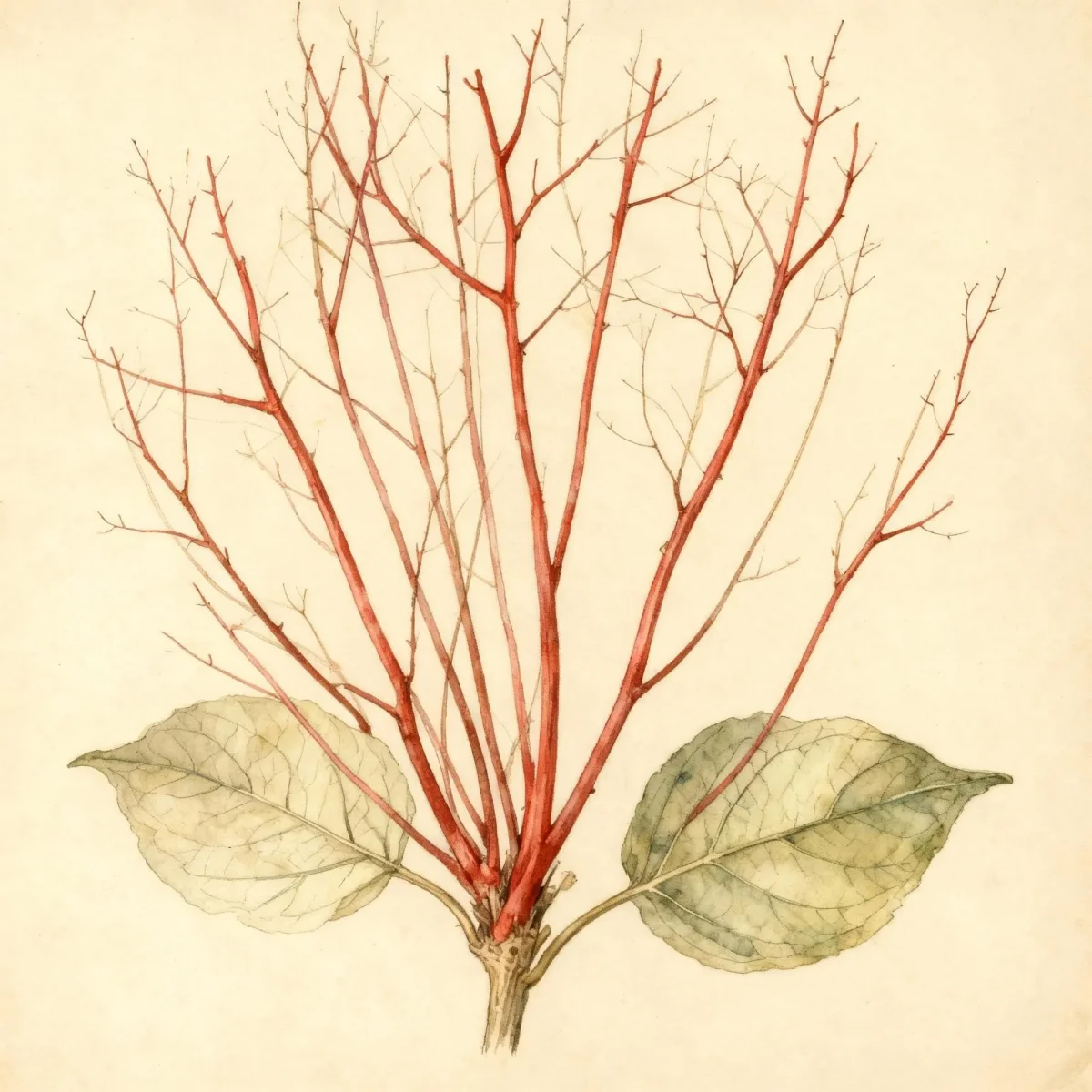
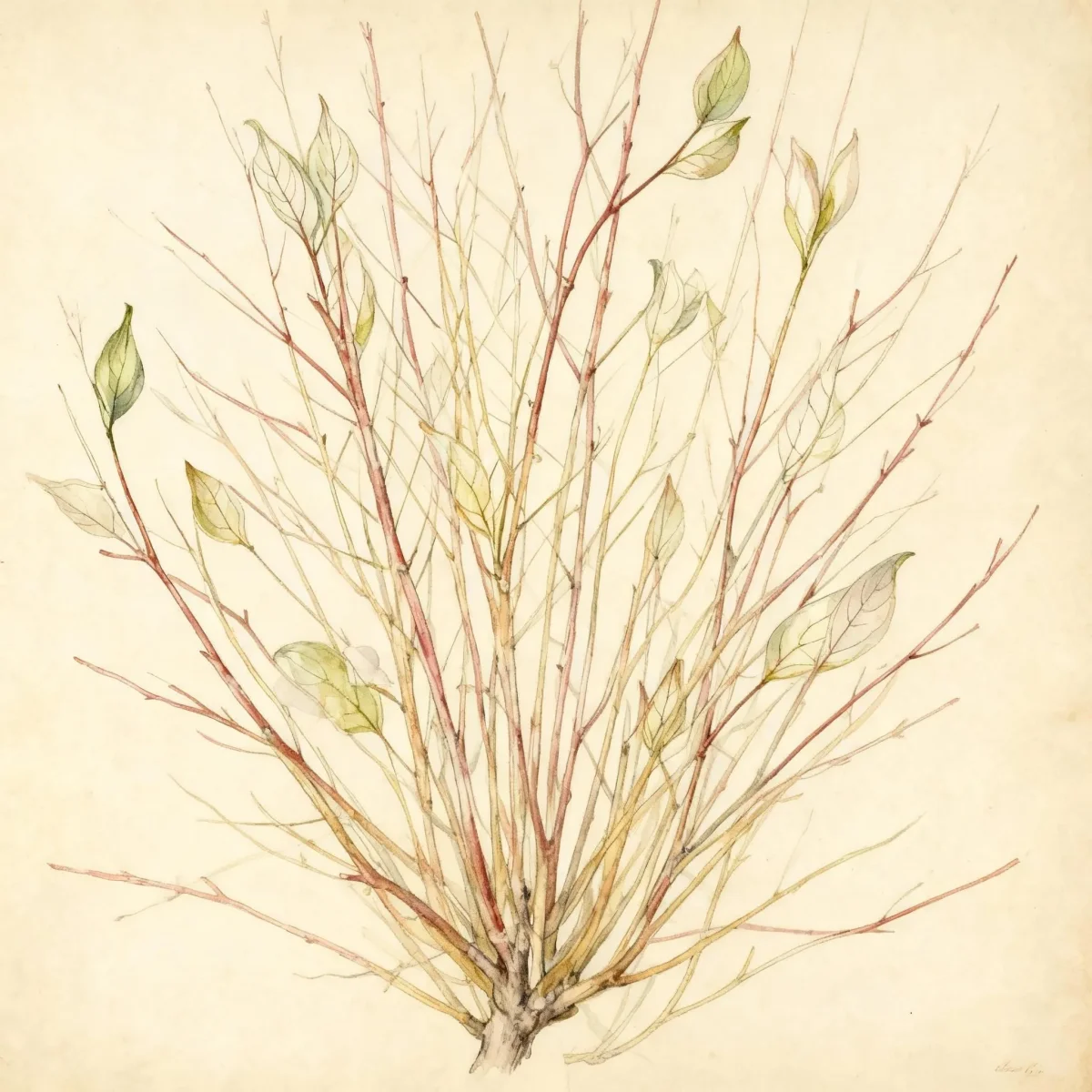
The Dwarf red-tipped dogwood, scientifically known as Cornus pumila, is a charming, compact shrub ideal for smaller garden spaces or as accent planting. Its primary decorative value comes from its new growth, which emerges a striking crimson red, providing excellent contrast against the mature green leaves throughout the summer season. This slow-growing deciduous dogwood maintains a neat, shrubby mound shape, making it highly manageable in the landscape.
Valued for its low maintenance requirements and adaptability, Cornus pumila fits well into diverse garden settings without demanding extensive attention. Its ability to deliver interest from spring blooms through summer foliage contrast makes it a versatile choice for gardeners seeking reliable year-round structure without excessive height.
This species offers reliable performance across USDA Zones 4 through 7, thriving best when provided with rich, moist, and consistently well-drained soil. Whether used for borders or foundational plantings, the Dwarf red-tipped dogwood provides texture and color reliability.
Fast Facts
- Plant Family: Cornaceae
- Plant Type: Deciduous shrub
- Native Range: Eastern Europe to central and northern Asia
- Hardiness Zones: USDA Zones 4-7
- Size at Maturity:
- Height: 2-4 ft
- Spread: 2-4 ft
- Bloom Time: May to June
- Bloom Description: White
- Sun Exposure: Full sun to part shade
- Water Needs: Medium
- Maintenance Level: Low
How to Grow
For optimal success with Cornus pumila, plant during the spring or fall when the weather is mildest, allowing the roots time to establish before extreme summer heat or winter cold arrives. This shrub performs best in organically rich soils that maintain consistent medium moisture levels but must remain well-drained. Full sun positions will promote the deepest crimson coloration on the new tips, though light afternoon shade is tolerated.
Watering should be consistent, especially during the first growing season, ensuring the soil never dries out completely—a key requirement for dogwoods. Once established, Cornus pumila generally prefers regular checks to maintain soil moisture, reflecting its medium water needs. Supplemental fertilization is rarely necessary if the soil is organically rich; excessive feeding can lead to weak, overly rapid growth.
Pruning needs for the Dwarf red-tipped dogwood are minimal, usually involving the removal of any dead or crossing branches in late winter or early spring before new growth begins. This shrub’s compact size often means little formative pruning is required, contributing to its low maintenance appeal.
Landscape Uses
The manageable size and tidy habit of the Dwarf red-tipped dogwood make it adaptable to structured garden designs. It is highly recommended for use in low hedges where formal structure is needed without the towering growth of larger shrubs. Furthermore, Cornus pumila functions excellently in shrub borders, providing a low-growing, colorful mid-layer between groundcovers and taller specimens.
Consider utilizing this variety in foundation plantings near buildings, where its consistent 2 to 4-foot height ensures windows are not obscured. For mass plantings, it can serve as an effective texture contrast against broadleaf evergreens or fine-textured grasses. Its deer tolerance adds practical value when planting in areas where browsing is a constant concern.
Standout Features
Flower Qualities
- Showy
Fruit Qualities
- Showy
Noteworthy Characteristics
Cornus pumila is distinguished as a dwarf, slow-growing, deciduous dogwood, typically forming a mound reaching 2-4 feet tall. Gardeners appreciate it because the new foliage emerges crimson red, offering striking color contrast against the established green leaves all summer long. These shrubs produce small, whitish flowers in late spring clusters, which ripen into black drupes attractive to local bird populations. The specific epithet pumila accurately reflects its dwarf stature in the landscape.
Tolerances
- Deer
Potential Problems
This species generally exhibits excellent resistance to common dogwood ailments, such as powdery mildew, which can plague other cultivars. While dogwoods are broadly susceptible to issues like twig blights, cankers, and various leaf spots, Cornus pumila manages these threats well. Gardeners should monitor for these generalized issues, ensuring good air circulation during pruning to minimize the risk of fungal development on the foliage.
Frequently Asked Questions
What hardiness zones is Dwarf red-tipped dogwood suitable for?
The Dwarf red-tipped dogwood, Cornus pumila, is best suited for USDA Hardiness Zones 4 through 7.
How large does Cornus pumila grow?
This compact shrub typically reaches a mature height between 2 and 4 feet, with an equal spread of 2 to 4 feet, maintaining a neat, shrubby mound.
What sun exposure does Dwarf red-tipped dogwood need?
Cornus pumila prefers full sun exposure to maximize the vibrant red coloration in its new growth, although it will successfully grow in conditions ranging from full sun to part shade.
When does Cornus pumila bloom?
The white, showy flowers of the Dwarf red-tipped dogwood appear relatively early in the season, typically blooming from May through June.
Conclusion
The Dwarf red-tipped dogwood offers fantastic, low-effort color through its signature crimson new foliage, combined with a manageable, compact growth habit ideal for various uses. As a deer-tolerant and generally robust shrub, Cornus pumila is a reliable choice for adding structure and seasonal interest to borders or foundations. Before planting, ensure your site offers the consistently moist, well-drained soil it requires and check that your area falls within USDA Zones 4-7.
Companion Planting
When planning arrangements around your Dwarf red-tipped dogwood, consider pairing it with plants that share similar requirements for medium moisture and sun exposure. Low-growing ferns or Hostas work well in partial shade areas, complementing the texture of the dogwood while enjoying similar watering schedules. For sunny spots, consider introducing contrasting foliage textures using ornamental grasses or low-growing Sedums, which tolerate the medium water needs without becoming waterlogged.
Wildlife Benefits
While the primary focus of Cornus pumila is aesthetic, its summer fruits provide tangible benefits to local fauna. The small, black drupes that follow the late spring blooms are attractive to numerous bird species, offering a natural food source during the mid-to-late summer months. Planting this variety helps create a layered ecosystem, supporting avian visitors in addition to providing excellent structure for small garden wildlife.