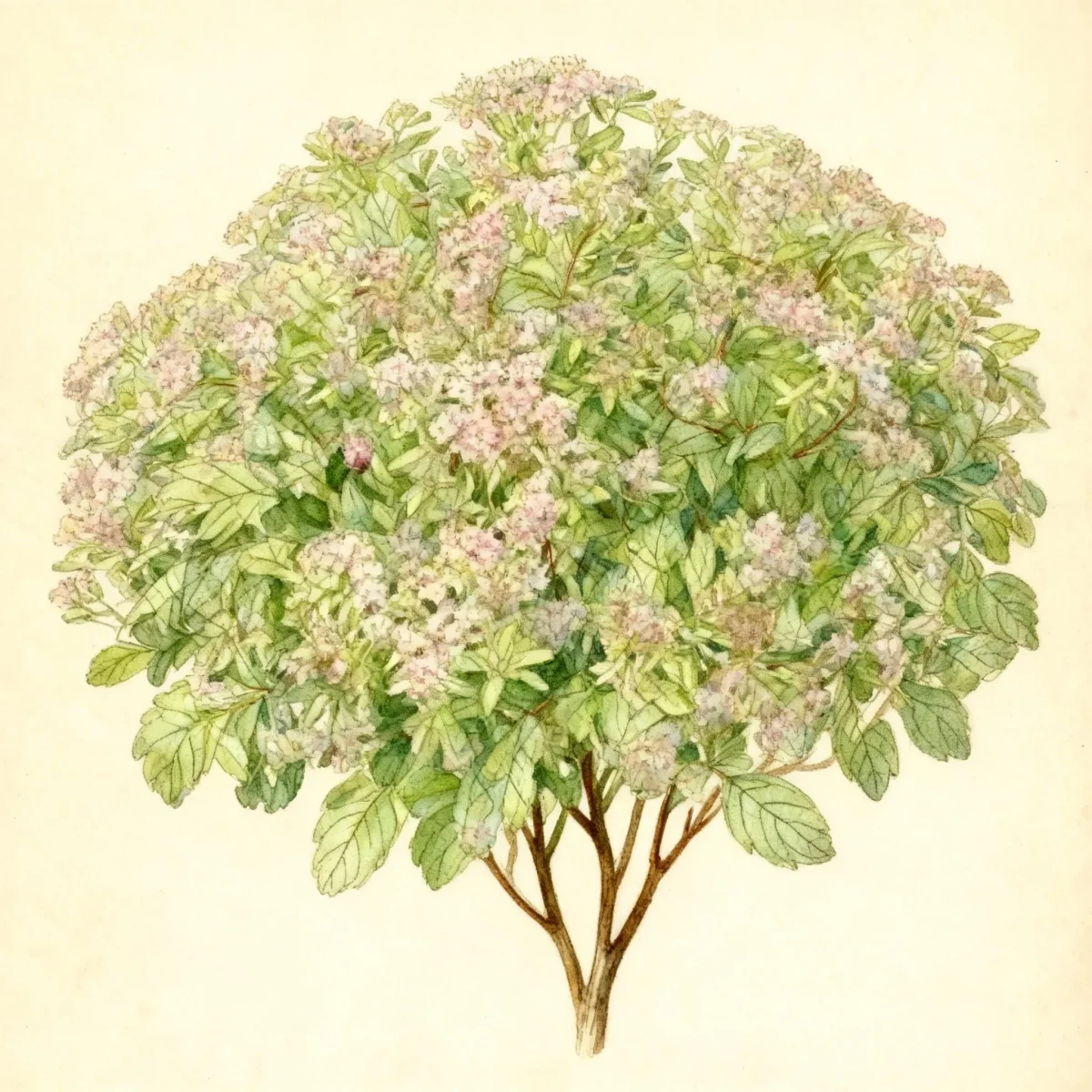
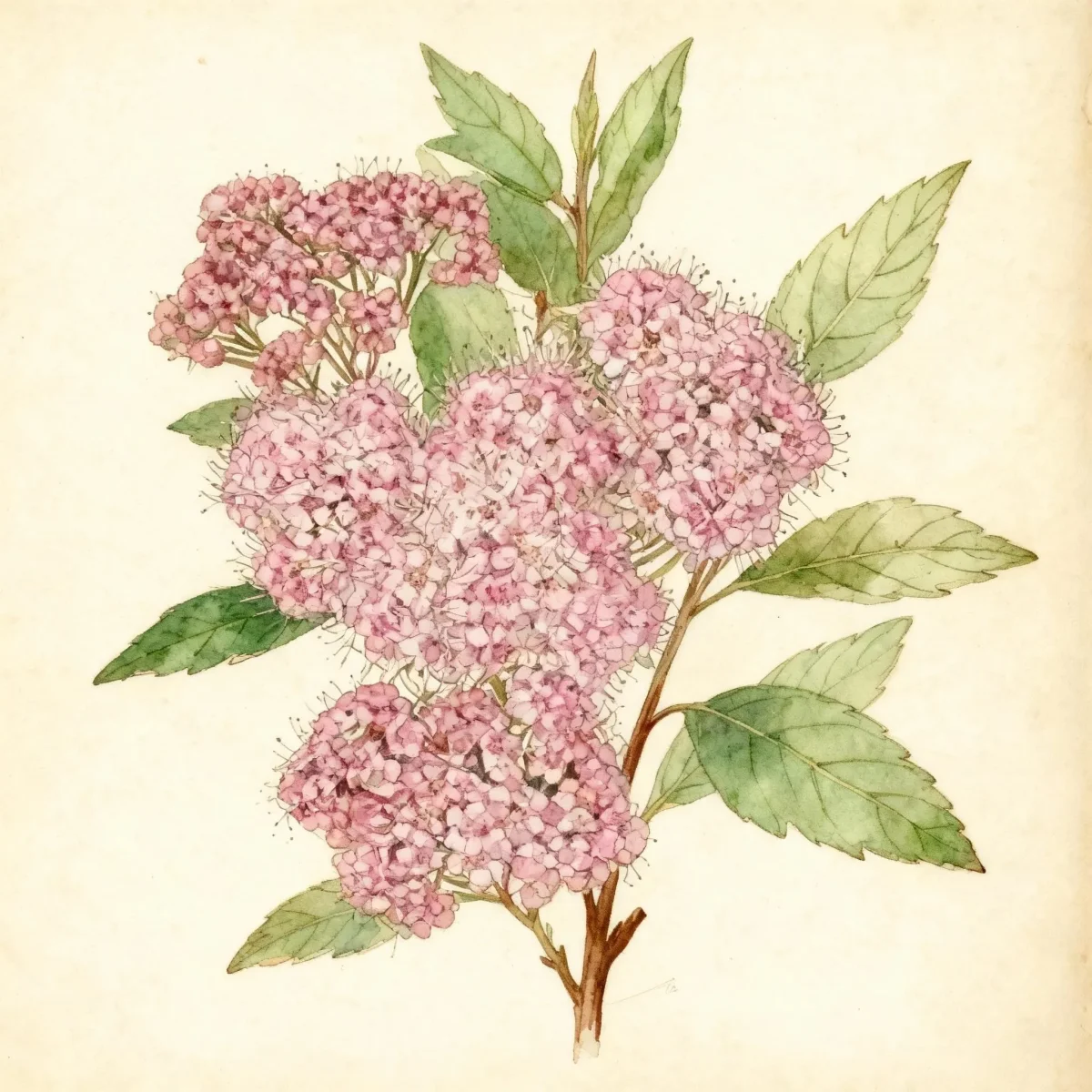
Japanese spirea (Spiraea japonica 'Lisp' GOLDEN PRINCESS)
Spiraea japonica 'Lisp' GOLDEN PRINCESS is a low-maintenance Japanese spirea offering golden spring foliage and soft pink blooms from May to July.
Scroll down to discover growing tips, care requirements, companion plants, and more
Complete Plant Information
Overview
Spiraea japonica ‘Lisp’ GOLDEN PRINCESS, commonly known as Japanese spirea, is a highly valued compact deciduous shrub prized for its vibrant, glowing foliage. The cultivar name GOLDEN PRINCESS highlights the bronze-yellow new leaves that mature to a bright golden hue, providing long-season color interest. This variety offers a dense, upright, mounded habit, making it an excellent, low-maintenance replacement for less colorful landscape standards.
This particular Japanese spirea cultivar blooms reliably with numerous tiny, flat-topped clusters of soft pink flowers typically appearing between late spring and mid-summer. It is exceptionally resilient, tolerating a wide range of soil conditions and requiring minimal intervention once established. Gardeners appreciate the structure and continuous color provided by Spiraea japonica ‘Lisp’ GOLDEN PRINCESS, especially in foundation plantings or neat, low hedges.
The genus name Spiraea comes from the Greek word speira, referencing the showy flower clusters common to the group. Compact growers like GOLDEN PRINCESS fit beautifully into smaller garden designs where larger traditional spireas might overwhelm the space. Its deer resistance and adaptability further cement its status as a garden favorite.
Fast Facts
- Plant Family: Rosaceae
- Plant Type: Deciduous shrub
- Hardiness Zones: USDA Zones 4-8
- Size at Maturity:
- Height: 2-3 ft
- Spread: 3-4 ft
- Bloom Time: May to July
- Bloom Description: Soft pink
- Sun Exposure: Full sun
- Water Needs: Medium
- Maintenance Level: Low
How to Grow
Plant Spiraea japonica ‘Lisp’ GOLDEN PRINCESS in the spring or fall immediately after it has been purchased. For best results, select a location receiving full sun, though it will tolerate light shade, which may slightly diminish the golden intensity of the foliage. This shrub thrives in average, well-drained soils with medium moisture but is adaptable and tolerates heavy clay soil surprisingly well. Ensure the planting site allows space for its 3 to 4-foot spread.
Water consistently while the plant is establishing its root system, aiming for medium soil moisture. Afterward, Japanese spirea is fairly drought-tolerant. While low maintenance, light shearing after the initial bloom surge can encourage a secondary flush of flowers. Since flowers form on new wood, any necessary reshaping or significant pruning should occur in late winter or early spring before new growth begins.
Be aware that some Spiraea varieties can be somewhat aggressive self-seeders outside of formal garden settings. Additionally, this plant may spread modestly within the garden via suckering. Managing its size and shape is usually straightforward due to its manageable stature as a compact cultivar.
Landscape Uses
The compact form of Spiraea japonica ‘Lisp’ GOLDEN PRINCESS makes it incredibly versatile in landscape design. It functions perfectly as a low, colorful hedge for lining walkways or defining the edges of flower beds, maintaining clean lines due to its neat mounding habit. Beyond its use as a hedge, this plant excels as an accent specimen set against darker green evergreens, allowing its golden foliage to truly pop.
It incorporates well into foundation plantings, providing necessary structure without growing too tall near windows or eaves. Consider massing several GOLDEN PRINCESS together for a dramatic block of complementary color that transitions nicely into rich red or bronze tones in the autumn. For companion planting, pair it with perennials that appreciate full sun and well-drained soil, such as ornamental grasses or Sedum, to enhance textural contrasts.
Standout Features
Flower Qualities
- Showy
Noteworthy Characteristics
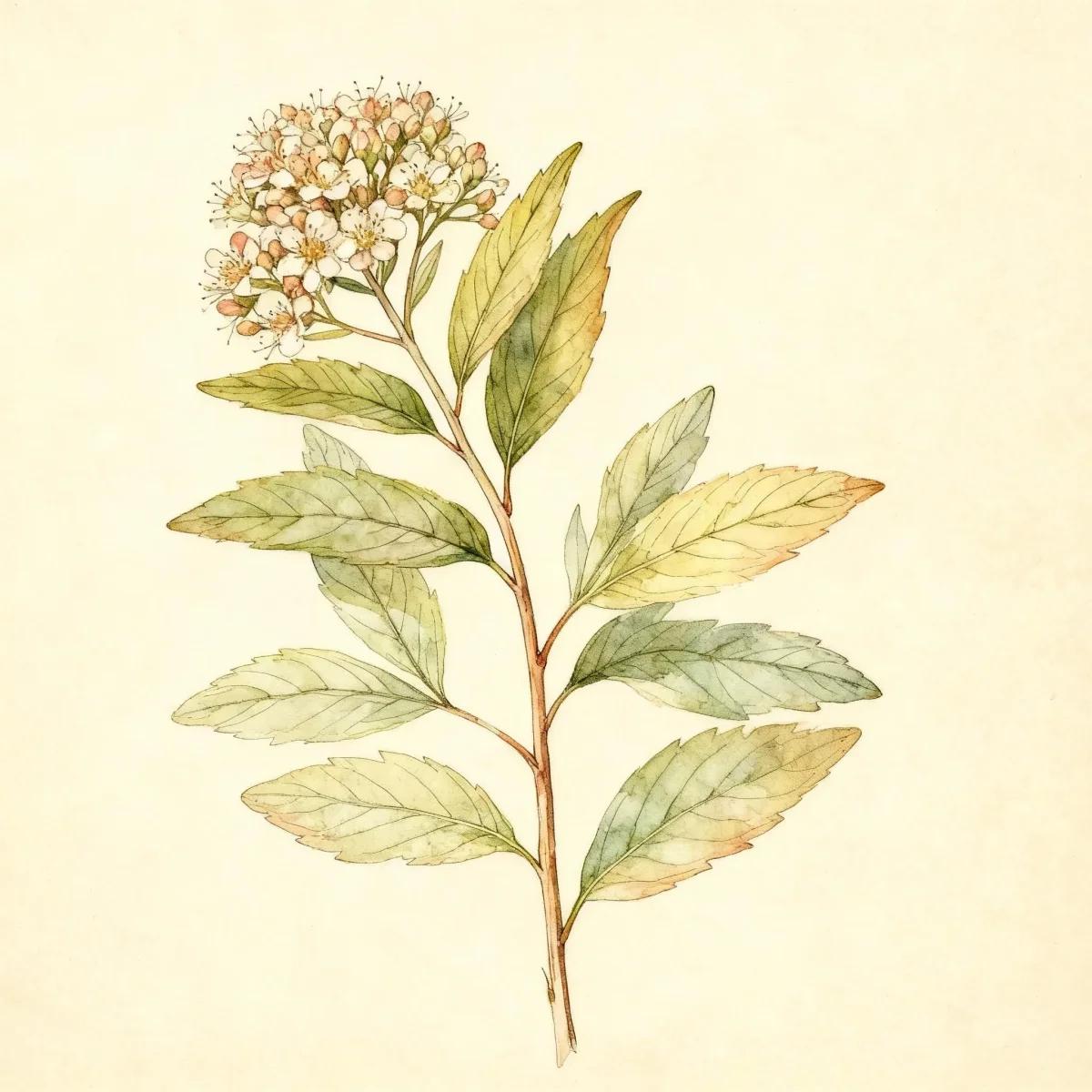
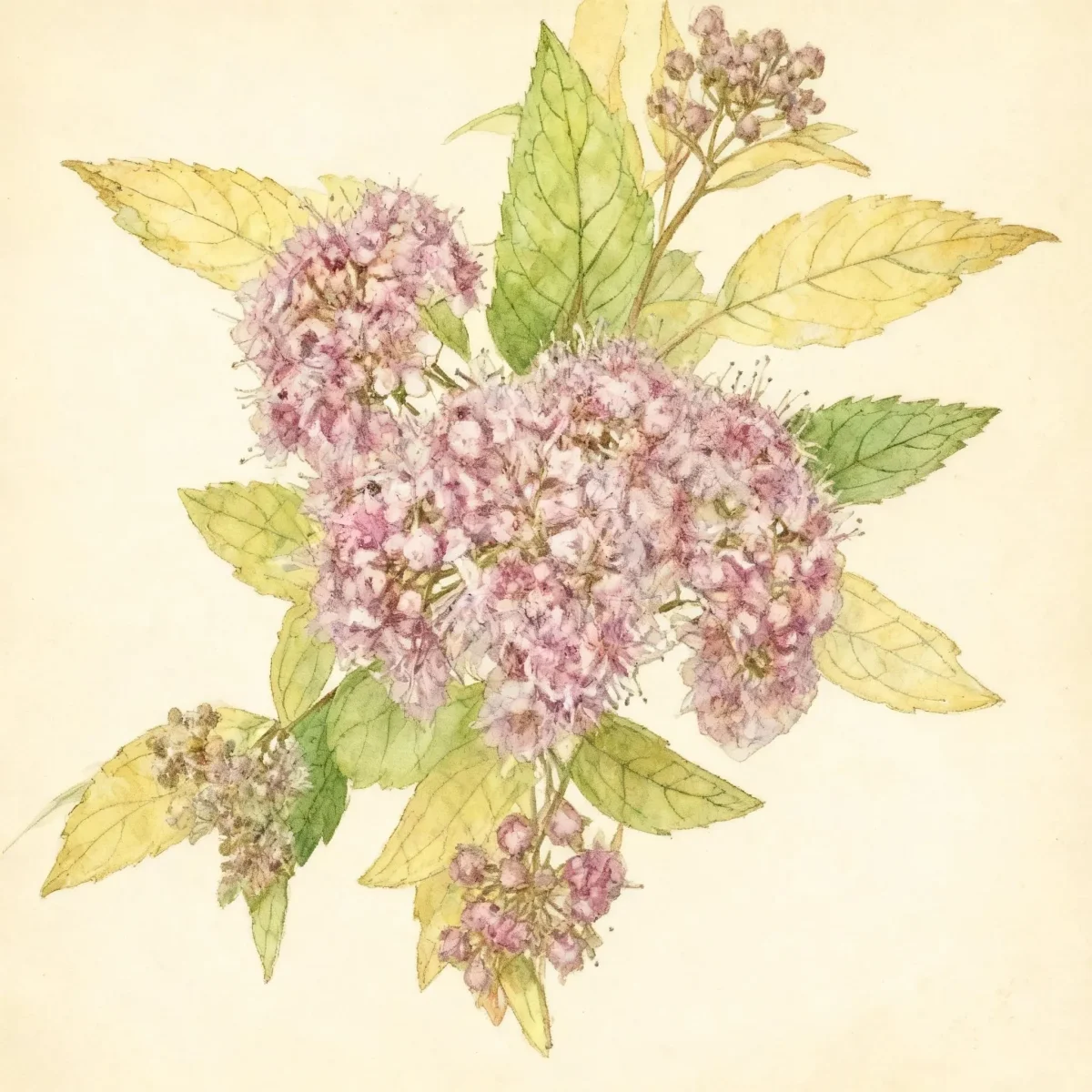
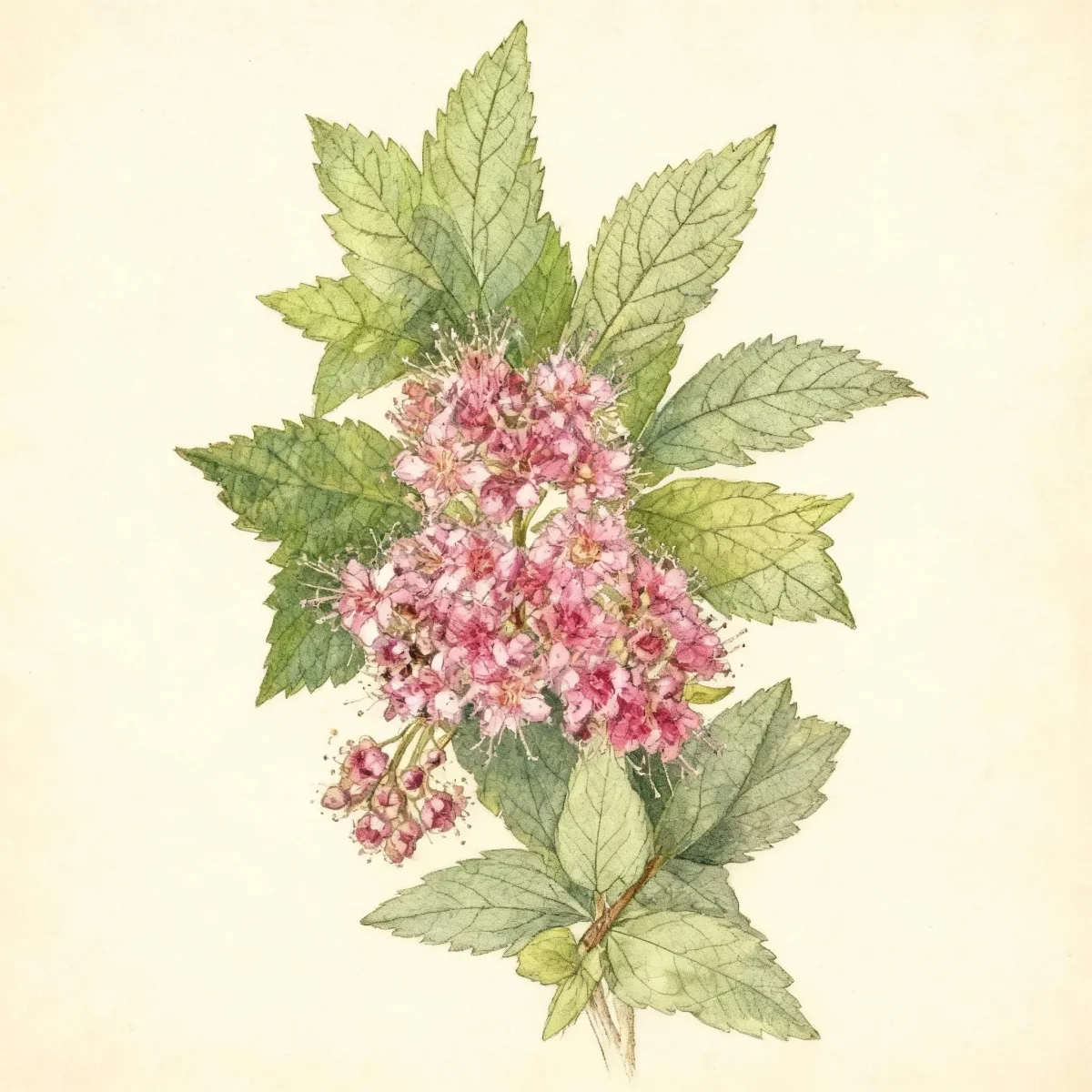
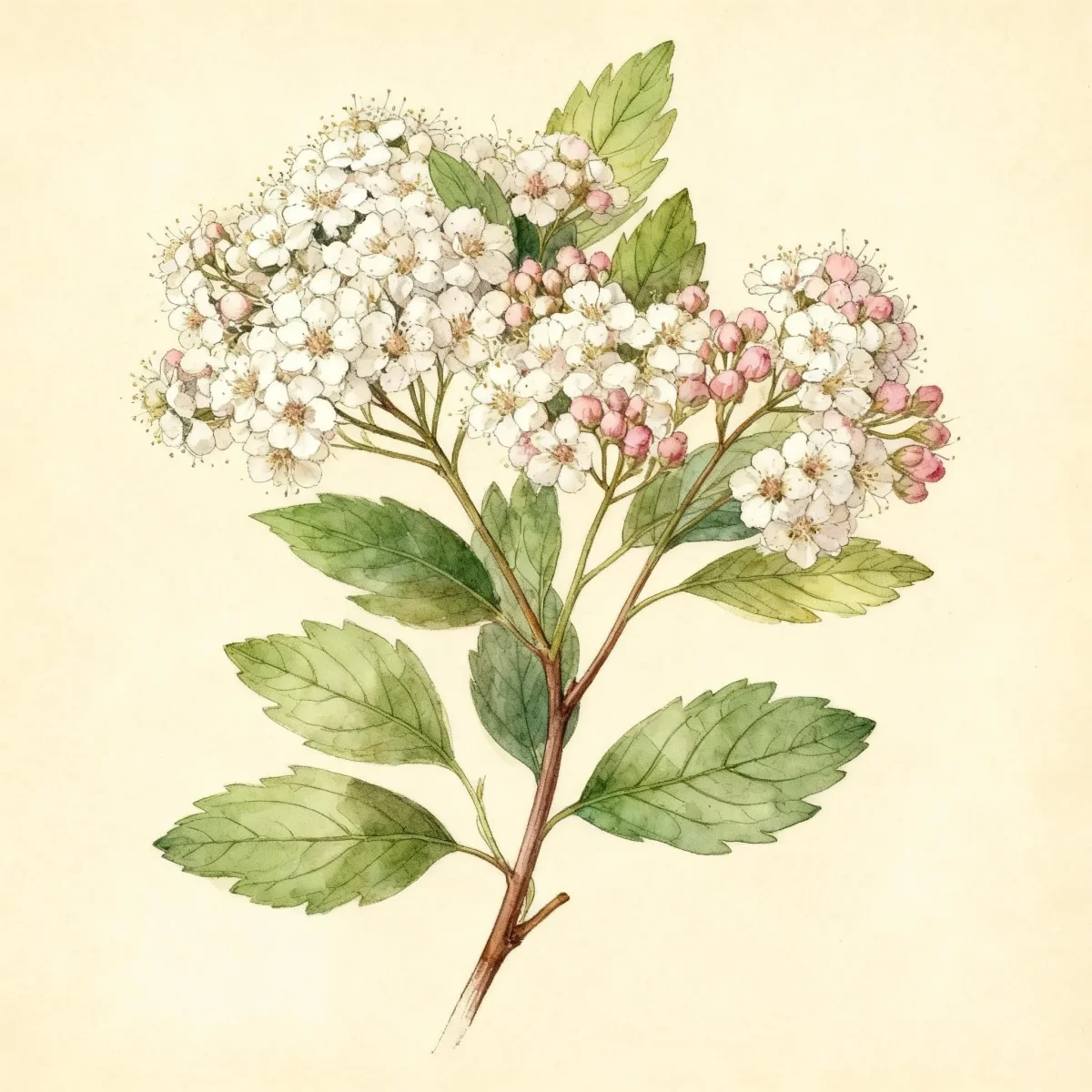
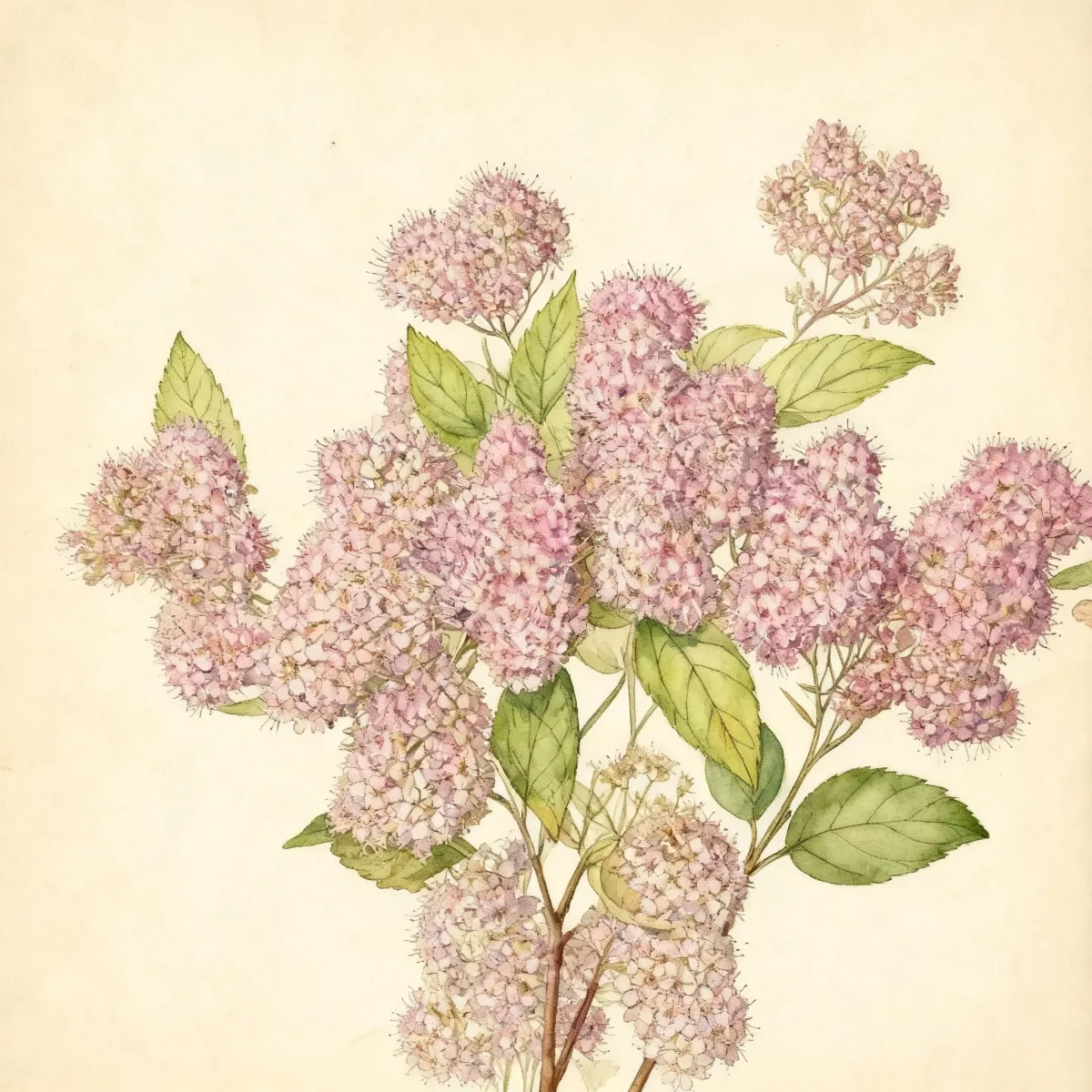
GOLDEN PRINCESS is a compact cultivar of Japanese spirea that typically forms an upright mound 2-3 feet tall and 3-4 feet wide, easily recognized by its golden foliage. The oval, toothed leaves emerge bronze-yellow before maturing to bright golden yellow, often displaying attractive red and bronze fall color. Tiny, soft pink flowers cluster in flat-topped corymbs, blooming heavily from late spring into mid-summer, attractive to butterflies.
Tolerances
- Deer
- Erosion
- Clay Soil
- Air Pollution
Potential Problems
Spiraea japonica ‘Lisp’ GOLDEN PRINCESS generally experiences no serious, recurring insect or disease issues, contributing to its low maintenance profile. However, because it belongs to the rose family (Rosaceae), it remains generally susceptible to the same issues that plague roses. These potential problems include fungal infections like leaf spot and powdery mildew, as well as bacterial cankers like fire blight.
Insect pests requiring occasional monitoring might include aphids, scale insects, or leaf rollers, particularly during stressful periods or if the plant is overcrowded. Ensuring good air circulation through proper spacing and making sure the soil drains well are key preventative measures against most common diseases. If disease does appear, standard treatments effective for the rose family can usually manage the outbreak.
Frequently Asked Questions
What hardiness zones is Japanese spirea suitable for?
Spiraea japonica ‘Lisp’ GOLDEN PRINCESS is reliably hardy in USDA Zones 4 through 8.
How large does Spiraea japonica ‘Lisp’ GOLDEN PRINCESS grow?
This compact cultivar typically reaches a mature height between 2 and 3 feet, spreading 3 to 4 feet wide.
What sun exposure does Japanese spirea need?
This variety performs best and achieves its richest gold color when planted in full sun.
When does Spiraea japonica ‘Lisp’ GOLDEN PRINCESS bloom?
It produces its display of soft pink flowers primarily from May to July.
Conclusion
Spiraea japonica ‘Lisp’ GOLDEN PRINCESS remains a top choice for gardeners seeking reliably colorful, low-maintenance shrubbery. Its winning combination of bright golden foliage and soft pink summer blooms establishes it as an excellent structural plant for borders and hedges. Before planting, confirm that your site aligns with its USDA Zone 4-8 rating and full sun requirements to maximize its performance.
Companion Planting
When designing beds around your GOLDEN PRINCESS, consider materials that contrast effectively with its bright yellow foliage. Darker green, finer-textured conifers provide excellent year-round contrast, making the gold “pop” even in winter shadow. For seasonal annuals or perennials, look toward blues and purples, which are complementary colors to the yellow foliage and the pink flowers. Good companions that share the love for full sun and medium moisture include Siberian Iris, Russian Sage (Perovskia atriplicifolia), or low-growing varieties of blue fescue grass.
Wildlife Benefits
While not primarily selected as a major pollinator beacon, the flowering period of this Japanese spirea is beneficial. The tiny pink flowers produced from May through July offer nectar for various local beneficial insects and butterflies during the late spring and early summer transition. Furthermore, its dense, mounding habit provides excellent low cover and nesting potential for small ground-dwelling birds throughout the season. This makes the GOLDEN PRINCESS a functional addition that supports basic habitat structure in the landscape.