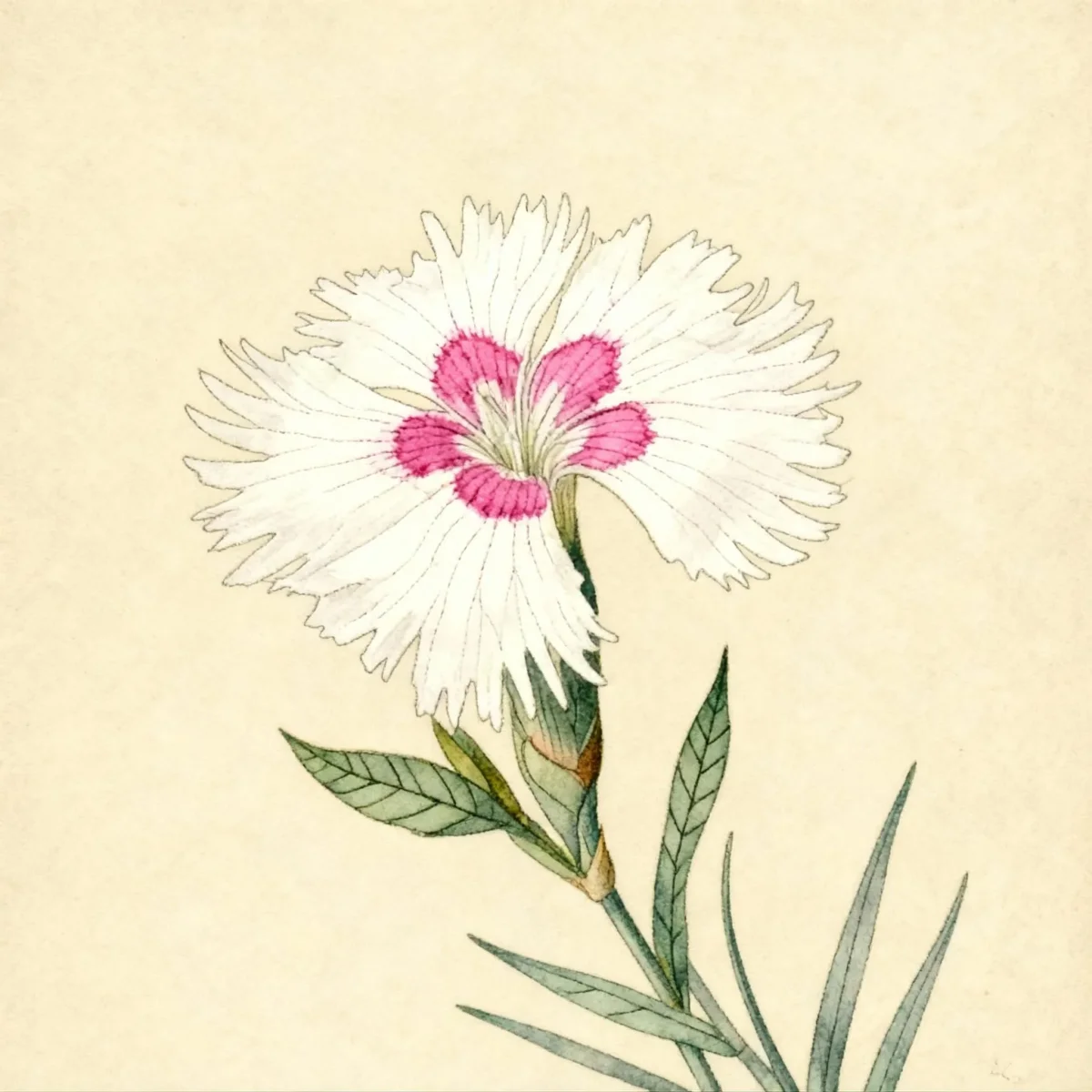
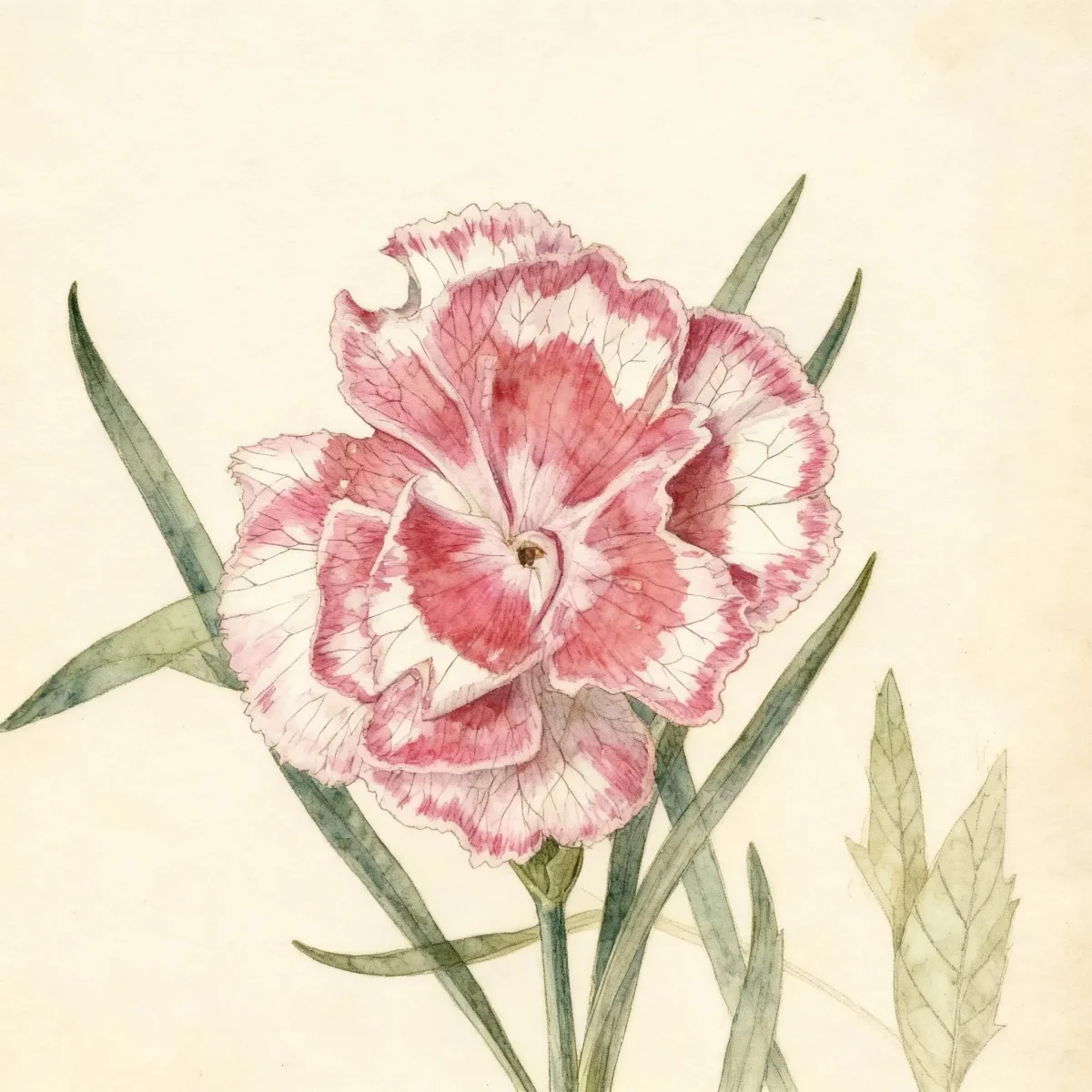
Cheddar pink (Dianthus 'First Love')
Dianthus 'First Love' (Cheddar pink) is a low-maintenance perennial prized for its fragrant, color-shifting flowers from spring to frost.
Scroll down to discover growing tips, care requirements, companion plants, and more
Complete Plant Information
Overview
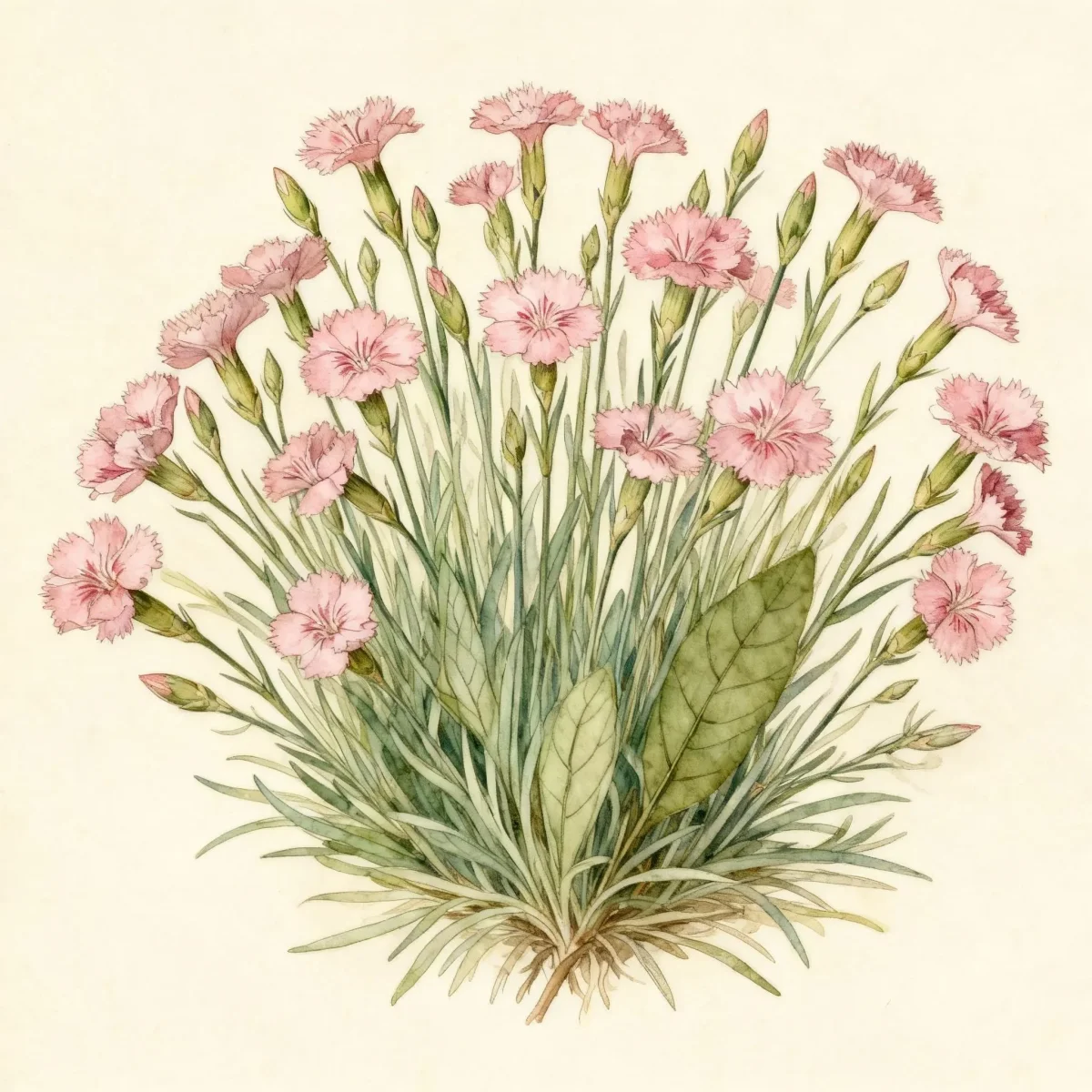
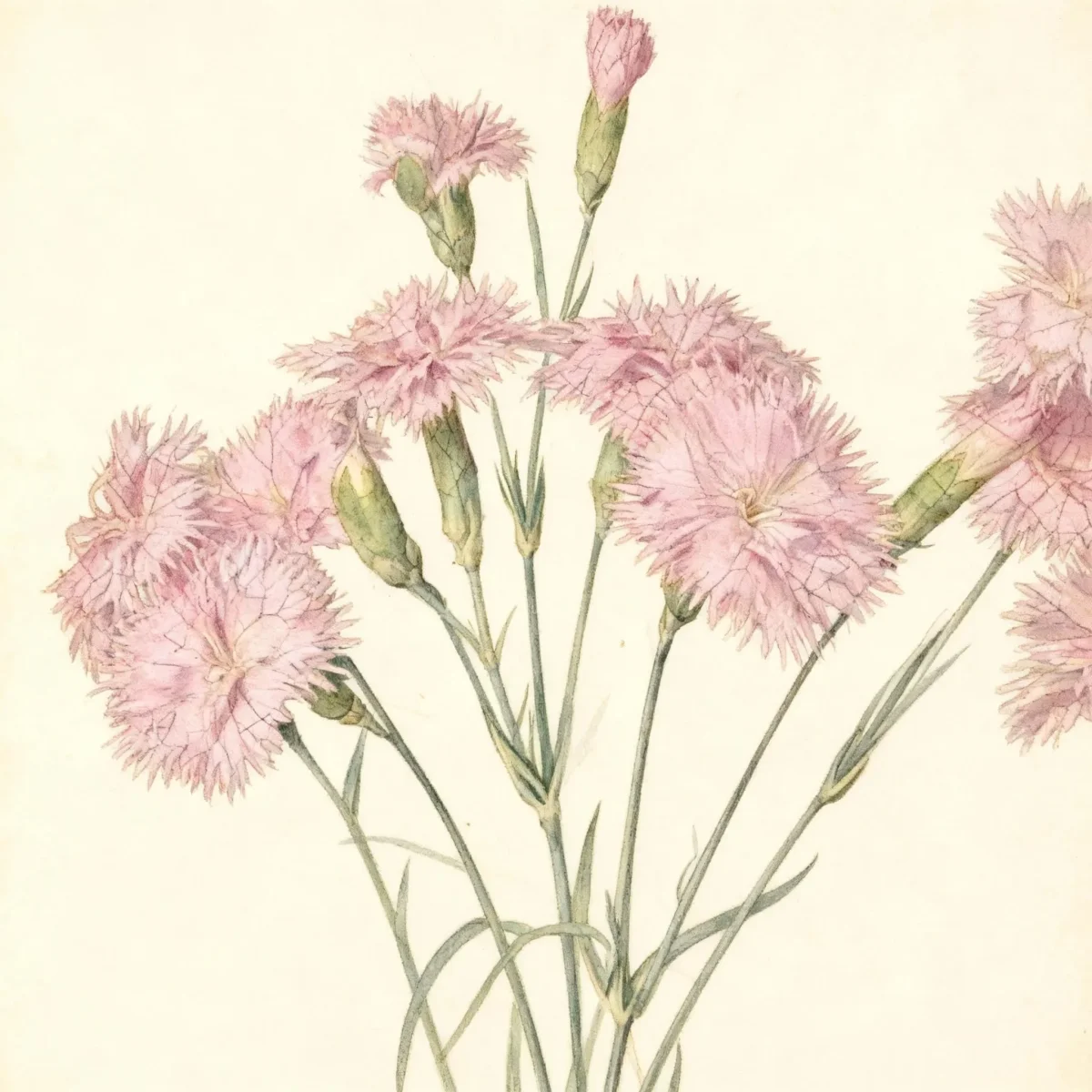
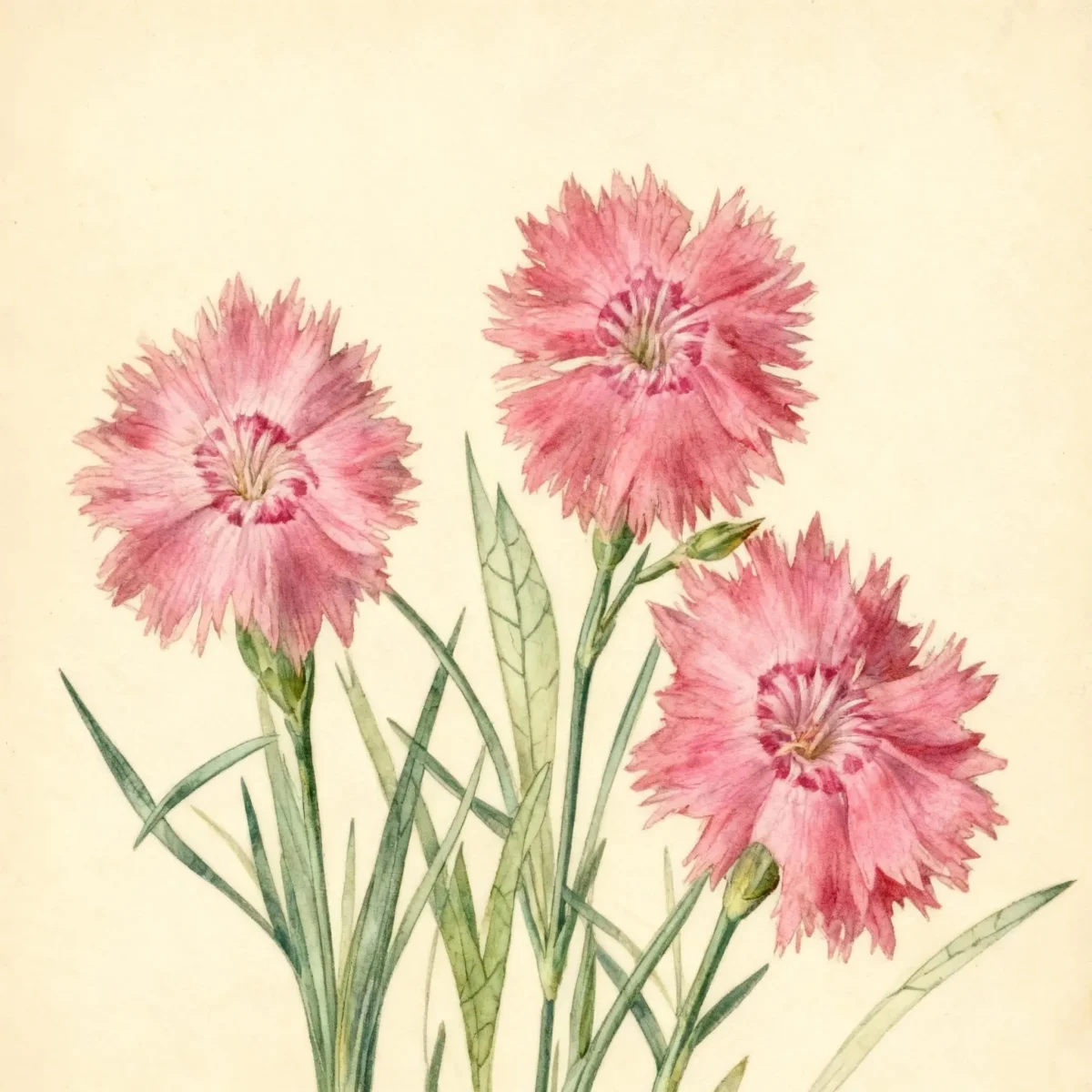
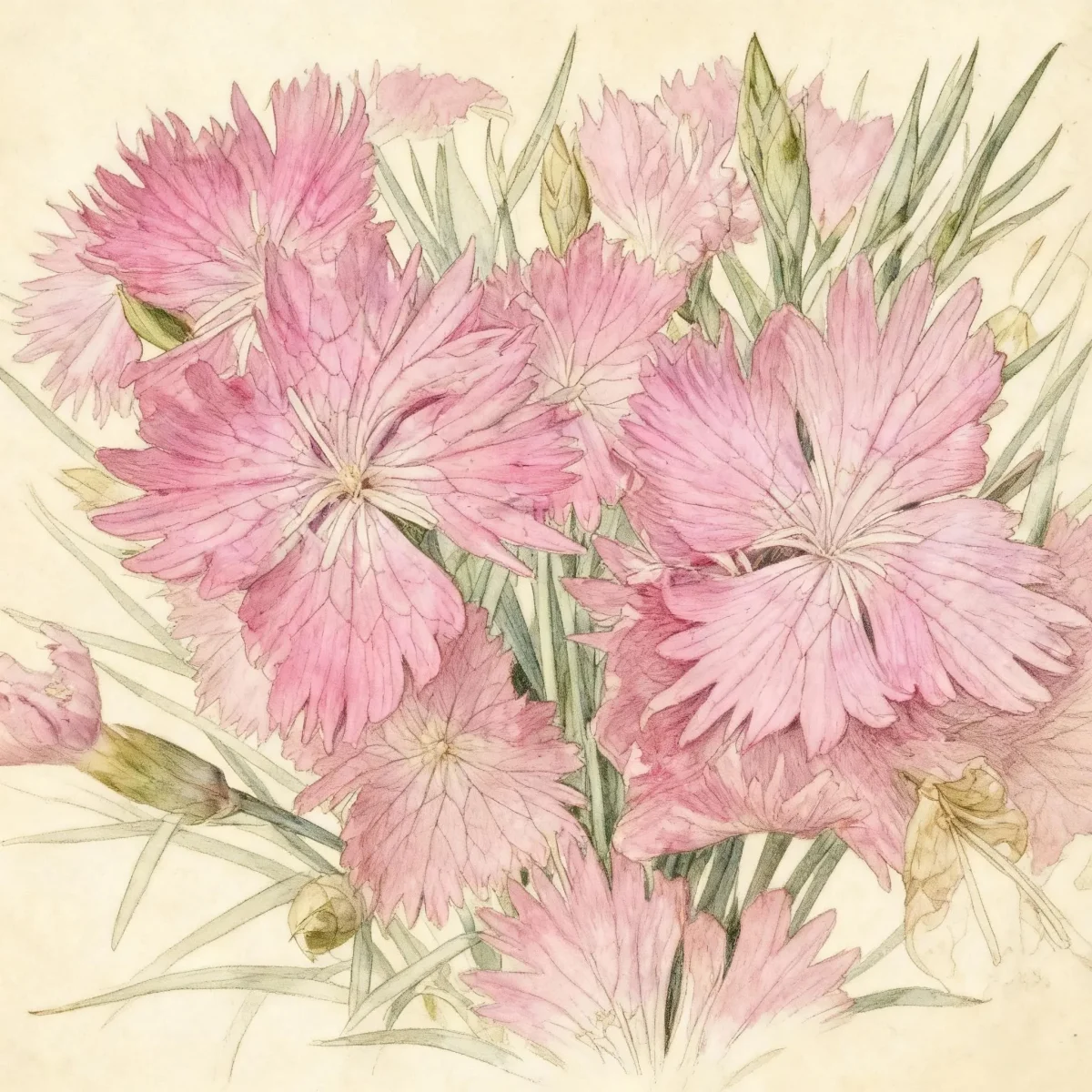
Dianthus ‘First Love’, commonly known as Cheddar pink, is a highly valued herbaceous perennial celebrated for its unique floral performance and appealing foliage. This clump-forming garden pink is distinguished by its heavily fringed, very fragrant flowers which demonstrate a beautiful color transition, often emerging white before maturing through shades of pink to a final lavender-rose hue, often concurrently on the same plant. Dianthus ‘First Love’ forms an attractive, low mound of silvery blue-green foliage that offers essential evergreen interest throughout the colder months.
This vigorous hybrid is easy to cultivate, thriving in full sun where it receives the ample light necessary for generating its best displays. With low maintenance requirements, Dianthus ‘First Love’ is an excellent choice for adding reliable color and fragrance to borders and rock gardens without demanding constant attention from the gardener. Its vigorous blooming, especially when properly deadheaded, ensures color from late spring well into the fall.
Gardeners appreciate this Dianthus hybrid not only for its aesthetics but also for its hardiness across variable climates, spanning USDA Zones 4 through 9. Whether utilized at the edge of a border or planted generously for fragrance, the dependable nature of Cheddar pink makes it a staple in perennial collections.
Fast Facts
- Plant Family: Caryophyllaceae
- Plant Type: Herbaceous perennial
- Hardiness Zones: USDA Zones 4-9
- Size at Maturity:
- Height: 1-1.5 ft
- Spread: 1-1.5 ft
- Bloom Time: May to August
- Bloom Description: White to pink to lavender rose
- Sun Exposure: Full sun
- Water Needs: Medium
- Maintenance Level: Low
How to Grow
Planting Dianthus ‘First Love’ is best achieved in the spring or fall, providing the plant time to establish roots before extreme temperatures hit. The Cheddar pink variety demands full sun to achieve superior flowering but prefers cooler summer conditions. Success hinges on excellent drainage; these plants perform best in organically rich, gritty loams that trend toward neutral or slightly alkaline pH.
While they require average, evenly moist soil, good drainage is paramount to prevent crown rot. Incorporating leaf mold or other organic material can help retain necessary moisture during hot summer spells without waterlogging the root zone, which is crucial for the health of Dianthus ‘First Love’. Water consistently, allowing the topsoil to dry slightly between soakings.
Deadheading spent flowers is the most effective cultural practice to ensure continuous bloom. Consider lightly shearing the plants back after the primary flush of bloom subsides. This tidies the mound of foliage and strongly encourages the plant to produce additional, refreshing flowers later in the summer or early autumn, extending the season for this lovely Cheddar pink.
Landscape Uses
The compact size and spreading habit make Dianthus ‘First Love’ perfectly suited for defining edges and borders, lending a touch of soft texture where paths meet garden beds. They excel as border fronts or edgings, capitalizing on their low stature (1 to 1.5 feet) to showcase taller neighbors while keeping their own foliage visible. Their need for excellent drainage also dictates their suitability for rock gardens, where gritty soil mixes mimic their preferred native conditions.
For gardeners focused on sensory experiences, Cheddar pink is an indispensable addition to fragrance gardens, as the blooms are heavily scented. Furthermore, the dense clumps are excellent filler plants for containers, offering continuous visual interest supported by their attractive, evergreen, silvery-blue leaves. Because they are good for cutting gardens, grow a few extra clumps to harvest the fragrant sprays for indoor enjoyment.
Standout Features
Flower Qualities
- Showy
- Fragrant
Noteworthy Characteristics
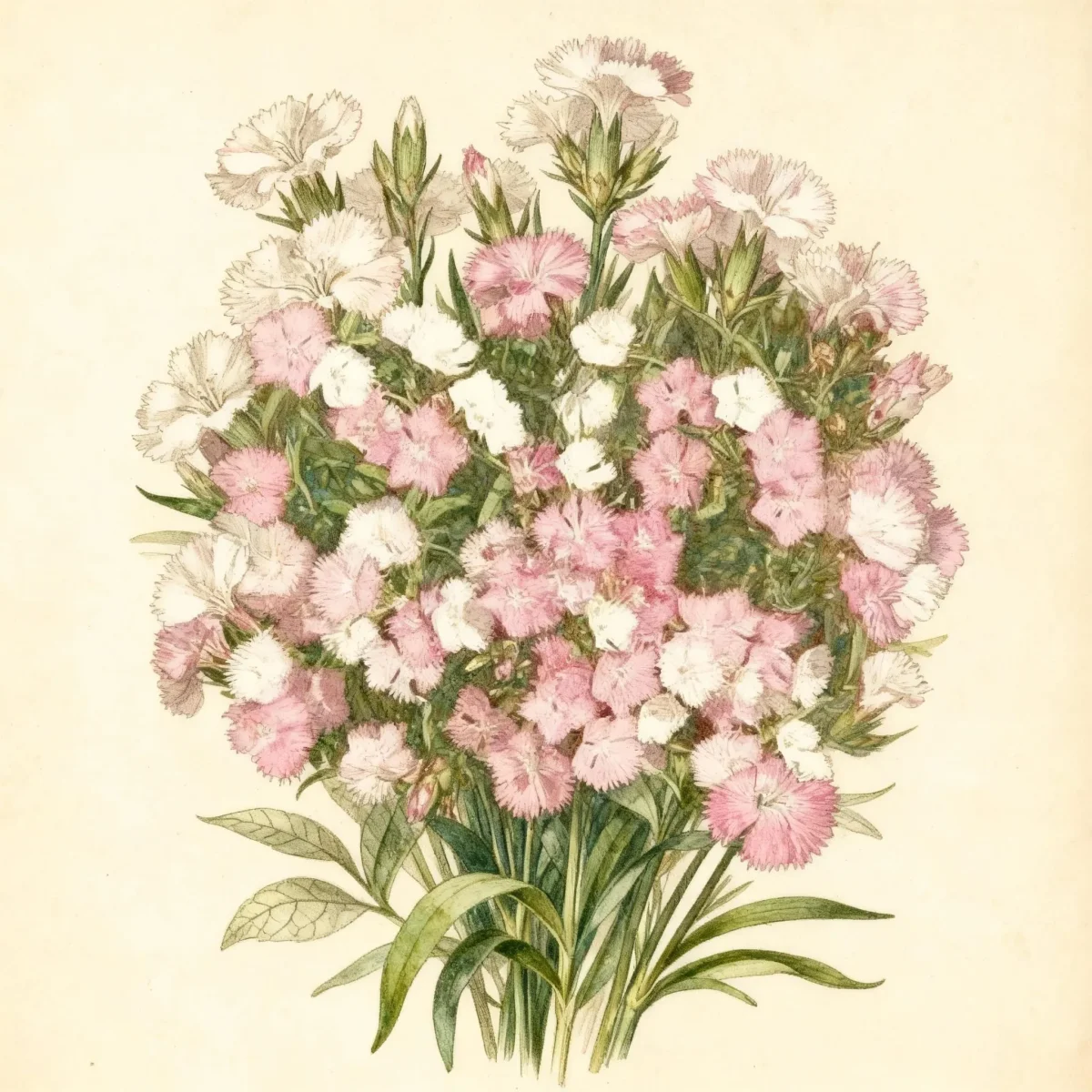
Perennial dianthus, commonly referred to as pinks, present as loosely-tufted, herbaceous perennials distinguished by fragrant, often double flowers emerging from stiff stems clad with narrow, gray-green leaves. Cultivar ‘First Love’ features flowers that dramatically change color—starting white, progressing to pink, and finally becoming lavender-rose—all often visible simultaneously on one clump. This specific plant forms a desirable foliage mound, spreading up to 20 inches wide and remaining evergreen, ensuring garden structure even in winter.
Tolerances
- Deer
Potential Problems
The primary aesthetic concern for Dianthus ‘First Love’ tends to be fungal issues, particularly leaf spot, which can become problematic during humid summers, especially if the plants are positioned too closely together or suffer from poor air circulation. Maintaining space between individual Cheddar pink plants is vital for airflow management.
Crown rot remains a significant threat when grown in suboptimal conditions. This fatal fungal disease specifically targets plants established in wet, poorly drained soils. Always amend heavy clay soils heavily with grit or sand before planting Dianthus ‘First Love’, ensuring water moves away from the crown quickly.
Frequently Asked Questions
What hardiness zones is Cheddar pink suitable for?
Dianthus ‘First Love’ is reliably hardy in USDA Zones 4 through 9, offering flexibility for many gardeners across the country.
How large does Dianthus ‘First Love’ grow?
This perennial typically reaches a height between 1 and 1.5 feet tall, with a complementary spread ranging from 1 to 1.5 feet wide.
What sun exposure does Cheddar pink need?
For abundant, high-quality flowers, Dianthus ‘First Love’ requires full sun exposure—at least six hours of direct sunlight daily.
When does Dianthus ‘First Love’ bloom?
The primary bloom period spans from May through August, featuring showy flowers that shift in color from white to pink to lavender rose.
Conclusion
Dianthus ‘First Love’ offers gardeners a low-maintenance, highly rewarding perennial celebrated for its evergreen foliage and deeply fragrant, color-changing blooms between May and August. The reliable performance and low cultural demands of this Cheddar pink variety establish it as a gardener favorite for edging and fragrance beds. Before planting, ensure your site receives ample sunlight and provides the sharp drainage Cheddar pink cultures require for long-term success.
Companion Planting
When designing beds for Dianthus ‘First Love’, select companions that share its affinity for full sun and excellent drainage, while also offering complementary textures. Combine with low-growing, drought-tolerant herbs like creeping Thyme or Oregano, which thrive in gritty soils and echo the fine texture of the Dianthus foliage. Similarly, pairing Cheddar pink with plants like low-growing Sedums or Artemisia ensures a tapestry of contrasting foliage colors, particularly highlighting the silvery-blue tones of the pinks.
For vertical contrast in borders, plant Dianthus ‘First Love’ in front of taller, summer-blooming perennials such as Salvia or Catmint (Nepeta). These neighbors generally share moderate water needs and tolerate the neutral to slightly alkaline soil conditions preferred by many Dianthus hybrids, creating a cohesive and visually appealing lower layer to the planting scheme.
Seasonal Care Calendar
Mid-Spring preparation involves a light application of balanced, slow-release fertilizer if your soil is poor, though Cheddar pink often thrives without heavy feeding. Immediately after the first major flush of bloom, deadhead spent flowers diligently; this physical intervention directly instructs the plant to produce subsequent waves of its colorful, scented flowers throughout the summer.
In late summer or early fall, especially if the plant appears slightly leggy or untidy after its initial burst, perform a light shearing of the foliage. This encourages a final tidy appearance and can stimulate fresh growth, ensuring the evergreen mound of Dianthus ‘First Love’ looks its best as the season wanes. In colder zones, ensure the soil remains dry, not wet, as winter approaches to prevent crown freezing.