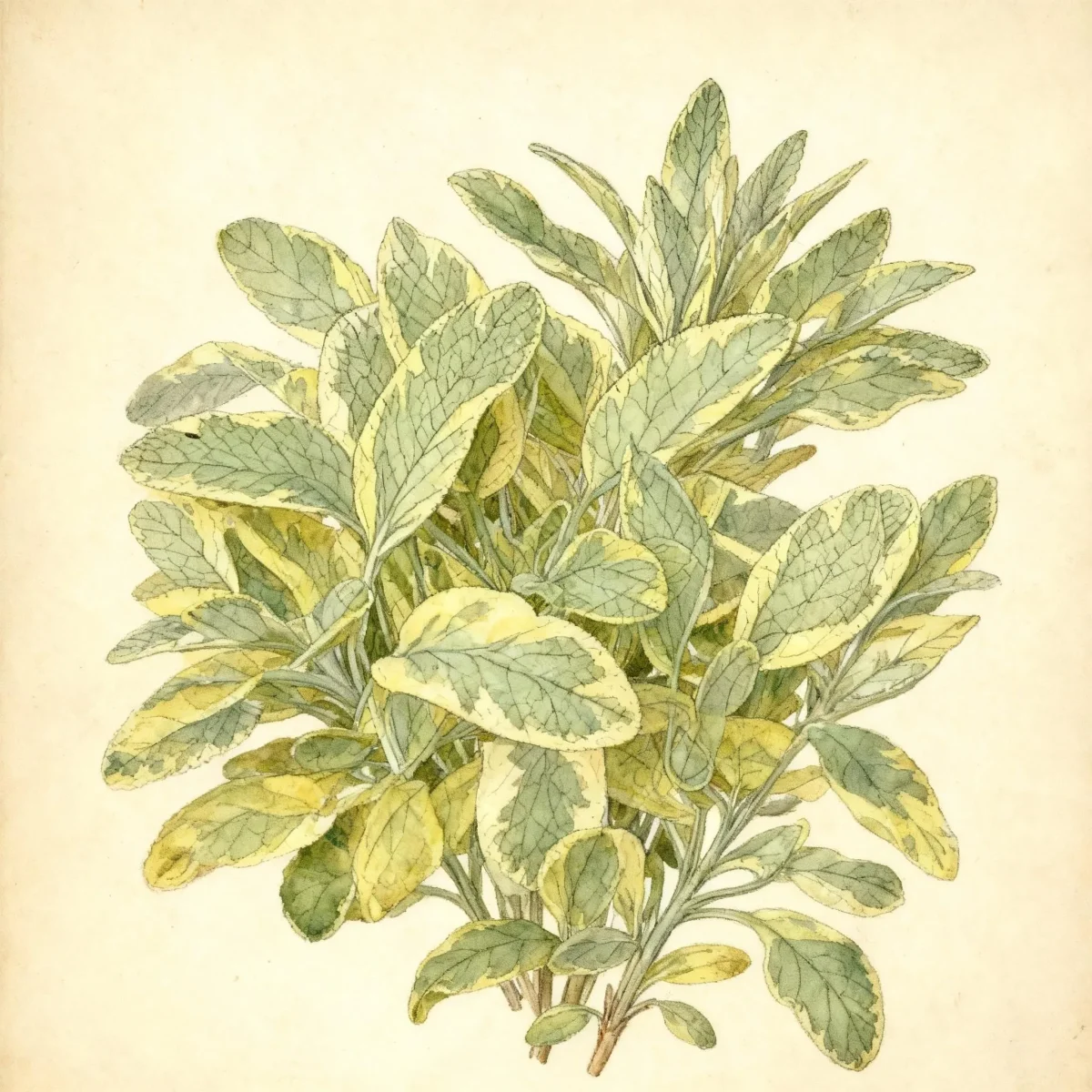
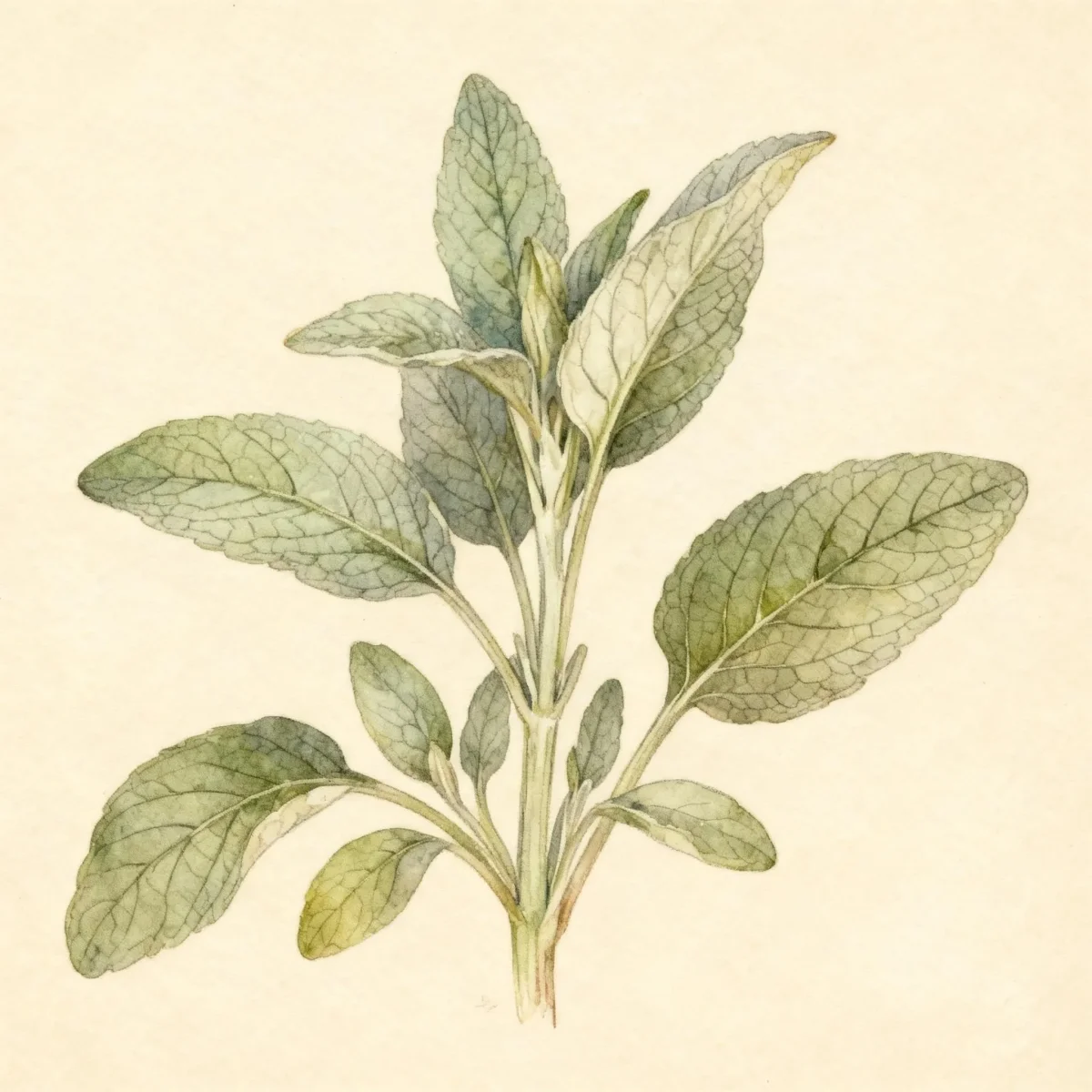
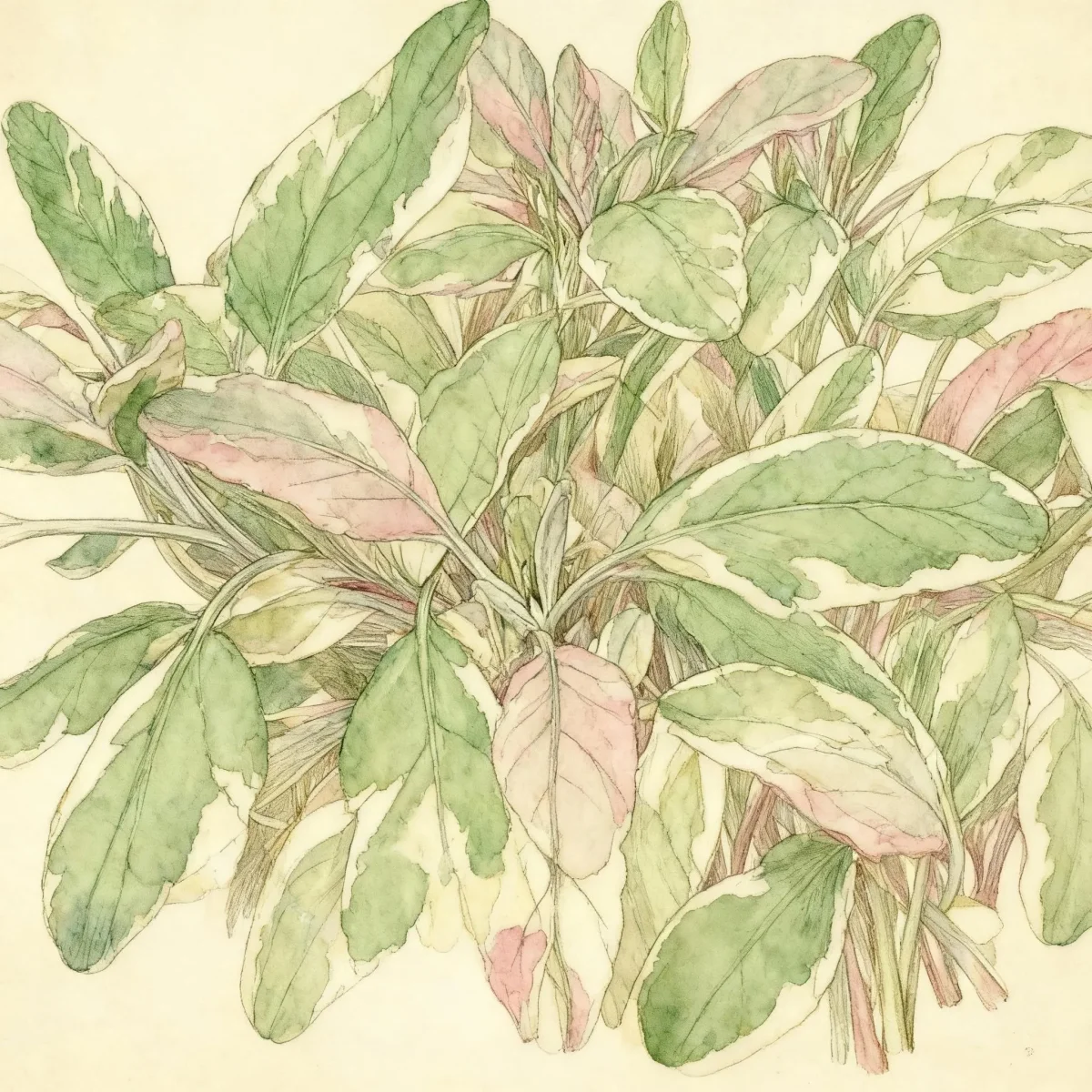
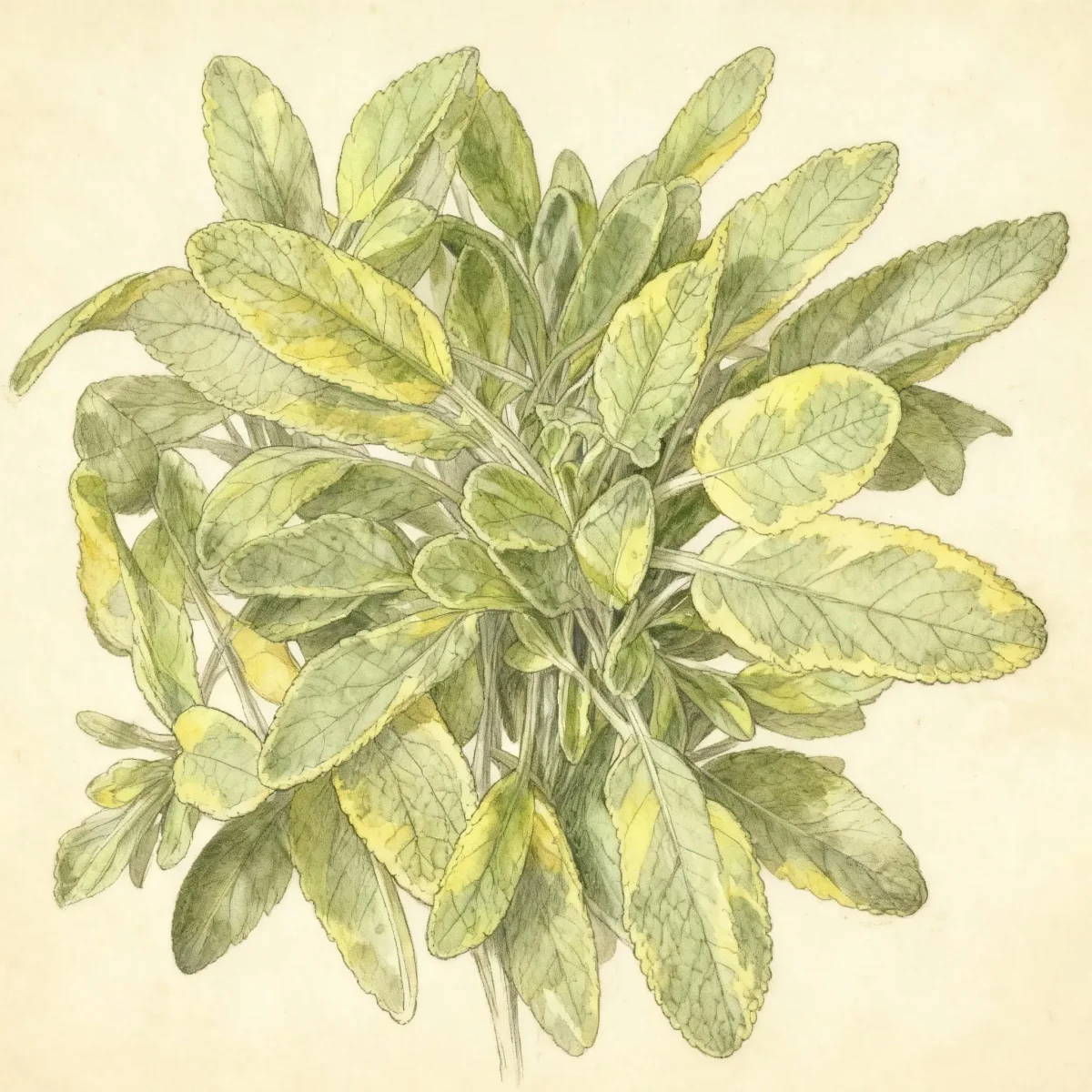
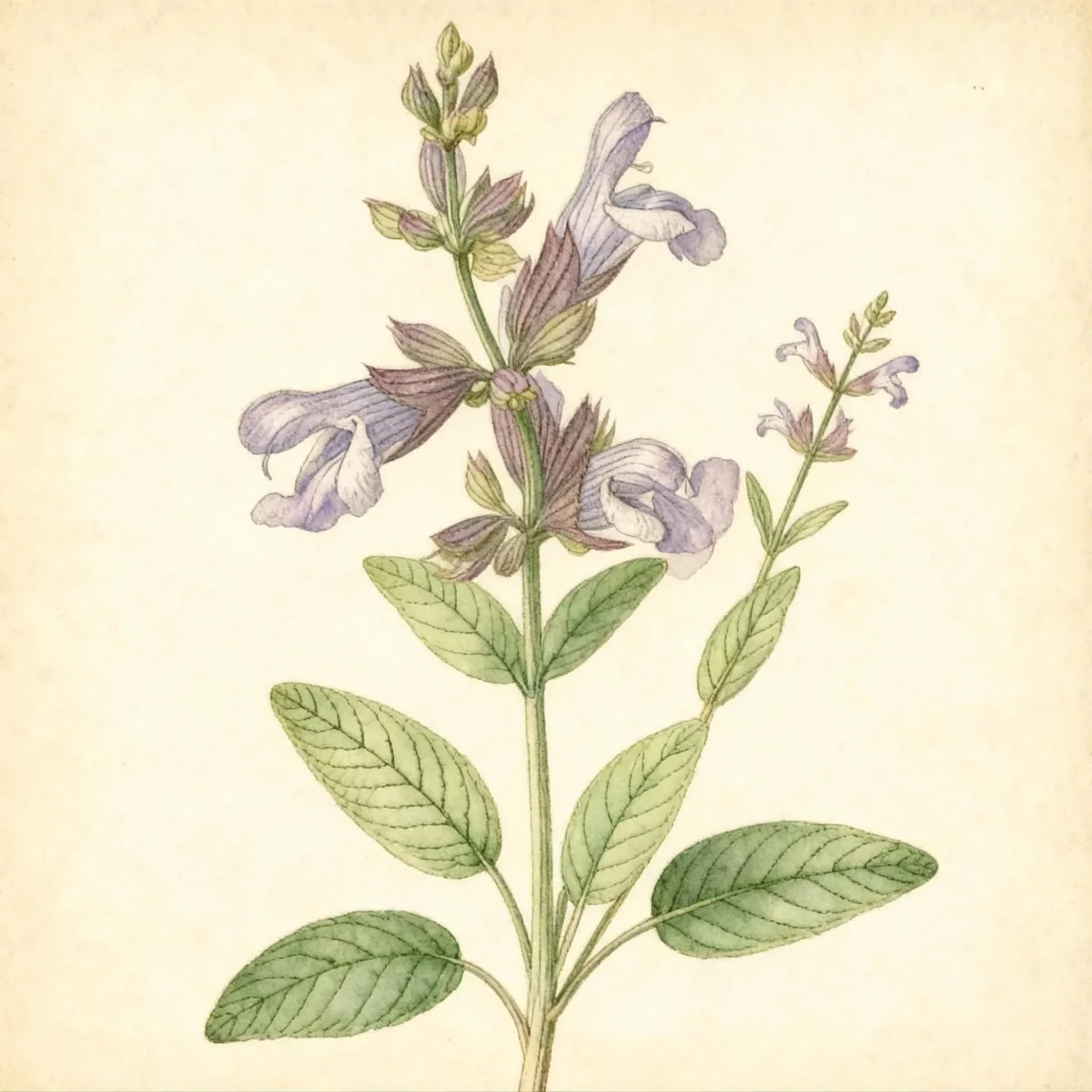
Common sage (Salvia officinalis 'Sage of Bath')
Salvia officinalis 'Sage of Bath' offers silvery foliage and culinary use. A compact herbaceous perennial for full sun gardens.
Scroll down to discover growing tips, care requirements, companion plants, and more

Complete Plant Information
Overview
Salvia officinalis ‘Sage of Bath’ is a highly valued culinary herb that also brings excellent ornamental value to the landscape. Unlike some common varieties, this cultivar is noted for its compact, shrubby habit and highly attractive, silvery foliage. Gardeners often seek out this Common sage for its textural contrast and perennial dependability across multiple seasons.
As a member of the mint family, Salvia officinalis ‘Sage of Bath’ thrives when provided excellent drainage and ample sunlight. It provides a subtle aesthetic interest from its May to June bloom display, featuring whorls of small, pink flowers. Its primary appeal remains its strongly aromatic leaves, essential in kitchens worldwide.
This cultivar is an excellent choice for gardeners needing resilient, low-maintenance structure in dry, sunny spots. The silvery leaves of Salvia officinalis ‘Sage of Bath’ make it invaluable both in herb gardens and mixed perennial borders, offering beauty alongside utility.
Fast Facts
- Plant Family: Lamiaceae
- Plant Type: Herbaceous perennial
- Hardiness Zones: USDA Zones 5-7
- Size at Maturity:
- Height: 1-1.5 ft
- Spread: 1-1.5 ft
- Bloom Time: May to June
- Bloom Description: Pink
- Sun Exposure: Full sun
- Water Needs: Dry to medium
- Maintenance Level: Medium
How to Grow
Plant Common sage in the spring after the danger of hard frost has passed, ensuring the location provides full sun exposure for the best growth and flavor profile. Success with Salvia officinalis ‘Sage of Bath’ hinges on excellent drainage; plant in average soil that is dry to medium in moisture retention. While it tolerates very light shade, prolonged shade will cause the plants to sprawl ungracefully.
Maintenance for Salvia officinalis ‘Sage of Bath’ is generally straightforward. Water sparingly once established; this plant strongly prefers drier conditions. Excess water, especially in heavy or consistently moist soils, is the fastest way to induce root rot, a primary concern for this herb. Fertilization is rarely necessary; rich soil can actually reduce the intensity of the leaf oils.
Pruning is best done lightly throughout the season to encourage bushier growth and promote harvesting of new, tender foliage. If the plant becomes woody by mid-season, trim back about one-third of the growth to revitalize appearance. In cooler zones (Zone 5), provide a light layer of mulch after the ground freezes to help insulate the roots over winter.
Landscape Uses
The compact nature of Salvia officinalis ‘Sage of Bath’ makes it exceptionally versatile. It is an Excellent in herb or vegetable gardens, where its silvery texture provides a wonderful contrast to deep greens and brighter flowers. Consider incorporating Common sage into formal knot gardens or informal cottage groupings.
Beyond the vegetable patch, Salvia officinalis ‘Sage of Bath’ integrates well when you Mix with perennials in borders or rock gardens. Its drought tolerance makes it an ideal choice for xeriscaping or sunny front borders where low-water needs are paramount. Pair it with Mediterranean companions like Lavender or Yarrow that share similar cultural demands.
Standout Features
Flower Qualities
- Showy
Noteworthy Characteristics
The genus name Salvia comes from the Latin word salveo meaning “to save or heal,” referencing the purported curative properties found in some species. While commonly recognized as the culinary sage familiar to most cooks, Salvia officinalis ‘Sage of Bath’ also boasts strong ornamental appeal due to its foliage. This compact, shrubby perennial typically reaches 1 to 1.5 feet tall and features deeply wrinkled, oblong leaves that are silver and strongly aromatic, making them perfect for fresh or dried use.
Tolerances
- Deer
- Drought
- Dry Soil
- Shallow-Rocky Soil
Potential Problems
Common sage is generally resistant to most serious insect or disease issues when sited correctly. The most significant cultural problem to avoid is poor drainage; the plant is highly Susceptible to root rot in consistently moist or wet soils. Therefore, amending heavy clay soils heavily with grit or sand before planting is crucial for long-term health.
Taller specimens or those grown in suboptimal light conditions (Plants tend to sprawl) may develop leggy stems. If this occurs, they may need some support if grown as ornamentals in the border. Address sprawl by cutting back by one-third in spring or after heavy flowering to maintain the dense, silvery mound characteristic of successful Salvia officinalis ‘Sage of Bath’.
Frequently Asked Questions
What hardiness zones is Common sage suitable for?
Salvia officinalis ‘Sage of Bath’ is suitable for planting outdoors in USDA Hardiness Zones 5 through 7. Always verify local frost dates before transplanting young plants.
How large does Common sage grow?
This compact cultivar typically reaches a mature height between 1 and 1.5 feet, with a similar spread of 1 to 1.5 feet.
What sun exposure does Common sage need?
This herb requires Full sun exposure to thrive, minimizing sprawling and maximizing the desirable color and aroma of the leaves.
When does Common sage bloom?
Salvia officinalis ‘Sage of Bath’ displays its blooms from May to June, typically showing small Pink flowers.
Conclusion
Incorporating Salvia officinalis ‘Sage of Bath’ brings an aromatic, silvery texture that excels in culinary applications and dry, sunny garden spaces. The resilience and manageable size of this Common sage variety ensure it remains a staple herbaceous perennial. Plan your planting for spring in USDA Zones 5-7 and ensure excellent soil drainage to maximize the ornamental and functional benefits it offers.
Companion Planting
When planning beds incorporating Salvia officinalis ‘Sage of Bath’, select partners that share its penchant for sun and dry soil. Companion planting herbs like Lavender, Thyme, and Rosemary creates a cohesive “Mediterranean garden” theme, as these share similar water requirements and will not suffer in the drier conditions this sage prefers.
For non-herbaceous companions, consider pairing the silvery mat of Common sage with deep greens or vibrant purples to enhance visual contrast. Plants with contrasting textures, such as fine-leaved ornamental grasses or broad-leafed Sedum, placed near the low mounds of Salvia officinalis ‘Sage of Bath’ create dynamic interest across the border.
Wildlife Benefits
As a member of the Lamiaceae family, Salvia officinalis ‘Sage of Bath’ is attractive to beneficial insects. The genus Salvia is well-known for attracting pollinators seeking nectar. Although the primary appeal of this variety is ornamental and culinary, the whorled, two-lipped pink flowers provide a worthwhile food source for local bees and butterflies during the late spring bloom period.