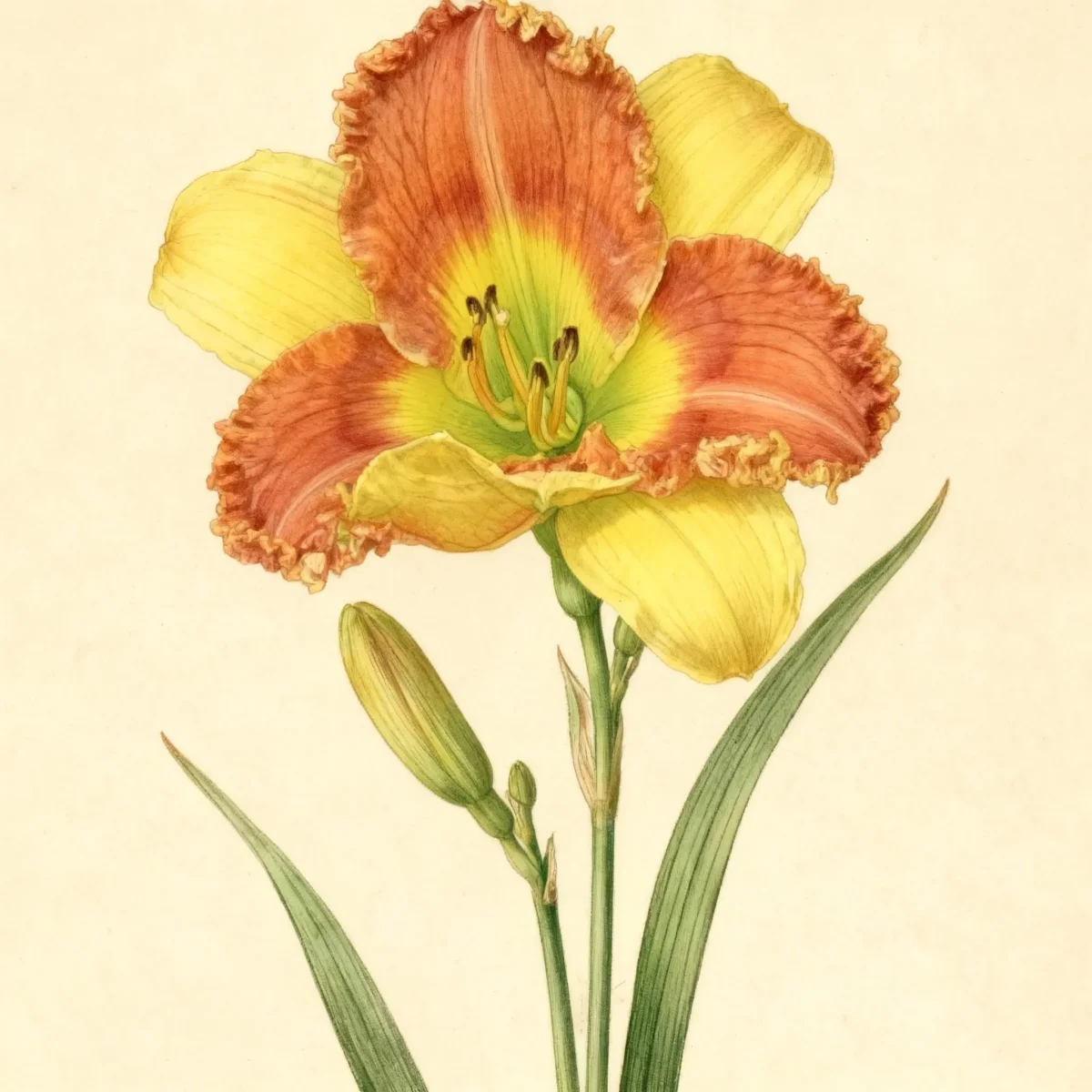
Tetraploid daylily (Hemerocallis 'Bob Barker')
Hemerocallis 'Bob Barker' is a low-maintenance Tetraploid daylily presenting stunning red and yellow bicolor blooms from June to August.
Scroll down to discover growing tips, care requirements, companion plants, and more
Complete Plant Information
Overview
The Hemerocallis ‘Bob Barker’ is a highly desirable Tetraploid daylily celebrated for its vibrant floral presentation and robust constitution. This cultivar offers gardeners an attractive, easy-to-care-for herbaceous perennial that delivers reliable summer color year after year. Its striking bicolored flowers make Hemerocallis ‘Bob Barker’ a standout feature in mixed borders or mass plantings.
As a winter dormant hybrid, this daylily thrives in a broad range of temperate climates, requiring a cold period for optimal perennial health and performance. Its relatively compact size, reaching about 2 feet tall and wide, suits many residential garden spaces where impressive color impact is desired without excessive bulk.
Cultivating this popular variety ensures consistent beauty during the height of summer. The low maintenance requirements of this specific Tetraploid daylily ensure that even novice gardeners can successfully integrate its dramatic blooms into their landscape designs.
Fast Facts
- Plant Family: Asphodelaceae
- Plant Type: Herbaceous perennial
- Hardiness Zones: USDA Zones 3-9
- Size at Maturity:
- Height: 1.5-2 ft
- Spread: 1.5-2 ft
- Bloom Time: June to August
- Bloom Description: Red and yellow bicolor with green to yellow throat
- Sun Exposure: Full sun to part shade
- Water Needs: Medium
- Maintenance Level: Low
How to Grow
Planting should ideally occur in spring, especially in colder zones like the St. Louis area, although fall planting is also suitable elsewhere. Hemerocallis ‘Bob Barker’ performs best in average, medium moisture, well-drained soils, though it tolerates a wide range, preferring deep, fertile loams for peak performance. Ensure the location receives full sun to partial shade exposure to maximize bud production.
Daylilies require medium water, demanding deep watering during prolonged dry spells to maintain attractive foliage despite their tolerance for summer heat and humidity. For the neatest presentation, deadhead spent flowers daily and remove the entire scape once blooming is complete. Hybrid daylilies like Hemerocallis ‘Bob Barker’ will not produce identical plants from seed, confirming the importance of vegetative division.
To maintain vigor and consistent flowering, plan to divide mature clumps every three to four years, preferably in the spring. Since this is a winter dormant type, it absolutely requires that essential cold period; consequently, it is not typically recommended for planting in USDA Zone 9 and warmer, where dormancy may fail.
Landscape Uses
The versatility of the daylily ensures that this Tetraploid daylily fits seamlessly into various landscape roles. Its manageable size makes it excellent for defining borders, providing neat edging along walkways, or mass planting over large areas to create solid blocks of color. Grow them in clumps for definition or use them broadly for sweeping perennial sweeps that require minimal fuss across the season.
Hemerocallis ‘Bob Barker’ pairs well with low-growing perennials acting as groundcovers or drifts of contrasting texture, such as ornamental grasses or shorter salvias. The strong upright habit of the foliage provides a good vertical element among lower-growing specimens, adding structure until the striking blooms appear.
Because it is incredibly easy to grow, this cultivar is perfect for foundation plantings where reliable, low-maintenance color is needed near structures where perennial access might be limited. Consider using it to soften hardscapes or line sunny paths.
Standout Features
Flower Qualities
- Showy
Noteworthy Characteristics
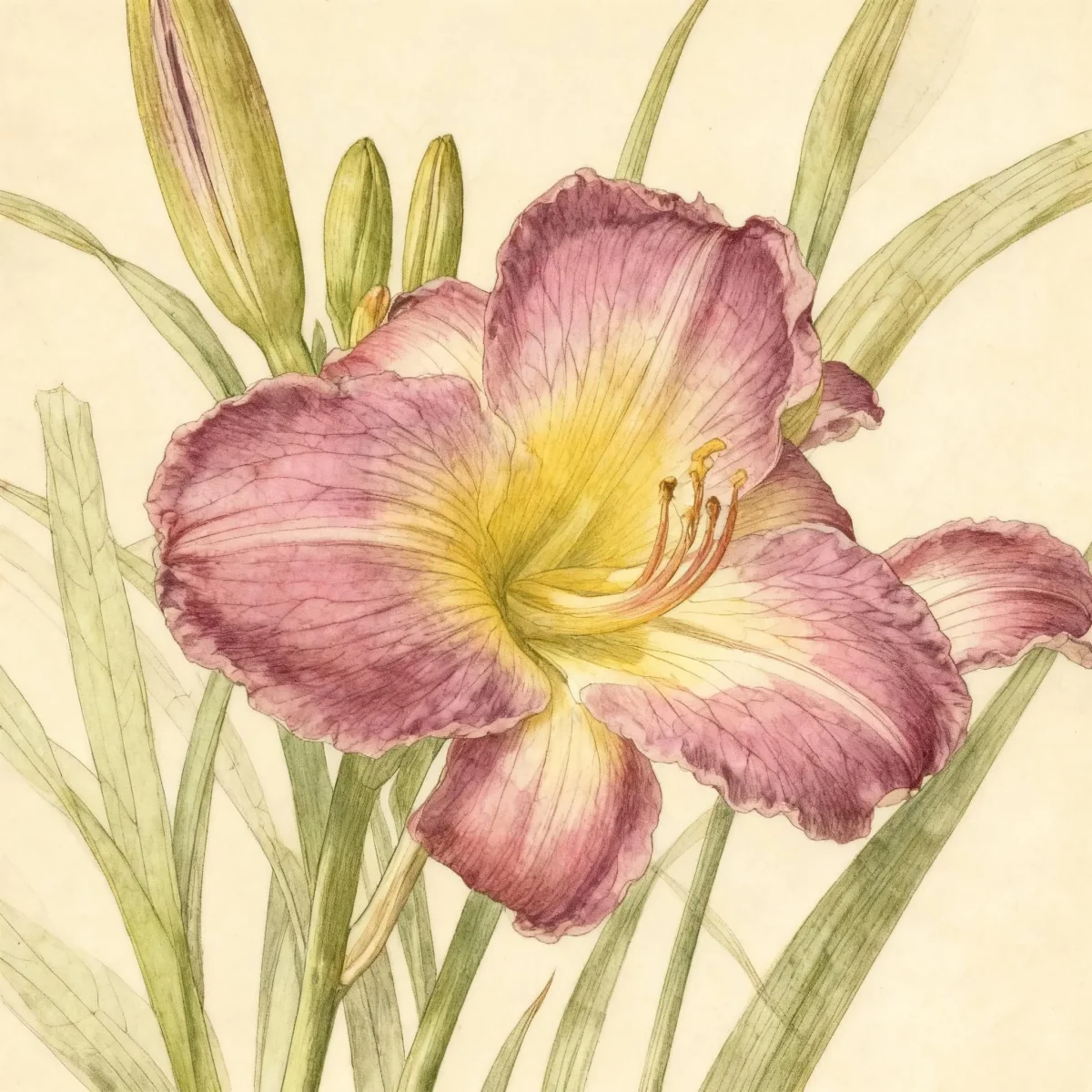
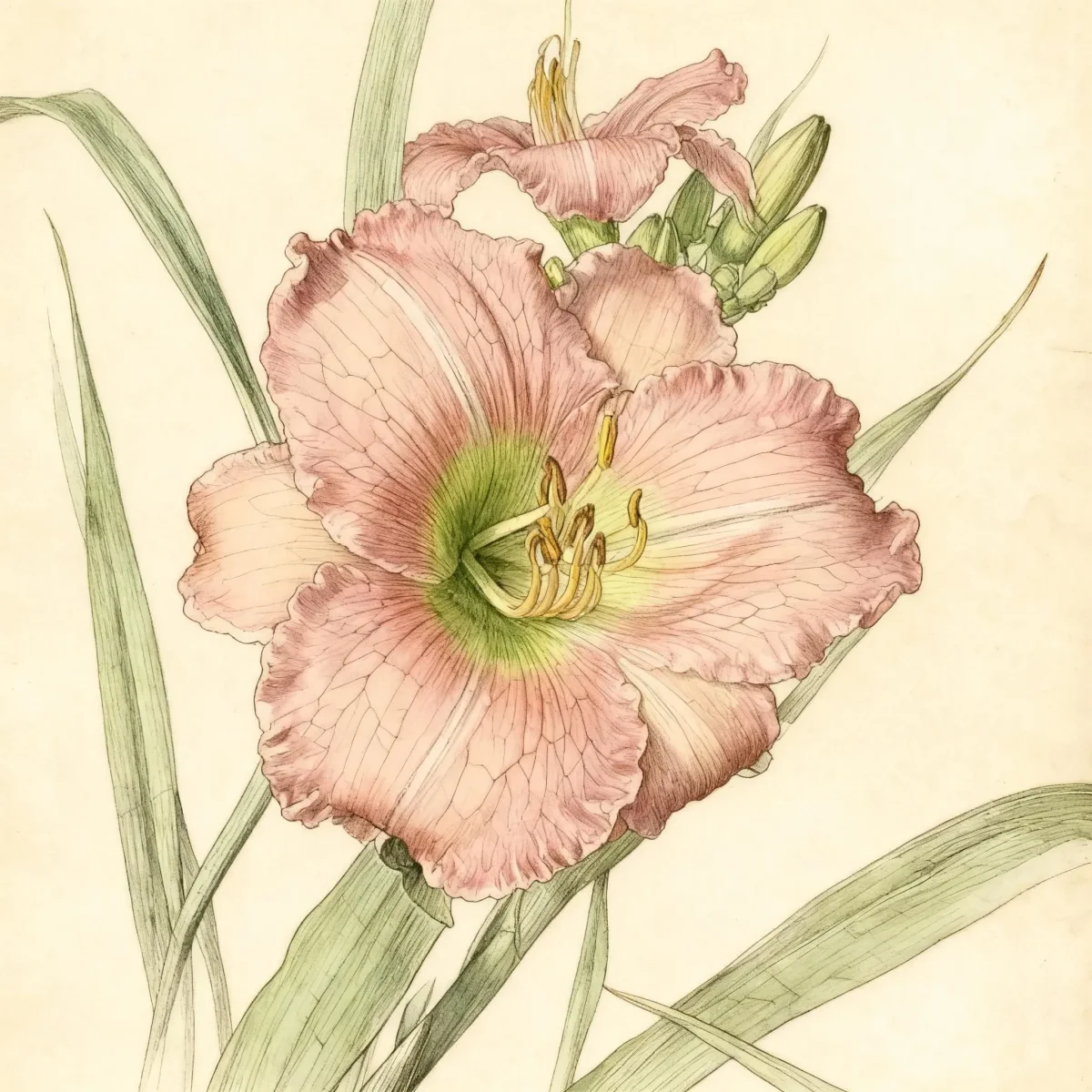
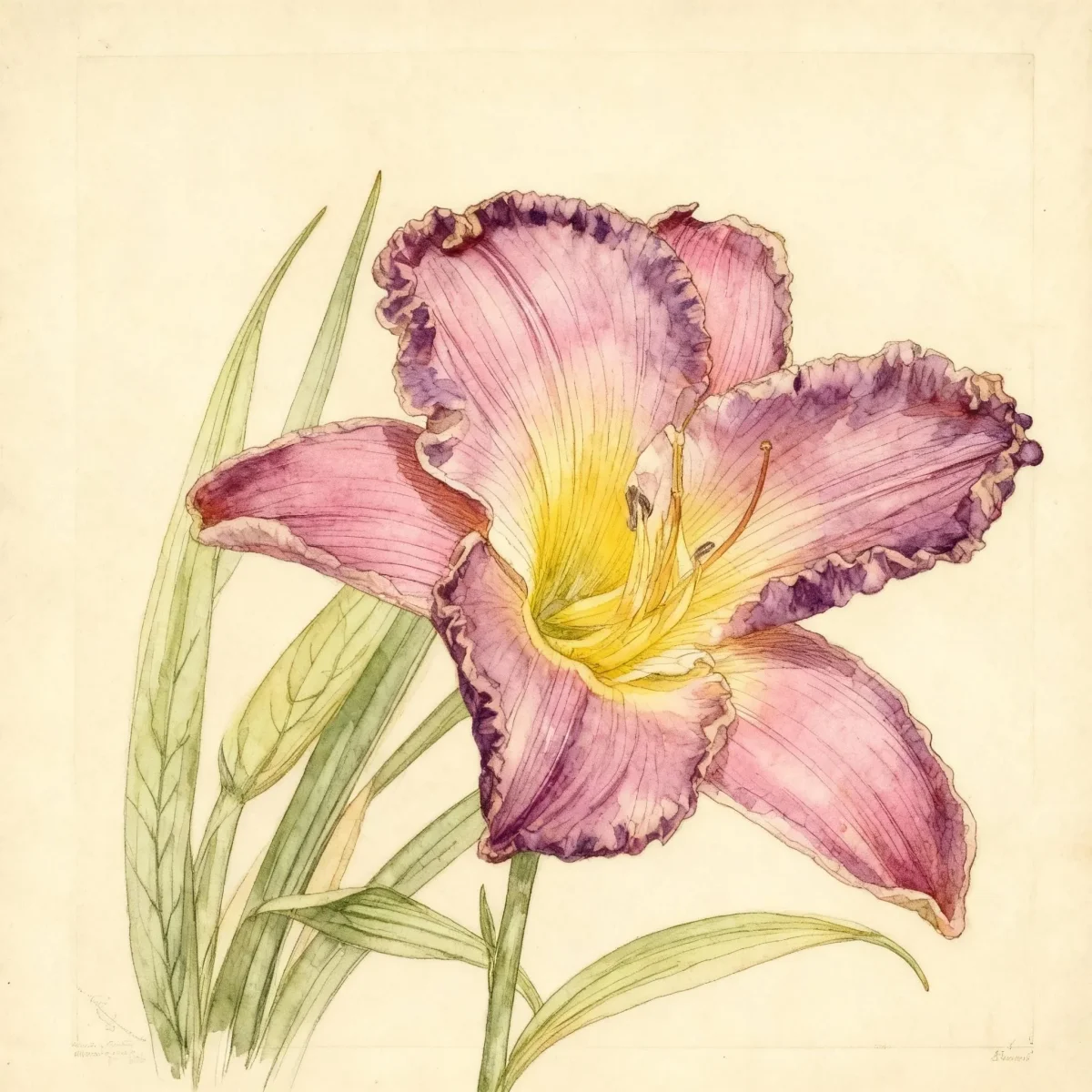
Hemerocallis is a genus of about 15 species of herbaceous perennials commonly known as daylilies, with most commercial stock being hybrids developed for superior color and form. Each flower typically lasts only one day, but rapid succession ensures long bloom periods. Hemerocallis ‘Bob Barker’ is specifically noted as a tetraploid, winter dormant, hybrid daylily cultivar featuring 5-inch flowers composed of golden yellow sepals, red petals with ruffled edges, and a distinct yellow-green throat, held atop 2-foot scapes.
Tolerances
- Rabbit
Potential Problems
Daylilies are renowned for being extremely adaptable and generally pest-free, making them a favorite for low-input gardening. Occasional minor issues can include spider mites, aphids, or thrips, which are usually manageable. Keep an eye out for Daylily Rust in areas prone to fungal issues, ensuring good air circulation helps mitigate this risk. A significant benefit—and noted in its tolerances—is that rabbits tend to avoid feeding on this type of foliage.
Frequently Asked Questions
What hardiness zones is Tetraploid daylily suitable for?
Hemerocallis ‘Bob Barker’ is suitable for USDA Zones 3 through 9, provided adequate winter chilling occurs in the colder end of that range.
How large does Hemerocallis ‘Bob Barker’ grow?
This cultivar typically reaches a mature height between 1.5 and 2 feet tall, with an equal spread of about 1.5 to 2 feet wide.
What sun exposure does Tetraploid daylily need?
This daylily performs best when placed in a location receiving full sun to part shade.
When does Hemerocallis ‘Bob Barker’ bloom?
The main bloom period for this variety begins mid to late season, generally spanning from June to August, displaying red and yellow bicolor flowers.
Conclusion
The Hemerocallis ‘Bob Barker’ offers gardeners low maintenance coupled with spectacular summer performance, thanks to its robust Tetraploid daylily genetics and vibrant red and yellow bicolor blooms. Enjoying one of the easiest perennials available, its resilience means gardeners in Zones 3-8 can confidently plan for consistent beauty season after season. Check your specific zone compatibility and prepare your beds for planting this reliable performer.
Companion Planting
Selecting good companions for Hemerocallis ‘Bob Barker’ involves choosing plants that share similar cultural needs—full sun and medium moisture—while offering contrasting foliage texture or bloom times. Consider planting lower-growing annuals or perennials at the front of the border, such as creeping thyme or coreopsis, to hide the base of the daylily foliage as summer progresses. Plants like Salvia nemorosa or ornamental grasses provide excellent textural counterpoints to the stiff, upright leaves of the daylily.
Seasonal Care Calendar
Spring cleanup is crucial; wait until new growth appears before cutting back any remaining old foliage from the Hemerocallis ‘Bob Barker’ to ensure proper dormancy break. During the summer bloom, the primary task is deadheading flowers daily to maintain tidiness and encourage continuous blooming throughout the June to August window. In late fall, after the foliage has yellowed, especially in colder areas, trim the foliage back toward the crown to prepare the winter dormant plant for its necessary cold period.