Bluebeard (Caryopteris × clandonensis 'Arthur Simmonds')
Caryopteris × clandonensis 'Arthur Simmonds' (Bluebeard) offers fragrant foliage and showy blue blooms late summer into fall.
Scroll down to discover growing tips, care requirements, companion plants, and more
Complete Plant Information
Overview
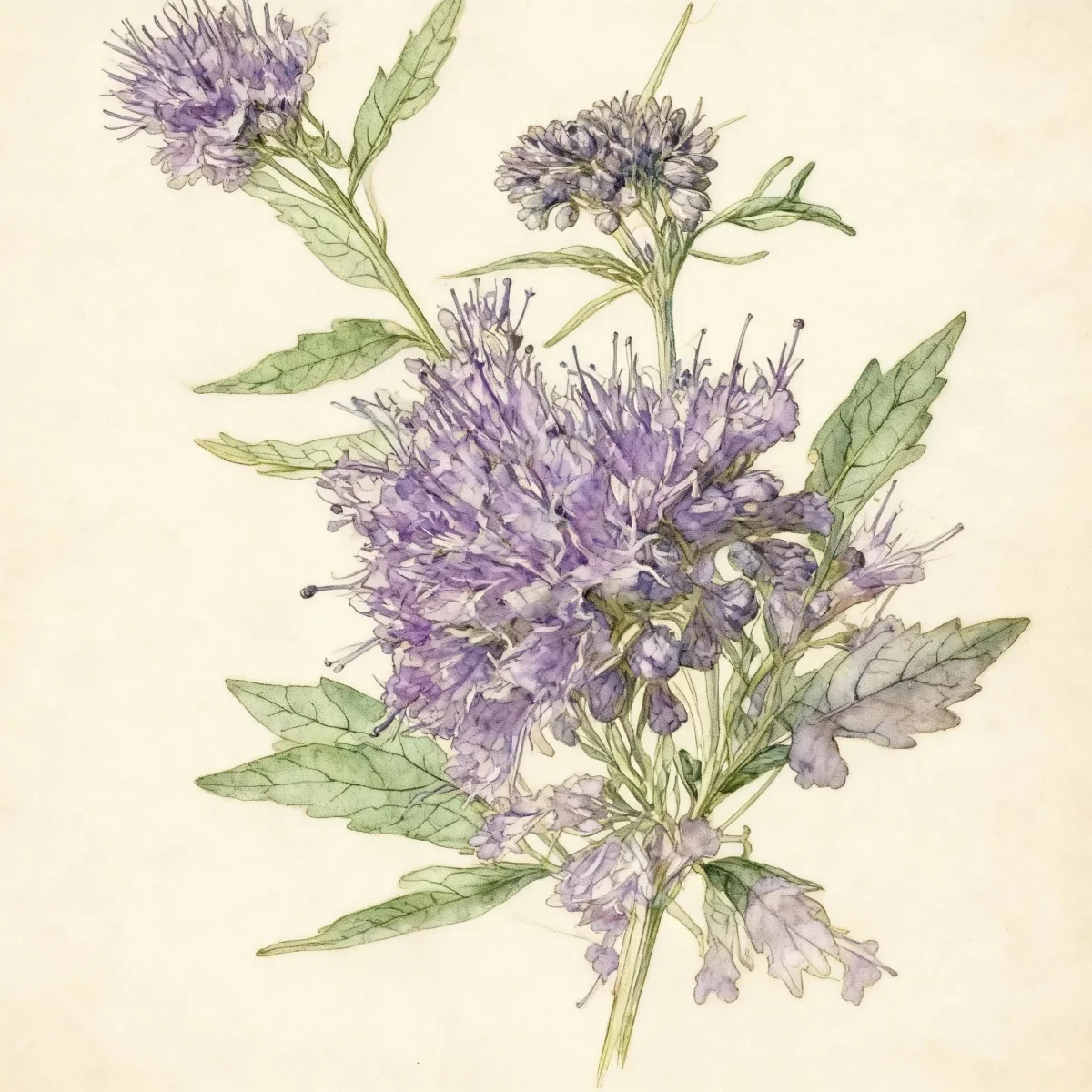
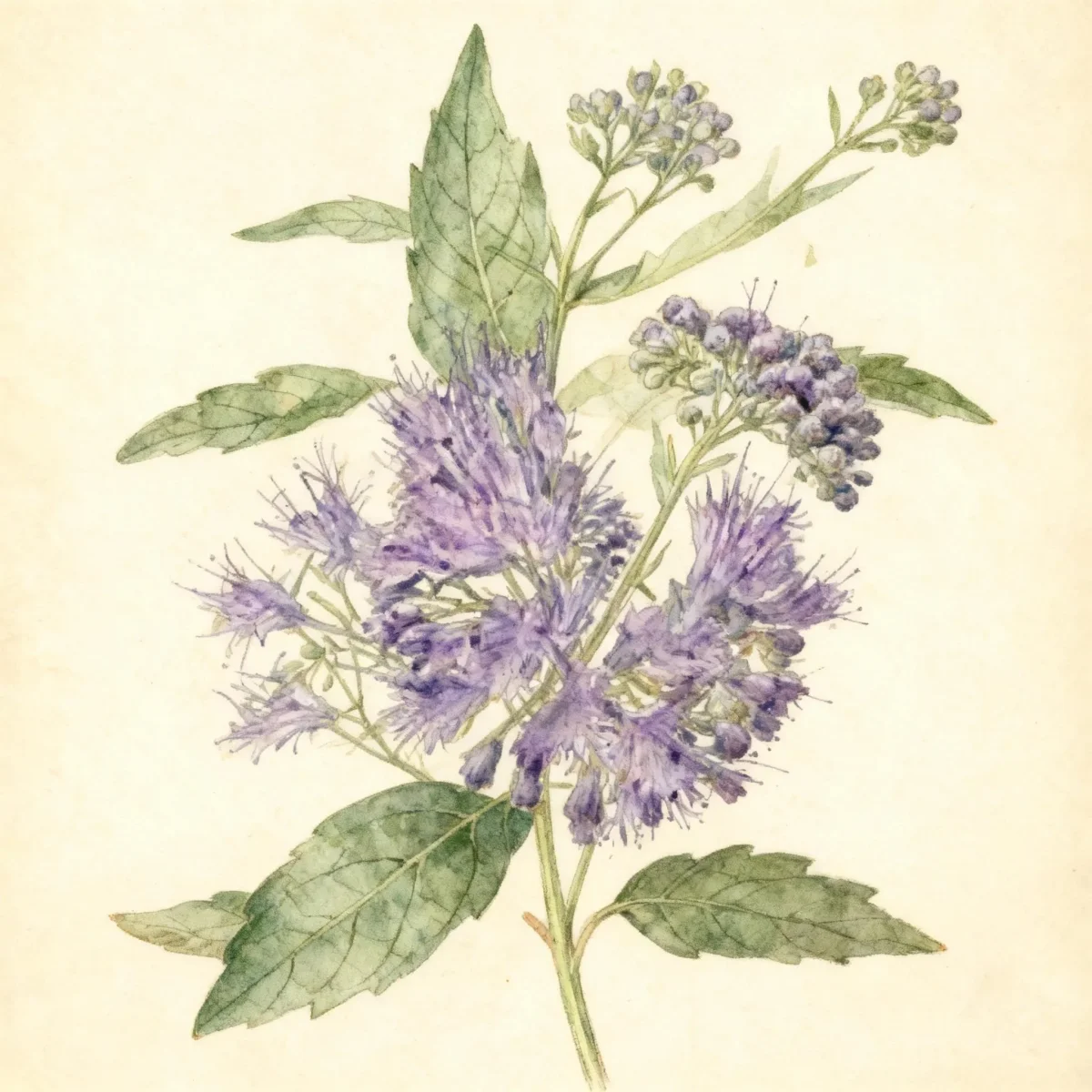
The Caryopteris × clandonensis ‘Arthur Simmonds’, commonly known as Bluebeard, is a highly valued deciduous shrub celebrated for its exceptional late-season performance. This hybrid brings masses of fragrant, bright blue flowers to the garden when many other shrubs have finished blooming, often described as resembling clouds of blue mist. Furthermore, the foliage of Caryopteris × clandonensis ‘Arthur Simmonds’ releases a pleasant aroma when brushed, adding another sensory dimension to the landscape.
This compact shrub thrives best in sunny locations and requires well-drained soil to prevent root issues. Although it is valued for its tough nature, understanding its unique winter hardiness profile is key to success, especially in cooler regions. Bluebeard is an excellent source of late-season nectar, drawing in butterflies, bees, and beneficial insects when they need it most.
Gardeners appreciate Caryopteris × clandonensis ‘Arthur Simmonds’ for its reliable low maintenance requirements once established. Its ability to withstand periods of dryness, coupled with its attractive form and late color display, secures its place in perennial and shrub borders alike. Proper annual pruning encourages the vigorous new growth necessary for its abundant flowering.
Fast Facts
- Plant Family: Lamiaceae
- Plant Type: Deciduous shrub
- Hardiness Zones: USDA Zones 5-9
- Size at Maturity:
- Height: 2-3 ft
- Spread: 2-3 ft
- Bloom Time: July to September
- Bloom Description: Blue
- Sun Exposure: Full sun
- Water Needs: Medium
- Maintenance Level: Low
How to Grow
Planting the Caryopteris × clandonensis ‘Arthur Simmonds’ should occur when conditions allow for root establishment, ideally in spring or early fall. Ensure the site receives full sun, as insufficient light will greatly diminish the flower production of this Bluebeard variety. This shrub prefers average, medium-moisture soil, but excellent drainage is critical; it is intolerant of wet, poorly-drained conditions where crowns may rot. Loose loams are particularly favored.
Watering requirements are medium; while established plants tolerate some drought, maintain consistent moisture during the first growing season. Fertilizing is rarely necessary if soil quality is adequate. The most important cultural practice involves pruning.
Stems of Caryopteris × clandonensis ‘Arthur Simmonds’ are winter hardy to Zone 5, but the top growth often dies back to the ground in Zones 5 and 6. Therefore, gardeners in these colder areas should plan to prune all stems back hard in early spring before new growth emerges. Even where stems survive the winter, hard annual pruning in spring is often performed to stimulate the vigorous new shoots that bear the summer flowers, as flowering occurs only on new wood.
Landscape Uses
Bluebeard excels in environments where consistent late-season color is desired. Due to its tidy, low-mounded habit, Caryopteris × clandonensis ‘Arthur Simmonds’ is superb for defining the front edge of shrub borders or creating a bold statement in perennial groupings. It performs exceptionally well when massed or planted in large groups, creating drifts of hazy blue color that contrast beautifully with surrounding foliage.
Consider using this variety to form a low, informal hedge where structure and late bloom are important elements. Its compact size also makes it a suitable backdrop plant in mixed container arrangements or for smaller garden spaces where taller deciduous shrubs would overwhelm. Because the flowers are so attractive to beneficial insects, integrating the plant near vegetable gardens can support pollination efforts.
Standout Features
Flower Qualities
- Showy
- Fragrant
Noteworthy Characteristics
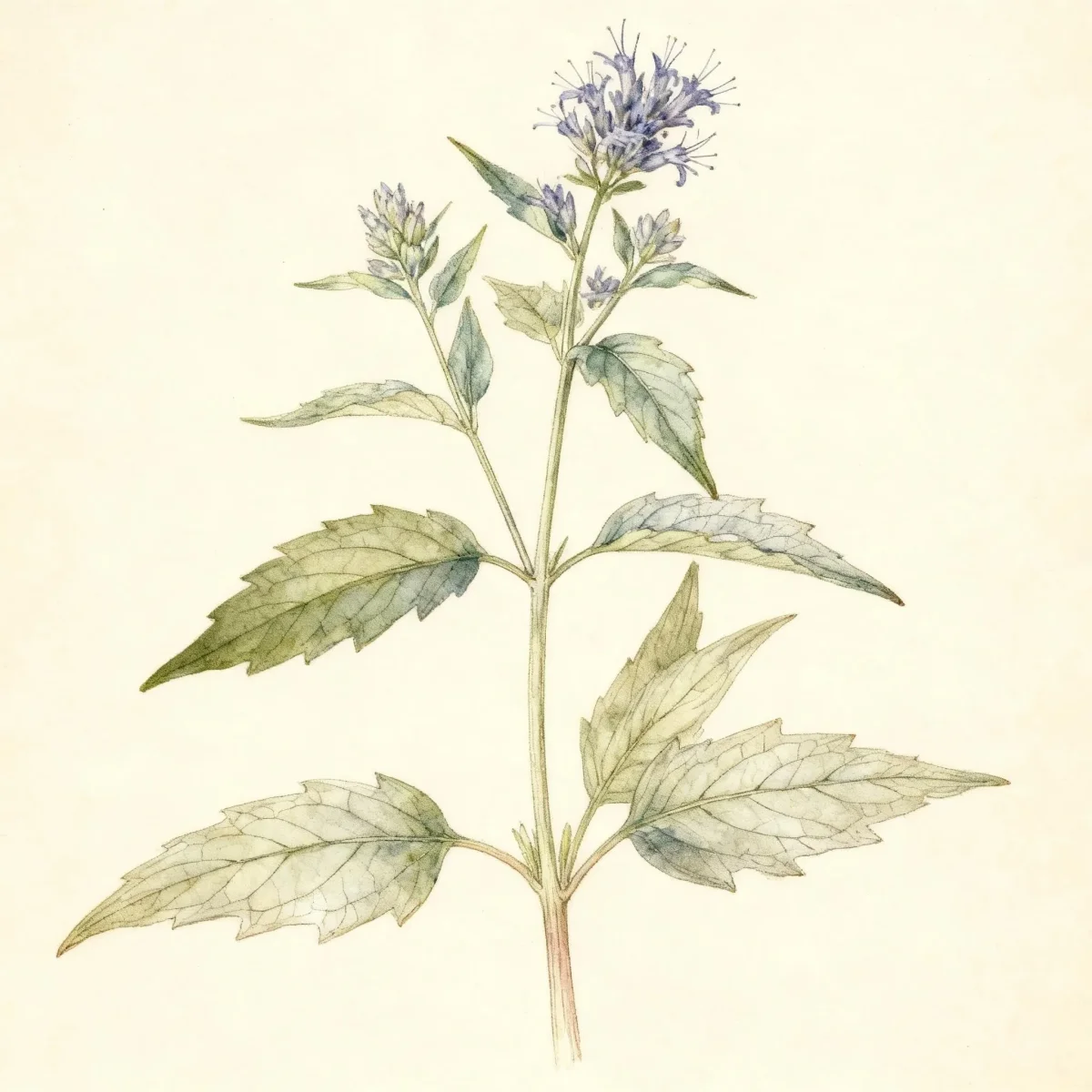
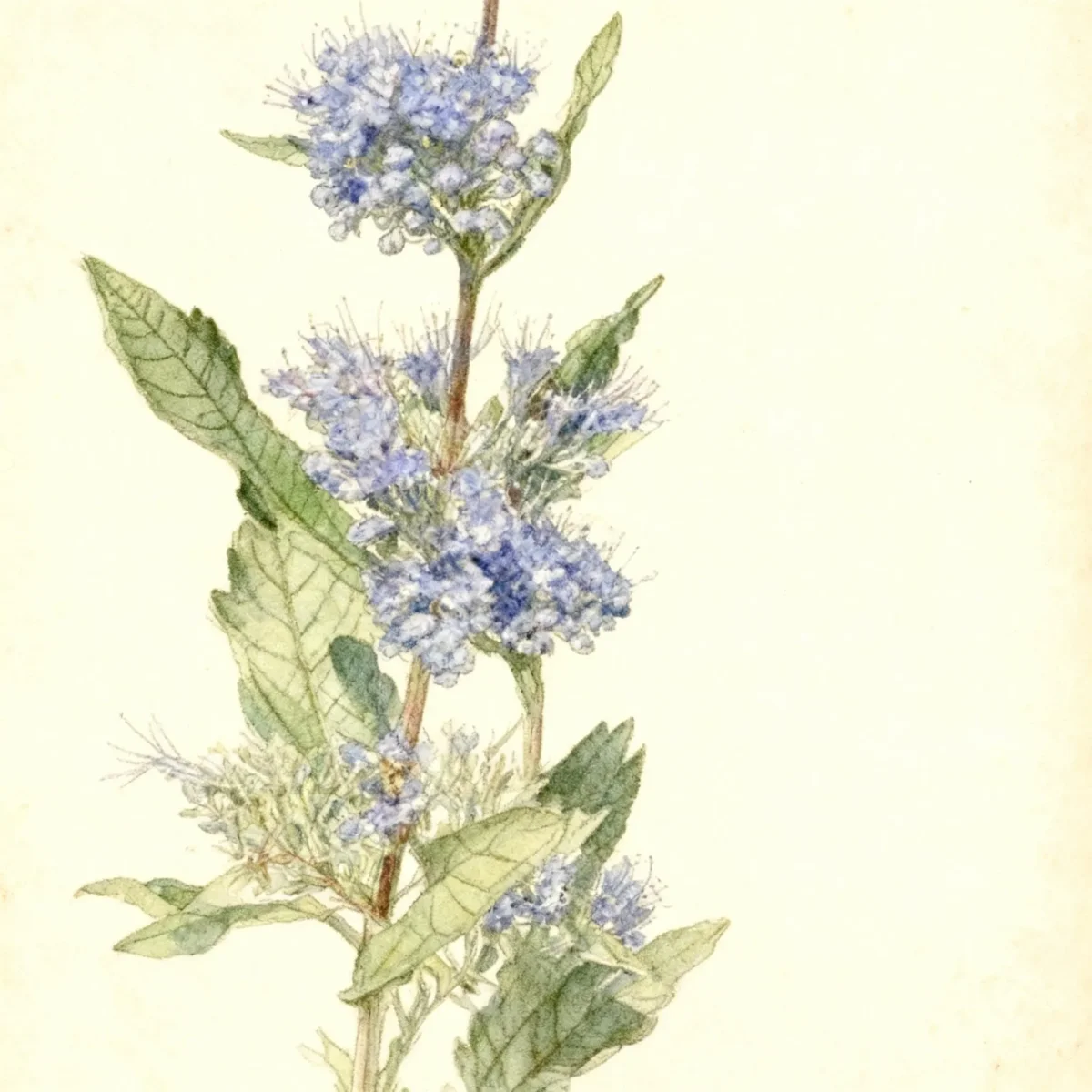
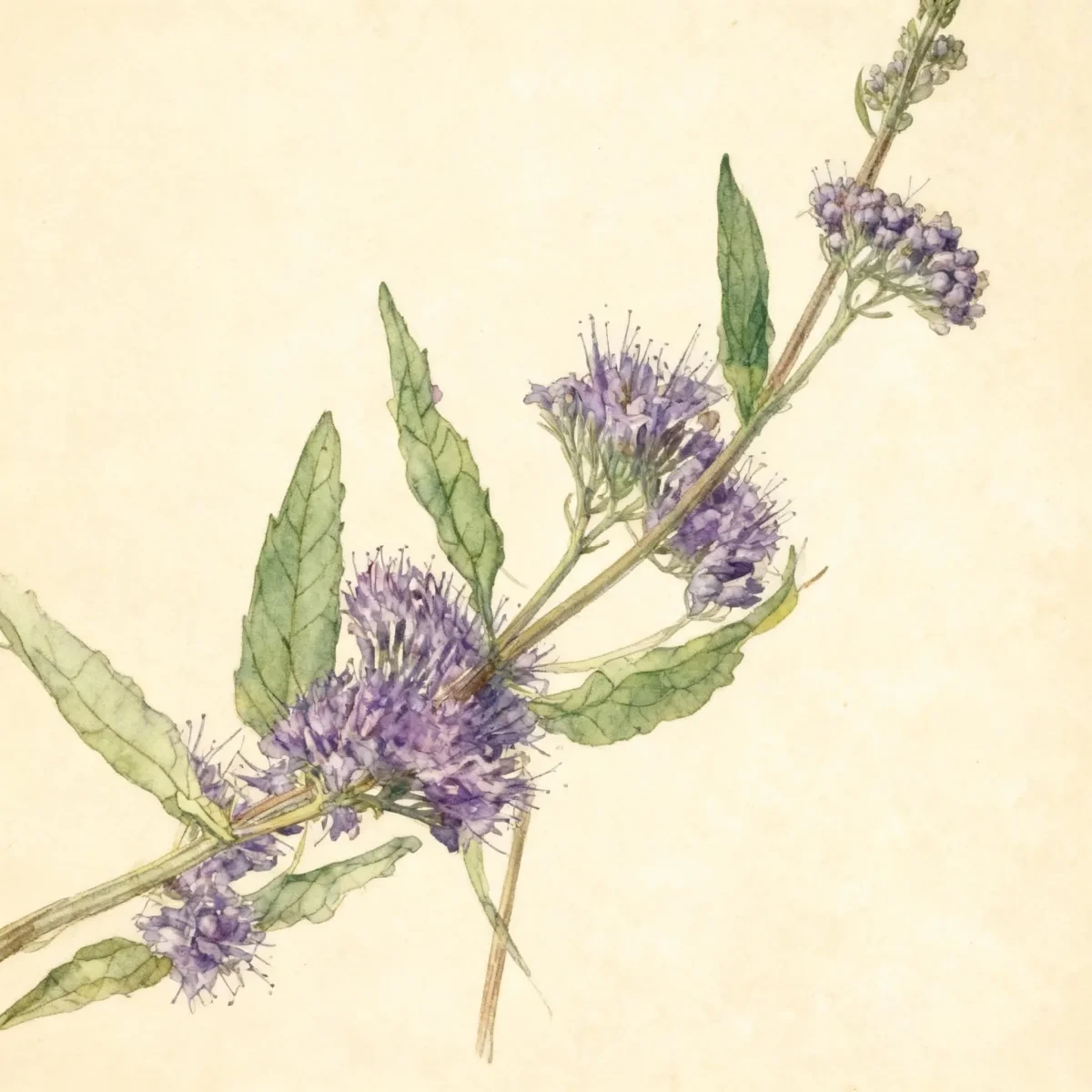
Caryopteris × clandonensis, commonly called bluebeard, blue spirea or blue mist, is a low-mounded, deciduous shrub valued for its aromatic foliage and late summer flowers that resemble clouds of blue smoke or mist. This hybrid, discovered as a cross between C. Incana and C. Mongholica, produces profuse, shrub-covering blooms of fragrant, bright blue flowers in terminal and axillary clusters from late summer into fall. Foliage is distinctive, being ovate to lance-shaped and silvery-gray, becoming aromatic when brushed with a hand.
Tolerances
- Drought
Potential Problems
Bluebeard generally demonstrates good resistance to serious insect or disease issues, which simplifies maintenance. The primary cultural concern relates to soil aeration and drainage. Crowns are susceptible to rot if the plant remains in soggy, poorly-drained soil, particularly during winter dormancy. Always amend heavy clay soils heavily with organic matter to ensure sharp drainage, especially if planting in zones toward the colder limits of its range.
Frequently Asked Questions
What hardiness zones is Bluebeard suitable for?
Caryopteris × clandonensis ‘Arthur Simmonds’ is reliably hardy in USDA Zones 5 through 9, though top growth may experience winter dieback in the lower end of that range.
How large does Bluebeard grow?
This deciduous shrub typically reaches a mature height between 2 and 3 feet, with a corresponding spread of 2 to 3 feet, depending on winter conditions and annual pruning severity.
When does Caryopteris × clandonensis ‘Arthur Simmonds’ bloom?
This variety provides late-season interest, blooming reliably from July through September with attractive blue flowers.
What sun exposure does Bluebeard need?
For the best flowering and most compact growth, Caryopteris × clandonensis ‘Arthur Simmonds’ requires a location that receives full sun throughout the day.
Conclusion
The unique combination of fragrant foliage and profuse, late-summer blue flowers makes Caryopteris × clandonensis ‘Arthur Simmonds’ an indispensable choice for extending the garden season. This low-maintenance Bluebeard reliably attracts pollinators while providing structural interest in small to medium landscapes. Before planting, confirm your garden’s hardiness zone and ensure that soil drainage is optimized for this sun-loving shrub.
Companion Planting
When selecting companions for Caryopteris × clandonensis ‘Arthur Simmonds’, prioritize plants that share its preference for full sun and well-drained conditions. Pair it with late-blooming salvias or asters to create a continuous flow of summer and fall color that capitalizes on the late bloom time of Bluebeard. Plants with contrasting foliage textures, such as fine-bladed ornamental grasses or plants with deep burgundy leaves, provide excellent visual contrast against the silvery foliage of the Caryopteris. Avoid moisture-loving perennials near this shrub to ensure its roots remain dry enough, respecting its intolerance for wet feet.
Wildlife Benefits
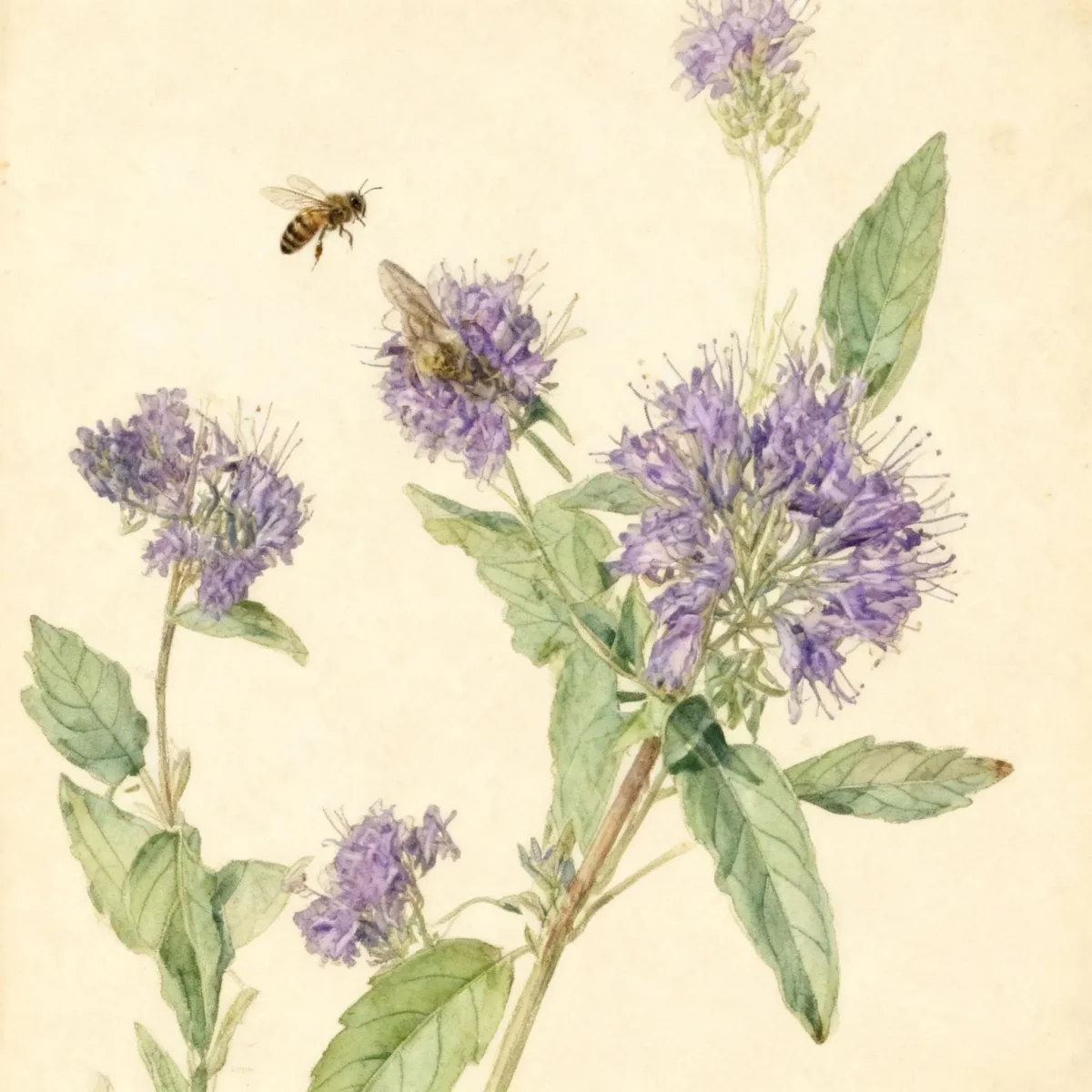
The late flowering habit of Caryopteris × clandonensis ‘Arthur Simmonds’ is one of its greatest ecological advantages. As many early-season nectar sources fade by late summer, the bright blue flowers become a critical late-season food source for pollinators. Butterflies, in particular, are strongly attracted to the nectar-rich cymes produced by this shrub, making it a vital addition to any pollinator garden strategy. Furthermore, while birds may not heavily utilize the small fruits, the dense habit offers excellent sheltered landing spots, and the aromatic foliage deters browsing.