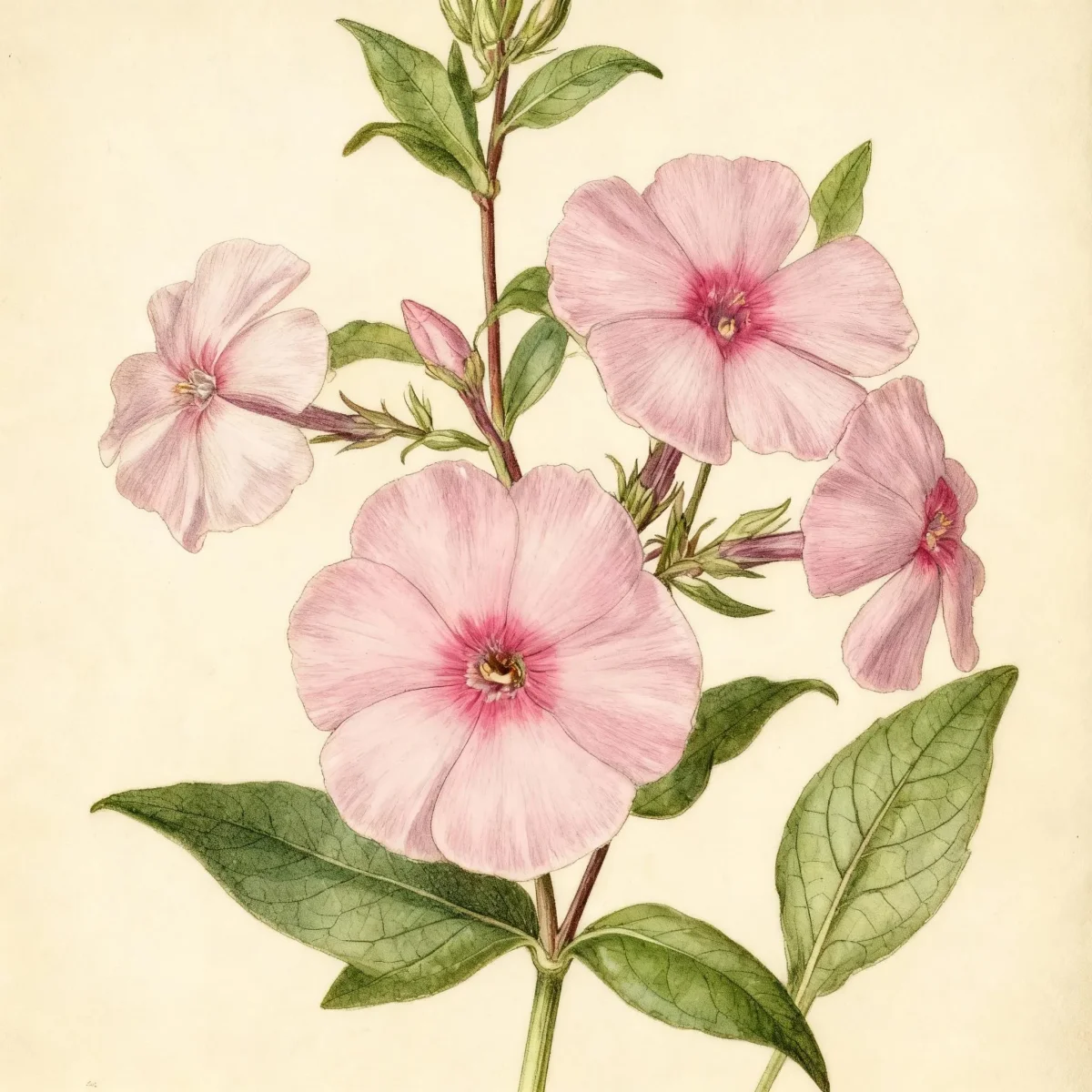
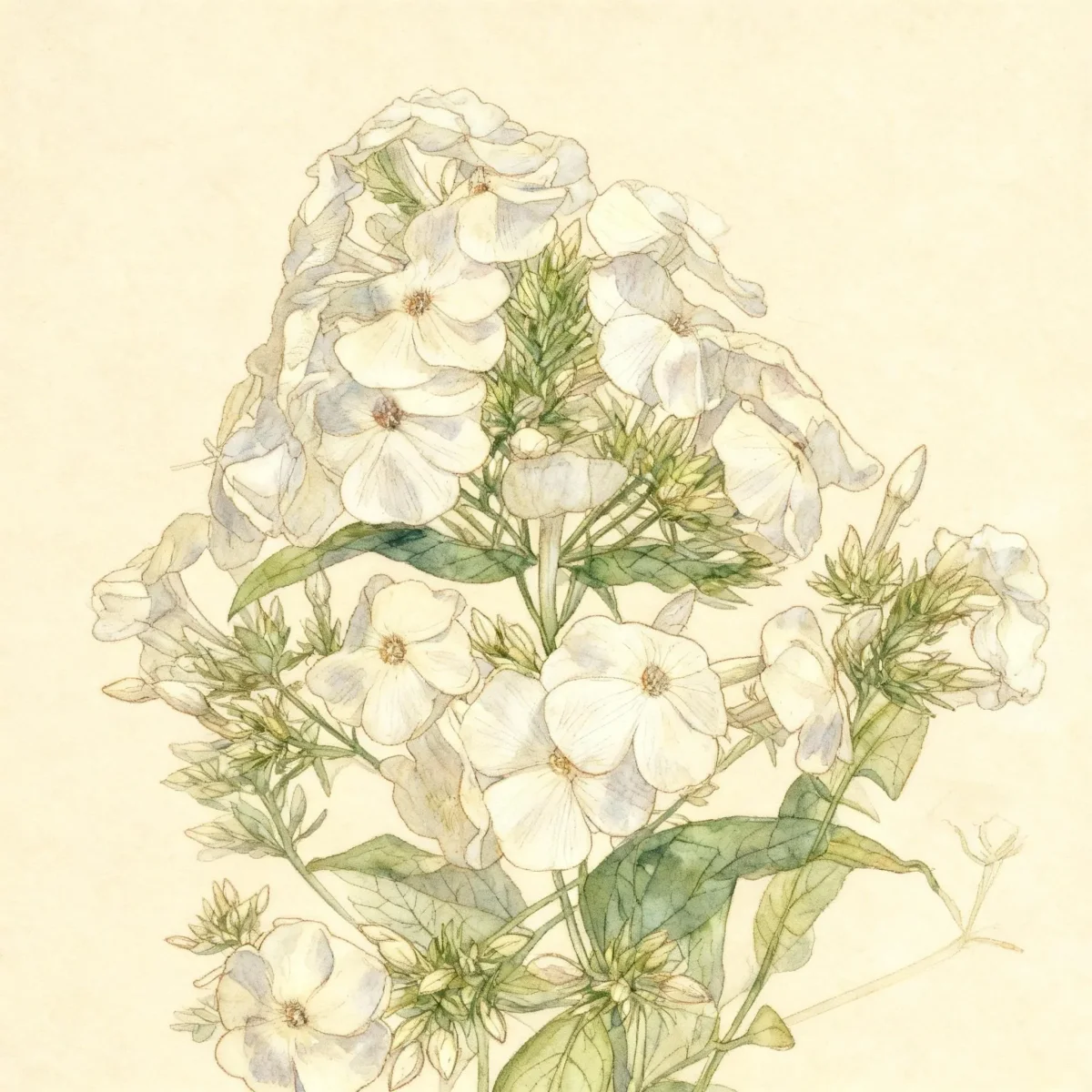
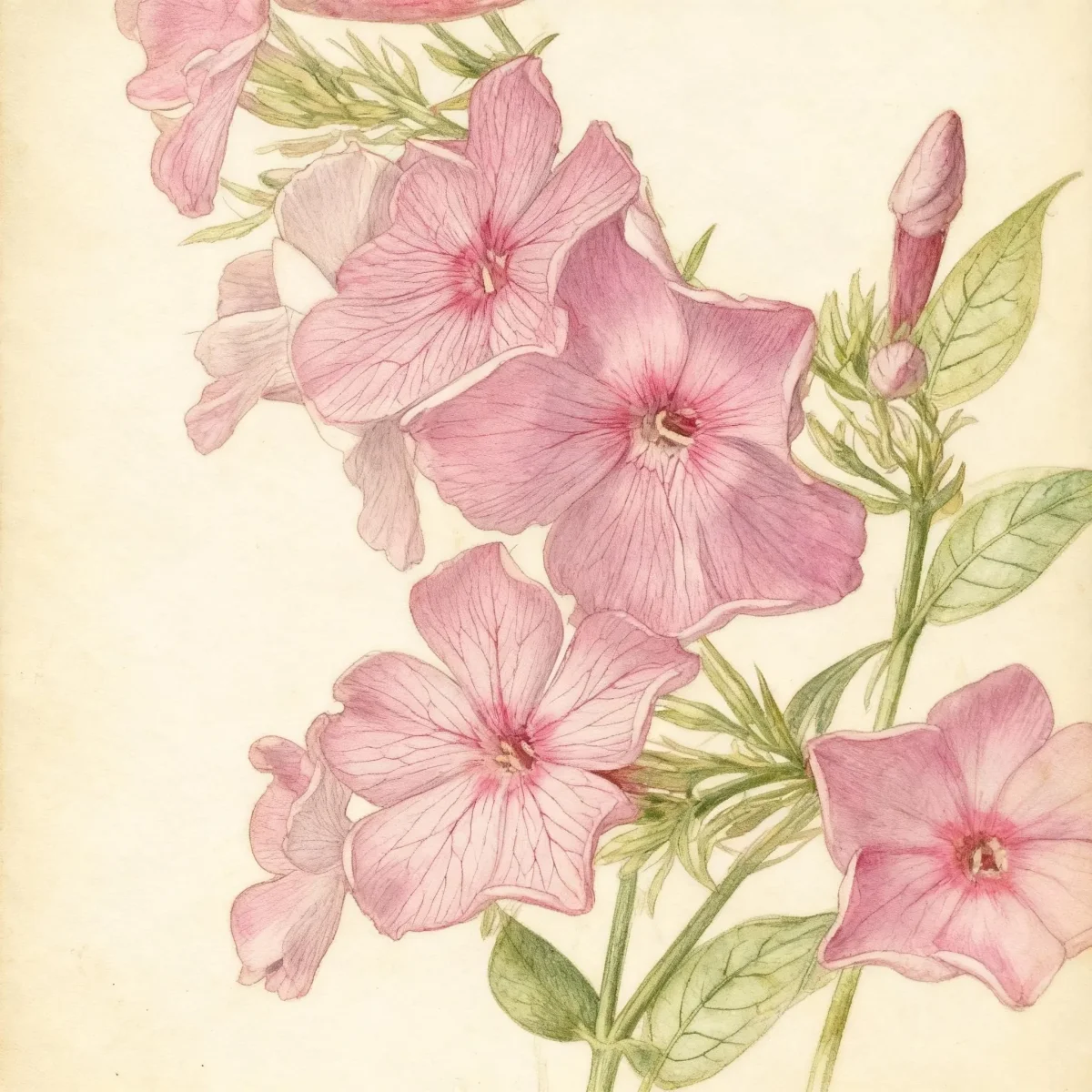
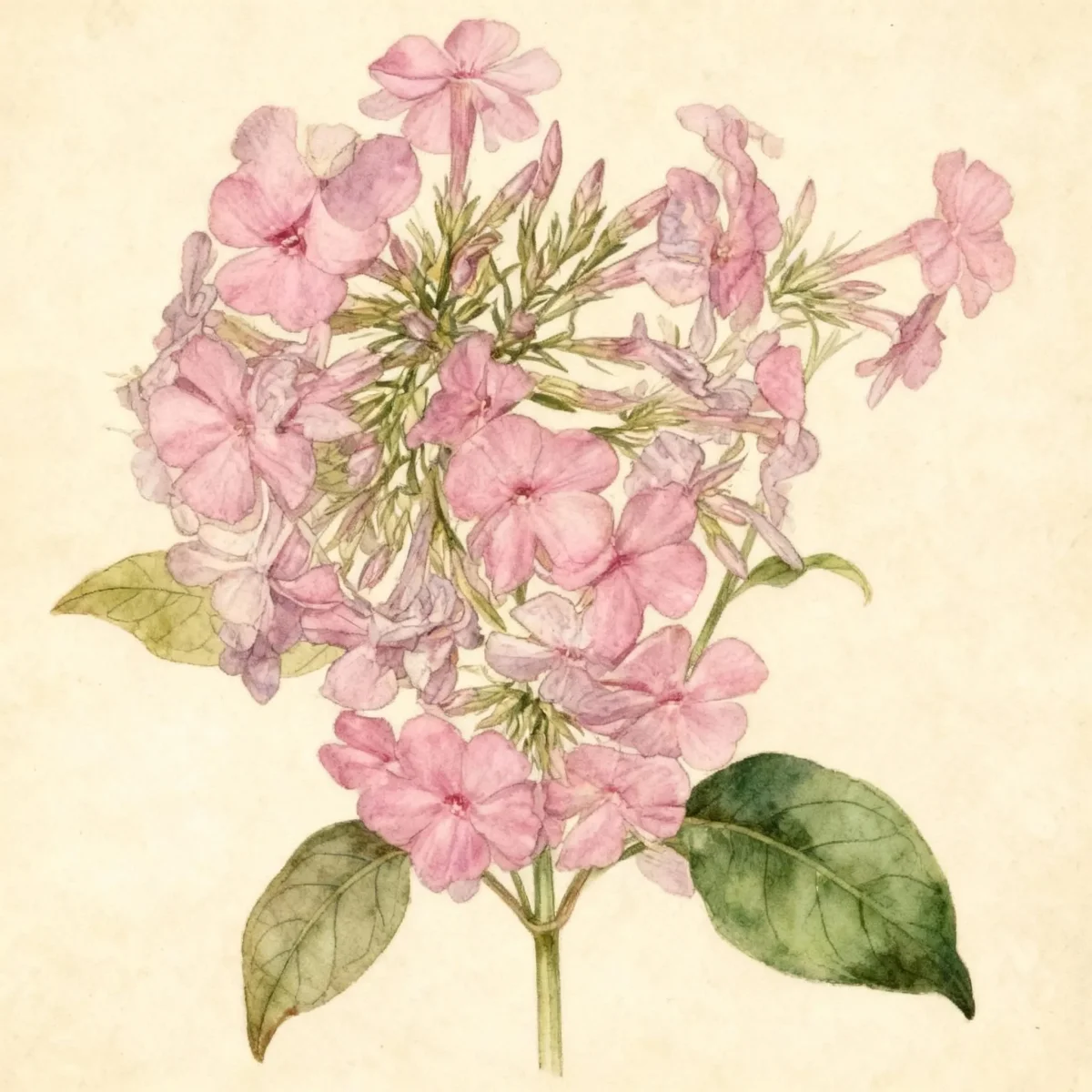
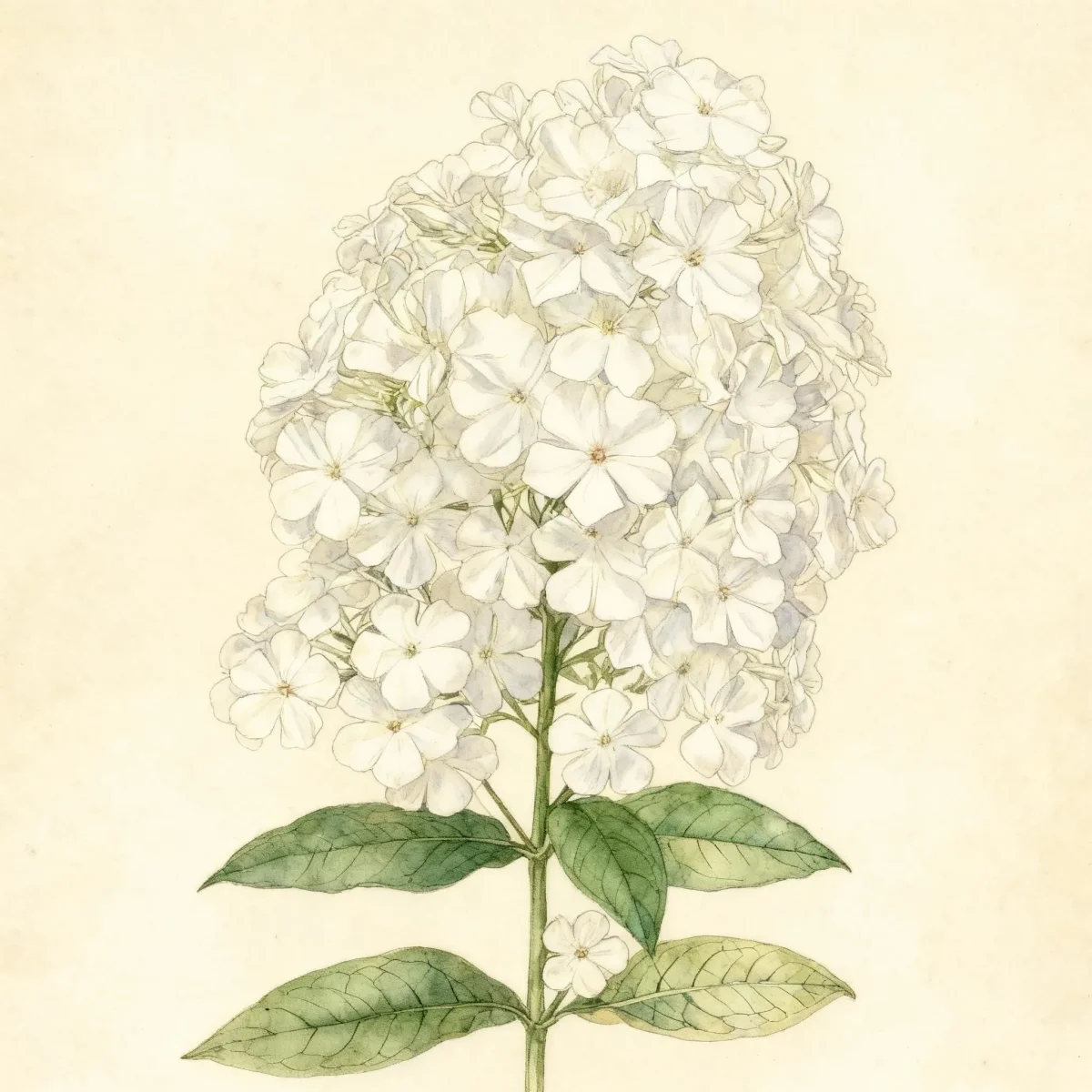
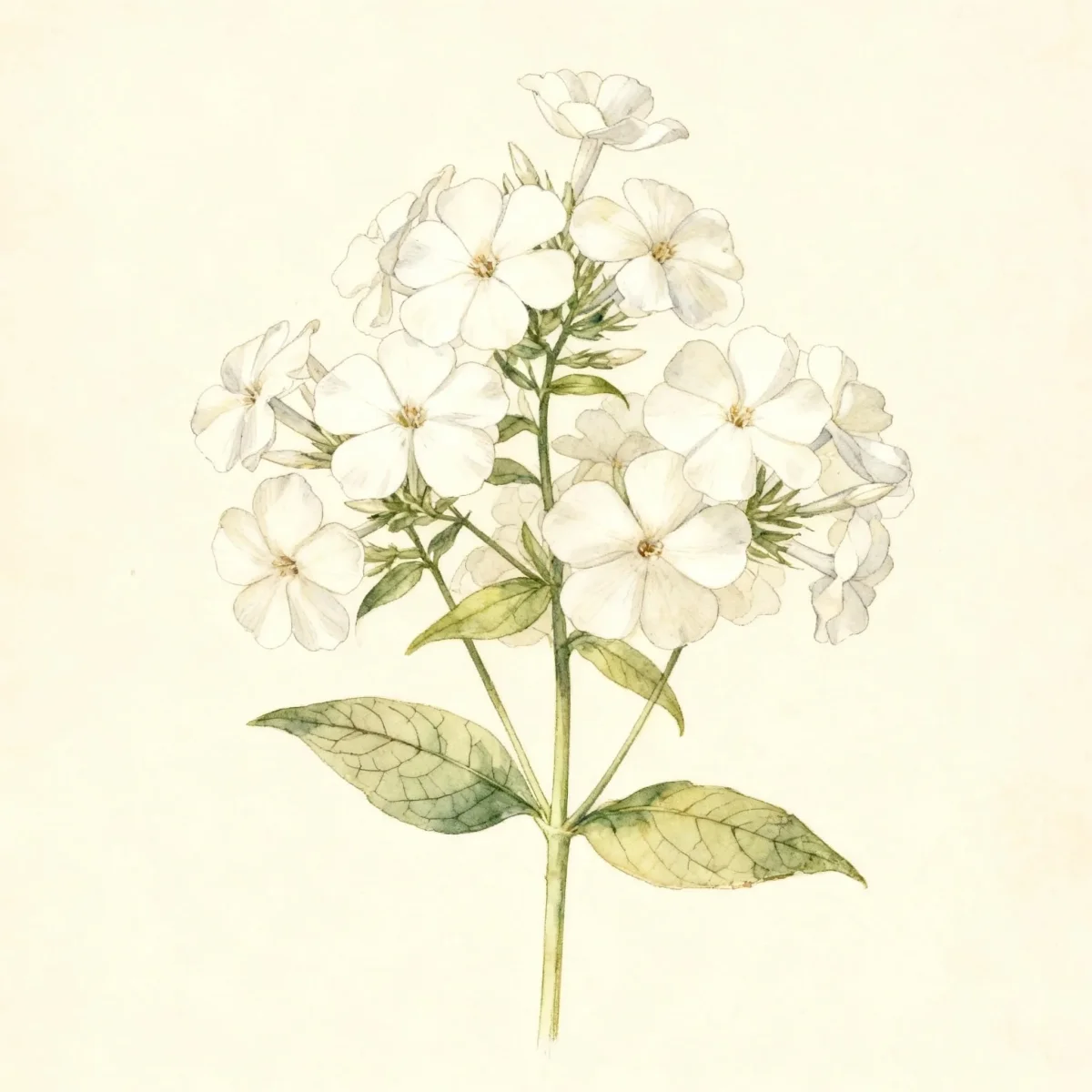
Garden phlox (Phlox paniculata 'Little Boy')
Dwarf Garden phlox 'Little Boy' offers fragrant, lilac blue blooms from July to September. Ideal for borders in zones 4-8, resisting deer.
Scroll down to discover growing tips, care requirements, companion plants, and more
Complete Plant Information
Overview
Phlox paniculata ‘Little Boy’ is a valuable dwarf cultivar of garden phlox, providing a fantastic burst of mid to late-summer color in a manageable size. This specific variety delights gardeners with its strongly fragrant, tubular flowers displaying a lovely lilac blue hue accented by a distinct white eye. As an upright herbaceous perennial, it brings necessary vertical structure to borders without the towering height sometimes associated with taller Tall garden phlox types.
The compact stature of Phlox paniculata ‘Little Boy’ makes it highly versatile, enhancing perennial beds and providing excellent color contrast when planted among other summer bloomers. Its long flowering window from July through September ensures continuous visual interest well into autumn, often attracting essential pollinators. Gardeners appreciate this cultivar for its dependable performance and significant color contribution throughout the warmest months.
Growing garden phlox successfully relies on providing good air circulation and consistent moisture to keep the foliage healthy and combat common powdery mildew issues. Ultimately, Phlox paniculata ‘Little Boy’ succeeds best in conditions mirroring its native preference for rich, well-drained soils, offering a reliable, fragrant, and showy display in nearly any suitable perennial landscape.
Fast Facts
- Plant Family: Polemoniaceae
- Plant Type: Herbaceous perennial
- Hardiness Zones: USDA Zones 4-8
- Size at Maturity:
- Height: 1-1.5 ft
- Spread: 0.75-1 ft
- Bloom Time: July to September
- Bloom Description: Lilac blue with white eye
- Sun Exposure: Full sun to part shade
- Water Needs: Medium
- Maintenance Level: Medium
How to Grow
Plant Phlox paniculata ‘Little Boy’ in the spring or fall, ideally in a location that receives full sun, although it tolerates light afternoon shade. This dwarf garden phlox thrives in moderately fertile, medium moisture, well-drained soil. It prefers rich soil amended with plenty of organic matter to maintain consistent moisture levels, especially during hot spells.
Water needs are medium; the plant is intolerant of drought and requires regular watering during dry periods, but avoid overhead watering, which can promote fungal issues. Good air circulation is crucial for preventing powdery mildew; ensure plants are spaced adequately, or consider thinning interior stems if overcrowding occurs. An application of summer mulch helps keep the root zone cool and retains essential moisture.
Maintenance for this perennial involves deadheading faded flower panicles promptly to encourage continuous blooming and prevent unwanted self-seeding, although cultivars usually do not breed true from seed. Prepare for winter by cutting the plants completely to the ground after the foliage dies back, and remember to clean up all plant debris in the area to minimize overwintering sources of powdery mildew.
Landscape Uses
Garden phlox is an indispensable staple in the standard perennial border, bridging the gap between spring and late-season bloomers. Due to its compact size, Phlox paniculata ‘Little Boy’ is excellent for the front or middle of borders where taller varieties might overwhelm neighboring plants. It mixes seamlessly with other reliable perennials, offering strong vertical accents and consistent mid-summer fragrance.
Incorporating garden phlox into a mixed border enhances biodiversity, as it is highly attractive to hummingbirds and butterflies, making it a fantastic selection for any dedicated bird or pollinator garden. Since Phlox paniculata ‘Little Boy’ offers striking visual appeal and scent, consider planting near patios or walkways where its qualities can be readily enjoyed.
Standout Features
Flower Qualities
- Showy
- Fragrant
Noteworthy Characteristics
Phlox paniculata, commonly known as garden phlox, offers fragrant, tubular flowers densely packed in large, tiered clusters, attracting butterflies and hummingbirds throughout its July to September bloom. The species is native across large sections of eastern North America, though specific cultivars like ‘Little Boy’ have been bred for specific traits. This dwarf cultivar typically grows to 12-15” tall, featuring lilac blue flowers with white eyes atop stiff stems that generally do not require staking.
Tolerances
- Deer
- Clay Soil
- Black Walnut
Potential Problems
Phlox is not always an easy plant to grow well, and gardeners should be vigilant against common issues that affect the genus. Powdery mildew is perhaps the most frequent concern, presenting as a white, powdery coating on the foliage, often exacerbated by high humidity and poor air circulation. To manage this, ensure proper spacing during planting and clean up all old plant matter in the fall to remove fungal spores.
Other serious problems include Phlox bugs, which can damage foliage, and root rot if drainage is poor. Spider mites may become an issue, particularly when the summer conditions become hot and dry. Taller garden phlox stems may occasionally need staking, though this dwarf cultivar, Phlox paniculata ‘Little Boy’, is generally more structurally sound.
Frequently Asked Questions
What hardiness zones is Garden phlox suitable for?
Phlox paniculata ‘Little Boy’, a variety of garden phlox, is reliably hardy in USDA Zones 4 through 8.
How large does Phlox paniculata ‘Little Boy’ grow?
This dwarf perennial typically reaches a height between 1 and 1.5 feet tall, with a spread of three-quarters to 1 foot wide.
What sun exposure does Garden phlox need?
For the best performance, garden phlox requires full sun, though it will tolerate part shade, especially in hotter climates.
When does Phlox paniculata ‘Little Boy’ bloom?
This variety provides long color from mid to late summer, generally blooming from July straight through September with lilac blue flowers.
Conclusion
Phlox paniculata ‘Little Boy’ delivers exceptional mid-to-late summer performance, combining the classic beauty of garden phlox with a conveniently compact size and appealing fragrance. Its attractive lilac blue blooms make it a winner for both aesthetics and wildlife support in the landscape. Before purchasing, ensure your growing site provides the necessary sun and moisture conditions consistent with USDA Zones 4-8 for the healthiest display of this dwarf garden phlox.
Companion Planting Suggestions
When planning borders that feature Phlox paniculata ‘Little Boy’, select companions that share similar cultural requirements for sun and medium moisture. Good matches include sturdy perennials that bloom before or after the phlox, helping to stagger color interest. Consider planting shorter varieties of Salvia or Nepeta alongside the front edge, as these tolerate the same soil conditions and help improve air circulation around the base of the phlox, which benefits overall plant health.
To maintain visual interest after the bloom of Phlox paniculata ‘Little Boy’ wanes, integrate late-season bloomers such as Japanese Anemones or hardy Sedums. These later-flowering plants will occupy the space left when the garden phlox is cut back in the fall. Ensure that companion plants generally prefer organic-rich soils, as garden phlox performs best when provided with consistent fertility.
Design Ideas for Dwarf Phlox
The manageable 1 to 1.5-foot height of Phlox paniculata ‘Little Boy’ makes it an ideal edging plant for perennial beds that face pathways or lawns. Unlike taller garden phlox cultivars, this variety rarely obstructs the view of mid-border plants like Coneflowers (Echinacea) or Black-Eyed Susans (Rudbeckia). Use several groupings across a border rather than just a single mass to create dynamic repetition of color and scent.
For container gardening, this dwarf cultivar works well in large pots, provided drainage is excellent and the medium is regularly watered. Pair the lilac blue flowers with contrasting silvery foliage or deep purple companions for high visual impact on decks or patios. Remember that any container planting requires more dedicated attention to water and feeding than in-ground specimens.