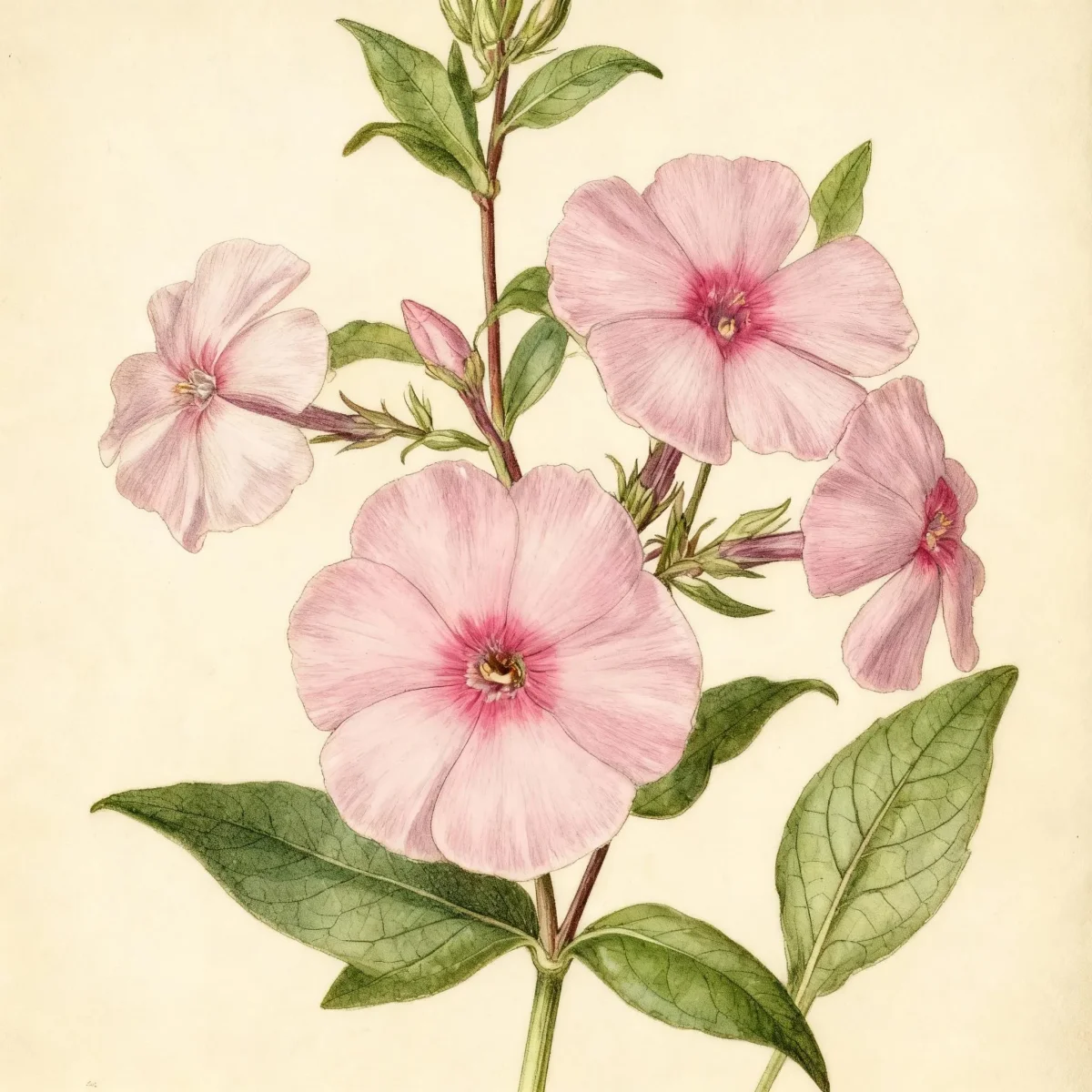
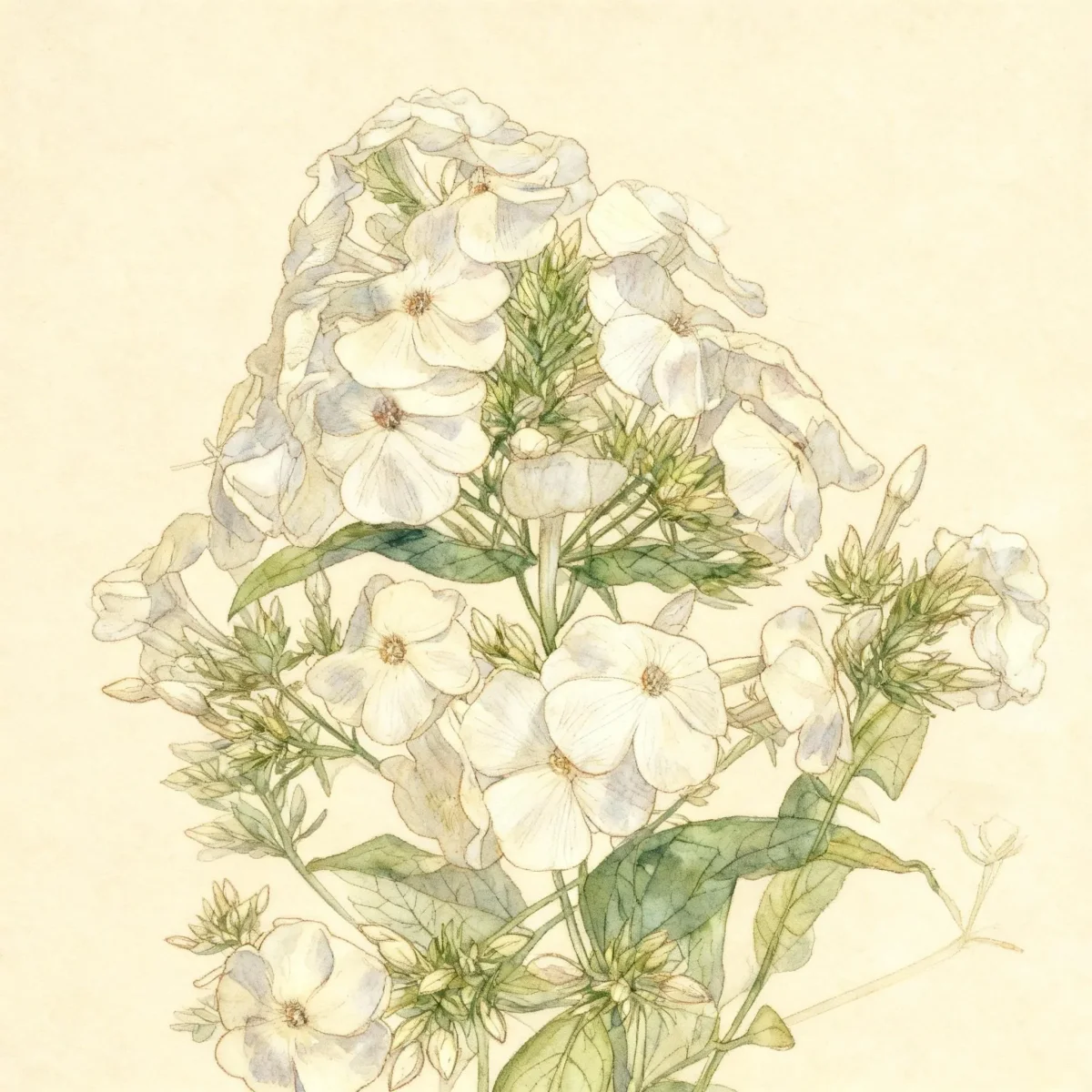
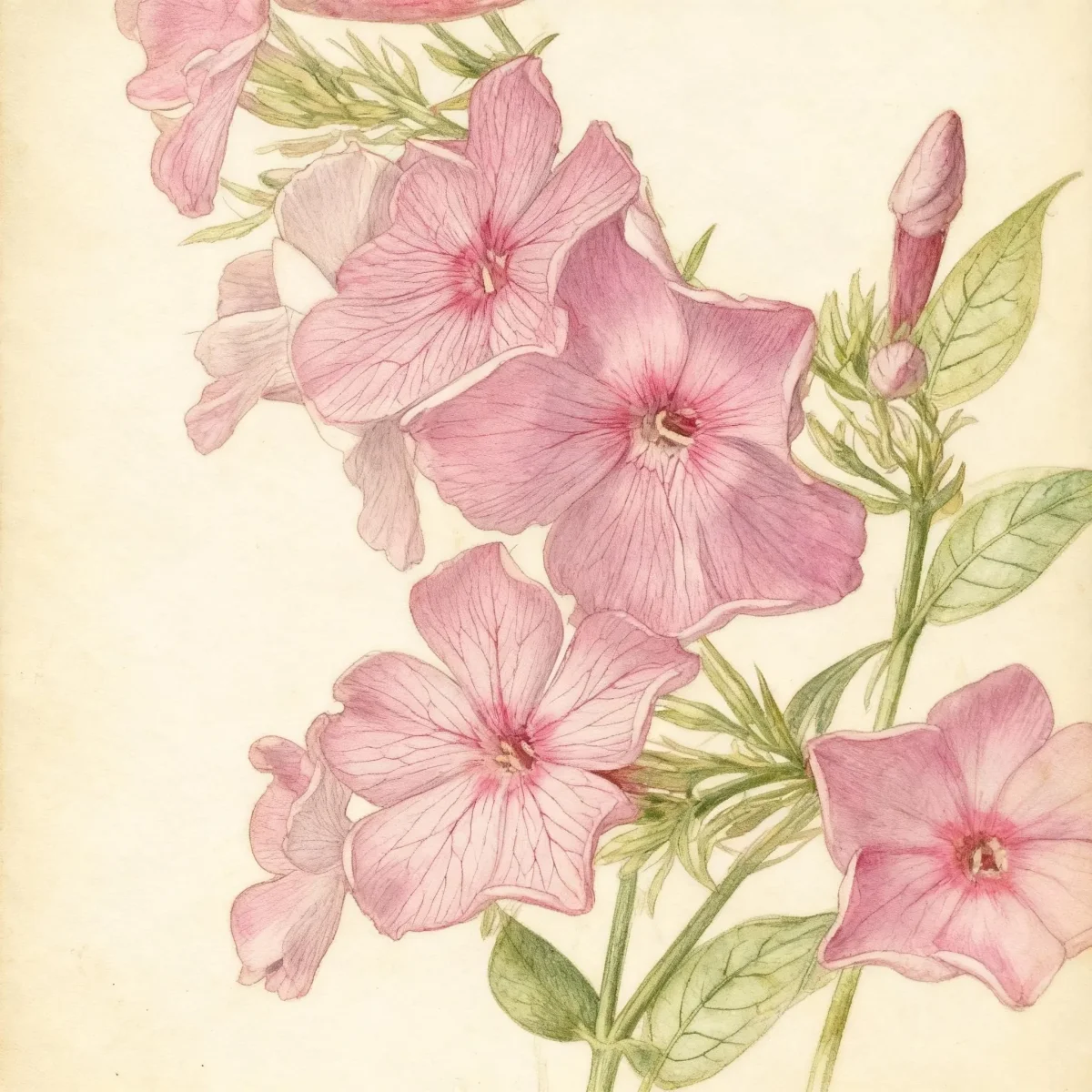
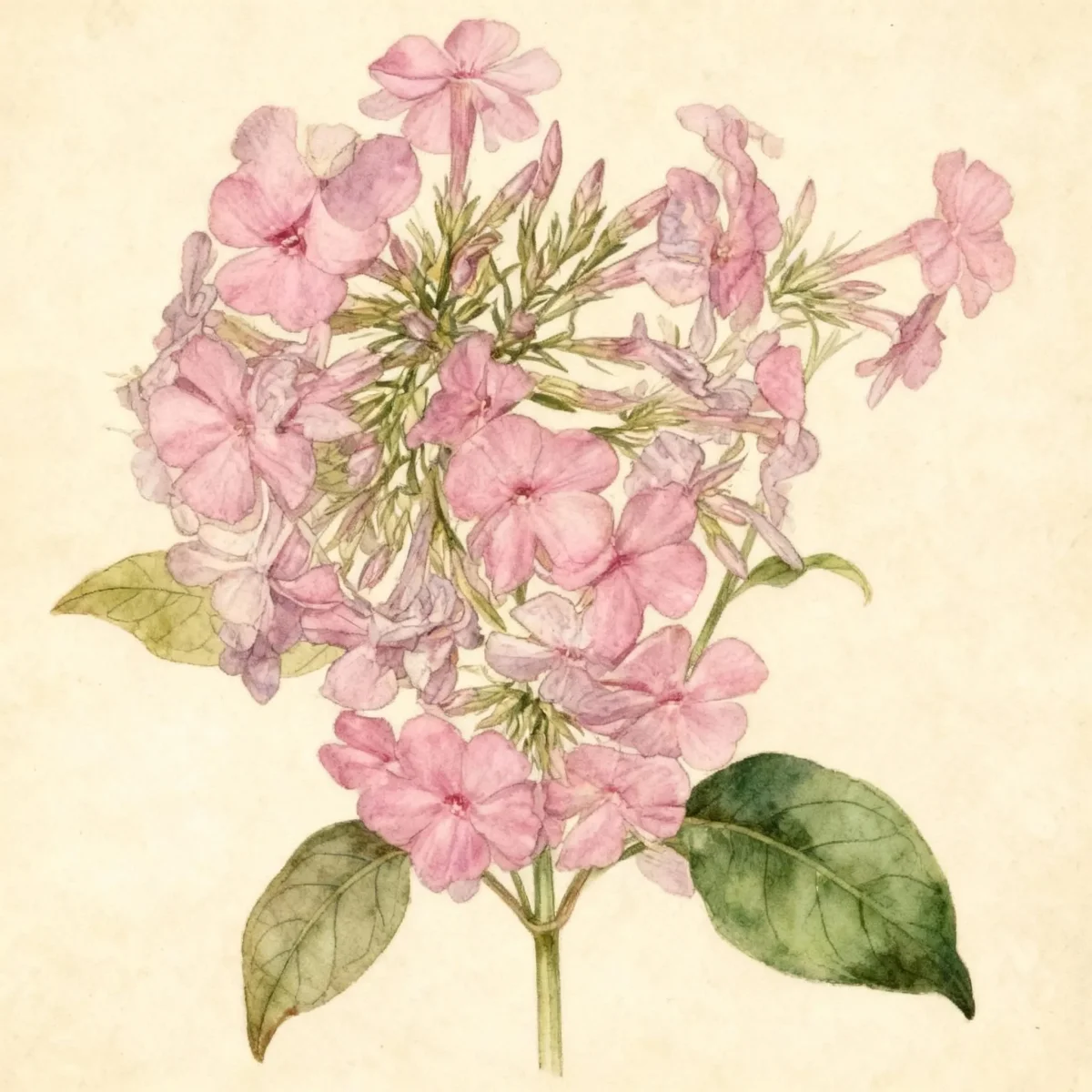
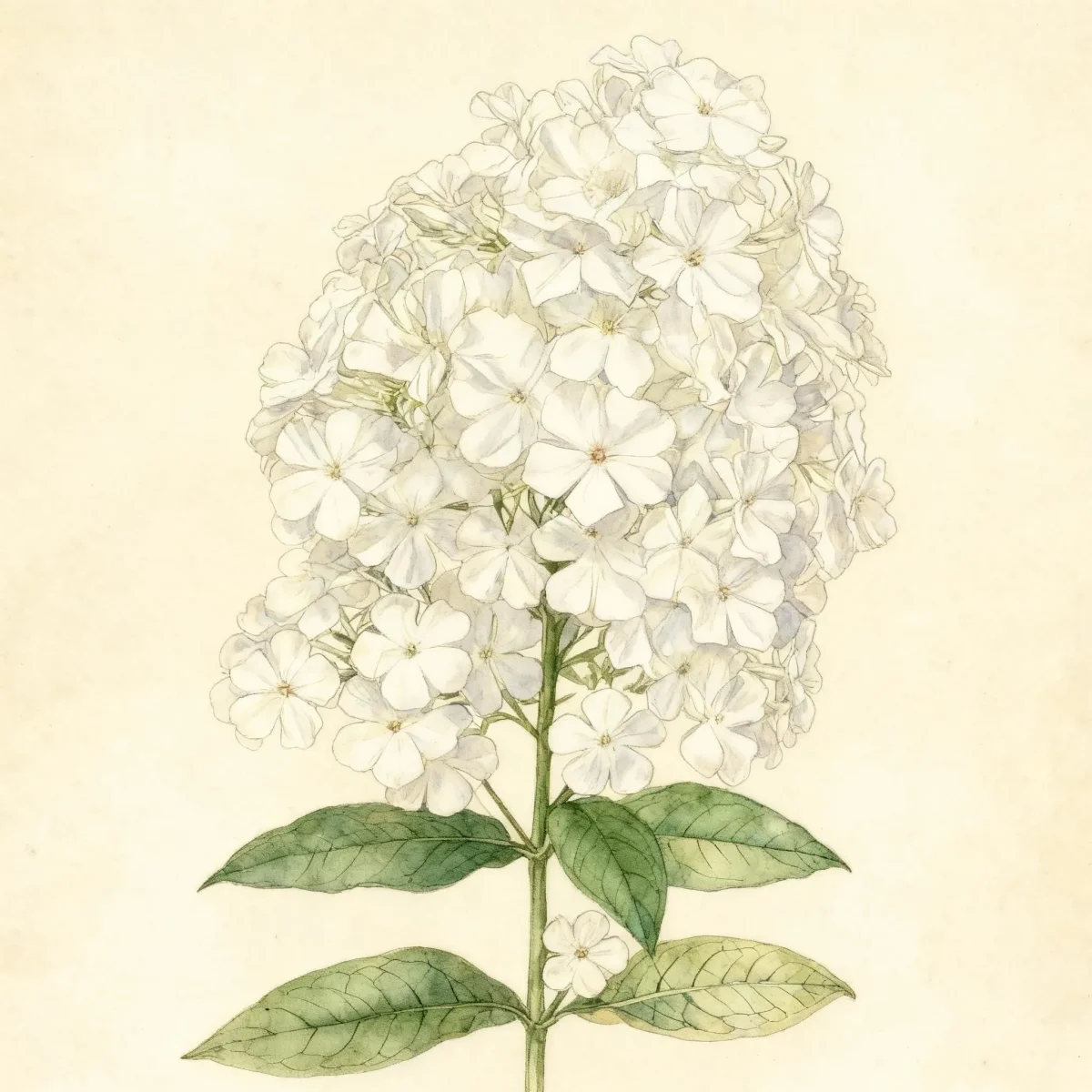
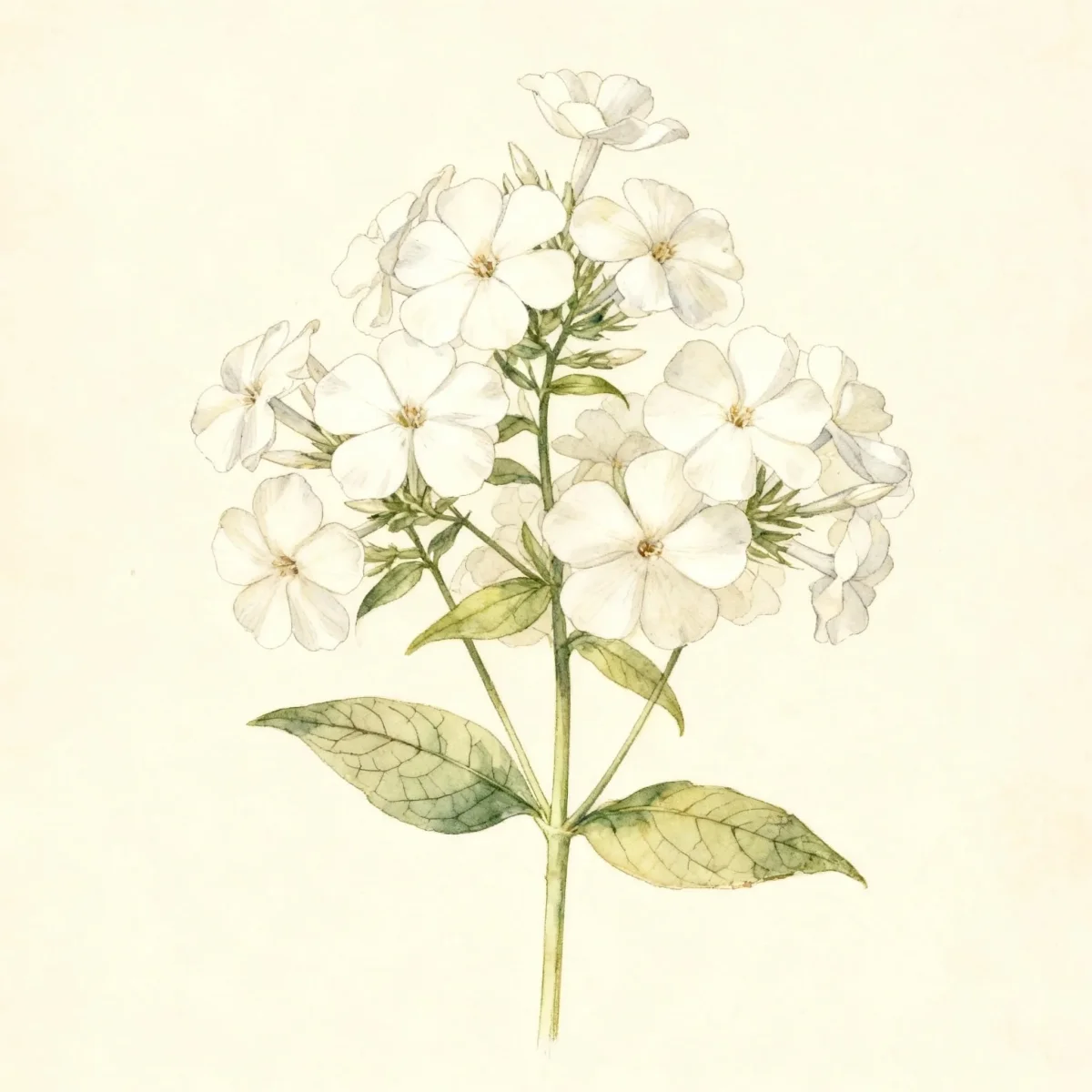
Garden phlox (Phlox paniculata 'Little Princess')
Phlox paniculata 'Little Princess' offers showy, fragrant pink flowers from July to September. Garden phlox ideal for borders.
Scroll down to discover growing tips, care requirements, companion plants, and more
Complete Plant Information
Overview
Phlox paniculata ‘Little Princess’ is a delightful cultivar of Garden phlox, valued for its compact habit and reliable mid to late-summer color display. This herbaceous perennial brings fragrant, showy flowers to the summer garden, attracting appreciative attention from pollinators looking for nectar. Growing to a manageable 1.5 to 2 feet tall, this variety is less prone to flopping than some taller types, making it a dependable anchor in the perennial landscape.
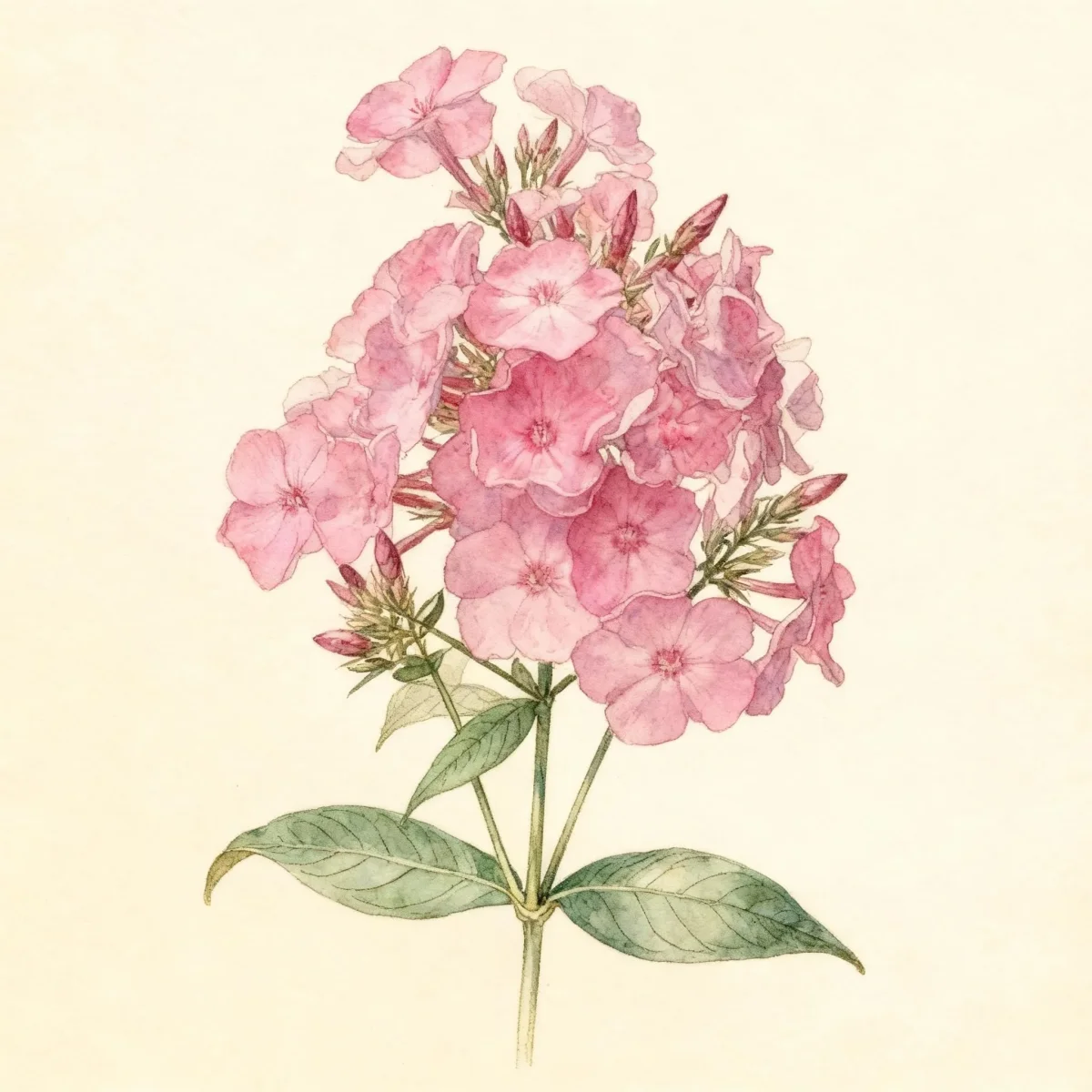
The distinct pink flowers, featuring a contrasting white eye zone, provide texture and vertical interest when many spring bloomers have faded. As a classic Garden phlox, it thrives in rich, moist conditions and offers fantastic color saturation when sited correctly, supporting the vibrant tapestry of the perennial border well into autumn. Achieving success with Phlox paniculata ‘Little Princess’ involves ensuring good air circulation to manage potential fungal issues.
Fast Facts
- Plant Family: Polemoniaceae
- Plant Type: Herbaceous perennial
- Hardiness Zones: USDA Zones 4-8
- Size at Maturity:
- Height: 1.5-2 ft
- Spread: 1-1.5 ft
- Bloom Time: July to September
- Bloom Description: Pink with white eye zone
- Sun Exposure: Full sun to part shade
- Water Needs: Medium
- Maintenance Level: Medium
How to Grow
Plant Phlox paniculata ‘Little Princess’ in the spring once the danger of hard frost has passed, or in early fall. The ideal location receives full sun, though light afternoon shade is acceptable, especially in hotter climates. These plants prefer moderately fertile, well-drained soil that remains consistently medium in moisture content. Rich, organic soils provide the best foundation for strong growth of this Garden phlox.
Watering should be consistent; this cultivar is intolerant of drought and requires regular irrigation during dry spells. Critically, avoid overhead watering to keep the foliage dry, which helps mitigate disease risk. Applying a summer mulch will help keep the root zone cool and conserve moisture, benefitting the plant’s medium water needs.
Good air circulation is essential for long-term health. Ensure plants are spaced adequately, or consider thinning out weaker internal stems to promote airflow around the foliage. This preventative measure significantly reduces the likelihood of powdery mildew. For winter cleanup, cut the stems back to the ground after frost and clear away all plant debris from the garden area to minimize overwintering fungal spores.
Landscape Uses
Garden phlox is an indispensable structural element in the traditional perennial border, acting as a middle-layer plant that bridges shorter foreground perennials and taller background elements. Phlox paniculata ‘Little Princess’ mixes exceptionally well with plants that appreciate similar moisture and sun requirements, such as Astilbe, Ligularia, or various ornamental grasses that can frame its upright form.
Because of its extended bloom period extending from July through September, it ensures continuous summer color when other perennials may be faltering. Furthermore, the fragrant flowers of this Garden phlox make it an excellent choice for areas adjacent to patios or walkways where its perfume can be enjoyed up close. Hummingbirds are major visitors to this type of phlox, making it a worthwhile inclusion in any wildlife or bird garden design.
Standout Features
Flower Qualities
- Showy
- Fragrant
Noteworthy Characteristics
Phlox paniculata, commonly known as garden phlox, is native from New York to Iowa south to Georgia, Mississippi and Arkansas. This is an upright perennial that grows in a clump clad with conspicuously veined, opposite, pointed, elliptic, deep green leaves. Fragrant, tubular, pink-purple to white florets are densely packed in large, tiered, domed terminal clusters over a long July to September bloom period. ‘Little Princess’ is a garden phlox cultivar which typically grows in an upright clump to 1.5-2’ tall, producing pink flowers with white eye zones in large, terminal, pyramidal clusters atop stiff stems that seldom need staking.
Tolerances
- Deer
- Clay Soil
- Black Walnut
Potential Problems
Phlox is not always an easy plant to grow well, requiring attentive care to avoid common ailments. The most frequent adversaries include powdery mildew, phlox bugs, and root rot, with spider mites also becoming an issue during hot, dry conditions. To combat powdery mildew, ensure excellent air circulation by spacing plants well and removing early signs of infection.
Avoid overhead watering; instead, water deeply at the base of the plant to keep leaf surfaces dry. Good overall garden hygiene is also paramount; ensure all spent foliage is removed and destroyed at the end of the season to limit fungal spores that cause problems the following year. If stems become too tall or leggy, staking may be necessary, although Phlox paniculata ‘Little Princess’ tends to be fairly self-supporting.
Frequently Asked Questions
What hardiness zones is Garden phlox suitable for?
Phlox paniculata ‘Little Princess’ is reliably hardy across USDA Zones 4 through 8.
How large does Phlox paniculata ‘Little Princess’ grow?
This cultivar typically reaches a height between 1.5 and 2 feet, with a spread of 1 to 1.5 feet wide.
What sun exposure does Phlox paniculata ‘Little Princess’ need?
For the best bloom performance, Garden phlox requires full sun, though it can tolerate part shade conditions.
When does Garden phlox bloom?
You can expect the stunning pink flowers of Phlox paniculata ‘Little Princess’ to appear from July and continue blooming through September.
Conclusion
Phlox paniculata ‘Little Princess’ is an essential, fragrant, and showy addition to the mid-summer garden, offering dependable color without overwhelming vertical stature. This garden phlox cultivar attracts beneficial wildlife and is relatively pest-tolerant when cultural needs—especially adequate airflow and proper watering—are met. Before planting, confirm that your soil conditions align with its need for moisture and fertility, and enjoy the late-season beauty these plants provide.
Companion Planting
Choosing suitable neighbors is key to maximizing the vitality of Garden phlox. Because Phlox paniculata ‘Little Princess’ prefers rich, moist soil and good air circulation, pair it with plants that share these needs but offer contrasting foliage textures. Consider low-growing Nepeta (Catmint) or hardy Geraniums to act as groundcovers beneath the phlox, keeping the soil surface cool and reducing ground-level moisture retention against the stems.
Conversely, avoid overcrowding susceptible plants next to dense foliage, as this traps humidity and invites mildew. Plants that dry out quickly or require full, blasting sun all day might struggle near phlox, which benefits from lighter, dappled afternoon shade in the hottest regions.
Wildlife Benefits
The five-lobed, tubular flowers of this phlox are perfectly structured for specific types of pollinators. Butterflies frequently visit the dense panicles of Phlox paniculata ‘Little Princess’ to access the nectar held deep within the corolla tubes. Hummingbirds are also drawn to the rich pink hues and the flower shape, making this a fantastic addition to any dedicated bird or pollinator garden design.
Design Ideas Using Phlox paniculata ‘Little Princess’
This variety excels in creating formal or relaxed mixed borders. Use its compact 2-foot height as an intermediate layer in a tiered border design. Place shorter, mounding plants like Coreopsis or dwarf Russian Sage in front, allowing the stiff stems of Phlox paniculata ‘Little Princess’ to rise cleanly above them.
In smaller spaces, group three or five plants together for a more impactful block of color rather than spacing them individually. The pink blooms pair beautifully with blue or silver foliage companions, such as Lamb’s Ears or Blue Fescue, which offer excellent visual contrast throughout the blooming season.