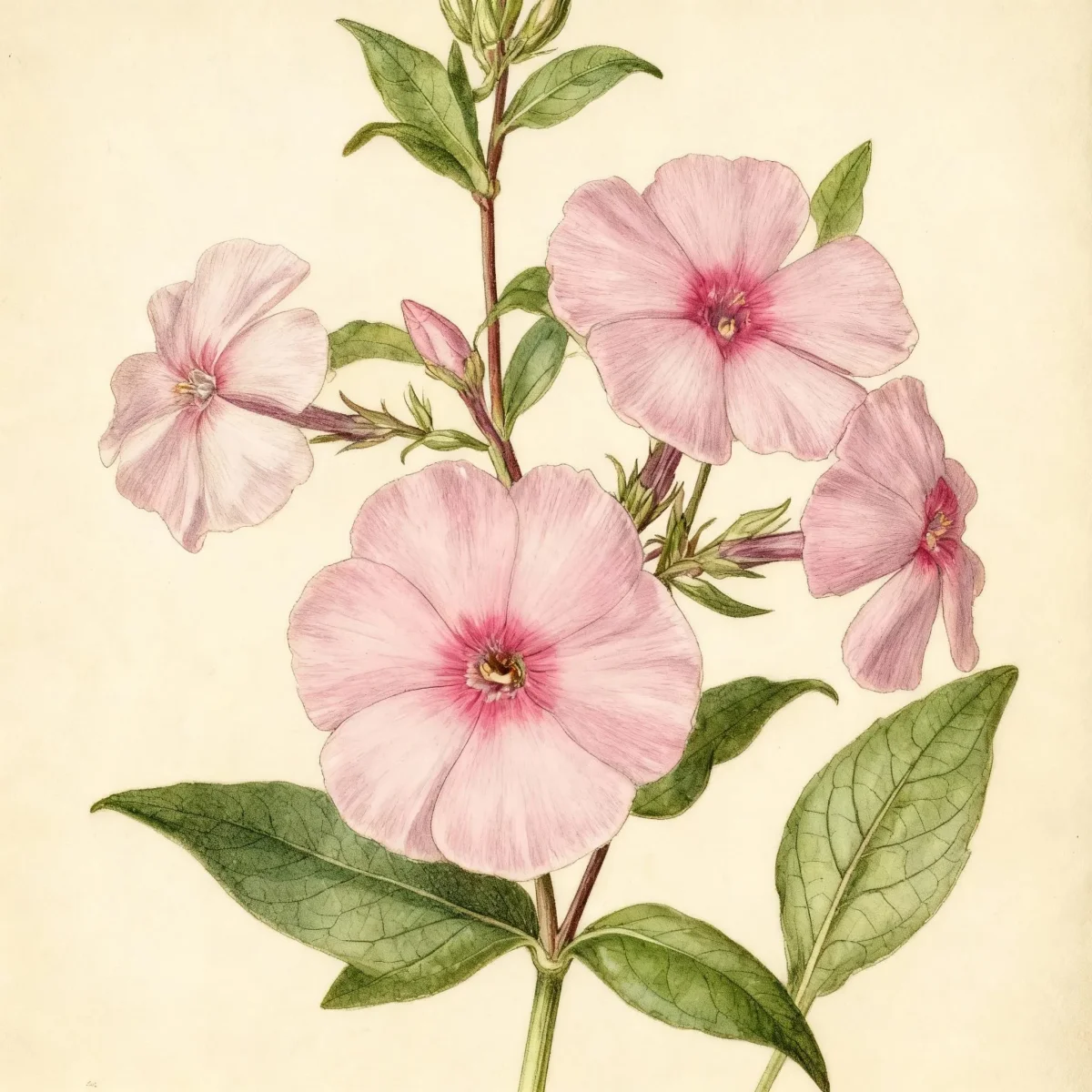
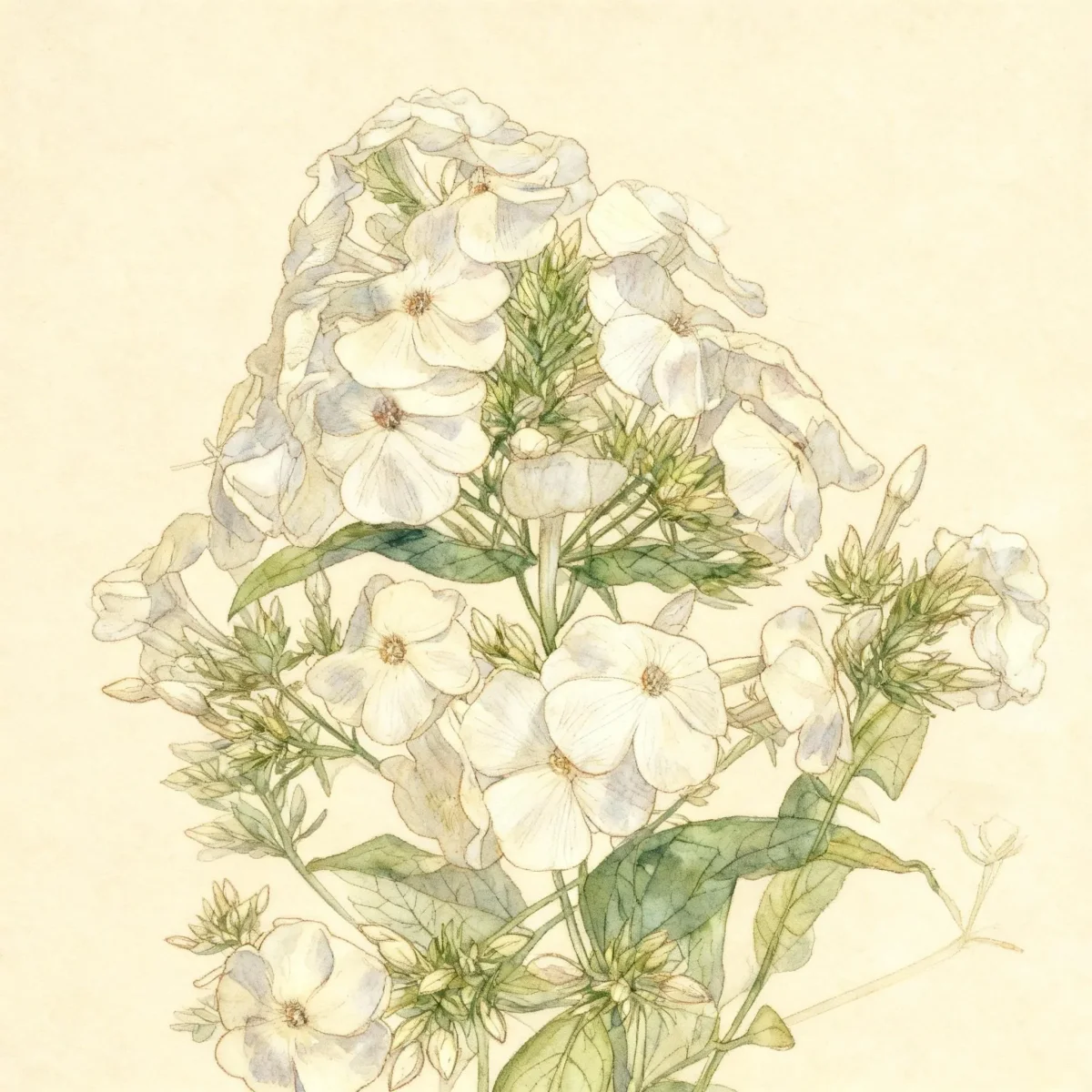
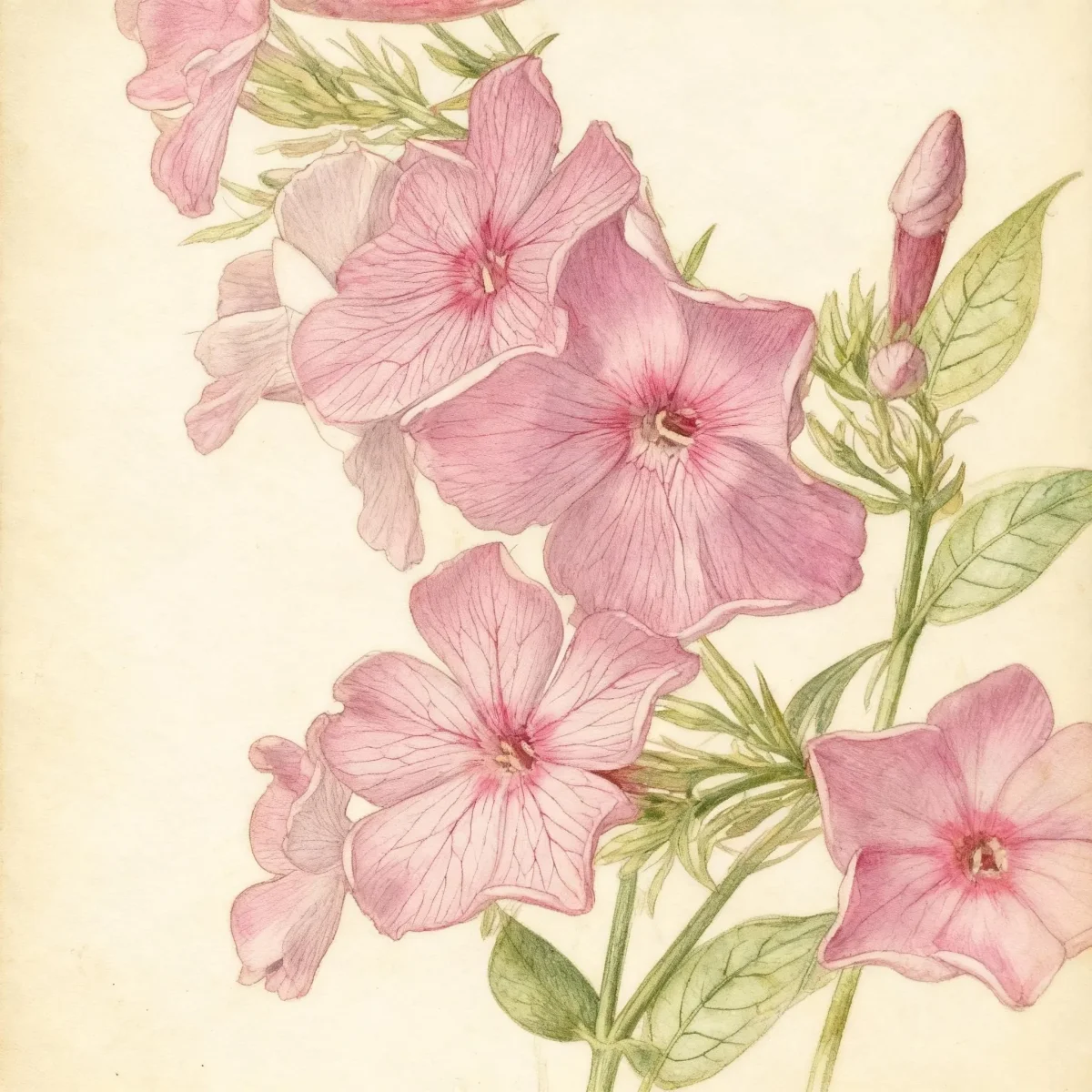
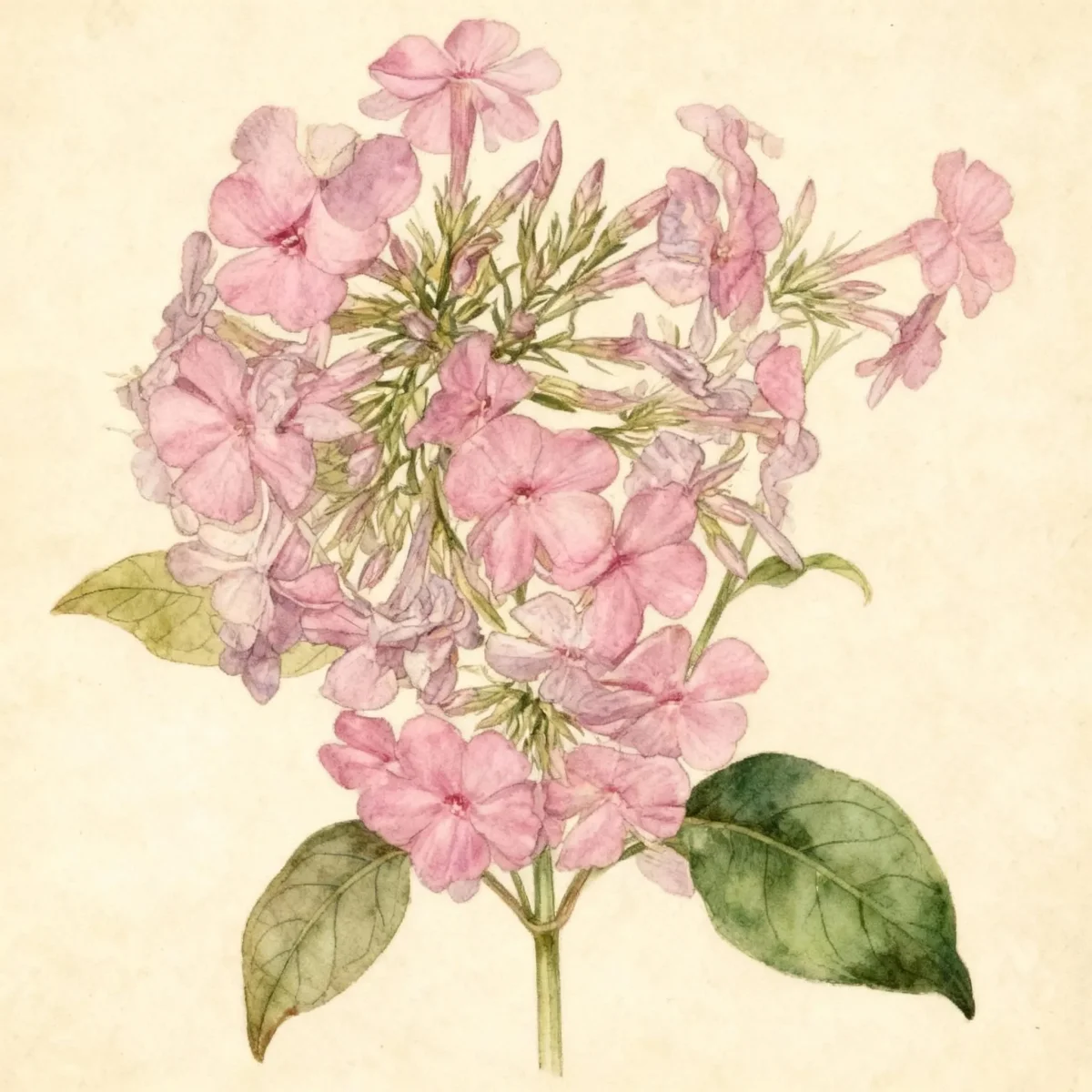
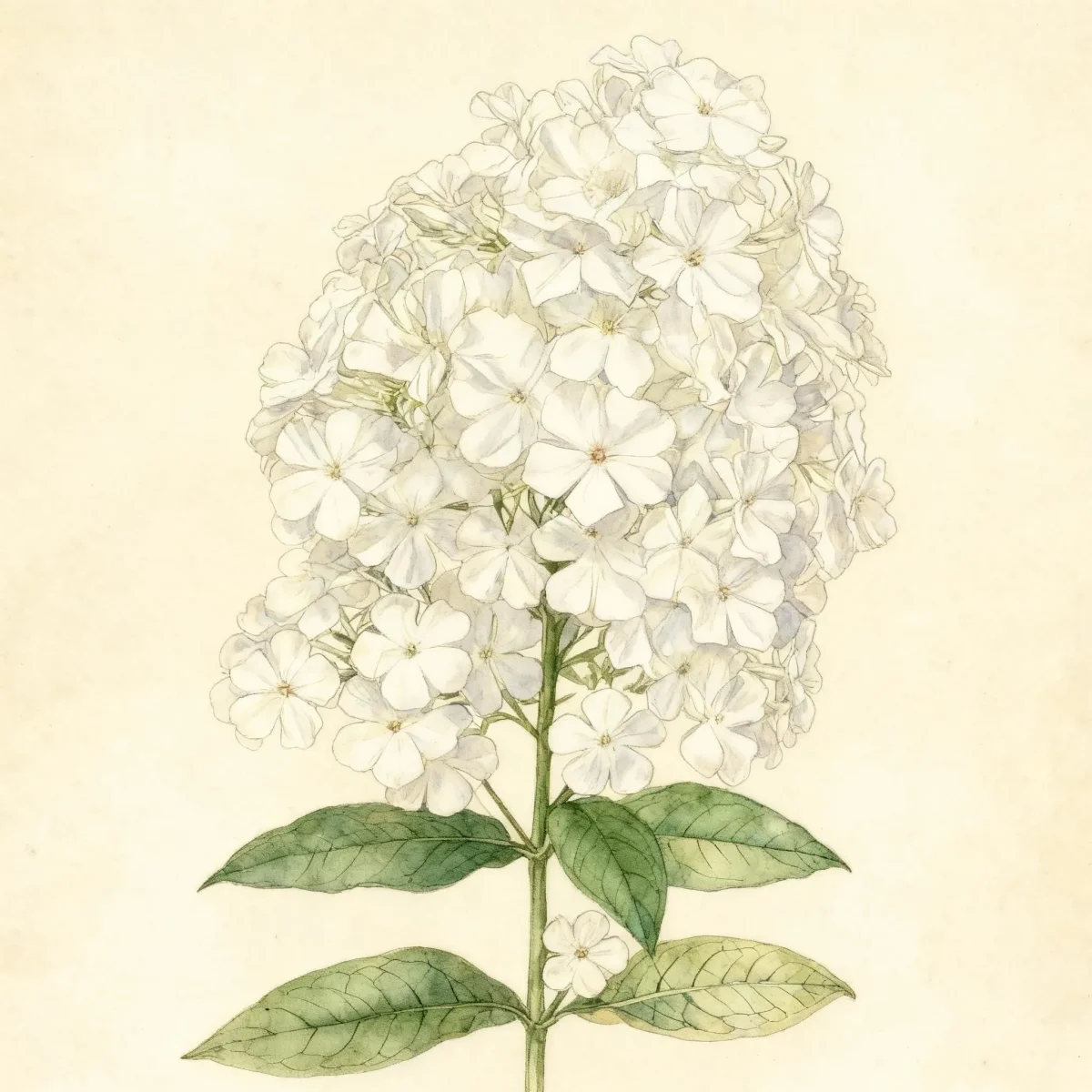
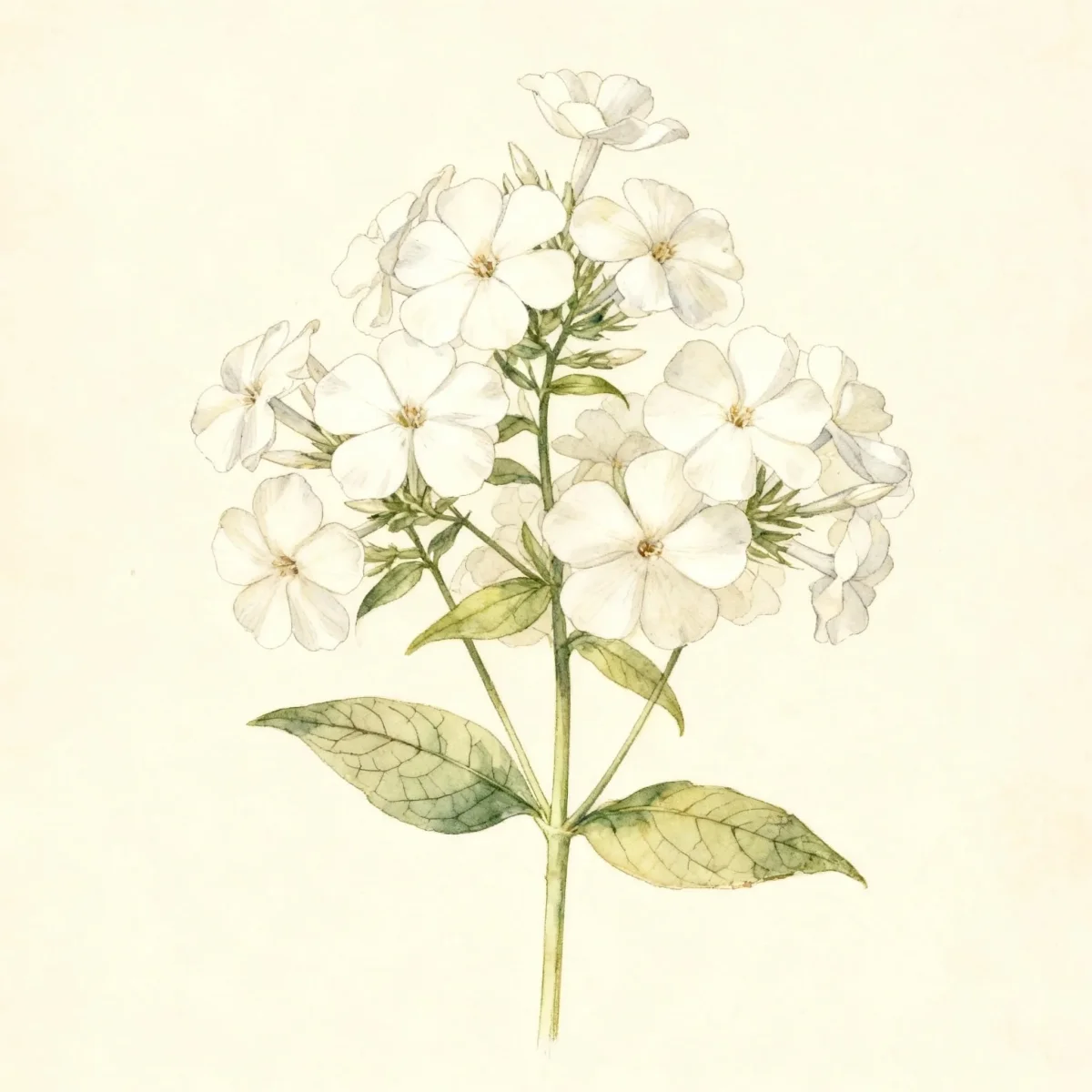
Garden phlox (Phlox paniculata 'Miss Kelly')
Garden phlox 'Miss Kelly' offers showy, fragrant lilac blooms from July to September. This hardy perennial thrives in zones 4-8.
Scroll down to discover growing tips, care requirements, companion plants, and more
Complete Plant Information
Overview
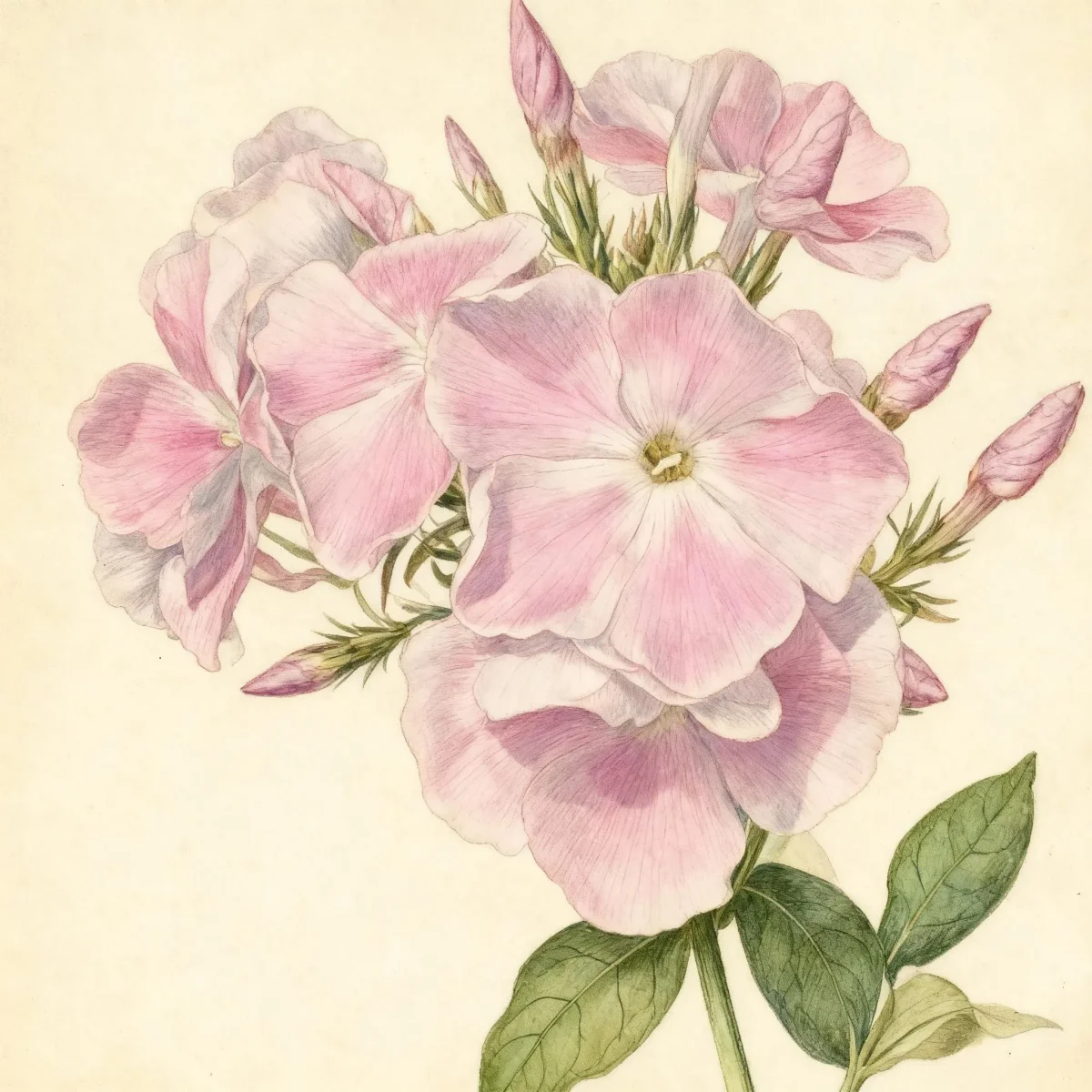
Phlox paniculata ‘Miss Kelly’ provides reliable, upward structure and stunning color late in the growing season, making it an essential variety of Garden phlox. This herbaceous perennial delivers noticeable fragrance, drawing in beneficial pollinators like butterflies and hummingbirds throughout mid to late summer. Belonging to the Polemoniaceae family, this variety features stiff, upright stems that support deep green foliage and dense clusters of lilac flowers with crisp white eyes.
Cultivating Phlox paniculata ‘Miss Kelly’ in your landscape offers fantastic late-season interest when many spring bloomers have faded. It is a plant best suited for gardeners who can provide adequate air circulation and appropriate moisture levels. Though it offers excellent vertical accents and vibrant color, the success of this Garden phlox often hinges on proper spacing and attention to humidity management to prevent common fungal issues.
The appeal of Phlox paniculata ‘Miss Kelly’ lies in its classic cottage garden look combined with strong performance if cultural needs are met. Expect a substantial presence in the border, reaching heights up to four feet, ensuring that this fragrant selection is visible and enjoyed long after planting.
Fast Facts
- Plant Family: Polemoniaceae
- Plant Type: Herbaceous perennial
- Hardiness Zones: USDA Zones 4-8
- Size at Maturity:
- Height: 3-4 ft
- Spread: 2-3 ft
- Bloom Time: July to September
- Bloom Description: Lilac with white eye
- Sun Exposure: Full sun to part shade
- Water Needs: Medium
- Maintenance Level: Medium
How to Grow
Plant Phlox paniculata ‘Miss Kelly’ in spring or fall in moderately fertile, medium-moisture, well-drained soil. While it tolerates part shade, maximizing bloom and vigor requires placement in full sun, especially in climates with milder summers. This Garden phlox prefers rich, organic soils, so amending heavy clay with compost is beneficial prior to planting.
Water is critical for this plant; it is intolerant of drought and requires watering during dry spells. However, avoid overhead watering, as consistently wet foliage encourages fungal issues. To conserve moisture and keep the root zone cool during summer heat, apply a layer of summer mulch around the base of Phlox paniculata ‘Miss Kelly’, ensuring the mulch does not touch the main crown.
Good air circulation is paramount for combating powdery mildew, a common challenge for Garden phlox. Ensure plants are spaced adequately, and consider lightly thinning out interior stems early in the season if the clump appears too dense. Deadheading faded flower panicles encourages rebloom and keeps the plant tidier, though this prevents unwanted self-seeding.
Prepare Phlox paniculata ‘Miss Kelly’ for winter by cutting all plants down to the ground after frost. Crucially, clean up all fallen debris around the area before winter sets in to minimize overwintering spores of powdery mildew, ensuring a healthier start next spring.
Landscape Uses
Garden phlox is a cornerstone of the traditional perennial border, providing essential vertical interest and reliable late-season color. Phlox paniculata ‘Miss Kelly’ mixes beautifully with later-blooming perennials like asters, sedums, and ornamental grasses, creating layers of texture as the season progresses. Its strong vertical habit makes it perfect for the middle to back of the border where it can anchor groupings.
Beyond the standard border, this variety is an excellent selection for a “container garden” grouping, provided the container is large enough to accommodate its eventual spread and allows for good drainage. Furthermore, because the fragrant flowers attract hummingbirds, it is classified as a good choice for inclusion in a dedicated bird or pollinator garden design.
Standout Features
Flower Qualities
- Showy
- Fragrant
Noteworthy Characteristics
Phlox paniculata, commonly known as garden phlox, is native from New York to Iowa south to Georgia, Mississippi and Arkansas. This is an upright perennial that grows in a clump to 2-4’ tall and to 2-3’ wide on stiff stems clad with conspicuously veined, opposite, pointed, elliptic, deep green leaves. Fragrant, tubular, pink-purple to white florets are densely packed in large, tiered, domed terminal clusters over a long July to September bloom period. ‘Miss Kelly’ is a garden phlox cultivar which typically grows in an upright clump to 3-4’ tall, featuring fragrant, tubular flowers with lilac color and white eyes, arranged in large, terminal, pyramidal clusters which seldom need staking; it is considered a good fresh cut flower variety.
Tolerances
- Deer
- Clay Soil
- Black Walnut
Potential Problems
Phlox is not always an easy plant to grow well, frequently battling pests and diseases, especially in humid conditions. Phlox bugs, powdery mildew, and root rot can become serious problems if cultural requirements, particularly air circulation and watering technique, are ignored. Spider mites can also cause damage, particularly when the plant experiences hot, dry periods. To manage these issues, always ensure good spacing to promote airflow, avoid wetting foliage overhead, and promptly remove diseased material from the garden area before winter. Taller stems of this Garden phlox may require staking if not grown in a location with consistent sun exposure.
Frequently Asked Questions
What hardiness zones is Garden phlox suitable for?
Phlox paniculata ‘Miss Kelly’ is reliably hardy across USDA Zones 4 through 8.
How large does Phlox paniculata ‘Miss Kelly’ grow?
This perennial garden phlox typically reaches a mature height between 3 and 4 feet, with a spread of 2 to 3 feet wide.
When does Phlox paniculata ‘Miss Kelly’ bloom?
This variety displays its lilac flowers with white eyes throughout the summer and early fall, usually blooming consistently from July to September.
What sun exposure does Garden phlox need?
For the best flowering performance from your Phlox paniculata ‘Miss Kelly’, aim for full sun, though it can tolerate light shade.
Conclusion
Phlox paniculata ‘Miss Kelly’ remains a valuable asset in the mid-to-late summer garden, celebrated for its fragrant, showy blooms and upright structure. Incorporating this Garden phlox ensures robust color and attracts beneficial wildlife late into the season, provided you manage moisture and air flow carefully. Before purchasing, confirm that USDA Zones 4-8 align with your growing region to ensure the best performance from your new Phlox paniculata ‘Miss Kelly’.
Companion Planting
Selecting companions for Garden phlox is key to creating a balanced border that thrives under similar conditions. Since Phlox paniculata ‘Miss Kelly’ requires medium moisture and prefers rich soil, pair it with other moisture-tolerant perennials that also enjoy full sun or light shade. Good companions include sturdy perennials like Coneflowers (Echinacea), Black-eyed Susans (Rudbeckia), or various ornamental grasses that benefit from its mid-season height. Avoid planting it directly against walls or in areas with poor air movement, as this exacerbates mildew risks, no matter how well-suited the companion plant is culturally.
Wildlife Benefits
The tubular flowers of Phlox paniculata ‘Miss Kelly’ are perfectly shaped to attract long-tongued pollinators, making it indispensable for butterfly gardens. The nectar-rich blooms serve as a crucial late-season food source for numerous butterfly species transitioning into fall. Hummingbirds are also frequently observed feeding on the nectar of this Garden phlox, adding dynamic movement to the landscape. Planting a mass of this cultivar significantly increases its visual impact and its availability as a reliable nectar source throughout its long bloom period.