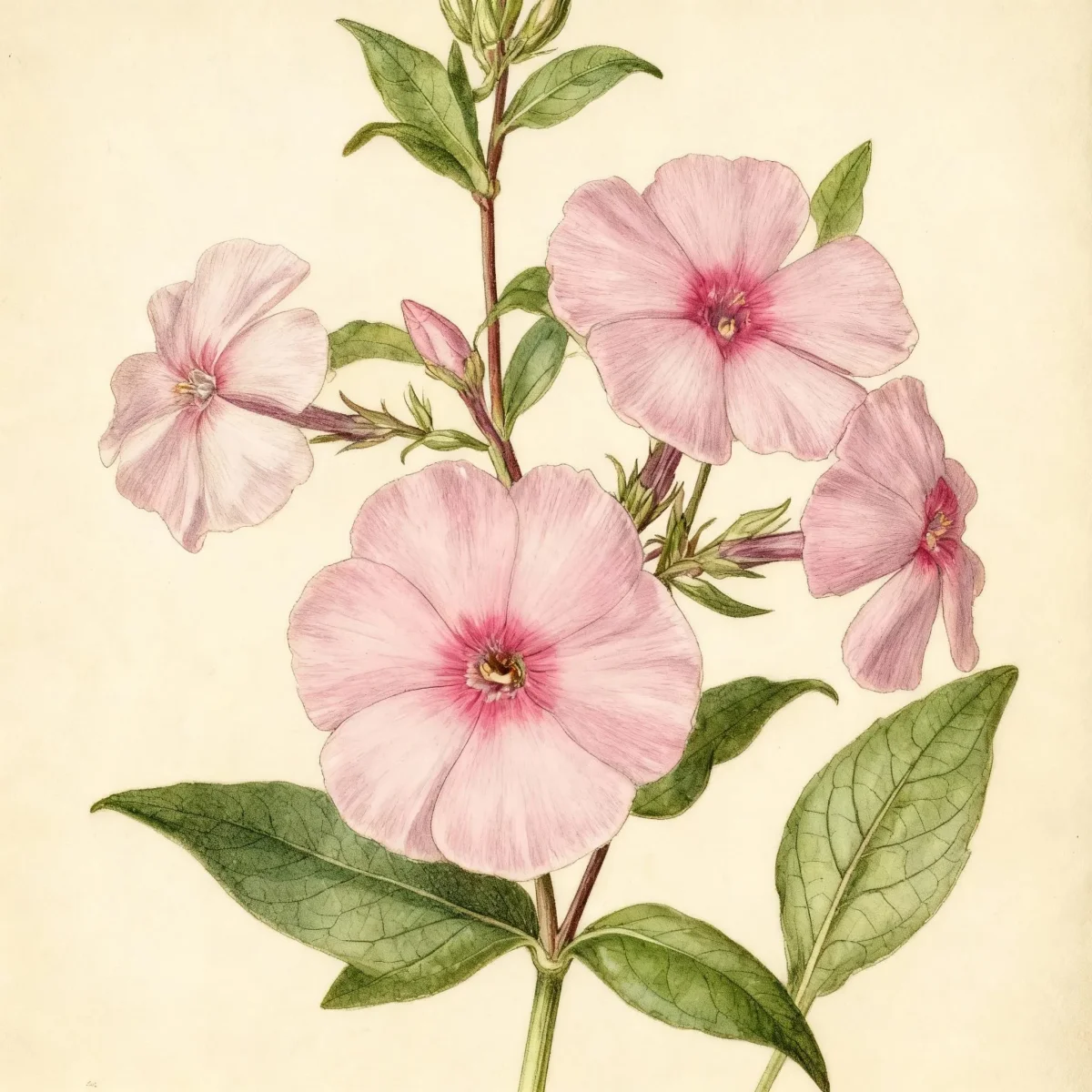
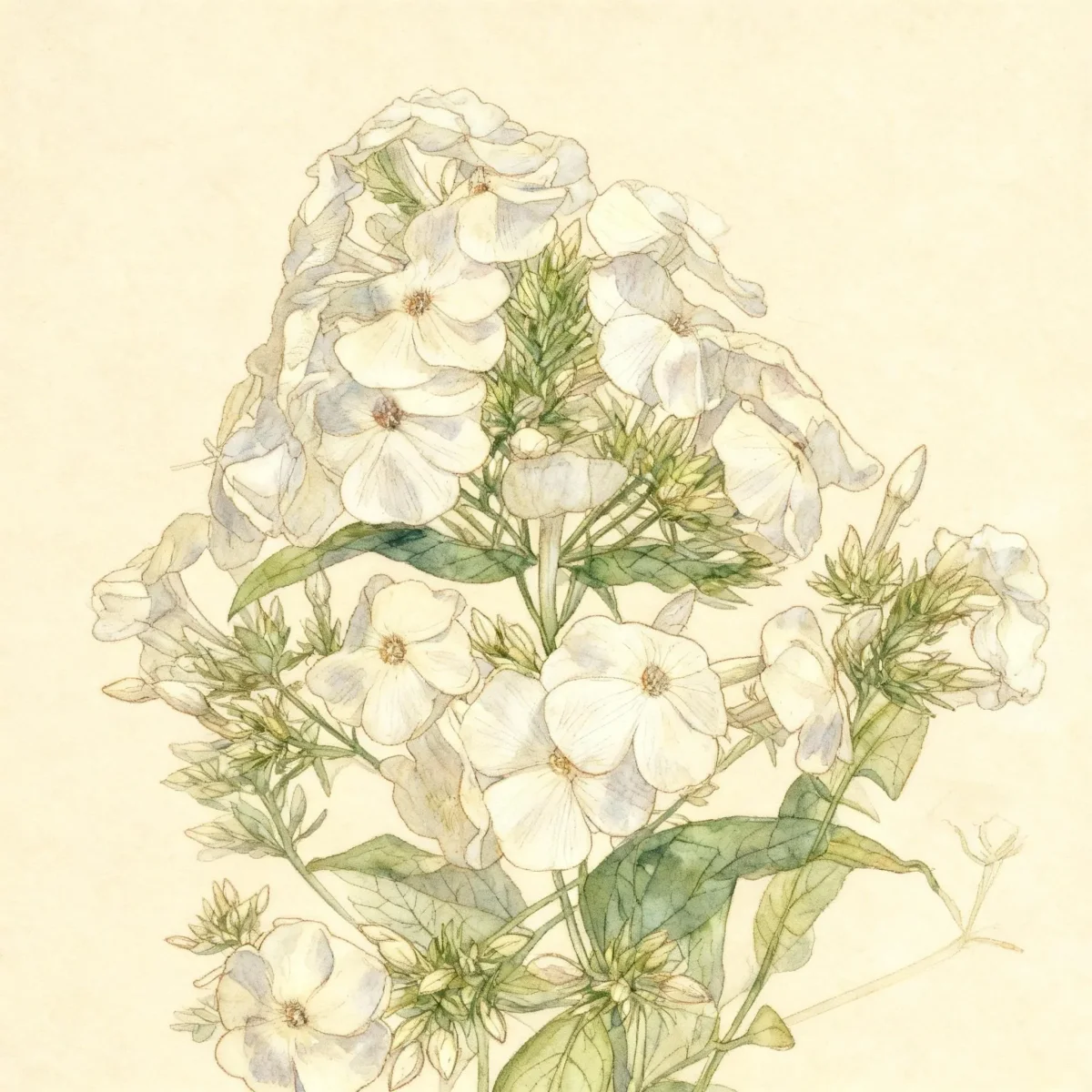
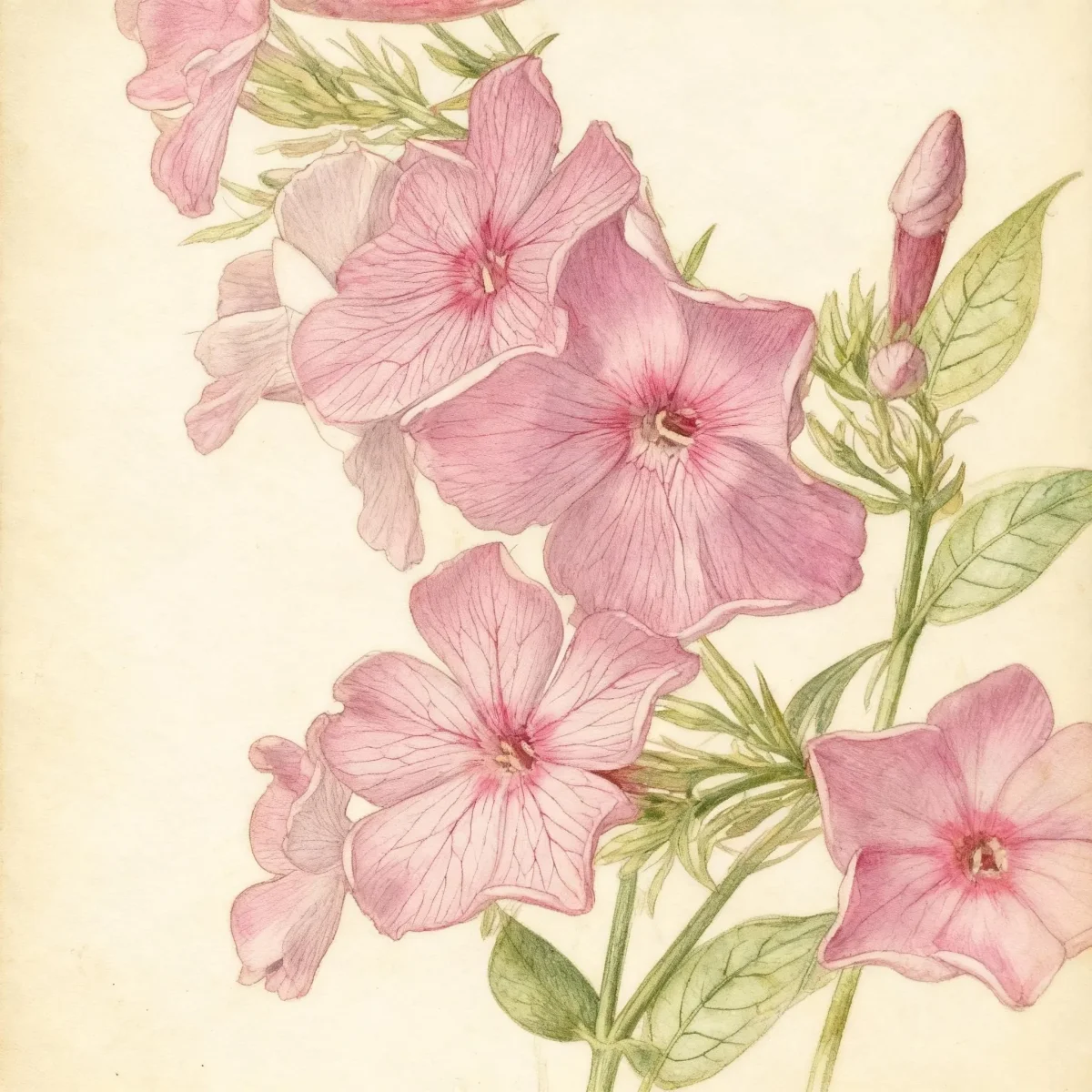
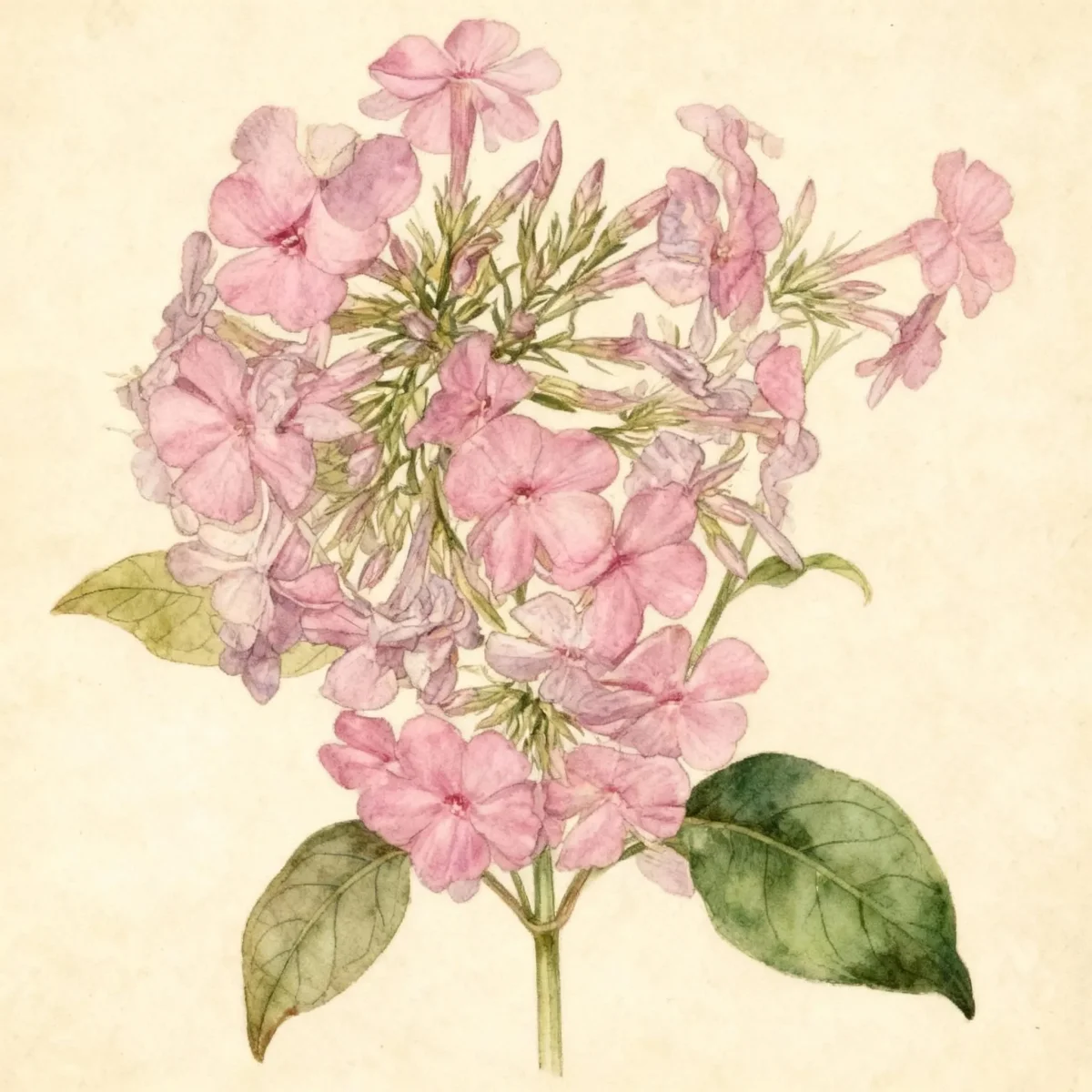
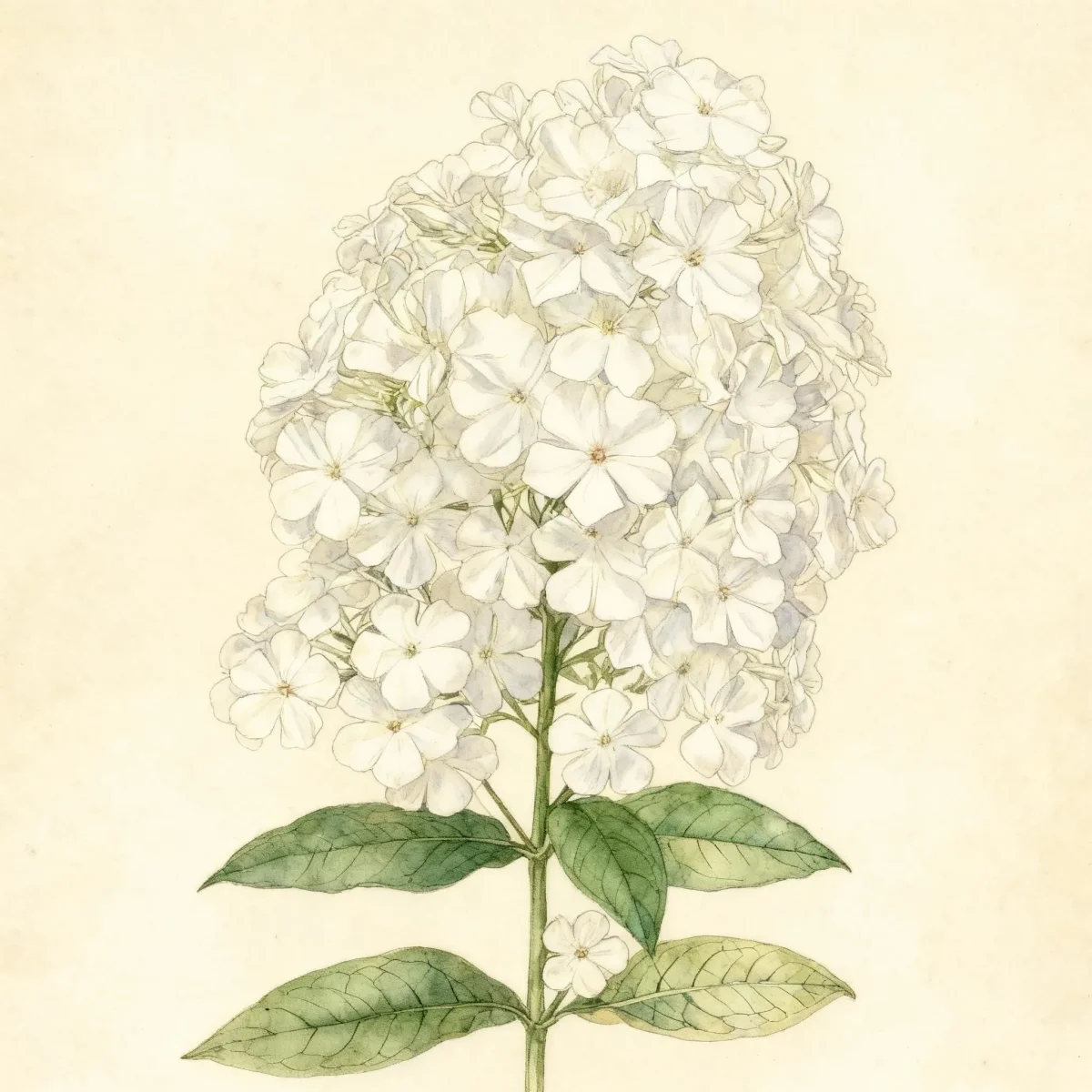
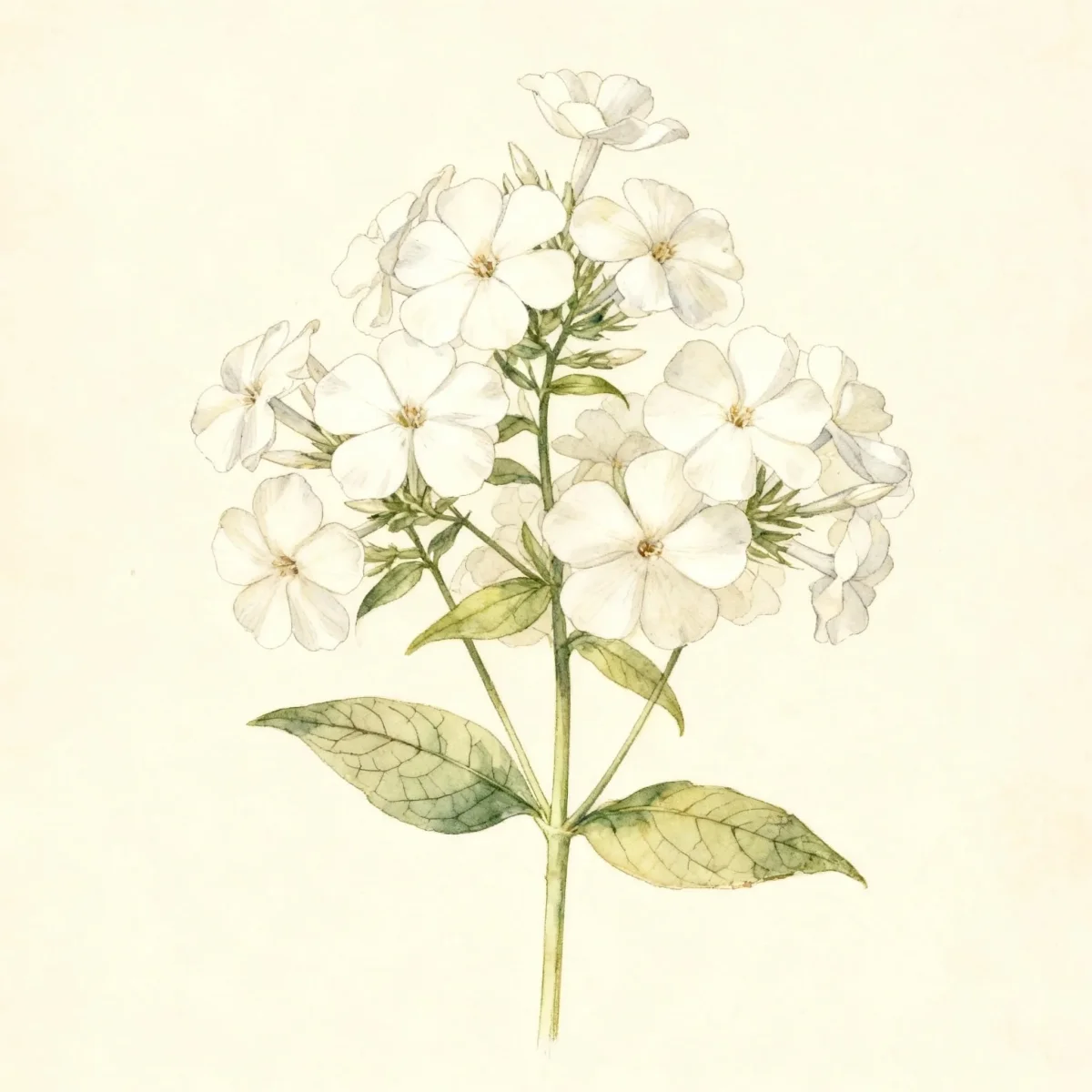
Garden phlox (Phlox paniculata 'Miss Universe')
Phlox paniculata 'Miss Universe' offers pure white, fragrant blooms from July to September. This Garden phlox is resilient and attracts wildlife.
Scroll down to discover growing tips, care requirements, companion plants, and more
Complete Plant Information
Overview
Phlox paniculata ‘Miss Universe’ is a dependable cultivar of Garden phlox, prized for its abundant summer flowering display. This variety produces dense, pyramidal clusters of pure white, fragrant flowers that thoroughly capture attention throughout the mid to late summer season. As an upright herbaceous perennial, it brings strong vertical structure to the perennial garden without excessive fuss.
This robust Garden phlox cultivar reaches heights between 3 to 4 feet, creating an excellent backdrop or middle layer in mixed borders. Both butterflies and hummingbirds flock to the long, tubular florets of Phlox paniculata ‘Miss Universe’, making it a fantastic addition to wildlife gardens. Gardeners appreciate its showy nature, provided basic cultural needs regarding soil moisture and air circulation are met.
Cultivars like Phlox paniculata ‘Miss Universe’ are essential for providing late-season color when many spring bloomers have faded. Its stature and reliable pure white flowers allow it to blend seamlessly with nearly any color scheme, solidifying its status as a staple in traditional and contemporary perennial plantings.
Fast Facts
- Plant Family: Polemoniaceae
- Plant Type: Herbaceous perennial
- Hardiness Zones: USDA Zones 4-8
- Size at Maturity:
- Height: 3-4 ft
- Spread: 2-3 ft
- Bloom Time: July to September
- Bloom Description: Pure white
- Sun Exposure: Full sun to part shade
- Water Needs: Medium
- Maintenance Level: Medium
How to Grow
Plant Garden phlox in the spring or fall into a location receiving full sun for the best performance, though light afternoon shade is tolerated. The ideal medium is moderately fertile, rich, and moist, requiring adequate drainage to prevent root issues. Phlox paniculata ‘Miss Universe’ prefers climates with mild summers; extreme heat and humidity can stress the plant.
Watering should be consistent to maintain medium soil moisture, especially during dry spells, as it is intolerant of drought. Always avoid overhead watering, directing moisture toward the base of the plant to help mitigate the risk of powdery mildew. An application of summer mulch will help keep the root zone cool and conserve moisture.
Proper air circulation is crucial for preventing mildew; ensure you space plants appropriately or thin out interior stems as needed. Deadheading faded flower panicles is recommended to prolong the blooming period and discourage unwanted self-seeding. In winter, cut all stems back to the ground and thoroughly clean up the area to minimize overwintering fungal spores.
Landscape Uses
Garden phlox is a cornerstone plant for the perennial border, instantly adding height, color, and fragrance. Phlox paniculata ‘Miss Universe’ mixes exceptionally well with later-blooming perennials such as Asters, Sedums, or various ornamental grasses, creating textural contrast against the broader leaves of other traditional cottage garden plants.
Due to its upright, clumping habit and reliable summer bloom, it excels as a vertical accent or as part of a mixed screen toward the back of a sunny border. Its pure white flowers make it a versatile “visual cooler” in hot color schemes or a bright accent in moon gardens.
The long blooming period and strong appeal to pollinators also position this Garden phlox as an excellent choice for habitat creation. Consider planting several together in drifts along a walkway where the fragrance of Phlox paniculata ‘Miss Universe’ can be fully appreciated.
Standout Features
Flower Qualities
- Showy
- Fragrant
Noteworthy Characteristics
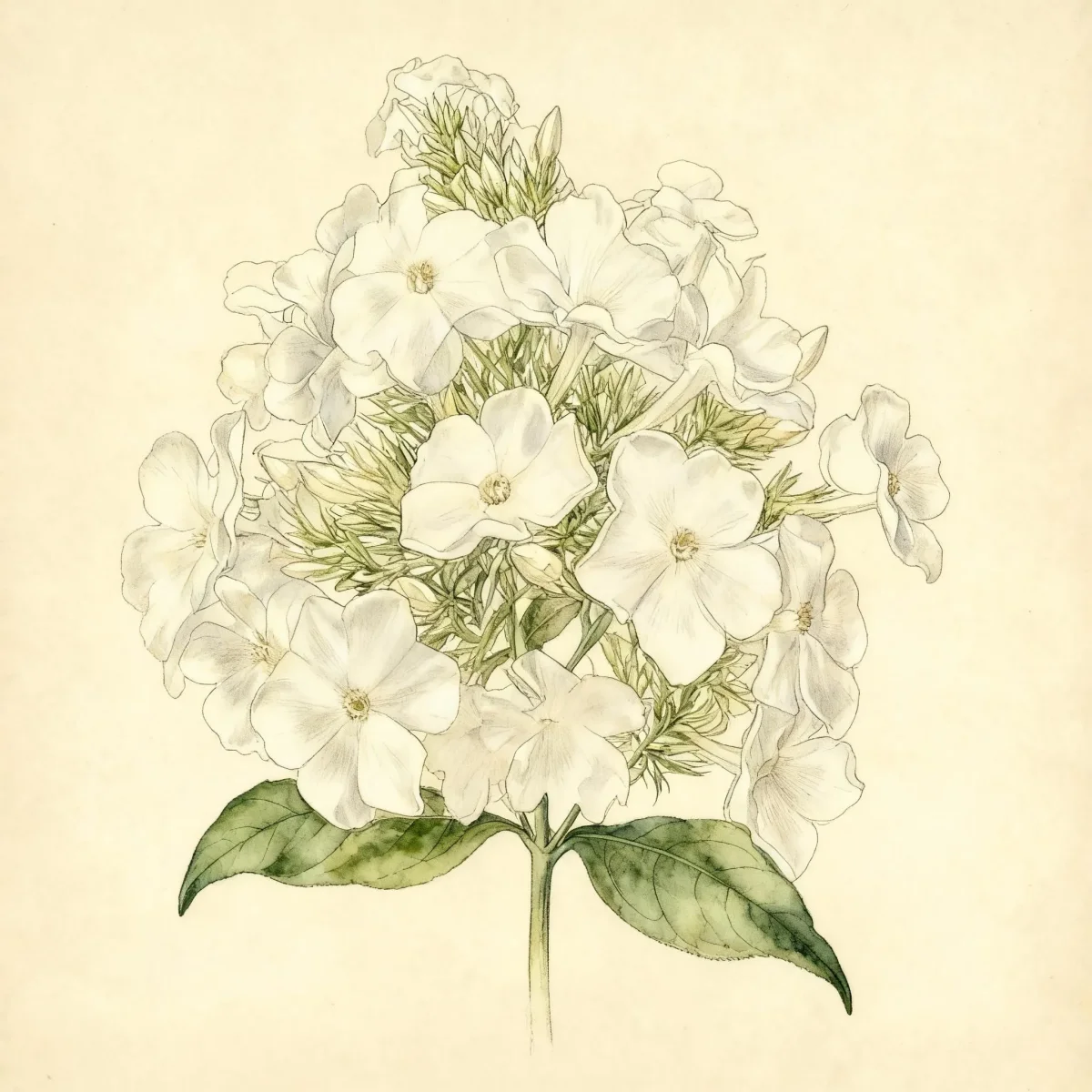
Phlox paniculata, commonly known as garden phlox, is native from New York to Iowa south to Georgia, Mississippi and Arkansas. ‘Miss Universe’ is a garden phlox cultivar which typically grows in an upright clump to 3-4’ tall with fragrant, pure white, tubular flowers densely arranged in large, terminal, pyramidal clusters. These stiff stems seldom require staking, and its mid to late summer bloom sometimes extends into early fall, making it a good fresh cut flower.
Tolerances
- Deer
- Clay Soil
- Black Walnut
Potential Problems
Phlox is not always an easy plant to grow well, often facing challenges from pests and pathogens. Phlox bugs, powdery mildew, and root rot can pose serious threats to plant health. Spider mites can also become problematic, especially during periods of hot, dry weather. To manage potential mildew, ensure excellent air circulation by spacing plants well and promptly removing spent foliage or thinning crowded stems. Taller stems may require staking if the plant appears weak or is exposed to high winds.
Frequently Asked Questions
What hardiness zones is Garden phlox suitable for?
Phlox paniculata ‘Miss Universe’ is reliably hardy in USDA Zones 4 through 8.
How large does Phlox paniculata ‘Miss Universe’ grow?
This perennial typically achieves a height between 3 to 4 feet tall and spreads to 2 to 3 feet wide.
What sun exposure does Garden phlox need?
For optimal flowering and health, Phlox paniculata ‘Miss Universe’ should receive full sun, though it will tolerate part shade.
When does Garden phlox bloom?
This variety offers showy bloom from July extending through September, featuring pure white florets.
Conclusion
Phlox paniculata ‘Miss Universe’ delivers consistent, fragrant, white flower power throughout the height of summer, making it an invaluable perennial for structure and pollinator interest. Ensure you prioritize good air flow and consistent moisture to keep this Garden phlox thriving, and plan to clean up spent material in the fall. Check your local USDA hardiness zone compatibility before placing your order for this beautiful cultivar.
Companion Planting
When selecting companions for Phlox paniculata ‘Miss Universe’, focus on plants that share similar needs for rich, medium-moisture soil and full sun to partial shade. Plants that bloom earlier or later help extend the season of interest in the border. Good companions include Coneflower (Echinacea), which offers contrasting texture and blooms concurrently, and Japanese Anemone, which begins its display as the Garden phlox starts to fade. Also consider grounding taller stems by placing lower-growing foliage plants like Hostas (in partial shade areas) or ornamental grasses nearby; these can help keep the root zone cool.
Wildlife Benefits
The structure of Phlox paniculata ‘Miss Universe’ flowers is perfectly adapted for specific pollinators that seek out nectar from tubular blooms. The large panicles provide an excellent landing platform for many butterfly species actively feeding during the summer months. Furthermore, the nectar source is highly attractive to hummingbirds, which are regular visitors to garden phlox. Integrating this plant ensures you are supporting local nectar resources during the peak mid-summer lull in floral availability.