Shasta daisy (Leucanthemum 'Daisy Duke' DAISY MAY)
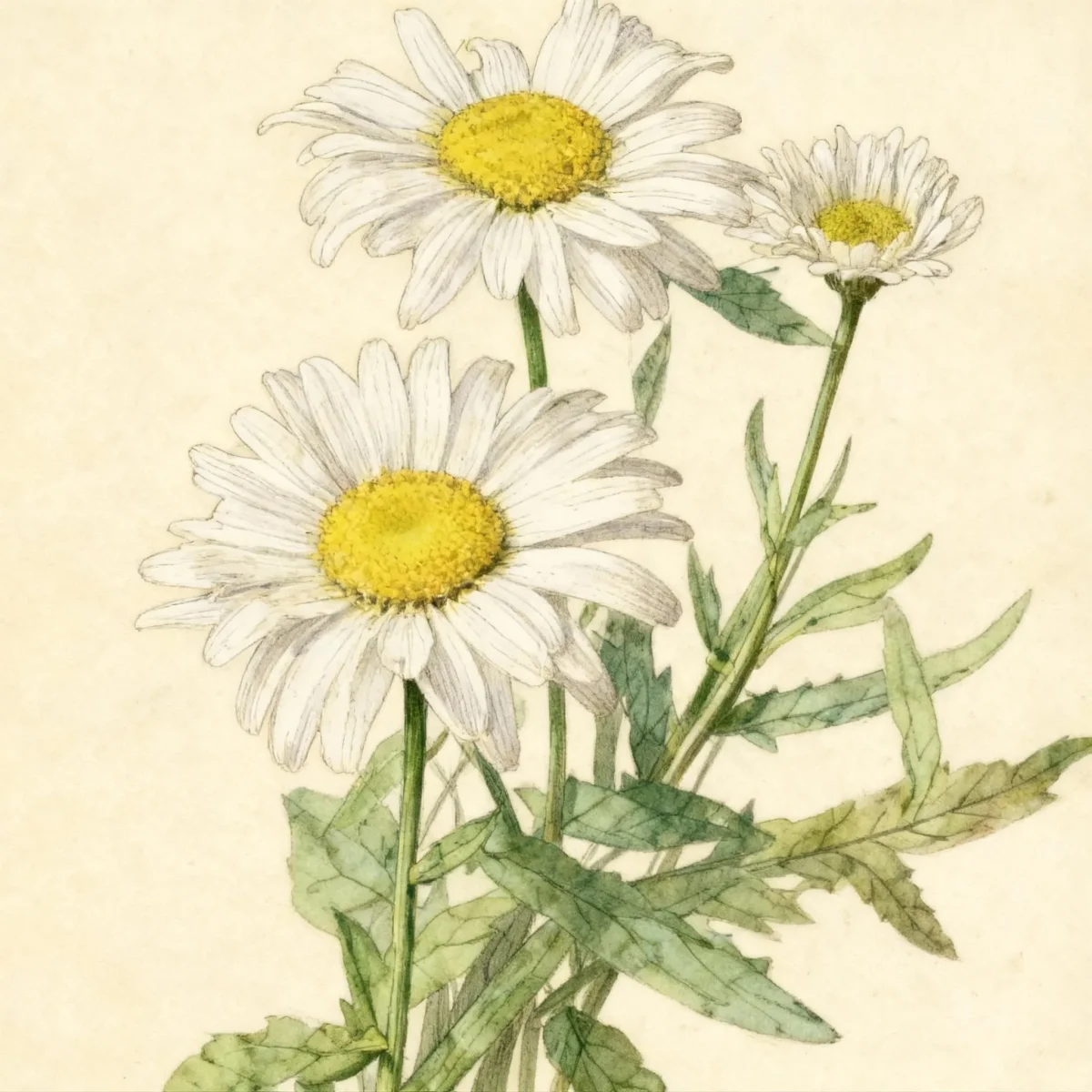
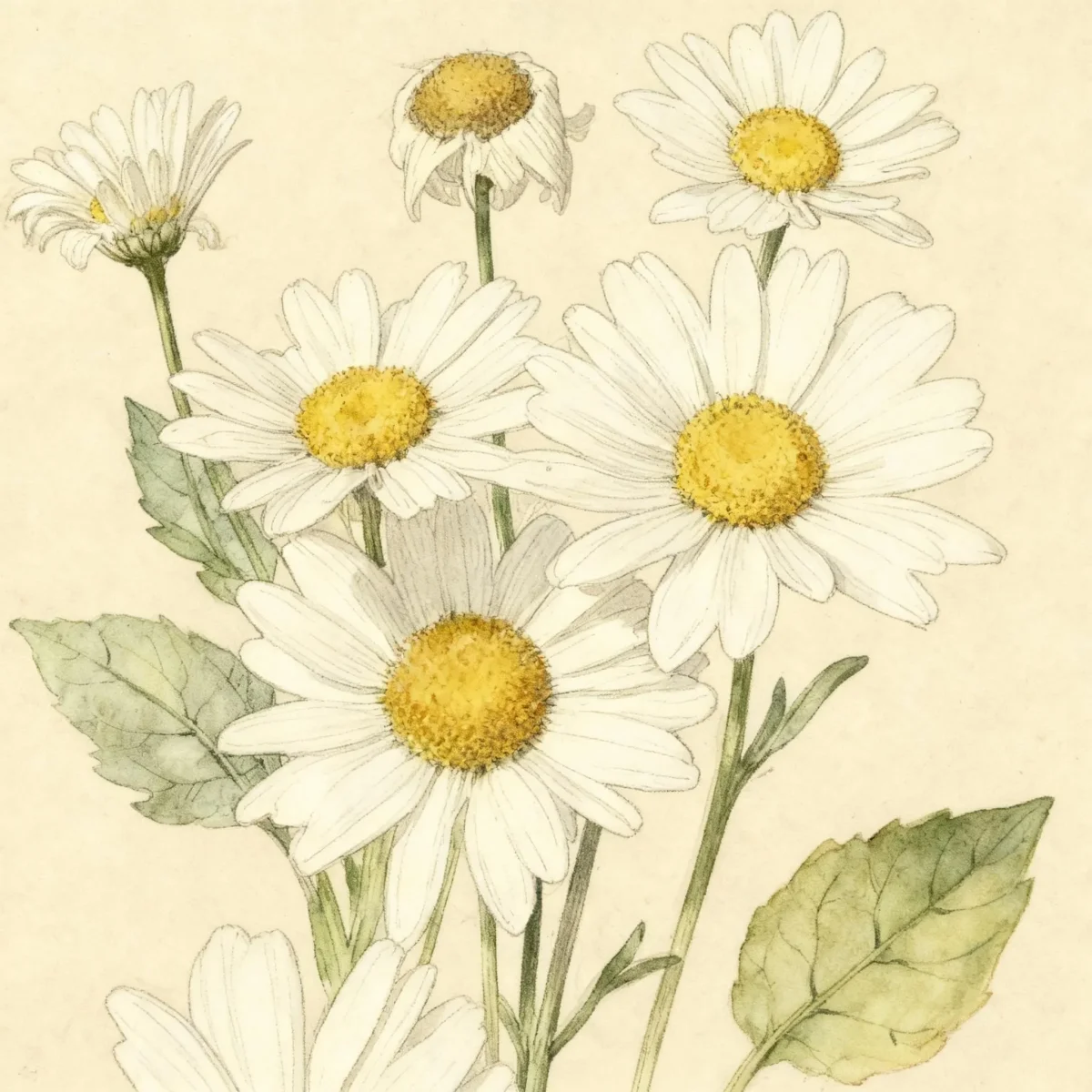
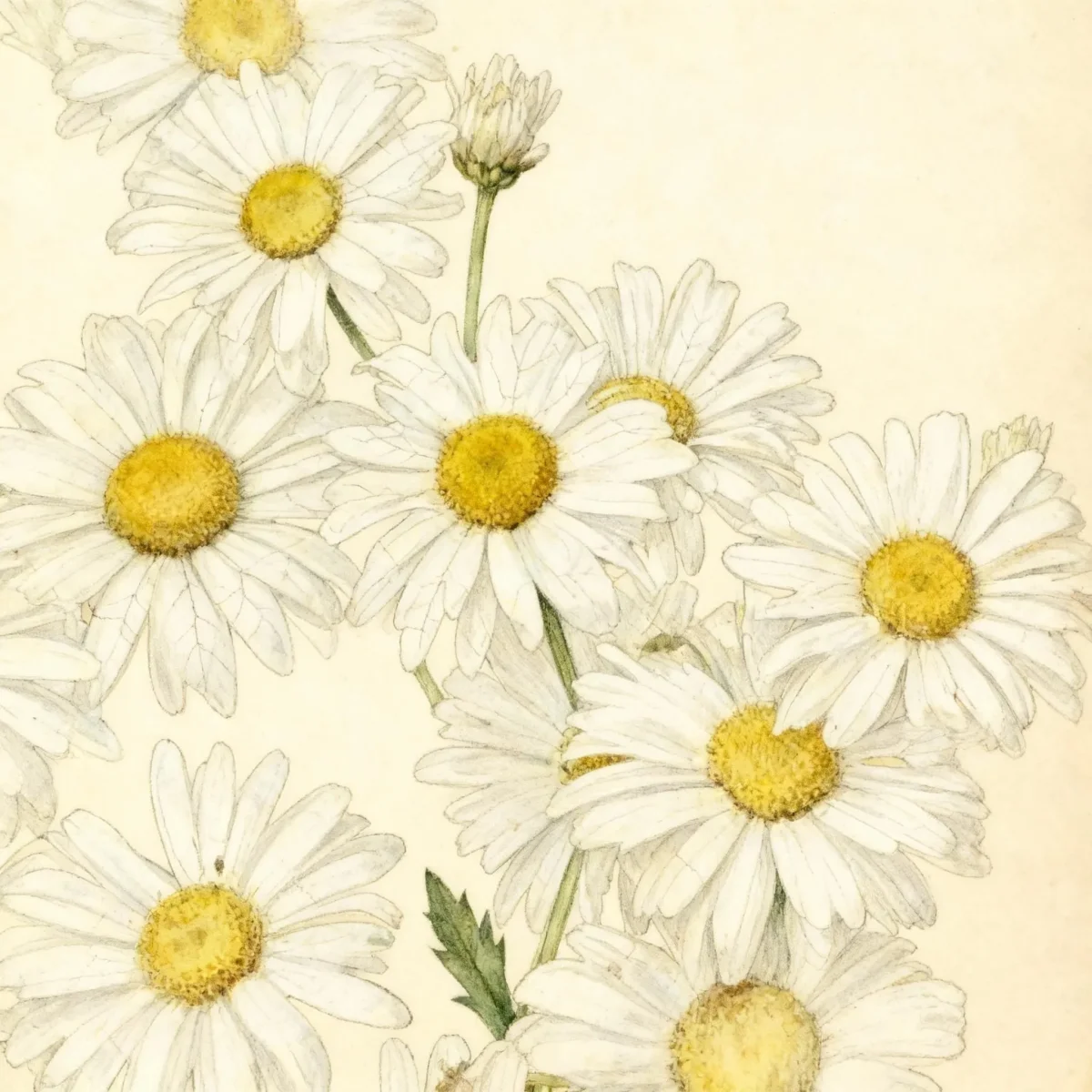
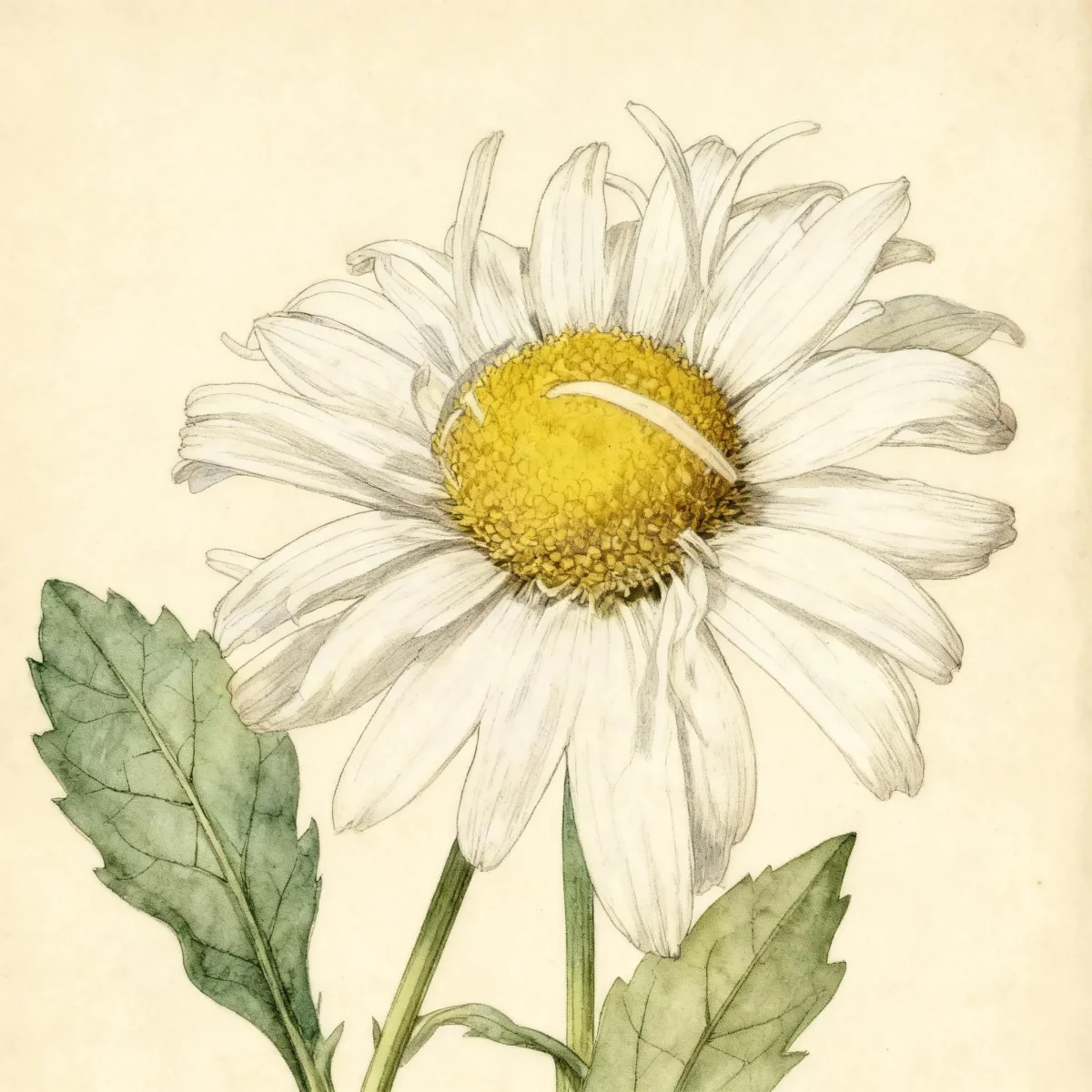
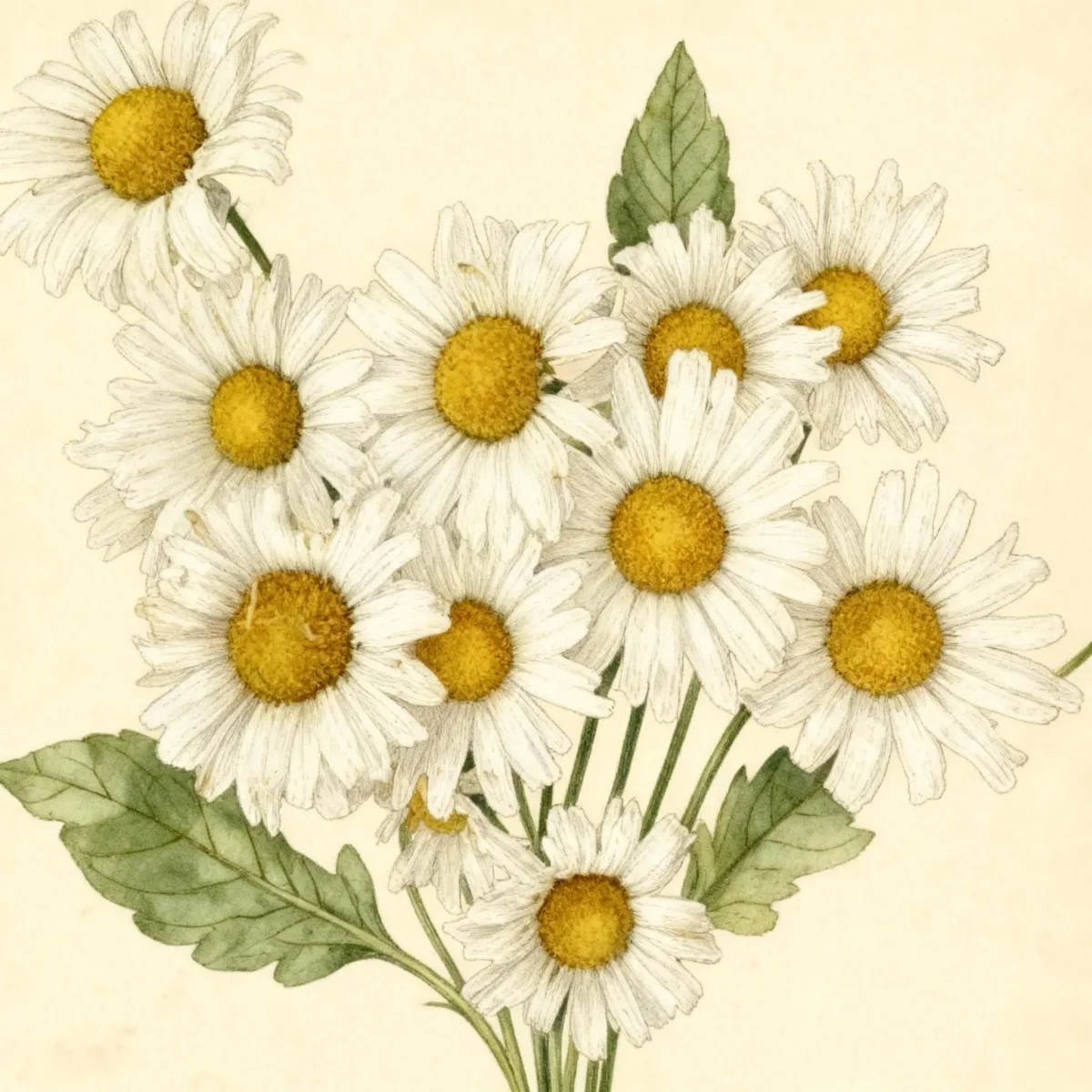
Leucanthemum 'Daisy Duke' DAISY MAY is a compact, low-maintenance Shasta daisy known for prolific white and yellow blooms from June to August.
Scroll down to discover growing tips, care requirements, companion plants, and more
Complete Plant Information
Overview
Leucanthemum ‘Daisy Duke’ DAISY MAY offers gardeners a dependable source of bright, classic daisy blooms throughout the summer months. As a refined cultivar of the popular Shasta daisy, this variety is valued for its compact habit and profusion of flowers featuring crisp white rays surrounding vibrant yellow centers. Its robust nature and low maintenance requirements make it an excellent choice for both novice and experienced gardeners seeking reliable summer vibrancy.
This herbaceous perennial thrives best when situated in full sun, though it can tolerate slight afternoon shade in the hottest climates. Proper drainage is paramount, as wet winter soils are detrimental to the longevity of the clumps. The resulting effect is a cheerful, long-blooming presence perfect for adding height and traditional color to mixed plantings.
The trade name DAISY MAY perfectly captures the essence of this reliable perennial. It provides outstanding material for classic perennial borders and cottage gardens, delivering season-long visual impact with minimal fuss. Choosing Leucanthemum ‘Daisy Duke’ DAISY MAY ensures you have high-quality flowers ready for cutting throughout the bulk of the growing season.
Fast Facts
- Plant Family: Asteraceae
- Plant Type: Herbaceous perennial
- Hardiness Zones: USDA Zones 5-9
- Size at Maturity:
- Height: 1-2 ft
- Spread: 0.75-1.5 ft
- Bloom Time: June to August
- Bloom Description: White rays with yellow center
- Sun Exposure: Full sun
- Water Needs: Dry to medium
- Maintenance Level: Low
How to Grow
Plant Leucanthemum ‘Daisy Duke’ DAISY MAY in the spring or fall, ensuring locations offer full sunlight and crucial well-drained soil. These plants are quite flexible, adapting well to average soils, but they absolutely cannot tolerate overly moist or waterlogged conditions, especially during winter dormancy. If soil drainage is poor, amend heavily with grit or consider raised beds to maximize root health for your Shasta daisy.
Once established, water sparingly, allowing the soil to dry out between waterings—dry to medium moisture levels are ideal. Fertilization is generally unnecessary if the plant is situated in average garden soil. The most important cultural practice involves prompt deadheading; removing spent flower heads encourages the plant to produce subsequent flushes of blooms right through August.
For long-term vigor, remember that Shasta daisies are somewhat short-lived perennials. Plan on dividing clumps every two to three years to rejuvenate the center growth and maintain strong performance. An optional but helpful step is to cut the entire stem back down to the basal foliage once the main bloom period concludes, which conserves plant energies for the following season.
Landscape Uses
Shasta daisies provide long-lasting summer bloom and are mainstays of the perennial border, cottage garden, and cutting garden. The compact nature of Leucanthemum ‘Daisy Duke’ DAISY MAY makes it particularly versatile. It is ideal for mass plantings in new beds, filling gaps in established borders without overwhelming neighbors, or as a bright accent in small gardens.
Because of its cheerful, classic aesthetic, this cultivar pairs beautifully with blues and purples, such as Salvia or Catmint (Nepeta), which contrast nicely with the white ray florets. Its mid-border height works perfectly when placed behind lower-growing annuals or interspersed with fine-textured ornamental grasses. Furthermore, they are exceptional additions to rock gardens where drainage is naturally superior, and certainly deserve a spot in containers near patios for easy access to cut flowers.
Standout Features
Flower Qualities
- Showy
- Good Cut
Noteworthy Characteristics
Leucanthemum is a genus of about 26 perennials originating from Europe and temperate Asia, with these plants formerly classified within the genus Chrysanthemum. The genus name honors the Greek words for white (leukos) and flower (anthemum), referencing the prominent white blooms of several species. ‘Daisy Duke’, commonly marketed as DAISY MAY, is a robust, compact Shasta daisy cultivar reaching 12-24 inches tall, famous for its prolific summer display of classic blossoms.
Tolerances
Potential Problems
Leucanthemum ‘Daisy Duke’ DAISY MAY is generally quite resistant to major pest and disease issues, contributing to its low-maintenance appeal. Growers should remain aware that Leucanthemums, in general, possess some inherent susceptibility to soil-borne issues like verticillium wilt, as well as potential superficial leaf spots and stem rots if humidity remains high or drainage fails. Occasional minor pest infestations may include aphids, leaf miners, or spider mites, usually manageable with a strong jet of water or insecticidal soap if necessary.
The primary cultural threat comes from excess moisture, particularly poor winter drainage, which can quickly lead to crown and root rot—a fatal condition for this Shasta daisy. Preventing this requires careful site selection favoring sharp drainage. By ensuring good airflow and avoiding overhead watering late in the day, you mitigate fungal disease risk and help the Leucanthemum ‘Daisy Duke’ DAISY MAY perform optimally year after year.
Frequently Asked Questions
What hardiness zones is Shasta daisy suitable for?
Leucanthemum ‘Daisy Duke’ DAISY MAY is reliably hardy across USDA Zones 5 through 9.
How large does Leucanthemum ‘Daisy Duke’ DAISY MAY grow?
This cultivar typically reaches a height between 1 and 2 feet tall, with a spread ranging from 0.75 to 1.5 feet wide.
When does Shasta daisy bloom?
You can expect the showy white and yellow flowers of this plant to appear reliably from June through August.
What sun exposure does this Shasta daisy need?
This plant requires full sun exposure to achieve the best flowering performance, although a degree of light shade is tolerated in intense summer heat.
Conclusion
Leucanthemum ‘Daisy Duke’ DAISY MAY remains a cornerstone plant for classic summer garden color, providing excellent visual structure and high-quality cut flowers with minimal effort. This manageable Shasta daisy is perfect for integrating into borders or smaller garden spaces due to its tidy, compact size. Before planting, confirm that your chosen location provides ample sunshine and, most importantly, excellent soil drainage to ensure long-term success with this beautiful bloom producer.
Companion Planting
Companion plants for Leucanthemum ‘Daisy Duke’ DAISY MAY should share its preference for full sun and dry to medium moisture levels. To enhance the classic cottage garden look, pair these daisies with plants that offer contrasting foliage texture or color. Consider using ornamental sages (Salvia species) or true lavender (Lavandula) as their blue-violet hues beautifully complement the white and yellow centers of the Shasta daisy blooms.
For mid-border companions that offer excellent structural support and complementary bloom times, look towards plants like Russian Sage (Perovskia atriplicifolia) or tall Mullein varieties. In areas where you are attempting to keep the garden tidy, pairing the mounding foliage of DAISY MAY with low-growing stonecrop varieties (Sedum) at the edge can create a delightful, low-maintenance tapestry effect.
Seasonal Care Calendar
Spring care for your Leucanthemum ‘Daisy Duke’ DAISY MAY involves cutting back any dried, old foliage left over from winter cleanup. As temperatures warm in late spring, this is the best time to apply a light, balanced fertilizer if your soil is particularly poor, though it often isn’t required. Monitor closely for the first signs of new growth to ensure winter wetness did not impact the crowns.
Summer maintenance centers around deadheading; remove spent blooms immediately after flowering finishes to encourage repeat blooming well into August. If you notice significant fading or floppy stems mid-summer, consider “cutting back to the base” to encourage a final, smaller flush of flowers later in the season. Water consistently but moderately during dry spells, always prioritizing soil drainage.
Fall care is light for this dependable perennial. Unlike some spring bloomers, the foliage of your Shasta daisy will likely remain partially green. Avoid heavy pruning until the first hard frost truly kills the top growth, allowing the plant to slowly transition into dormancy naturally. Ensure the area around the crowns is not retaining excess water as winter approaches.