Eastern redbud (Cercis canadensis 'JN2' THE RISING SUN)
Discover Cercis canadensis 'JN2' THE RISING SUN (Eastern redbud), a low-maintenance tree offering rosy-pink spring blooms and stunning golden-orange foliage.
Scroll down to discover growing tips, care requirements, companion plants, and more
Complete Plant Information
Overview
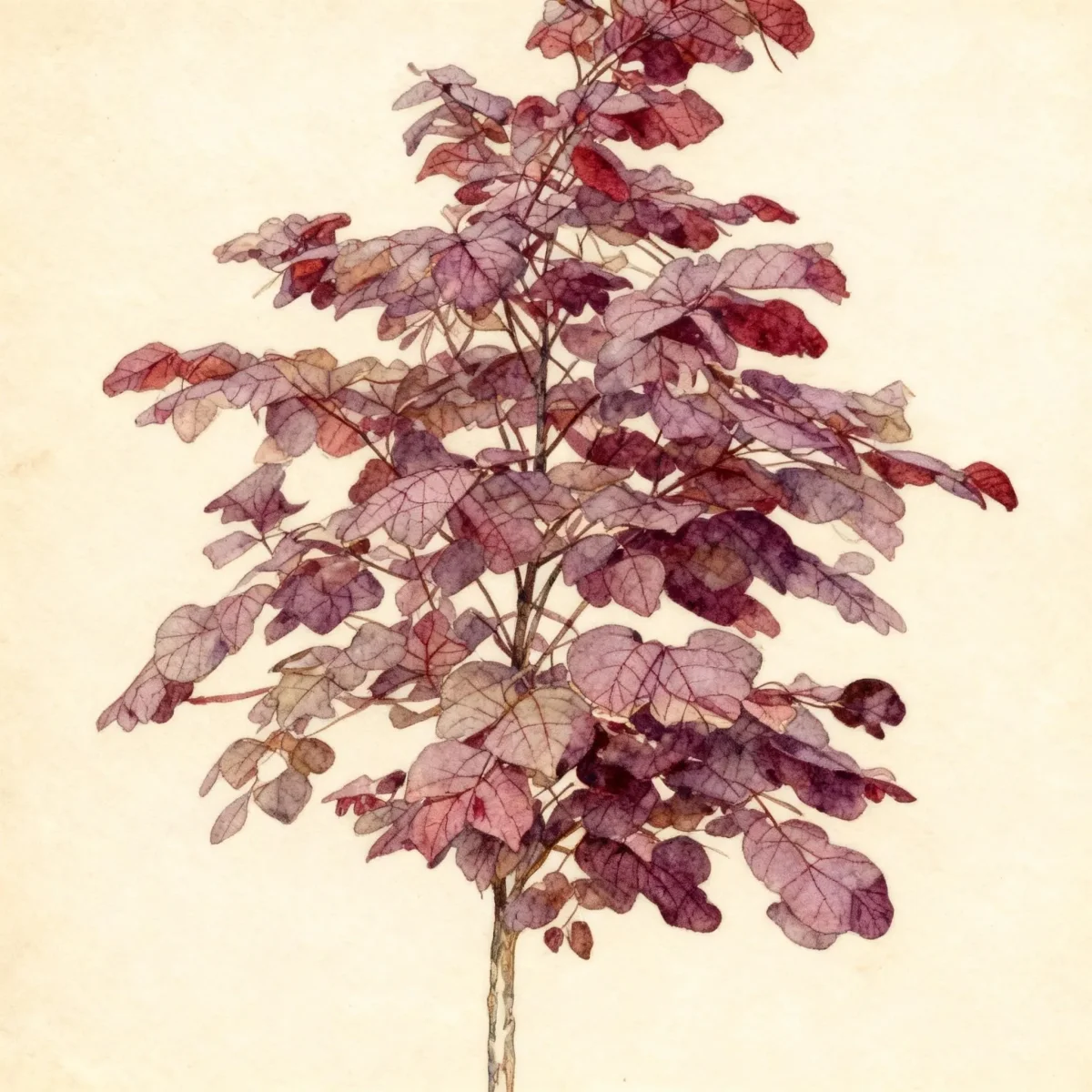
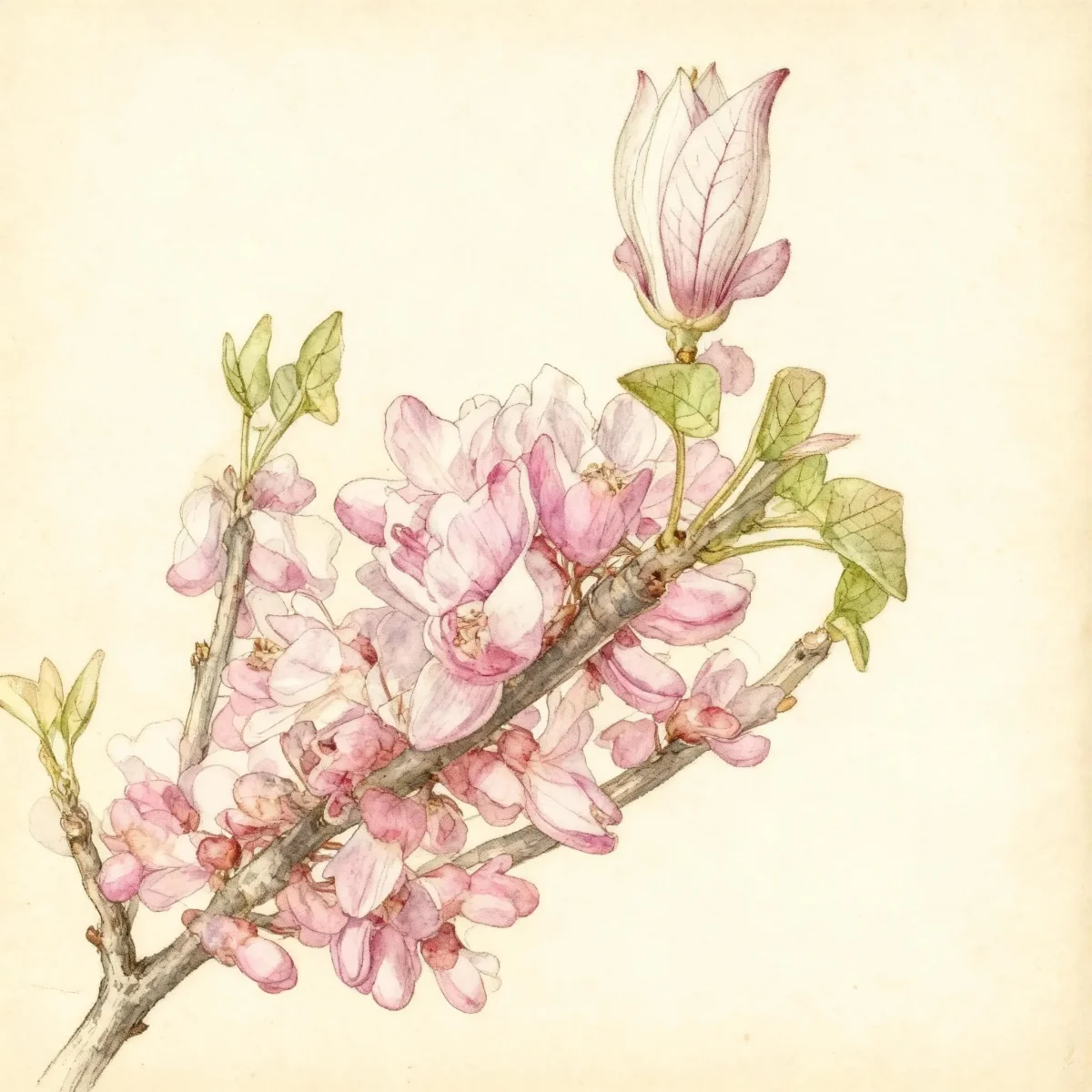
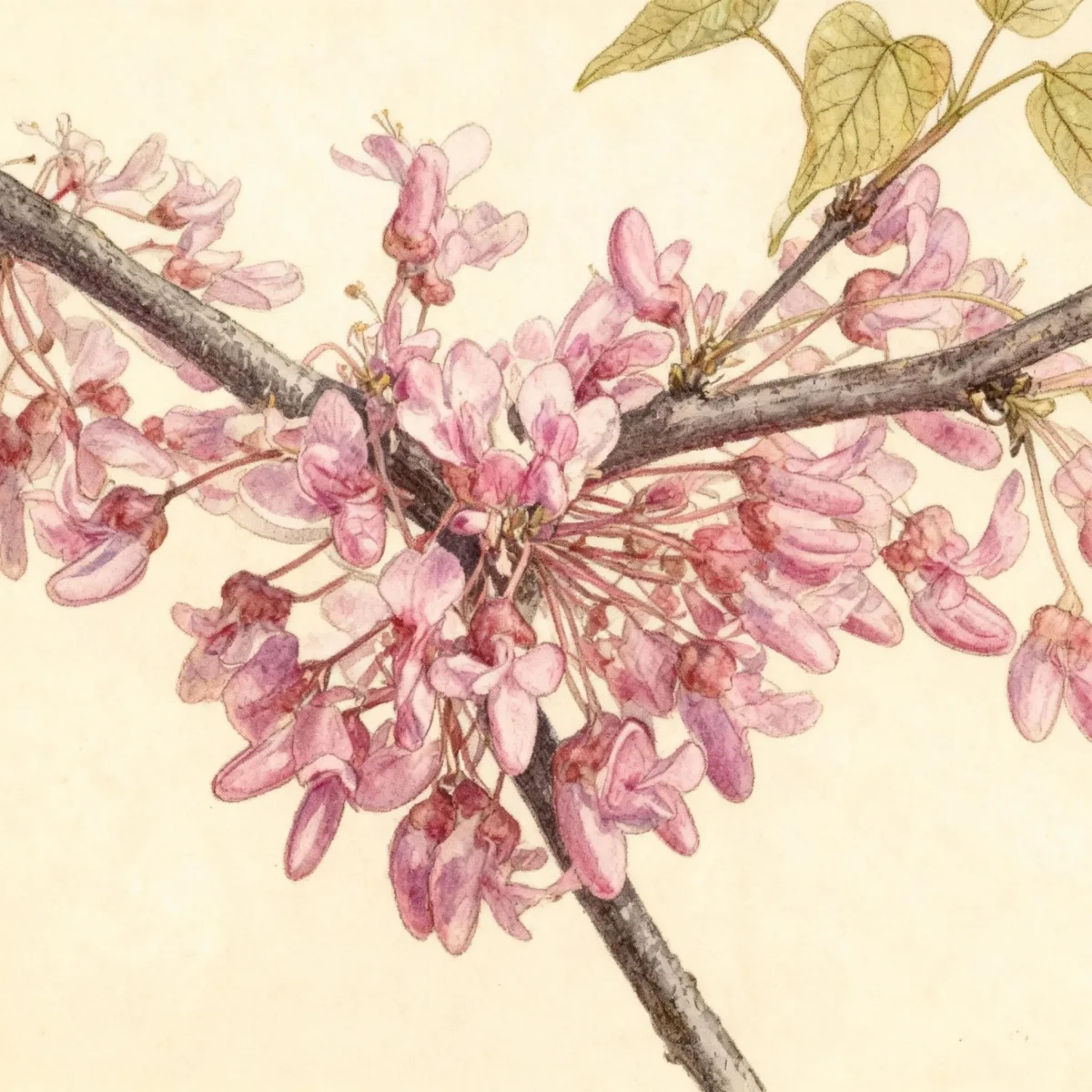
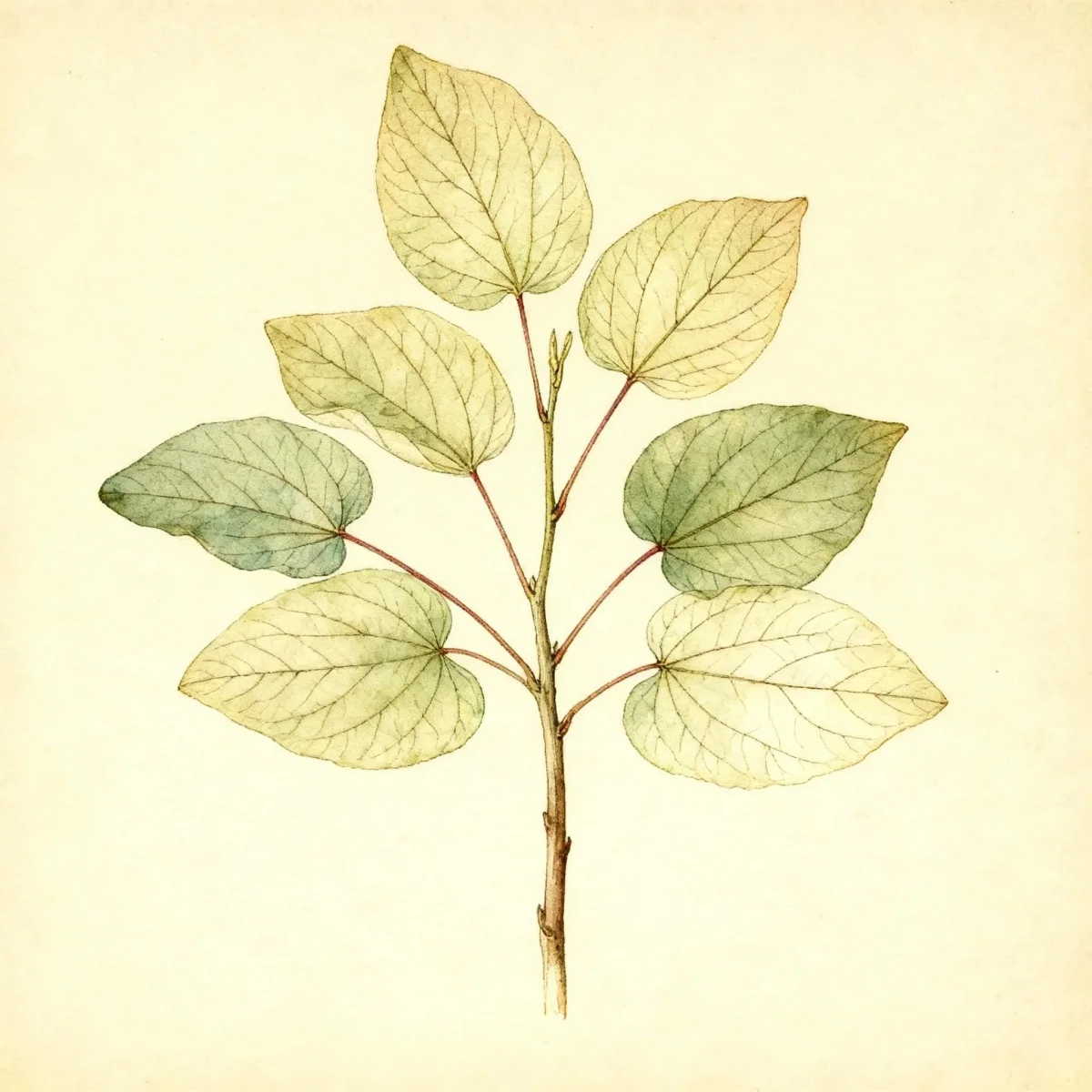
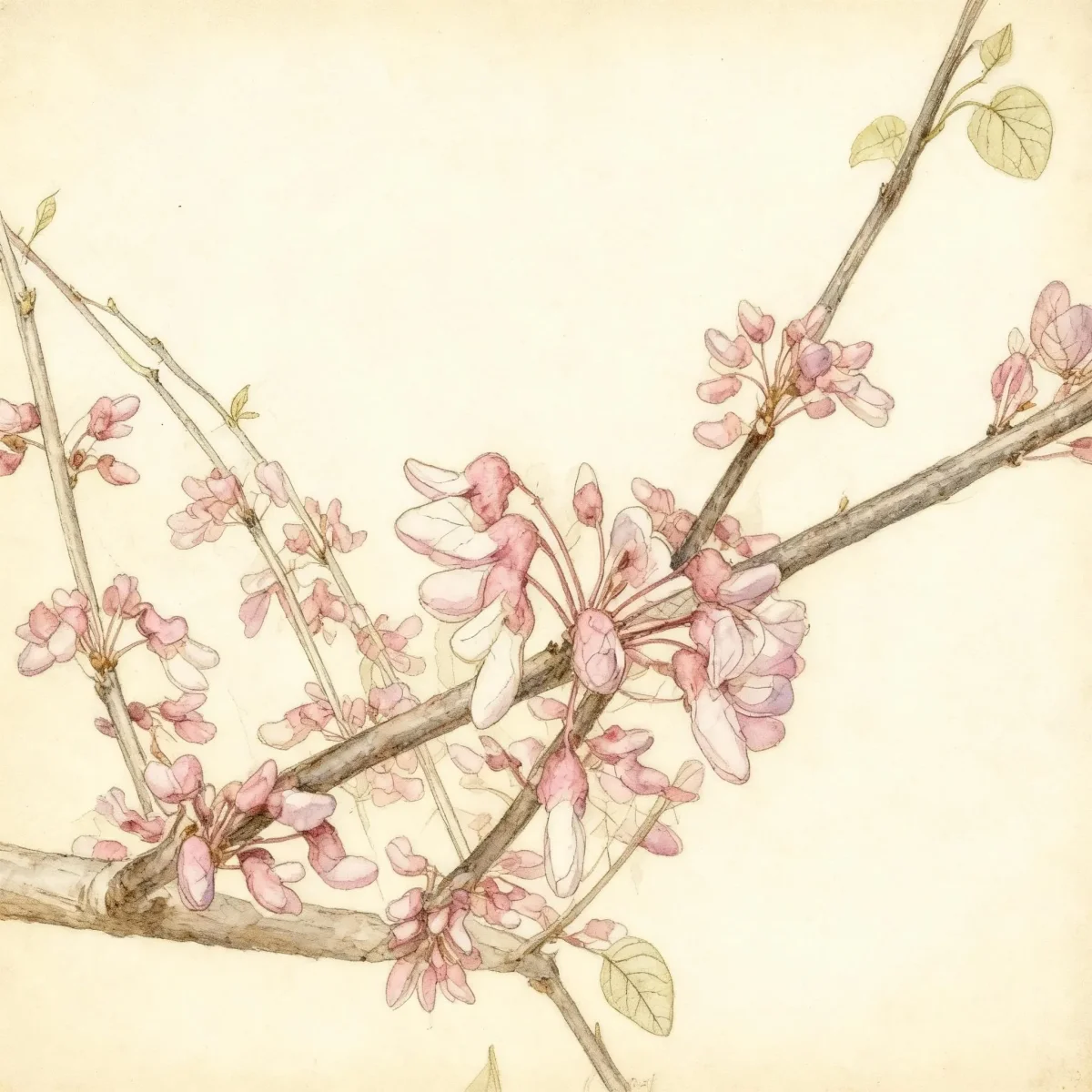
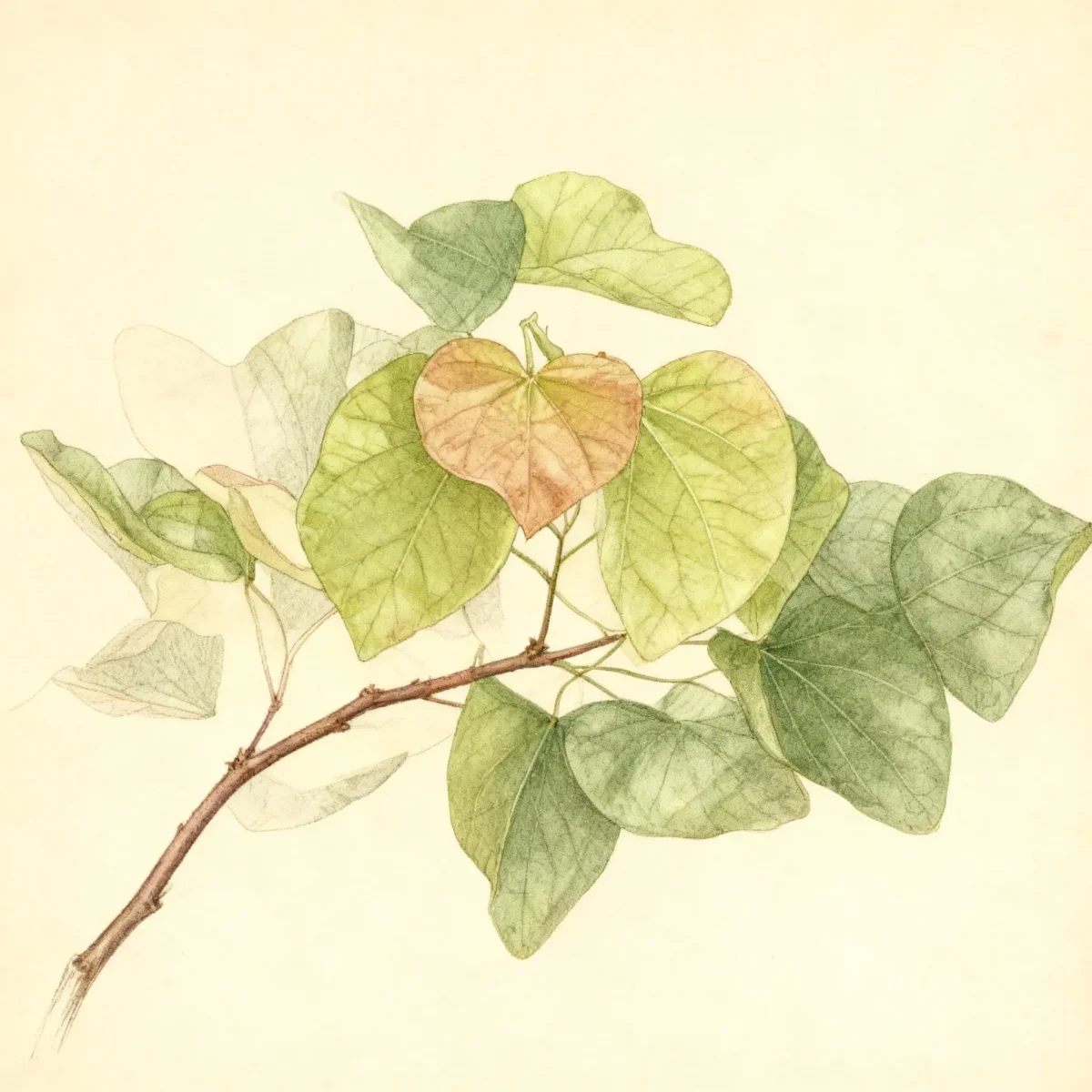
The Eastern redbud, specifically the striking cultivar Cercis canadensis ‘JN2’ THE RISING SUN, provides exceptional early season interest for any landscape. This variety is prized for its unique foliage which emerges a deep golden orange, transitioning through shades of gold and yellow to a speckled lime green as summer progresses, offering continuous color until fall. Like the standard Eastern redbud, this cultivar bursts forth with abundant, rosy-pink, pea-like flowers along its bare branches in early spring.
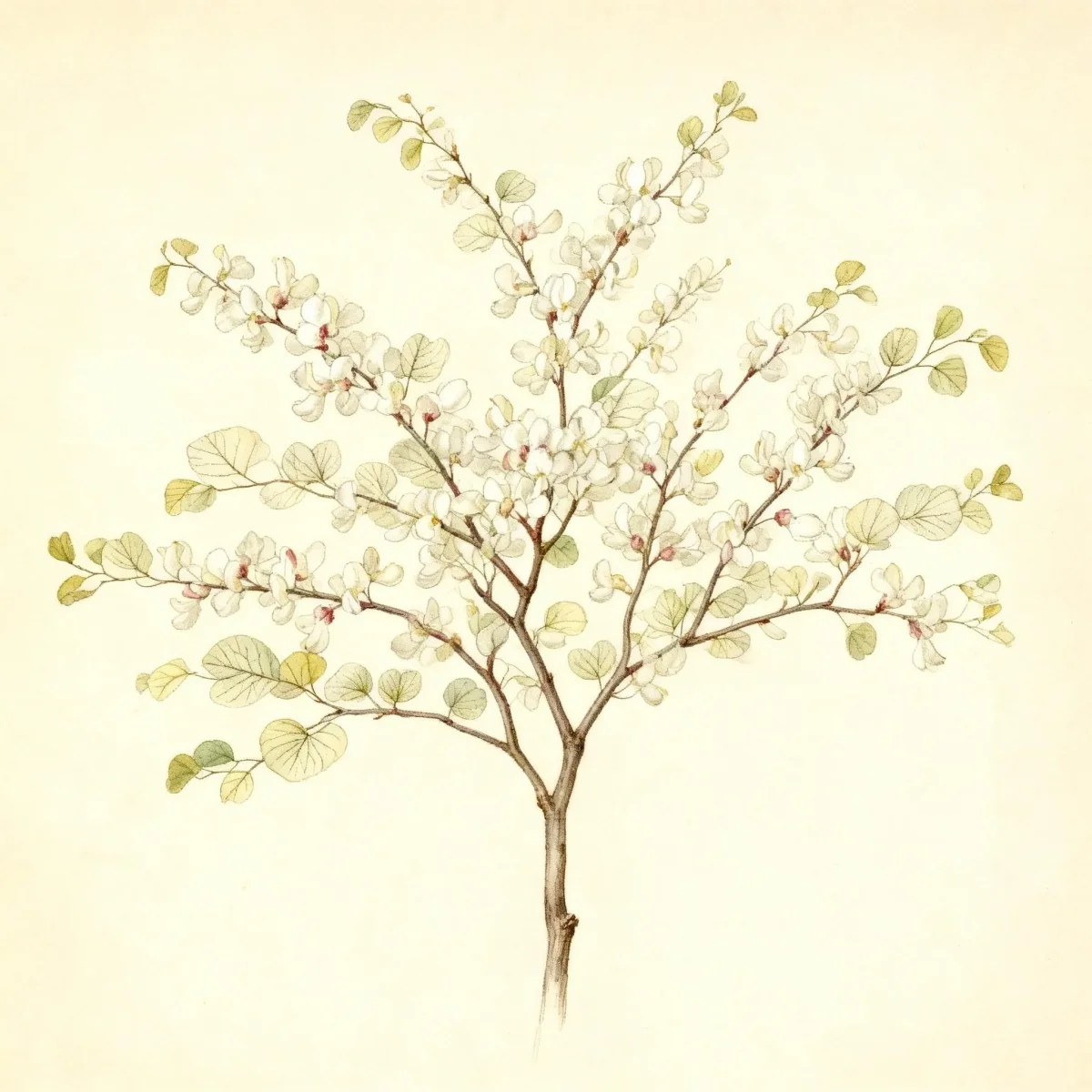
This deciduous tree is celebrated for its relatively compact size and low maintenance needs, making it an excellent structural addition to smaller yards or formalized settings. Native to eastern North America, Cercis canadensis ‘JN2’ THE RISING SUN brings vibrant color and ecological value, providing nectar for early pollinators. Gardeners appreciate its resilience and the stunning contrast between its spring blooms and unique, evolving leaf colors.
Fast Facts
- Plant Family: Fabaceae
- Plant Type: Tree
- Hardiness Zones: USDA Zones 4-8
- Size at Maturity:
- Height: 8-12 ft
- Spread: 8-12 ft
- Bloom Time: April
- Bloom Description: Rosy pink
- Sun Exposure: Full sun to part shade
- Water Needs: Medium
- Maintenance Level: Low
How to Grow
Plant Cercis canadensis ‘JN2’ THE RISING SUN in the cooler seasons—late fall or early spring—to allow the root system to establish before summer heat arrives. Choose a location receiving full sun to part shade; more sun generally encourages better bloom production and deeper foliage color, though protection from scorching afternoon sun is beneficial in the hottest climates. This Eastern redbud cultivar is adaptable and handles various soil types, notably tolerating clay soil, provided there is reasonable drainage.
Water newly planted trees consistently through their first two growing seasons to ensure establishment. Once established, this redbud requires medium water needs, tolerating brief periods of drought well, especially if it is reputedly heat tolerant. Minimal pruning is usually necessary, focusing only on removing dead or crossing branches to maintain the desired multi-trunked, rounded crown shape.
This low-maintenance tree benefits from general seasonal care rather than intensive intervention. Fertilize sparingly, if at all, as excessive feeding can reduce flowering. Inspect foliage during summer for potential insect issues, ensuring the tree remains vigorous to naturally suppress secondary problems like canker or leaf spots.
Landscape Uses
The compact nature of Cercis canadensis ‘JN2’ THE RISING SUN makes it highly versatile. It excels as a specimen plant where its colorful spring flowers and unique golden foliage can be fully appreciated throughout the year. It functions beautifully as a flowering tree along patios or walkways where its moderate height won’t overwhelm the space.
Consider planting this striking Eastern redbud near darker evergreens or deep green deciduous plants to maximize the visual impact of its yellow and orange foliage. If you seek year-round interest, plant it adjacent to shrubs with strong winter structure. Furthermore, the tree’s flowers are excellent for forcing indoors early in the season, adding sophisticated color to interior arrangements.
This cultivar is also suitable for lawns, woodland margins, or as an accent in shrub borders. Its structure and early blooms make it an attractive addition to naturalized settings, offering structure before taller deciduous trees leaf out.
Standout Features
Flower Qualities
- Showy
- Good Cut
Noteworthy Characteristics
Cercis canadensis, commonly called eastern redbud, is a deciduous, often multi-trunked understory tree with a rounded crown that typically matures to 20-30’ tall with a slightly larger spread. It is particularly noted for its stunning pea-like rose-purple flowers which bloom profusely on bare branches in early spring (March-April) before the foliage emerges. The cultivar ‘JN2’, sold under the trade name of THE RISING SUN™, was chosen for its heart-shaped foliage that emerges deep golden orange and matures through shades of orange, gold and yellow to a speckled lime green, with new leaves appearing continually through the summer.
Tolerances
- Deer
- Clay Soil
- Black Walnut
Potential Problems
Canker disease can be a significant issue for redbuds, but the primary defense is maintaining tree vigor through proper cultural care. Minimize stress by ensuring consistent watering, particularly during dry spells, and avoid wounding the bark during maintenance activities. Other potential issues include Verticillium wilt, dieback, and various leaf spots or mildews.
Insect pests like Japanese beetles, leaf hoppers, and scale can occasionally bother the Eastern redbud. If pests are present, address them promptly. Remember that birds utilize the foliage and buds for food, so management treatments should be approached cautiously, prioritizing cultural health which helps the tree manage minor infestations independently.
Frequently Asked Questions
What hardiness zones is Eastern redbud suitable for?
The Eastern redbud ‘JN2’ THE RISING SUN is suitable for USDA Hardiness Zones 4 through 8.
How large does Cercis canadensis ‘JN2’ THE RISING SUN grow?
At maturity, this cultivar typically reaches a height between 8 to 12 feet tall, with a corresponding spread between 8 to 12 feet wide.
What sun exposure does Cercis canadensis ‘JN2’ THE RISING SUN need?
For best performance, this variety thrives in conditions ranging from full sun to part shade.
When does Eastern redbud bloom?
This tree blooms profusely in April, displaying abundant pea-like flowers described as rosy pink, appearing before the leaves emerge.
Conclusion
The Cercis canadensis ‘JN2’ THE RISING SUN is an outstanding choice for gardeners seeking early spring flowers combined with year-round foliage color interest. This Eastern redbud cultivar offers low maintenance alongside high visual impact, establishing itself as a reliable specimen or accent tree. Before planting, verify your location falls within USDA Zones 4-8 and ensure it receives adequate light to showcase its celebrated golden foliage.
Wildlife Benefits
The early spring bloom of Cercis canadensis ‘JN2’ THE RISING SUN is crucial as it provides an immediate nectar source for awakening hummingbirds and other beneficial insects when few other plants are flowering. This early food source supports the local ecosystem right at the beginning of the growing season.
As the season progresses, the tree continues to offer ecological support. Caterpillars and various insects that feed on the redbud foliage become a vital food source for songbirds raising their young. The tree’s seeds and even its flowerbuds are consumed by various songbirds, making it an active contributor to backyard wildlife support throughout the year.
Companion Planting
Because this Eastern redbud prefers medium water and tolerates clay soil, companion plants should share similar cultural requirements. Consider pairing it underneath with shade-tolerant perennials that thrive in dappled light during the afternoon, such as Hosta or Heuchera.
To further contrast its bright spring blooms and foliage, plant low-growing groundcovers with dark green or deep purple foliage beneath the canopy. This contrast highlights the rosy pink flowers and enhances the golden glow of the leaves on Cercis canadensis ‘JN2’ THE RISING SUN. Avoid aggressive spreaders that might compete too heavily for water resources.