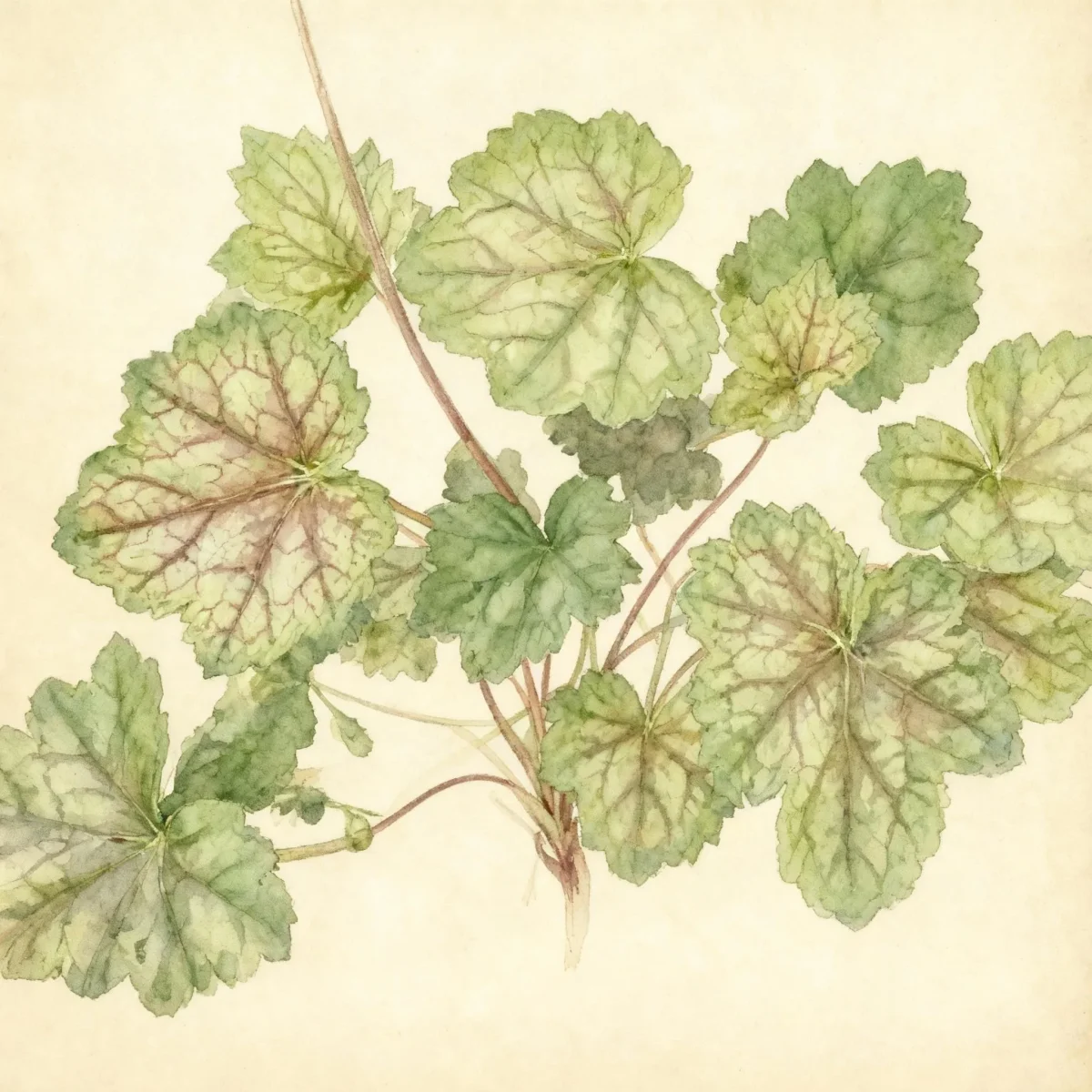
Coral bells (Heuchera 'Lime Marmalade')
Heuchera 'Lime Marmalade' coral bells offer ruffled, vibrant lime green foliage. A medium-maintenance perennial for zones 4-8.
Scroll down to discover growing tips, care requirements, companion plants, and more
Complete Plant Information
Overview
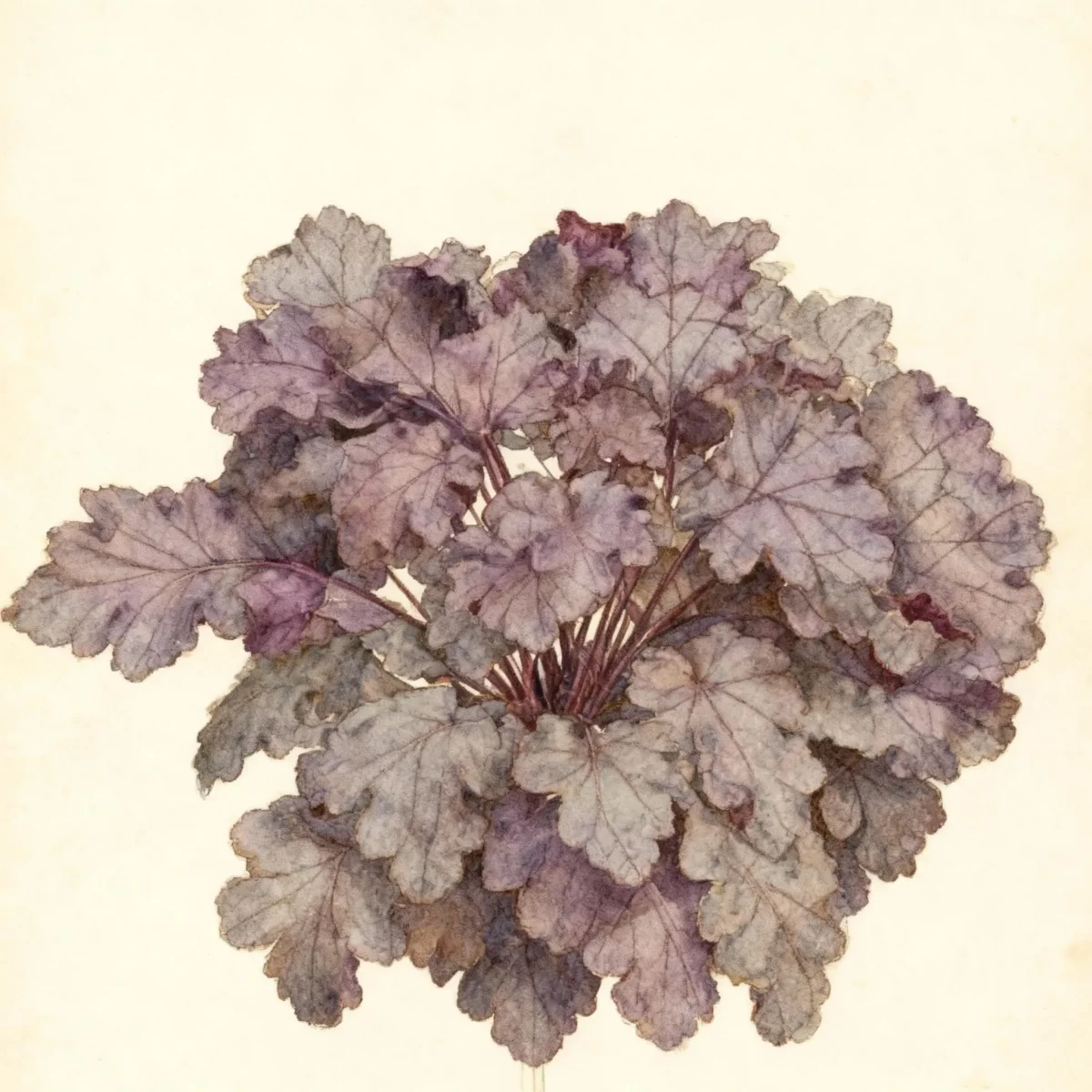
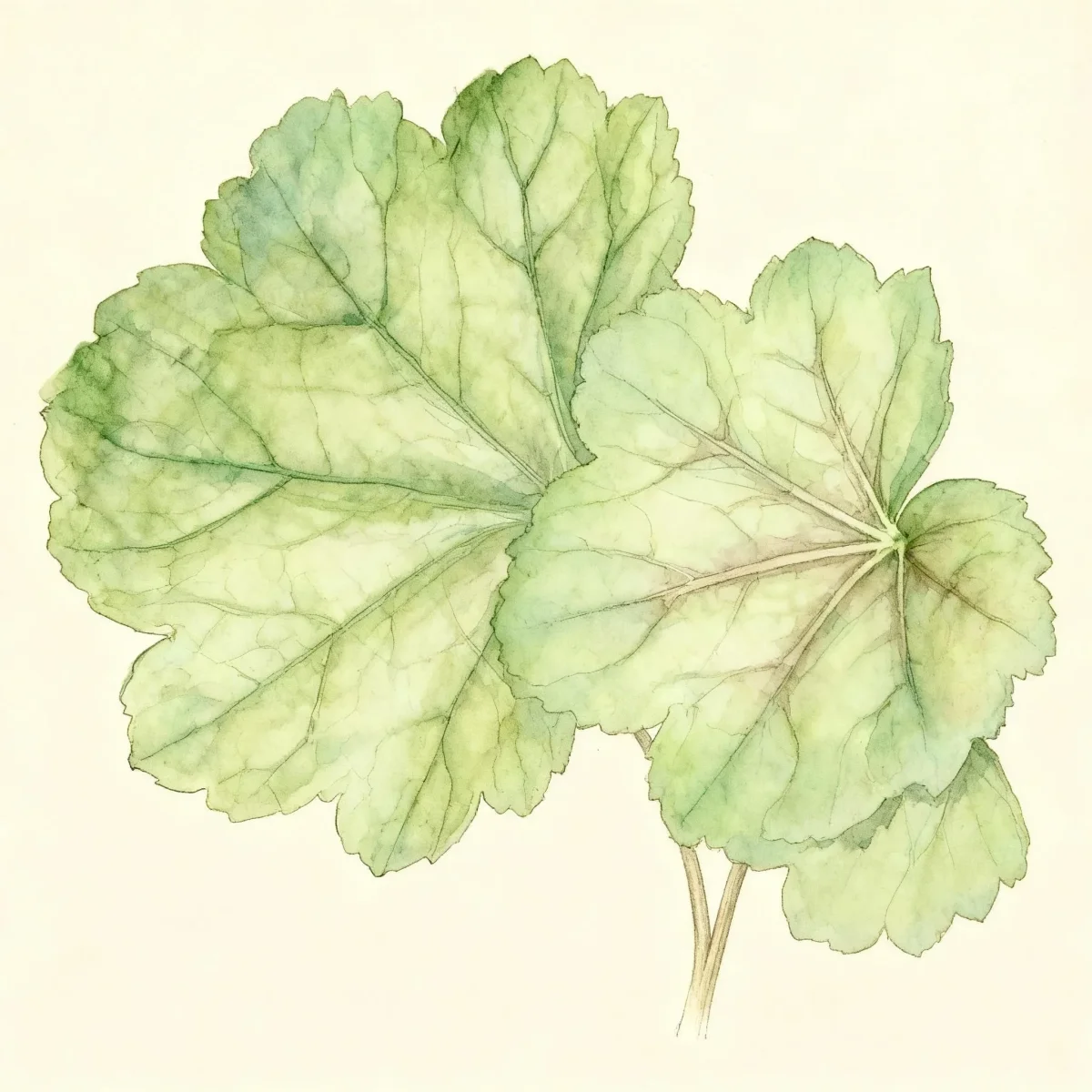
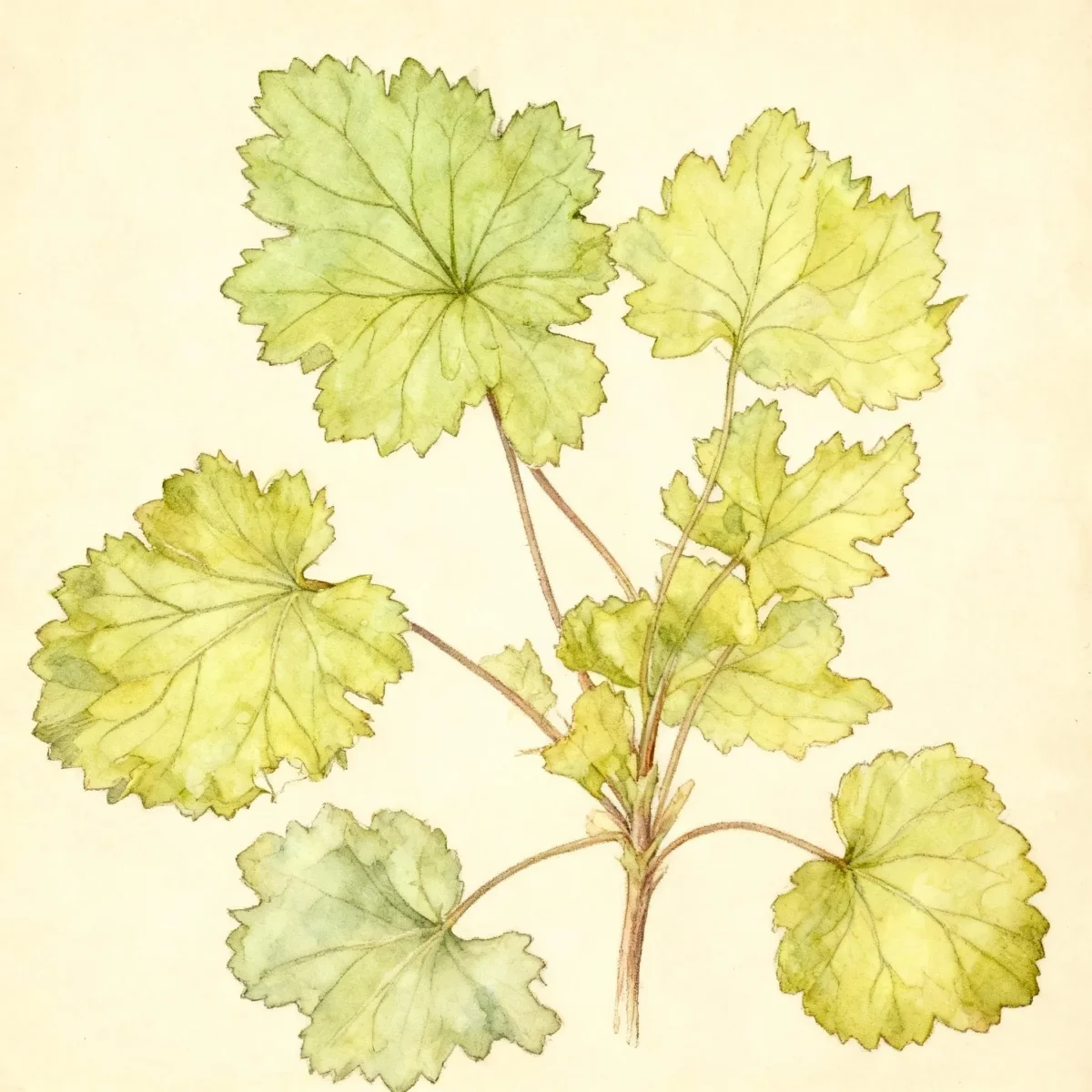
Heuchera ‘Lime Marmalade’, a standout cultivar among the versatile coral bells, is primarily celebrated for its spectacular, ruffled foliage that shines a brilliant lime green throughout the season. This hybrid brings essential contrast to shady borders, making it a prized selection for gardeners seeking vibrant color where other plants struggle. As an evergreen to semi-evergreen herbaceous perennial, it offers reliable structure and year-round interest in many climates.
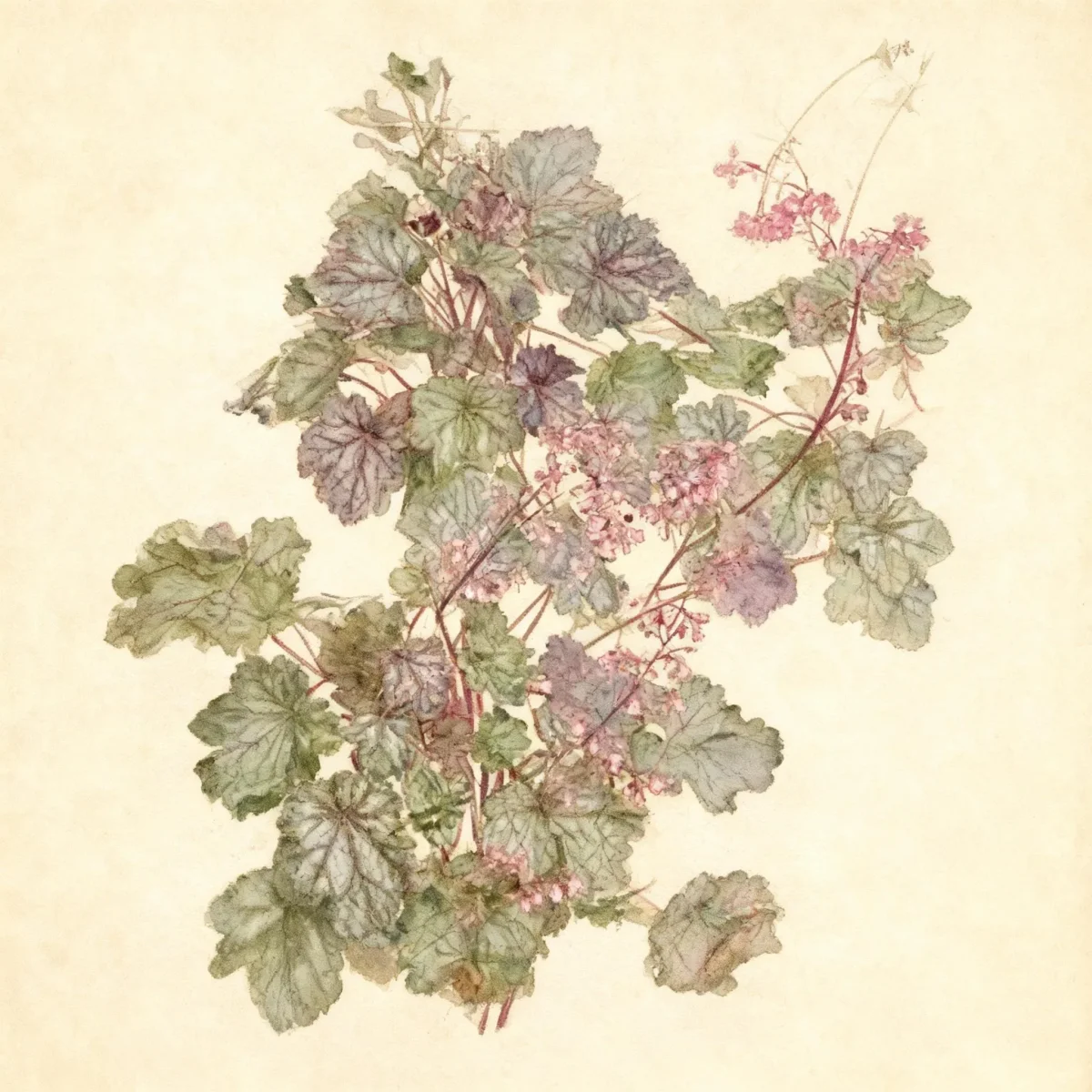
This cultivar is a clump-forming perennial known for its manageable size, typically forming a mound of color perfect for edging or foreground planting. While it does produce airy sprays of small flowers in late spring to early summer, the main draw remains the enduring leaf color of Heuchera ‘Lime Marmalade’. Proper placement ensures the best color retention and plant health.
The genus, commonly known as alumroot, provides gardeners with remarkable adaptability, though specific cultural needs vary based on parentage. For Heuchera ‘Lime Marmalade’, achieving optimal performance involves balancing consistent moisture with excellent drainage, making it a centerpiece for shaded mixed plantings across USDA zones 4 through 8.
Fast Facts
- Plant Family: Saxifragaceae
- Plant Type: Herbaceous perennial
- Hardiness Zones: USDA Zones 4-8
- Size at Maturity:
- Height: 0.75-1.5 ft
- Spread: 1-1.5 ft
- Bloom Time: May to July
- Sun Exposure: Full sun to part shade
- Water Needs: Medium
- Maintenance Level: Medium
How to Grow
Coral bells thrive when planted in locations that receive organically rich, humusy soil, maintaining medium moisture levels while ensuring excellent drainage. While some afternoon shade is beneficial, especially in hotter southern regions, Heuchera ‘Lime Marmalade’ can tolerate full sun, particularly in cooler northern zones, provided moisture is kept consistent to prevent leaf scorch. Plant new specimens during appropriate seasons, utilizing the spring division method if propagating existing clumps.
Watering requirements are medium; avoid letting the soil dry out completely. Consistent moisture is critical if your specimen is positioned in a sunnier spot, as dryness leads quickly to foliage decline. Maintenance involves the simple aesthetic task of removing the spent flower stems to encourage any additional late-season bloom, though the foliage is the primary feature.
For winter protection in colder climates, apply a winter compost mulch only after the ground has frozen solid; this prevents damaging root heaving caused by freeze-thaw cycles. Since the foliage is semi-evergreen, its winter appearance depends heavily on the severity of the cold. Plan to divide established clumps of Heuchera ‘Lime Marmalade’ every three to four years in the spring to maintain vigor.
Landscape Uses
Heuchera ‘Lime Marmalade’ is exceptionally versatile, serving beautifully as a standalone accent or massed together for high-impact color blocking. Its mounded habit and bright foliage make it effective as a tidy edger along pathways or the front of a mixed border where its chartreuse leaves can contrast beautifully with darker companions. This plant excels in rock gardens, taking advantage of their generally well-drained conditions, and thrives in the dappled light of open woodland gardens.
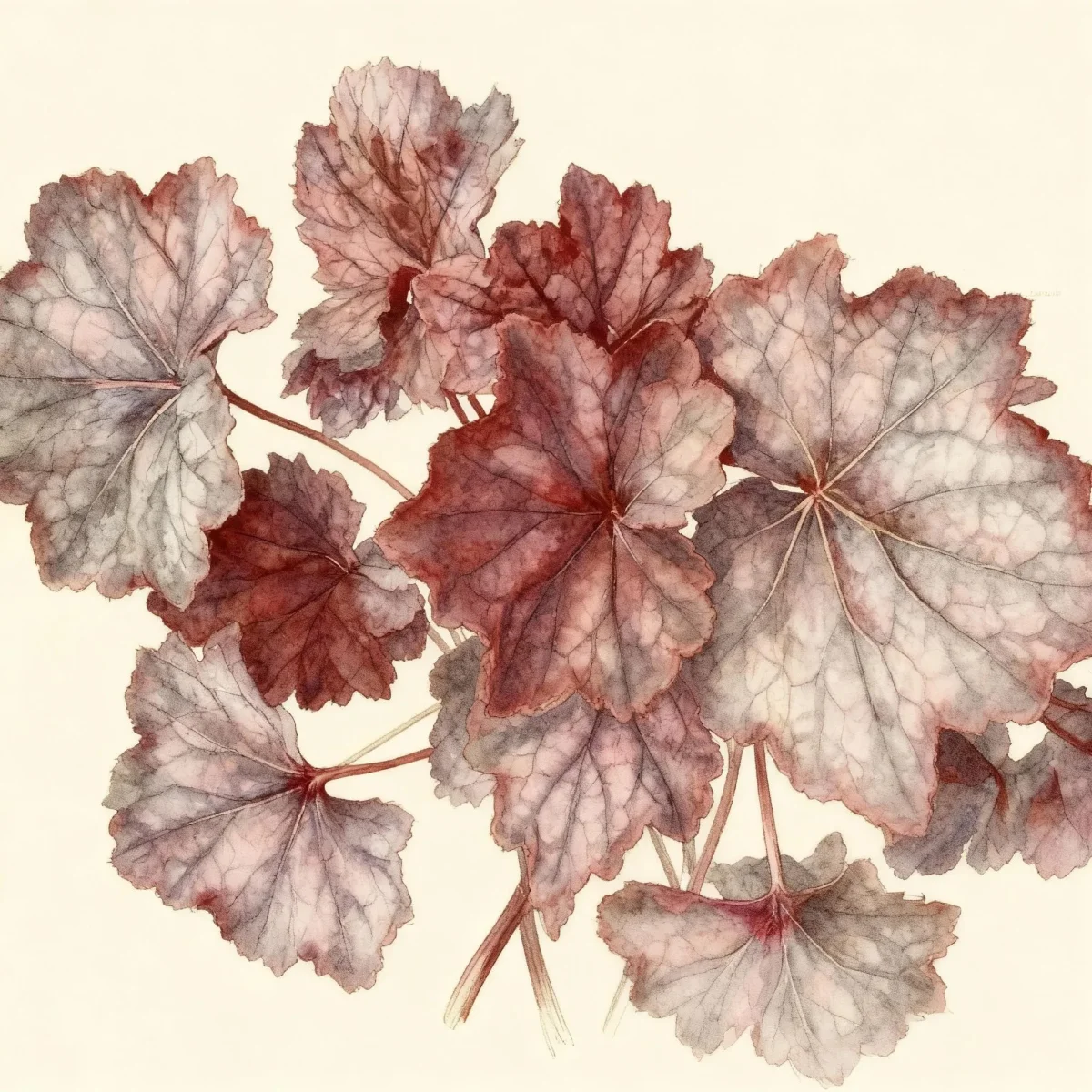
When designing, consider pairing the brilliant lime green of Heuchera ‘Lime Marmalade’ with deep purple foliage plants like dark Heuchera varieties, black Mondo grass, or deep-hued Hostas. This juxtaposition showcases the ruffled texture and glowing color, creating depth in partially shaded areas. Its smaller size also makes it an excellent subject for container groupings, adding a permanent, textural element.
Standout Features
Flower Qualities
- Showy
Noteworthy Characteristics
Heuchera, commonly called coral bells or alumroot, is a genus comprising about 55 species of evergreen to semi-evergreen herbaceous perennials native to North America, found in habitats ranging from woodlands to rocky cliffs. Hybrid plants, like Heuchera ‘Lime Marmalade’, showcase an expanded palette of leaf colors including greens, purples, bronzes, and yellows, often featuring variegated patterns or bold contrasting veins. ‘Lime Marmalade’ specifically, noted for its ruffled lime green leaves, originated as a sport from ‘Marmalade’ and forms a striking basal mound, often reaching 8-10” tall before its airy flowers rise up to 16” above.
Tolerances
No specific tolerance data was provided for this cultivar.
Potential Problems
A primary concern for all coral bells, including Heuchera ‘Lime Marmalade’, is frost heaving, which occurs when repeated winter temperature fluctuations cause the root crown to push out of the soil. To mitigate this, ensure a protective layer of compost mulch is applied after the soil freezes hard. Look out for potential disease issues such as powdery mildew, rust, and bacterial leaf spot, which are often exacerbated by poor air circulation or overly wet, humid conditions. Insect threats typically include weevils and foliar nematodes; scouting the leaves regularly will aid in early detection and management.
Frequently Asked Questions
What hardiness zones is Coral bells suitable for?
Heuchera ‘Lime Marmalade’ is reliably hardy in USDA Zones 4 through 8.
How large does Coral bells grow?
This variety typically reaches a height between 0.75 to 1.5 feet and spreads between 1 to 1.5 feet wide.
What sun exposure does Heuchera ‘Lime Marmalade’ need?
It is perfectly suited for locations receiving full sun to part shade, though extra afternoon shade is recommended in the hottest climates.
When does Coral bells bloom?
The airy flowers of this coral bells hybrid emerge primarily from May to July.
Conclusion
The Heuchera ‘Lime Marmalade’ offers unparalleled energy to the garden landscape through its brilliantly ruffled, persistent lime foliage, distinguishing it immediately from standard green perennials. Whether used as a textured border accent or massed for continuous color, this coral bells hybrid remains a vital component for shaded and partially sunny areas. Before planting, confirm your site conditions align with its medium light needs and plan for regular division every few years to maintain its robust form.
Companion Planting
When selecting neighbors for Heuchera ‘Lime Marmalade’, focus on plants that complement its luminous chartreuse coloring while sharing similar cultural requirements for humus-rich, medium-moisture soil. Darkly colored foliage plants create outstanding visual drama right alongside the vibrant leaves of this coral bells cultivar. Good companions include varieties of Brunnera with dark green or silver-splashed leaves, or deep purple Ajuga reptans, which spreads nicely as a groundcover nearby.
For textural contrast, consider pairing the fine texture of Heuchera ‘Lime Marmalade’ with the bold, broad leaves of Hostas that prefer partial shade, perhaps those with blue or dark green hues. Spring ephemeral bulbs like Daffodils or Snowdrops can provide early interest, fading gracefully as the mounding foliage of the Heuchera matures and takes over the color display through summer and fall.
Propagation Tips
The primary and most effective method for propagating Heuchera ‘Lime Marmalade’ is through division of mature clumps. This practice should ideally be performed in the spring, as the plant breaks dormancy, or in early fall before the stress of winter sets in. Gently lift the entire clump from the soil, taking care not to damage the roots excessively.
Use a sharp spade or knife to divide the root mass into sections, ensuring each new division has a healthy crown and several established roots. Replant these divisions immediately into prepared, well-draining soil at the same depth they were previously growing. Consistent watering following division will help the newly separated coral bells establish quickly in their new home.