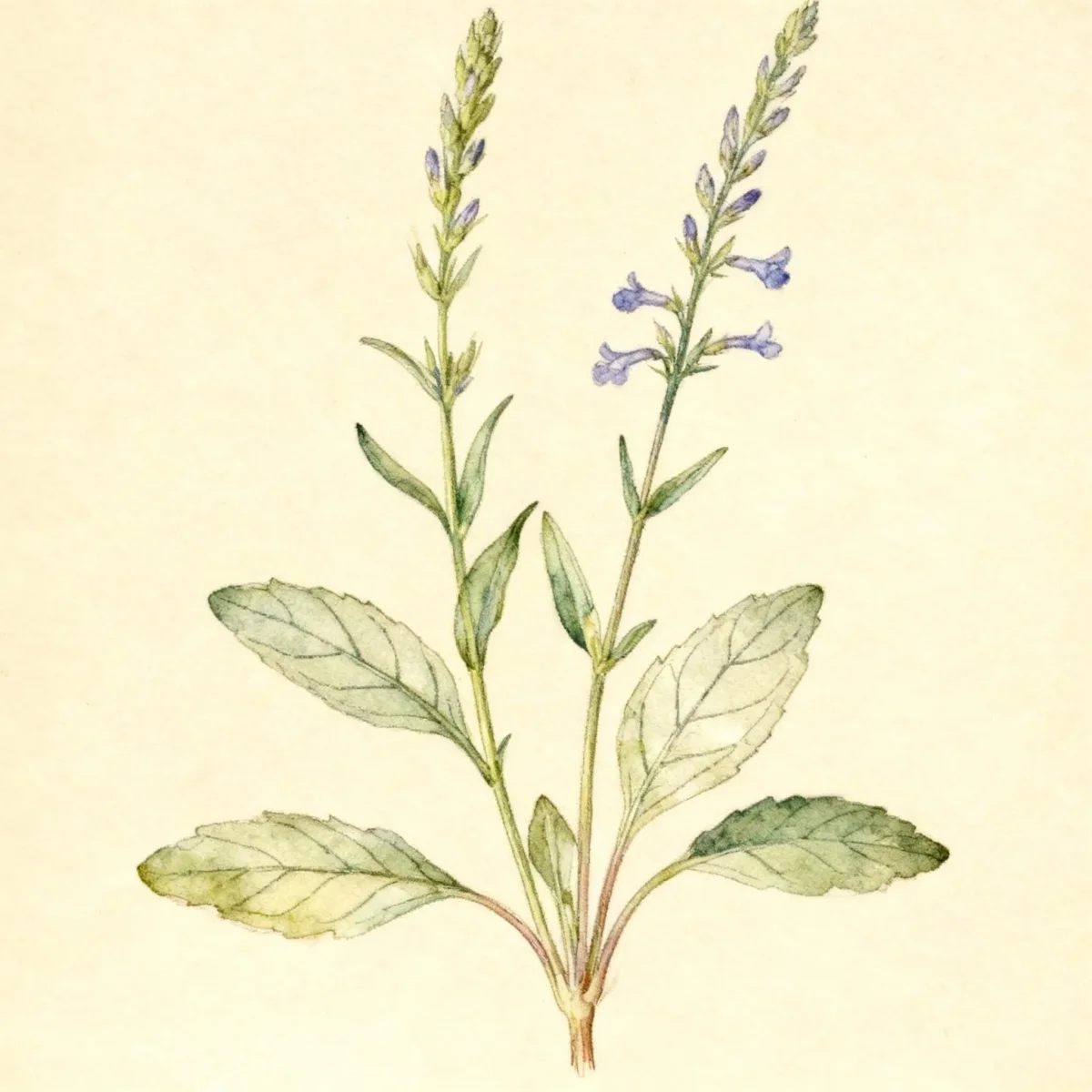
Saw-leaved speedwell (Veronica austriaca subsp. teucrium 'Royal Blue')
Veronica austriaca subsp. teucrium 'Royal Blue' offers dense, deep blue flowers. This low-maintenance Saw-leaved speedwell thrives in zones 4-8.
Scroll down to discover growing tips, care requirements, companion plants, and more
Complete Plant Information
Overview
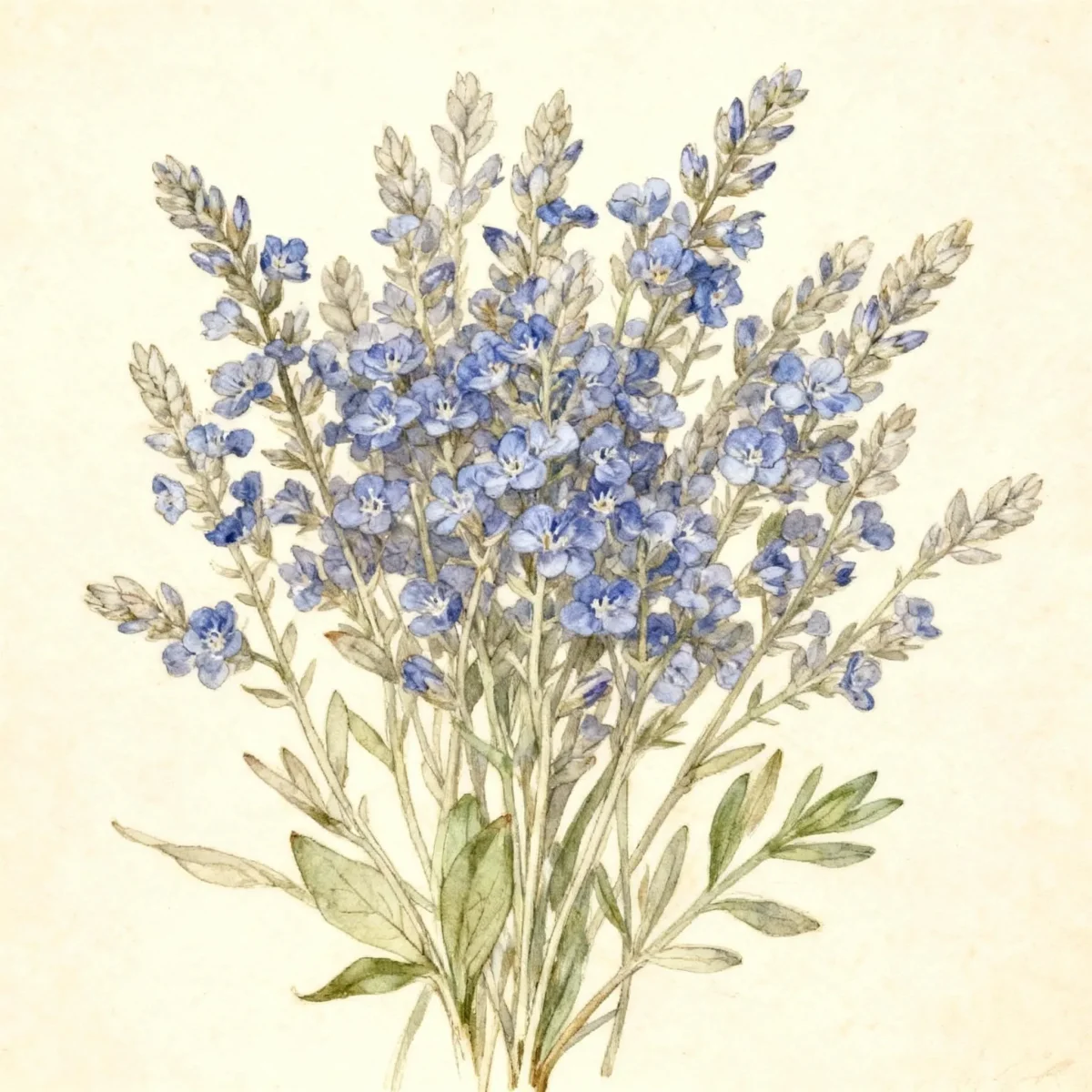
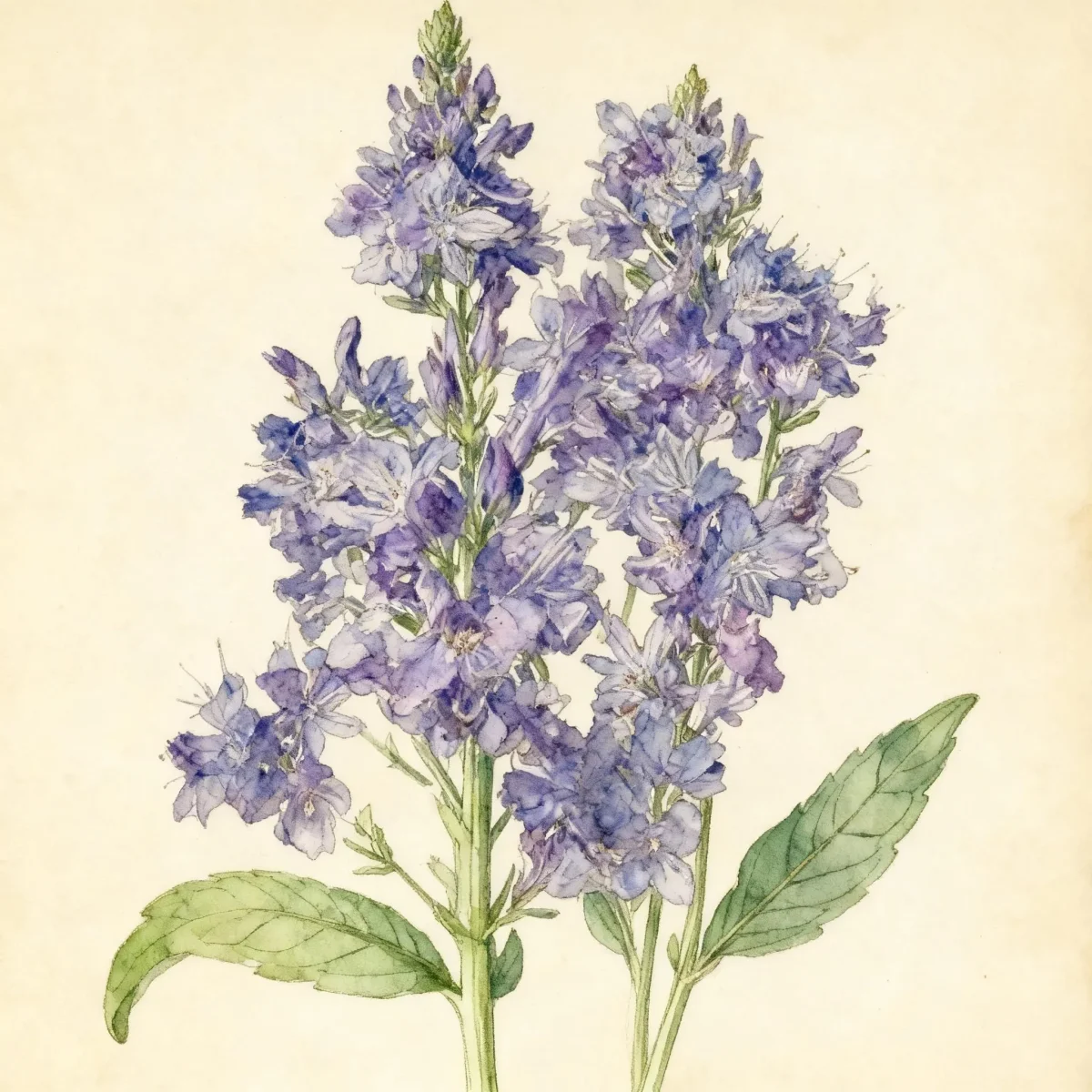
Veronica austriaca subsp. teucrium ‘Royal Blue’, commonly known as Saw-leaved speedwell, is a stellar choice for adding rich, cool blue color to the late spring garden. This compact, mound-forming perennial provides a visually striking display with its dense racemes of deep blue blossoms covering the foliage. It is valued by gardeners for its relatively low maintenance requirements and strong performance when situated correctly.
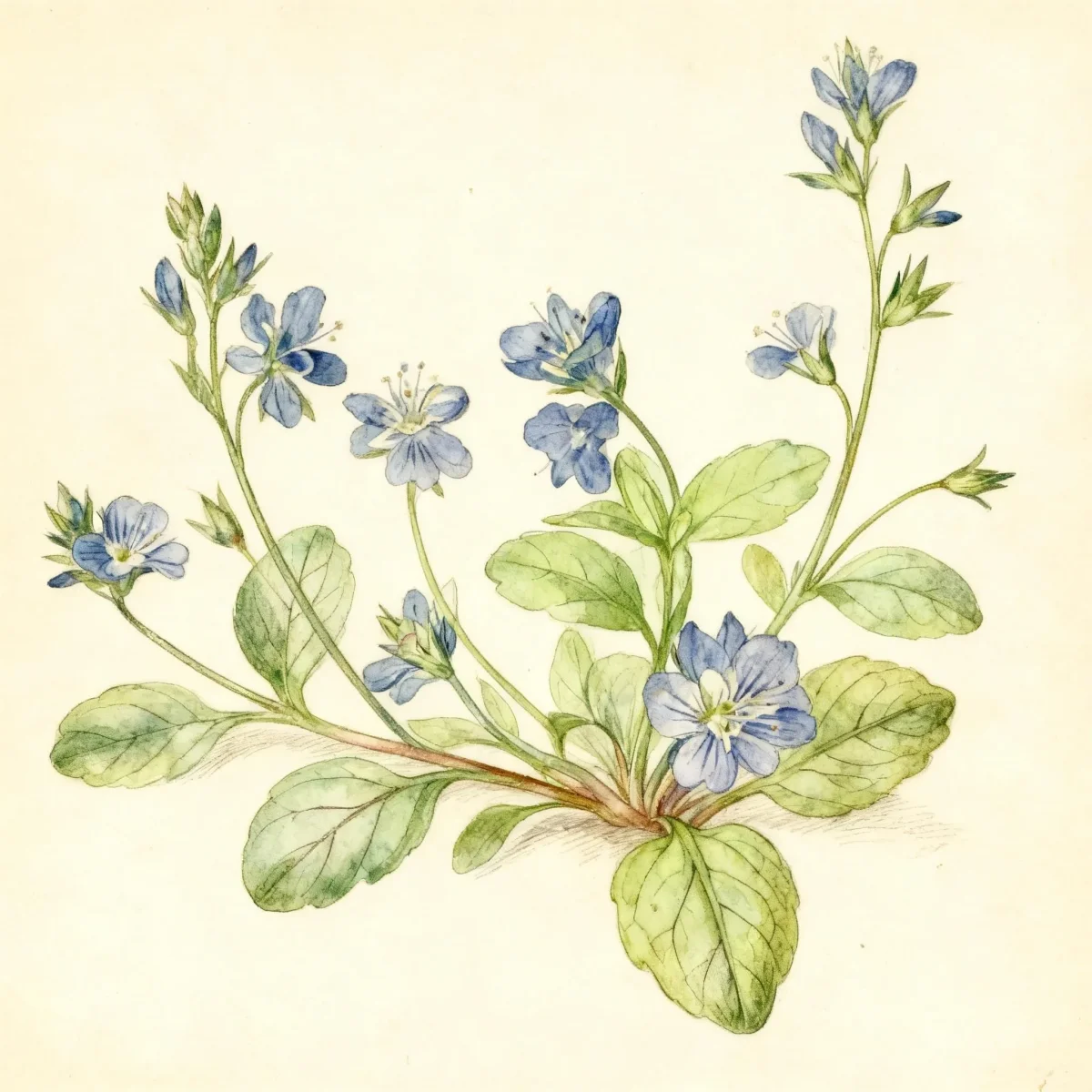
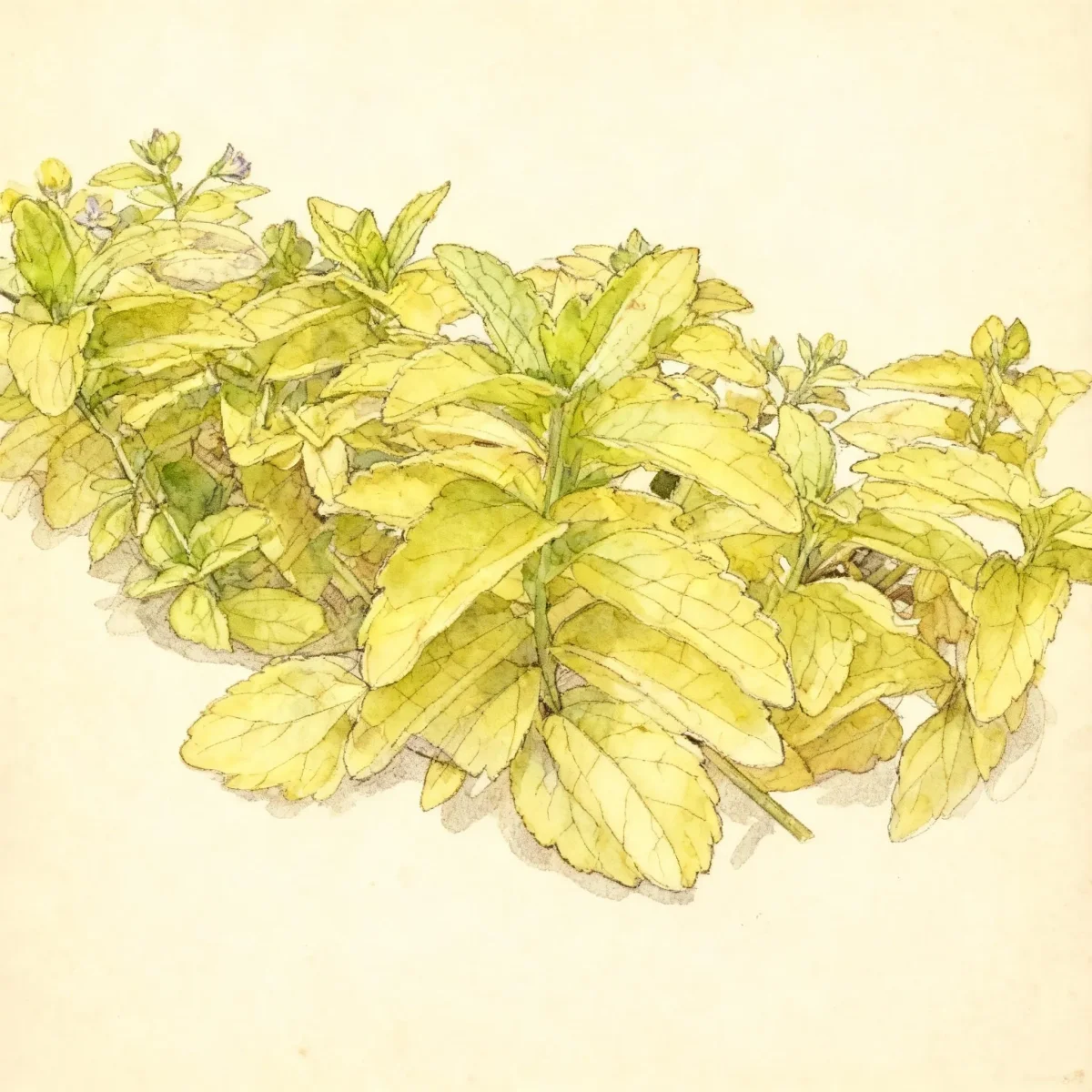
As an herbaceous perennial, the Saw-leaved speedwell establishes dependable clumps perfect for softening border edges or adding texture to rock gardens. Veronica austriaca subsp. Teucrium ‘Royal Blue’ is native to the regions encompassing Austria, giving it robust constitution for temperate climates in USDA Zones 4 through 8. Its upright stems ultimately sprawl slightly, creating a pleasingly informal silhouette contrasted sharply by the toothed, dark green leaves.
The key benefits of incorporating Veronica austriaca subsp. teucrium ‘Royal Blue’ lie in its reliable bloom and adaptability. Growing between one and one-and-a-half feet tall, it offers vibrant color precisely when many spring flowers are fading. This plant offers excellent visual impact with minimal intrusion, securing its place as a foundational element in many diverse garden designs.
Fast Facts
- Plant Family: Plantaginaceae
- Plant Type: Herbaceous perennial
- Hardiness Zones: USDA Zones 4-8
- Size at Maturity:
- Height: 1-1.5 ft
- Spread: 1-1.5 ft
- Bloom Time: May to June
- Bloom Description: Blue
- Sun Exposure: Full sun to part shade
- Water Needs: Medium
- Maintenance Level: Low
How to Grow
Achieving success with Veronica austriaca subsp. teucrium ‘Royal Blue’ centers on drainage. Plant this Saw-leaved speedwell in established garden settings during spring or fall in average, medium-moisture, well-drained soil. Optimal location choice involves full sun exposure, though it tolerates partial shade gracefully, producing slightly cooler color saturation in the shade.
Water needs are best met by consistent, medium moisture levels; crucially, avoid letting the area become waterlogged, as poorly drained soils can quickly lead to root rot issues for this species. Fertilization is rarely necessary; overly rich soil can encourage excessive floppiness rather than sturdy blooms. Keep an eye on soil condition rather than soil amendment schedules.
A key cultural practice specific to Veronica austriaca subsp. Teucrium ‘Royal Blue’ involves post-bloom maintenance. If you trim the spent flower stems back by half immediately after the main May to June show, you serve two purposes. First, you keep the foliage compact and prevent sprawling; second, you stimulate the plant to produce a possible second flush of blooms later in the summer or fall. Failure to deadhead encourages setting seed, leading to self-seeding potential.
Propagation of this reliable perennial is straightforward through standard nursery techniques, including division, seed, or cuttings, allowing gardeners to easily expand their plantings of this striking blue variety.
Landscape Uses
The moderate stature and vibrant bloom time make Veronica austriaca subsp. teucrium ‘Royal Blue’ exceptionally versatile in landscape design. Its preference for well-drained soil and its affinity for sunshine make it a perfect candidate for rock gardens, where its rich blue spires contrast beautifully against stone textures.
Furthermore, Saw-leaved speedwell excels when positioned at the front of perennial borders. It provides superb mid-height edging that transitions nicely between lower groundcovers and taller backdrop plants. Look to pair it with silver foliage, bright yellows, or soft pinks to make the deep blue tones of Veronica austriaca subsp. teucrium ‘Royal Blue’ truly pop visually through early summer.
Standout Features
Flower Qualities
- Showy
Noteworthy Characteristics
Veronica austriaca, commonly called saw-leaved speedwell, Austrian speedwell or Hungarian speedwell, is a compact, mound-forming plant with upright to sprawling stems. It features axillary racemes of blue flowers in spring on mounding to sprawling plants clad with toothed oblong green leaves. The cultivar ‘Royal Blue’ specifically showcases short, dense racemes of tiny, deep blue flowers, typically rising 12-18 inches tall, offering intense color saturation.
Tolerances
- Rabbit
- Deer
Potential Problems
Veronica austriaca subsp. teucrium ‘Royal Blue’ generally exhibits good resistance to major pest pressure, lacking serious insect or disease issues under proper cultural conditions. However, vigilance is required against common stresses inherent to similar perennials. Watch for fungal diseases like powdery mildew or downy mildew, especially in humid conditions or if air circulation is poor.
Scale infestations are occasionally reported. More concerningly, poor soil management (sitting in overly wet conditions) can lead to root rot. Ensuring excellent drainage, as emphasized in the culture section, is the single best preventative measure. If mildew occurs, applying a targeted fungicide or improving air flow around the plant cluster can help control its spread.
Frequently Asked Questions
What hardiness zones is Saw-leaved speedwell suitable for?
Veronica austriaca subsp. teucrium ‘Royal Blue’ is highly adaptable, thriving across USDA Hardiness Zones 4 through 8, making it a reliable perennial for a wide geographical area.
How large does Saw-leaved speedwell grow?
This variety typically reaches a height of 1 to 1.5 feet and spreads to a width of 1 to 1.5 feet, forming a sturdy, mounding clump.
What sun exposure does Veronica austriaca subsp. teucrium ‘Royal Blue’ need?
For the most prolific blooming and compact habit, this plant absolutely requires full sun, although it will still perform adequately in partial shade situations.
When does Saw-leaved speedwell bloom?
The peak flowering time for this variety is from May into June, showcasing its signature vibrant blue coloration.
Conclusion
The deep, true blue of Veronica austriaca subsp. teucrium ‘Royal Blue’ secures its position as a high-value perennial staple. Its low maintenance profile, combined with decent wildlife tolerances and the potential for reblooming, makes the Saw-leaved speedwell an excellent backbone plant for borders and rockeries. Before planting, confirm your garden site offers the necessary full sun and impeccable drainage this species demands to thrive.
Companion Planting
When planning the perennial border around your Veronica austriaca subsp. teucrium ‘Royal Blue’, focus on plants that share similar sun and water requirements but provide complementary color or texture for visual contrast. Silvery-leaved foliage provides a stunning foil to the intense blue flowers; consider pairing it beside Lamb’s Ears (Stachys byzantina) or Artemisia varieties.
For color harmony, use plants that peak just before or shortly after its May to June bloom time. White or cream-colored flowers, such as those found on certain varieties of Shasta Daisies or Lady’s Mantle (Alchemilla mollis), offer a clean, bright backdrop that highlights the density of the blue racemes perfectly. Avoid placing it near aggressive spreaders, as you want to maintain the tidy mound shape of the speedwell.
Propagation Tips
One practical benefit of growing Veronica austriaca subsp. Teucrium ‘Royal Blue’ is the ease with which it can be multiplied for increased coverage or sharing with fellow gardeners. Division is the simplest method; lift the entire clump in early spring or fall, gently tease or cut the root mass into sections ensuring each has viable shoots, and replant immediately.
For faster results or to root new specimens from established plants, take softwood cuttings taken in late spring or early summer. These slender stem portions should be placed in a moist rooting medium, ideally under humid conditions. A more passive method involves letting the plants set some seed and allowing natural self-seeding to occur, though this method is less controlled than division or cuttings.