St. John's wort (Hypericum perforatum 'Topas')
Grow the striking Hypericum perforatum 'Topas' for showy yellow blooms. This low-maintenance St. John's wort thrives in zones 3-8.
Scroll down to discover growing tips, care requirements, companion plants, and more
Complete Plant Information
Overview
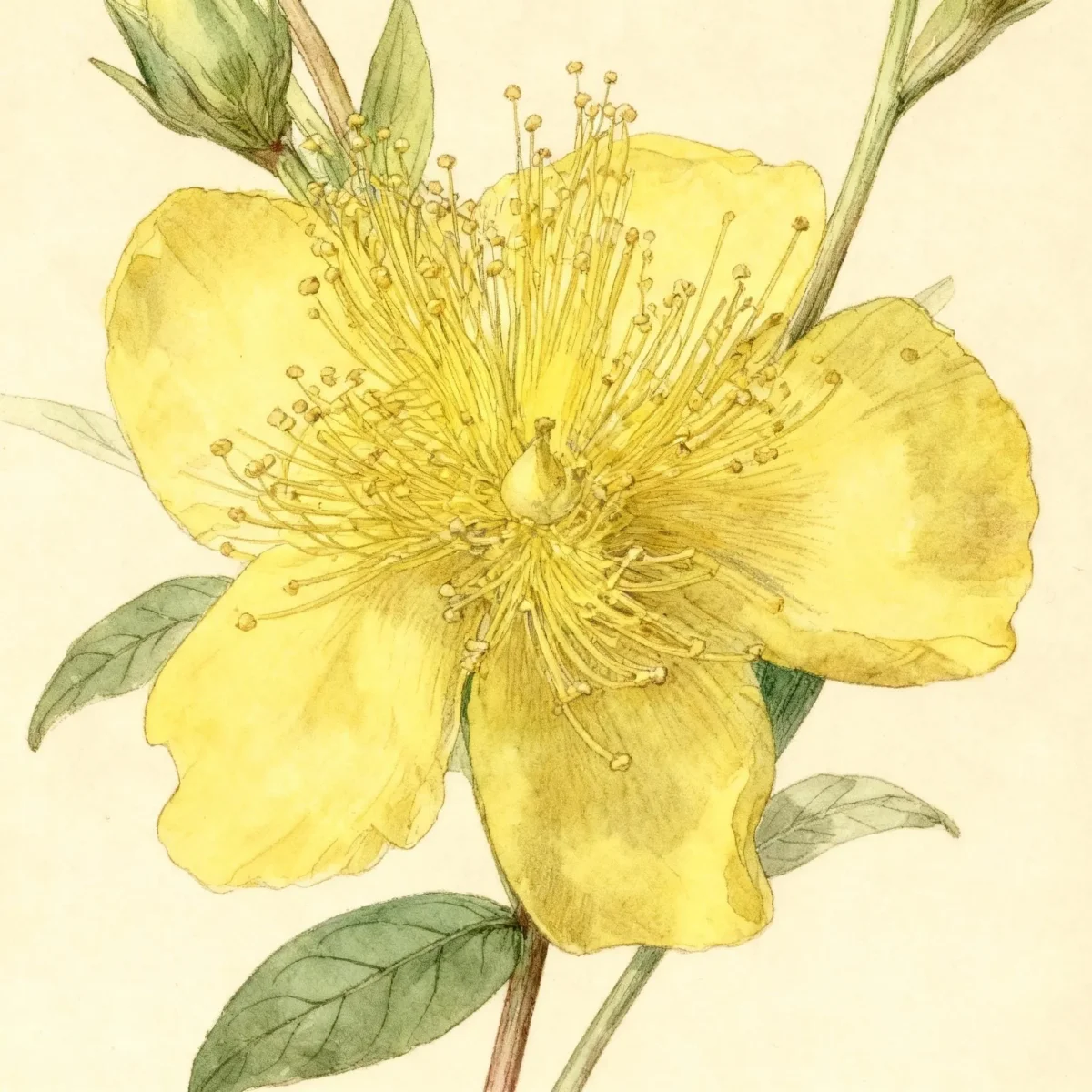
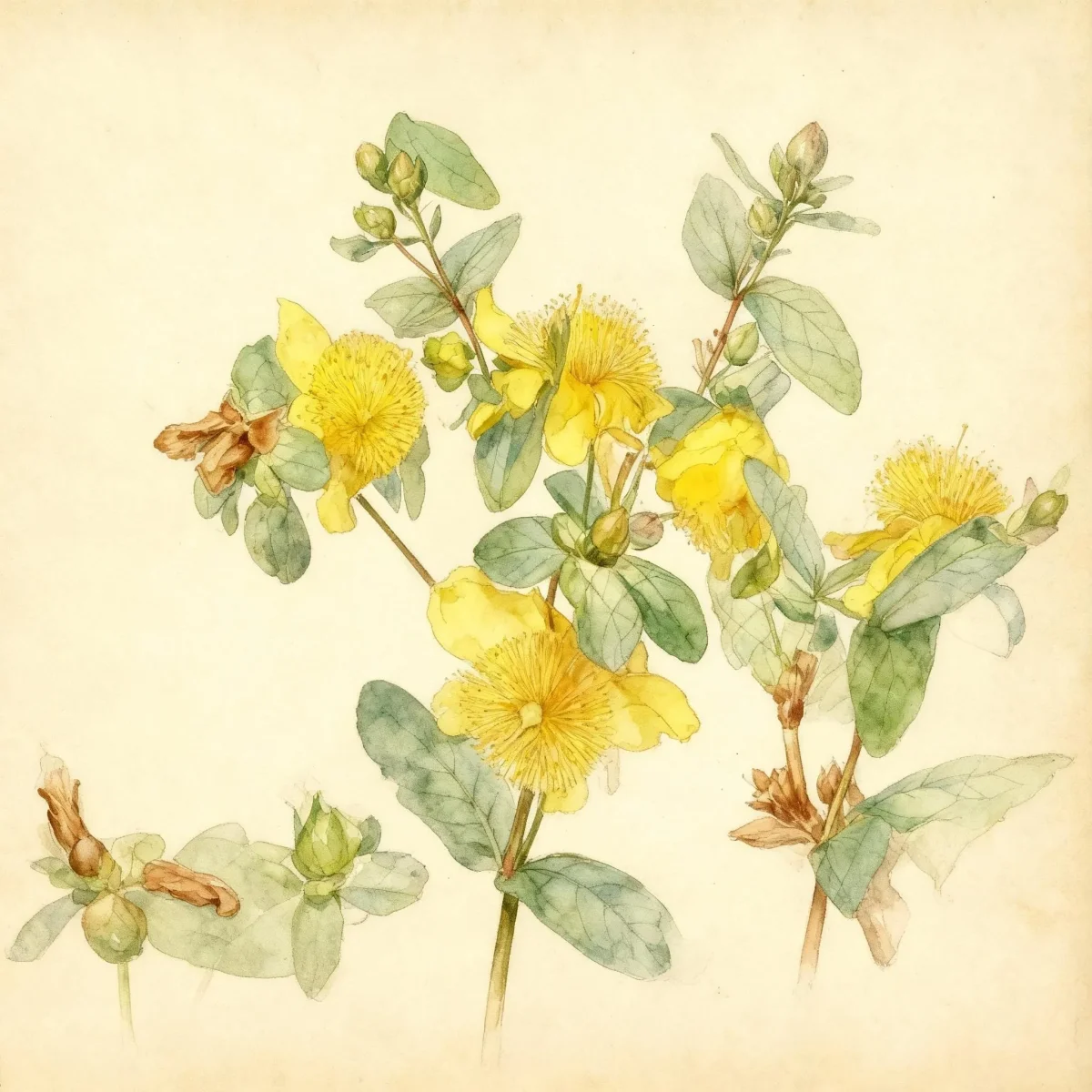
Hypericum perforatum ‘Topas’, known popularly as St. John’s wort, offers gardeners a robust, low-maintenance perennial valued for its prolific display of bright yellow, star-shaped summer flowers. This cultivar is sought after for its increased concentration of beneficial compounds compared to the wild species. As an upright, multi-branched plant reaching 1 to 3 feet, it brings significant color interest to borders and naturalized settings.
This hardy herbaceous perennial readily establishes itself, spreading via runners and prolific self-seeding, allowing it to quickly colonize meadows or large garden areas where a naturalistic look is desired. While historic uses tie the plant to traditional herbal remedies, modern gardeners appreciate its aesthetic appeal and adaptability in full sun to part shade conditions.
The visual appeal of St. John’s wort during its summer bloom makes Hypericum perforatum ‘Topas’ a valuable addition for texture and consistent summer color. Despite its vigorous spreading nature, its low maintenance requirements ensure it remains a workhorse in challenging garden spots, provided its invasive tendencies are managed where deemed necessary.
Fast Facts
- Plant Family: Hypericaceae
- Plant Type: Herbaceous perennial
- Hardiness Zones: USDA Zones 3-8
- Size at Maturity:
- Height: 1-3 ft
- Spread: 0.75-2 ft
- Bloom Time: June to August
- Bloom Description: Yellow
- Sun Exposure: Full sun to part shade
- Water Needs: Medium
- Maintenance Level: Low
How to Grow
Plant St. John’s wort in the spring or fall in locations receiving full sun to partial shade. While easily grown, this plant excels in medium-moisture, well-drained soils. Species plants generally prefer sandy or gravelly sites, especially when sited in full sun, maximizing flower production.
Once established, Hypericum perforatum ‘Topas’ demonstrates excellent drought tolerance, minimizing your regular watering commitment. Avoid overly rich soils, which can encourage excessive vegetative growth at the expense of blooms. Fertilizing is rarely necessary for this rugged perennial.
Manage spread proactively; this plant develops extensive root systems and often self-seeds heavily, with a single plant potentially releasing up to 100,000 seeds annually. If you wish to prevent unwanted colonization from the species, deadheading spent flowers before they set seed is essential. Since seeds can remain viable in the soil for a decade, aggressive management might be required in sensitive environments.
Landscape Uses
The primary recommendation for Hypericum perforatum ‘Topas’ is to let it naturalize, making it perfect for large drifts, wild gardens, and open meadows where its vigorous habit can be appreciated without constraint. Its low maintenance profile suits expansive landscape projects or woodland margins where structured bedding is not feasible.
In more controlled settings, consider using St. John’s wort along sunny slopes or informal borders where it can soften edges and provide ground cover amongst sparser plantings. It pairs well with other drought-tolerant perennials that enjoy similar sun exposure, creating a tapestry of green and gold throughout the mid-summer months.
Standout Features
Flower Qualities
- Showy
Noteworthy Characteristics
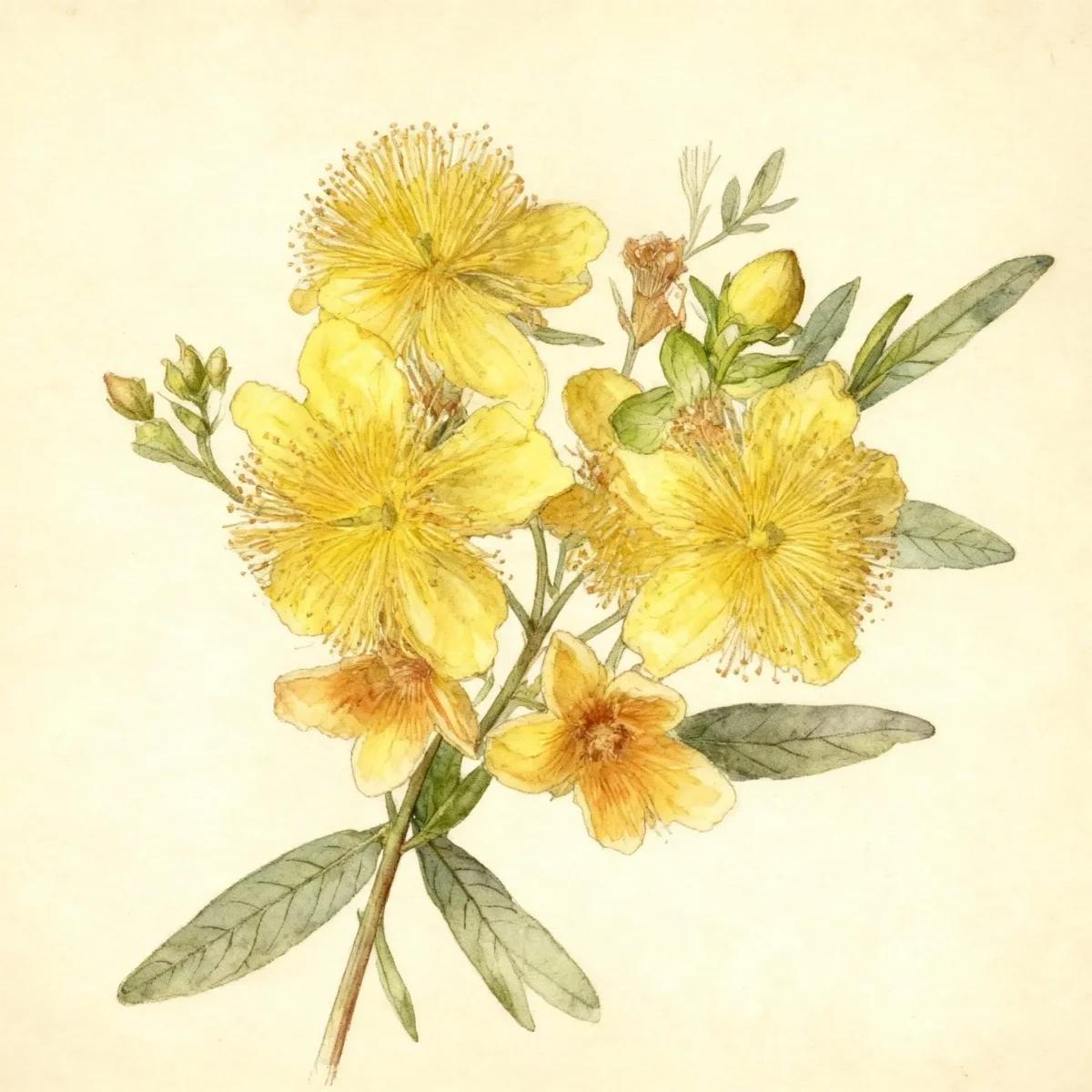
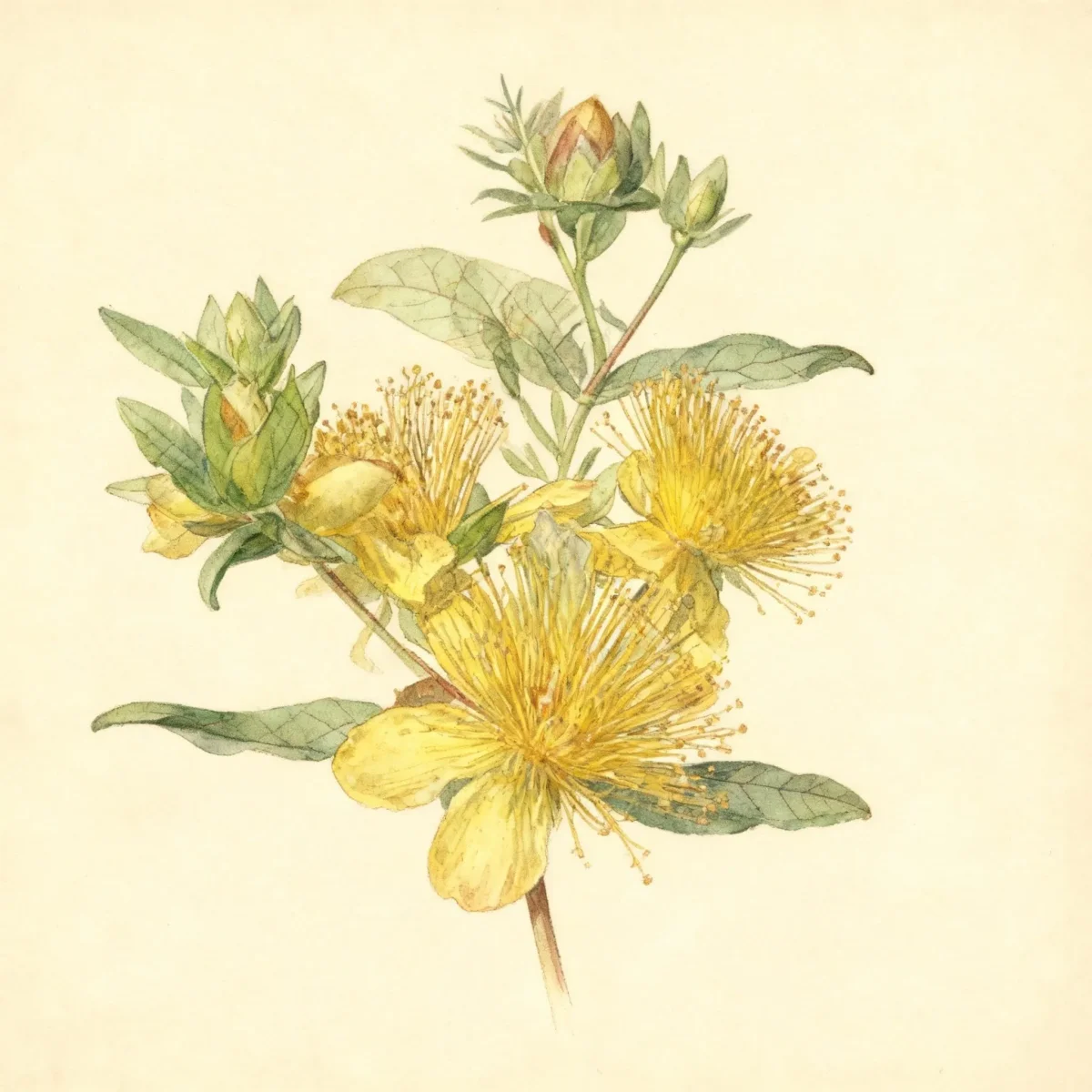
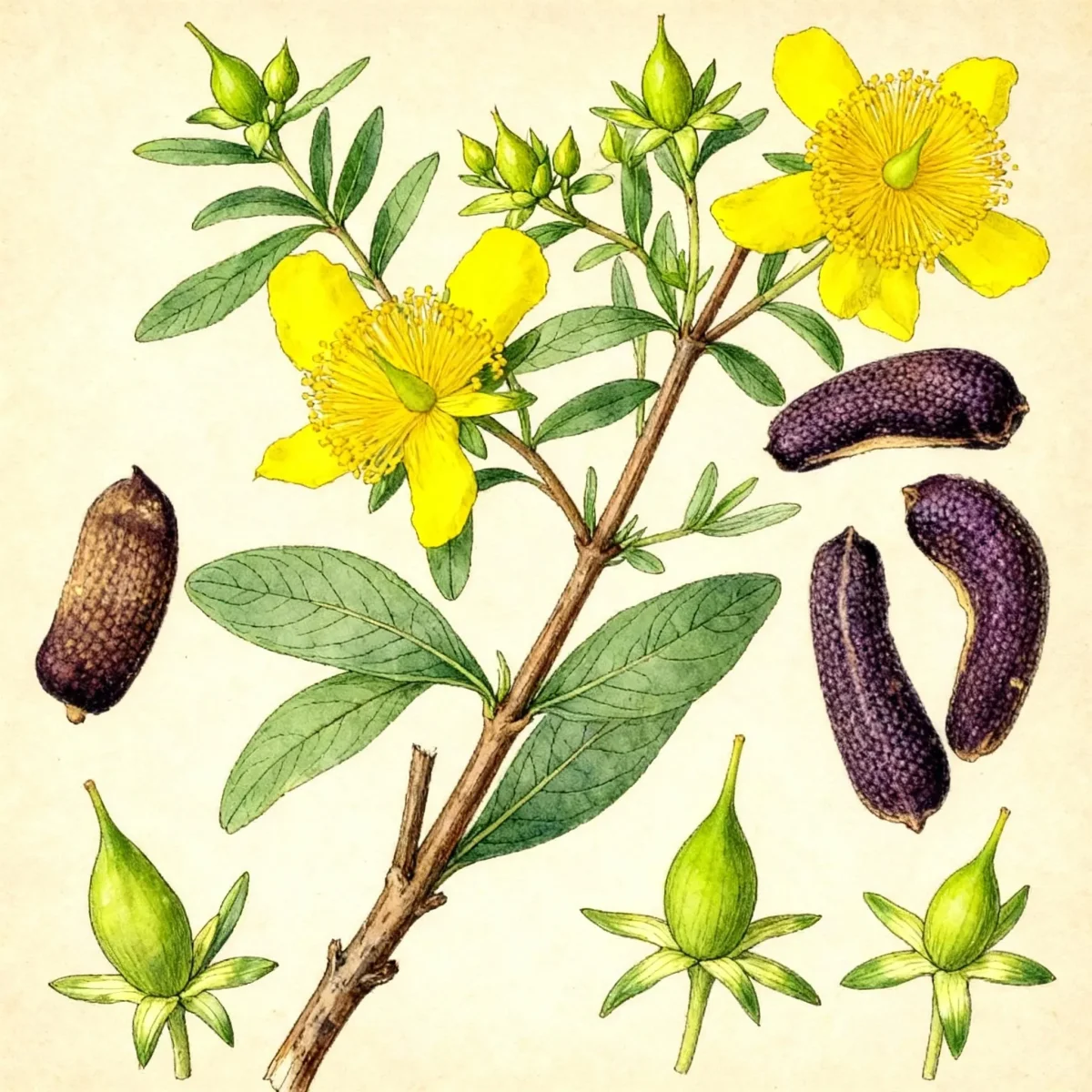
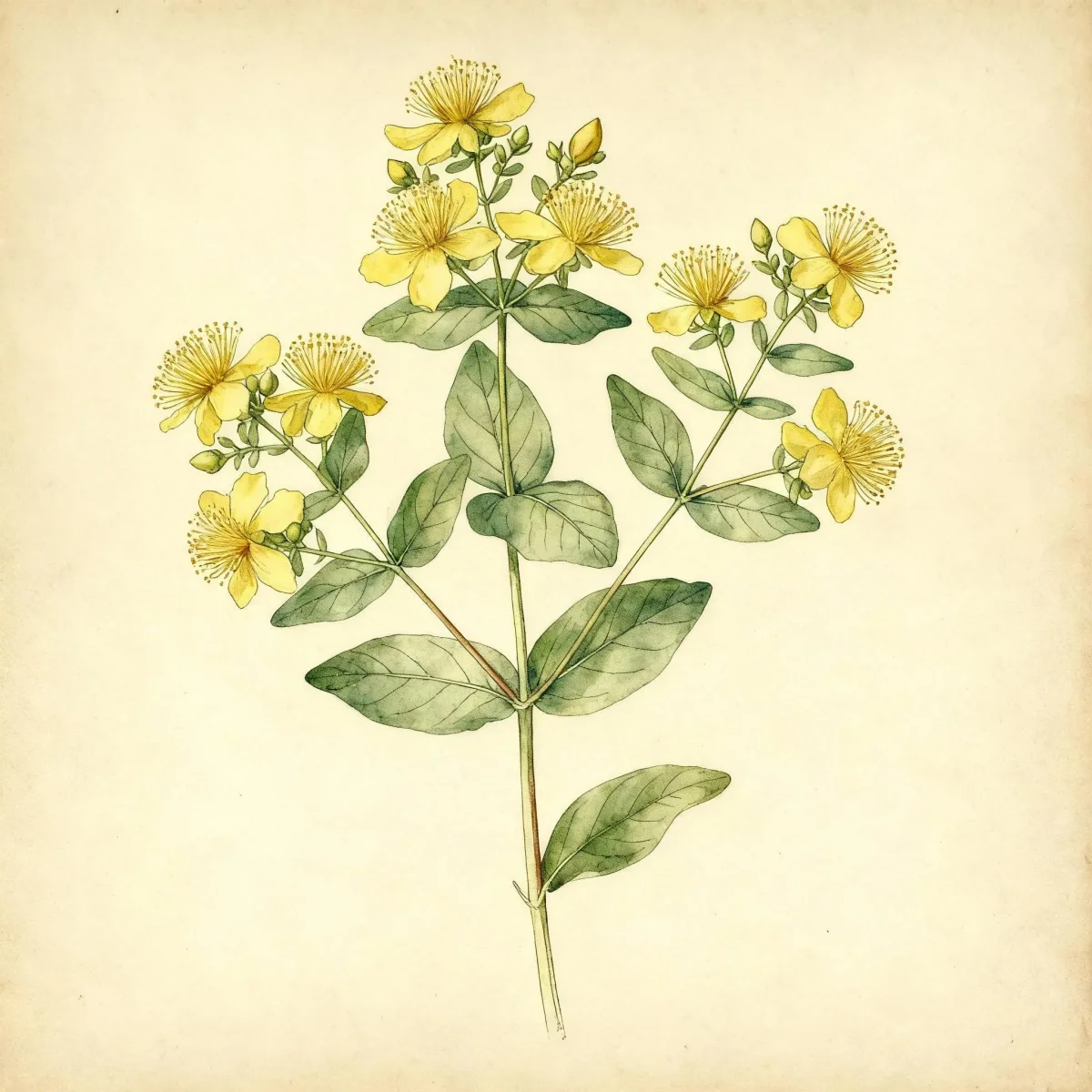
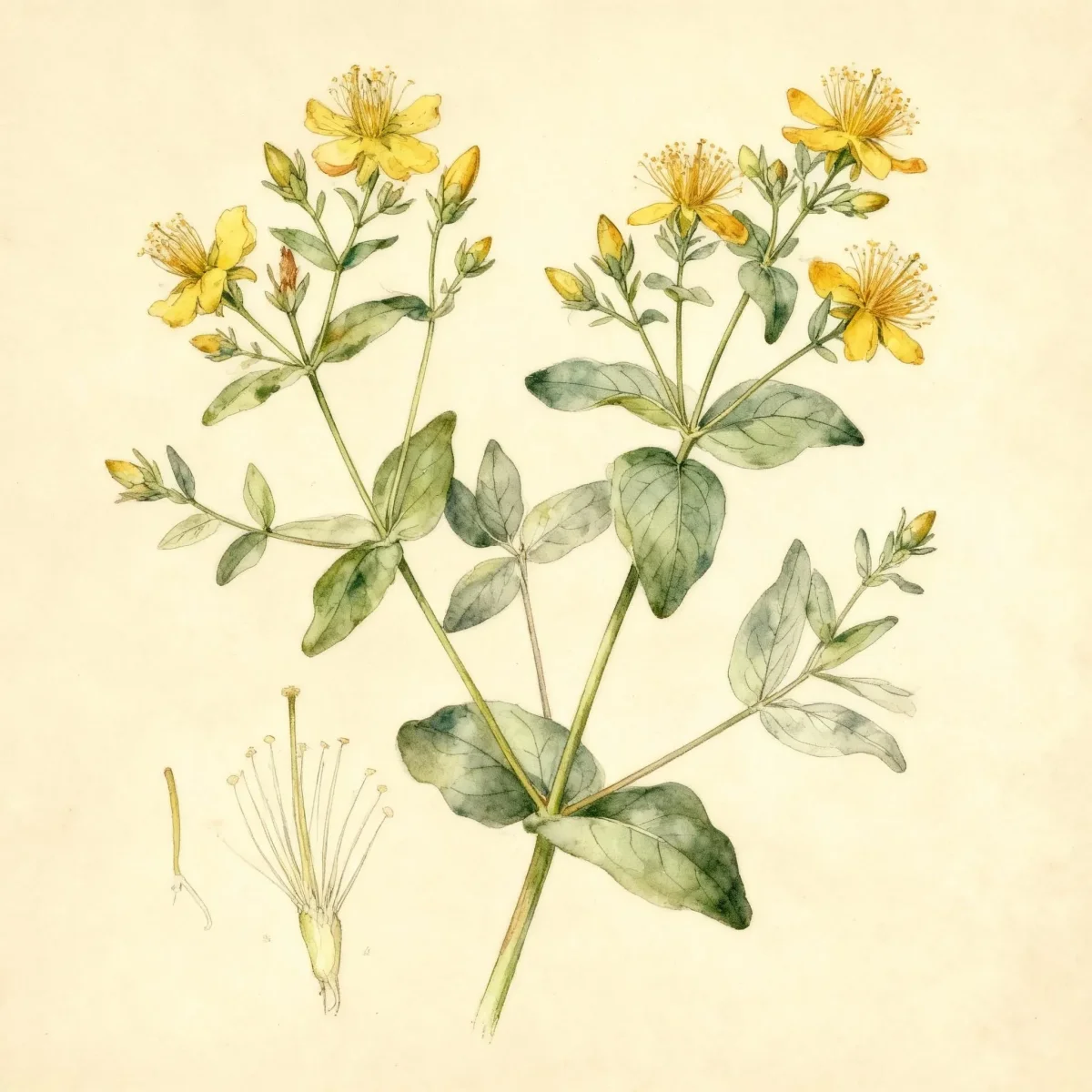
Hypericum perforatum, St. John’s wort (sometimes commonly called perforate St. John’s wort, goatweed or Klamath weed) is an upright, many-branched, stoloniferous, yellow-flowered, herbaceous perennial (some say perennial weed) that is native to Europe, western Asia and northern Africa. It typically grows from a woody, branched rootstock to 1-3’ tall, and features a showy display of star-shaped, yellow flowers that bloom profusely in summer. The specific cultivar ‘Topas’ is noted for containing a higher percentage of the active compound hypercin than the parent species. This plant has a long history of recorded use as an external treatment for wounds and inflammations.
Tolerances
- Drought
Potential Problems
Hypericum perforatum ‘Topas’ rarely suffers from serious insect or disease issues, contributing to its low maintenance rating. The primary concern for gardeners is its potential for aggressive spreading. It spreads both via underground runners (stolons) and through prolific self-seeding.
When planted outside of defined, naturalized areas, this vigorous growth habit can quickly allow the plant to displace desired native species or crowd out slower-growing companions. In regions where the species is listed as a noxious weed, diligent control over seed production through prompt deadheading is crucial to maintaining good stewardship in the garden.
Frequently Asked Questions
What hardiness zones is St. John’s wort suitable for?
St. John’s wort, including the ‘Topas’ cultivar, thrives in USDA Hardiness Zones 3 through 8.
How large does Hypericum perforatum ‘Topas’ grow?
This herbaceous perennial generally reaches a height between 1 and 3 feet and spreads to a width of 0.75 to 2 feet at maturity.
What sun exposure does Hypericum perforatum ‘Topas’ need?
For best results, plant Hypericum perforatum ‘Topas’ where it receives full sun to partial shade exposure.
When does St. John’s wort bloom?
This plant offers a beautiful display of yellow flowers beginning in June and continuing through August.
Conclusion
The Hypericum perforatum ‘Topas’ variety offers reliable, low-effort color and texture for the summer garden, highlighted by its showy yellow blooms and notable drought tolerance. For reliable performance, confirm that your location falls within USDA Zones 3-8, and plan for diligent management if you wish to control its natural tendency to spread. Incorporating this tough St. John’s wort into wild gardens or sunny slopes is an excellent choice for horticultural success.
Companion Planting
When establishing Hypericum perforatum ‘Topas’ in structured settings like borders, pair it with plants that share similar sun and moisture requirements to ensure balanced growth. Consider companions like Russian Sage (Perovskia atriplicifolia) or ornamental grasses which can offer contrasting silvery or fine textures against the dense, dark-green foliage of the St. John’s wort. Because this perennial is prone to spreading, using companions that can handle or compete with some root encroachment, such as Daylilies (Hemerocallis) or sturdy Salvias, is advisable.
Propagation Tips
Propagation of St. John’s wort is remarkably easy, though gardeners must choose their method based on invasion risk tolerance. The easiest method is allowing natural self-seeding, although this leads to the unpredictable placement of new plants. A more controlled approach for the ‘Topas’ cultivar involves taking cuttings of semi-soft green growth during the early summer months. Root divisions of the woody rootstock can also be performed in early spring before new growth seriously begins, giving you established, faster-growing offspring.