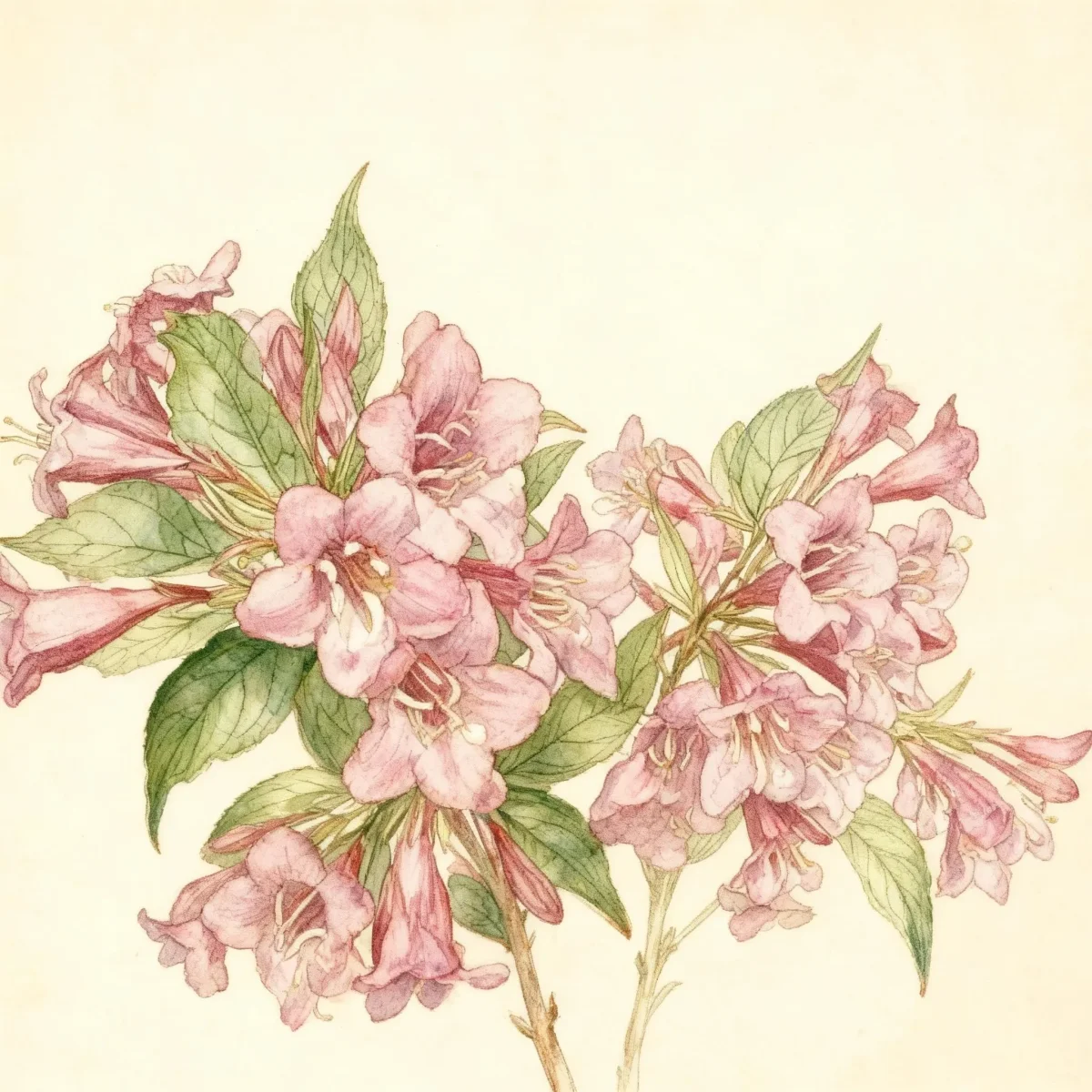
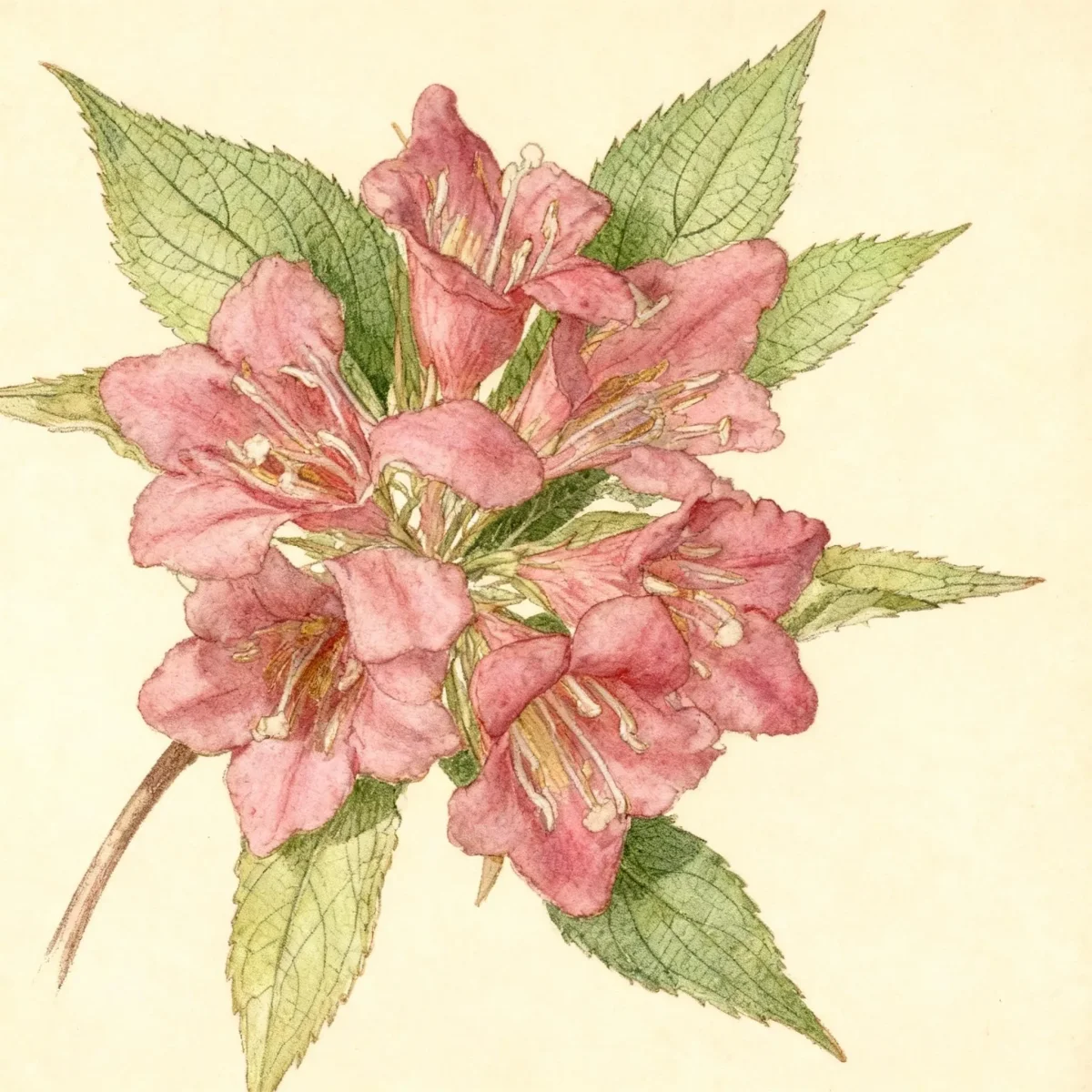
Weigela (Weigela 'Pink Poppet')
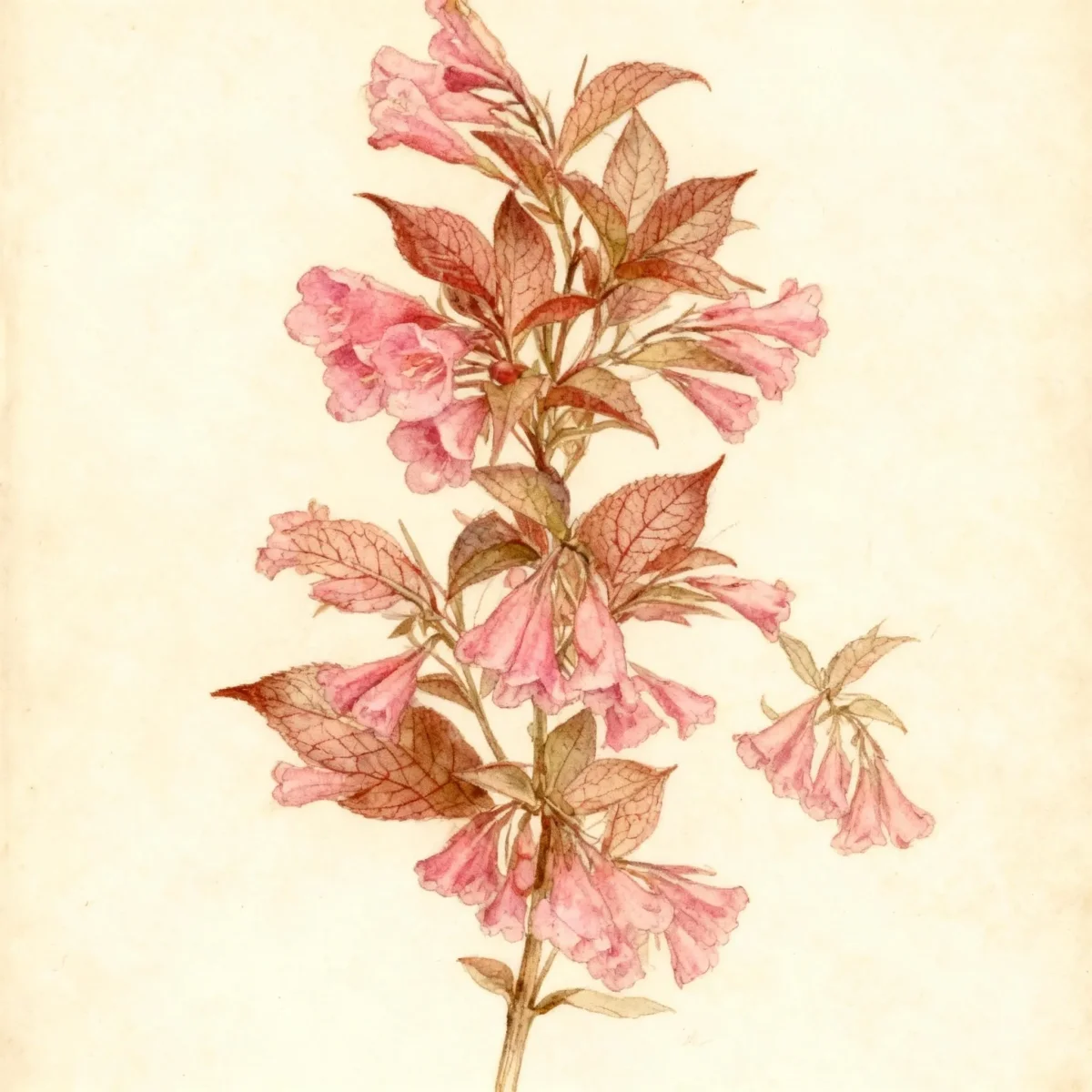
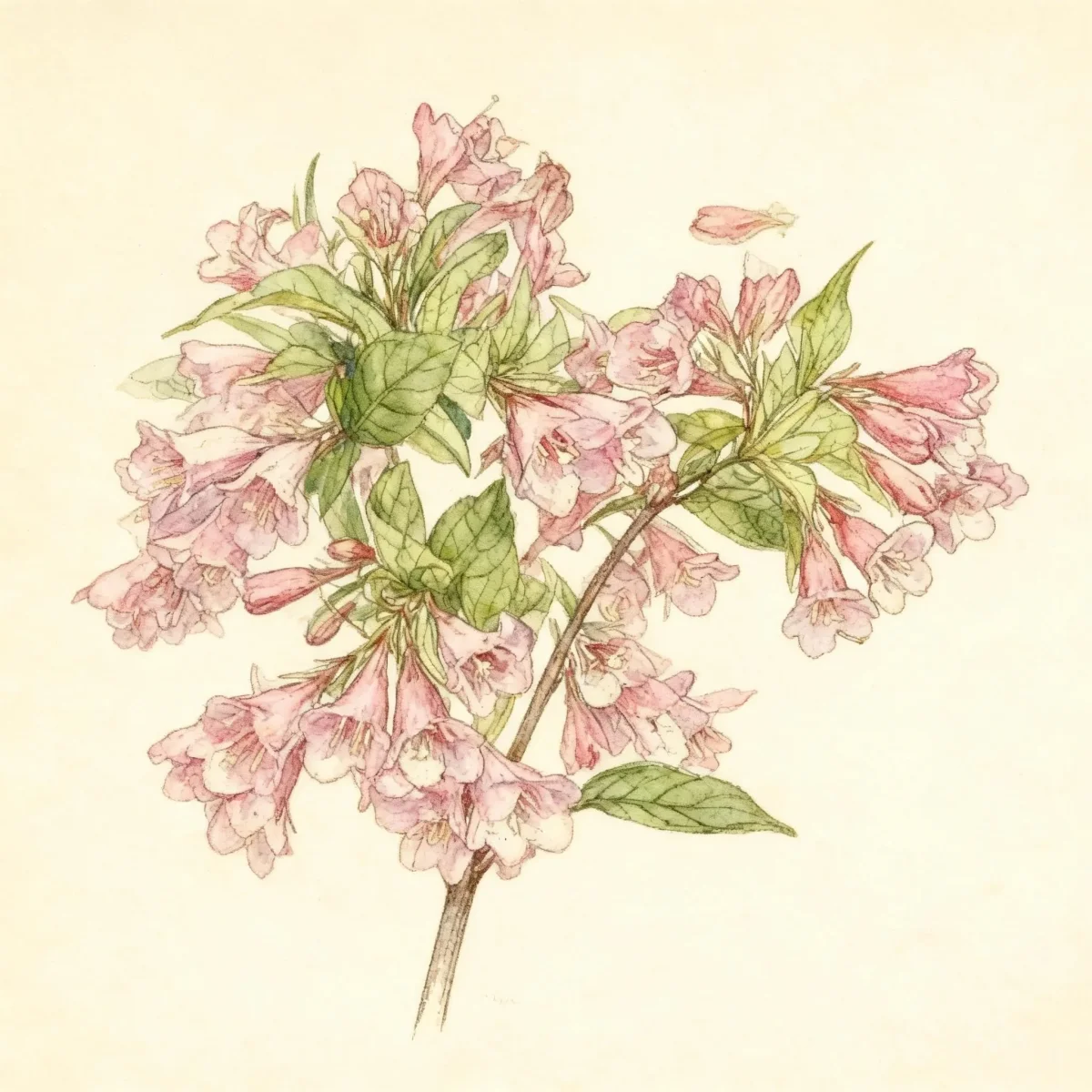
Weigela 'Pink Poppet' is a dwarf, low-maintenance deciduous shrub celebrated for showy light pink blooms from April to June.
Scroll down to discover growing tips, care requirements, companion plants, and more
Complete Plant Information
Overview
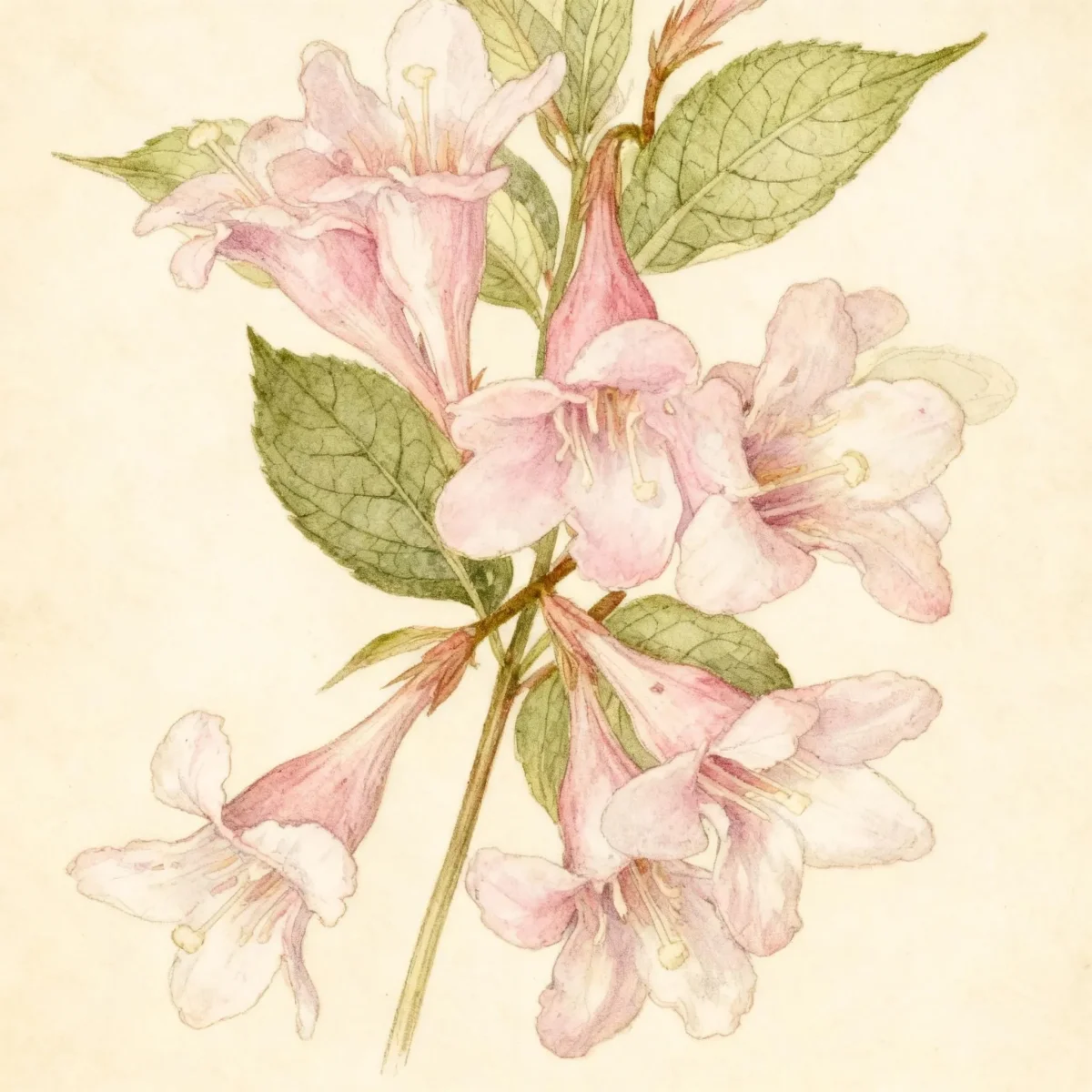
Weigela ‘Pink Poppet’ is a highly valued addition to the landscape, cherished for its compact size and prolific spring flowering. This dwarf deciduous shrub offers dense, rounded structure perfectly suited for smaller garden spaces where larger Weigela varieties might overwhelm. Gardeners appreciate the reliability of Weigela for providing season-long interest, highlighted by its attractive foliage and masses of light pink, funnel-shaped blossoms.
Selected for its excellent winter hardiness and manageable stature, Weigela ‘Pink Poppet’ typically reaches only two feet tall, making it versatile for borders and foundation plantings. Though it produces the most significant display in late spring, a scattering of repeat blooms often appears later in the summer, extending its ornamental value. Its reliable performance and low maintenance requirements make the Weigela genus, and this cultivar especially, a staple for enhancing residential landscaping.
Fast Facts
- Plant Family: Caprifoliaceae
- Plant Type: Deciduous shrub
- Hardiness Zones: USDA Zones 4-8
- Size at Maturity:
- Height: 1.5-2 ft
- Spread: 2-3 ft
- Bloom Time: April to June
- Bloom Description: Light pink
- Sun Exposure: Full sun
- Water Needs: Medium
- Maintenance Level: Low
How to Grow
For optimal performance, plant Weigela ‘Pink Poppet’ in a location receiving full sun, although it will tolerate very light shade. Full sunlight is essential to encourage the best flowering and maintain the healthiest foliage color. This shrub thrives in average, medium moisture, well-drained soils. Ensure the planting site accommodates its mature spread of 2 to 3 feet, necessary for achieving that dense, rounded habit.
Watering should be consistent, aiming for medium moisture levels, especially during establishing periods or in the heat of summer. Fertilizing is rarely required if the soil is reasonably fertile. The primary cultural task for this Weigela is pruning; shape the shrub immediately after the main bloom period concludes to ensure maximum flower production the following spring.
This specific cultivar, Weigela ‘Pink Poppet’, has been bred not to produce viable seed, simplifying garden cleanup as there is no concern regarding unwanted self-seeding. Fall preparation is minimal; its insignificant fall color means removal of foliage is generally not needed, and its reliable hardiness means specialized winter protection is typically unwarranted in its viable zones.
Landscape Uses
Weigela ‘Pink Poppet’ excels as a structural element in garden design due to its uniform, dwarf habit. It is highly recommended as an edging plant along pathways or incorporated into the front rows of mixed shrub borders where its lower height won’t obscure taller companions. Its density makes it exceptionally effective when used as a tidy, flowering hedge, providing a soft, colorful alternative to rigid evergreens.
For foundation plantings, the Weigela ‘Pink Poppet’ brings continuous seasonal interest without demanding excessive space or constant trimming. Consider pairing it with contrasting foliage plants, such as dark green or variegated leaf shrubs, to make the light pink blooms pop against the backdrop. Its manageable size also lends itself well to specimen planting where its rounded form can be appreciated up close.
Standout Features
Flower Qualities
- Showy
Noteworthy Characteristics
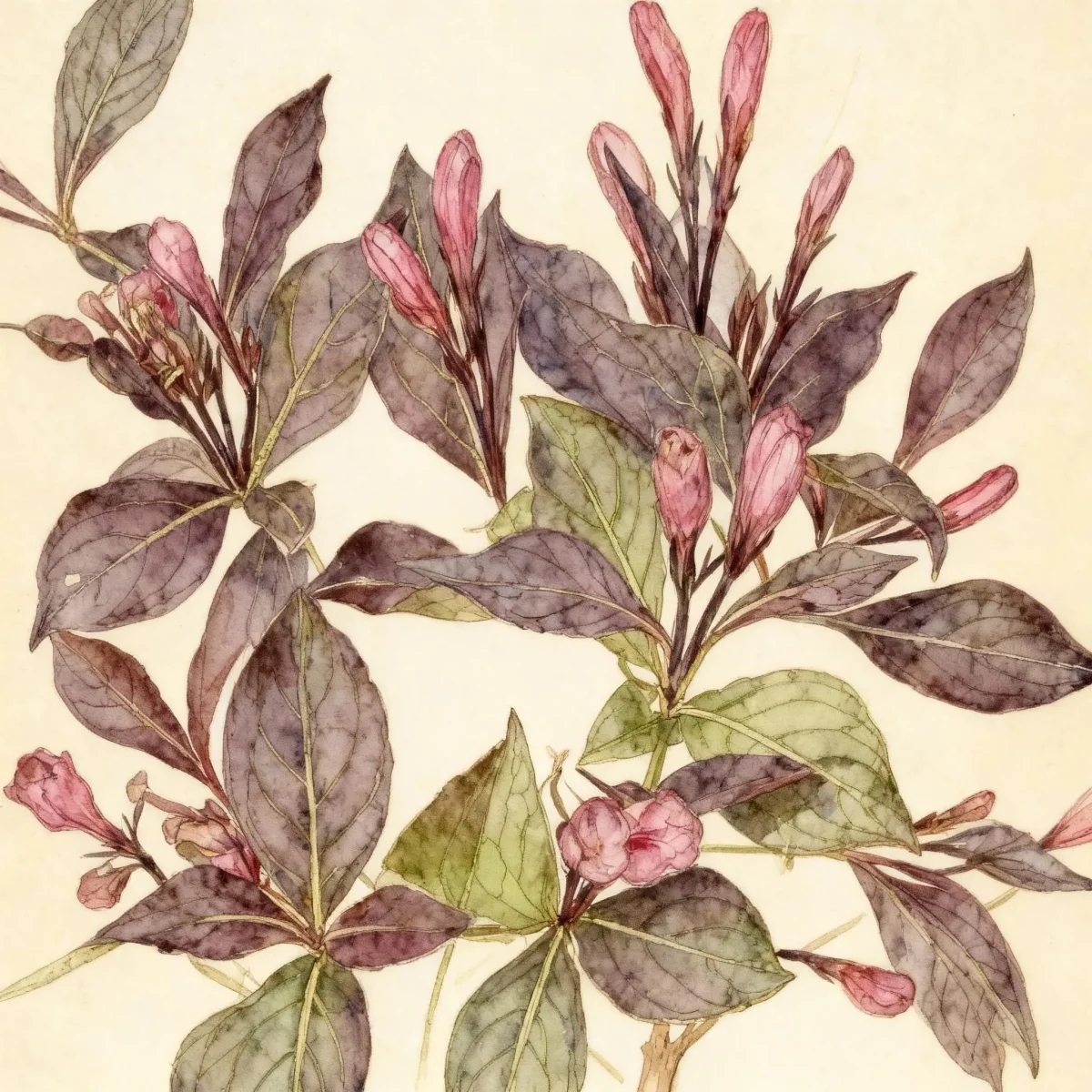
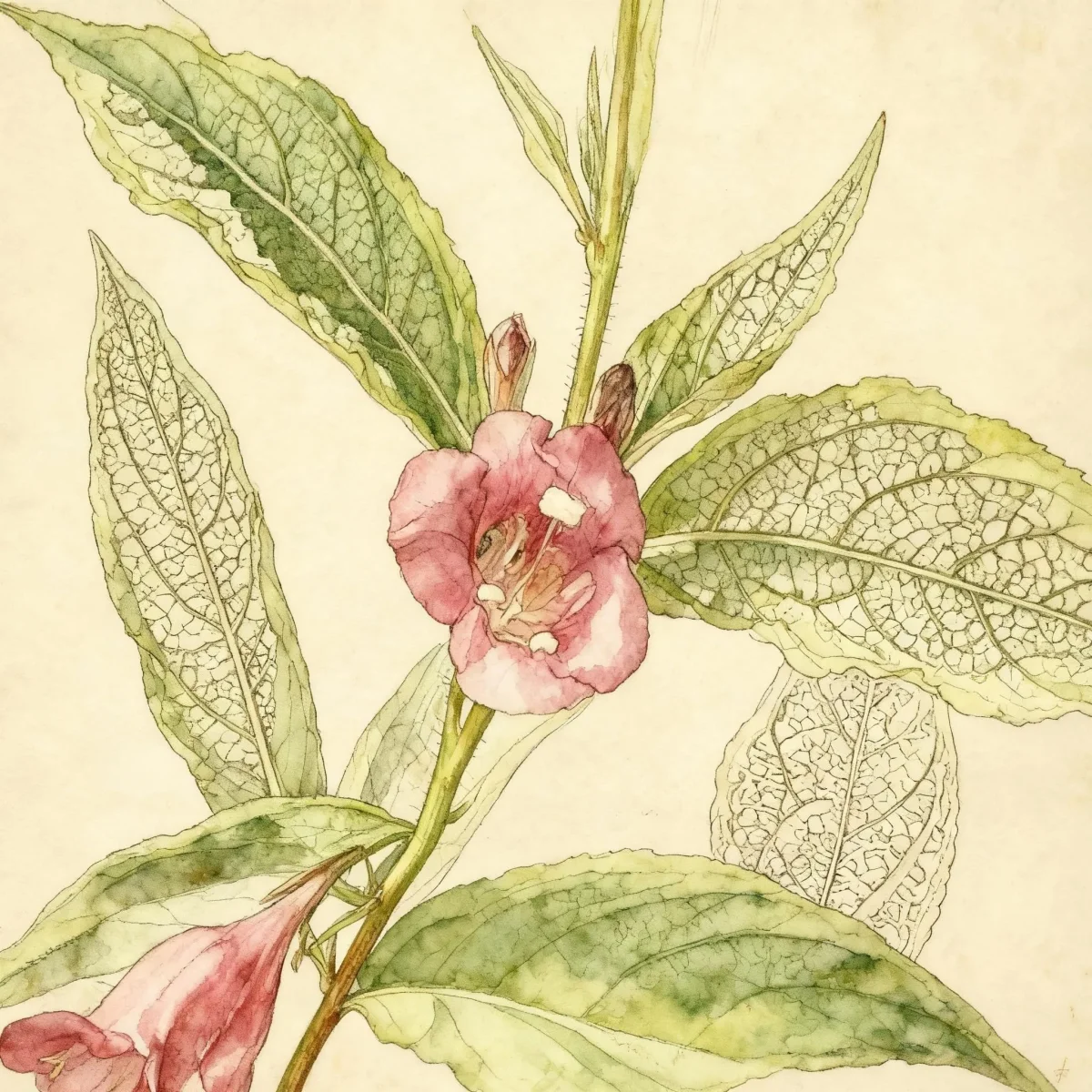
Weigela is a genus of about 12 species of deciduous shrubs originating from East Asia, primarily known for their visually striking spring flowers. The specific cultivar ‘Pink Poppet’ is a dwarf, dense, rounded shrub resulting from a Czech breeding program noted for its dwarf growth, early blooms, and suitability for northern climates. Its dark green leaves provide excellent contrast throughout the season to the profuse, funnel-shaped light pink flowers that appear in late spring.
Tolerances
- Clay Soil
Potential Problems
This cultivar boasts an excellent reputation regarding pests and diseases, seldom suffering from serious insect infestations or major fungal issues. Maintaining proper soil drainage is the key proactive measure; soggy conditions can lead to root stress, though Weigela ‘Pink Poppet’ shows tolerance for clay soils once established. Observing the plant regularly for signs of drought stress during dry spells is the best way to ensure continued vigor.
Frequently Asked Questions
What hardiness zones is Weigela ‘Pink Poppet’ suitable for?
Weigela ‘Pink Poppet’ is reliably hardy across USDA Zones 4 through 8, making it a good choice for many temperate climates.
How large does Weigela ‘Pink Poppet’ grow?
This dwarf cultivar typically achieves a modest height between 1.5 and 2 feet, spreading out to a width of 2 to 3 feet at maturity.
What sun exposure does Weigela ‘Pink Poppet’ need?
For the best display of its light pink flowers and dense foliage, Weigela ‘Pink Poppet’ requires full sun exposure.
When does Weigela ‘Pink Poppet’ bloom?
The primary bloom time for this shrub is from April to June, presenting showy, light pink flowers.
Conclusion
The Weigela ‘Pink Poppet’ offers gardeners a compact, low-maintenance shrub that delivers significant aesthetic rewards through its showy spring floral display and consistent year-round structure. Because it handles clay soil well and requires minimal fuss, this Weigela cultivar is an excellent choice for beginners and experienced gardeners alike. Plan your planting schedule for spring or fall, ensuring it receives the full sun necessary to thrive in your USDA zone.
Companion Planting
When designing beds around Weigela ‘Pink Poppet’, consider plants that complement its medium water needs and require similar sun exposure. Spring-flowering bulbs like Daffodils or Tulips look excellent as they emerge just before or concurrently with the Weigela bloom, fading gracefully as the shrub takes over. For summer color contrast, pair the low-growing ‘Pink Poppet’ with perennials that have fine texture or deep purple foliage, such as certain varieties of Heuchera or Coral Bells, ensuring the whole area remains visually rich even after the main flush of bloom has passed.
Seasonal Care Calendar
Early Spring (Pre-Bloom): Apply a balanced, slow-release fertilizer if growth seems slow, though seldom necessary. Monitor for any winter dieback and prune lightly to clean up the structure before new leaf buds swell.
Late Spring/Early Summer (Post-Bloom): This is the critical pruning window. Immediately after the heaviest flowering ends in June, shear or cut back old wood gently to encourage bushiness and set new buds for next year. Deadheading is generally not required for this Weigela.
Summer Maintenance: Maintain consistent medium watering, particularly if rainfall is scarce. Check annually for signs of disease, although problems are rare for Weigela ‘Pink Poppet’.
Design Ideas for Dwarf Shrubs
The perfectly rounded shape of Weigela ‘Pink Poppet’ makes it ideal for creating formal edging or lining low walls where taller materials would block views. Since it stays under 3 feet, it functions beautifully as a transitional layer between lawn edges and taller background shrubs like upright evergreens or deciduous trees. Use groups of three or five to create repeating visual anchors in a serpentine border design, capitalizing on its uniformity. Its compact size also means it can be successfully grown in large, attractive containers, provided drainage is excellent, offering seasonal movable color for patios or decks.
Pruning Strategies for Heavy Flowering
Proper pruning is key to maximizing the flowering of your Weigela ‘Pink Poppet’. Because this deciduous shrub flowers on wood produced the previous season, wait until the primary bloom period of April through June is complete before attempting significant trimming. Selective pruning—removing only the oldest, woodiest canes right down to the ground—can be done every few years to rejuvenate the center of the shrub and encourage fresh, vigorous new growth, which will bear the blooms next year. Avoid heavy pruning late in the summer or fall, as this will remove the developing flower buds for the following spring display.