Silvermound artemisia (Artemisia schmidtiana 'Nana')
Artemisia schmidtiana 'Nana', Silvermound artemisia, offers fine, silvery foliage in a compact mound. Low maintenance, drought-tolerant perennial perfect for rock gardens.
Scroll down to discover growing tips, care requirements, companion plants, and more
Complete Plant Information
Overview
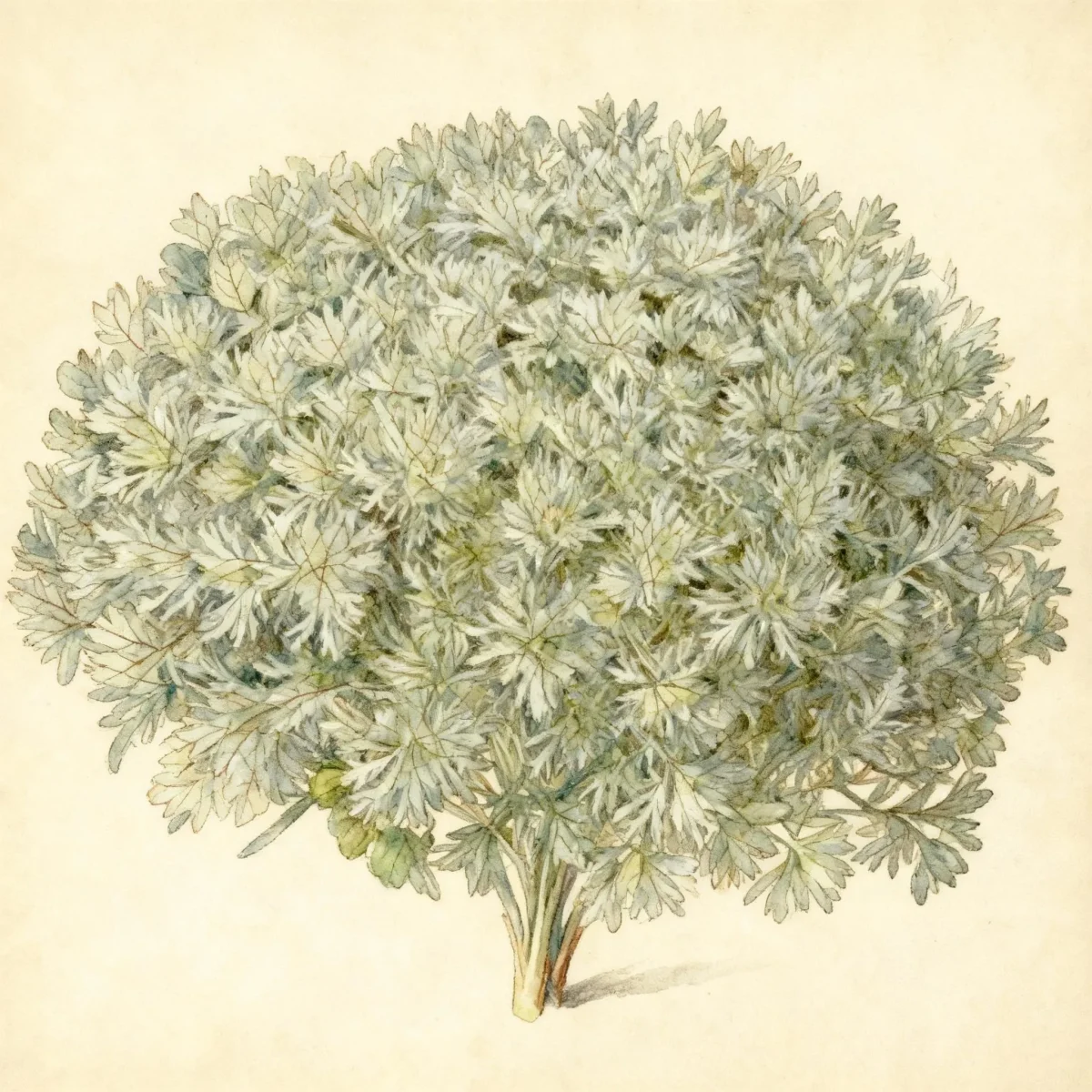
Artemisia schmidtiana ‘Nana’, widely recognized by its common name Silvermound artemisia, is prized for its exceptionally fine, silvery-gray foliage that creates a stunning textural contrast in the garden. This low-growing, densely mounding perennial forms neat domes, making it an excellent choice for edging or filling small spaces. Its visual appeal comes almost entirely from its densely hairy, dissected leaves, which shimmer in sunlight.
As a cultivar of Artemisia schmidtiana, ‘Nana’ offers a compact habit, typically staying under a foot tall, though its excellent hardiness and low maintenance requirements contribute significantly to its ongoing popularity. This Dwarf wormwood thrives when given ample sunshine and dislikes wet feet, echoing its native habitat on rocky slopes.
The Silvermound artemisia provides year-round muted color, except perhaps in the coldest winters where it may become semi-evergreen. Its drought tolerance once established positions it perfectly for xeriscaping or areas where summer watering is limited. Incorporating Artemisia schmidtiana ‘Nana’ ensures textural interest without demanding constant care.
Fast Facts
- Plant Family: Asteraceae
- Plant Type: Herbaceous perennial
- Hardiness Zones: USDA Zones 4-8
- Size at Maturity:
- Height: 0.75-1 ft
- Spread: 1-2 ft
- Bloom Time: July to August
- Bloom Description: Yellow
- Sun Exposure: Full sun
- Water Needs: Dry to medium
- Maintenance Level: Low
How to Grow
The key to successfully growing Artemisia schmidtiana ‘Nana’ is excellent drainage. Plant this perennial in full sun where it will receive at least six hours of direct light daily. It performs best in naturally dry, well-draining soils, including lean or gravelly mixes. If your soil retains water, amend heavily with grit or plant in a raised bed.
Water sparingly after planting to help establish the root system. Once mature, Silvermound artemisia is exceptionally drought-tolerant and prefers drier conditions; overwatering is the fastest way to compromise its health. Avoid fertilization unless the soil is extremely poor, as excess fertility can lead to floppier growth that detracts from the compact, desirable mound shape.
Maintenance is minimal for this tough plant. Pruning is generally only required in early spring, cutting back any winter-damaged stems or trimming lightly to refresh the mound shape before new growth emerges. Being hardy and tolerant of salt and pollution, Artemisia schmidtiana ‘Nana’ integrates well into challenging urban or roadside environments, needing only consistent sun.
Landscape Uses
The compact size and bright silver foliage make Silvermound artemisia highly effective in structured, low-growing garden designs. It excels when used as an edging plant along pathways or defining the front border where its low profile will not obscure taller companions. Its texture also makes it invaluable in specialty gardens requiring grit or excellent aeration.
Artemisia schmidtiana ‘Nana’ is a star player in rock gardens and gravel gardens, blending seamlessly with crevice dwellers like sedums, low thymes, and alpine succulents. The silver foliage contrasts beautifully against deep green conifers or plants with dark foliage, creating sharp definition without relying on bright flower colors.
Due to its tolerance for dry, shallow, and rocky soil, this plant serves as reliable filler where other perennials might struggle. Look to place it near plants with similar dry-to-medium water needs to simplify the overall garden maintenance schedule.
Standout Features
Noteworthy Characteristics
Artemisia schmidtiana, commonly called silvermound artemisia or dwarf wormwood, is a low-growing, densely mounding, semi-evergreen subshrub native to the Kuril Islands of far northern Japan and Sakhalin Island of far eastern Russia where it can be found on rocky slopes and sandy coastal areas. Mature plants will reach 0.5-1.5’ tall and spread slowly by creeping rhizomes to fill a 1-3’ wide area. The upright to outwardly spreading stems are well-branched and bear tufts of silvery grey, highly dissected, densely hairy, 1-1.75” long leaves. Numerous small, drooping flower heads emerge from terminal, pyramidal panicles from mid to late summer. The heads are made up of small, yellow flowers and surrounded by woolly, white bracts. ‘Nana’ is a compact selection of silvermound artemisia that will reach 10-12” tall and spread to fill a 1-2’. Its floral display is typically considered horticulturally insignificant compared to its showy foliage.
Tolerances
- Rabbit
- Deer
- Drought
- Dry Soil
- Shallow-Rocky Soil
- Air Pollution
Potential Problems
This plant is remarkably resistant to serious attacks from pests and diseases. Gardeners rarely need to apply treatments for common garden problems when growing Artemisia schmidtiana ‘Nana’. Furthermore, deer and rabbits generally find the taste and texture unappealing, often preferring to graze on nearby, less aromatic neighbors.
The primary risk associated with this Silvermound artemisia is cultural, specifically root rot caused by overwatering or poorly draining soil. Ensure that the soil composition facilitates quick water runoff, especially in winter or during extended rainy periods, to keep the roots healthy.
Frequently Asked Questions
What hardiness zones is Silvermound artemisia suitable for?
Artemisia schmidtiana ‘Nana’ is hardy across USDA Zones 4 through 8, though it appreciates the drier soil conditions provided by the upper end of that range.
How large does Artemisia schmidtiana ‘Nana’ grow?
This compact selection typically matures to a height between 0.75 and 1 foot tall, spreading gently to form a mound 1 to 2 feet wide.
What sun exposure does Silvermound artemisia need?
For the best density and brightest silver coloration, Artemisia schmidtiana ‘Nana’ requires full sun exposure.
When does Silvermound artemisia bloom?
The plant typically produces inconspicuous yellow blooms between July and August, though the foliage remains the primary ornamental feature.
Conclusion
The fine texture and brilliant silver hue of Artemisia schmidtiana ‘Nana’ make it an indispensable architectural element in manicured or drought-tolerant gardens. Its low maintenance profile and exceptional resilience secure its reputation as a reliable performer. Before planting, confirm that your intended site offers full sun and truly excellent soil drainage to maximize the health of your Silvermound artemisia.
Companion Planting
When planning borders featuring Artemisia schmidtiana ‘Nana’, select companions that echo its need for dry, sunny conditions. Plants with dark, contrasting foliage or bold textures provide the perfect foil for the airy silver mounds. Consider pairing them with darker Sedums, upright ornamental grasses like Blue Fescue (Festuca glauca), or low-growing Lavender varieties which share similar sun and soil requirements.
Avoid placing Silvermound artemisia next to heavy feeders or plants that require consistently moist ground, as these conditions will invariably lead to root problems for the Artemisia. The key here is creating drifts of texture where water management remains uniform across the group.
Design Ideas for Silver Foliage
Utilize the dense, low mounds of Silvermound artemisia as a living ribbon winding through a gravel or xeriscape garden. Because the foliage persists through much of the year, planting it near bulbs that emerge early in spring ensures the garden looks structured even before summer bloomers take over. Grouping three or five specimens provides a more impactful, cohesive silvery texture than scattering single plants widely.
This plant also works wonderfully in containers where drainage can be precisely controlled. Pair Artemisia schmidtiana ‘Nana’ with upright, structural plants like dwarf conifers or small succulents for contrast in height and form within the same pot, creating a portable, low-water focal point.