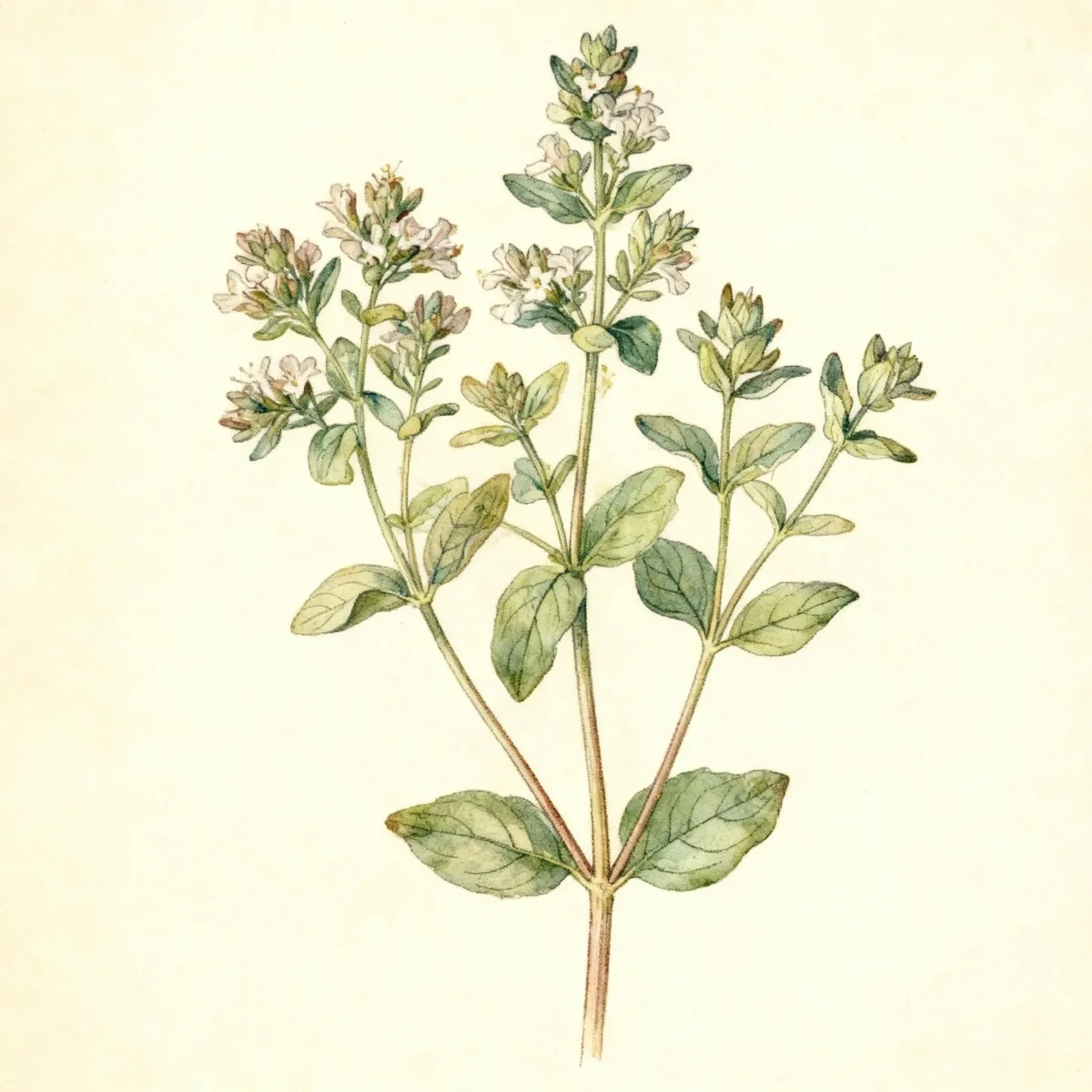
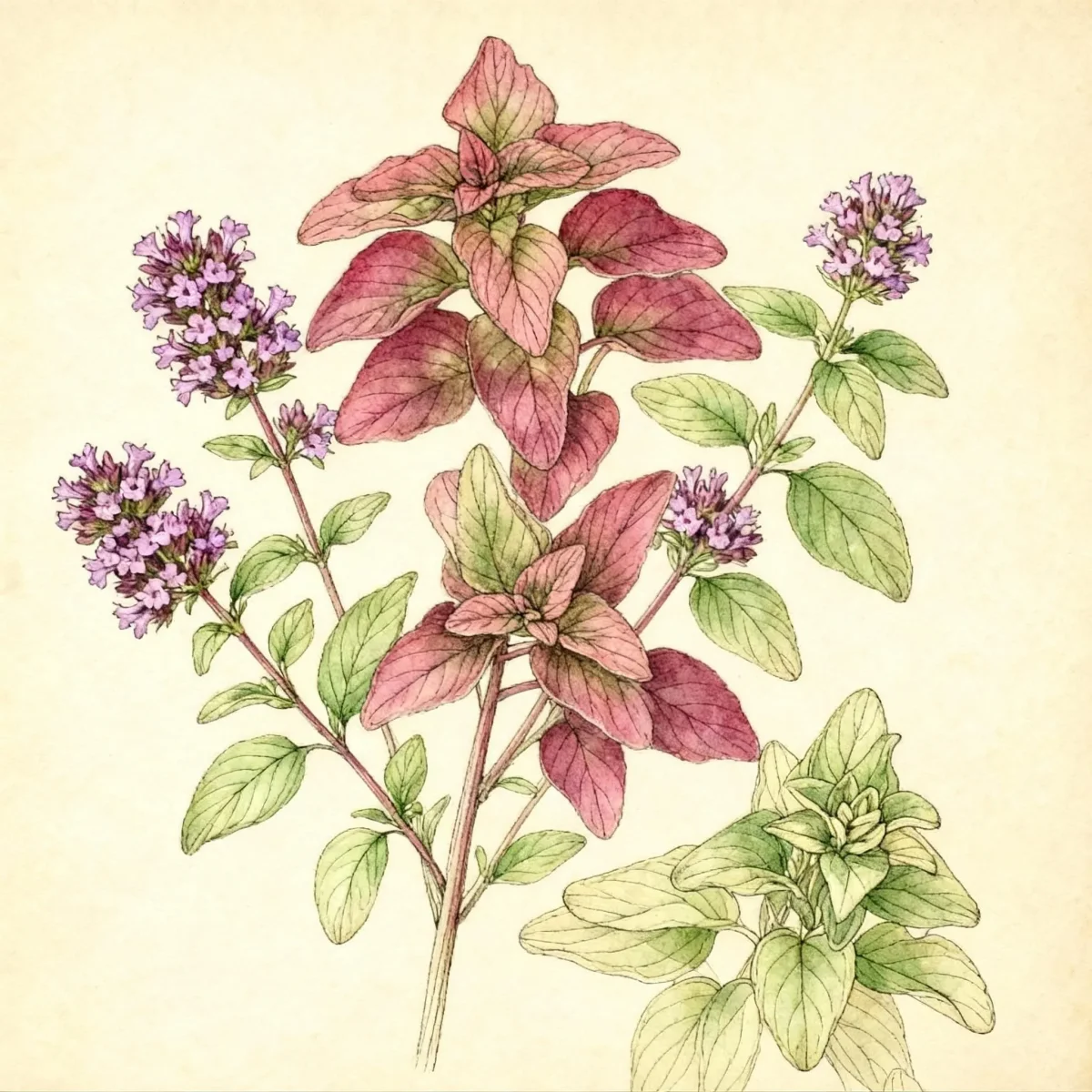
Oregano (Origanum vulgare 'Aureum Crispum')
Origanum vulgare 'Aureum Crispum' is a low-maintenance, creeping perennial prized for its bright, curly, golden foliage. This variety of Oregano offers ornamental value with its drought tolerance.
Scroll down to discover growing tips, care requirements, companion plants, and more
Complete Plant Information
Overview
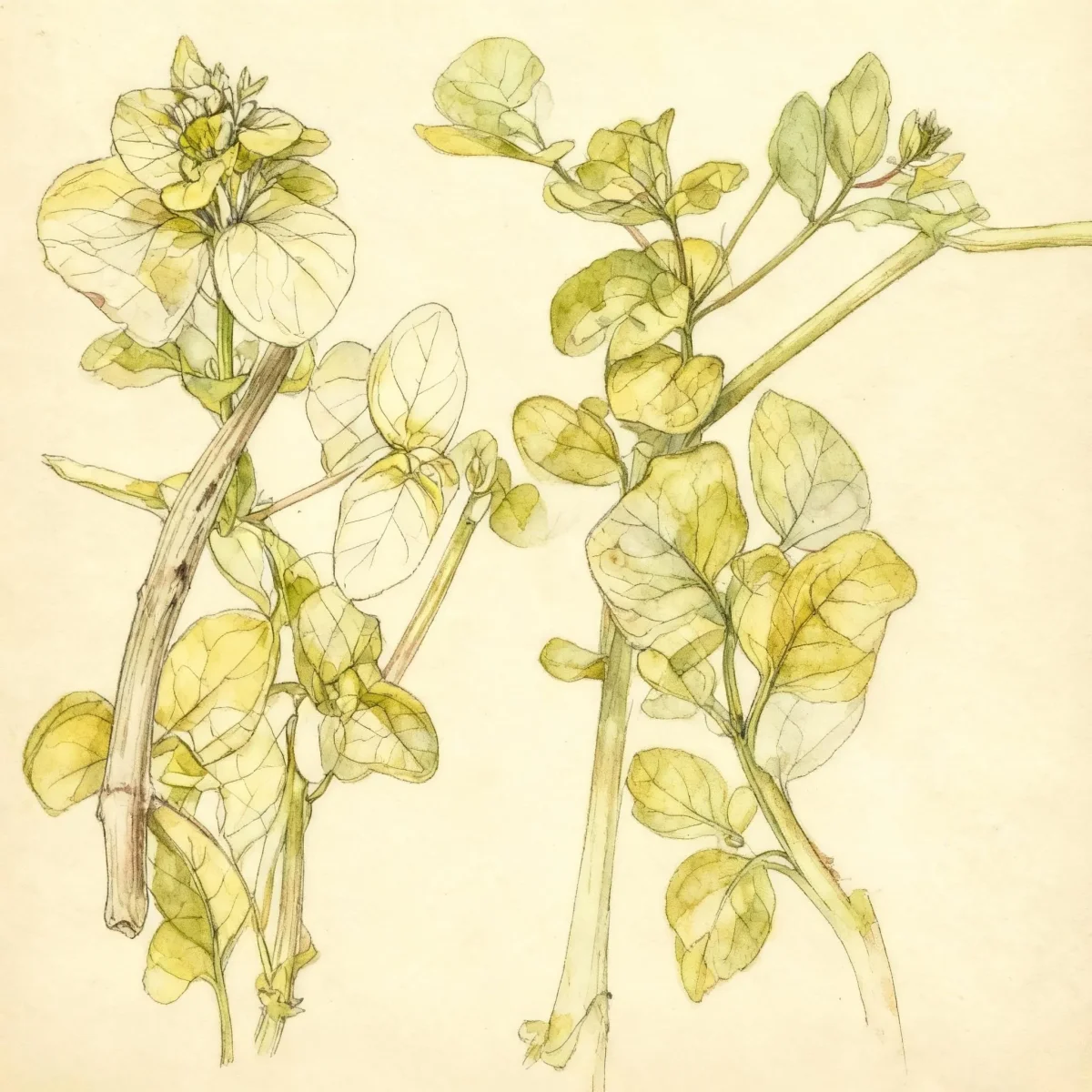
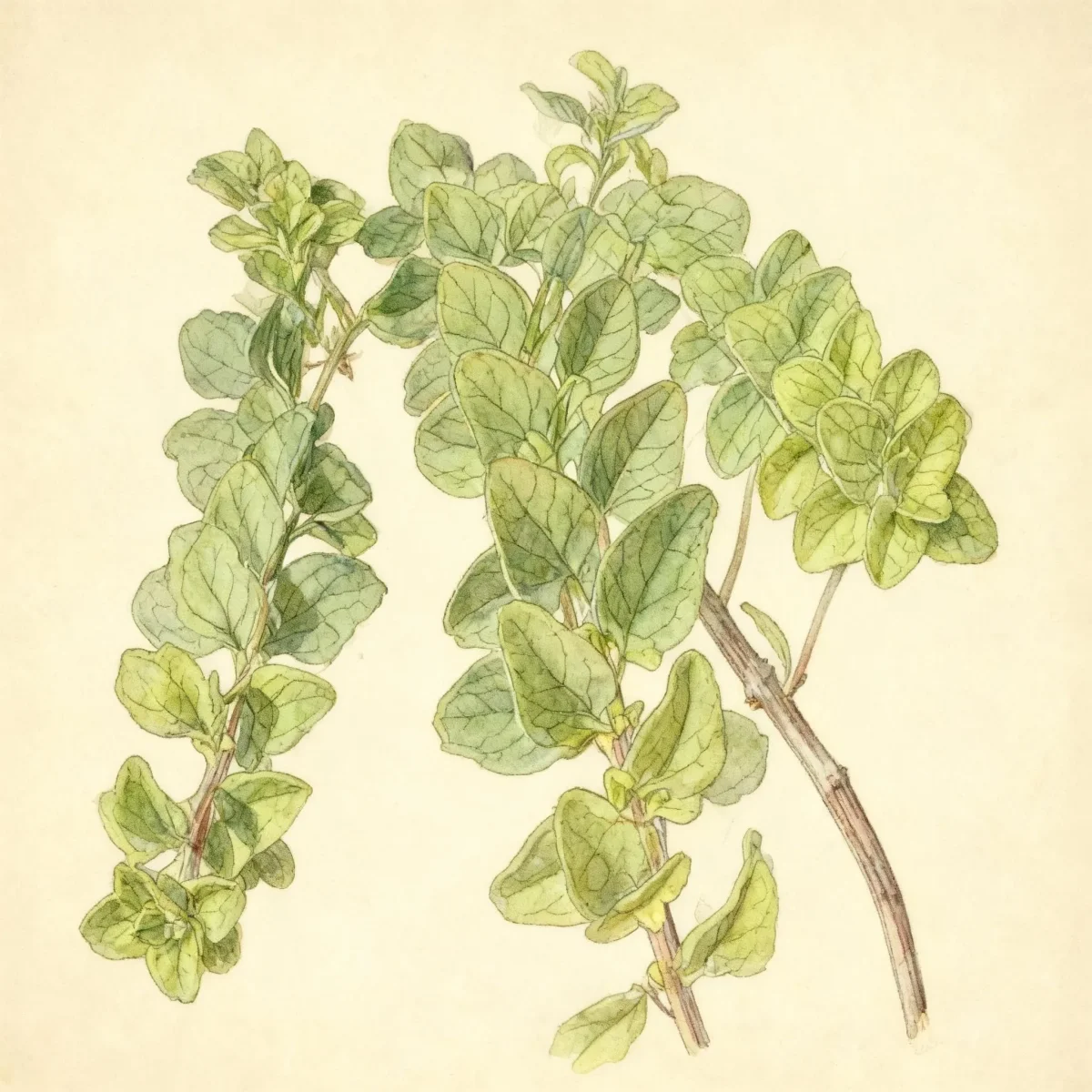
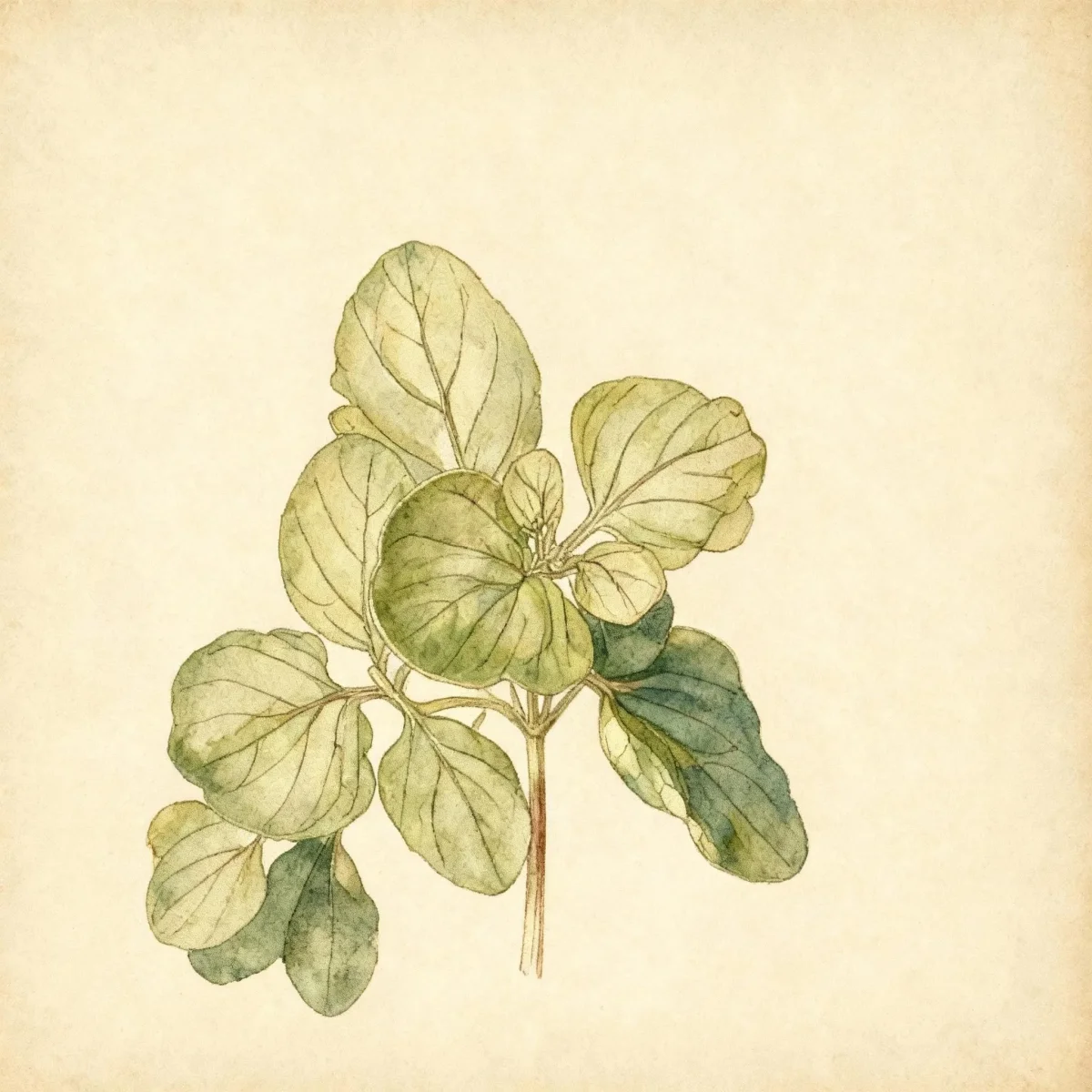
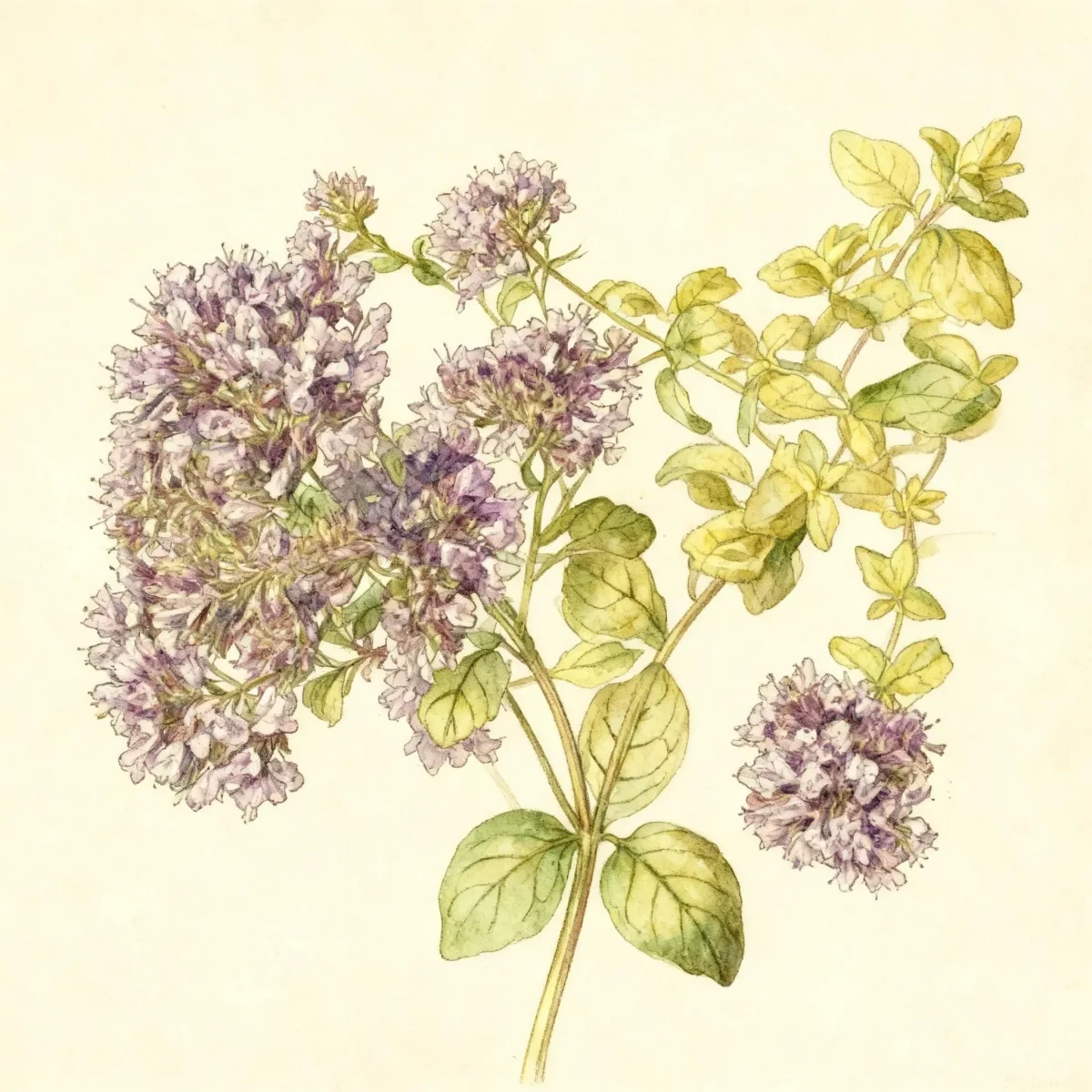
Origanum vulgare ‘Aureum Crispum’ is a visually compelling cultivar of common Oregano, distinguished by its unique, heavily crinkled, golden foliage that brightens up the garden. While it possesses a mild aroma, this specific plant is primarily selected for its striking ornamental appeal rather than intense culinary flavor, making it an excellent alternative to standard green forms. As a low-maintenance herbaceous perennial, this variety spreads gently, forming an attractive mat that suppresses weeds and thrives in leaner, well-drained conditions.
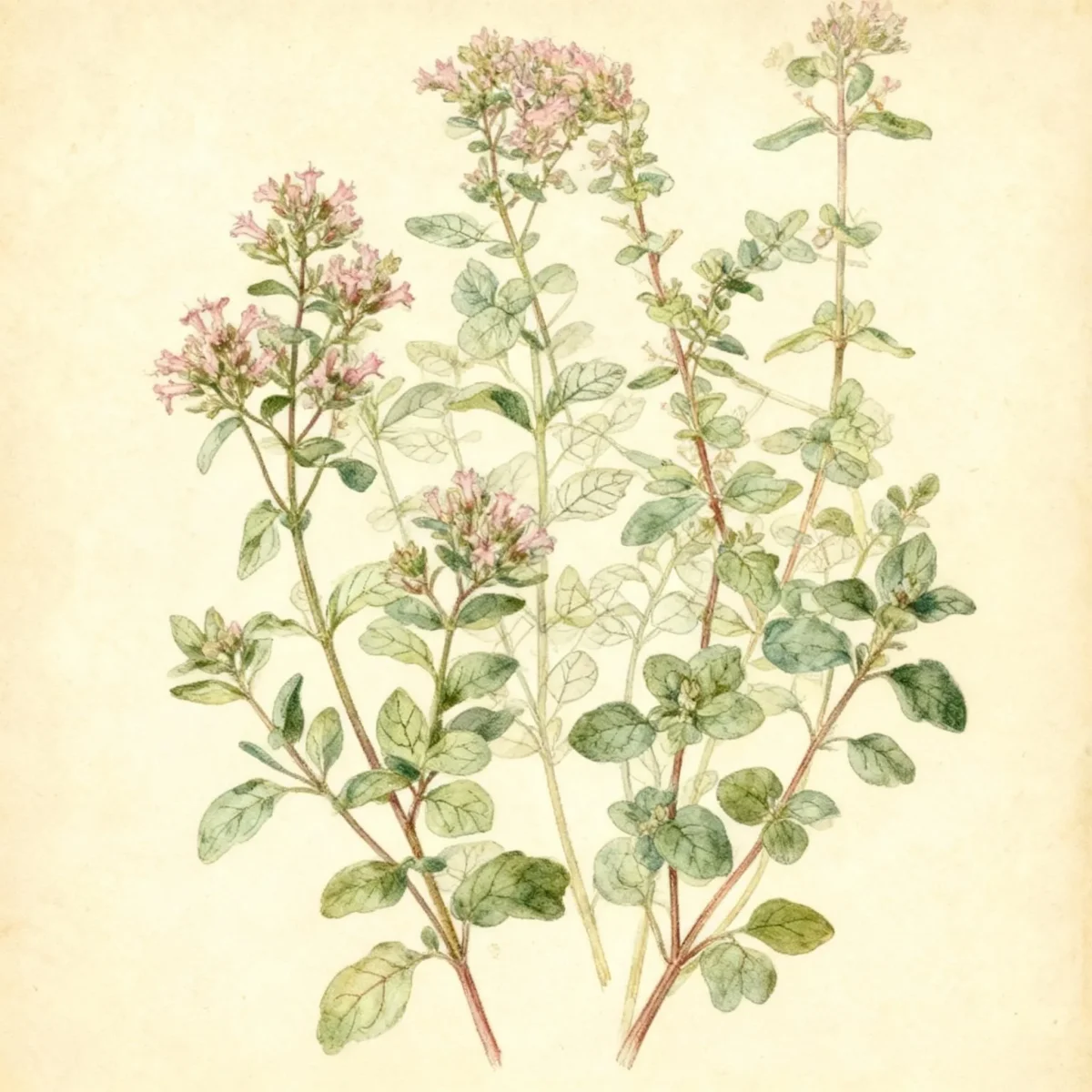
This variety of Oregano typically maintains a compact height between 6 to 12 inches, spreading up to 18 inches, making it highly versatile for various landscape applications. Its resilience shines through, offering good heat and drought tolerance once established, provided it avoids overly wet conditions. Gardeners appreciate Origanum vulgare ‘Aureum Crispum’ for its ability to provide year-round interest through its foliage, even after the sporadic pinkish-purple flowers fade.
Successful cultivation of this golden-leaved Oregano involves ensuring consistent sunlight exposure, though a little afternoon shade is beneficial in the hottest climates to prevent scorching of the bright leaves. Propagation is best achieved through cuttings to maintain the desired ‘Aureum Crispum’ characteristics, ensuring future plants mirror the beauty of their parent stock. Enjoy this easy-care plant for its texture and color contrast in mixed plantings.
Fast Facts
- Plant Family: Lamiaceae
- Plant Type: Herbaceous perennial
- Hardiness Zones: USDA Zones 4-8
- Size at Maturity:
- Height: 0.5-1 ft
- Spread: 1-1.5 ft
- Bloom Time: July to September
- Bloom Description: Pinkinsh-purple
- Sun Exposure: Full sun
- Water Needs: Dry to medium
- Maintenance Level: Low
How to Grow
Origanum vulgare ‘Aureum Crispum’ is easily incorporated into the garden by planting in spring or fall in locations receiving full sun; however, for the best golden coloration, some afternoon shade is recommended, especially in intense summer heat. This plant performs exceptionally well in average, well-drained soils, particularly gritty or sandy loams, mirroring its preference for dry, less-fertile native environments. Proper drainage is critical to prevent root rot issues common in the mint family.
Maintenance for this Oregano is minimal, aligning with its low overall needs. It thrives with dry to medium moisture levels; water only when the soil dries out between soakings. Fertilizing is usually unnecessary, as rich soils can sometimes reduce leaf coloration or cause excessive, floppy growth. Due to its ornamental focus, gardeners often shear the plant back regularly before flowering commences, encouraging the bushy growth of vibrant new golden, crinkled leaves.
Pruning spent flowers promptly ensures the landscape remains tidy and directs the plant’s energy toward foliage production. While the flavor is mild compared to culinary oregano varieties, any leaves harvested for culinary use should be clipped just prior to flowering for the best mild flavor, whether used fresh or dried. Hard pruning in early spring can help refresh older woody stems.
If seeking superior flavor in culinary Oregano, propagation should always be done via cuttings from proven aromatic plants, as seed-grown stock can yield inconsistent results regarding taste intensity. For ornamental propagation of Origanum vulgare ‘Aureum Crispum’, cuttings taken throughout the season root readily.
Landscape Uses
The compact, spreading habit of Origanum vulgare ‘Aureum Crispum’ makes it an excellent choice for softening rock gardens or lining borders, functioning beautifully as an edger. Its golden, curly foliage provides essential color contrast against darker green, strappy leaved, or deep purple plants, bringing light into shaded corners or brightening the front of mixed herbaceous borders. This plant also readily naturalizes over time, forming a dense, low ground cover ideal for erosion control on slopes where the soil is lean.
Beyond traditional garden beds, this cultivar excels in containers, window boxes, and pots where its texture can be closely admired. Grouping several plants provides an impactful mass planting effect, creating a low-maintenance tapestry of gold that requires little attention throughout the season. Consider pairing it with plants that enjoy similar dry, sunny conditions, such as sedums, thymes, or ornamental grasses.
For the herb garden, Origanum vulgare ‘Aureum Crispum’ serves as a decorative accent, even if its culinary contributions are secondary. Its low profile avoids overshadowing taller herbs, and its tolerance for poor soil ensures it remains healthy where other more demanding herbs might struggle. Utilize it near walkways where its unique foliage catches the eye.
Standout Features
Flower Qualities
- Showy
Noteworthy Characteristics
Origanum vulgare, commonly known as oregano, is a bushy, rhizomatous, woody-branched perennial which typically grows to 1-3’ tall and to 2’ wide on square stems clad with aromatic, glandular-spotted, rounded to ovate leaves (to 1 1/2” long) which are usually entire but sometimes have slightly toothed margins. Tiny, two-lipped, pinkish-purple or white flowers (typical mint family), each with 4 protruding stamens and leafy purple-toned bracts, bloom in axillary or terminal corymb-like spikelets which rise above the foliage in summer. Plants are native from Europe to central Asia, but have escaped gardens and naturalized in parts of the eastern and far western U.S. And Canada. Origanum vulgare plants are primarily sold in commerce today under a number of different cultivar, subspecies or varietal names, each geared toward a specific culinary and/or ornamental usage. Some plants produce leaves with great flavor/aroma (e.G., O. Vulgare subsp. Hirtum known as Greek oregano is the standard culinary spice rack oregano) but have little ornamental value. Other plants have great ornamental value in regard to having golden, variegated or curly leaves (e.G., O. Vulgare ‘Aureum’ features golden yellow foliage) but little or no culinary value. The straight species is a robust but relatively common plant that is, as a general rule, seldom sold for a specific ornamental or culinary use. Flavorful leaves from certain O. Vulgare cultivars, subspecies or varietal plants are commonly used, either fresh or dried, as culinary herbs for a variety of food dishes, particularly in tomato sauces used in Italian cuisine and pizza, but also in a number of additional applications including rice, soups, stews, dressings, vegetable dishes, egg dishes, dips and herbal vinegars. Leaf flavor can vary considerable depending on climate and growing conditions. The genus Origanum contains 45 species, 6 subspecies and 3 varieties. The common name of oregano describes a flavor as opposed to a specific botanical genus or species.Genus name probably comes from the Greek words oros meaning “mountain” and gamos meaning “beauty” in reference to the physical appearance of this plant which is sometimes native of mountain areas where it is appropriately referred to as “beauty of the mountain”.Specific epithet is from the Latin vulgaris meaning common.‘Aureum Crispum’ is a golden-leaved cultivar which features curly/crinkled leaves instead of the rounded oval leaves found on the otherwise similar O. Vulgare ‘Aureum’. It typically grows to 6-12” tall and spreads to 18” wide. It is primarily grown as an ornamental with its tiny pinkish-purple flowers often removed as soon as they appear so that the crinkled golden foliage can be fully appreciated without interference. Best with some afternoon shade in hot summer climates. Golden foliage helps brighten up part shade areas of the landscape. Leaves have a mild aroma, but are generally not considered to be a good candidate for culinary use.
Tolerances
- Deer
- Drought
- Erosion
- Dry Soil
- Shallow-Rocky Soil
Potential Problems
This plant generally experiences no serious insect or disease problems when grown in appropriate, well-drained sites. The primary concern is root rot, which can quickly develop if the soil becomes overly wet or poorly drained, especially in heavy clay. Fungal diseases are also a risk under consistently humid or soggy conditions, necessitating good air circulation.
Should pests appear, watch for common garden nuisances such as aphids, leaf miners, and spider mites, which can usually be managed with horticultural oils or insecticidal soaps if infestations become problematic. A noticeable challenge specific to this cultivar is the potential for foliage reversion; parts of the plant may suddenly turn green, reverting to the look of the parent species, Origanum vulgare.
To manage reversion, immediately shear off any fully green sections to encourage the golden-leaved Origanum vulgare ‘Aureum Crispum’ growth to continue. Ensure planting locations meet the species’ preference for drier soil to preemptively address root rot issues.
Frequently Asked Questions
What hardiness zones is Oregano suitable for?
Origanum vulgare ‘Aureum Crispum’ is reliably hardy in USDA Zones 4 through 8.
How large does Oregano grow?
This perennial typically reaches a height between 0.5 and 1 foot tall, spreading slightly wider, between 1 and 1.5 feet across.
What sun exposure does Oregano need?
This golden-leaved cultivar prefers full sun, though it benefits from some afternoon shade in very hot summer climates to protect the delicate golden foliage.
When does Oregano bloom?
The plant produces its small, pinkish-purple blooms from mid-summer through early autumn, spanning July to September.
Conclusion
The Origanum vulgare ‘Aureum Crispum’ offers tremendous ornamental value with its uniquely textured, crispy golden leaves, serving as a low-maintenance, drought-tolerant specimen perfect for rockeries or borders. By understanding its preference for well-drained, drier soil, you can ensure vigorous, brightly colored growth throughout the season. Check your local hardiness reading and plan your planting this spring to best integrate this striking Oregano into your landscape design.
Companion Planting
Since Origanum vulgare ‘Aureum Crispum’ thrives in lean, dry soils and full sun, it makes an excellent companion for other Mediterranean herbs that share these demanding cultural needs. Consider planting alongside woody herbs such as culinary Sage (Salvia officinalis) or various Thymes (Thymus species), which appreciate similar drainage and sun exposure. These combinations create a drought-tolerant, fragrant corner in the garden that is easy to maintain once established.
Avoid planting this variety next to moisture-loving vegetables or bog plants, as damp feet are detrimental to the health of this Oregano. Using low-growing succulents or creeping Phlox in a rock garden setting also works well, as these companions mimic the conditions that prevent the golden foliage from fading or reverting.
Propagation Tips
Propagation is key to maintaining the desirable ornamental qualities of Origanum vulgare ‘Aureum Crispum’, as seed-grown individuals often lose the signature golden, curly leaf trait. The most reliable method is stem or tip cuttings taken during the active growing season, ideally when the stems are semi-hardwooded.
Snip cuttings about three to four inches long, ensuring they have several nodes, and strip off the lower leaves. Dip the base in rooting hormone, though it is often unnecessary for vigorous mint family members, and plant them into a sterile, sandy propagation mix. Keep the cuttings consistently moist but not waterlogged, and place them in bright, indirect light until roots develop, which usually occurs within several weeks. This technique guarantees that new plants will possess the vibrant golden foliage that makes this specific Oregano cultivar so sought after.