Daylily (Hemerocallis 'Border Class')
Hemerocallis 'Border Class' Daylily is a low-maintenance perennial blooming June-July with peach-fuchsia flowers, hardy in zones 3-9.
Scroll down to discover growing tips, care requirements, companion plants, and more
Complete Plant Information
Overview
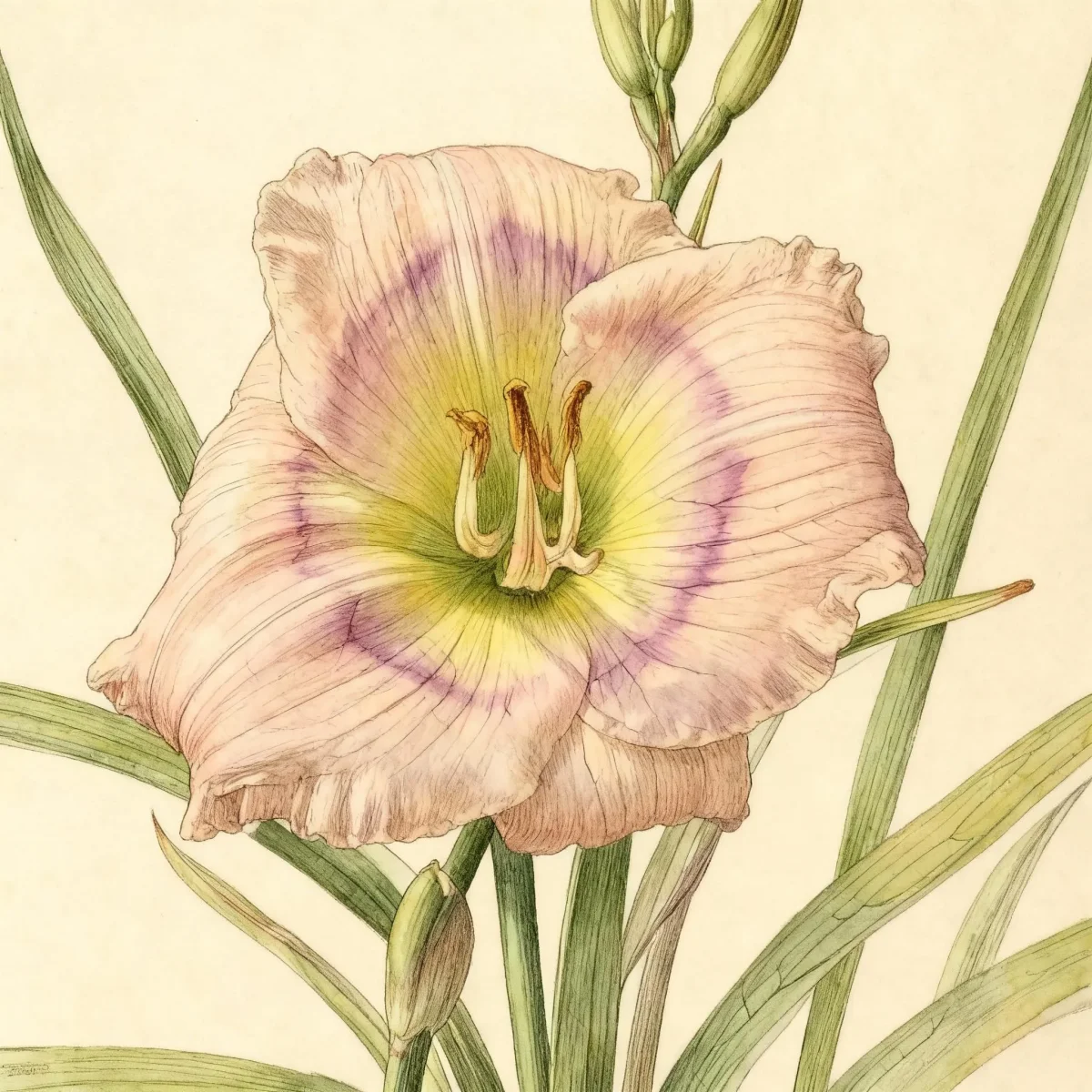
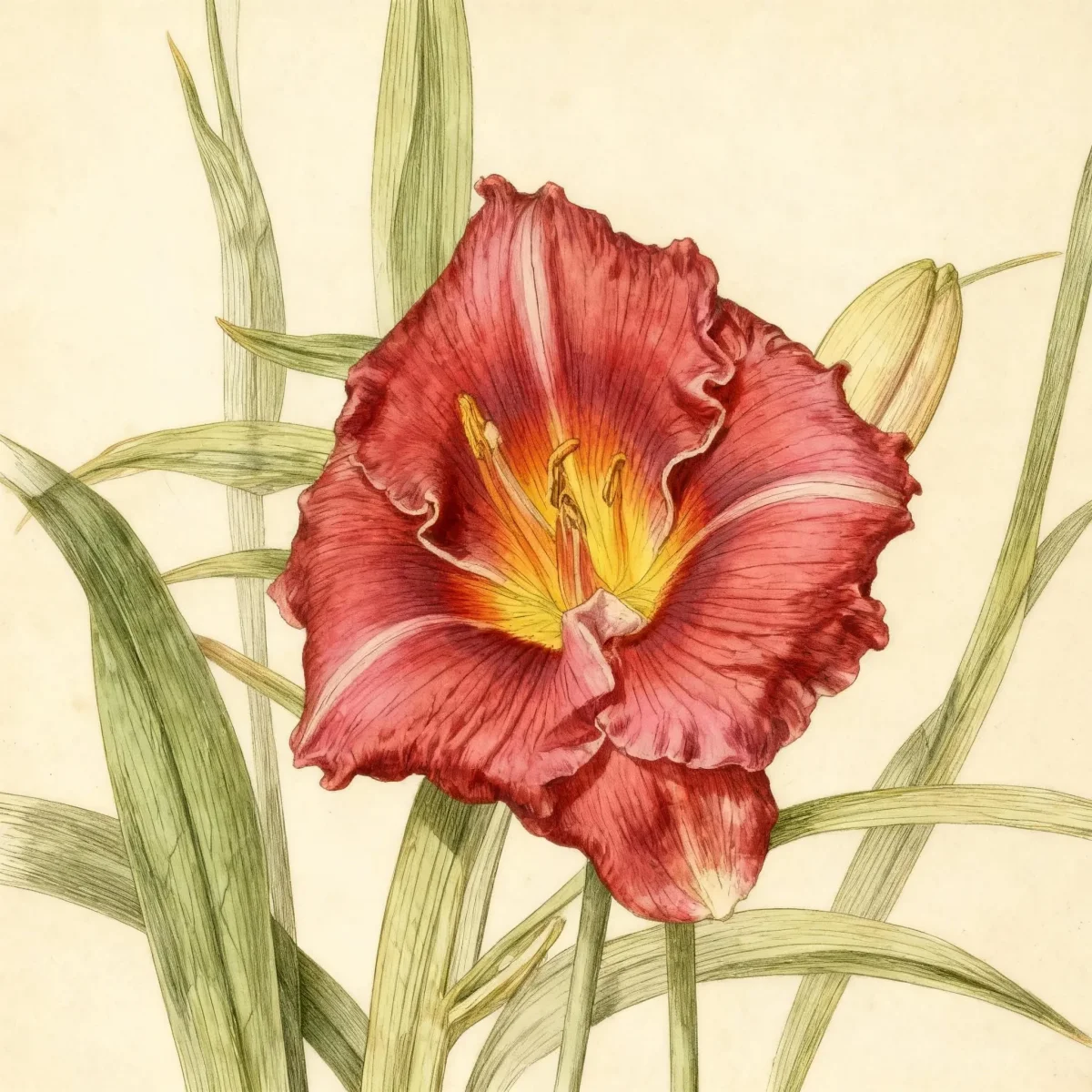
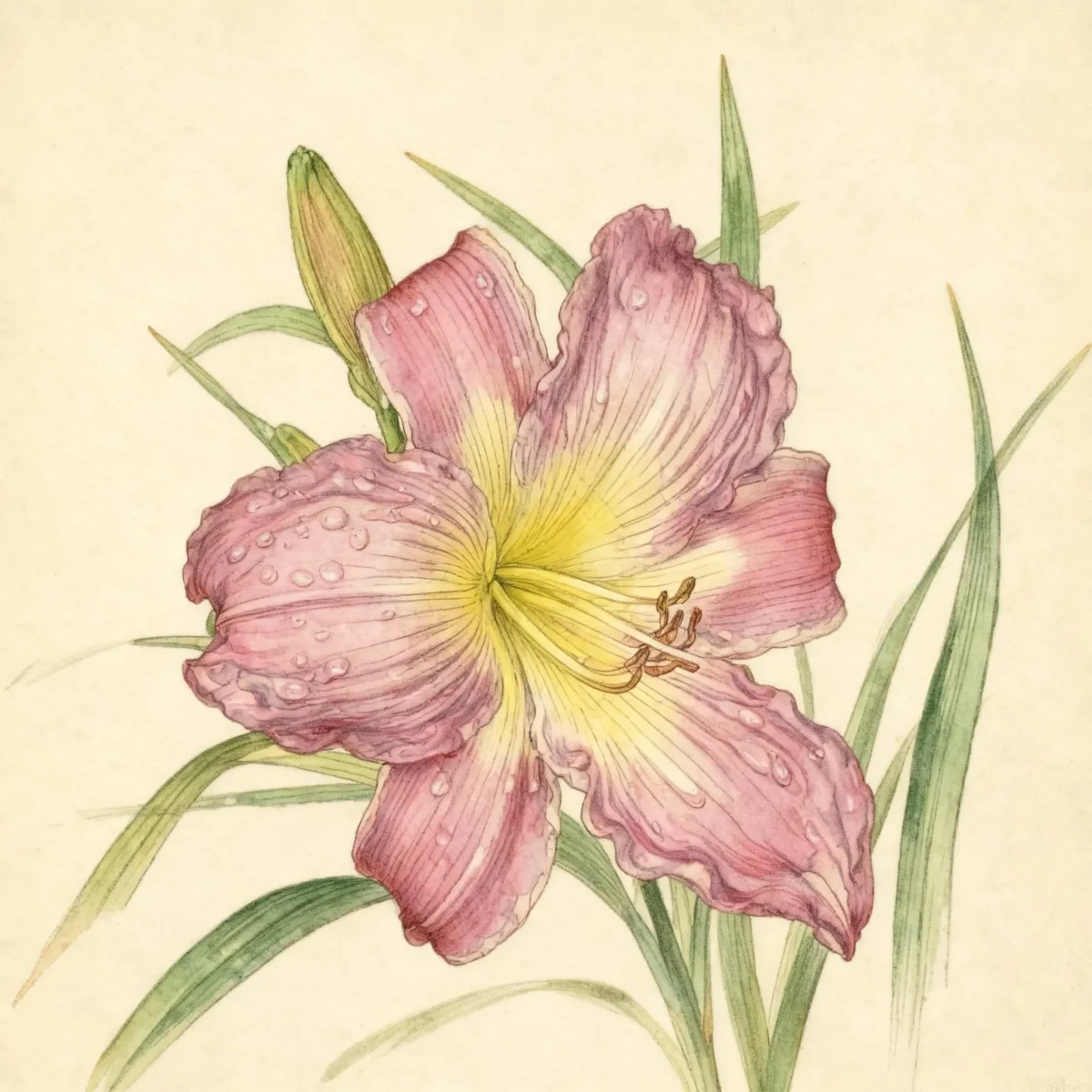
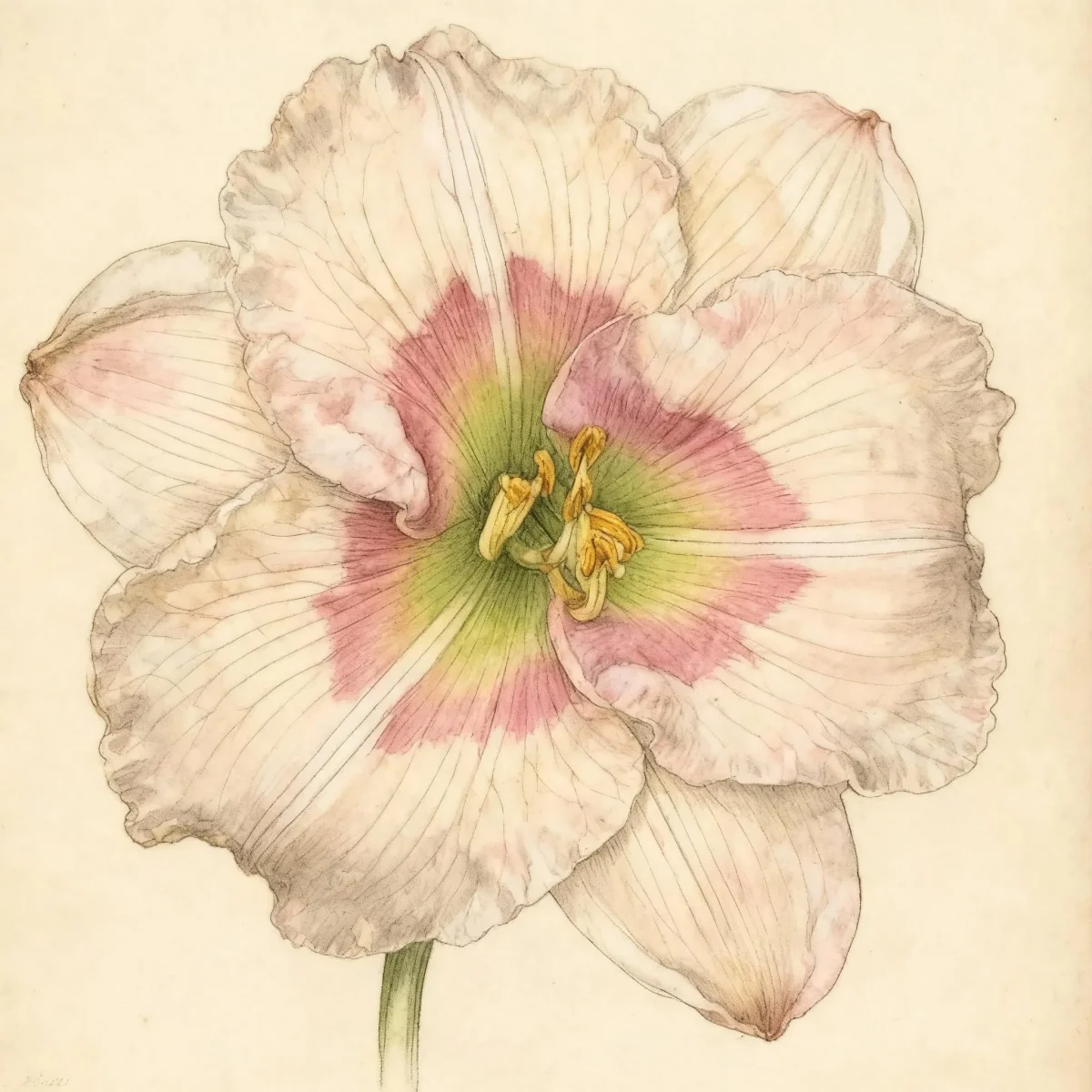
Hemerocallis ‘Border Class’ is a highly valued herbaceous perennial, commonly known as a Daylily, appreciated for its reliable, vibrant summer display. This specific diploid cultivar stands out with its distinctive pale peach flowers accented by a striking fuchsia eye zone and a refreshing green throat. As a low-maintenance variety, the Hemerocallis ‘Border Class’ offers significant aesthetic impact without demanding constant attention throughout the growing season.
This tough perennial thrives across a wide range of hardiness zones and is notably adaptable regarding soil types, though it performs best in deep, fertile conditions. Gardeners rely on the Daylily genus for consistent color, and ‘Border Class’ delivers repeat blooms, extending its ornamental value from early summer well into the season.
Its ease of growth and tolerance to various conditions, including heat, humidity, and atmospheric pollutants, make the Hemerocallis ‘Border Class’ an excellent foundational plant for many landscape designs. Establishing this tough Daylily ensures reliable structure and dependable beauty year after year.
Fast Facts
- Plant Family: Asphodelaceae
- Plant Type: Herbaceous perennial
- Hardiness Zones: USDA Zones 3-9
- Size at Maturity:
- Height: 1.5-2 ft
- Spread: 1-1.5 ft
- Bloom Time: June to July
- Bloom Description: Pale peach with fuchsia eye and green throat
- Sun Exposure: Full sun to part shade
- Water Needs: Medium
- Maintenance Level: Low
How to Grow
Planting Hemerocallis ‘Border Class’ is best accomplished in the spring or fall, allowing the fibrous roots to establish before extreme weather hits. While Daylilies perform well in various soils, they achieve peak performance when situated in deep, fertile loams that maintain medium moisture levels and offer good drainage. Ensure the crown of the plant is set right at the soil surface, as planting too deeply can inhibit flowering.
Ongoing care for this low-maintenance perennial centers on presentation and water management. Deadhead spent flowers daily to maintain neatness, and remove the entire flower scape once flowering is complete for the season. Although Daylilies tolerate heat well, they appreciate deep watering during prolonged dry spells to keep the foliage looking attractive and green.
For optimal performance, particularly for winter dormant types like this, plan to divide clumps every three to four years, ideally in the spring in colder regions like Zone 5 and below. Since hybrid daylilies will not come true from seed, division is the preferred method of propagation for maintaining the characteristics of the Hemerocallis ‘Border Class’ cultivar.
Landscape Uses
The dense, arching, grass-like foliage of the Daylily provides excellent year-round structure, making Hemerocallis ‘Border Class’ invaluable for defining garden spaces. Their defined size (under 2 feet tall) makes them perfect for the front and middle layers of a mixed border planting where they won’t obscure smaller surrounding plants. They serve beautifully as strong edging material along walkways or driveways.
Daylilies are incredibly versatile, excelling when planted in large drifts or masses to create bold sweeps of color across large garden expanses. For a more formalized look, consider growing several clumps of daylilies interspersed with rigid architectural plants like ornamental grasses or upright perennials for textural contrast against the soft foliage of the Daylily.
Dwarf cultivars are often highlighted for rock gardens, but given the manageable size of this cultivar, Hemerocallis ‘Border Class’ fits seamlessly into nearly any perennial bed. Their tolerance to erosion also makes them suitable for gentle slopes where root stability is desired alongside summer color.
Standout Features
Flower Qualities
- Showy
Noteworthy Characteristics
Hemerocallis is recognized globally, derived from Greek words meaning “day” and “beauty,” reflective of each flower’s short, one-day lifespan. Thousands of hybrid cultivars now exist, developed by hybridizers focusing on expanding color palettes and flower shapes beyond the original species native to Asia and Central Europe. The resulting flowers bloom successively on tall scapes, ensuring the plant remains colorful over a prolonged period, even though the individual flowers are ephemeral.
Tolerances
- Rabbit
- Erosion
- Air Pollution
Potential Problems
Daylilies are notoriously adaptable and generally suffer few pest or disease issues, making them a gardener’s friend. Occasionally, pests such as mites, aphids, or thrips can target the leaves or developing buds. If these appear, standard horticultural soap sprays or insecticidal oils are usually effective management tools.
The most significant potential issue across the spectrum of Daylilies is Daylily Rust, a fungal pathogen, which can defoliate plants rapidly in humid conditions. Choosing disease-resistant varieties and ensuring good air circulation are the best preventive measures against rust. Fortunately, rabbits typically ignore Daylilies, reducing another common garden threat.
Frequently Asked Questions
What hardiness zones is Daylily suitable for?
Hemerocallis ‘Border Class’ is suitable for USDA Hardiness Zones 3 through 9, offering a very wide range of adaptability across the country.
How large does Daylily grow?
This Daylily cultivar typically achieves a height between 1.5 and 2 feet, with a spread ranging from 1 to 1.5 feet at maturity.
When does Daylily bloom?
Hemerocallis ‘Border Class’ generally blooms throughout June and July, featuring pale peach flowers with a fuchsia eye and green throat, and it is noted as a repeat bloomer.
What sun exposure does Daylily need?
This variety performs best when planted in areas receiving full sun, though it tolerates conditions within part shade.
Conclusion
The Hemerocallis ‘Border Class’ Daylily offers an exceptional combination of vibrant, unique summer color and extremely low maintenance requirements, making it a cornerstone plant for perennial beds. By ensuring proper soil drainage and dividing the clumps periodically, you can guarantee many seasons of beautiful, repeat flowering from your Hemerocallis ‘Border Class’. Before planting, always confirm that your local climate falls within USDA Zones 3 through 9 for optimal long-term success.
Companion Planting
When designing beds featuring Hemerocallis ‘Border Class’, select companions that offer contrasting foliage texture and bloom times. Plants that require similar medium moisture levels but prefer slightly different light conditions can create complex layers; for instance, situate taller, shade-tolerant Hostas slightly to the west of the Daylilies to enjoy afternoon shade once summer heat peaks.
For aesthetic contrast, pair the arching Daylily foliage with sharp, vertical elements like Iris or upright Salvia varieties. Since Daylilies finish their main flush of color in July, integrating late-season bloomers such as Asters or Sedum will ensure continuous visual interest in the border long after the peach and fuchsia of the Daylily fade away.
Seasonal Care Calendar
Spring cleanup focuses on removing any remaining winter-damaged foliage and applying a slow-release fertilizer designed for perennials just as new growth begins to emerge from the crowns. This feeding supports the heavy bloom production expected in early summer. Keep the area around the crown clear of excessive mulch to prevent rot.
During the peak summer blooming period (June and July), deadheading is the singular most important task for the Hemerocallis ‘Border Class’; removing spent blooms daily keeps the plant looking tidy and encourages continuous reblooming cycles. Supplement water during hot, dry weather to maintain the luscious appearance of the foliage, as stressed leaves quickly look brown and unsightly.
In the fall, after the foliage has naturally died back or before the first hard freeze in northern zones, you may cut the dead foliage back toward the ground, though this is often optional. If division is necessary, aim for early fall, ensuring enough time remains for root establishment before the ground freezes completely.