Pine-leaved penstemon (Penstemon pinifolius 'Mersea Yellow')
Penstemon pinifolius 'Mersea Yellow' offers unique yellow tubular blooms on pine-like foliage. This low-maintenance Pine-leaved penstemon thrives
Scroll down to discover growing tips, care requirements, companion plants, and more
Complete Plant Information
Overview
Penstemon pinifolius ‘Mersea Yellow’ is a highly sought-after perennial subshrub, prized for bringing rare, cheerful yellow coloration to the garden alongside its unique, needle-like foliage. This specific cultivar of Pine-leaved penstemon stands out because most relatives display red or coral flowers, making the lemon-yellow blooms of ‘Mersea Yellow’ a must-have for collectors and cottage gardeners alike. It is a low-maintenance choice, providing excellent structure and attracting vital wildlife throughout the summer months.
This woody perennial forms a tidy, small mound, offering persistent visual interest even outside its flowering period, as it often remains semi-evergreen depending on winter severity. The foliage closely resembles pine needles, justifying the common name Pine-leaved penstemon. Gardeners appreciate its resilience, particularly its tolerance for dry conditions once established, making it ideal for xeriscaping projects where other flowering plants struggle.
The tubular flowers of Penstemon pinifolius ‘Mersea Yellow’ are not just beautiful; they are vital food sources for hummingbirds and butterflies. Growing this cultivar successfully means placing it where it receives ample sunlight and benefits from superb drainage, rewarding the gardener with vibrant blooms from early summer well into August.
Fast Facts
- Plant Family: Plantaginaceae
- Plant Type: Broadleaf evergreen
- Hardiness Zones: USDA Zones 4-9
- Size at Maturity:
- Height: 0.75-1 ft
- Spread: 1-1.5 ft
- Bloom Time: June to August
- Bloom Description: Yellow
- Sun Exposure: Full sun
- Water Needs: Dry to medium
- Maintenance Level: Low
How to Grow
Penstemon pinifolius ‘Mersea Yellow’ demands excellent drainage to thrive; plant it in sandy or gritty soil mixes that allow water to move freely away from the root crown. Planting should ideally occur in spring after the last frost date, ensuring the roots have time to settle before facing summer heat. This species absolutely requires full sun and will fail or become leggy in shaded locations, and it actively rejects heavy, wet clay soils.
Watering should be conservative, especially once the Pine-leaved penstemon is established, fitting perfectly into a dry to medium water regime. While moderate moisture is appreciated during the initial establishment phase, thereafter, allow the soil to dry out significantly between watering events. Avoid overhead watering late in the day, as persistently moist conditions near the base can invite fungal issues.
Maintenance for Penstemon pinifolius ‘Mersea Yellow’ is minimal. Deadheading spent flower stalks encourages repeat blooming and maintains a tidier appearance throughout the summer season. In extremely cold pockets within Zone 4 or 5, apply a layer of dry mulch after the first hard freeze to protect the woody crown, though ensure the crown itself remains dry and not blanketed in sodden material.
Landscape Uses
The compact size and fine texture of Penstemon pinifolius ‘Mersea Yellow’ make it an indispensable element in specific garden designs. It excels when planted near the front or middle of mixed borders, providing vertical color contrast against broader-leaved companions, particularly those that enjoy similar sharp drainage. Its small, mounding habit is perfectly suited for filling crevices or softening the edge of pathways in rock gardens.
Given its drought tolerance and preference for leaner soils, this Pine-leaved penstemon acts as an excellent native component in xeriscape plantings across arid or sunny borders. It also performs admirably in containers, provided the potting mix incorporates generous amounts of grit or pumice to prevent waterlogging. The bright yellow flowers act as a beacon for pollinators even in smaller displays.
Consider pairing Penstemon pinifolius ‘Mersea Yellow’ with other drought-tolerant Mediterranean or Southwestern natives that appreciate sharp drainage, such as certain varieties of Artemisia, Sedum, or low-growing Yucca species. This combination ensures all plants share similar cultural needs, resulting in a harmonious and long-lasting display.
Standout Features
Flower Qualities
- Showy
Noteworthy Characteristics
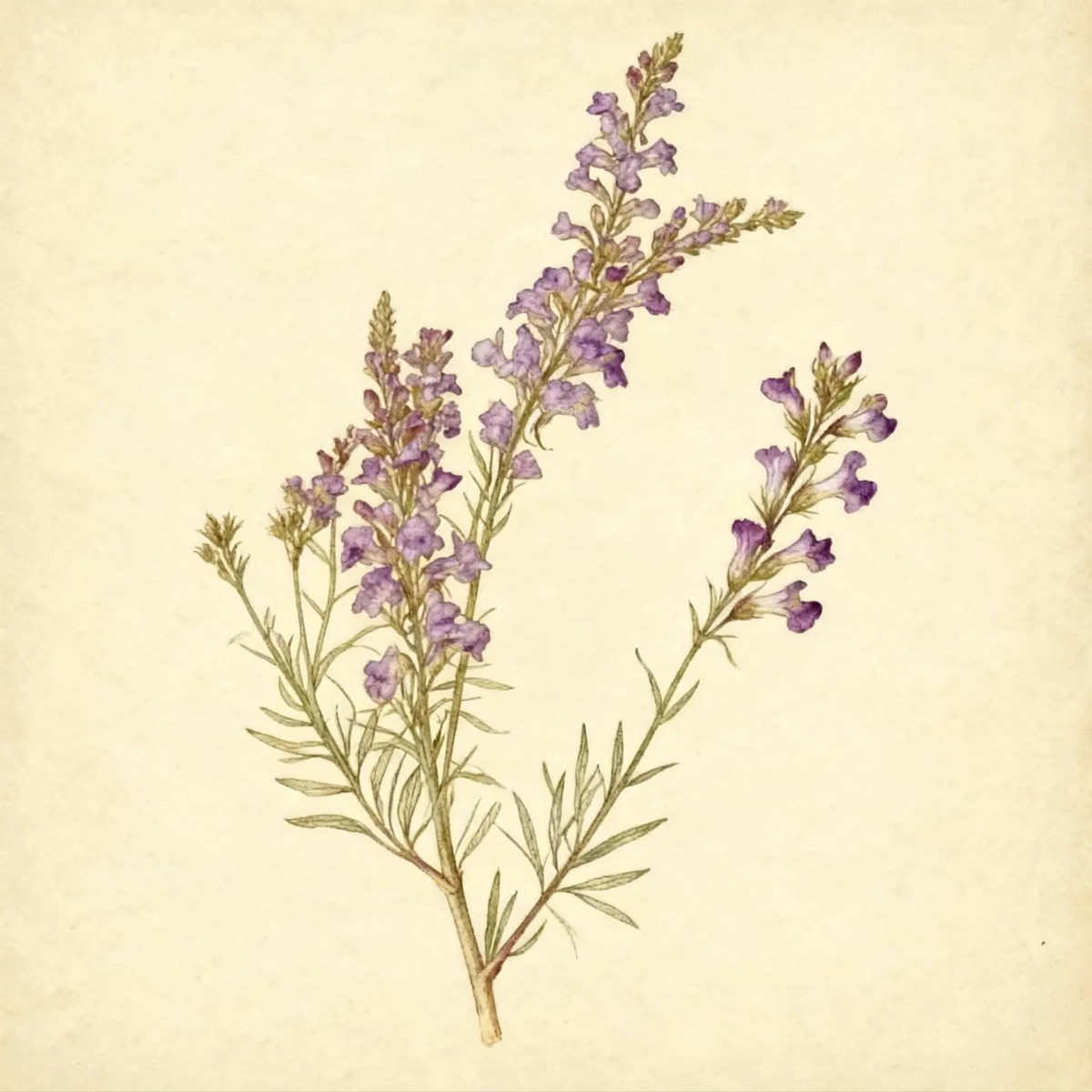
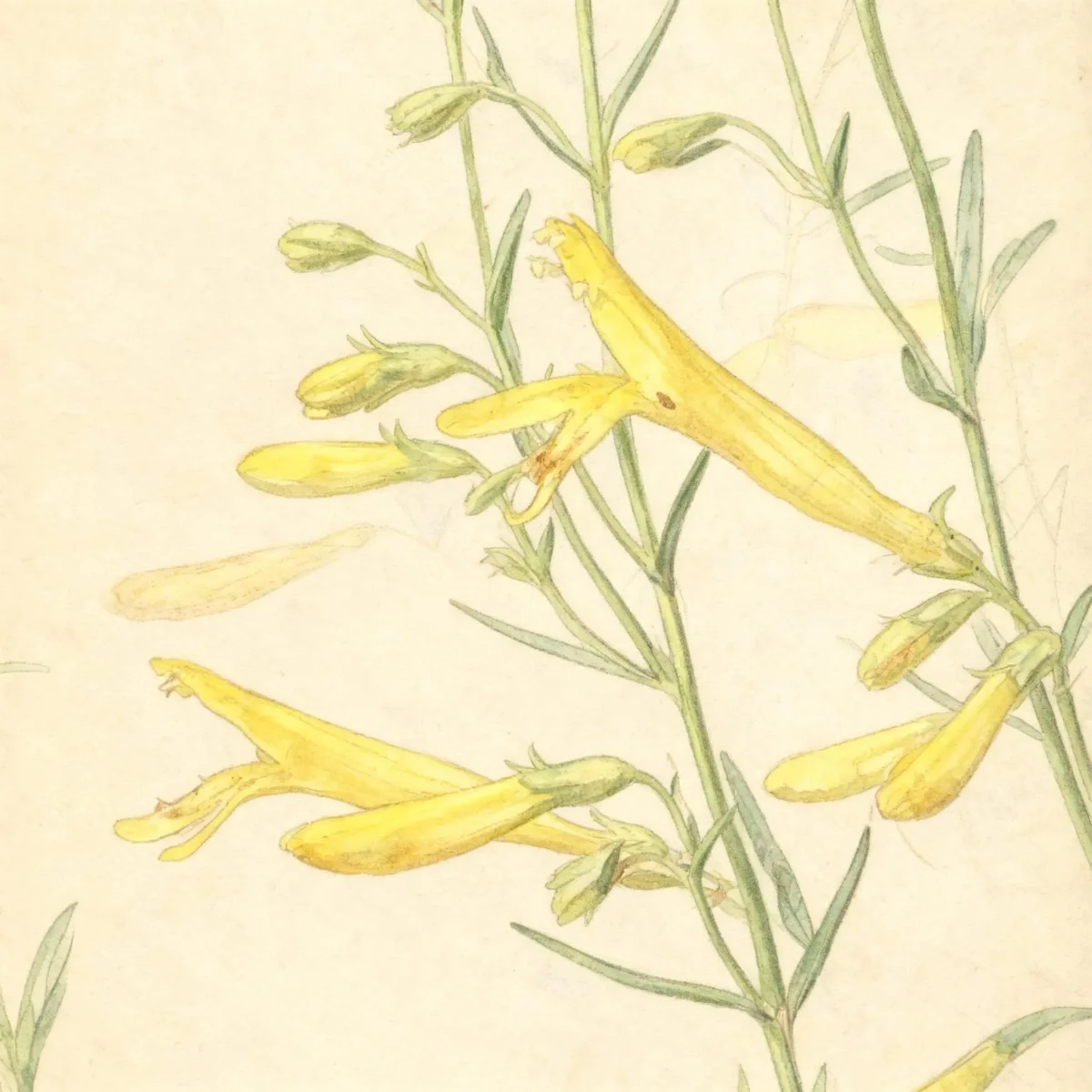
Penstemon pinifolius, commonly called pine-leaved penstemon, is a woody, semi-evergreen, perennial subshrub native to elevated rocky outcrops in the forested mountains of southeastern Arizona and into western New Mexico. Plants can reach 10-12” tall with a 12-18” spread, over time forming a twisting, woody base from which the new growth will emerge. The stems are upright to gently leaning, with thin, narrow foliage (0.75-1” long) resembling pine needles along their lengths. ‘Mersea Yellow’ is one of the few truly yellow penstemon cultivars; its bright, lemon yellow, tubular flowers are highly attractive to hummingbirds and other pollinators.
Tolerances
- Rabbit
- Drought
- Shallow-Rocky Soil
Potential Problems
This plant generally exhibits few serious pest or disease problems when grown in ideal conditions, making the Penstemon pinifolius ‘Mersea Yellow’ very reliable. The primary concerns are usually cultural: issues arise almost exclusively from poor drainage or excessive shade. Slugs and snails may bother tender new growth, particularly in damp springs, requiring standard organic bait or barrier treatments if populations are high. Powdery mildew is another possibility, typically occurring if air circulation is poor or the plant is stressed by inconsistent watering, often necessitating trimming to open up the center foliage.
Frequently Asked Questions
What hardiness zones is Pine-leaved penstemon suitable for?
Penstemon pinifolius ‘Mersea Yellow’ is reliably hardy in USDA Zones 4 through 9, though some gardeners report success down to Zone 3 with extra winter protection.
How large does Penstemon pinifolius ‘Mersea Yellow’ grow?
This cultivar typically reaches a mature height between 0.75 and 1 foot tall, spreading to about 1 to 1.5 feet wide, maintaining a neat, low-profile clump.
What sun exposure does Penstemon pinifolius ‘Mersea Yellow’ need?
This plant requires full sun exposure to develop strong stems and produce the best bloom set, as it does not tolerate shady conditions well.
When does Pine-leaved penstemon bloom?
The Pine-leaved penstemon typically blooms enthusiastically from June through August, displaying its distinctive yellow, tubular flowers along the upper stems.
Conclusion
Penstemon pinifolius ‘Mersea Yellow’ offers unique texture, rare yellow coloration, and exceptional drought tolerance, solidifying its value in modern, low-input gardening schemes. Ensure you plan planting locations based on excellent soil drainage to guarantee the health of your Pine-leaved penstemon. Check your local USDA hardiness rating and aim to plant in full sun for the best possible performance this season.
Companion Planting
Selecting good neighbors ensures optimal soil health for this perennial. Since Penstemon pinifolius ‘Mersea Yellow’ strongly prefers lean, dry, sandy soil, avoid companions that demand consistent richness or high moisture levels, such as hostas or astilbes. Look instead to fellow sun-loving, drought-tolerant rock garden inhabitants.
Excellent partners include ornamental sages (Salvia species known for dry tolerance), lavender, yarrow (Achillea), and various creeping thymes. These plants share the need for excellent drainage and full sun, creating a cohesive aesthetic where the fine texture of the pine-like foliage contrasts beautifully with broader herbs or silvery native grasses.
This concept of companion planting based strictly on cultural compatibility minimizes maintenance and eliminates the risk of root rot in your Penstemon pinifolius ‘Mersea Yellow’. This thoughtful grouping ensures all plants thrive under the same watering and soil regimen.
Design Ideas for Yellow Penstemons
The bright, clear yellow of ‘Mersea Yellow’ makes it an excellent accent color in late spring and summer borders, particularly effective when used as an accent among cool blues and purples. Use it sparingly as a “pop” of light rather than planting large swaths, allowing its unusual form to stand out. Its low height makes it perfect for the foreground.
Consider using this cultivar in themed gardens, such as a “Drought-Tolerant Native Display” or an “Arizona Highlands” inspired scheme, pairing it with local granite or decomposed granite mulch to mimic its native rocky environment. The compact, woody base of the Pine-leaved penstemon also lends itself well to stabilization on dry, sunny slopes where erosion might be a concern.
For contemporary homes or minimalist designs, grouping Penstemon pinifolius ‘Mersea Yellow’ in a rectangular gravel bed or a modern concrete planter brings its unique structure to the forefront. The contrast between the sharp, vertical foliage and sleek hardscaping is always visually appealing.