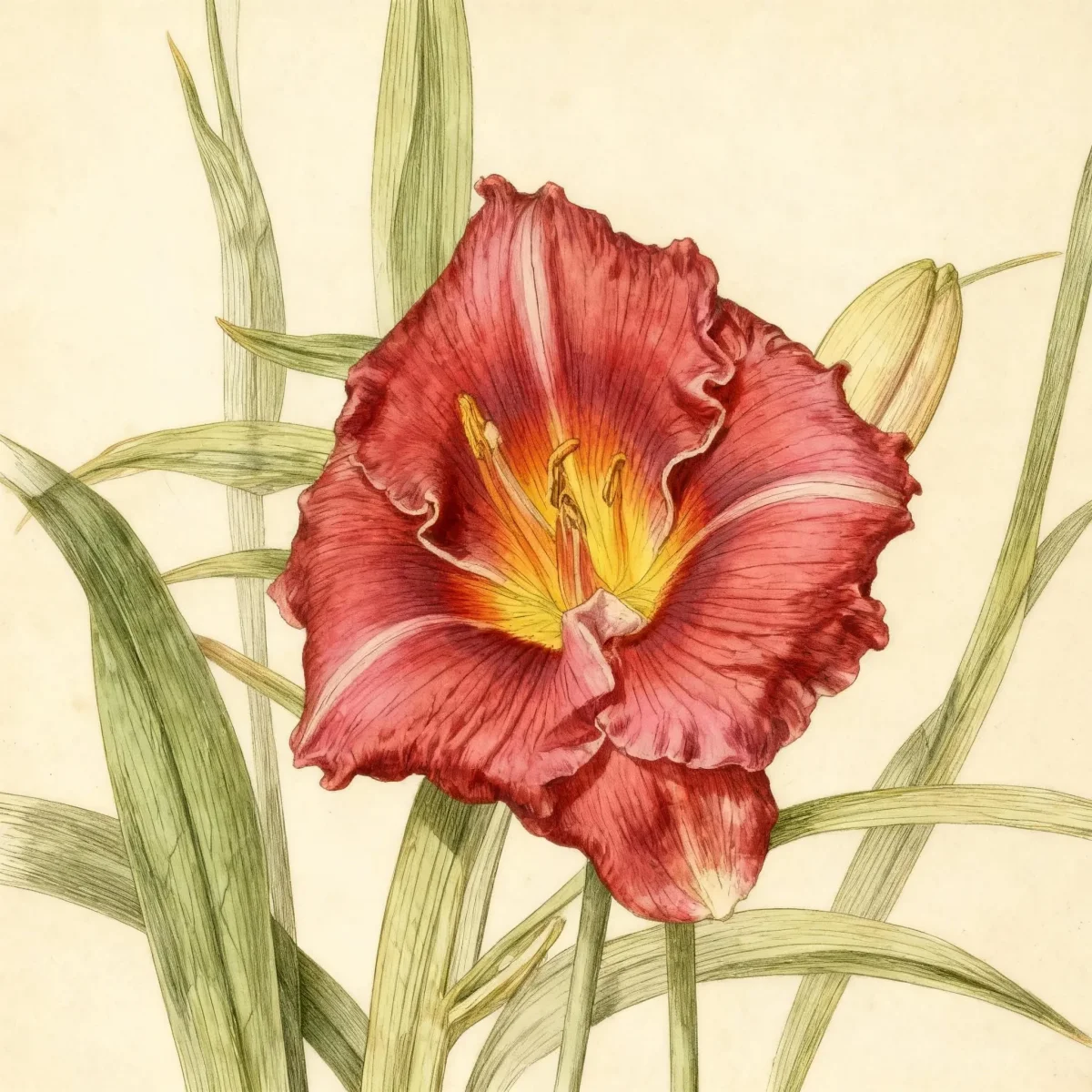
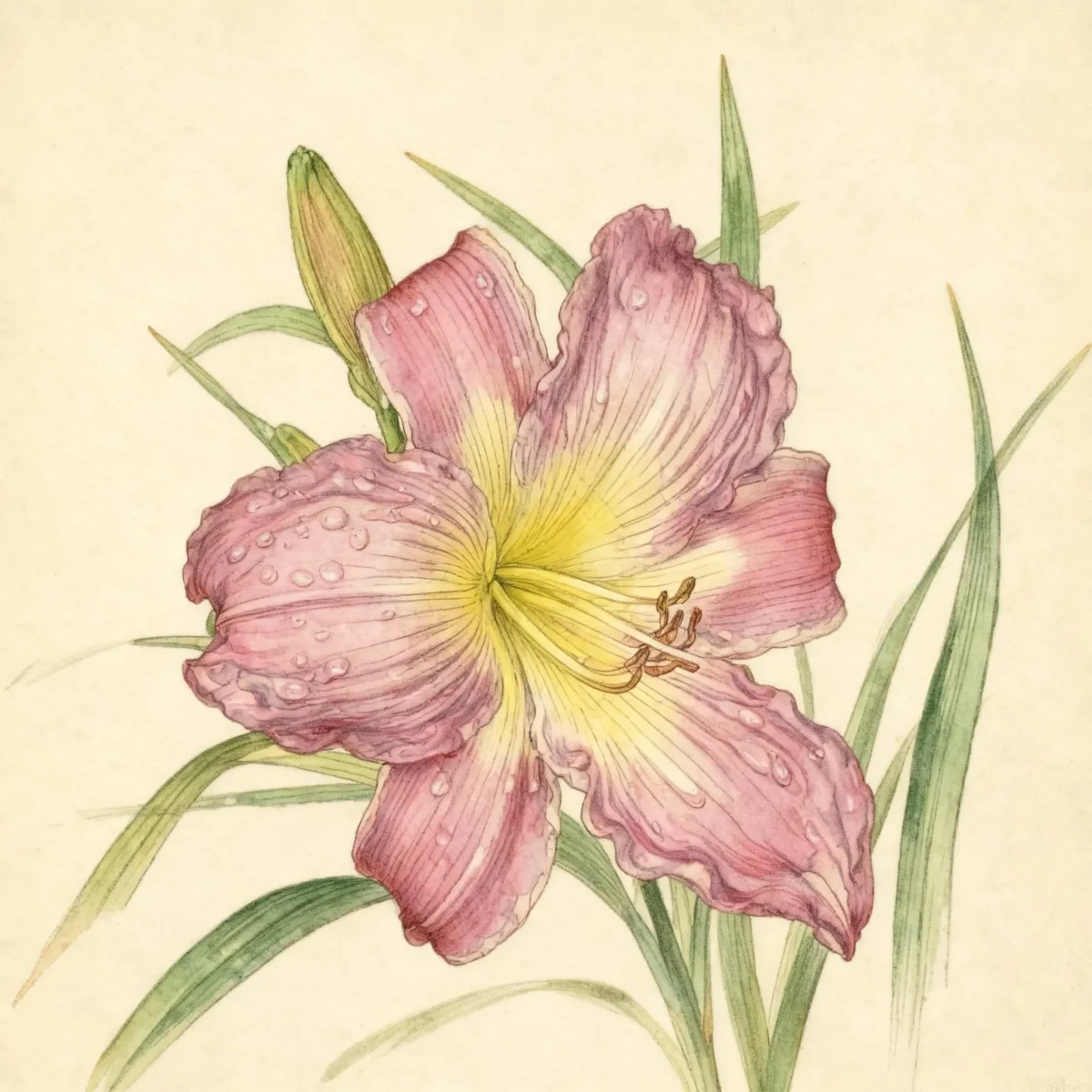
Daylily (Hemerocallis 'Rosy Returns')
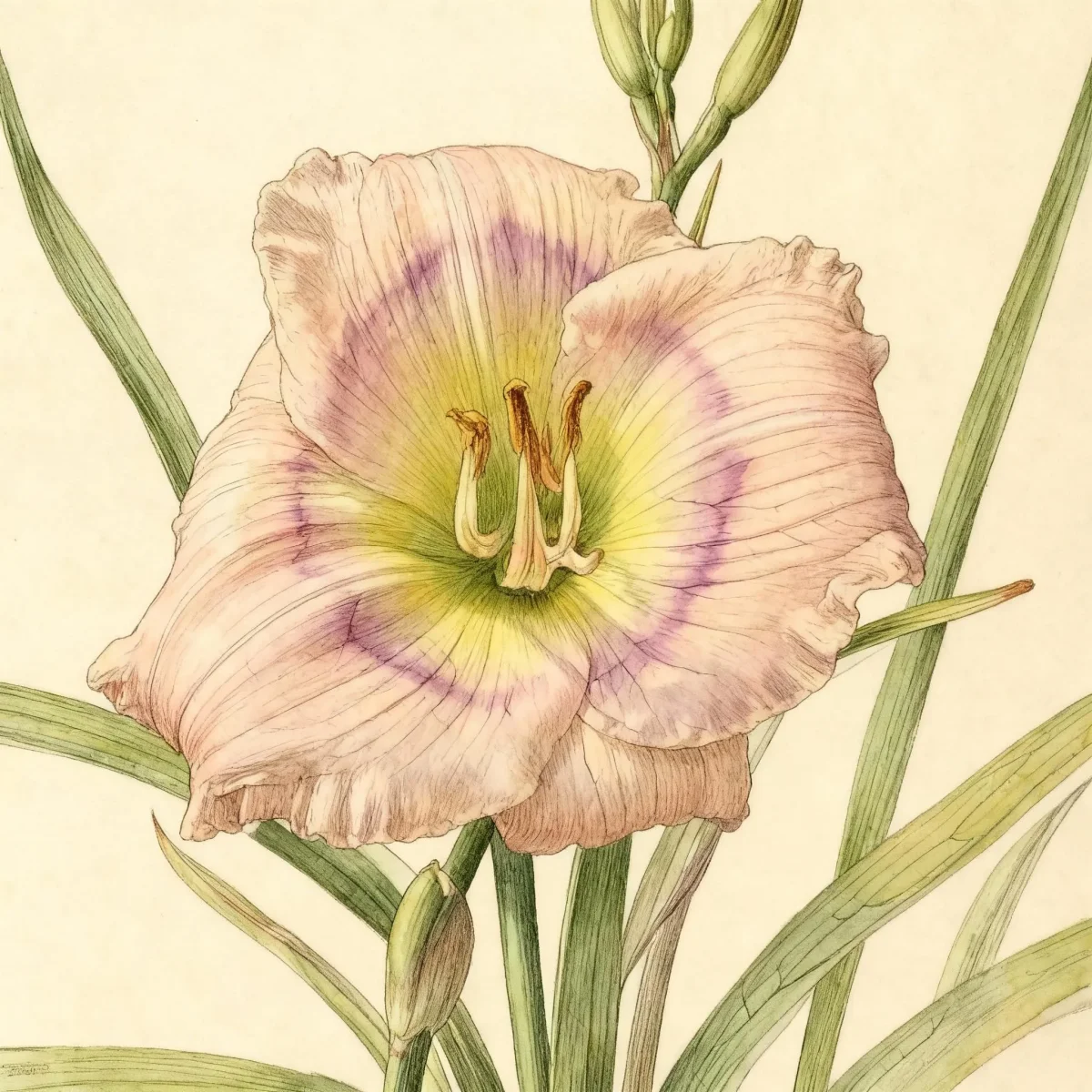
Hemerocallis 'Rosy Returns' is a dwarf, low-maintenance Daylily offering showy, fragrant rose-pink blooms from June through July.
Scroll down to discover growing tips, care requirements, companion plants, and more
Complete Plant Information
Overview
The Daylily, represented by cultivars like Hemerocallis ‘Rosy Returns’, remains one of the most popular and versatile garden perennials. This specific variety is prized as a dwarf, everblooming plant, providing consistent color where many standard daylilies taper off. Gardeners incorporate Hemerocallis ‘Rosy Returns’ into their landscape designs for its ease of care and attractive, repeat blooming habit.
As an herbaceous perennial, this Daylily establishes strong fibrous roots, allowing it to thrive in a wide range of conditions across USDA Zones 3 through 9. While its flowers last only a day, the prolific nature of the scapes ensures that the display remains continuous throughout the main summer months. The compact form of Hemerocallis ‘Rosy Returns’ makes it particularly valuable for smaller spaces or detailed garden edging.
These plants offer substantial aesthetic value due to their rose-pink coloration and subtle fragrance when in bloom. Furthermore, the reliable foliage and low maintenance requirements mean that the Daylily offers maximum visual impact with minimal gardener input, making it an excellent foundation plant for perennial borders.
Fast Facts
- Plant Family: Asphodelaceae
- Plant Type: Herbaceous perennial
- Hardiness Zones: USDA Zones 3-9
- Size at Maturity:
- Height: 1-1.5 ft
- Spread: 0.75-1 ft
- Bloom Time: June to July
- Bloom Description: Rose pink with deeper rose eye
- Sun Exposure: Full sun to part shade
- Water Needs: Medium
- Maintenance Level: Low
How to Grow
Planting your Hemerocallis ‘Rosy Returns’ is best achieved in the spring or fall when temperatures are moderate. Select a location receiving full sun to partial shade; while they tolerate less light, maximum bloom production for this Daylily requires several hours of direct sun. They perform best in average, medium-moisture, well-drained soils, though they adapt well to various soil types, preferably deep, fertile loams.
Maintenance for this Daylily is decidedly low. Deadhead spent blossoms daily to maintain a neat appearance, and remove the entire flower stalk (scape) once blooming is complete. Though tolerant of heat and humidity, ensure deep watering during extended dry spells to keep the attractive, grass-like foliage looking crisp.
For optimal performance, plan to divide your clumps every three to four years, ideally in the spring in colder climates or the fall in milder regions. Since this is a hybrid, saving seeds will not produce plants true to the parent, reinforcing the need for division. Note that winter dormant types, like many standards, need the cold period provided by lower zones unless you opt for evergreen types suitable for warmer areas.
Landscape Uses
The manageable size and extended bloom period of Hemerocallis ‘Rosy Returns’ make it an indispensable tool for landscape design. Its height of 1 to 1.5 feet positions it perfectly for use in the front or middle of established borders, offering a low splash of color without obscuring taller background plants. This Daylily excels as edging along pathways or driveways where its neat clumps provide continuous texture.
Due to its adaptability and low maintenance, consider using this variety for mass plantings over large areas. Planting Hemerocallis ‘Rosy Returns’ in large drifts creates a powerful statement during its bloom time. The dwarf nature of this cultivar also makes it an excellent choice for rock gardens, where its structure contrasts nicely with low-growing succulents or creeping groundcovers.
Standout Features
Flower Qualities
- Showy
- Fragrant
Noteworthy Characteristics
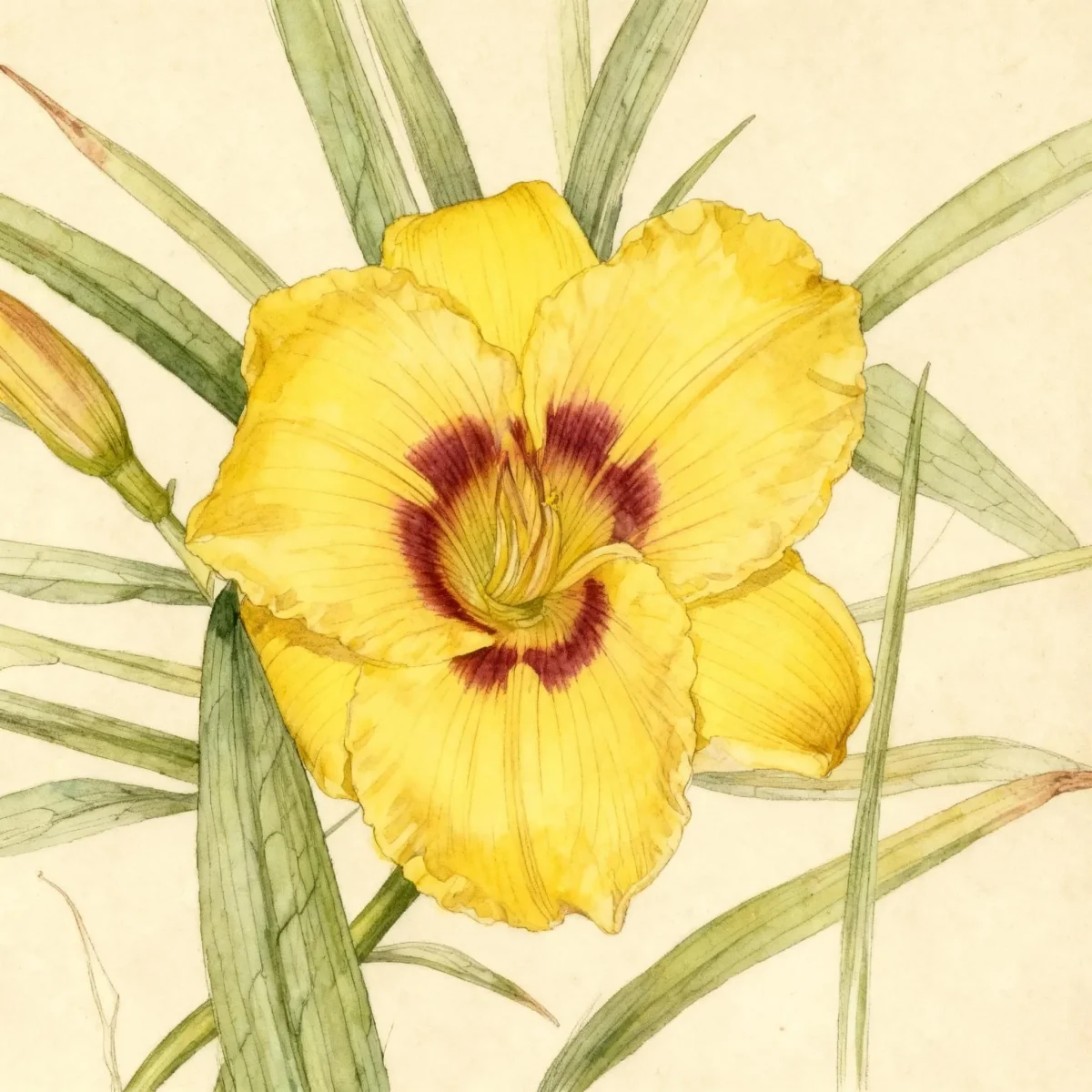
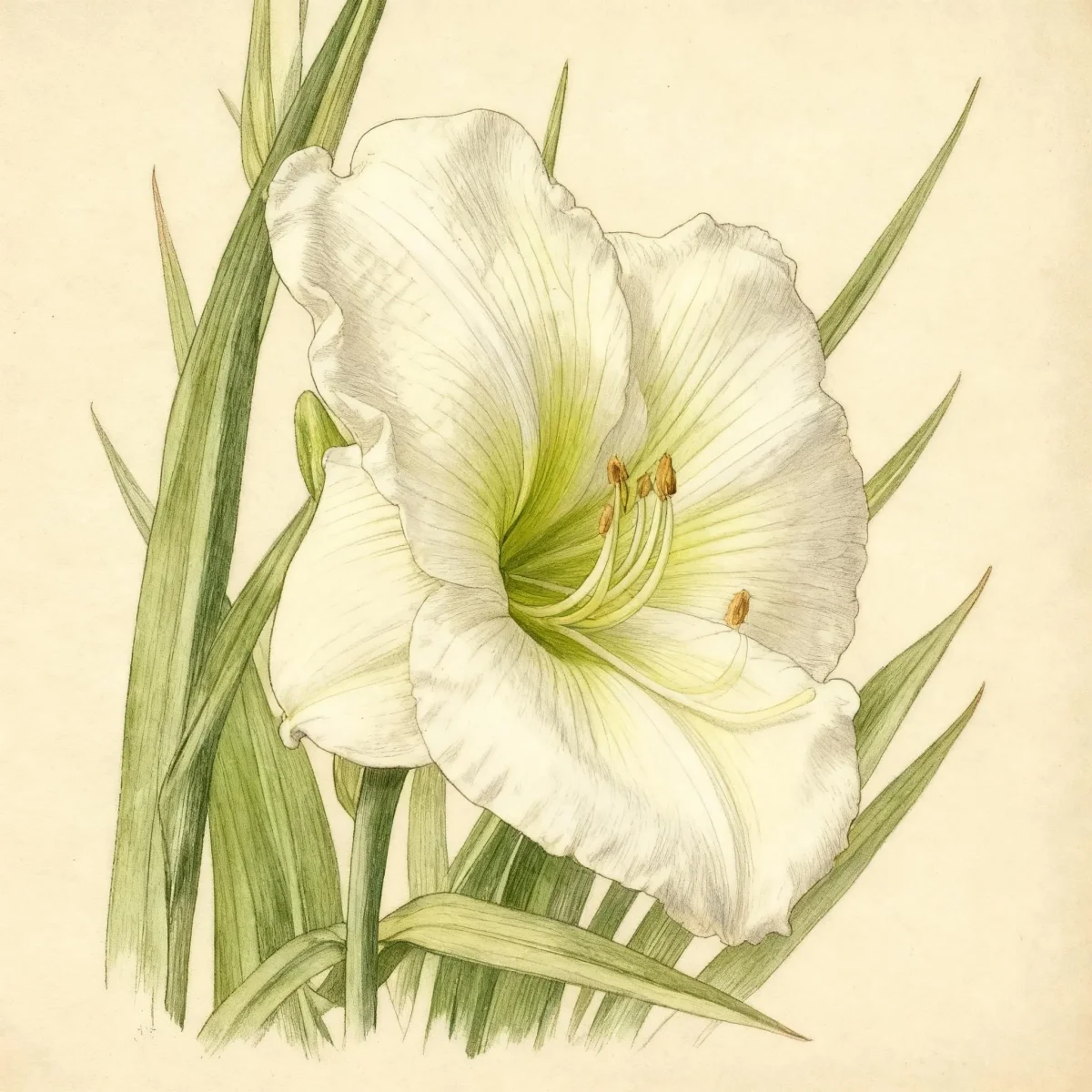
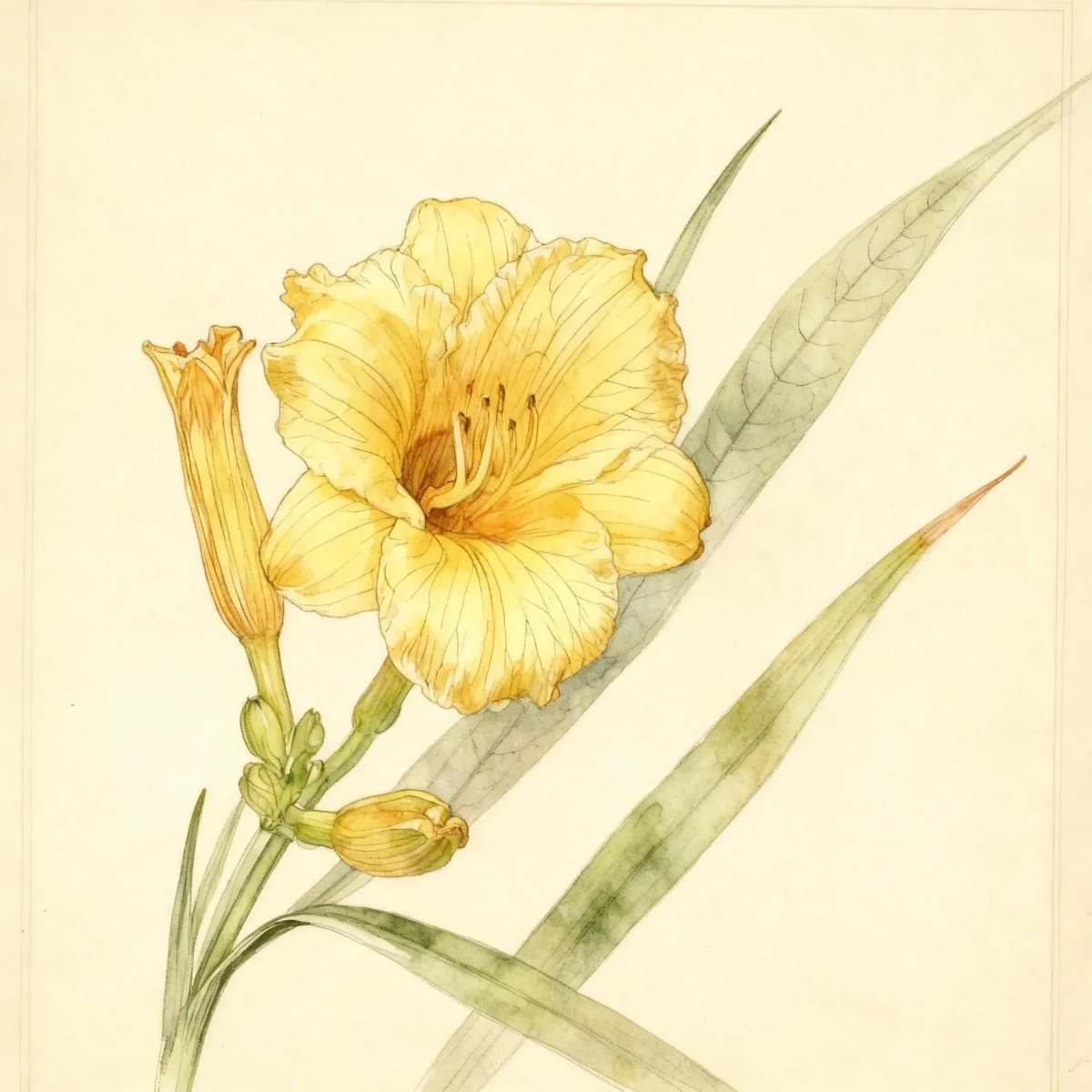
The genus Hemerocallis, commonly known as daylilies, comprises approximately 15 species originating from Asia and Europe, though modern garden stock is overwhelmingly hybrid. Hybridizers have created over 60,000 registered cultivars, focusing on color, shape, and performance, such as the everblooming nature of ‘Rosy Returns’. Each flower unfolds for just one day, yet prolific succession ensures long displays, featuring six perianth segments and typically lacking the color blue.
Tolerances
- Rabbit
- Erosion
- Air Pollution
Potential Problems
Daylilies are exceptionally adaptable and rarely suffer from significant pest pressure. However, watch for occasional infestations of mites, aphids, or thrips, treating them with horticultural soap if necessary. Daylily rust can become problematic in humid regions, requiring careful attention to air circulation and potentially fungicide application. Rabbits typically find this plant unappetizing, offering a natural form of pest resistance.
Frequently Asked Questions
What hardiness zones is Daylily suitable for?
Hemerocallis ‘Rosy Returns’ is suitable for USDA Zones 3 through 9.
How large does Daylily grow?
This cultivar typically reaches a height between 1 and 1.5 feet, with a spread of 0.75 to 1 foot at maturity.
What sun exposure does Hemerocallis ‘Rosy Returns’ need?
This Daylily requires full sun to partial shade conditions to achieve its best performance and bloom count.
When does Daylily bloom?
The primary bloom time for Hemerocallis ‘Rosy Returns’ is June to July, featuring rose pink flowers with a deeper rose eye.
Conclusion
The Hemerocallis ‘Rosy Returns’ Daylily is a cornerstone perennial, valued for its low-maintenance requirements and extended season of rose-pink color. Its tolerance for varied conditions and resistance to browsing pests like rabbits solidify its place in diverse garden settings. Before planting, confirm your site falls within USDA Hardiness Zones 3-9 and provide medium moisture for a beautiful, reliable summer display.
Companion Planting
When planning borders featuring this Daylily, consider companions that thrive in similar sun and moisture profiles. Planting shorter, later-blooming perennials near Hemerocallis ‘Rosy Returns’ ensures continuous color interest after the initial flush of rose-pink fades. Good partners include ornamental grasses that offer upright contrast, or shorter, late-season bloomers like hardy Geraniums or Nepeta (Catmint), which maintain visual appeal throughout the summer.
Design Ideas for Dwarf Daylilies
The compact stature of Hemerocallis ‘Rosy Returns’ opens up unique design possibilities beyond simple mass planting. Use this dwarf Daylily to soften the edges of hardscaping features like stone walls or walkways where taller plants would appear overwhelming. In contemporary landscape designs, massing several dozen of these compact plants creates textural blocks of color, functioning almost like a low, flowering hedge or groundcover when viewed from a distance.