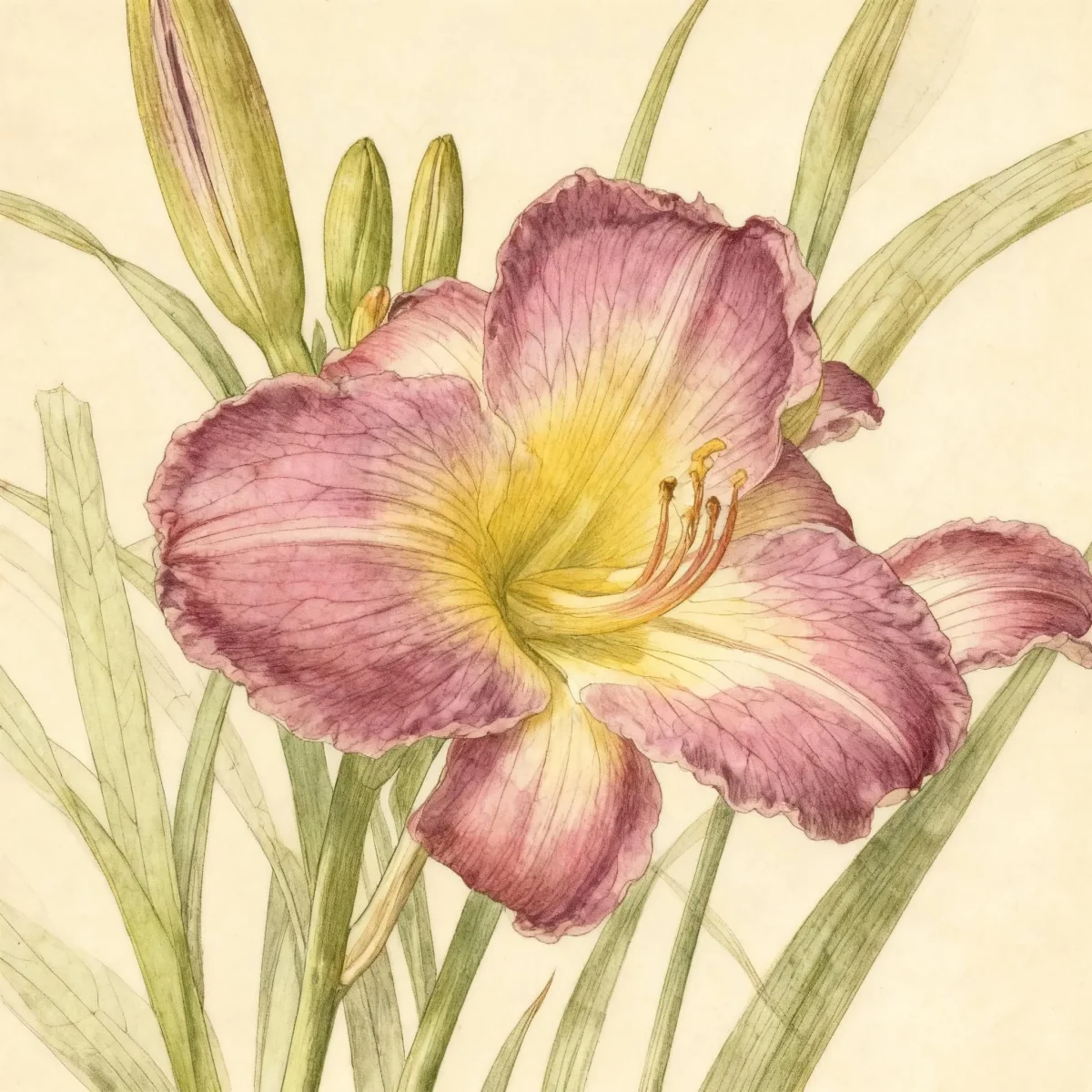
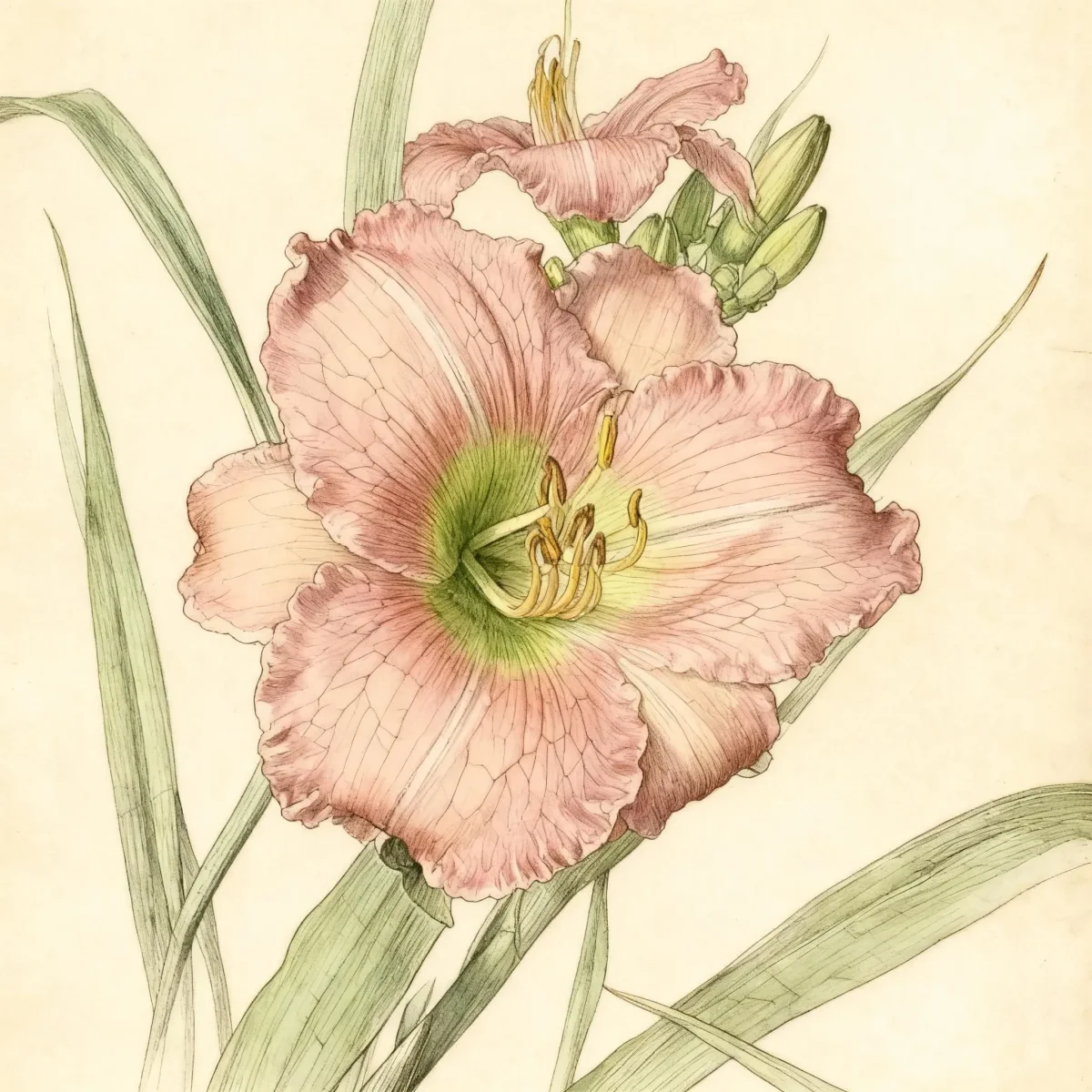
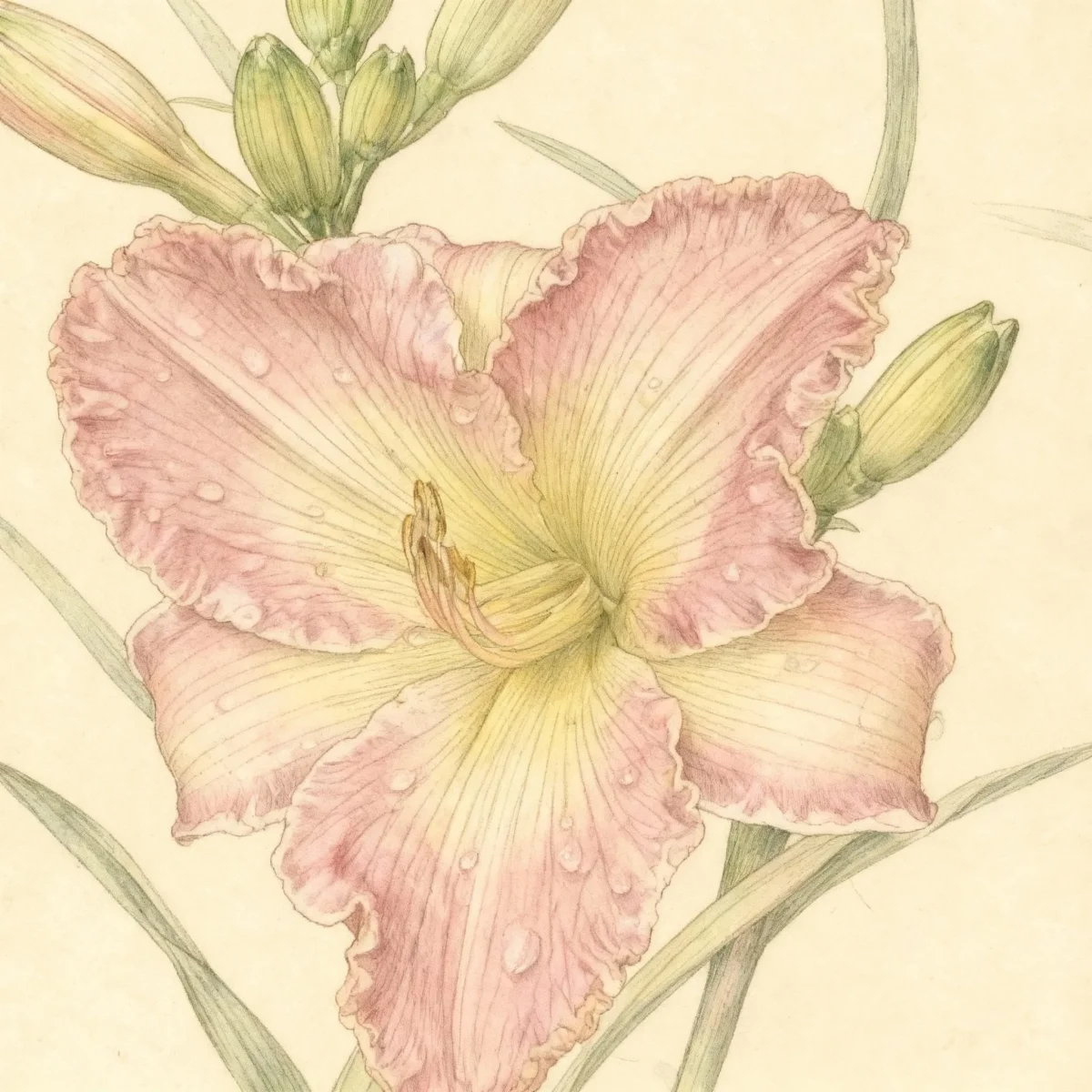
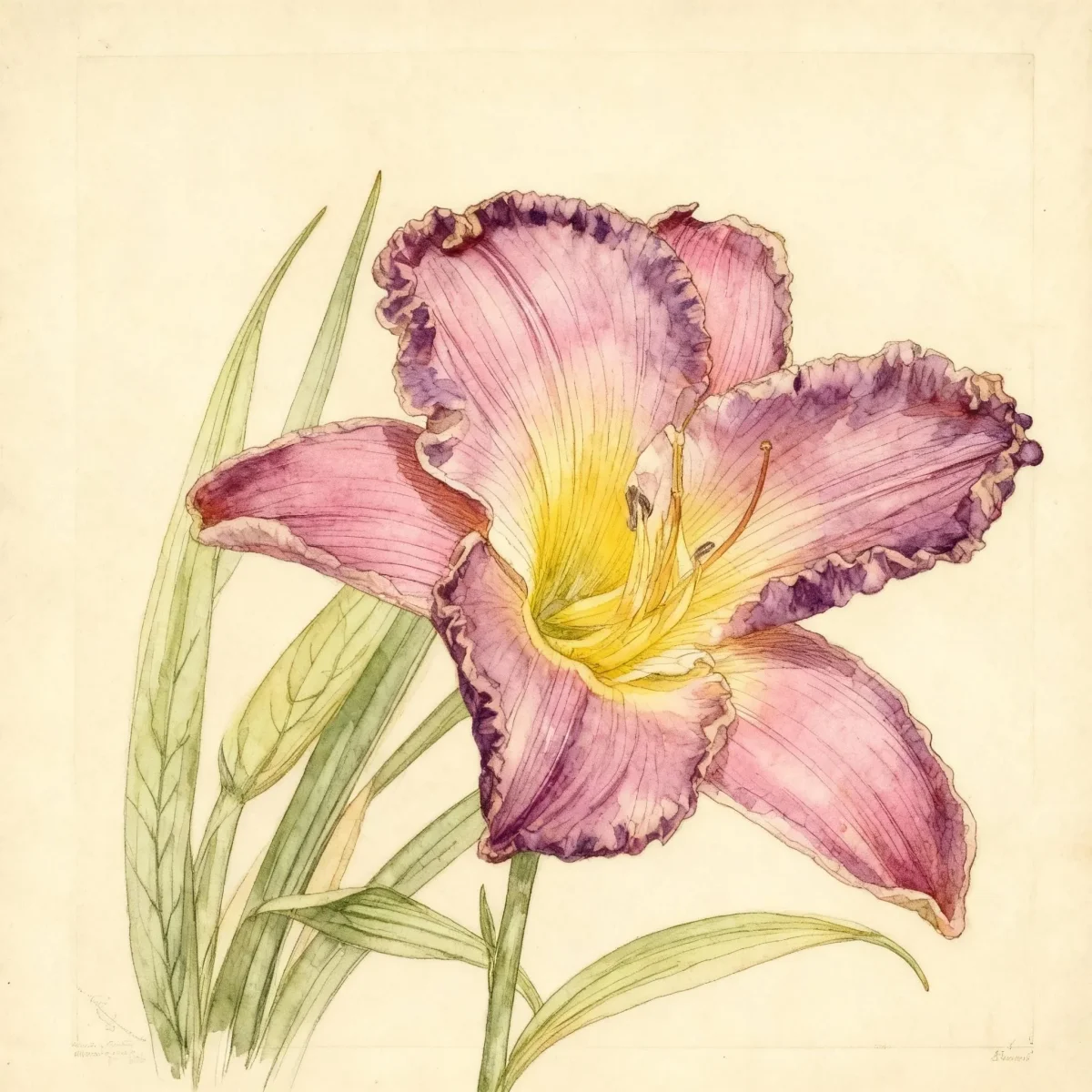
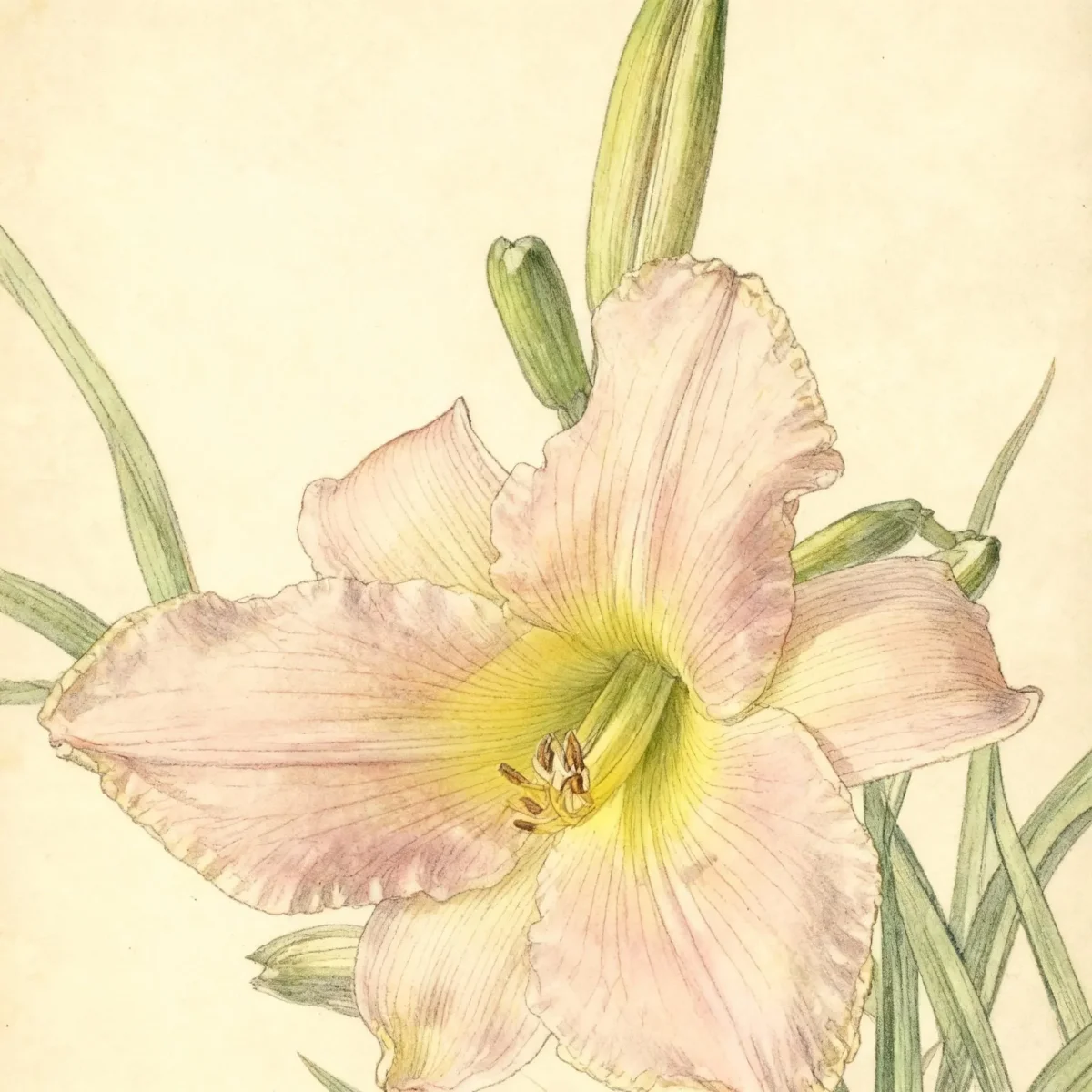
Tetraploid daylily (Hemerocallis 'Tiger Time')
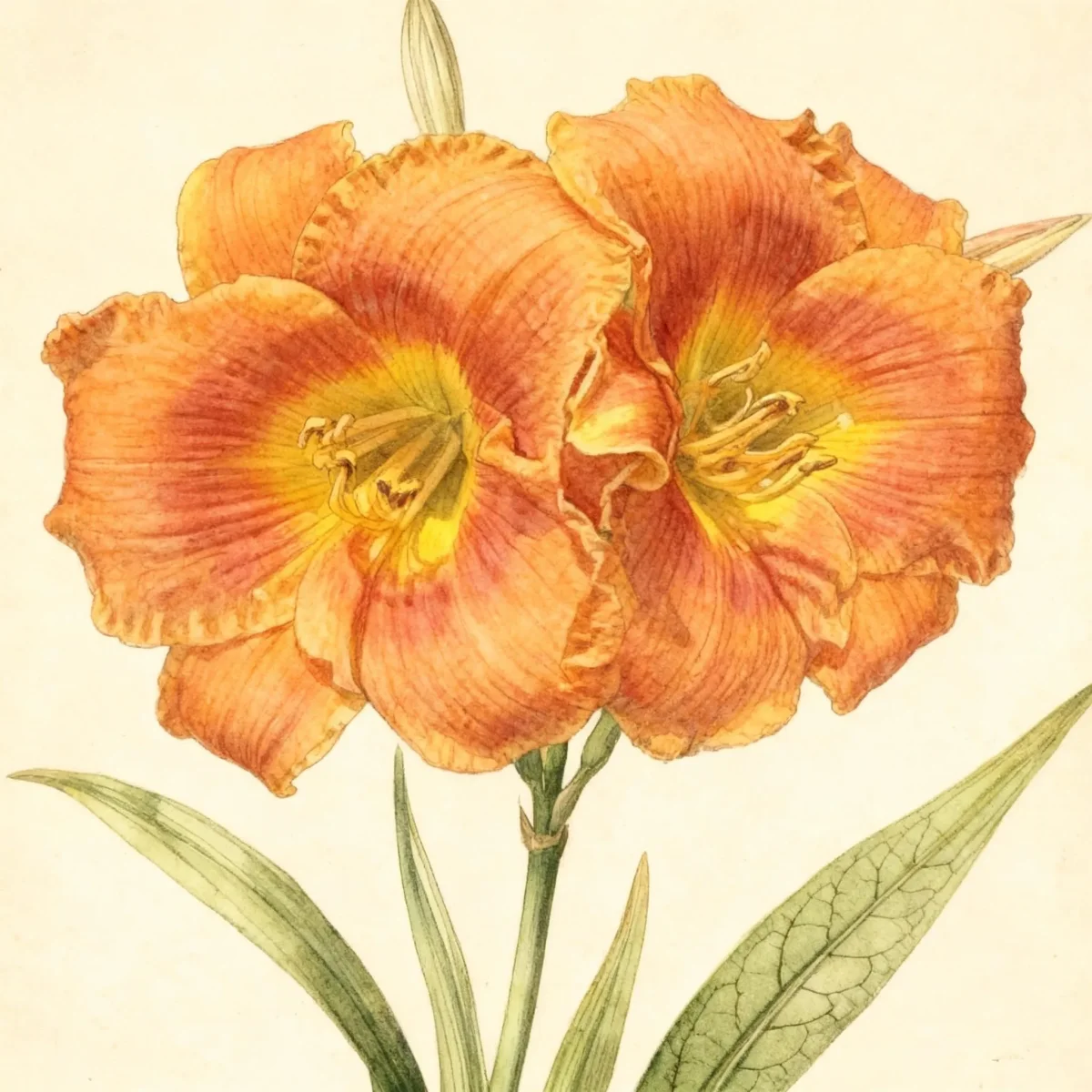
Hemerocallis 'Tiger Time' is a low-maintenance, showy Tetraploid daylily featuring orange blooms with red eyezones, thriving in Zones 3-9.
Scroll down to discover growing tips, care requirements, companion plants, and more
Complete Plant Information
Overview
Hemerocallis ‘Tiger Time’ is a robust, attractive Tetraploid daylily celebrated for its vibrant, mid-season display of color and relatively easy cultivation. This evergreen variety produces distinctive orange flowers accented by a deep red eyezone and a contrasting yellow-orange throat, making it a standout in any sunny border. As a hardy herbaceous perennial, Hemerocallis ‘Tiger Time’ combines striking aesthetics with a low maintenance profile, suitable for many garden settings, even those with moderate heat and humidity. Gardeners benefit from its reliable performance and tolerance to various environmental stresses, ensuring reliable beauty year after year.
Fast Facts
- Plant Family: Asphodelaceae
- Plant Type: Herbaceous perennial
- Hardiness Zones: USDA Zones 3-9
- Size at Maturity:
- Height: 2.5-3 ft
- Spread: 2.5-3 ft
- Bloom Time: June to July
- Bloom Description: Orange with red eyezone and yellow-orange throat
- Sun Exposure: Full sun to part shade
- Water Needs: Medium
- Maintenance Level: Low
How to Grow
Planting should ideally occur when the soil is workable, either in early spring or fall, ensuring the crown sits just at or slightly above the soil line. This Tetraploid daylily thrives in average, medium moisture, well-drained soils, though it performs best when sited in deep, fertile loams. Ensure it receives full sun to partial shade for optimal flowering.
Care for Hemerocallis ‘Tiger Time’ is generally minimal. Deadhead spent flowers daily to maintain a neat appearance, and remove the entire finished flower scape once blooming has ceased. While these daylilies tolerate summer heat and humidity, regular, deep watering during extended dry spells will keep the foliage looking its best. Fertilizing is often unnecessary if planted in rich garden loam.
For the best long-term performance, plan to divide clumps of Hemerocallis ‘Tiger Time’ every three to four years, performing this task in either fall or early spring, with spring being preferable in colder climates. Be aware that hybrid daylilies like this cultivar will not breed true if grown from seed. Since this specific cultivar is noted as winter dormant, it requires that cold winter rest period for prolific blooming, making it less suited for the warmest reaches of Zone 9 or higher unless special care is taken.
Landscape Uses
Hemerocallis ‘Tiger Time’ is designated as an easy-to-grow herbaceous perennial perfect for foundational garden work. Its medium height makes it superb for structuring mixed borders where its colorful blooms can be easily viewed above shorter accompanying plants. Use this durable plant for mass plantings to create a broad swathe of consistent color from early to mid-summer. It also functions excellently as edging along pathways or driveways, providing reliable structure and form.
The arching, linear foliage provides excellent year-round texture even when not in bloom. Consider pairing the orange and red tones of Hemerocallis ‘Tiger Time’ with blue or purple companions, such as Salvia or Catmint, to create high-contrast visual appeal in the summer garden. Its robust nature also makes it suitable for stabilizing slopes, offering functional benefits alongside its aesthetic appeal.
Standout Features
Flower Qualities
- Showy
Noteworthy Characteristics
Daylilies are native mainly to Asia and Europe, and modern garden varieties are mostly complex hybrids developed for enhanced color and form. Each individual bloom on Hemerocallis ‘Tiger Time’ lasts only one day, but the plant produces flowers continuously across its scapes, resulting in a long overall blooming period. This specific evergreen Tetraploid daylily features flowers up to 4 inches wide, highlighted by its signature orange petals, red eyezone, and yellow-orange throat.
Tolerances
- Rabbit
- Erosion
- Air Pollution
Potential Problems
Daylilies are renowned for being extremely adaptable and relatively pest-free, contributing to the low maintenance required for Hemerocallis ‘Tiger Time’. Occasionally, aphids, mites, or thrips may appear, which can usually be controlled with horticultural soap or a strong jet of water. In humid climates, daylily rust fungus can occasionally become an issue; ensure good air circulation around the plants to mitigate this risk. Rabbits rarely find this plant appealing for consumption.
Frequently Asked Questions
What hardiness zones is Tetraploid daylily suitable for?
Hemerocallis ‘Tiger Time’ is reliably hardy across USDA Zones 3 through 9.
How large does the Tetraploid daylily grow?
This cultivar typically reaches a height of 2.5 to 3 feet and spreads about 2.5 to 3 feet wide at maturity.
What sun exposure does Hemerocallis ‘Tiger Time’ need?
For the best flowering display, plant this daylily where it will receive full sun, although it will still perform adequately in partial shade conditions.
When does Hemerocallis ‘Tiger Time’ bloom?
Blooms occur throughout June and July, showcasing striking orange flowers with a strong red eyezone and a clear yellow-orange throat.
Conclusion
The Hemerocallis ‘Tiger Time’ Tetraploid daylily offers gardeners a fantastic combination of brilliant color, dependable hardiness, and minimal upkeep. Its distinctive orange and red-eyed flowers provide essential summer interest across a broad climatic range. Before planting, confirm your garden sits within USDA Zones 3-9 and enjoys at least partial sun exposure to maximize the beauty of this robust hybrid.
Companion Planting
When integrating Hemerocallis ‘Tiger Time’ into border designs, pairing it with plants that offer contrasting foliage textures enhances the visual impact. Consider using broad-leaf hostas near the front to contrast with the daylily’s linear blades, particularly in areas receiving afternoon shade. Plants like ornamental grasses (e.g., Panicum virgatum) or late-blooming salvias (like Salvia nemorosa) work well, as they emerge or bloom after the daylily’s primary flush, ensuring continuous garden interest.
Seasonal Care Calendar
Early spring cleanup focuses on removing any dead or damaged foliage left over from winter dormancy; cut back foliage to a few inches above the ground if it didn’t naturally die back cleanly. Mid-summer is when you should maintain deadheading of the individual flowers on Hemerocallis ‘Tiger Time’ to encourage rebloom potential later in the season. Fall is the optimal time for dividing overcrowded clumps that have flowered less vigorously, which helps rejuvenate the plants and keeps them healthy for the following year.