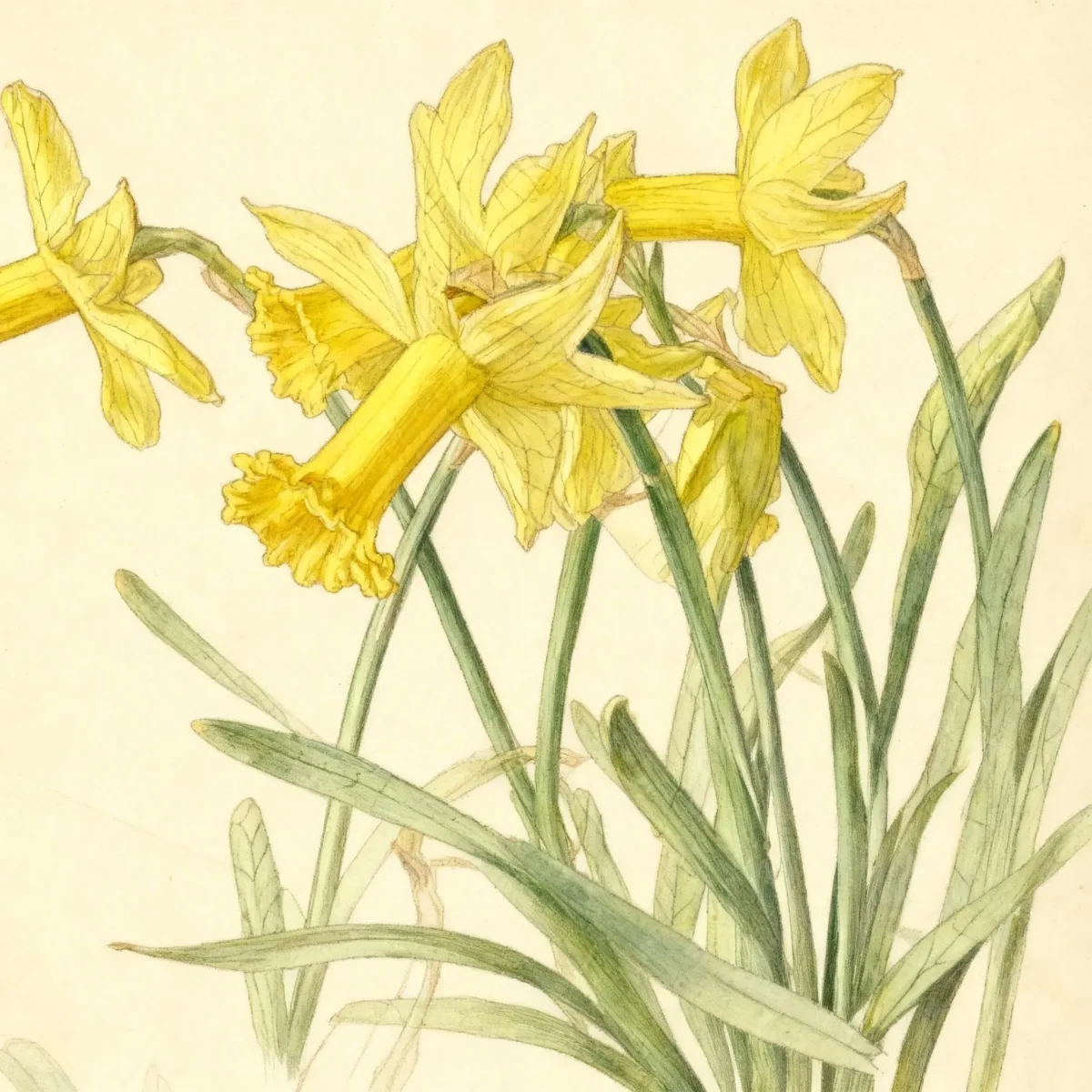
Cyclamineus daffodil (Narcissus 'Ara')
Narcissus 'Ara' is a low-maintenance Cyclamineus daffodil boasting ivory and pale yellow spring blooms in zones 3-8.
Scroll down to discover growing tips, care requirements, companion plants, and more
Complete Plant Information
Overview
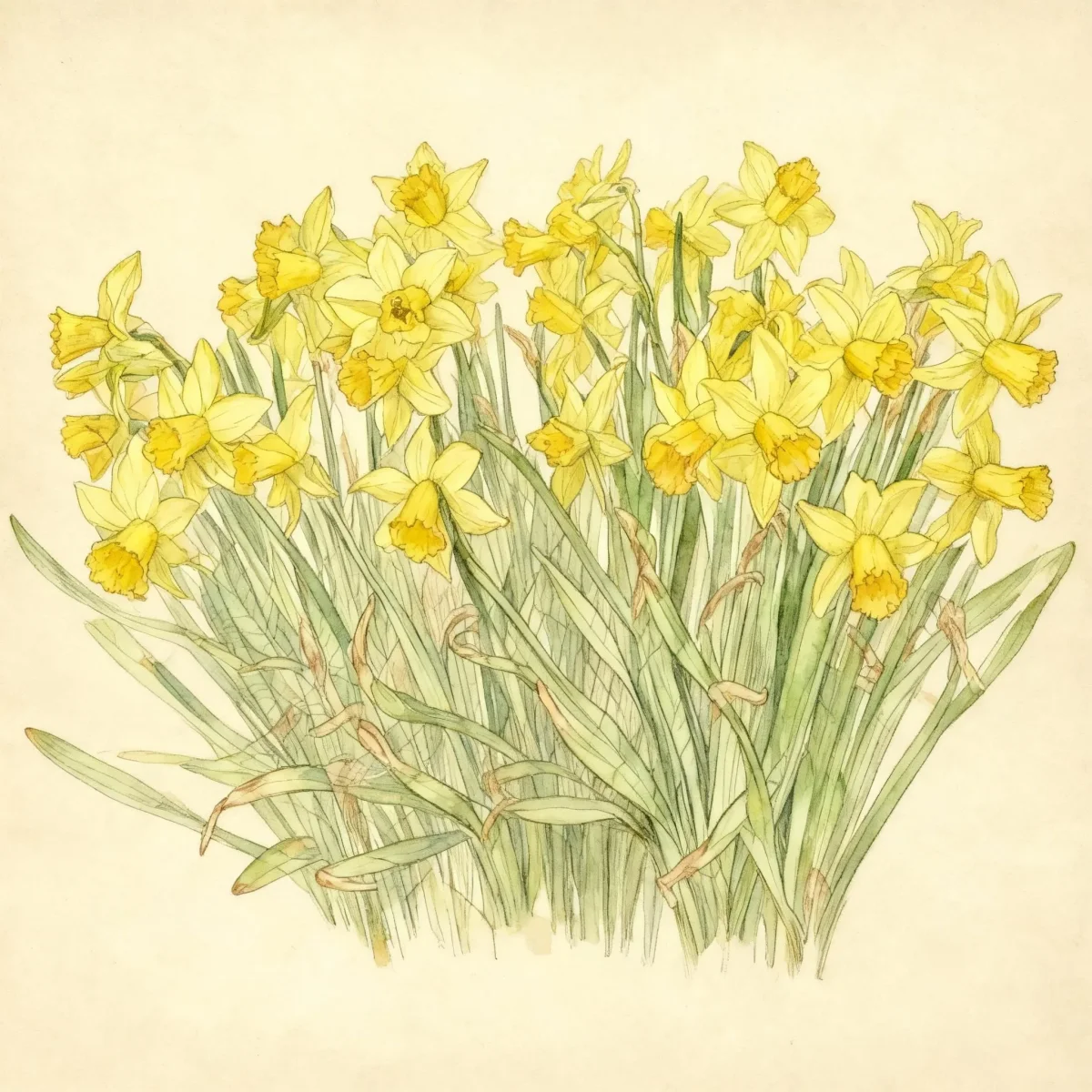
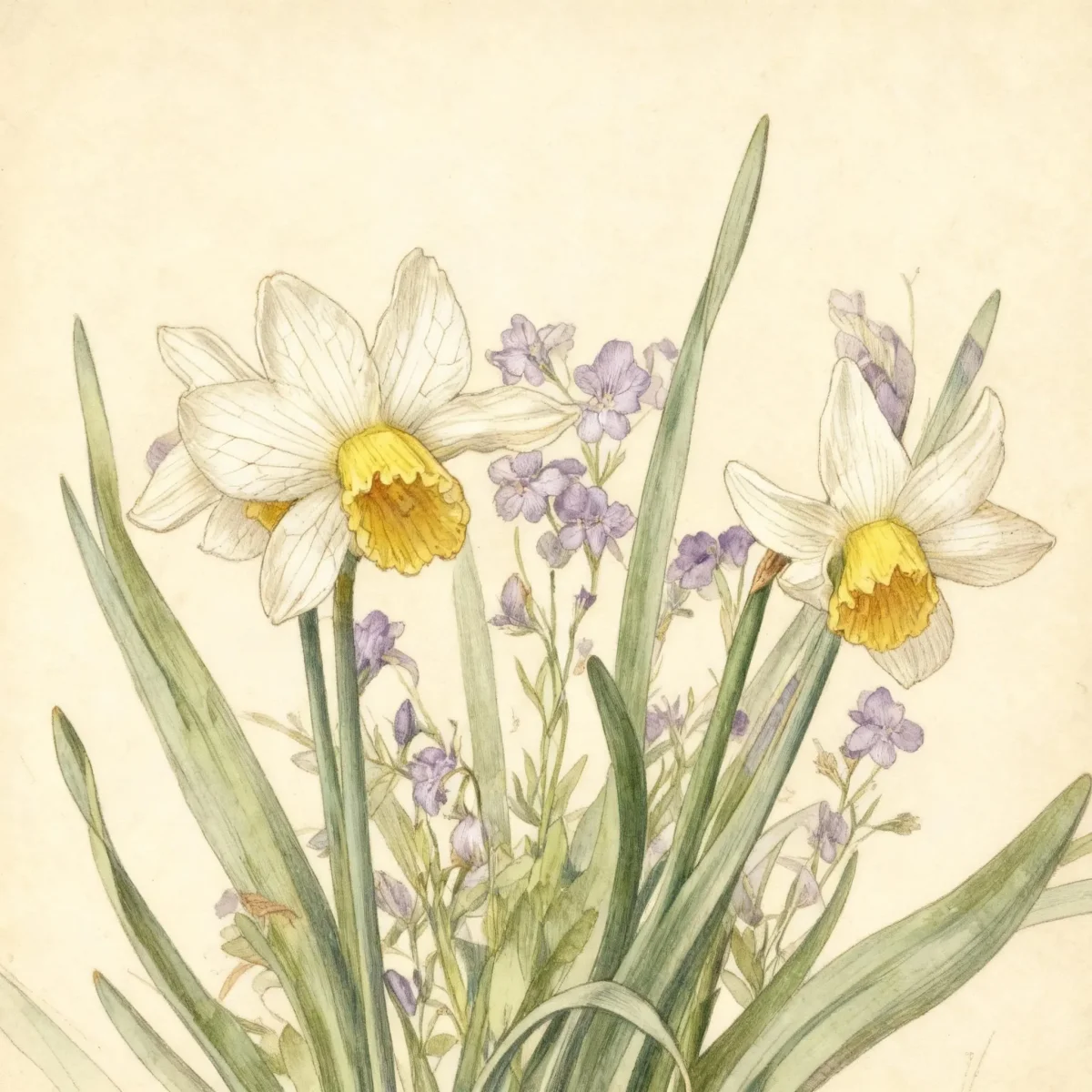
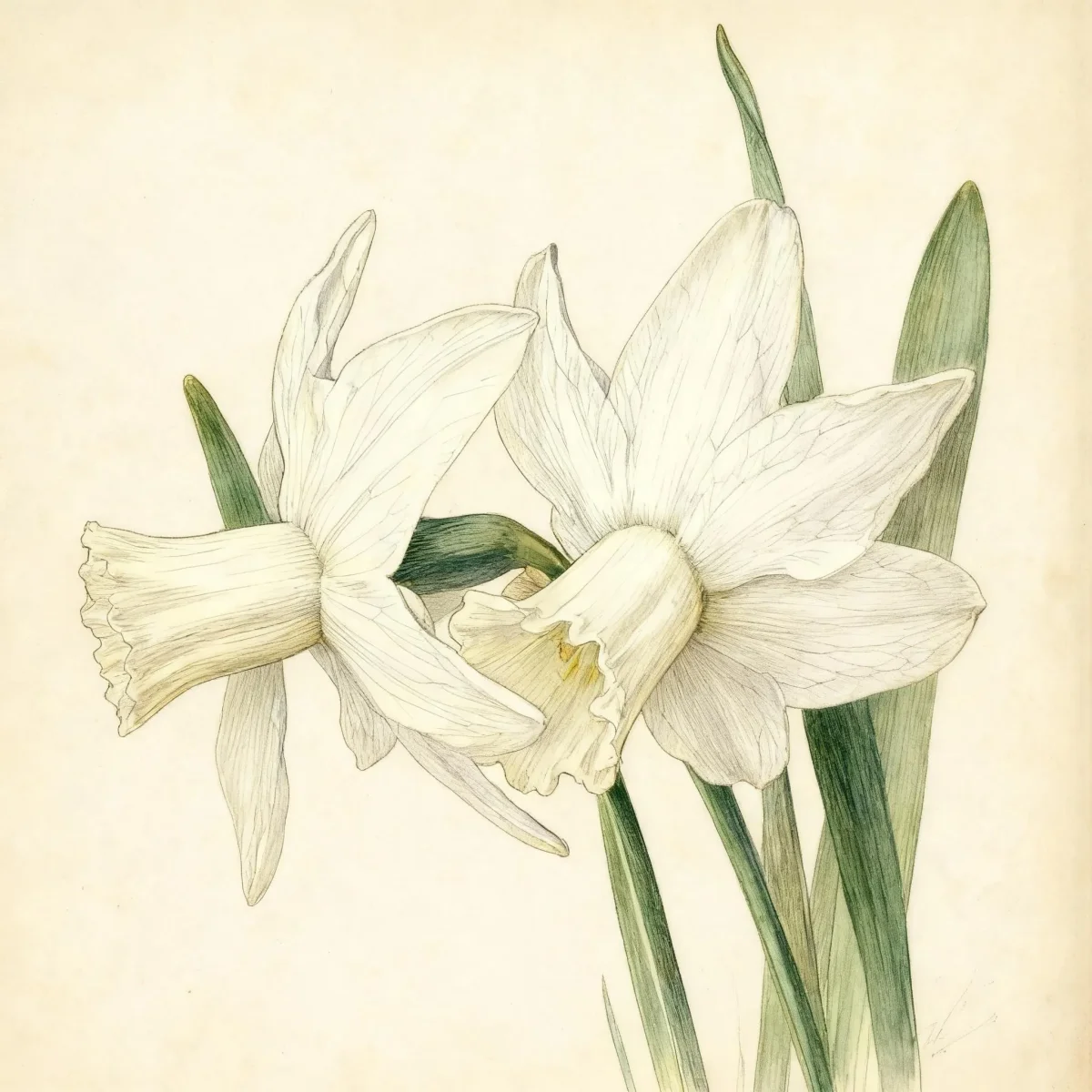
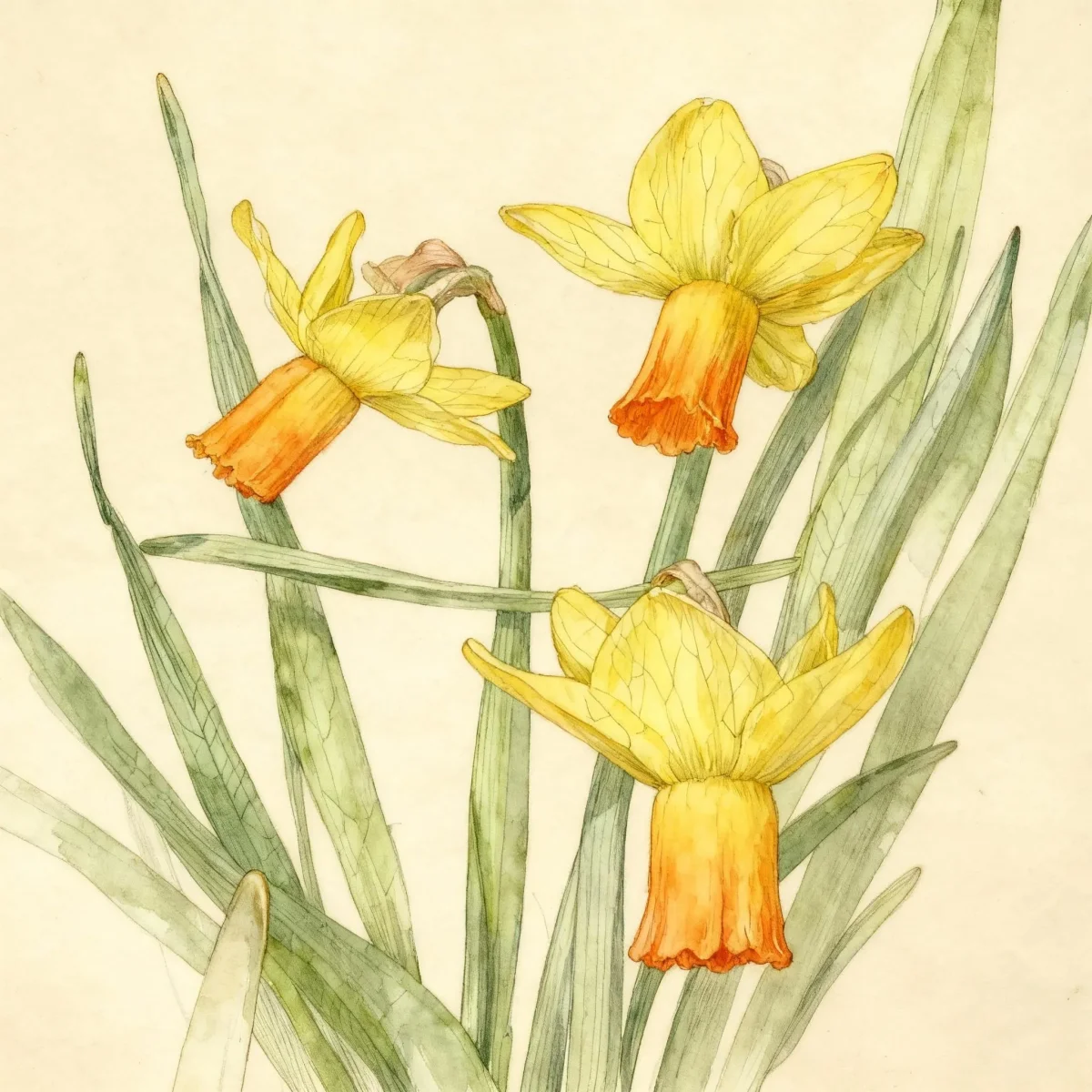
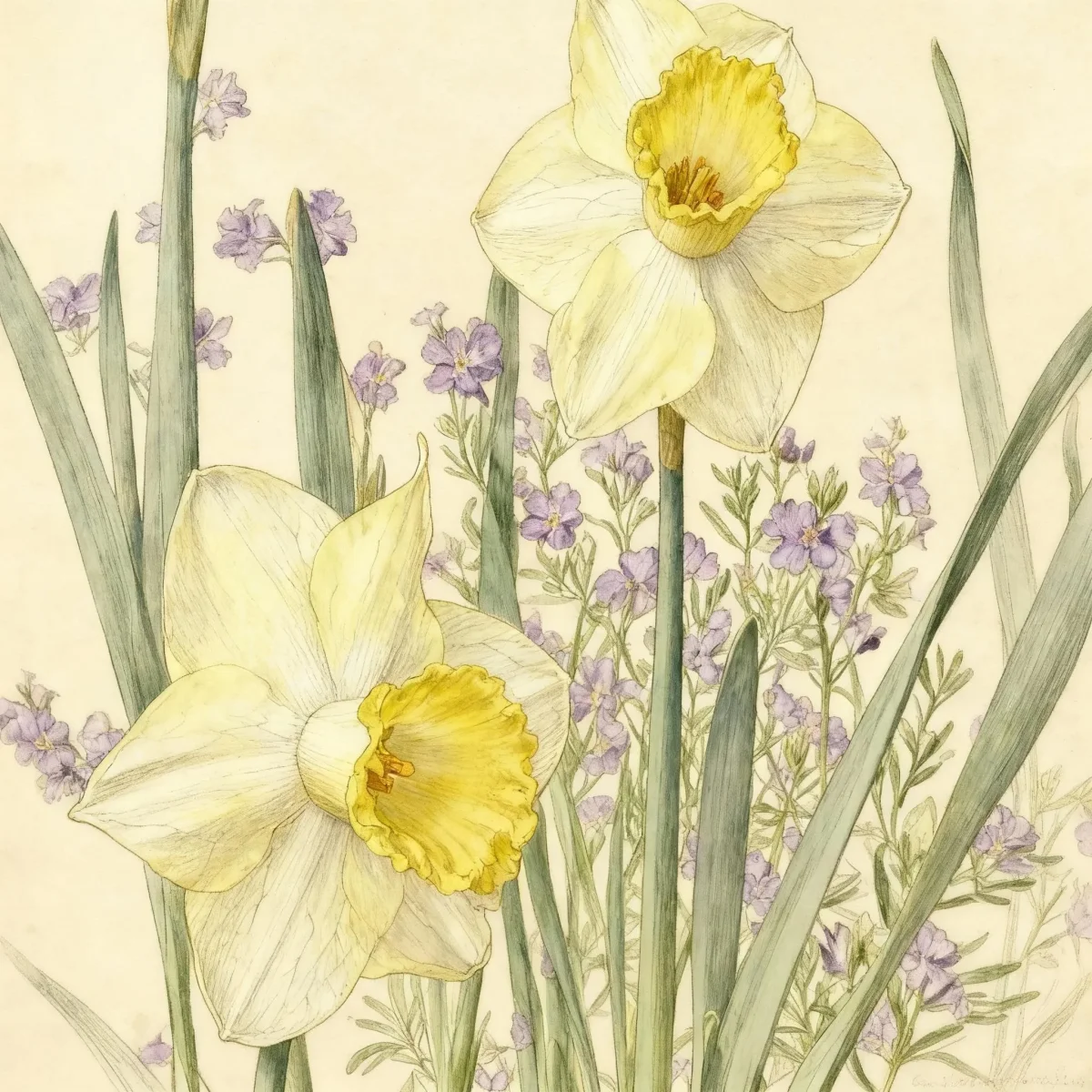
Narcissus ‘Ara’ stands out in the spring garden as a classic Cyclamineus daffodil hybrid, valued for its elegant, nodding flowers that signal the end of winter. This specific cultivar features gracefully reflexed, ivory perianth segments surrounding a contrasting pale yellow trumpet, offering excellent visual appeal early in the season. As a perennial bulb, Narcissus ‘Ara’ requires consistently low maintenance once established, returning reliably year after year in the appropriate hardiness range. Gardeners appreciate this variety for its naturalizing capabilities and its ability to provide early color in sunny or partially shaded spots.
This species is inherently tough, thriving in average garden soils provided drainage is excellent. Growing to less than two feet tall, the Cyclamineus daffodil lends itself beautifully to naturalized settings or mass plantings where its early April bloom can shine. Its stature as a miniature daffodil provides textural contrast against later-blooming perennials, making Narcissus ‘Ara’ a versatile and rewarding spring feature.
Fast Facts
- Plant Family: Amaryllidaceae
- Plant Type: Bulb
- Hardiness Zones: USDA Zones 3-8
- Size at Maturity:
- Height: 1-1.5 ft
- Spread: 0.75-1 ft
- Bloom Time: April
- Bloom Description: Ivory perianth with pale yellow trumpet
- Sun Exposure: Full sun to part shade
- Water Needs: Medium
- Maintenance Level: Low
How to Grow
Planting Narcissus ‘Ara’ bulbs should occur in early to mid-fall to allow sufficient root development before the ground freezes. Select a location offering full sun to light afternoon shade, ensuring the soil is average, medium moisture, and crucially, well-drained; poor drainage can lead to destructive bulb rot. Planting depth is critical: aim for 2 to 3 times the depth of the bulb, meaning most should be placed 3 to 6 inches deep, spaced 4 to 8 inches apart.
Care for this Cyclamineus daffodil throughout the growing season requires medium moisture, though they can tolerate drought once dormant. After the spectacular April blooms fade, resist the urge to tidy up immediately. Allow the foliage to remain intact until it yellows naturally; this necessary process allows the leaves to gather energy to recharge the bulb for next year’s display. Only remove the spent flower stems above the foliage to prevent seed formation, which diverts precious energy.
Narcissus ‘Ara’ bulbs can be happily left in place for many years, requiring minimal intervention. Division is only advisable if you notice a decline in the quantity or quality of the flowers after several seasons. When division becomes necessary, lift the clumps shortly after the foliage has completely died back. Proper site selection, where the flowers naturally face the sun, ensures the best presentation of the ivory and pale yellow blooms.
Landscape Uses
Daffodils, unlike some other spring bulbs, are excellent candidates for naturalizing, meaning they successfully multiply and spread over time, creating increasing swathes of color. Narcissus ‘Ara’ works wonderfully when planted in groupings of at least six bulbs to create the required visual impact as they naturalize. They are perfectly suited for mixed borders, tucked toward the front of beds where their low stature (1 to 1.5 feet) won’t obscure taller spring plantings.
Consider using this Cyclamineus daffodil beneath deciduous shrubs or trees, as they capture the spring sunlight before the canopy fully leafs out. They also mix exceptionally well with other early bloomers, such as Scilla or early tulips, to create complex, layered spring displays. Since Narcissus ‘Ara’ is low maintenance and deer resistant, massing them in open woodland areas or along naturalized pathways provides effortless, increasing beauty season after season.
Standout Features
Flower Qualities
- Showy
Noteworthy Characteristics
Narcissus is a genus renowned for brightening the spring garden, and ‘Ara’ is a prime example, belonging to Division VI—the cyclamineus group. By definition, a cyclamineus daffodil usually features only one flower per stem, distinguished by significantly reflexed perianth segments (petals) and a long, narrow corona, as seen in the ivory and pale yellow bloom structure of Narcissus ‘Ara’. This specific cultivar blooms mid-season (April) and typically reaches 12-16 inches high, providing elegant structure from its reflexed petals and long trumpet.
Tolerances
- Rabbit
- Deer
- Drought
Potential Problems
Daffodils, including Narcissus ‘Ara’, are generally robust and suffer from very few serious pest or disease issues when planted in suitable, well-drained locations. The main threat often relates to culture, specifically bulb rot, which occurs anytime soil drainage is inadequate. To prevent this, amend heavy soil with organic matter before planting bulbs in the fall.
Infrequently, gardeners might encounter minor pests such as slugs and snails when new shoots emerge, or issues like the narcissus bulb fly or narcissus nematode. Treating your bulbs with a suitable fungicide before planting can mitigate some rot risks. While deer and rabbits generally avoid the foliage due to mild toxicity, vigilance against early-season slugs ensures pristine early leaves.
Frequently Asked Questions
What hardiness zones is Cyclamineus daffodil suitable for?
Narcissus ‘Ara’ is reliably hardy across USDA Zones 3 through 8, making it suitable for a wide range of climates.
How large does Narcissus ‘Ara’ grow?
This miniature daffodil typically reaches a height between 1 and 1.5 feet, spreading quietly to about 0.75 to 1 foot wide.
What sun exposure does Cyclamineus daffodil need?
Narcissus ‘Ara’ performs best when sited where it receives full sun exposure or partial shade, especially appreciating afternoon shade in very hot regions.
When does Narcissus ‘Ara’ bloom?
This variety flowers in April, presenting its distinct bloom description of an ivory perianth with a pale yellow trumpet.
Conclusion
Narcissus ‘Ara’ easily earns its place in perennial gardens through its dependable, low-maintenance nature and its delightful early spring appearance as a classic Cyclamineus daffodil. Its striking ivory and pale yellow flowers provide essential architecture as the garden awakens. Before the first chill of fall arrives, ensure you have secured your bulbs and plan to plant them in well-drained soil appropriate for USDA zones 3-8.
Companion Planting
Creating successful spring displays involves pairing plants with similar cultural needs. Since Narcissus ‘Ara’ prefers full sun to partial shade and requires well-drained soil, companions should thrive in those same conditions. Early-blooming perennials like Grape Hyacinths (Muscari) or Siberian Squill (Scilla) have similar bloom windows and low-growing habits, allowing them to carpet the ground around the base of the daffodil foliage.
For a slightly later burst of color, consider planting late-blooming standards like low-growing Lungwort (Pulmonaria) or certain varieties of Primroses. These plants emerge as the daffodil foliage begins to fade, ensuring continuous visual interest. Since the foliage of the Cyclamineus daffodil must remain intact until it yellows, choose companions whose emerging leaves will gracefully hide the dying daffodil leaves, masking this necessary garden cleanup phase.
Seasonal Care Calendar
Spring care for Narcissus ‘Ara’ focuses heavily on post-bloom management. Once the flowers have faded in April, deadhead the spent blooms to prevent seed production. Water consistently during the spring growing season, maintaining medium soil moisture, but cease supplemental watering once the foliage yellows, entering summer dormancy.
Fall is the critical planting time for this bulb. Ensure soil preparation includes adequate drainage amendments, as this prevents bulb rot over winter. Plant the bulbs deeply enough (3-6 inches) during September or October. Avoid fertilizing heavily in autumn; a light feeding with a balanced, low-nitrogen fertilizer after the leaves appear in early spring is sufficient for long-term health and abundant blooms.
Design Ideas for Miniature Daffodils
The smaller stature of Narcissus ‘Ara’ makes it ideal for formal container gardening where you can control drainage meticulously. Plant the bulbs densely in pots layered with other fall bulbs like crocus, ensuring the arrangement remains tight for maximum visual impact during the April bloom. Use a high-quality, gritty potting mix to guarantee the excellent drainage this plant demands year after year.
For more naturalized designs, scatter bulbs haphazardly across the lawn edge or along the front of shrub borders, mimicking how they might grow in their native European habitats. Because the Cyclamineus daffodil has slightly reflexed petals, it catches the light beautifully, making it an excellent choice for rock gardens or mixed bulb beds where individual blooms can be observed up close. Plant in odd-numbered groups for the most aesthetically pleasing effect.