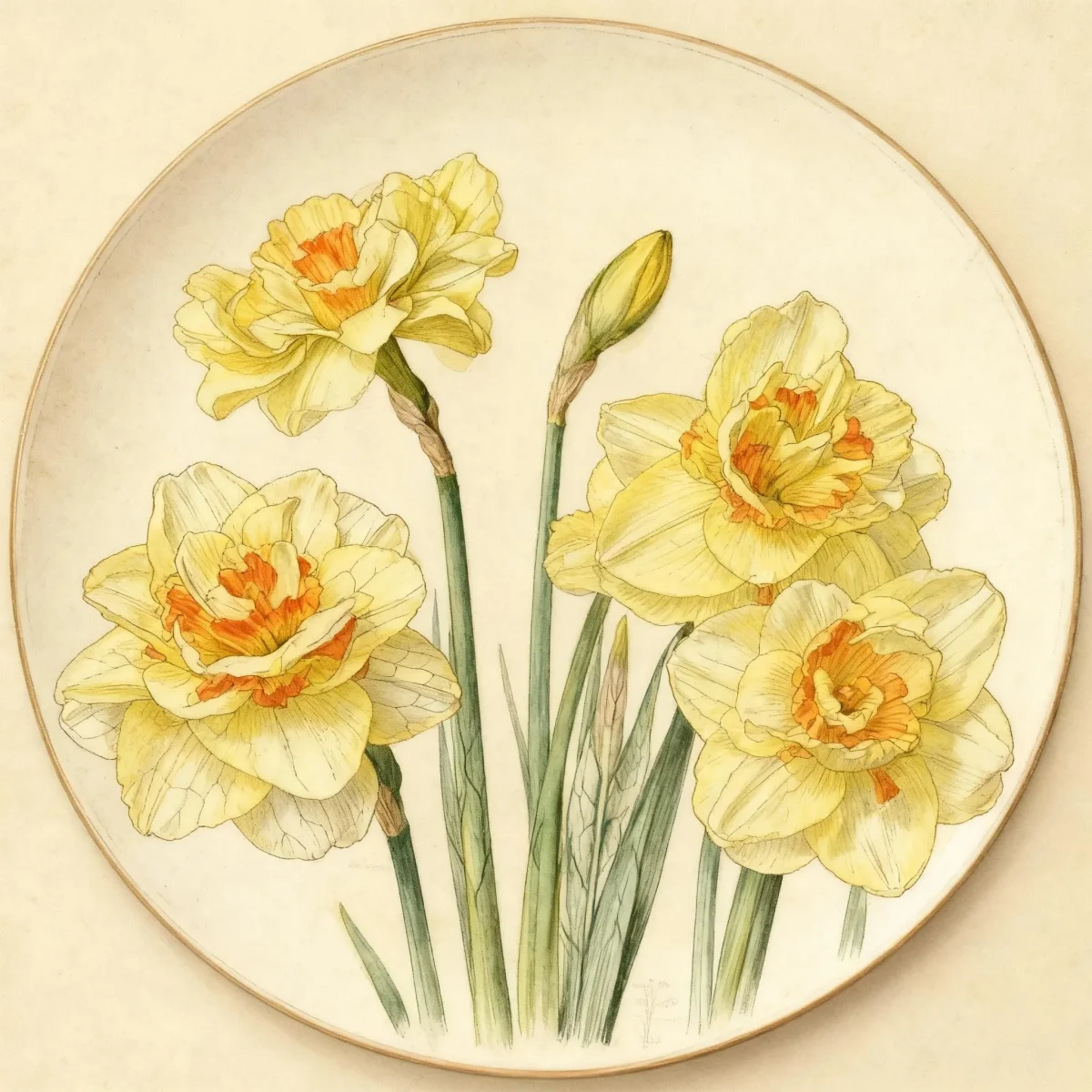
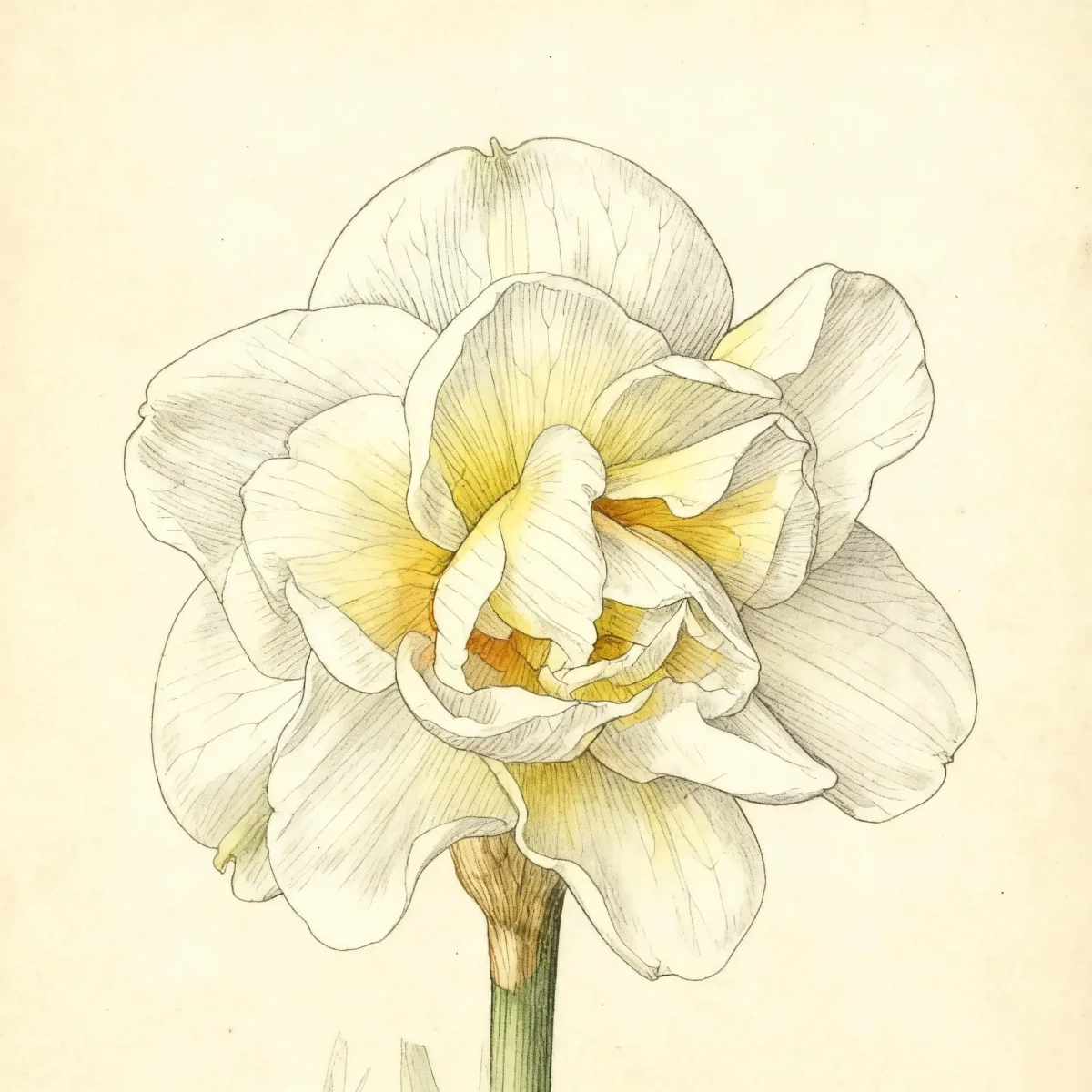
Split-cupped daffodil (Narcissus 'Mary Gay Lirette')
Narcissus 'Mary Gay Lirette' is an early-blooming split-cupped daffodil featuring white petals and a salmon cup, perfect for low-maintenance spring color.
Scroll down to discover growing tips, care requirements, companion plants, and more
Complete Plant Information
Overview
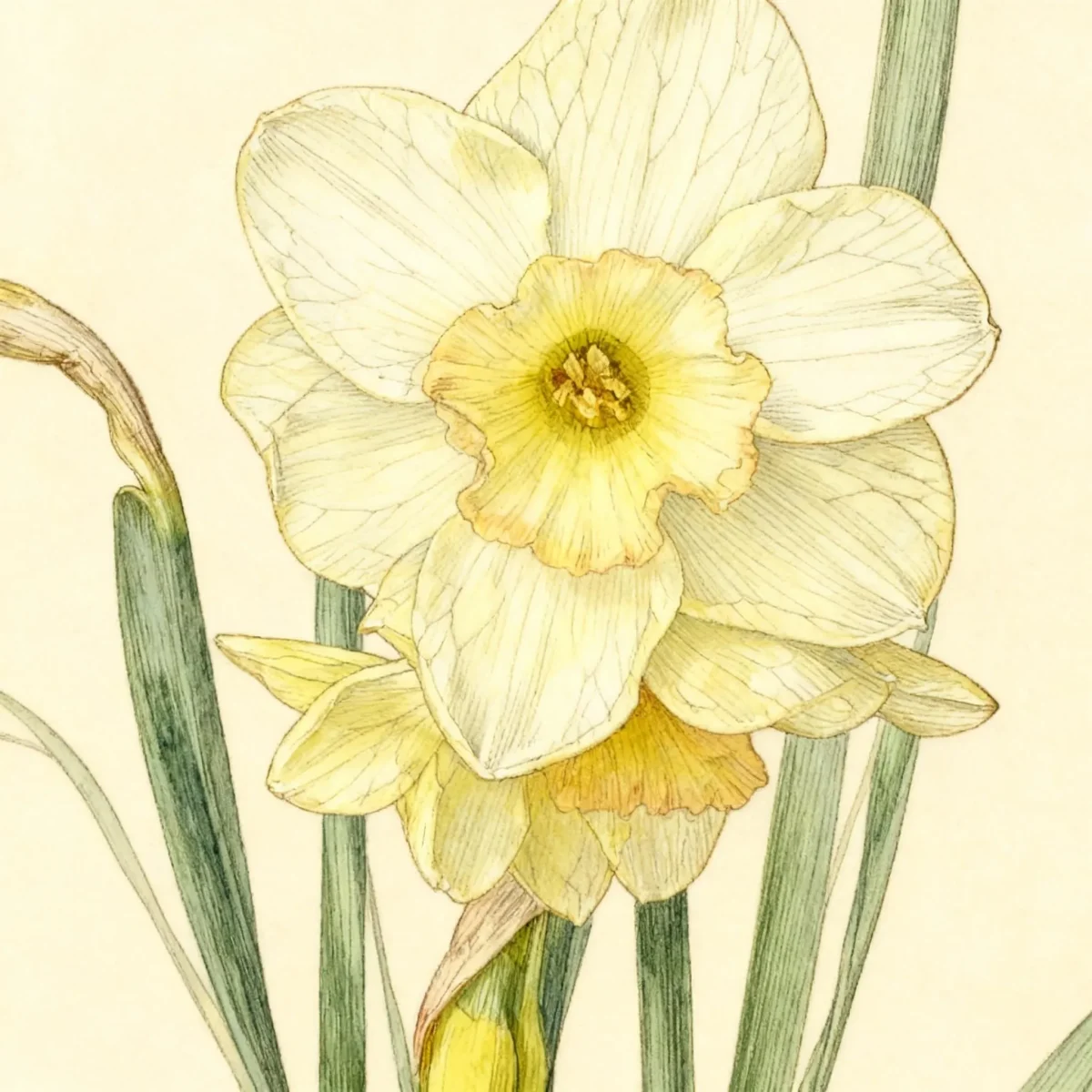
Narcissus ‘Mary Gay Lirette’ is a standout variety within the daffodil family, specifically classified as a split-corona type. Gardeners prize this Split-cupped daffodil for its unique bicoloration—crisp white perianth segments contrasting beautifully with a striking salmon-colored cup in mid-spring. As an early to mid-season bloomer, it provides essential early color when many other spring perennials are just starting.
This bulbous perennial requires surprisingly little attention once established, fitting perfectly into low-maintenance garden plans. Its growth habit places it in the smaller height range for daffodils, making Narcissus ‘Mary Gay Lirette’ ideal for mixing into established borders or naturalizing under small trees where its refined look can shine. It reliably returns year after year, rewarding gardeners for their initial fall planting effort.
Being hardy across a wide range, from Zone 3 to Zone 8, this Split-cupped daffodil offers dependable performance across most temperate climates. The foliage of Narcissus ‘Mary Gay Lirette’ remains upright until it yellows, signaling that the plant is storing energy for next year’s spectacular salmon-cupped display.
Fast Facts
- Plant Family: Amaryllidaceae
- Plant Type: Bulb
- Hardiness Zones: USDA Zones 3-8
- Size at Maturity:
- Height: 1-1.5 ft
- Spread: 0.75-1 ft
- Bloom Time: April
- Bloom Description: White with salmon cup
- Sun Exposure: Full sun to part shade
- Water Needs: Medium
- Maintenance Level: Low
How to Grow
Planting bulbs for Narcissus ‘Mary Gay Lirette’ should occur in the early to mid-fall before the ground freezes hard. Ideal soil conditions involve average, medium moisture, well-drained loam, but excellent drainage is paramount to prevent bulb rot. Plant each bulb two to three times as deep as the bulb is tall, ensuring at least three inches of soil covers the top. Spacing bulbs 4 to 10 inches apart, depending on their size, allows them to establish strong colonies over time.
Care for this Split-cupped daffodil throughout the growing season requires keeping the soil uniformly moist, although the bulbs tolerate drought once they enter dormancy. After the stunning April blooms fade, remove the spent flower stems to stop seed production, but crucially, allow the foliage to remain intact until it naturally yellows. Cutting the leaves prematurely starves the bulb of the energy needed for next year’s flowering.
These bulbs naturalize well and require infrequent division, generally only when the bloom quantity or quality declines after several years. If division is necessary, schedule this activity for immediately after the foliage completely dies back. Avoid planting Narcissus ‘Mary Gay Lirette’ where afternoon shade would be too heavy; these flowers naturally turn to face the sun.
Landscape Uses
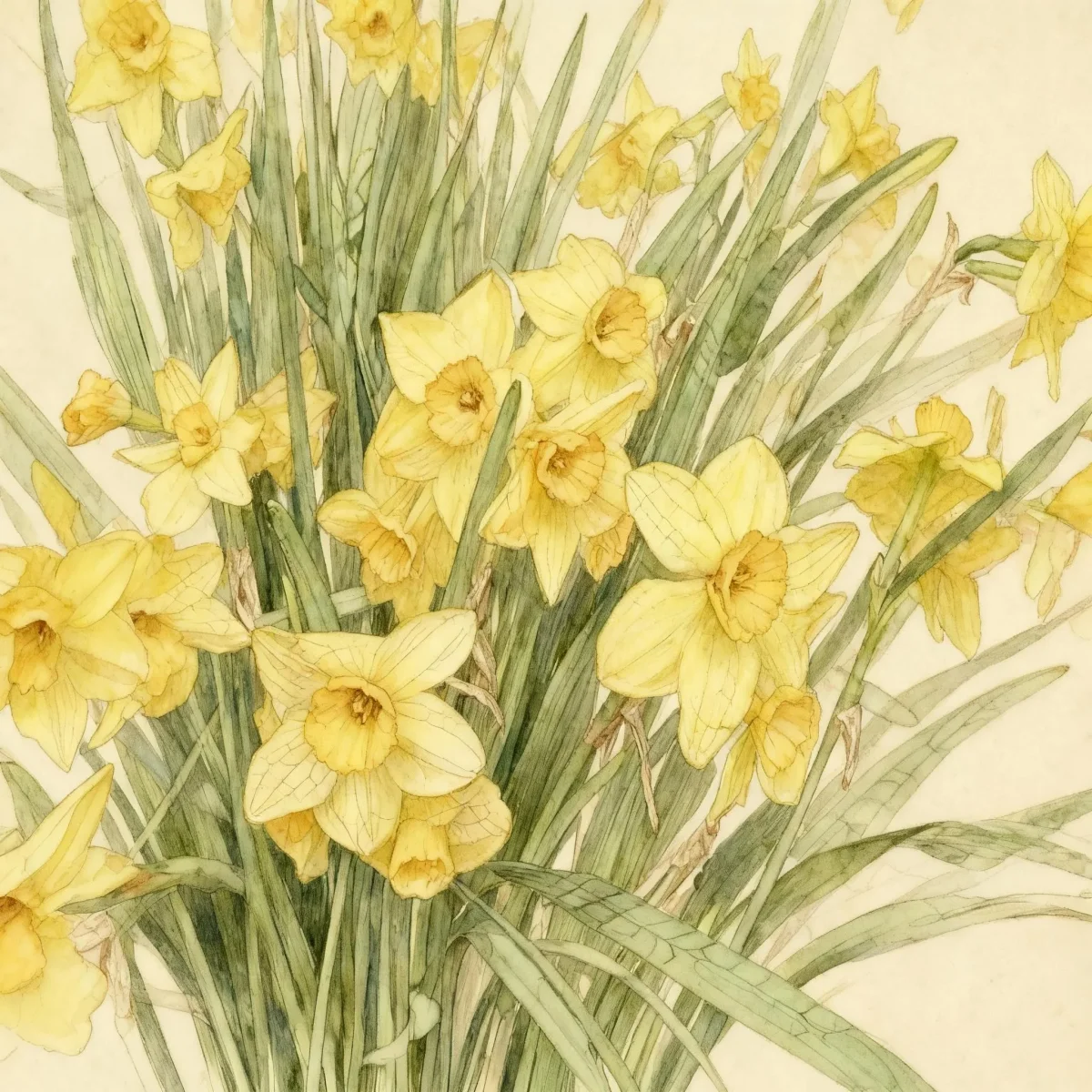
Daffodils, unlike many spring annuals, are celebrated for their reliable reappearance year after year, making them indispensable for long-term garden structure. Narcissus ‘Mary Gay Lirette’ is perfectly suited for mass plantings—think sweeps and drifts rather than small, isolated dots—to maximize the visual impact of its white and salmon blooms against early spring greenery. They thrive at the front of perennial borders, line informal woodland paths, or peek out from beneath the emerging canopy of deciduous shrubs.
Because this Split-cupped daffodil mixes well with other spring bulbs, consider pairing it with early-blooming tulips or later-blooming hyacinths to extend the season. For naturalized areas, plant them liberally among groundcovers that emerge later, allowing the daffodil foliage to finish its work before the groundcover fully fills in. The rabbit and deer resistance of Narcissus ‘Mary Gay Lirette’ makes it a reliable choice near entryways or vegetable gardens where browsing is an issue.
Standout Features
Flower Qualities
- Showy
Noteworthy Characteristics
Narcissus is a genus of about 50 species of bulbous perennials from Europe and North Africa; they are a mainstay of the spring garden. Flowers generally feature a trumpet or cup (the corona) surrounded by six petals (perianth segments), in colors ranging from white to yellow to orange to pink to bicolors. ‘Mary Gay Lirette’ is a split-corona narcissus (Division XI), meaning the cup is split for more than half its length, and this specific cultivar is categorized as an early to mid-season collar type that rises to 14-16” tall. Each flower features lovely white perianth segments and a salmon cup, which starts yellow before maturing to its signature salmon hue.
Tolerances
- Rabbit
- Deer
- Drought
Potential Problems
Fortunately, daffodils are famously low-maintenance and are rarely bothered by serious pests or diseases when planted correctly. The most common affliction is bulb rot, which occurs almost exclusively when the planting soil lacks adequate drainage or remains soggy through the dormant period. Prevention starts with proper site preparation, ensuring the soil is light and drains freely.
Infrequently, gardeners may encounter minor pests like slugs and snails, or potentially the narcissus bulb fly. If you notice signs of viral infection, such as yellow striping on the foliage (Narcissus yellow stripe virus), immediately remove the affected clump to prevent spread, as there is no cure. Remember that deer and rabbits generally avoid this plant entirely due to its mild toxicity.
Frequently Asked Questions
What hardiness zones is Split-cupped daffodil suitable for?
Narcissus ‘Mary Gay Lirette’ is reliably cold-hardy, thriving in USDA Zones 3 through 8.
How large does Narcissus ‘Mary Gay Lirette’ grow?
It typically reaches a mature height between 1 and 1.5 feet tall, with a spread of about 0.75 to 1 foot.
What sun exposure does Split-cupped daffodil need?
This variety performs best when planted in locations receiving full sun to part shade.
When does Narcissus ‘Mary Gay Lirette’ bloom?
This daffodil generally blooms in April, presenting unique flowers described as white with a salmon cup.
Conclusion
The undeniable appeal of Narcissus ‘Mary Gay Lirette’ lies in its long-lived performance and distinctive salmon-colored cup set against bright white petals. As a highly resistant, low-maintenance Split-cupped daffodil, it delivers reliable early spring cheer without demanding constant attention. Before winter sets in, ensure your bulbs are planted at the correct depth in well-drained soil to maximize your return on this beautiful perennial investment next April.
Companion Planting
When planning the surroundings for your Narcissus ‘Mary Gay Lirette’, select plants that enjoy similar growing conditions—full sun or light shade and medium moisture when actively growing. Excellent companions include early emerging perennials like Brunnera, Siberian Iris, or small, late-flowering spring bulbs like grape hyacinths (Muscari). Companion planting with later-emerging foliage plants is also strategic; plant Hostas or Geraniums slightly behind the narcissus patches. This placement allows the groundcover to shade the soil surface and hide the gradually yellowing daffodil foliage as summer approaches, maintaining a neat garden appearance.
Design Ideas for Drifts
The true aesthetic power of the Split-cupped daffodil is unlocked when it is planted in quantity, allowing the eye to follow sweeping drifts of color. For formal spring beds, utilize the 1-1.5 foot height of Narcissus ‘Mary Gay Lirette’ to create clear foreground layers against taller shrubs or evergreens that provide a dark backdrop. In more informal cottage gardens or naturalized areas, scatter bulbs generously across lawns or under deciduous trees, ensuring you plant groups of at least six to twelve bulbs per location. Allowing these bulbs to naturalize over the years creates an increasingly lush and effortless display each spring.